
Reviewed · KATHMANDU SIGHTSEEING TOURS
Full Day Sightseeing Tour of Kathmandu
Kathmandu’s greatest sights are scattered across the valley, and this tour tackles the whole set in one ambitious day. You can visit all seven UNESCO World Heritage sites, from the hilltop Monkey Temple to medieval Bhaktapur and Changunarayan, without arranging several taxis or bargaining with drivers.
I like the small maximum group of 15, which gives you a better chance to hear the guide than on a big coach tour. I also like the practical hotel pickup, bottled water, parking, and local guide, especially when Kathmandu traffic makes a simple route look complicated.
The catch is the pace. Seven sites in about seven hours leaves little room for lingering, shopping, or a relaxed lunch, and entrance fees can cost more than the tour itself. If you have only one day in Kathmandu, though, this is a useful way to cover a lot of ground.
In This Review
- Key points to know before booking
- What the full-day Kathmandu route is really like
- Swayambhunath, the hilltop Monkey Temple
- Boudhanath and the world of Tibetan Buddhism
- Pashupatinath beside the Bagmati River
- Kathmandu Durbar Square and the old royal center
- Patan Durbar Square and Newar artistry
- Bhaktapur Durbar Square, the medieval highlight
- Changunarayan and the final hilltop temple
- How much value do you get for $40?
- Shared group or private booking?
- Why the guide can make or break the day
- Practical advice for making the day work
- Who should book this Kathmandu tour?
- Should you book it?
- FAQ
- How long does the Kathmandu sightseeing tour last?
- How many people can join the shared tour?
- Are hotel pickup and drop-off included?
- Are entrance fees included in the $40 price?
- Which sites are included in the full route?
- Can I cancel for a full refund?
Key points to know before booking
- Seven major sites in one day: The full route includes Swayambhunath, Boudhanath, Pashupatinath, Kathmandu Durbar Square, Patan Durbar Square, Bhaktapur Durbar Square, and Changunarayan.
- A maximum of 15 people: This is a shared tour, but the group size is smaller than a standard sightseeing coach.
- Hotel pickup and drop-off are included: Transport and parking are handled for you, which matters in Kathmandu’s crowded streets.
- Plan for extra cash: The listed maximum entrance fees total $43.50 per person, before food and drinks.
- Sumit may be your guide: He is specifically praised for making the long day informative and worthwhile, including during rainy weather.
- Choose the shorter route if needed: A four-site highlights option is available for visitors who want less time in the vehicle and fewer stops.
What the full-day Kathmandu route is really like
This is not a gentle morning stroll followed by a long café break. It is a concentrated tour of Kathmandu Valley, designed to show you the main religious and royal sites in a single outing.
You receive hotel pickup, transportation, parking, bottled water, and the services of a guide and driver. The shared vehicle keeps the cost at $40 per person, while a private version is also available with private transportation and a private guide.
The tour lasts about seven hours. That sounds generous until you divide the time among seven stops, traffic, and transfers between Kathmandu, Patan, Bhaktapur, and the hill near Changunarayan. Each listed stop is given about an hour, so you should expect a focused look rather than a slow, detailed visit.
The strongest reason to choose this tour is efficiency. You can see the valley’s major religious centers, royal squares, and temple courtyards without spending your limited time working out routes. I would especially consider it for a first visit or a short stay.
More Kathmandu sightseeing days:
- Private Kathmandu Sightseeing Tour | UNESCO World Heritage sites
★ 5.0 · 756 reviews - Kathmandu Private Sightseeing Tour | UNESCO World Heritage Sites
★ 5.0 · 109 reviews - Kathmandu: Private Patan and Bhaktapur Sightseeing Tour
★ 4.7 · 64 reviews
Swayambhunath, the hilltop Monkey Temple
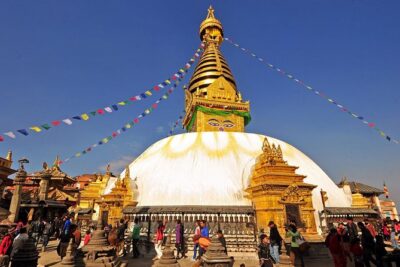
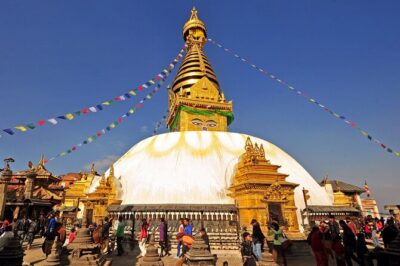
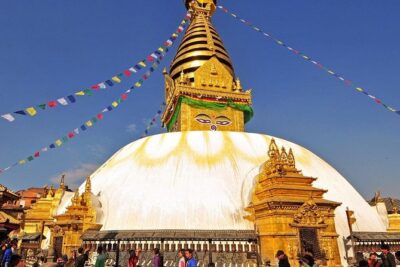
The day begins at Swayambhunath, also called the Monkey Temple, on a small hill west of Kathmandu Valley. The ancient Buddhist stupa has a white dome and the familiar watchful Buddha eyes painted above it.
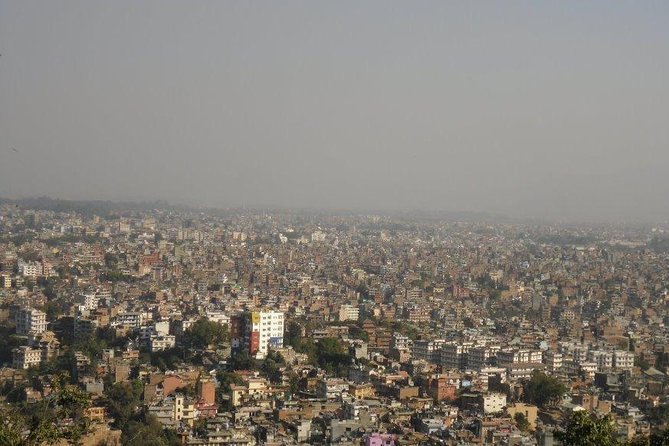
The hilltop setting is an important part of the visit. You are not just arriving at another city square. You are going up to a religious site with a view across the valley, giving you an early sense of Kathmandu’s scale and setting.
Allow about an hour here. The stop includes an admission charge, listed at a maximum of $1.50 per person, with different rates depending on nationality. Bring modest clothing and comfortable shoes, since this is a temple visit on a hill rather than a flat museum stop.
Swayambhunath is a good first stop because it introduces both the spiritual side of the valley and its layered architecture. The drawback is that an hour may feel short if you want time for photographs, quiet observation, and a close look at every shrine.
Boudhanath and the world of Tibetan Buddhism
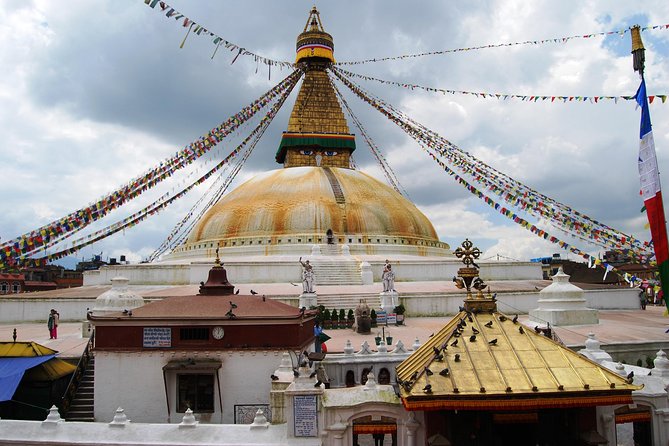
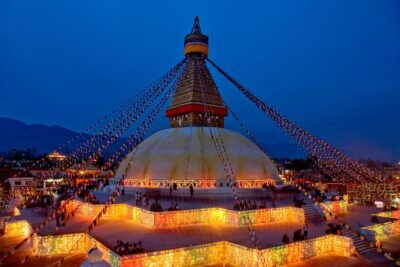
Boudhanath Stupa gives you a very different religious setting. Located in Kathmandu, it is one of Nepal’s largest stupas and an important center for Tibetan Buddhism.
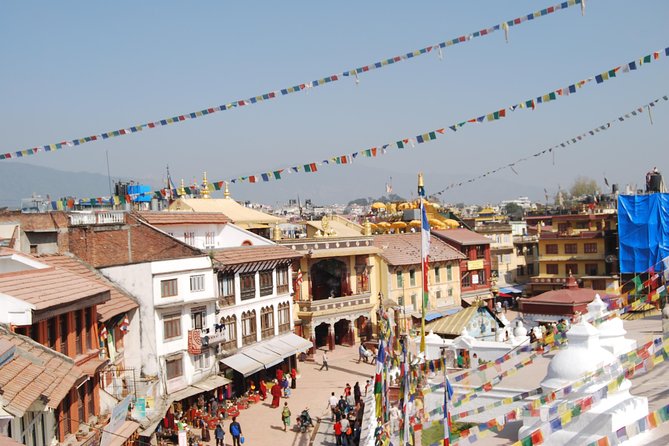
Its large mandala design, white structure, prayer flags, and surrounding devotional details make it one of the tour’s most visually powerful stops. The scale helps you understand why it is more than a quick photograph. You need time to look at the design from different angles and watch the movement around the stupa.
The stop lasts about an hour. Admission is not included, with a listed maximum of $3 per person and different rates by nationality. This is another reason to carry cash, since entrance fees and small purchases are not covered by the $40 tour price.
I like the contrast between Swayambhunath and Boudhanath. Both are Buddhist sites, but the experience is not repetitive. Swayambhunath feels like a hilltop sanctuary, while Boudhanath presents a broad urban religious center.
Pashupatinath beside the Bagmati River
Pashupatinath is Nepal’s most sacred Hindu temple, dedicated to Lord Shiva, and sits beside the Bagmati River. The site is known for its detailed architecture, cremation ghats, and strong spiritual importance.
This stop adds a serious and sometimes confronting side to the day. It is not only a monument to admire. The river, temples, and cremation area connect the site to active Hindu religious practice, so your guide’s explanation matters here.
You have about an hour, and the maximum listed entrance fee is $7.50 per person. Indian nationals are listed as entering free, while rates for other nationalities vary.
Pashupatinath is one of the places where a guided visit earns its keep. A local guide can explain what you are seeing and help you approach the site with the respect it deserves. Do not expect a light, purely visual stop. The religious setting gives it weight, and some people may prefer more time here than the schedule allows.
A few more Kathmandu tours worth comparing
- Kathmandu: Full Day 7 UNESCO Tour with Lunch – Private/Group
★ 5.0 · 415 reviews - Kathmandu: Full Day Top 4 UNESCO Tour with Lunch – Private/Group
★ 5.0 · 269 reviews - Kathmandu: Full-Day 7 UNESCO Tour with Lunch – Private/Group
★ 4.9 · 247 reviews - Kathmandu: Full Day 7 UNESCO Tour with Lunch – Private/Group
★ 5.0 · 101 reviews
Kathmandu Durbar Square and the old royal center
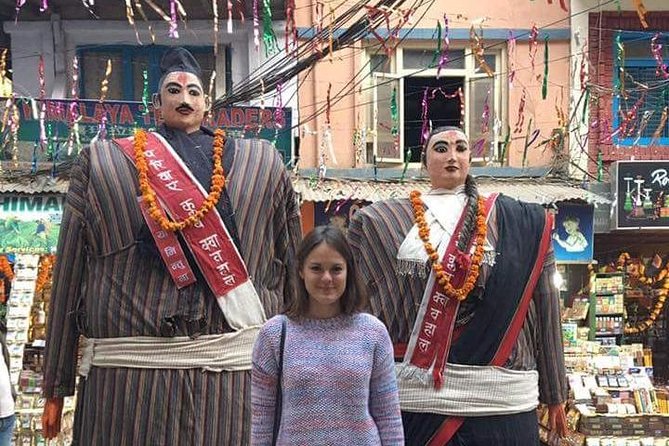
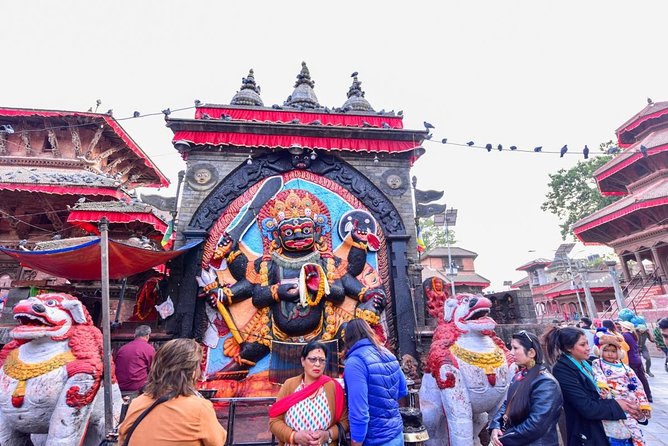
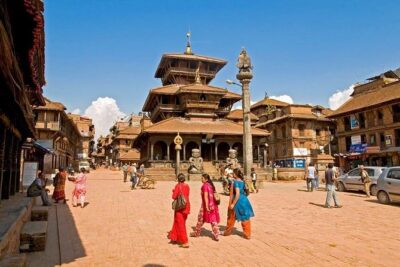
Kathmandu Durbar Square lies in the heart of the city. It was the historic seat of the ancient royal government and is filled with carved wooden buildings, palace courtyards, and temples.
This is where Kathmandu’s political and artistic past comes together. Look for the detailed woodwork and the way the square links open public space with palace buildings and shrines. The visit helps explain why Newar craftsmanship is such a central part of the valley’s identity.
The tour assigns about an hour, with a maximum listed entrance fee of $7.50 per person. You pay admission separately, and the actual rate can vary by nationality.
Kathmandu Durbar Square is also one of the stops where the one-day format can feel hurried. There is a great deal to see in a compact area. If you are an architecture enthusiast, you may want to note the buildings you would return to later, rather than trying to study everything at once.
Patan Durbar Square and Newar artistry
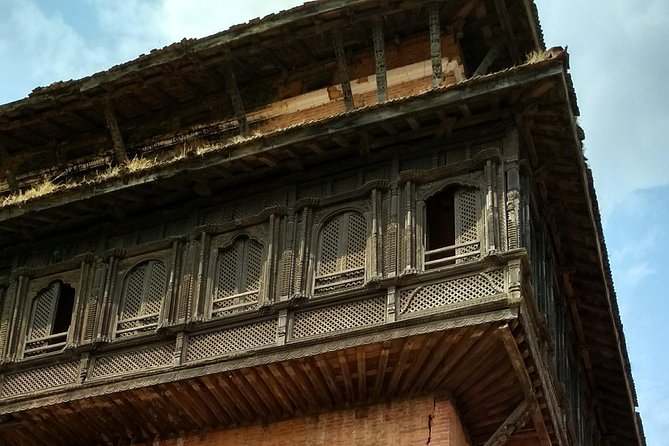
Patan, about eight kilometers from Kathmandu, has its own royal complex and a strong reputation for Newar architecture and craft. Patan Durbar Square includes temples, courtyards, and carved details that reward close looking.
The value of visiting both Kathmandu and Patan Durbar Squares is comparison. They are not simply two versions of the same stop. Seeing both lets you notice different arrangements, decorative work, and moods within the valley’s former royal centers.
Admission is listed at a maximum of $7.50 per person, again with different prices for different nationalities. You have around an hour at the square.
I would pay attention to the smaller details here: carved windows, temple forms, and the way courtyards organize the complex. The schedule gives you enough time for a useful introduction, but not necessarily enough for a slow architectural study or an unhurried museum visit.
Bhaktapur Durbar Square, the medieval highlight
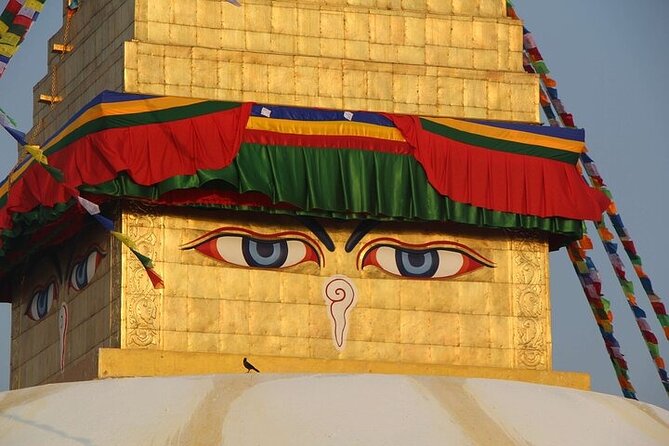
Bhaktapur is a neighboring city of Kathmandu, and its Durbar Square is often the stop that makes the long day feel worthwhile. The square is known for medieval character, preserved heritage, temples, and artistic detail.
The setting gives you a stronger sense of a historic urban center than a single temple can. You move through a place shaped by royal power, religious practice, and traditional craft. An hour lets you see the main features, but Bhaktapur is the stop most likely to make you wish for extra time.
The listed maximum entrance fee is $13.50 per person, the highest charge on the route. That matters when you calculate the real cost of the day. The tour itself is $40, but if you pay the maximum listed fees for all seven sites, admissions add up to $43.50.
Bhaktapur also gives the itinerary its clearest pace problem. You may want to pause for a meal, browse local products, or simply sit in a square. The tour has to keep moving to reach Changunarayan, so consider the four-site version if you prefer depth over a checklist of landmarks.
Changunarayan and the final hilltop temple
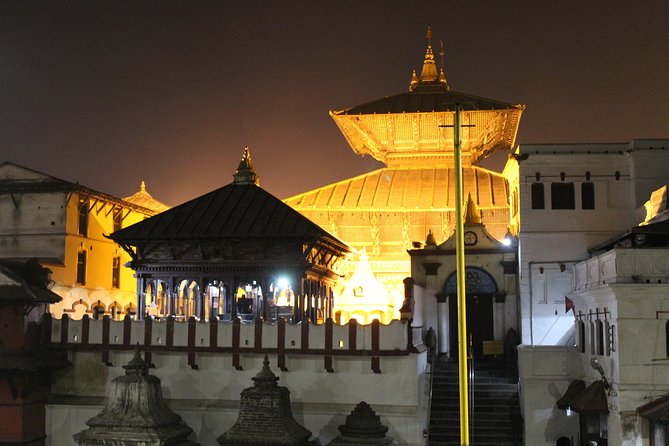
Changunarayan Temple sits on a hill near Bhaktapur and is described as one of Nepal’s oldest Hindu temples. It is dedicated to Lord Vishnu and is known for stone inscriptions and carved woodwork.
This final stop shifts the day away from the better-known city squares. Its hilltop location and older temple tradition give the route a fitting closing note, though arriving here after six other sites may test your energy.
Admission is listed at a maximum of $3 per person, and this is the only stop specifically marked as free in the included itinerary details. Because fee information can vary by nationality and site, confirm the amount with your guide on the day.
The one-hour stop works best if you treat Changunarayan as a focused final visit, not another large complex to explore at leisure. If you enjoy inscriptions and temple craftsmanship, it may be one of your favorite stops. If you are already worn out, it may feel like one site too many.
How much value do you get for $40?
At $40 per person, the tour is priced as an affordable shared sightseeing day. You are paying for transport, hotel pickup and drop-off, parking, bottled water, the driver, and a guide. You are also paying for the convenience of having the route organized across several parts of the valley.
The admission fees are the key budget issue. At the listed maximum rates, the seven sites total:
- Swayambhunath: $1.50
- Boudhanath: $3
- Pashupatinath: $7.50
- Kathmandu Durbar Square: $7.50
- Patan Durbar Square: $7.50
- Bhaktapur Durbar Square: $13.50
- Changunarayan: $3
That comes to $43.50 per person, though actual fees differ by nationality and Indian nationals are listed as entering Pashupatinath free. Add food and drinks, which are not included, and your total day can rise well above the advertised price.
Even so, the value is good if you want all seven sites and do not want to arrange separate transport. Hiring individual rides, handling traffic, and finding each entrance would cost time as well as money. The value is weaker if you only want two or three sites, prefer long meals, or already have easy access to a private driver.
Shared group or private booking?
The shared tour has a maximum of 15 people. That is small enough to feel more manageable than a large bus group, but you should still expect a set schedule and limited flexibility.
A private booking includes private transportation and a private guide. The provided details do not give a private-tour price, so you will need to check the cost before deciding if the extra control is worth it.
Choose shared if price matters most and you like having company on a busy sightseeing day. Choose private if you want to spend longer at one square, shorten a stop, or adjust the order, but confirm exactly what flexibility the private option provides.
Why the guide can make or break the day
Seven heritage sites can blur together without context. The guide is responsible for turning a series of temples and squares into a story about Buddhism, Hinduism, royal power, and Newar design.
Sumit is specifically named as a guide who made the full route informative and worthwhile. The tour also received praise for staying enjoyable during rain, which is useful to know in a city where weather can change the feel of a sightseeing day quickly.
A guide cannot remove the basic limits of a seven-hour route. Still, a good explanation helps you decide what deserves your attention at each stop. Ask questions when you can, especially at Pashupatinath and the two Buddhist stupas, where religious customs and symbols may not be obvious.
Practical advice for making the day work
Carry cash for entrance fees and purchases. The entrance charges are separate, food and drinks are not included, and one direct tip from the experience is to be ready to pay in cash.
Wear comfortable shoes and keep your expectations realistic. You will be moving between hilltop, temple, square, and city locations, with roughly an hour at each major stop.
The tour requires good weather. If poor weather causes cancellation, you are offered another date or a full refund. Otherwise, you can cancel for a full refund up to 24 hours before the start time. Changes or cancellations inside that 24-hour window are not accepted.
Most people can participate, and confirmation arrives when you book. Pickup is offered, but provide accurate hotel details so the driver can find you.
Who should book this Kathmandu tour?
I would choose this tour if you have one full day in Kathmandu and want to see the valley’s major heritage sites without managing transport yourself. It is also a strong fit for first-time visitors who want a broad orientation before deciding where to return.
The tour suits people who enjoy cultural landmarks, religious architecture, and guided explanations more than slow café time. The small group limit and hotel service make it easier than arranging the same route alone.
I would hesitate if you dislike early starts, long vehicle transfers, or tightly planned days. Families with young children, people who need frequent rest breaks, and photographers who want time at every site may prefer the shorter four-site version or a private arrangement.
Should you book it?
Book it if your priority is coverage. For $40, you get an organized route, transport, hotel service, and a guide who can help connect seven major sites in one day. The route is long, but it solves a real Kathmandu problem: the valley’s best sights are spread out and traffic can consume your day.
Before booking, budget separately for entrance fees and food. If the maximum listed admission rates apply, the sites can add $43.50, nearly doubling the base price.
My practical choice would be the full seven-site route for a short visit, especially with a guide such as Sumit. If you have several days in Kathmandu, take the four-site option or split the sights across multiple days so Bhaktapur, Pashupatinath, and the Durbar Squares get the time they deserve.
FAQ
How long does the Kathmandu sightseeing tour last?
The tour lasts approximately seven hours.
How many people can join the shared tour?
The activity has a maximum of 15 participants.
Are hotel pickup and drop-off included?
Yes. Hotel pickup and drop-off are included.
Are entrance fees included in the $40 price?
No. Entrance fees are separate. The listed maximum charges range from $1.50 at Swayambhunath to $13.50 at Bhaktapur Durbar Square, with different rates based on nationality.
Which sites are included in the full route?
The full route includes Swayambhunath, Boudhanath Stupa, Pashupatinath Temple, Kathmandu Durbar Square, Patan Durbar Square, Bhaktapur Durbar Square, and Changunarayan.
Can I cancel for a full refund?
Yes. You can cancel at least 24 hours before the start time for a full refund. If poor weather causes the operator to cancel the tour, you will be offered another date or a full refund.
Recently added around Kathmandu
- Kathmandu : Swambhunath & Durbar Square Guided Half Day Tour★ 3.3 · 3 reviews
- Private Day Tour in Kathmandu Valley Rim with Bhaktapur Sightseeing★ 5.0 · 3 reviews
- From Kathmandu / Pokhara / Chitwan: River Rafting – 1 Day★ 4.6 · 3 reviews
- Nepali Cooking training & Cultural Homestay Experience★ 5.0 · 3 reviews
- Private 3-Hour Nagarkot Sunset Tour from Kathmandu★ 3.5 · 3 reviews
- From Kathmandu: Everest Base Camp Landing Helicopter Tour★ 5.0 · 3 reviews
- 4 UNESSCO World heritage sites of Kathmandu-private tour★ 5.0 · 3 reviews
- Everest Helicopter Tour★ 5.0 · 3 reviews
Kathmandu Sightseeing Tours, compared.
Private Kathmandu Sightseeing Tour | UNESCO World Heritage sites
Read our review →
Kathmandu Private Sightseeing Tour | UNESCO World Heritage Sites
Read our review →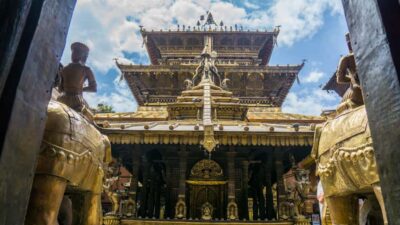
Full Day Kathmandu City Sightseeing Tour of UNESCO Heritage Sites
Read our review →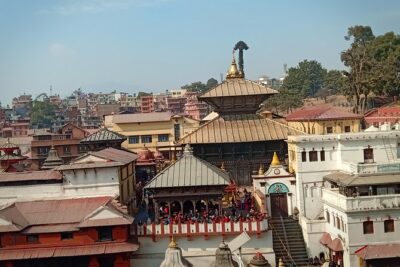
Browse the lists this tour appears in