
Reviewed · KATHMANDU UNESCO HERITAGE TOURS
Private Kathmandu Sightseeing Tour | UNESCO World Heritage sites
Kathmandu’s temples and stupas are scattered across a crowded valley, so this private tour gives you a useful head start. You can see two, four, or seven UNESCO sites, with hotel pickup, a private air-conditioned car, and a guide who explains the Hindu and Buddhist traditions behind what you are seeing. I especially like the flexible pacing and the chance to ask questions all day. Guides such as Dipesh, Bidhya, Shankar, and Deepak are often praised for making complex history easy to follow.
I also like that you can choose the size of the day rather than trying to force every major monument into one route. The main drawback is traffic: even the four-site version can involve plenty of time in the car, while the seven-site option is a long, demanding day. Monument fees are also extra, so the low advertised price does not represent your full cost.
In This Review
- Key points to know before booking
- Why a private Kathmandu sightseeing day works well
- Swayambhunath, the Monkey Temple, and the first view of Kathmandu
- Boudhanath Stupa, where the day slows down
- Pashupatinath and the limits of temple access
- Patan Durbar Square and the Patan Museum
- Bhaktapur Durbar Square and the longest single visit
- Changu Narayan, a hilltop UNESCO stop
- Kathmandu Durbar Square and the urban core
- Choosing two, four, or seven UNESCO sites
- Price, entrance fees, and what you receive
- Guides, drivers, and the value of local explanation
- Who should book this Kathmandu tour?
- Should you book it?
- FAQ
- How long does the private Kathmandu sightseeing tour last?
- Which UNESCO sites can the tour visit?
- Is hotel pickup and drop-off included?
- Are monument entrance fees included in the tour price?
- Can I take a lunch break during the tour?
- Can foreign visitors enter the inner areas of Hindu temples?
- Is this a private activity?
Key points to know before booking
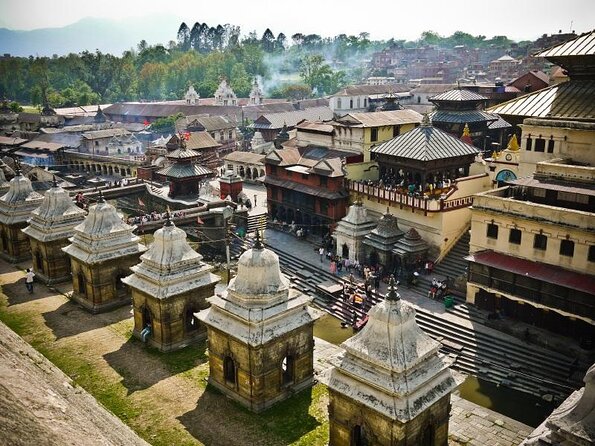
- Seven UNESCO sites in one private day: The longest option links Swayambhunath, Boudhanath, Pashupatinath, Patan, Bhaktapur, Changu Narayan, and Kathmandu Durbar Square.
- Four sites offer the best balance: You get a solid introduction to Kathmandu without the relentless pace of the full seven-site route.
- Hotel pickup removes a real hassle: Central Kathmandu pickup and drop-off are included, with extra charges possible outside the city-center area.
- Guides add meaning to the monuments: Dipesh, Bidhya, Shankar, Deepak, Prasant, Mukesh, and others are noted for clear explanations of religion, history, and daily life.
- Expect extra entrance charges: Fees are listed at NPR 1,400 for two sites, NPR 2,600 for four, and roughly NPR 5,800 to NPR 6,000 for seven.
- Temple access has religious limits: Only Nepali and Indian Hindu nationals may enter the inner premises of Hindu temples during the tour.
Why a private Kathmandu sightseeing day works well
Kathmandu is not a city you understand by checking off monuments from a map. The most important sites sit in different parts of the valley, and roads can be slow. A private vehicle lets you move between them without arranging taxis, bargaining over fares, or finding a new meeting point every few hours.
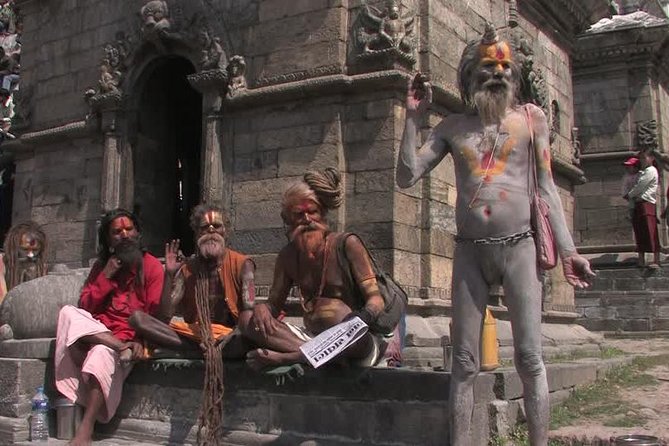
The guide is the real reason to choose this experience over going alone. At Pashupatinath, for example, the buildings, shrines, riverbank rituals, and cremation area can be difficult to interpret without context. At Boudhanath, the prayer wheels and enormous white stupa make more sense when someone explains the Buddhist customs taking place around them.
You also have a private group rather than a large shared party. That matters when you want to linger at a courtyard, pause for photographs, ask about Buddhism, or take a break. Several guides are described as adapting the pace to individual interests. One guide arranged an extra monastery visit for a solo visitor who showed a strong interest in monasteries, while another adjusted the schedule for a guest with limited time.
The advertised duration ranges from four to ten hours. That broad range reflects the option you select and the amount of time you spend at each place. A two-site trip can work as a half-day introduction. Four sites make sense for a full but manageable day. Seven sites require stamina and a willingness to accept more driving and shorter visits.
More of the valley’s UNESCO heritage sites:
- Kathmandu: Full Day 7 UNESCO Tour with Lunch – Private/Group
★ 5.0 · 415 reviews - Kathmandu: Full Day Top 4 UNESCO Tour with Lunch – Private/Group
★ 5.0 · 269 reviews - UNESCO Seven World Heritage Tour in Kathmandu
★ 5.0 · 253 reviews
Swayambhunath, the Monkey Temple, and the first view of Kathmandu
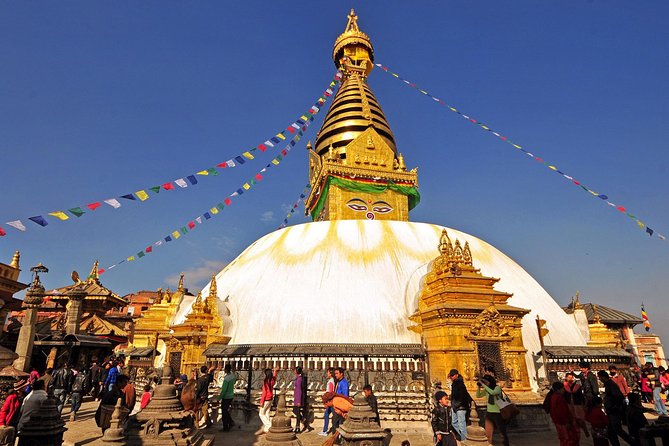
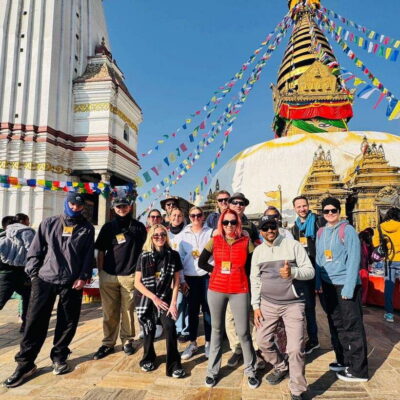
Swayambhunath is often called the Monkey Temple, and it is usually one of the first stops on the route. The site is associated with Buddhism and is located close to Kathmandu city, with a stupa and a high position that gives you a useful first sense of the urban valley.
The scheduled visit for one version is only about 30 minutes, while another itinerary allows about an hour. That difference matters. Half an hour is enough for a quick look and an explanation, but you will want longer if you hope to absorb the religious details, watch worshippers circle the stupa, and take photographs.
The hill setting also means steps and some walking. The tour is suitable for most people, but the day is not simply a drive-up sightseeing loop. Ask your guide how much time you will have here if Swayambhunath is a priority.
The site works well near the start of the day because it introduces the visual language of Kathmandu: stupas, prayer activity, shrines, and a blend of everyday city life with active religious practice. Guides including Shankar have been particularly appreciated for explaining Buddhist principles in a clear, approachable way.
Boudhanath Stupa, where the day slows down
Boudhanath is the most visually commanding Buddhist stop on the tour. Its large white dome, painted eyes, prayer flags, and surrounding monasteries create a very different mood from the Hindu temples elsewhere in the valley.
Plan on about an hour here. That gives you time to walk around the stupa, turn the prayer wheels, look into nearby courtyards, and listen to your guide. You are not just photographing a landmark. This is an active religious center, so the best approach is to move respectfully and follow local instructions.
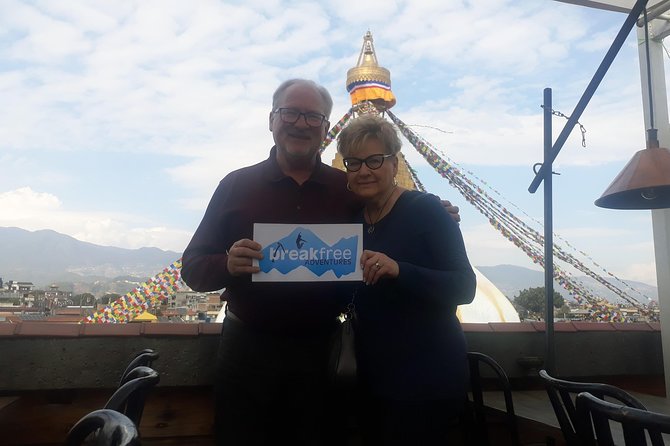
Boudhanath is also a practical place for a meal break. One visitor enjoyed lunch at a rooftop café overlooking the stupa, and the tour allows you to consult your guide about restaurant suggestions. Lunch and drinks are not included, so this is a chance to pay directly for the food you want rather than being tied to a fixed meal arrangement.
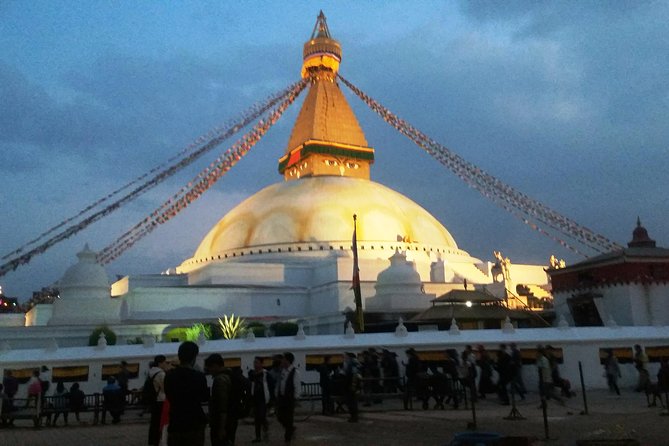
If you have flexibility, ask about visiting Boudhanath later in the day. One detailed account specifically recommends the stupa in the evening, when the changing light can make the site especially appealing. The exact order depends on your chosen route and your guide, so do not assume the day always follows one fixed sequence.
Pashupatinath and the limits of temple access
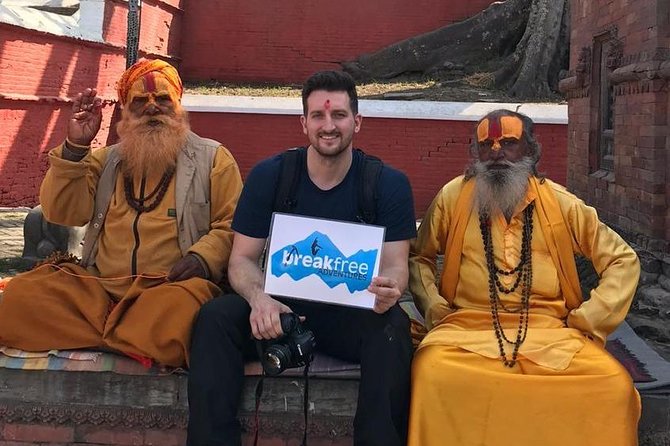
Pashupatinath is one of the most important Hindu sites in Nepal, and it is also one of the places where expectations need careful handling. You can explore the permitted areas, see the temple complex, observe the Bagmati River setting, and learn about Hindu rituals from your guide.
The itinerary allocates about an hour, though the timing may vary. The site can feel intense because worship, mourning, and cremation practices may be taking place. One visitor was able to wait respectfully for a Hindu cremation ceremony after it happened to be beginning. That is not something to treat as entertainment, but it can be a serious and moving lesson in how religious life is practiced.
The key restriction is simple: only Nepali and Indian nationals of the Hindu faith may enter the inner premises of Hindu temples during the tour. Other visitors should expect to view the temple from the permitted areas. Your guide can explain what you are seeing, but cannot change that rule.
The itinerary lists Pashupatinath twice, which may reflect different route options rather than two separate full visits. Confirm the exact stops included in your selected package before the day begins. This is especially important if you are comparing the two, four, and seven-site choices.
More Kathmandu sightseeing days:
- Kathmandu Private Sightseeing Tour | UNESCO World Heritage Sites
★ 5.0 · 109 reviews - Kathmandu: Private Patan and Bhaktapur Sightseeing Tour
★ 4.7 · 64 reviews - 1 Day Kathmandu Valley Sightseeing Tour
★ 5.0 · 37 reviews - Full Day Kathmandu City Sightseeing Tour of UNESCO Heritage Sites
★ 5.0 · 36 reviews
Patan Durbar Square and the Patan Museum
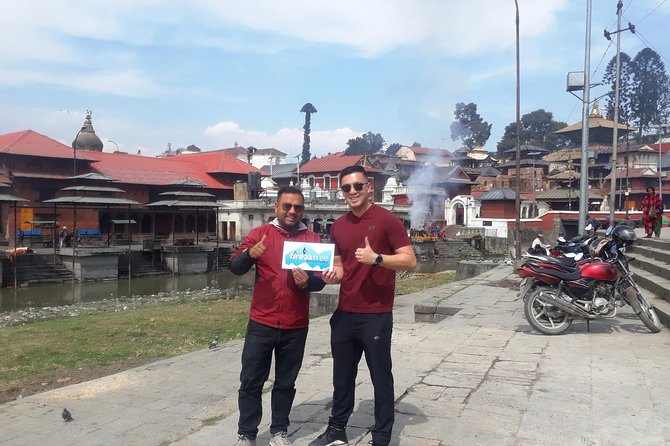
Patan, also called Lalitpur, gives you a close look at palace courtyards, temples, carved details, and the former royal center of the city. The main visit to Patan Durbar Square is listed at about one hour, with another 30 minutes for Patan Museum.
The museum occupies old palace buildings and courtyards, including the Sundari Chowk. It is a useful addition because the square can become a blur of pagoda roofs and ornate façades when you do not know what to look for. Museum displays and palace architecture help connect the religious art with the political and cultural life of the former royal court.
I would not rush this stop. Patan rewards slow looking: doorways, metalwork, stone figures, timber carving, and the arrangement of courtyards. A private guide can give you an overview, then leave you time to wander. That balance was singled out as one of the pleasures of the experience.
Do remember that entrance fees are not included. Patan Durbar Square and the museum may be treated as separate paid attractions depending on the ticket arrangement, so ask your guide how the site charges apply to your selected option.
Bhaktapur Durbar Square and the longest single visit
Bhaktapur is the largest stop listed by time, with about two hours allocated to Bhaktapur Durbar Square. That is sensible. The old city offers several squares, temples, palace buildings, and lanes, and it takes longer to appreciate than a quick photo stop.
You will likely notice a different feel here than in central Kathmandu. The attraction is not only one monument. It is the broad collection of buildings and public spaces, along with the chance to see how the historic city is organized.
Two hours gives you a fair introduction, though the seven-site day may make that schedule feel tight once driving is added. If you care most about Bhaktapur, the four-site option may provide a better balance than trying to visit every listed location.
The private format helps here. You can tell the guide if you want more explanation of the palace area, more time for photographs, or a faster walk through less important sections. Guides are also able to explain how Hindu and Buddhist ideas appear side by side in the valley’s art and architecture.
Changu Narayan, a hilltop UNESCO stop
Changu Narayan is listed as a 30-minute visit and is included in the seven-site route. It is a temple site recognized by UNESCO, located away from the central cluster of Kathmandu, Patan, and Bhaktapur.
The short scheduled time tells you what this stop is: an additional heritage visit rather than a long exploration. It adds variety to the full-day route, but the drive required to reach it contributes to the day’s length. If you choose seven sites, you should expect the itinerary to favor breadth over extended time at each monument.
Ask the guide to clarify the exact order and time available at Changu Narayan. The published route contains several place names and repeated entries, so a quick discussion at pickup can prevent confusion.
Kathmandu Durbar Square and the urban core
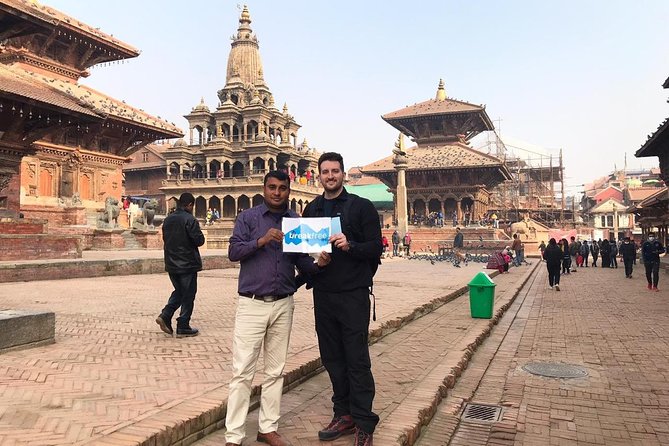
Kathmandu Durbar Square brings the sightseeing day back to the capital’s central historic area. The listed stop is about 30 minutes, which makes it a compact visit in the seven-site plan.
The square is important because it places royal architecture, temples, courtyards, and modern Kathmandu side by side. It is also a useful final stop if you want to understand how the old city connects with areas such as Thamel, the main visitor district filled with hotels, restaurants, pubs, and shops.
Thirty minutes is enough for a guide-led introduction, but not enough for a leisurely look at every corner. If you want more independent time here, say so. The private format gives you a better chance of adjusting the day than a fixed group excursion would.
Choosing two, four, or seven UNESCO sites
The choice should depend on your energy, schedule, and interest in detail.
The two-site option is best if you have only a few hours, are adjusting to Kathmandu after arrival, or want a gentler introduction. You will see less, but you can spend more time listening and looking instead of racing between stops.
The four-site option is the strongest choice for most people. It gives you a solid overview of Kathmandu Valley culture while leaving room for questions, a meal, and some time to wander. One guide-led four-site day was praised for its steady pace, and another visitor specifically felt that seven sites would have been too much.
The seven-site option is for ambitious sightseers who want the full checklist in one day. It covers the valley’s major UNESCO locations, but the ten-hour upper estimate is significant. You will spend time in traffic, and some stops may feel brief. It is an efficient introduction, not a slow cultural study.
The seven-site fee is also much higher than the two-site fee, so compare the total cost, not just the advertised tour price.
Price, entrance fees, and what you receive
The tour price is advertised at $17 per person, which is attractive for a private vehicle, hotel transfers, an English-speaking guide, air conditioning, taxes, and the ability to travel only with your own group. For a solo visitor or couple, that can be good value if you want structure without joining a large bus tour.
The important catch is the monument fees. The listed amounts are:
- NPR 1,400 for two UNESCO sites
- NPR 2,600 for four UNESCO sites
- Approximately NPR 5,800 to NPR 6,000 for seven sites
The supplied information gives two different figures for the seven-site option, so confirm the current amount before setting out. Fees can be paid in Nepali rupees at the entrances, and lower rates apply to SAARC nationalities.
Meals, drinks, personal purchases, and tips are not included. Water may be supplied, but do not assume lunch is part of the price. A rooftop meal near Boudhanath is one possible way to make the break part of the day.
Pickup and drop-off are complimentary for hotels in central Kathmandu. If your hotel sits outside that area, an extra charge may apply. The tour has free cancellation when you cancel at least 24 hours before the start time. Changes or cancellations inside that window are not refundable.
Guides, drivers, and the value of local explanation
The strongest part of this experience is the human guide. Dipesh is repeatedly singled out for his warmth, flexibility, and explanations of the valley’s sites. Bidhya is praised for adapting the route and discussing Nepalese culture, Buddhism, and Hinduism in detail. Shankar Bhattarai has been especially helpful for solo visitors who want clear answers about Buddhism, the national flag, history, and local society.
Other guides named in the feedback include Deepak, Prasant, Mukesh, Kabin, Razz, and Bhattarai. The exact guide is not guaranteed, but the range of names gives you a useful question to ask before booking or at confirmation.
The driver matters too. Kathmandu traffic can be tiring, and a steady driver in a clean, air-conditioned car makes the transfers easier. The private arrangement also offers a measure of safety and comfort for solo visitors.
Do not expect every guide to follow the same script. That can be a benefit, since your questions and interests shape the day. It can also explain why the setup may feel different from one booking to another. Confirm which sites and how much time are included in your chosen option.
Who should book this Kathmandu tour?
I would choose this experience if you are visiting Kathmandu for the first time, have limited time, or want cultural context without managing transport yourself. It is particularly useful on your first full day, when a broad orientation can help you decide where to return later.
Solo visitors should find the private format comfortable, and the guides have shown flexibility with shopping, monastery visits, churches, and other personal requests when time allows. Families and small groups may also appreciate being able to stop for lunch or adjust the pace.
I would hesitate if you want long, quiet visits at every monument. The seven-site option is ambitious, and even the four-site route includes road time. People with limited mobility should ask about steps and walking at specific sites, since the information confirms that most people can participate but does not give detailed accessibility arrangements.
Should you book it?
Book this tour if you value context, private transport, and flexibility more than an unhurried visit to each monument. The four-site option offers the best compromise for most people: enough temples, stupas, palace squares, and museum time to understand Kathmandu, without turning the day into a race.
Choose two sites for a shorter introduction, and seven only if seeing all the major UNESCO locations in one day is your priority. Before paying, confirm the exact stops, the seven-site entrance fee, pickup area, and expected duration. With those details clear, $17 is a reasonable starting price for a private cultural orientation, provided you budget separately for entry fees, food, and gratuities.
FAQ
How long does the private Kathmandu sightseeing tour last?
The experience lasts approximately four to ten hours, depending on whether you select two, four, or seven UNESCO sites.
Which UNESCO sites can the tour visit?
The listed sites include Swayambhunath, Boudhanath, Pashupatinath, Patan Durbar Square, Patan Museum, Changu Narayan, Bhaktapur Durbar Square, and Kathmandu Durbar Square. The exact selection depends on the option booked.
Is hotel pickup and drop-off included?
Yes. Pickup and drop-off by private vehicle are included for hotels in central Kathmandu. Additional charges may apply outside the city-center area.
Are monument entrance fees included in the tour price?
No. Entrance fees are paid separately in Nepali rupees at the sites. Listed totals are NPR 1,400 for two UNESCO sites, NPR 2,600 for four, and approximately NPR 5,800 to NPR 6,000 for seven.
Can I take a lunch break during the tour?
Yes. You can ask your guide for restaurant recommendations and take a lunch break. Meals and drinks are not included.
Can foreign visitors enter the inner areas of Hindu temples?
Only Nepali and Indian nationals of the Hindu faith are permitted to enter the inner premises of Hindu temples during the tour. Other visitors can explore the permitted areas and receive explanations from the guide.
Is this a private activity?
Yes. Only your own group participates, with private transportation and an English-speaking guide. Guides fluent in other languages may be available for an additional cost.
More History Walks in Kathmandu
- Kathmandu: Full Day Private Top 4 UNESCO Heritage Tour W/Lunch.
★ 5.0 · 86 reviews - Kathmandu World Heritage Tour
★ 5.0 · 74 reviews - Nagarkot Sunrise & Bhaktapur UNESCO Heritage Private Tour
★ 5.0 · 66 reviews - Kathmandu Heritage Tour (Full Day)
★ 5.0 · 63 reviews
Recently added around Kathmandu
- Kathmandu : Swambhunath & Durbar Square Guided Half Day Tour★ 3.3 · 3 reviews
- Private Day Tour in Kathmandu Valley Rim with Bhaktapur Sightseeing★ 5.0 · 3 reviews
- From Kathmandu / Pokhara / Chitwan: River Rafting – 1 Day★ 4.6 · 3 reviews
- Nepali Cooking training & Cultural Homestay Experience★ 5.0 · 3 reviews
- Private 3-Hour Nagarkot Sunset Tour from Kathmandu★ 3.5 · 3 reviews
- From Kathmandu: Everest Base Camp Landing Helicopter Tour★ 5.0 · 3 reviews
- 4 UNESSCO World heritage sites of Kathmandu-private tour★ 5.0 · 3 reviews
- Kailashnath Mahadev, Panauti and Namo Buddha Monastery Sightseeing★ 5.0 · 3 reviews
Kathmandu UNESCO Heritage Tours, compared.
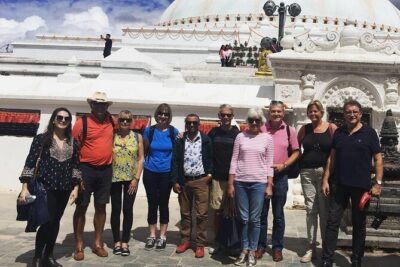
Full Day 7 UNESCO Tour with Lunch – Private/Group
Read our review →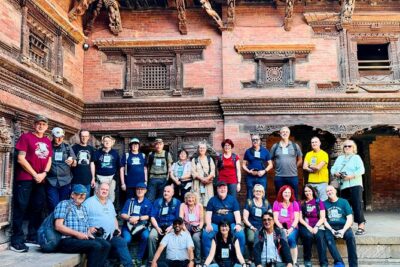
Full Day Top 4 UNESCO Tour with Lunch – Private/Group
Read our review →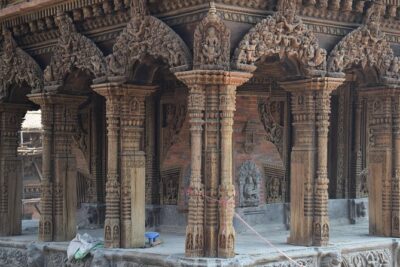
Full-Day 7 UNESCO Tour with Lunch – Private/Group
Read our review →
Kathmandu Private Sightseeing Tour | UNESCO World Heritage Sites
Read our review →Full Day 7 UNESCO Tour with Lunch – Private/Group
Read our review →Browse the lists this tour appears in