
Reviewed · KATHMANDU UNESCO HERITAGE TOURS
Kathmandu: Full-Day 7 UNESCO Tour with Lunch – Private/Group
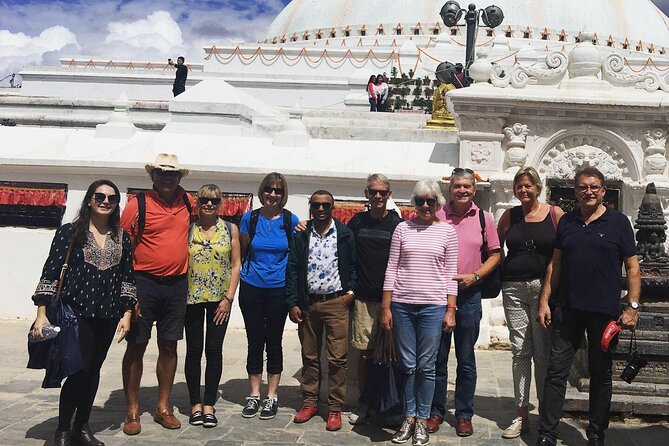
Kathmandu Valley packs seven UNESCO World Heritage sites into a surprisingly small area, but seeing them all in one day takes stamina. This tour handles the driving, route planning, site orientation, and city traffic while you focus on temples, courtyards, stupas, carvings, and daily religious life. Guides such as Sumit, Asmita, Anon, and Sajina are repeatedly praised for clear explanations, patience, humor, and thoughtful care.
I like two things especially: the sheer coverage for a first day in Nepal, and the chance to see the valley through a local guide rather than trying to decode each monument alone. I also like the comfortable, air-conditioned vehicle and hotel pickup, which matter after hours on foot. The tradeoff is simple: seven major places in one day is a lot. You will see each site, but Bhaktapur and the Durbar Squares deserve more time than this schedule can give them.
In This Review
- Key points before you book
- What this seven-site day is really like
- Swayambhunath, the hilltop Monkey Temple
- Kathmandu Durbar Square and the royal past
- Patan Durbar Square and Newari craftsmanship
- Bhaktapur Durbar Square, the day’s grandest stop
- Changu Narayan and the oldest temple claim
- Pashupatinath beside the Bagmati River
- Boudhanath, the final stupa
- Lunch, snacks, and the difference between packages
- Transport, walking, and group versus private travel
- The guides are the main reason this works
- Is seven sites in one day good value?
- Who should book this Kathmandu tour?
- Should you book it?
- FAQ
- How many UNESCO World Heritage sites does the tour visit?
- Is hotel pickup included?
- Are monument entrance fees included?
- How much are the entrance fees?
- Is lunch included?
- Is the tour private or shared?
- What languages are available?
- What should I bring?
- Is the tour suitable for wheelchair users?
Key points before you book
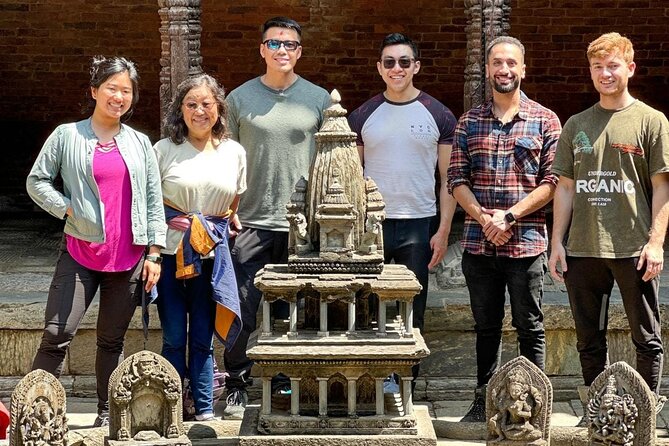
- Seven major heritage sites in one day: Kathmandu Durbar Square, Patan Durbar Square, Bhaktapur Durbar Square, Changu Narayan, Swayambhunath, Pashupatinath, and Boudhanath.
- The guide makes the difference: Sumit, Asmita, Sajina, Anon, Ram, and other guides are praised for strong English, humor, cultural explanations, and helpful local advice.
- Expect a long walking day: The pace is efficient rather than leisurely, with repeated stops, stairs, courtyards, and temple grounds.
- Check the package carefully: Monument fees are not included in the standard option. The all-inclusive option covers the fees and lunch.
- Bring cash: The listed entrance total is about USD 43, or NPR 5,800, for most international visitors. SAARC nationals pay about USD 22.
- Best for short stays: This is a practical first look at Kathmandu Valley if you have only one or two free days.
What this seven-site day is really like
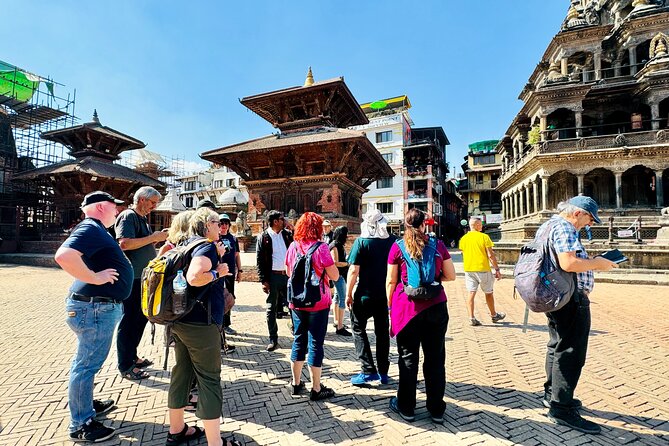
This is not a slow, contemplative temple tour. It is a well-planned cultural sweep through the Kathmandu Valley, designed to show you the main landmarks in one ambitious outing.
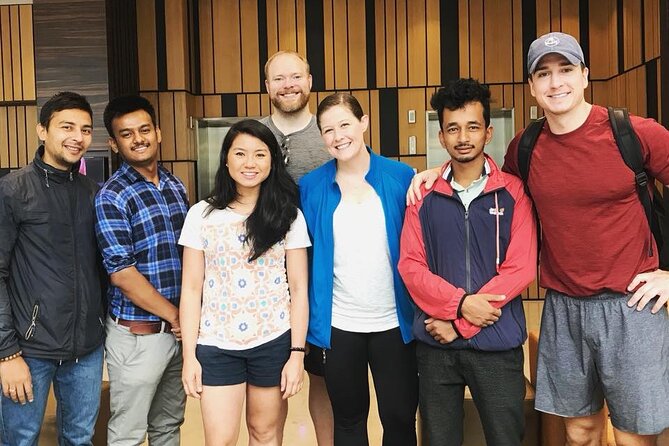
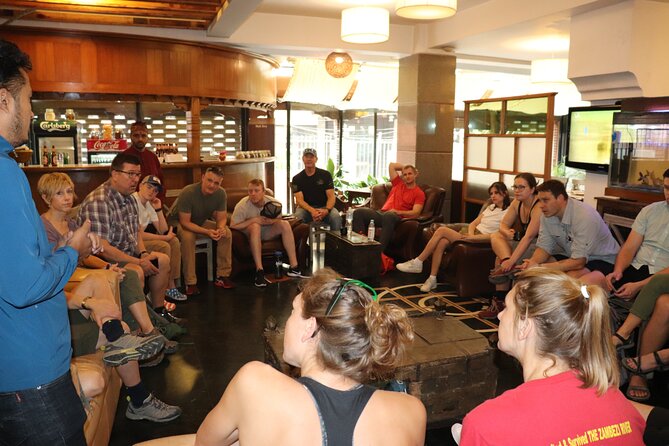
You will be picked up from your hotel, with group pickups beginning around 8:00 AM in the Thamel area. Your exact time arrives one day before the tour. From there, an air-conditioned vehicle carries you between sites, while your guide explains what you are seeing and helps keep the day moving.
The tour works particularly well for a first visit. Kathmandu can feel confusing at street level, with narrow roads, heavy traffic, separate ticket booths, and monuments tucked behind ordinary city streets. Having a driver return for you at each stop saves energy and avoids wasting half the day arranging taxis.
The main concern is timing. You may finish later than expected if the group moves slowly or traffic causes delays. A few minutes of pickup delay is possible, and one particularly full day extended into the evening so the guide could cover the sites properly. I would keep your evening free.
More of the valley’s UNESCO heritage sites:
- Private Kathmandu Sightseeing Tour | UNESCO World Heritage sites
★ 5.0 · 756 reviews - Kathmandu: Full Day 7 UNESCO Tour with Lunch – Private/Group
★ 5.0 · 415 reviews - Kathmandu: Full Day Top 4 UNESCO Tour with Lunch – Private/Group
★ 5.0 · 269 reviews
Swayambhunath, the hilltop Monkey Temple
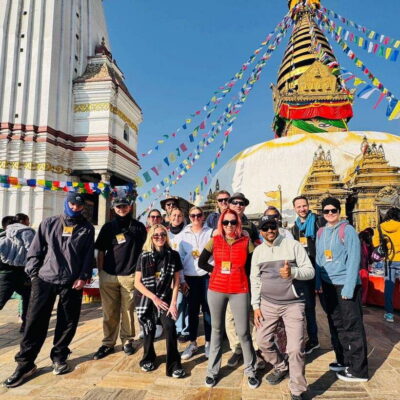
Swayambhunath gives you an immediate sense of Kathmandu’s religious mix. The hilltop complex is associated with Buddhism, yet Hindu symbols and practices also appear throughout the site. Its famous eyes, prayer flags, shrines, and city views make it one of the valley’s essential stops.
The climb and uneven ground are part of the experience. You need comfortable shoes and enough balance for steps and walking surfaces that may not suit everyone. The tour is not suitable for wheelchair users or people with visual impairments, so check those limitations honestly before booking.
The guide is useful here because the site can look like a collection of shrines unless someone explains the symbols and customs. You will have time for photographs, but this is also a place to watch how worshippers move through the complex. Keep your camera ready, but do not let it replace looking around.
Kathmandu Durbar Square and the royal past
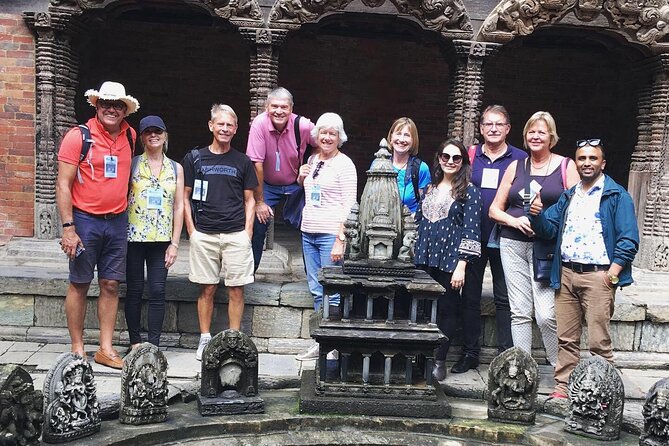
Kathmandu Durbar Square brings you into the old royal center, with palace buildings, courtyards, carved windows, and temples gathered close together. Earthquakes and later repairs have changed parts of the square, but the remaining woodwork and brick architecture still show the skill of Newari builders.
This is one of the places where a guide adds real value. A good explanation connects the buildings to Nepal’s royal traditions, religious life, architecture, and political past. Guides praised for this tour, including Sumit and Ram, are noted for answering questions rather than rushing through memorized facts.
Give yourself time to look upward. The best details are often above eye level: carved struts, window frames, roof supports, and small figures. The square can feel crowded and visually busy, so the guide’s meeting points matter. Stay close enough to hear, especially if you are in a group.
Patan Durbar Square and Newari craftsmanship
Patan Durbar Square has a different mood from Kathmandu’s square. It is known for its refined Newari architecture, courtyards, temples, and metal and wood craftsmanship. The compact setting makes it easier to appreciate the relationship between the palace complex and the surrounding old city.
I find this stop especially rewarding for anyone interested in architecture. Your guide can point out repeated design patterns, religious figures, and the way Hindu and Buddhist traditions share the same urban space. Without that context, you might simply see attractive brick buildings and move on.
The drawback is not the site itself but the schedule. You will likely want to linger at the courtyards and examine the carvings. On this tour, you need to accept a shorter visit than you might choose on a dedicated Patan day.
More Kathmandu tours that include lunch:
- Kathmandu: Nagarkot Sunrise View & Morning Hike with Lunch
★ 4.9 · 188 reviews - Kathmandu: Top 4 UNESCO Tour with Lunch – Private/Group
★ 4.9 · 181 reviews - Kathmandu: Nagarkot Sunrise & Hike with Lunch -Private/Group
★ 4.9 · 122 reviews - Kathmandu: Full Day 7 UNESCO Tour with Lunch – Private/Group
★ 5.0 · 101 reviews
Bhaktapur Durbar Square, the day’s grandest stop
Bhaktapur is often the place that makes people wish they had booked the four-site version or set aside a full day. Its square and surrounding historic streets contain some of the valley’s most impressive architecture, with broad courtyards, temples, palace buildings, and detailed brick and woodwork.
The entrance cost also matters. Bhaktapur alone is listed at NPR 1,800, about USD 13, for many international visitors. That makes the separate ticket total worth planning for, especially if you choose the standard package.
I would not judge Bhaktapur by a quick glance from the main square. Its scale and details reward slow walking. On the seven-site itinerary, you get a useful introduction, but not every lane or building. If Bhaktapur is your main reason for visiting Nepal, book more time there separately. If you want a broad overview, this stop still earns its place.
Changu Narayan and the oldest temple claim
Changu Narayan sits away from the central squares and is described as Nepal’s oldest Hindu temple. It is dedicated to Lord Vishnu and known for old stone and wood carvings.
This stop gives the day a different rhythm. Instead of another large palace square, you see a temple setting focused on religious art and devotion. Your guide can help explain Vishnu’s place in Hindu belief and draw your attention to carvings that are easy to miss when you are moving quickly.
Because it is one of seven stops, the visit may be shorter than you expect. Look closely while you are there. Small carvings, inscriptions, and decorative details are the point, and they reward attention more than hurried photography.
Pashupatinath beside the Bagmati River
Pashupatinath is one of the world’s most important Hindu temples and one of the most powerful stops on the route. Set beside the Bagmati River, the complex carries a serious spiritual weight. You will see a place that is still used for worship, not merely preserved for sightseeing.
This is where respectful behavior matters most. Dress modestly, follow your guide’s directions, and be careful with photography. The atmosphere can shift from quiet prayer to active ritual within a few steps. A guide helps you understand what is happening without turning sacred practice into a spectacle.
Several people describe Pashupatinath as essential for understanding Hindu culture in Nepal. I agree, but I would also allow yourself a quieter moment here. You do not need to photograph every shrine. Sometimes the best part is watching the river, architecture, and movement of worshippers while your guide fills in the background.
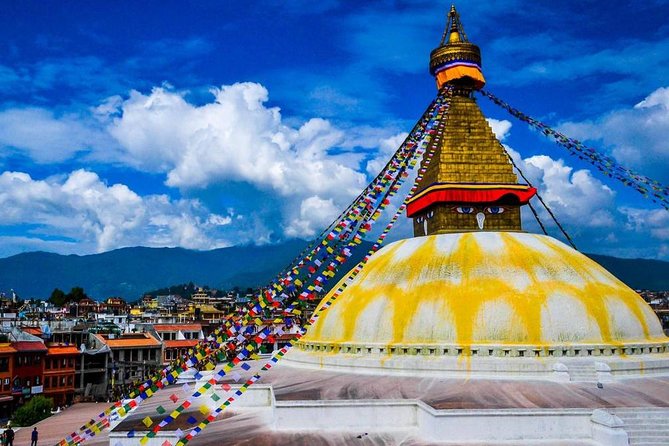
Boudhanath, the final stupa
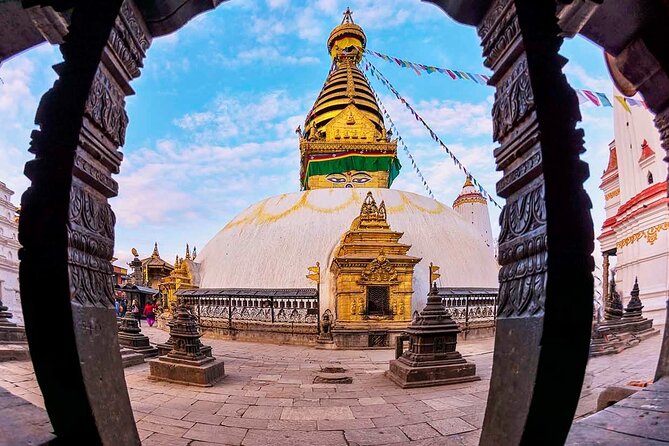
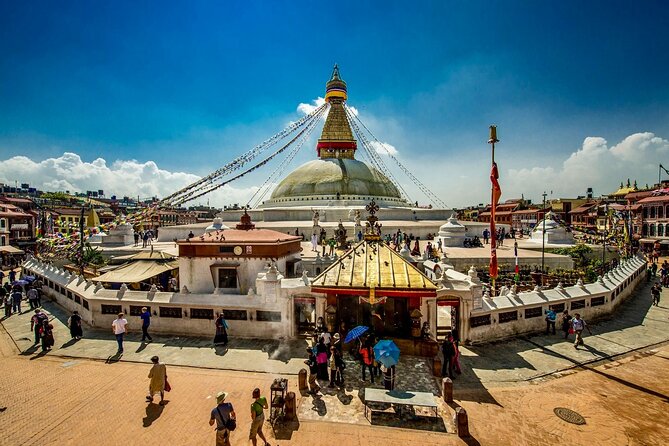
Boudhanath is a fitting final stop. The huge Buddhist stupa is a center of Tibetan culture and spiritual practice, with prayer flags, devotional movement, and shops connected to Buddhist art and worship.
Walk around the stupa in the customary direction, following your guide’s lead. Look at the painted eyes, the geometric form, the prayer wheels, and the people making their own circuit. The monument is impressive at first sight, but its meaning becomes clearer when you see how it functions as a living religious center.
By this stage, you may be tired. That is worth planning for. Boudhanath is visually strong and easy to remember, but you will appreciate it more if you have water, a snack, and comfortable footwear. The tour provides bottled water, and the included lunch or snack box helps keep the day going.
Lunch, snacks, and the difference between packages
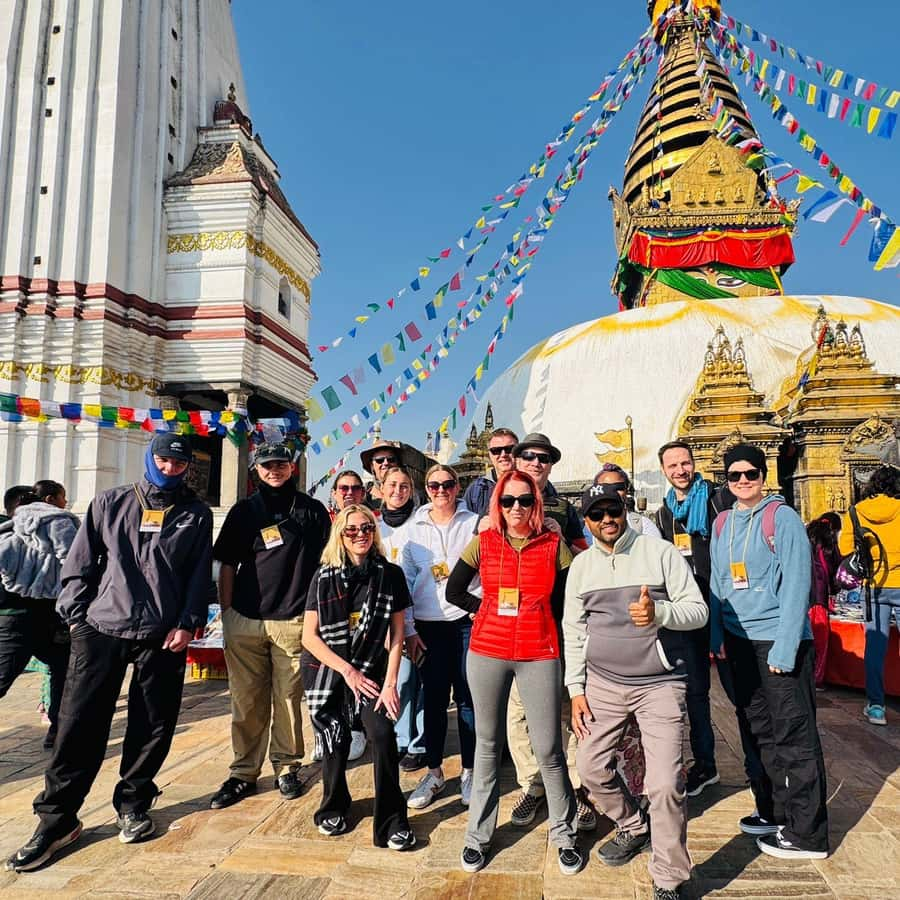
The food arrangement depends on the option you book. The all-inclusive package includes monument entrance fees and a meal at a local restaurant, with a Nepali khana set or another choice of dishes. The supplied lunch box includes a 500 ml bottle of water, muffin, donut, banana, seasonal fruit, and juice.
The meal is convenient, especially when traffic makes a separate restaurant search impractical. One person found the food disappointing for the price, while another described a chicken, rice, and vegetable lunch as delicious and filling. I would treat lunch as useful fuel rather than the main attraction.
Read the inclusions carefully before paying. The standard option does not include monument entrance fees, while the all-inclusive option does. For most international visitors, the stated total for all seven sites is about NPR 5,800, or USD 43. SAARC nationals pay about USD 22. Carry cash even if you think you have selected the inclusive package, since it is wise to confirm exactly what your booking covers.
Transport, walking, and group versus private travel
The private air-conditioned vehicle is a meaningful part of the experience, not just a nice extra. Kathmandu traffic can be tiring, and the vehicle gives you a place to cool down between sites. Drivers such as Krishna are repeatedly praised for safe, careful driving and for being ready when the group returns.
A group tour usually gives you a more social day and can cost less, but the pace depends on everyone. Late returns from a temple or slow boarding can push the schedule back. A private tour gives you more control and works well for solo visitors, couples, or families who want to ask many questions or pause for photographs.
Do not mistake private transport for a private sightseeing pace unless you book the private option. Either format still covers a large amount of ground. You will walk at every site, and the day can feel intense even when the guide keeps things relaxed.
Wear supportive shoes, carry sunscreen, and bring a small daypack. A camera, cash, passport or a copy of your ID, and water are sensible. One practical bathroom tip from an experienced visitor: carry a little toilet paper, just in case.
The guides are the main reason this works
The monuments provide the substance, but the guide shapes your understanding of them. Sumit is frequently praised for his historical explanations, upbeat manner, patience, and ability to answer questions. Asmita is noted for clear communication, warmth, humor, and attention to individuals in the group.
Sajina receives strong praise for making the day personal, explaining architecture and religion carefully, taking photographs, and adjusting to requests. Anon is described as generous with time and good at connecting history, food, religion, and everyday culture. Ram is praised for useful local advice and engaging stories.
Guide assignments can change, so you should not assume a particular person is guaranteed. Still, the repeated pattern is clear: the company’s strongest asset is its local staff. Ask questions. Tell your guide if you need a slower explanation or a short pause. The best moments come when the formal itinerary opens into a conversation about Nepalese beliefs, buildings, food, and daily life.
Is seven sites in one day good value?
At a headline price of $5 per person, the tour appears remarkably cheap, but that figure needs context. The standard option excludes monument fees, and those fees can total around $43 for most international visitors. Transport, hotel pickup and drop-off, a guide, bottled water, taxes, and service charges are included, while lunch and admissions depend on the package.
The real value is the time saved. You do not need to arrange seven separate visits, negotiate multiple rides, or work out how the sites fit together. For a short stay, that efficiency can be worth more than the ticket price alone.
The value is weaker if you prefer slow museum visits, long meals, or quiet time at each temple. In that case, a shorter four-site tour or self-planned visits over two or three days may suit you better. This experience is best understood as an orientation day, not the final word on Kathmandu Valley.
Who should book this Kathmandu tour?
I would book it if you are visiting Nepal for the first time, have limited time in Kathmandu, or want a clear introduction before exploring independently. It is also useful for solo visitors who want reliable transport and a guide for sites that are spread across the valley.
I would think twice if you have limited mobility, cannot manage a full day of walking, or care more about lingering than coverage. The tour is not suitable for wheelchair users or people with visual impairments.
You can cancel up to 24 hours in advance for a full refund, and the reserve-now, pay-later option keeps plans flexible. Just make sure you understand the selected package, prepare for the entrance fees, and leave your evening open.
Should you book it?
Book this tour when your priority is seeing Kathmandu Valley’s major sacred and royal sites in one organized day. The route is demanding, but the coverage is excellent, the drivers are praised for safe service, and guides such as Sumit, Asmita, Sajina, and Anon bring the monuments to life with context and humor.
Skip it, or choose a shorter version, if Bhaktapur, Patan, or religious sites deserve your full attention. For everyone else, this is an efficient first look at Nepal’s culture, architecture, and spiritual life, with enough guidance to make the long day worthwhile.
FAQ
How many UNESCO World Heritage sites does the tour visit?
The tour visits seven sites in Kathmandu Valley: Swayambhunath, Kathmandu Durbar Square, Patan Durbar Square, Bhaktapur Durbar Square, Changu Narayan Temple, Pashupatinath Temple, and Boudhanath Stupa.
Is hotel pickup included?
Yes. Hotel pickup and drop-off are included. Group pickups begin around 8:00 AM within the Thamel area, and the exact pickup time is provided one day in advance.
Are monument entrance fees included?
Monument fees are included only with the all-inclusive package. The standard option does not include them.
How much are the entrance fees?
The entrance fees for all sites total approximately USD 43, or NPR 5,800, per person. SAARC nationals pay approximately USD 22.
Is lunch included?
Lunch is included with the all-inclusive option. This may include a Nepali khana set or another choice of dishes. A lunch box with bottled water, snacks, fruit, and juice is also listed among the inclusions.
Is the tour private or shared?
You can choose either a private tour or a group tour. Both options cover the same seven heritage sites and can include hotel pickup, a guide, and air-conditioned transport.
What languages are available?
The tour is available in English and Hindi.
What should I bring?
Bring a camera, cash, a daypack, and your passport or a copy of your passport or ID card. Sunscreen and comfortable walking shoes are also sensible for the long day.
Is the tour suitable for wheelchair users?
No. The experience is not suitable for wheelchair users or people with visual impairments.
More Full-Day in Kathmandu
- Kathmandu: Full Day Private Top 4 UNESCO Heritage Tour W/Lunch.
★ 5.0 · 86 reviews - Kathmandu: Full Day Top 4 UNESCO Tour with Lunch – Private/Group
★ 5.0 · 67 reviews - Kathmandu Heritage Tour (Full Day)
★ 5.0 · 63 reviews - Full Day Guided Tour in Kathmandu
★ 5.0 · 61 reviews
Recently added around Kathmandu
- Kathmandu : Swambhunath & Durbar Square Guided Half Day Tour★ 3.3 · 3 reviews
- Private Day Tour in Kathmandu Valley Rim with Bhaktapur Sightseeing★ 5.0 · 3 reviews
- Private 3-Hour Nagarkot Sunset Tour from Kathmandu★ 3.5 · 3 reviews
- From Kathmandu / Pokhara / Chitwan: River Rafting – 1 Day★ 4.6 · 3 reviews
- Nepali Cooking training & Cultural Homestay Experience★ 5.0 · 3 reviews
- From Kathmandu: Everest Base Camp Landing Helicopter Tour★ 5.0 · 3 reviews
- 4 UNESSCO World heritage sites of Kathmandu-private tour★ 5.0 · 3 reviews
- From Kathmandu Budget: 15 Day Everest Base Camp Trek★ 5.0 · 3 reviews
Kathmandu UNESCO Heritage Tours, compared.
Private Kathmandu Sightseeing Tour | UNESCO World Heritage sites
Read our review →
Full Day 7 UNESCO Tour with Lunch – Private/Group
Read our review →
Full Day Top 4 UNESCO Tour with Lunch – Private/Group
Read our review →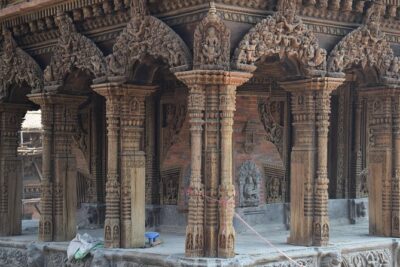
Kathmandu Private Sightseeing Tour | UNESCO World Heritage Sites
Read our review →Full Day 7 UNESCO Tour with Lunch – Private/Group
Read our review →Browse the lists this tour appears in