
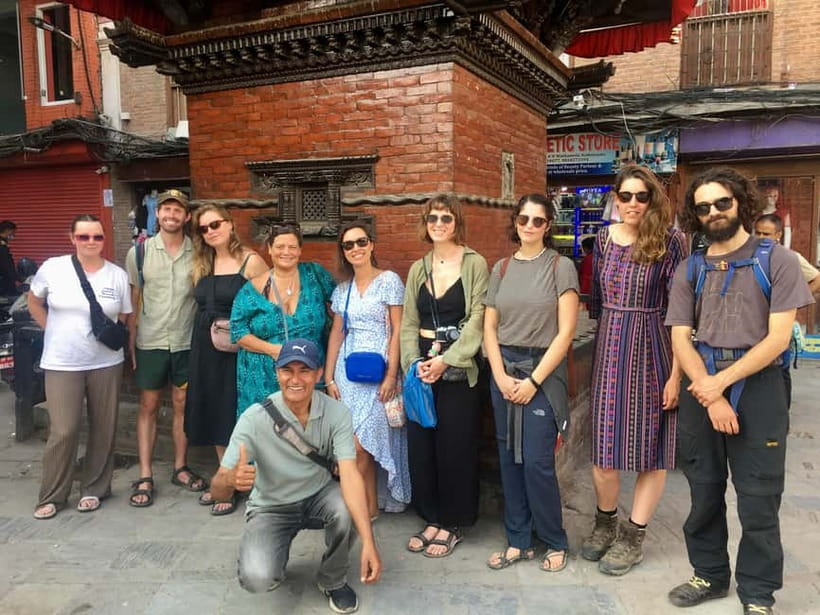
Reviewed · SWAYAMBHUNATH TEMPLE TOURS
Kathmandu: Guided Walking Tour with Monkey Temple
Kathmandu reveals itself on foot, one shrine, market lane, and courtyard at a time. This tour links the Garden of Dreams, Kathmandu Durbar Square, a Newari residential area, and the hilltop Monkey Temple, giving you a useful first look at the city beyond the main tourist streets.
I like the low $15 price and the chance to ask a local guide about religious customs, daily life, and the city’s past as you walk. Guides such as Shiva have been praised for taking time with questions and showing places you might miss alone. The trade-off is real: this is a demanding walk, with a 45-minute uphill section and 365 steps downhill.
In This Review
- Key points at a glance
- Why this walk works as a Kathmandu introduction
- Starting quietly at the Garden of Dreams
- Through Kathmandu’s markets and working streets
- Reading Kathmandu Durbar Square
- Newari homes, temples, and a cremation area
- The 77-meter climb to the Monkey Temple
- The 365-step descent back to the meeting point
- What the guide adds for $15
- Is $15 good value?
- Practical preparation for the walk
- Who should book this Kathmandu walk?
- FAQ
- Where does the Kathmandu walking tour start?
- Where does the activity end?
- Is hotel pickup included?
- What language is the tour conducted in?
- How many stairs are involved?
- Is the tour suitable for children and wheelchair users?
- What should I bring?
- Should you book it?
Key points at a glance
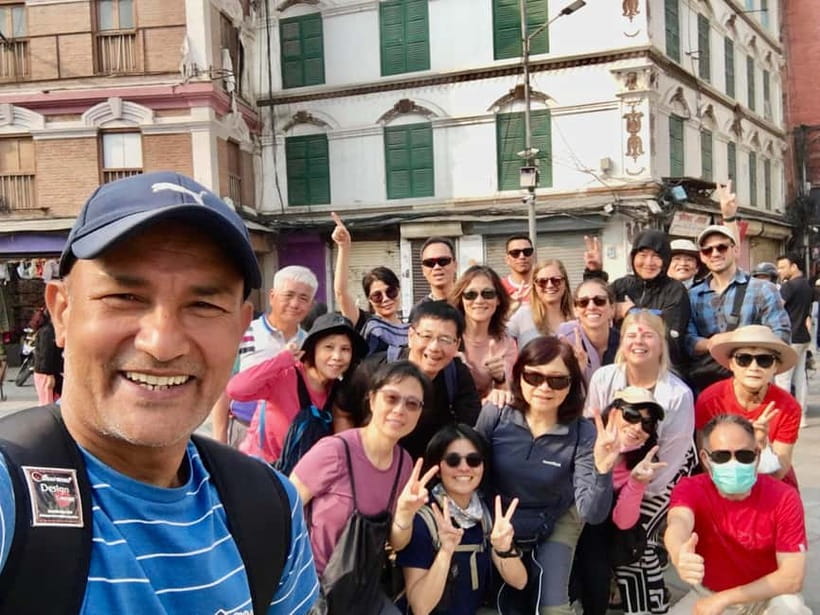
- A full city walk for $15: The price covers a professional English-speaking guide, while meals, drinks, transport, and personal costs are separate.
- Several sides of Kathmandu: You move from a quiet garden to markets, heritage squares, residential lanes, temples, and ritual sites.
- The Monkey Temple comes after a climb: The conical hill rises 77 meters above Kathmandu, followed by a descent of 365 steps.
- A strong guide-led experience: Shiva is specifically praised for patience, clear answers, and taking visitors to less obvious heritage places.
- Start and finish in Thamel’s orbit: Meet at the front gate of the Garden of Dreams, and return to the same meeting point.
- Best for walkers: Comfortable shoes, water, sun protection, and modest clothing are essential.
Why this walk works as a Kathmandu introduction
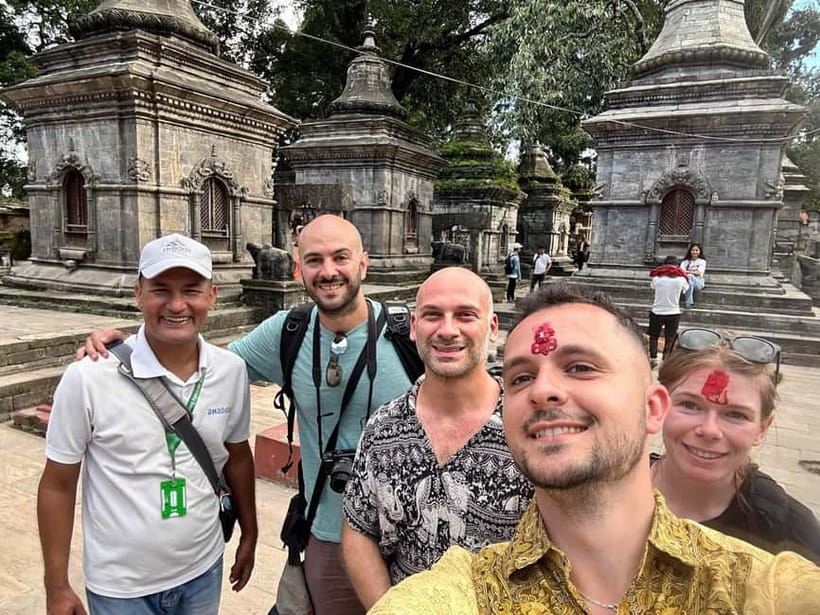
Kathmandu can feel confusing at first. Sacred courtyards appear behind ordinary doorways, traffic crowds the main roads, and small stupas turn up in places you would not expect. A guide helps you read those details instead of simply passing them by.
This outing is useful because it does not focus on one monument alone. You begin in a formal garden, pass through working parts of the city, visit one of Kathmandu’s best-known historic squares, and finish at a major Buddhist stupa on a hill.
I like that mix. You get recognizable sights, but also ordinary neighborhoods and ritual places. The walk is not just a list of stops. It shows how temples, homes, markets, and religious activity share the same urban space.
The route is conducted in English, and the guide is there to explain the city and its people. Shiva is the guide named in the most detailed praise, and his strengths are worth noting: patience, a calm manner, and a willingness to answer questions about culture and religion. One person also appreciated local bus and tuk-tuk journeys on other tours with him, though transportation is not included in this walking experience, so you should not expect those rides here.
More ways up to Swayambhunath:
- Kathmandu: Chandragiri Cable Car and Monkey Temple Tour
★ 4.8 · 139 reviews - Monkey Temple – Swayambhunath Tour – Private/Small Group
★ 5.0 · 50 reviews - Chandragiri Cable Car & Monkey Temple Tour- Private/Group
★ 5.0 · 32 reviews
Starting quietly at the Garden of Dreams
The meeting point is the front gate of the Garden of Dreams. Look for the guide carrying a placard marked Himkala Adventure.
The garden makes a sensible starting place. It gives you a short break from Kathmandu’s streets before the walking begins, and it provides a clear landmark in the Thamel area. Since hotel pickup is not included, you will need to reach the gate yourself.
The tour then heads toward local areas with old stupas and temples. This early part is valuable because it sets the tone for the rest of the day. You are not being taken only from one major attraction to the next. You are watching people carry out ritual activities in places that remain part of daily life.
I would keep your pace relaxed here. Small religious structures reward a careful look, and this is the moment to ask your guide what you are seeing. You may find that a modest shrine or stupa raises better questions than a famous monument does.
Through Kathmandu’s markets and working streets
The market section brings you into the city’s everyday rhythm. The information provided does not promise a particular market name or a fixed shopping stop, so think of this part as a walk through Kathmandu’s active commercial streets rather than a dedicated shopping tour.
That distinction matters. You are paying for interpretation and access to the city’s character, not for a shopping package. The market may be crowded and noisy, and you will need to pay attention to your footing and the people around you.
This is a good place to keep your camera ready, but do not let photography distract you from the walk. Your guide can help explain what is local routine and what is connected to religious practice. The tour’s strongest feature is the connection between these ordinary streets and the historic places that follow.
There is no meal or drink included, so bring water and budget for anything you want during the day. At $15, the price remains modest, but the low cost does not cover every small expense.
Reading Kathmandu Durbar Square
Kathmandu Durbar Square is the main heritage stop on the central part of the route. It brings together temples, historic buildings, public space, and the visible marks of Kathmandu’s royal and religious past.
A guide is especially useful here. You can look at carved details and shrines by yourself, but the meaning of a building or ritual is harder to grasp without context. The guide can connect the square to the city’s people, traditions, and changing history.
The square is also a place where expectations should stay practical. This is an urban heritage site, not a quiet museum. You may encounter crowds, noise, uneven walking surfaces, and active religious use. That activity is part of what makes the visit worthwhile, but it also means you should give worshippers space and follow local instructions.
Dress modestly when visiting religious sites. A hat and sunscreen will help in exposed areas, while comfortable shoes matter throughout the route.
More walking tours in Kathmandu:
- Kathmandu Food and Drink Walking Tour
★ 5.0 · 266 reviews - Kathmandu: Food and Drink Walking Tour
★ 4.9 · 119 reviews - Walking Street Food Tour in Kathmandu
★ 5.0 · 111 reviews - Walking Food Tour in Hidden Local Eateries of Kathmandu
★ 5.0 · 40 reviews
Newari homes, temples, and a cremation area
After the main monuments, the route follows a Newari residential area. This is one of the more appealing parts of the experience for me because it shifts attention from grand sites to the structure of ordinary city life.
You will observe local temples and residential surroundings rather than simply stopping for a photograph. The walk also includes a cremation place. That can feel more serious than the earlier attractions, but it is an important reminder that religious customs are not separated from everyday life in Kathmandu.
Approach this section with respect. Do not treat ritual activity as a performance, and ask before taking photographs of people or ceremonies. Modest dress is not just a rule for famous temples. It is a useful courtesy throughout the walk.
The Newari area also helps explain why a guided route can be worth more than a self-guided stroll. You might pass through the same streets on your own, but you could miss the significance of the temples, the residential design, or the way sacred and domestic spaces sit beside each other.
The 77-meter climb to the Monkey Temple
The final major approach is the hardest part physically. You walk for about 45 minutes toward the conical-shaped hill known as the Monkey Temple. The hill rises 77 meters from Kathmandu’s ground level.
The name refers to the monkeys found around the site, but the attraction is more than its animals. The stupa and surrounding religious area are the reason for the climb, and the hilltop gives this walk a strong finish after the city streets below.
The Monkey Temple is described as a UNESCO World Heritage Site. Your guide can help you understand the stupa, the nearby religious features, and the ritual activity taking place around it. Allow yourself time to look carefully rather than treating the site as a quick photo stop.
The climb will feel different depending on weather, footwear, and your normal walking ability. The tour is not suitable for people with mobility impairments or wheelchair users, and children under five are not accepted. Even fit walkers should bring water and avoid treating the uphill section as a race.
The 365-step descent back to the meeting point
After visiting the stupa and surrounding area, you return toward Thamel by descending 365 steps. This is a very specific detail, and it should shape your booking decision.
Going downhill can be harder on knees than people expect. Wear shoes with a firm grip, keep your hands free where possible, and take your time. A hat, sunscreen, and water are listed as useful items because Kathmandu’s weather can change, and parts of the route may be exposed.
The activity ends back at the original meeting point. Since there is no hotel drop-off, this arrangement is simple if you are staying near Thamel or can easily reach the Garden of Dreams. It is less convenient if you want a guide to collect you from your hotel or if you have difficulty returning after a long walk.
The route’s total duration is not specified, so do not schedule a tight appointment immediately afterward. The number of stops, questions, street conditions, and time spent at religious sites can all affect the finish.
What the guide adds for $15
The guide is the main reason to book rather than copy the route from a map. The included service is a professional English-speaking guide, and the most useful praise centers on personal attention.
Shiva is singled out for being friendly, calm, and willing to answer questions. He is also praised for showing heritage places that a visitor might not find alone and for explaining culture and religion clearly. That suggests the experience is at its best when you treat it as a conversation, not a rushed march between attractions.
Ask questions as you go. You might ask about the purpose of a stupa, the meaning of a ritual, the history of the Newari area, or why a particular temple matters. The supplied information does not promise a fixed script, group size, or a particular guide for every departure, so Shiva may not lead your specific tour.
The language is English. If you need another language, this experience may not fit your needs.
Is $15 good value?
At $15 per person, I consider this strong value for a guided introduction to Kathmandu. The route covers several distinct areas, and the price includes a guide rather than only entry to a single attraction.
The value is not in luxury. You do not get hotel pickup, meals, drinks, transport, or personal expenses. You also need to make your own way to the Garden of Dreams and back from the same point.
The price works best if you want orientation on your first day in the city. A guide can help you understand where the main sights fit together and give you ideas for places to revisit on your own. It is less attractive if you dislike long walks, want private transport, or prefer to spend a whole day at one museum or monument.
At this price, I would bring a small amount of cash for personal needs, though the tour does not specify particular stops or costs. Keep your bag light. You have a long route and many stairs ahead.
Practical preparation for the walk
Your clothing and footwear will affect the experience more than any fancy travel accessory. Wear comfortable walking shoes, take water, and use sunscreen. A hat is useful in sunny weather, and a camera is welcome if you use it respectfully.
The tour involves a significant amount of walking and stairs. It is not suitable for wheelchair users or people with mobility impairments, and children under five should not join.
Prepare for changing weather. The information does not give a weather-specific packing list beyond the basics, so a flexible approach is sensible. You should also dress modestly at religious locations.
Smoking is not allowed. Respect the temples, stupas, cremation area, and people carrying out rituals. Ask before photographing worshippers, ceremonies, or private spaces.
You can reserve now and pay later, which is useful if your Kathmandu plans are still shifting. Cancellation is allowed up to 24 hours before the activity for a full refund.
Who should book this Kathmandu walk?
I would recommend it to a first-time visitor who wants a broad introduction without paying for a private car or a full-day excursion. It suits solo visitors especially well because the guide provides local context and a clear route through areas that can otherwise feel hard to read.
It also fits anyone who enjoys walking through residential streets and seeing religious life as part of the city, not just visiting polished attractions. The combination of markets, Durbar Square, Newari homes, and the Monkey Temple gives you a useful range of Kathmandu experiences.
I would hesitate if you have knee, balance, or stamina concerns. The uphill walk and 365-step descent are not minor details. I would also choose another activity if you want hotel pickup, included food, or a guaranteed named guide.
FAQ
Where does the Kathmandu walking tour start?
The tour starts at the front gate of the Garden of Dreams. The guide will carry a placard marked Himkala Adventure.
Where does the activity end?
The tour ends back at the original meeting point at the Garden of Dreams.
Is hotel pickup included?
No. Hotel pickup and drop-off are not included, so you must reach the Garden of Dreams meeting point yourself.
What language is the tour conducted in?
The tour is offered in English.
How many stairs are involved?
The return route from the Monkey Temple includes a descent of 365 steps. The tour also involves a 45-minute walk toward the hilltop site.
Is the tour suitable for children and wheelchair users?
Children under five are not accepted. The activity is also not suitable for people with mobility impairments or wheelchair users.
What should I bring?
Bring comfortable shoes, a hat, a camera, sunscreen, and water. Dress modestly when visiting religious sites, and smoking is not allowed.
Should you book it?
Book this tour if you want an affordable, active introduction to Kathmandu with a local English-speaking guide. The best parts are the variety of neighborhoods, the chance to see ritual life alongside major heritage sites, and the helpful personal explanation associated with guides such as Shiva.
Skip it if the 45-minute climb and 365-step descent sound uncomfortable, or if you need transport and hotel service. For a fit walker who wants more than a quick monument checklist, $15 is a sensible way to get your bearings and see Kathmandu from street level.
Recently added around Kathmandu
- Kathmandu : Swambhunath & Durbar Square Guided Half Day Tour★ 3.3 · 3 reviews
- Private Day Tour in Kathmandu Valley Rim with Bhaktapur Sightseeing★ 5.0 · 3 reviews
- Nepali Cooking training & Cultural Homestay Experience★ 5.0 · 3 reviews
- Private 3-Hour Nagarkot Sunset Tour from Kathmandu★ 3.5 · 3 reviews
- From Kathmandu / Pokhara / Chitwan: River Rafting – 1 Day★ 4.6 · 3 reviews
- From Kathmandu: Everest Base Camp Landing Helicopter Tour★ 5.0 · 3 reviews
- 4 UNESSCO World heritage sites of Kathmandu-private tour★ 5.0 · 3 reviews
- From Kathmandu Budget: 15 Day Everest Base Camp Trek★ 5.0 · 3 reviews
Swayambhunath Temple Tours, compared.
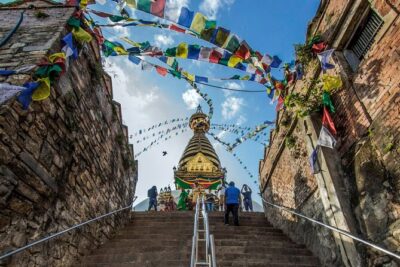
Monkey Temple – Swayambhunath Tour – Private/Small Group
Read our review →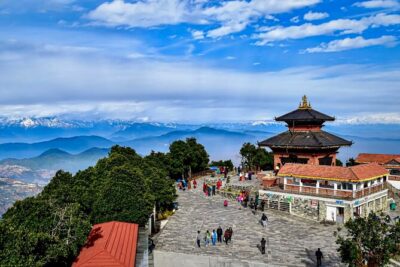
Chandragiri Cable Car & Monkey Temple Tour- Private/Group
Read our review →
Private Chandragiri Cable Car and The Monkey Temple Tour
Read our review →
Kathmandu Chandrigiri Hill Cable Car & Monkey Temple UNESCO Tour
Read our review →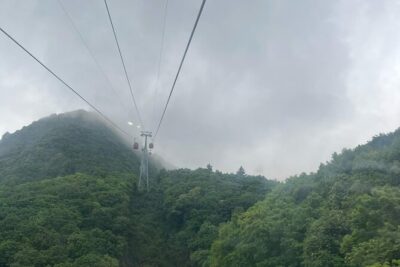
Chandragiri Cable Car Ride & Monkey Temple Tour – Private/Group
Read our review →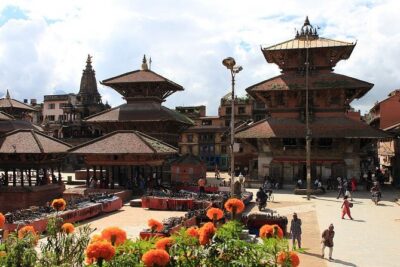
Private Half-Day Tour of Kathmandu Durbar Square and Swayambhunath Temple
Read our review →
Kirtipur & Swayambhu Trip from Kathmandu: Local Eats and Drinks
Read our review →Browse the lists this tour appears in