
Reviewed · SWAYAMBHUNATH TEMPLE TOURS
Monkey Temple – Swayambhunath Tour – Private/Small Group
Kathmandu’s Monkey Temple is best understood on foot, and this tour takes you there by a back route through old neighborhoods and smaller shrines. The main prize is Swayambhunath, the hilltop Buddhist stupa, but the walk also explains how local Hindu and Buddhist traditions share the same streets.
I like the tiny group size, capped at five, because it gives you room to ask questions and keep a steady pace. I also like the mix of stories and scenery: the origin of Kathmandu Valley, the legend of Manjushree, the demon Harati, and broad views from the hill. The drawback is physical: you walk for about three hours and climb 365 steps, so this is not a soft sightseeing stroll.
In This Review
- Key points to know before you book
- Starting in Thamel and walking toward Bhagwan Pau
- Indrayani and Bijeshwori, two early temple stops
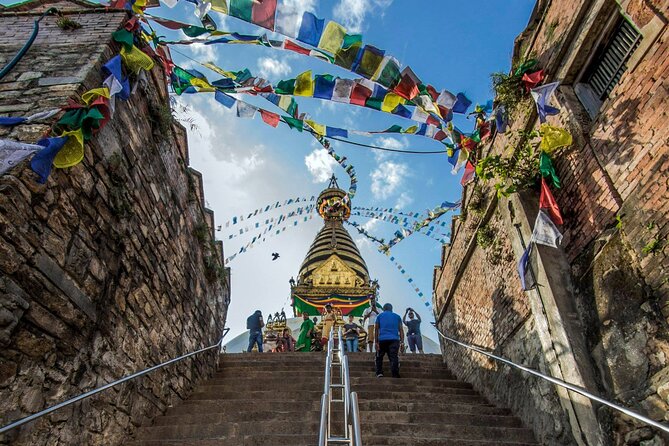
- Bhagwan Pau and the climb up 365 steps
- Swayambhunath, the main Buddhist stupa
- Harati Ajima and the story of a changed demon
- World Peace Pond and Manjushree Temple
- The huge Buddhas at Amideva Buddha Park
- Shova Bhagawati and the walk back to Thamel
- Why the small group makes a difference
- Is $15 a good value?
- Who should book this walk?
- Should you book the Swayambhunath tour?
- FAQ
- Where does the tour start?
- Where does the tour end?
- How long does the tour last?
- How many people can join?
- Is an English-speaking guide included?
- How much is the Swayambhunath entrance fee?
- Are coffee and tea included?
- How difficult is the walking?
- Can students receive a youth price?
Key points to know before you book
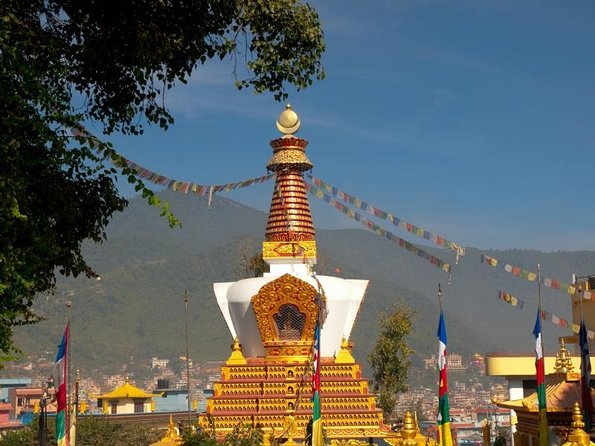
- A 365-step approach: The main climb begins at Bhagwan Pau, at the foot of Swayambhunath hill.
- A three-hour walking tour: The route starts in Thamel and includes several temples before returning to the meeting point.
- A maximum of five people: The small group makes it easier to hear the guide and ask about religious customs.
- Hindu and Buddhist traditions together: You visit Bijeshwori, Harati Ajima, Manjushree, and Swayambhunath.
- Only $15 per person: The price includes an English-speaking guide, but Swayambhunath entry costs another 200 Nepalese rupees in cash.
- A good tour for short stays: You see a wide slice of Kathmandu without committing to a full-day excursion.
Starting in Thamel and walking toward Bhagwan Pau
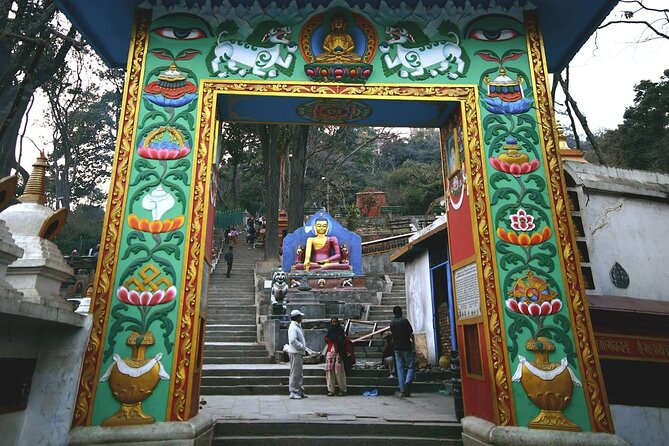
The meeting point is Pumpernickel Bakery on Paryatan Marg in Thamel. From there, the route takes about 30 minutes to reach Bhagwan Pau, the lower entrance area of Swayambhunath.
That first section matters. You are not simply being delivered to a famous viewpoint, then given a quick explanation before being sent back. You begin in the streets around Thamel and Saraswotithan, where the guide can connect present-day Kathmandu with older religious sites and local life.
You should expect a walking tour rather than a transport-based outing. Wear shoes with a firm grip, carry water, and leave some room in your schedule. The stated duration is about three hours, and the walking time includes the return to Thamel.
The route passes several small shrines before the main hill. These stops may not have the visual impact of the golden stupa, but they help explain why Swayambhunath is not an isolated monument. Kathmandu’s sacred places are woven into ordinary neighborhoods.
More ways up to Swayambhunath:
- Kathmandu: Chandragiri Cable Car and Monkey Temple Tour
★ 4.8 · 139 reviews - Chandragiri Cable Car & Monkey Temple Tour- Private/Group
★ 5.0 · 32 reviews - Private Chandragiri Cable Car and The Monkey Temple Tour
★ 5.0 · 30 reviews
Indrayani and Bijeshwori, two early temple stops
One early stop is Indrayani Temple, also called Luti Ajima. Local tradition connects it with the eight Matrikas established by Licchavi King Gunakamdev when Kathmandu city was founded in the 13th century. Your guide uses this site to introduce the old protective deities of the valley.
The temple is a useful reminder that Kathmandu’s religious story is not limited to one faith or one period. A short explanation here can make the later Buddhist and Hindu references easier to follow.
The walk also visits Bijeshwori Temple, a sacred place for both Hindu and Buddhist worshippers. It has particular importance for Tibetan Buddhists, while Hindu devotees also regard it as a holy site.
I like this part of the route because it gives you context before the main attraction. The possible downside is that the itinerary includes several brief stops, so anyone hoping to spend a long, quiet period at Swayambhunath itself may find the schedule a little structured.
Bhagwan Pau and the climb up 365 steps
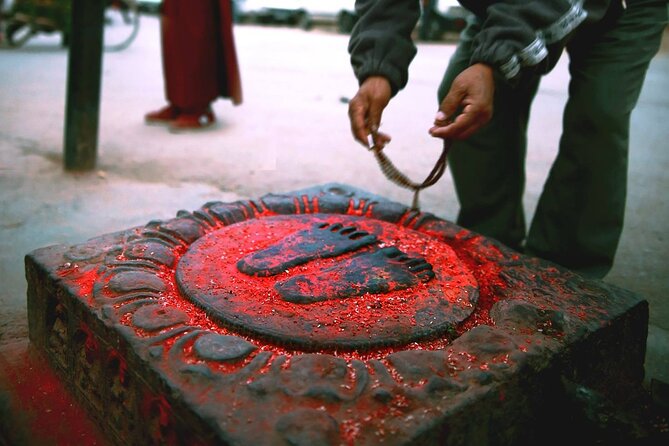
Bhagwan Pau means the feet of Lord Buddha, and it marks the lower point of the main entrance to Swayambhunath hill. From here, the route begins its 365 steps.
The guide allows about 20 minutes at Bhagwan Pau, including time to rest, drink water, and prepare for the climb. That pause is welcome. Kathmandu’s streets can already feel demanding before you reach the stairs, and the climb is the most physical part of the tour.
You do not need to race upward. A moderate fitness level is expected, and the tour specifically advises against joining if you have severe asthma or knee problems. If you are unsure about your stamina, this is the section to consider most carefully.
The stairs are not just a practical entrance. They create a gradual change from street-level Kathmandu to the hilltop religious complex. By the time you reach the top, the shift in setting is part of the experience.
Swayambhunath, the main Buddhist stupa
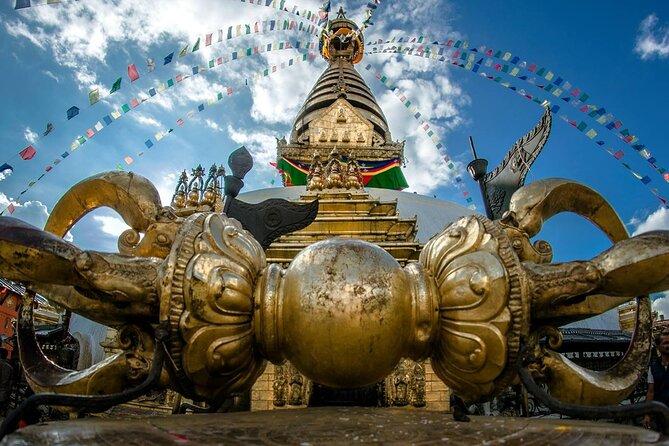
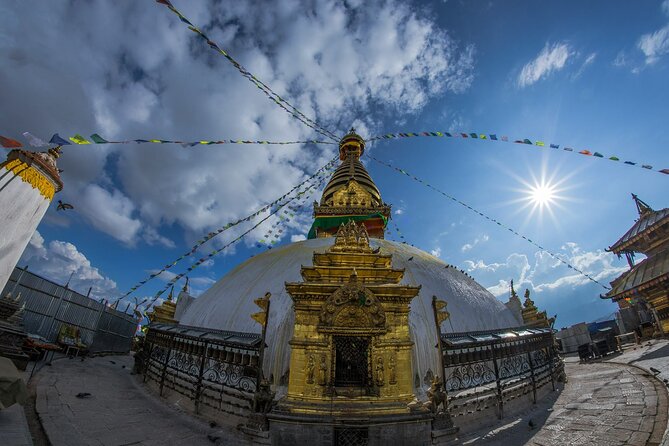
Swayambhunath is the central stop, with about 40 minutes set aside to explore the temple area and learn about its origin. It is one of Nepal’s holiest Buddhist stupas, but the site also has strong connections to Hindu worship.
The name is often explained as self-originated, and the guide tells the legend of how the Kathmandu Valley changed from a great lake into a settled city. These stories are not side notes. They are the key to understanding why the stupa sits on a hill at the center of Kathmandu and why Manjushree appears in the surrounding mythology.
A guide-led visit is especially useful if a religious ceremony is taking place. You can observe respectfully, but it is not always obvious what a ritual means, who is participating, or how Buddhist and Hindu practices overlap. The tour promises interpretation rather than a quick photo stop.
The views are another major reason to come. From the hill, you get a broad view across Kathmandu, including the western side from points around the complex. The stupa itself, the old architecture, and the city below give this stop the strongest visual payoff of the morning.
The entry fee is not included. You pay 200 Nepalese rupees, about $1.50, directly to the temple authorities in cash. That is a small added cost, but carry the correct currency and remember that the advertised $15 price is not the complete out-of-pocket total.
A few more Kathmandu tours worth comparing
- Private Kathmandu Sightseeing Tour | UNESCO World Heritage sites
★ 5.0 · 756 reviews - Kathmandu: Full Day 7 UNESCO Tour with Lunch – Private/Group
★ 5.0 · 415 reviews - Private Bhaktapur and Nagarkot Day Tour From Kathmandu
★ 5.0 · 305 reviews - Kathmandu: Full Day Top 4 UNESCO Tour with Lunch – Private/Group
★ 5.0 · 269 reviews
Harati Ajima and the story of a changed demon
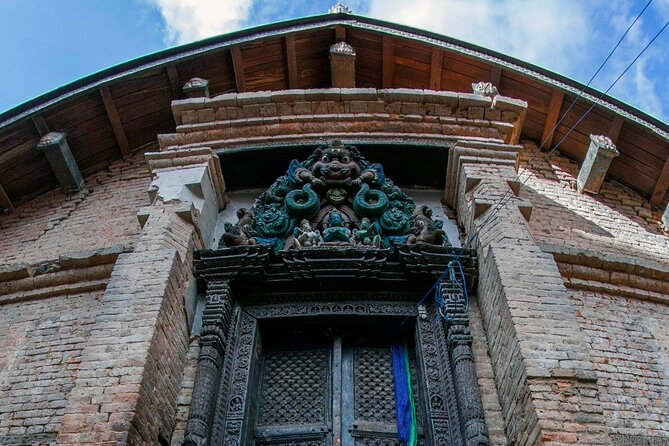
The short visit to Harati Ajima Temple lasts about five minutes, but the story attached to it is memorable. The guide explains how a demon named Harati became Mother Harati, and why people around the valley worship her.
This is one of the tour’s most interesting details because it shows how religious traditions can preserve transformation rather than simple good-versus-evil stories. The pagoda-style architecture also gives you another look at Nepalese temple design beyond the main stupa.
Do not expect a long stop here. Five minutes is enough for an introduction and a look at the building, not a detailed architectural study.
World Peace Pond and Manjushree Temple
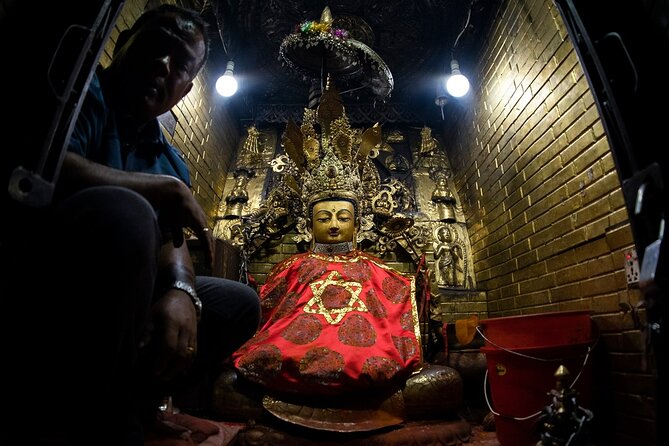
On the western side of Swayambhunath is World Peace Pond, with a brass Buddha standing on a lotus in the middle. English words appear on the wall, adding another layer to the site’s message of peace.
The tour then reaches Manjushree Temple, a small shrine dedicated to Maha Manjushree. About 15 minutes are planned here, along with more of the legend about Kathmandu Valley’s transformation from a lake into a city.
This stop adds a different angle to the valley’s origin story. At Swayambhunath, you hear about the stupa and its sacred beginning. At Manjushree, you hear how the physical valley was made suitable for settlement. The stories work well together, especially if you enjoy mythology as a way to understand place.
The western side also gives you a panoramic view, so this is a good point to pause, look outward, and take photographs. The schedule is still fairly brisk, though. If you want extended time at each shrine, a private custom tour would likely suit you better than a three-hour shared walk.
The huge Buddhas at Amideva Buddha Park
Amideva Buddha Park contains three large statues: Amitabha Buddha, listed at 67 feet in the center, with Chenrezig and Padmasambhava, each listed at 64 feet, on either side.
The planned visit lasts about 20 minutes. The scale of the figures changes the mood of the tour after the smaller temples and hilltop shrines. Your guide also shares the story of Siddhartha Buddha, giving you another opportunity to connect the monuments with Buddhist teachings.
This is a strong stop for photographs, but it is not only a photo break. The guide’s explanations are a large part of what you are paying for. Without context, three enormous statues can blur into one impressive image. With a good explanation, you can keep track of who each figure represents and why the park matters.
Shova Bhagawati and the walk back to Thamel
The route includes Shova Bhagawati, a shrine devoted to the goddess Bhagwati on the bank of the Bishnumati River. It is described as one of Kathmandu’s four major Bhagwati temples.
The stop extends the tour beyond Swayambhunath’s hill and shows another form of local worship. It also helps make the return walk feel like part of the route rather than an afterthought.
From Bhagwan Pau, you walk back to Kathmandu Eco Hotel in Thamel, with Pumpernickel Bakery serving as the meeting point area. The final walk takes about 30 minutes. If you want to keep exploring Swayambhu on your own, you may choose to separate from the group and make your own way back.
That flexibility is useful, but confirm the arrangement with your guide before leaving. The activity is planned to finish at the original meeting point, so make sure you know where and when the group will reconnect, if needed.
Why the small group makes a difference
With no more than five participants, this is much more personal than a large city tour. You can usually hear the guide clearly at a temple courtyard, ask about a ceremony, or request a short pause without holding up a crowd.
The guide is the heart of the experience. Santosh is named in the tour feedback as an experienced guide who explains Hinduism and Buddhism, gives historical background, and makes solo visitors feel safe during the walk. Guides can change, so you should not assume Santosh will lead every departure, but his approach gives you a useful idea of the service level being offered.
The tour is also suitable for a solo woman who wants company without joining a large bus group. A small group offers some social ease while keeping the walk focused.
The tradeoff is that the route may feel less flexible than a fully private tour. The listed stops have set time blocks, and three hours is not long when you include the walk from Thamel, the stair climb, several temples, and the return.
Is $15 a good value?
At $15 per person, this is an inexpensive way to get an English-speaking guide and a structured introduction to Swayambhunath. The price is especially fair if you are in Kathmandu for only a short time and want more than a taxi ride to the stupa followed by independent wandering.
You should add the 200-rupee entrance fee to your budget. Coffee and tea are not included either, though the route begins at a bakery where you can arrange your own refreshment before departure.
The real value is not transport or admission. It is the guide’s storytelling and the route through smaller religious sites. If you already know Kathmandu’s temples well, or you mainly want unhurried photography at Swayambhunath, the short scheduled stops may feel less worthwhile.
Group discounts are available, and the youth price applies to students who can show a student card. Confirmation is provided at booking, and free cancellation is available when you cancel at least 24 hours before the local start time.
Who should book this walk?
I would choose this tour if you want a short, active introduction to Kathmandu with religious stories, local shrines, and a major viewpoint. It suits solo visitors, couples, students, and first-time visitors who prefer a guide but do not want a full-day commitment.
It is also a good fit if you want to understand the links between Hindu and Buddhist worship. Swayambhunath is much more meaningful when you know the legends behind the hill, the valley, and the figures at the surrounding temples.
I would think twice if stairs are difficult for you. Severe asthma and knee problems are specifically listed as reasons not to join, and the 365-step climb is not optional if you follow the main entrance route.
You should also skip it if you want a slow temple meditation session or a long photography outing. The route covers a lot in three hours, so its strength is breadth and explanation rather than extended time at one site.
Should you book the Swayambhunath tour?
Book it if you value a small group, a local guide, and stories that connect Kathmandu’s temples with the valley’s origin myths. Santosh’s praised guiding style, the five-person limit, and the mix of Hindu and Buddhist sites make this more useful than a simple visit to the Monkey Temple alone.
Bring water, comfortable shoes, cash for the 200-rupee entrance, and enough energy for the stairs. If those basics suit you, $15 buys a lively half-day walk with a strong central attraction and plenty of context around it.
FAQ
Where does the tour start?
It starts at Pumpernickel Bakery on Paryatan Marg in Kathmandu’s Thamel area.
Where does the tour end?
The activity ends back at the meeting point in Thamel.
How long does the tour last?
The tour lasts approximately three hours.
How many people can join?
The group has a maximum of five participants.
Is an English-speaking guide included?
Yes. An English-speaking guide is included in the tour price.
How much is the Swayambhunath entrance fee?
The entrance fee is 200 Nepalese rupees, about $1.50, paid in cash directly to the temple authorities.
Are coffee and tea included?
No. Coffee and tea are not included.
How difficult is the walking?
You need a moderate level of physical fitness. The route includes 365 steps to Swayambhunath, and people with severe asthma or knee problems are advised not to join.
Can students receive a youth price?
Yes. The youth price is for students who have a valid student card.
Recently added around Kathmandu
- Kathmandu : Swambhunath & Durbar Square Guided Half Day Tour★ 3.3 · 3 reviews
- Private Day Tour in Kathmandu Valley Rim with Bhaktapur Sightseeing★ 5.0 · 3 reviews
- From Kathmandu / Pokhara / Chitwan: River Rafting – 1 Day★ 4.6 · 3 reviews
- Nepali Cooking training & Cultural Homestay Experience★ 5.0 · 3 reviews
- Private 3-Hour Nagarkot Sunset Tour from Kathmandu★ 3.5 · 3 reviews
- From Kathmandu: Everest Base Camp Landing Helicopter Tour★ 5.0 · 3 reviews
- 4 UNESSCO World heritage sites of Kathmandu-private tour★ 5.0 · 3 reviews
- From Kathmandu Budget: 15 Day Everest Base Camp Trek★ 5.0 · 3 reviews
Swayambhunath Temple Tours, compared.
Chandragiri Cable Car & Monkey Temple Tour- Private/Group
Read our review →
Private Chandragiri Cable Car and The Monkey Temple Tour
Read our review →
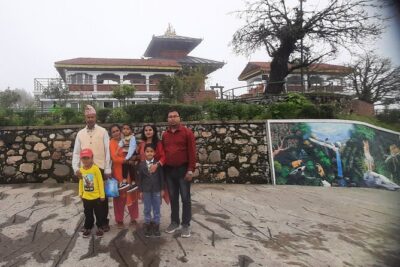
Kathmandu Chandrigiri Hill Cable Car & Monkey Temple UNESCO Tour
Read our review →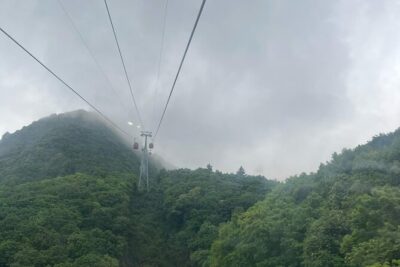
Chandragiri Cable Car Ride & Monkey Temple Tour – Private/Group
Read our review →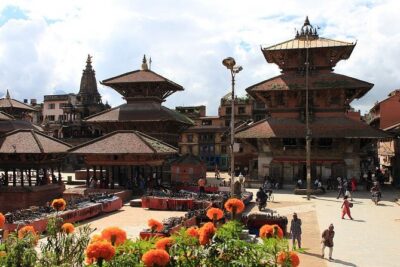
Private Half-Day Tour of Kathmandu Durbar Square and Swayambhunath Temple
Read our review →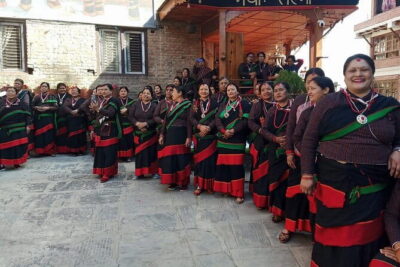
Kirtipur & Swayambhu Trip from Kathmandu: Local Eats and Drinks
Read our review →Browse the lists this tour appears in