
Reviewed · KATHMANDU YOGA & MEDITATION
14 Day Ayurveda + Yoga Detox Retreat in Nepal
This retreat puts the treatment room and yoga mat at the center of a two-week stay. You can expect Ayurvedic consultations, daily yoga, meditation, massage, steam therapies, and a carefully managed food routine, all at Nepal Ayurveda Home on the edge of Kathmandu. Accommodation and every meal are included, which makes the $1,400 price easy to understand.
I especially like the small maximum group of 15 and the mix of practical bodywork with meditation, breathing, and chanting. The main consideration is that this is not a sightseeing holiday: day trips, laundry, airfare, and extra expenses cost more, and the exact order of Panchakarma treatments depends on your consultation.
In This Review
- Key points
- A two-week reset outside Kathmandu
- What your 14 days are designed to do
- The Ayurvedic treatments, from massage to Panchakarma
- Yoga, breath, meditation, and chanting
- Food and accommodation make the price easier to judge
- What the experience may feel like day to day
- Kathmandu access and the limits of a retreat schedule
- Who should book this Ayurveda and yoga retreat
- Should you book it?
- FAQ
- Where does the retreat start and end?
- What time does the retreat start?
- What is included in the $1,400 price?
- Are airfare and sightseeing included?
- How many people can join the retreat?
- Can I cancel for a full refund?
Key points
- Two weeks in one place: The retreat begins and ends at Nepal Ayurveda Home, avoiding the packing and hotel changes of a touring holiday.
- Ayurvedic care is central: Treatments can include Abhyanga massage, Shirodhara, Vasti, Virechana, Nasya, steam therapies, and herbal treatments.
- Yoga has a classical focus: Expect Hatha yoga, meditation, breathing exercises, and chanting rather than a fitness-only class.
- Meals, room, and sessions are bundled: At $1,400, the package works out to about $100 per day before airfare and optional outings.
- Kathmandu is nearby, but not the main event: The center is in Tarakeshwar, on the city’s outskirts, with access to public transportation.
- Plan for a quiet health reset: This suits you best if you want structure, rest, and guided care rather than a packed Nepal itinerary.
A two-week reset outside Kathmandu
The appeal here is simple: you give yourself 14 days with fewer decisions. Your room, meals, yoga, meditation, and Ayurvedic sessions are handled in one place, leaving you to focus on your routine rather than transport, restaurant choices, and daily sightseeing plans.
Nepal Ayurveda Home is at Road 5 in Tarakeshwar, Kathmandu 44600. It is outside the central city, so you should not expect to step out into the heart of Kathmandu each morning. That distance can be a plus. Traffic, noise, and sightseeing temptations are less likely to interrupt your schedule.
I would think of the setting as a base for a wellness stay, not a hotel from which you happen to attend treatments. The program is built around the connection between Ayurveda and yoga. Ayurveda focuses on bodily care and diet, while yoga adds movement, breath, meditation, and mental discipline.
The center accepts a maximum of 15 people. That is a useful limit for a program where you may want to ask questions, discuss treatment comfort, and receive attention during yoga or consultations. No individual doctor or teacher names are provided, so you should ask the center who will be working with you before booking if that matters.
More yoga and meditation sessions in Kathmandu:
- 200 Hours Yoga Teacher Training at Nepal Yoga Home (starts on 1st of everymonth)
★ 5.0 · 125 reviews - 3 night 4 Day Yoga & Ayurveda Retreat to Detox the Body & Mind, Nepal
★ 5.0 · 37 reviews - 10 Days Ayurveda & Yoga Retreat in Kathmandu, Nepal
★ 5.0 · 24 reviews
What your 14 days are designed to do
The supplied schedule gives a list of activities rather than a fixed day-by-day timetable. That matters. You are not buying a sightseeing itinerary with a guaranteed stop at a particular monument each afternoon. You are booking a wellness plan whose treatment mix may be shaped by the Ayurvedic doctor.
Your arrival begins at 12:15 pm at the center. From there, the retreat is intended to settle you into a repeated rhythm of meals, yoga, treatment, rest, and consultation. The activity ends back at the same meeting point, which makes the logistics straightforward.
The opening stage should be viewed as an assessment and adjustment period. The center provides an Ayurvedic doctor’s consultation and prescriptions, so the therapies you receive may not be identical to those of another person. This is one of the more sensible features of the program. A treatment such as Shirodhara or Virechana should not be treated like a standard spa add-on without first discussing your health.
Over the middle portion of the stay, the emphasis is on repeated care. Abhyanga massage, steam therapies, yoga, meditation, and dietary structure give the retreat its daily shape. Two weeks allows more time than a weekend program for you to notice how you respond to the schedule, though it also means you need to be comfortable with a fairly quiet routine.
The final part should help you think about what you can continue at home. The program presents yoga and Ayurveda not only as treatments, but as practices connected to everyday health. Ask for clear guidance on diet, exercises, breathing, and any prescribed Ayurvedic products before you leave.
The Ayurvedic treatments, from massage to Panchakarma
The treatment menu is extensive, but a long list does not mean you will receive every service every day. Your consultation is important. It should help determine which therapies suit your condition and how often they are used.
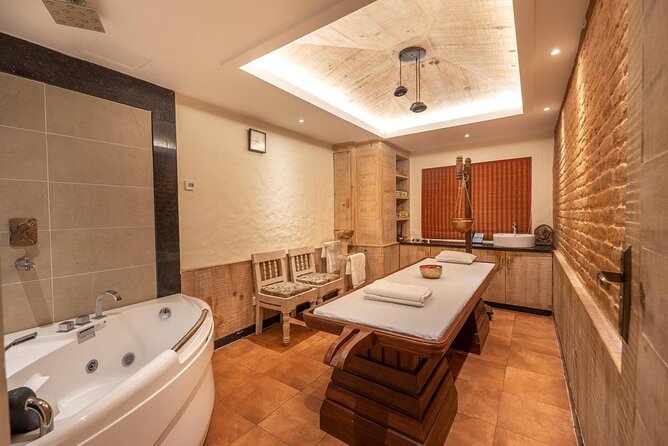
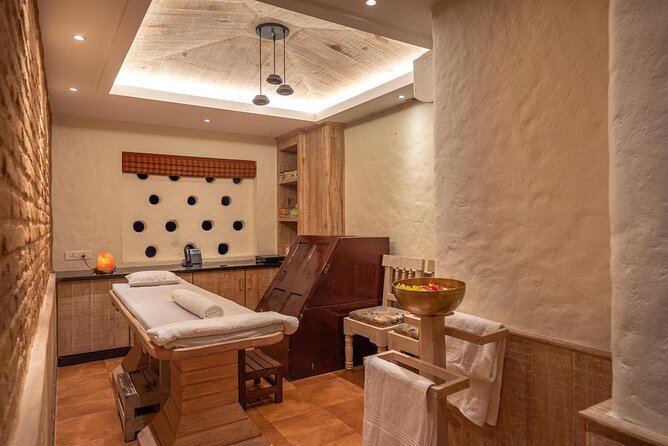
Abhyanga massage is one of the most familiar options. It is an Ayurvedic oil massage, and within this retreat it forms part of a larger care plan rather than a one-off spa appointment. If you enjoy massage, this may be one of the most immediately relaxing parts of the stay.
Shirodhara involves oil being directed onto the forehead. It is often chosen for a deeply restful treatment experience, but you should discuss comfort, duration, and suitability with the practitioner. This is not a therapy you need to approach with the expectation of a guaranteed medical result.
Akshi Tharpana is listed as an Ayurvedic eye-care treatment. Because the eye area is sensitive, ask exactly how it will be performed and who will supervise it. Good communication is especially important if you wear contact lenses or have an existing eye condition, though the supplied information does not specify center policies.
The program also lists Panchakarma, along with Virechana, Vasti, herbal enema therapy, and Nasya. These are not casual spa treatments. They can involve cleansing procedures, and the doctor should explain the purpose, preparation, aftercare, and possible discomfort before you agree.
Virechana is presented as part of the detox plan. You should set realistic expectations here. The retreat uses the language of detoxification and rejuvenation, but you should not treat that wording as a promise to cure illness or produce a particular result.
Vasti and herbal enema therapy also call for a private conversation with the medical staff. Ask about timing, hygiene, expected effects, and what you should do if you feel unwell. If you have recently undergone cancer treatment, have a chronic condition, or take regular medication, speak with your own doctor before booking and tell the retreat center in advance.
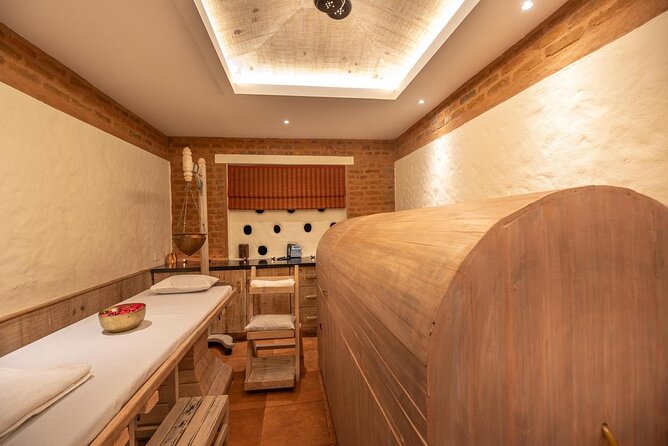
Other options include Pinda Sweda, a heated herbal bundle treatment, and Vashpa Swedanam, a steam therapy. Eakanga Vaspaswedana is also listed, suggesting a more targeted steam treatment. These can be pleasant and warming, but heat-based therapies are not right for everyone.
The menu continues with Ayurvedic facial, skin, and beauty care, back and spinal care, and general spa treatments. I like the range, but I would focus less on collecting treatments and more on following a sensible plan. The best use of a two-week stay is not necessarily the busiest treatment card.
Yoga, breath, meditation, and chanting
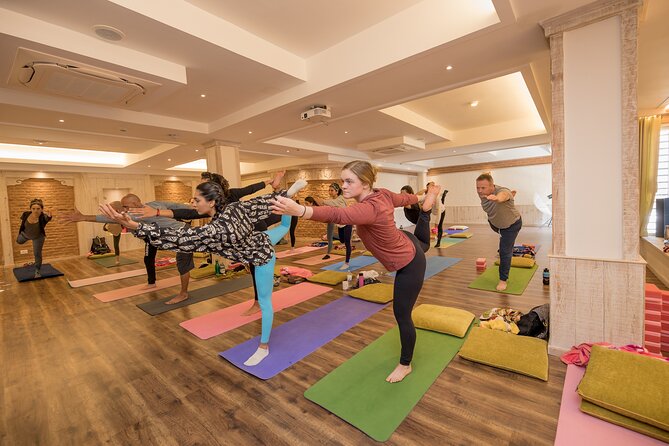
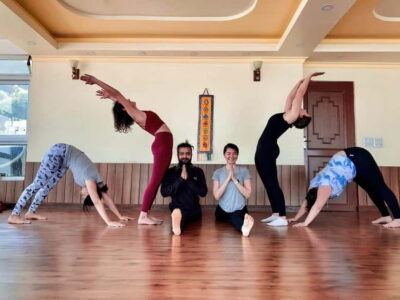
Yoga is not an optional extra here. It is one of the two main parts of the retreat, alongside Ayurveda. The center describes its teaching as classical Hatha yoga, with meditation, breathing exercises, and chanting included.
That combination gives the program more depth than a series of massage appointments. Hatha yoga can help you work with posture, controlled movement, and steady attention. Breathing and meditation add quieter practices that may suit you if your goal is to slow down rather than push through a demanding workout.
You should still ask about class length, level, and daily timing before arrival. The available information does not give a detailed timetable or say how classes are adapted for injuries. Most people can participate, but that does not mean every pose or breathing practice suits every body.
The retreat’s language is spiritual as well as physical, referring to inner peace and a connection between body and mind. You can take that as an invitation rather than a requirement to adopt a belief system. If chanting feels unfamiliar, ask how participation works. A respectful wellness stay should give you room to learn without pressure.
I would pack loose clothing, comfortable layers, and anything you normally need for yoga practice. The retreat supplies the sessions, but the provided information does not confirm equipment, so ask what mats and props are available.
A completely different sort of day in Kathmandu:
- Everest Base Camp Trek – 14 Days
★ 5.0 · 1,499 reviews - Private Kathmandu Sightseeing Tour | UNESCO World Heritage sites
★ 5.0 · 756 reviews - Everest Base Camp Helicopter Tour landing at Everest View Hotel
★ 5.0 · 668 reviews - Half day cooking class in Thamel kathmandu
★ 5.0 · 607 reviews
Food and accommodation make the price easier to judge
At $1,400 per person for approximately 14 days, the package costs about $100 per day. That includes breakfast, lunch, dinner, accommodation, yoga lessons, and Ayurveda lessons and treatments. Airfare, day trips, sightseeing, laundry, and other extra expenses are not included.
For a city stay, that is a useful package because meals and treatment costs can quickly add up. You do not need to arrange a separate hotel, find restaurants, or pay for each yoga class. The value is strongest if you intend to use the program as a full retreat.
The trade-off is choice. Included meals are convenient, but you may have less control than you would in a self-catering apartment or city hotel. The supplied information does not describe menus, room categories, Wi-Fi, air conditioning, or private bathrooms. Ask those questions before paying, especially if dietary restrictions are important.
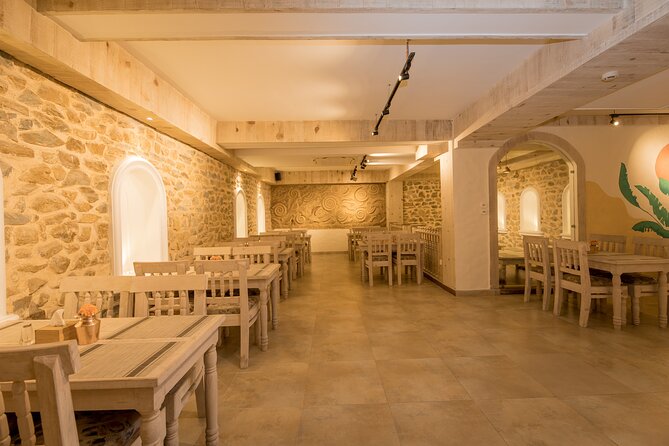
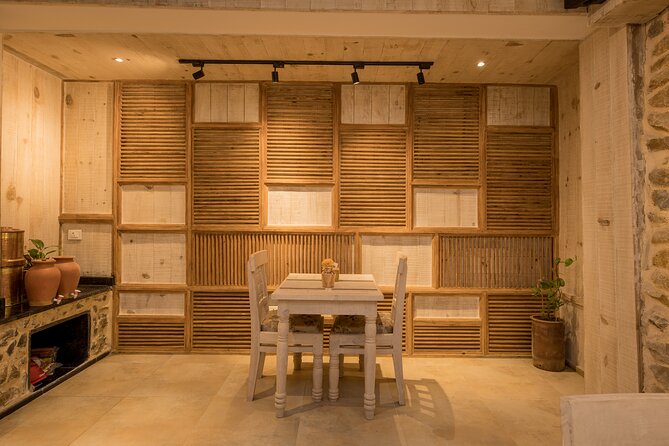
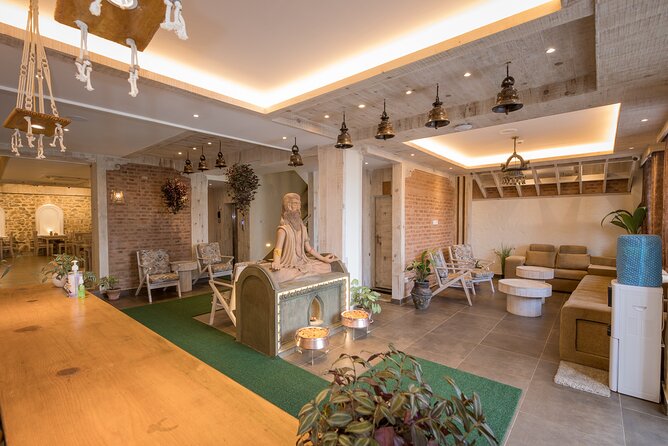
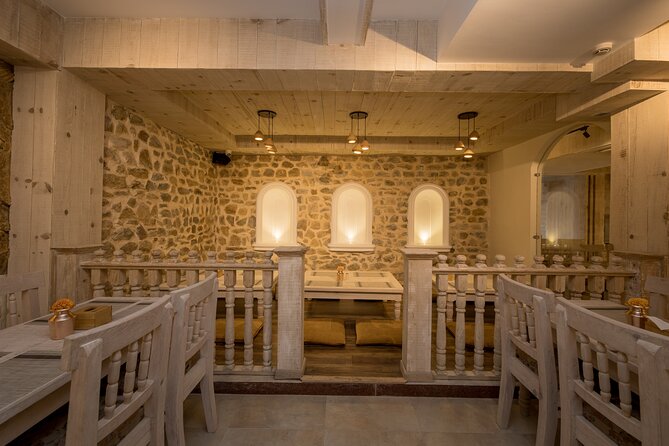
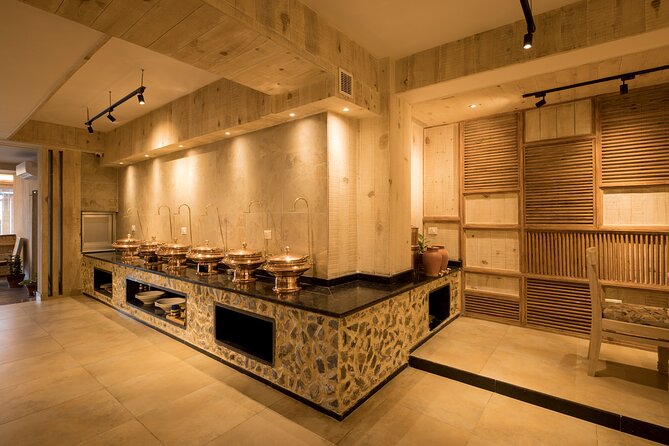
Accommodation is described as clean and beautiful in one account of the stay, and the hospitality team received strong praise. That gives you a useful sense of the property’s appeal, but it does not replace confirming the room details for your booking.
I also appreciate that the center’s staff care is part of the experience, not just an anonymous treatment factory. One account describes the management and hospitality team as especially attentive, while another praises the therapists’ professional approach. Since no staff names are supplied, you should not book based on a particular instructor or doctor.
What the experience may feel like day to day
The first few days may feel like a change of pace rather than a dramatic transformation. You are settling into the center, learning the yoga routine, meeting the Ayurvedic doctor, and adjusting to meals and treatments. Keep your schedule light during this period.
The middle days are likely to feel more repetitive. That is not a flaw if you want rest and routine. It may be frustrating if you expected a Nepal holiday with daily temples, mountain excursions, or cultural tours.
Massage and spa sessions can make the retreat feel comfortable, while cleansing treatments may be more demanding. You should leave room for rest after any procedure and tell the staff promptly if something feels wrong. The program’s wellness language is broad, but your own comfort should guide the pace.
The yoga and meditation sessions may become more useful as you grow familiar with the techniques. A two-week stay gives you time to practise instead of simply trying one class and moving on. If your aim is to carry something home, write down the breathing exercises, meditation instructions, and dietary advice that feel realistic for your normal life.
The program has been chosen by people seeking help with issues such as constipation, post-cancer recovery, general fatigue, and relaxation. Those experiences do not guarantee the same result for you. They do show that the retreat is used for both focused health concerns and general renewal, but you should get medical clearance for serious or recent conditions.
Kathmandu access and the limits of a retreat schedule
The center is near public transportation, which is useful if you want to make an occasional independent trip into Kathmandu. Still, transport is not listed as part of the package, and the location on the outskirts means you should allow time for city traffic.
Day trips and sightseeing are specifically excluded. You can add them if the center or a local operator helps arrange them, but do not assume they fit neatly between treatments. Panchakarma or other cleansing procedures may make a busy sightseeing day a poor match.
This is where you need to choose your priority. If you want temples, markets, museums, and the wider Kathmandu Valley, add separate days before or after the retreat. If you want a protected block of time for care, staying put may be the better choice.
The experience is available with a mobile ticket, and confirmation is normally issued at booking unless you book within one day of travel. In that case, confirmation comes as soon as possible, subject to availability. The minimum traveler requirement can affect departures, and poor weather can lead to a different date or a full refund.
You can cancel for a full refund up to 24 hours before the start time. Changes or cancellations inside that window are not accepted or refunded. Keep the local cut-off time in mind.
Who should book this Ayurveda and yoga retreat
I would recommend this retreat to you if you want:
- A structured two-week wellness stay rather than a sightseeing tour
- Daily access to yoga, meditation, and Ayurvedic care
- Meals and lodging bundled into one price
- Time away from work, errands, and constant travel planning
- A small group setting with no more than 15 participants
- An introduction to Hatha yoga and Ayurvedic routines
I would be more cautious if you want a fixed schedule, named instructors, luxury room specifications, or guaranteed medical results. The treatment list is broad, but the available details do not say exactly which therapies each person receives.
You should also think carefully if you are booking for a serious health problem. The center offers an Ayurvedic doctor consultation, but that does not replace your own physician. Share your medical history, medications, and recent treatment details before taking part in cleansing procedures.
Should you book it?
Book this retreat if your main goal is to slow down, receive regular body treatments, practise yoga, and follow a guided wellness routine in Kathmandu. The included room, three meals, yoga, and Ayurvedic care make $1,400 a reasonable package price for two weeks, especially if you would otherwise pay separately for accommodation and spa sessions.
Do not book it expecting a full Nepal tour or a guaranteed cure. You will need to pay for flights, sightseeing, laundry, and extra outings, and the exact treatment plan requires discussion with the Ayurvedic doctor.
My practical advice is to ask three things before booking: what room and bathroom arrangements are included, which therapies are planned for your health profile, and how the daily yoga and meal schedule works. If those answers suit you, this offers a focused and fairly priced way to combine Ayurveda with classical yoga outside Kathmandu.
FAQ
Where does the retreat start and end?
It starts at Nepal Ayurveda Home, Road 5, Tarakeshwar 44600, Nepal. The activity ends back at the same meeting point.
What time does the retreat start?
The stated start time is 12:15 pm.
What is included in the $1,400 price?
The price includes accommodation, breakfast, lunch, dinner, yoga and Ayurveda lessons, and Ayurveda treatments.
Are airfare and sightseeing included?
No. Airfare, day trips, sightseeing, laundry, and extra expenses are not included.
How many people can join the retreat?
The activity has a maximum of 15 participants.
Can I cancel for a full refund?
Yes. You can cancel at least 24 hours before the experience start time for a full refund. Cancellations or changes made less than 24 hours before the start time are not accepted or refunded.
Recently added around Kathmandu
- Kathmandu : Swambhunath & Durbar Square Guided Half Day Tour★ 3.3 · 3 reviews
- Private Day Tour in Kathmandu Valley Rim with Bhaktapur Sightseeing★ 5.0 · 3 reviews
- From Kathmandu / Pokhara / Chitwan: River Rafting – 1 Day★ 4.6 · 3 reviews
- Nepali Cooking training & Cultural Homestay Experience★ 5.0 · 3 reviews
- Private 3-Hour Nagarkot Sunset Tour from Kathmandu★ 3.5 · 3 reviews
- From Kathmandu: Everest Base Camp Landing Helicopter Tour★ 5.0 · 3 reviews
- 4 UNESSCO World heritage sites of Kathmandu-private tour★ 5.0 · 3 reviews
- From Kathmandu Budget: 15 Day Everest Base Camp Trek★ 5.0 · 3 reviews
Kathmandu Yoga & Meditation, compared.
200 Hours Yoga Teacher Training at Nepal Yoga Home (starts on 1st of everymonth)
Read our review →
3 night 4 Day Yoga & Ayurveda Retreat to Detox the Body & Mind, Nepal
Read our review →
10 Days Ayurveda & Yoga Retreat in Kathmandu, Nepal
Read our review →
21 Day Ayurveda & Yoga Retreat in the Himalayan country, Nepal
Read our review →
5 Days Hiking, Tour, Meditation and Yoga Retreat in Kathmandu, Nepal
Read our review →
Browse the lists this tour appears in