
Reviewed · KATHMANDU DURBAR SQUARE TOURS
Bhaktapur & Patan Durbar Square Day Tours
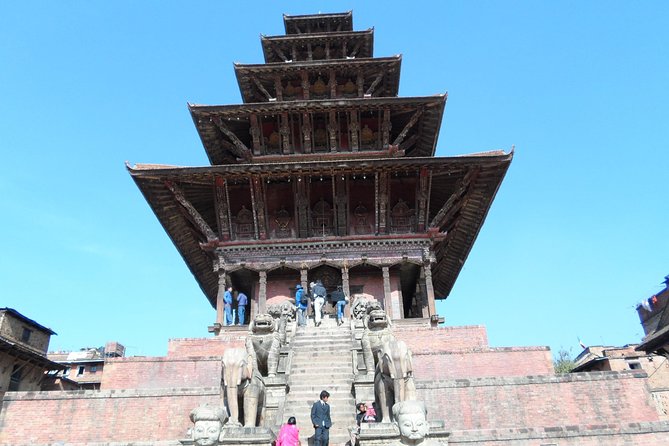
Bhaktapur and Patan give you two different views of old Kathmandu Valley life. In Bhaktapur, you move through three major squares shaped by royal power and daily local activity. In Patan, carved wood, quiet courtyards, and the 12th-century Golden Temple make the visit feel more intimate.
I like the private air-conditioned vehicle, since it keeps a full day of sightseeing comfortable and avoids the awkward pace of a large group. I also like having a guide such as Rajendra Manandhar, who explains the historical setting, answers questions, and can help take photos.
The main drawback is that monument entrance fees, meals, drinks, and tips are extra. You should also allow for a long day, since the tour runs about six to eight hours and begins at 9:15 a.m.
In This Review
- Key points to know before booking
- Two historic cities, one full Kathmandu Valley day
- Bhaktapur’s Dattatraya Square and the feel of old local life
- Taumadhi Square and Bhaktapur’s royal scale
- Bhaktapur Durbar Square and the royal story
- Patan Durbar Square and the art of wood carving
- The 12th-century Golden Temple
- What the $50 price really covers
- A guide can change the quality of the day
- Timing, transport, and practical planning
- Who will get the most from this tour
- Booking, cancellation, and the final decision
- FAQ
- How long does the Bhaktapur and Patan tour last?
- What time does the tour start?
- Which places are included in Bhaktapur?
- Does the tour visit the Golden Temple?
- Is transportation included?
- Are entrance tickets and meals included?
Key points to know before booking
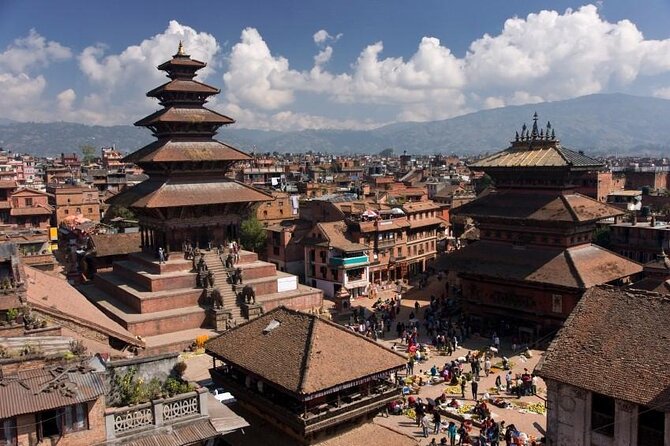
- Three Bhaktapur squares in one visit: See Dattatraya Square, Taumadhi Square, and Bhaktapur Durbar Square rather than stopping at only the best-known royal plaza.
- Patan’s carved courtyards: Look for the woodwork and enclosed courtyards that give Patan a different feel from Bhaktapur.
- The Golden Temple: Continue to the 12th-century monastery, one of Patan’s most important stops.
- Private transport: Your group travels in a private air-conditioned vehicle, a useful comfort on a six to eight-hour outing.
- Personal guiding: An English-speaking guide leads the tour, with Rajendra Manandhar specifically praised for patient explanations and photography help.
- Extra costs are clear: Entrance tickets, food, drinks, and tips are not included, so plan for those separately.
Two historic cities, one full Kathmandu Valley day
This tour is built around contrast. Bhaktapur shows you a former royal center through several connected squares. Patan follows with a more detailed look at courtyards, wood carving, and monastic architecture.
You are not simply being driven to one monument, taking a few pictures, and returning to Kathmandu. The route gives you several places to pause and compare. Bhaktapur’s Dattatraya Square, Taumadhi Square, and Durbar Square each contribute something different to the morning. Patan then shifts the focus toward craftsmanship and religious spaces.
That variety is the strongest reason to choose this outing. If you have only a short stay in Kathmandu, you can cover two major cultural centers in one organized day. If you prefer to move slowly at one site, though, six to eight hours may feel tight, particularly if traffic or your own pace stretches the schedule.
The private format matters here. Only your group takes part, so you can ask questions as they come up instead of waiting for a large party to catch up. The tour also offers pickup, which removes one more bit of planning from your morning.
More Durbar Square walks:
- Kathmandu Sunset Tour by Rickshaw Including Durbar Square Visit
★ 5.0 · 73 reviews - Old Kathmandu Walking Tour, Historic World Heritage Durbar Square
★ 5.0 · 22 reviews - City tour of Bhaktapur and Patan Durbar Square
★ 4.5 · 20 reviews
Bhaktapur’s Dattatraya Square and the feel of old local life
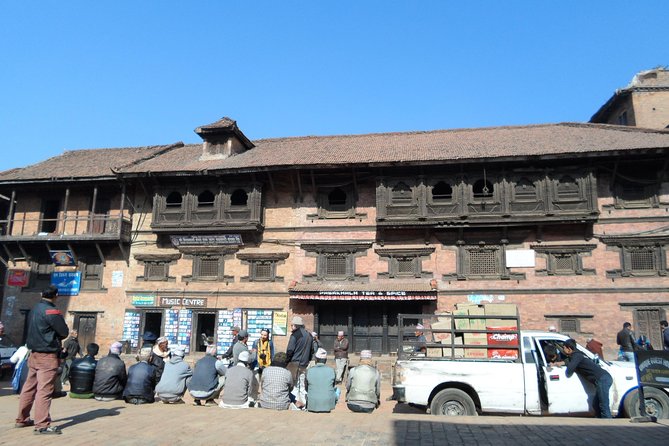
Dattatraya Square is the first of Bhaktapur’s three main squares on this route. It helps set the scene for how royal power, religious practice, and ordinary local life once shared the same urban space.
Your guide can provide the context that is easy to miss when you walk through the square alone. The tour description places special emphasis on observing local lifestyles in Bhaktapur, so pay attention not only to the buildings but also to the way the square functions as part of the living city.
This is one of the places where a guide adds real value. Without context, you may see a cluster of old structures and move on. With an English-speaking guide, you can ask why the square matters, how it connects to the city’s past, and what details deserve a closer look.
The pace is likely to be practical rather than leisurely, since Dattatraya is one of three Bhaktapur stops before Patan. If you enjoy architecture and want time for every carved detail, tell your guide early. In a private group, that request is easier to make than on a fixed large-party tour.
Taumadhi Square and Bhaktapur’s royal scale
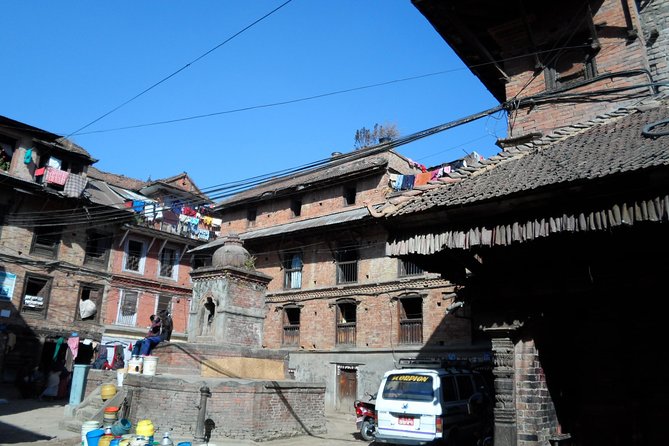
Taumadhi Square gives the Bhaktapur visit another visual and historical layer. It is one of the central squares included in the tour, and its place between Dattatraya Square and Bhaktapur Durbar Square makes the morning feel like a connected walk through the old city rather than a series of unrelated stops.
This is a useful part of the route for understanding scale. Bhaktapur is not presented as a single palace facade. You see several major spaces, each with its own role and character, then connect them on foot with your guide’s explanation.
The tour’s focus on how kings lived in the past is especially relevant here. You can expect the guide to tie the squares together with stories about royal life and the organization of the old city. Rajendra Manandhar was praised for giving historical context that visitors had not heard on earlier family trips, which suggests the guiding can make familiar places feel newly understandable.
Allow time for photos, but do not let the camera become the whole visit. The strength of Taumadhi is the relationship between the square, the surrounding buildings, and the people using the area today.
Bhaktapur Durbar Square and the royal story
Bhaktapur Durbar Square completes the Bhaktapur portion of the itinerary. Here, the tour brings together the royal theme that runs through the morning and the architectural details you have already begun noticing in the earlier squares.
The stop is valuable because you will have seen more than one part of Bhaktapur before arriving here. That sequence gives you a better sense of the city’s layout and past power than a quick stop at the main square alone.
I would use this point in the tour to ask your guide for a short recap. What did the three squares each contribute? Which buildings relate most directly to royal life? Which details should you remember when you reach Patan? A guide who is willing to answer random questions, as Rajendra Manandhar is praised for doing, can turn those questions into a useful running conversation.
Keep your expectations realistic. The tour provides transportation and guiding, but entrance tickets are not included. The supplied information does not state the current ticket price, so check the amount when booking or before the day begins. That will help you judge the total cost accurately.
More of Bhaktapur:
- Private Bhaktapur and Nagarkot Day Tour From Kathmandu
★ 5.0 · 305 reviews - Day Trip to Bhaktapur and Panauti from Kathmandu
★ 5.0 · 184 reviews - Nagarkot Sunrise & Bhaktapur UNESCO Heritage Private Tour
★ 5.0 · 66 reviews - Kathmandu: Private Patan and Bhaktapur Sightseeing Tour
★ 4.7 · 64 reviews
Patan Durbar Square and the art of wood carving
After Bhaktapur, the tour continues to Patan Durbar Square. The focus shifts toward wood carving and old courtyards, giving the afternoon a different visual mood from the larger royal spaces in Bhaktapur.
Patan is a good place to slow your eyes down. Look at the carved surfaces, doorways, and courtyard details rather than rushing from one named structure to the next. The appeal here is often in the workmanship and the way the spaces fit together.
The courtyards are a particular reason to include Patan. The tour information describes them as among the most beautiful in Patan, and their enclosed design gives you a change from open public squares. You can ask your guide how the courtyards were used and why they matter. Specific answers will help you see them as working religious and social spaces, not just attractive photo settings.
Patan also rewards travelers who have already visited Bhaktapur. The comparison becomes part of the experience. Bhaktapur gives you a broad sequence of royal squares, while Patan places more attention on detail, carving, and courtyards.
The drawback is time. A six to eight-hour tour covering both cities cannot offer unlimited wandering in either one. If you want to study every carving at length, a private day focused on just one city may suit you better.
The 12th-century Golden Temple
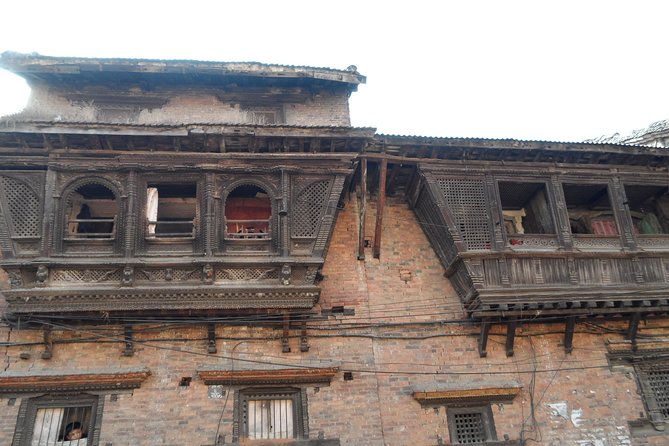
The final named stop is the Golden Temple, a monastery dating to the 12th century. It adds a religious dimension to the tour after the royal squares and palace-centered sites.
The monastery is described as one of the richest in Patan, so this is not a minor add-on. Its age and monastic character make it a useful counterpoint to the royal architecture you see earlier. Ask your guide to explain what makes the site important and how it fits into Patan’s religious life.
Because the Golden Temple comes after Bhaktapur and Patan Durbar Square, you will already have a working sense of the area’s architecture. That makes it easier to notice how a monastery differs from a royal square or palace courtyard.
Your guide’s role matters here. A site with centuries of religious meaning can be hard to read without explanation. Rajendra Manandhar was specifically praised for patient guiding, historical detail, answering questions, and taking photographs. Those small services can make the final stop feel less rushed and more personal.
As with the other monuments, the entrance charge is not part of the $50 tour price. Carry a little extra money for admission, food, drinks, and a tip if you choose to leave one.
What the $50 price really covers
At $50 per person, the tour is not simply an admission pass. The price covers a private air-conditioned vehicle and a local English-speaking guide, with pickup offered. For a six to eight-hour route through two historic cities, that combination can be good value, especially if you want door-to-door transport and personal explanations.
The value is strongest for a small group that wants flexibility. A private tour means only your party participates, so you are not paying for a one-size-fits-all schedule with strangers. You can ask for more detail at a favorite stop, request help with a photo, or clarify a point about local life as you go.
The price is less attractive if you mainly want transportation and prefer to explore independently. You still pay monument entrance fees separately, and food and drinks are also on your own. Tips are not included either. Add those costs before comparing this tour with a self-guided day.
Group discounts are offered, but the available information does not state the discount amount. If you are booking for several people, ask for the exact group rate before confirming.
A guide can change the quality of the day
The guide is the part of this experience that can make the biggest difference. Buildings are memorable, but the explanation of how kings lived, how courtyards worked, and how local life continues around old squares gives the visit shape.
Rajendra Manandhar is the named guide connected with the strongest praise. He is described as kind, patient, and able to provide historical context beyond what a family visit had offered. He also helped take photographs and answered questions.
That tells you what to look for from the guiding service. Do not hesitate to ask for context rather than accepting a list of dates and names. Ask how Bhaktapur’s three squares relate to one another, what makes Patan’s carving special, and why the Golden Temple belongs on this route.
The experience is conducted in English, according to the included services. Confirmation arrives at booking, and the activity is listed as suitable for most people. It is also near public transportation, though the tour provides a private vehicle and pickup.
Timing, transport, and practical planning
The scheduled start is 9:15 a.m. That gives you a clear morning departure and a full block of time for both cities. Since the outing lasts about six to eight hours, you should keep the rest of the day fairly open.
The private air-conditioned vehicle is useful for comfort and transitions between sites. It also means you do not need to work out separate transport between Bhaktapur and Patan. Pickup is offered, but the supplied details do not name every pickup location, so confirm the exact arrangement when booking.
Food and drinks are not included. Plan accordingly, especially since the tour occupies much of the day. The information does not specify a restaurant stop, meal break, or menu, so do not assume one is built into the schedule.
Wear comfortable shoes for moving between squares and courtyards. That is simple advice, but it matters more than dressing for a vehicle-based sightseeing day. You will want to look up, stop, and walk through the historic areas without treating every surface as a quick roadside photo stop.
The tour is private, yet the itinerary itself is fairly full. Tell the guide if you need a slower pace. The private format should make that conversation possible, but the route still has several major stops to cover.
Who will get the most from this tour
I would recommend this experience to you if you want a guided introduction to Kathmandu Valley architecture without arranging separate transport for Bhaktapur and Patan. It also suits first-time visitors who want historical explanation rather than a quick series of photographs.
It is a strong choice for couples, families, and small groups. The private setting gives you more control than a large shared excursion, and the guide can respond to your particular interests. A family that has already seen these cities independently may still find value in a professional guide, especially for context that is easy to miss on a casual visit.
It also suits anyone interested in local life. Bhaktapur is presented not only as a collection of old royal buildings but as a place where you can observe everyday activity around historic squares.
I would think twice if your main goal is an unhurried architectural study. The route covers many important places in one day, and the six to eight-hour window may require sensible pacing. I would also compare the final cost carefully if you are on a strict budget, since admission tickets and meals are separate.
Booking, cancellation, and the final decision
The activity has a 100 percent recommendation rate from 122 ratings, with the guide and the added historical context receiving the clearest emphasis. That matches the tour’s best feature: it links major places with a personal explanation instead of leaving you to decode every courtyard and carving alone.
You can cancel for a full refund if you do so at least 24 hours before the 9:15 a.m. start time. Cancellations or changes made inside that window are not refunded or accepted, and the cut-off follows local time.
Book this tour if you want Bhaktapur’s three main squares, Patan Durbar Square, and the Golden Temple in one private day, with an English-speaking guide and air-conditioned transport. Before confirming, budget separately for entrance fees, food, drinks, and tips. If you do that and value context, comfort, and a flexible private group, the $50 price is sensible. If you want to linger at one site for hours or keep costs to the bare minimum, choose a narrower self-guided plan instead.
FAQ
How long does the Bhaktapur and Patan tour last?
The tour lasts approximately six to eight hours.
What time does the tour start?
The stated start time is 9:15 a.m.
Which places are included in Bhaktapur?
The route includes Dattatraya Square, Taumadhi Square, and Bhaktapur Durbar Square.
Does the tour visit the Golden Temple?
Yes. The tour continues to Patan’s 12th-century Golden Temple after visiting Patan Durbar Square.
Is transportation included?
Yes. A private air-conditioned vehicle is included, and pickup is offered.
Are entrance tickets and meals included?
No. Monument entrance tickets, tips, food, and drinks are not included in the $50 price.
More of Patan
- Patan and Bhaktapur City Full Day Tour
★ 5.0 · 24 reviews - Patan Heritage Tour – Private/Small Group
★ 5.0 · 14 reviews - Kathmandu and Patan Heritage and Living Goddess Experience Tour
★ 5.0 · 12 reviews - Patan & Bhaktapur Durbar Square Tour with Lunch – Private/Group
★ 5.0 · 11 reviews
Recently added around Kathmandu
- Kathmandu : Swambhunath & Durbar Square Guided Half Day Tour★ 3.3 · 3 reviews
- Private Day Tour in Kathmandu Valley Rim with Bhaktapur Sightseeing★ 5.0 · 3 reviews
- From Kathmandu / Pokhara / Chitwan: River Rafting – 1 Day★ 4.6 · 3 reviews
- Nepali Cooking training & Cultural Homestay Experience★ 5.0 · 3 reviews
- Private 3-Hour Nagarkot Sunset Tour from Kathmandu★ 3.5 · 3 reviews
- From Kathmandu: Everest Base Camp Landing Helicopter Tour★ 5.0 · 3 reviews
- 4 UNESSCO World heritage sites of Kathmandu-private tour★ 5.0 · 3 reviews
- From Kathmandu Budget: 15 Day Everest Base Camp Trek★ 5.0 · 3 reviews
Kathmandu Durbar Square Tours, compared.
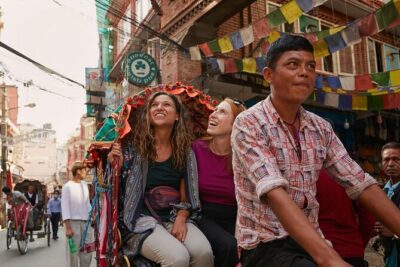
Kathmandu Sunset Tour by Rickshaw Including Durbar Square Visit
Read our review →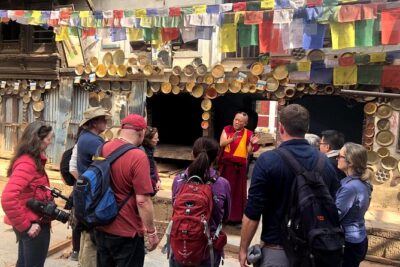
Old Kathmandu Walking Tour, Historic World Heritage Durbar Square
Read our review →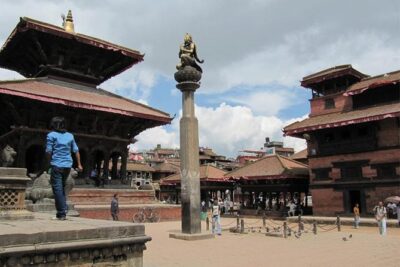
Bhaktapur Old City and Durbar Square Half-Day Tour
Read our review →
Nagarkot Sunrise & Bhaktapur Durbar Square UNESCO Heritage Tour
Read our review →
Patan & Bhaktapur Durbar Square Tour with Lunch – Private/Group
Read our review →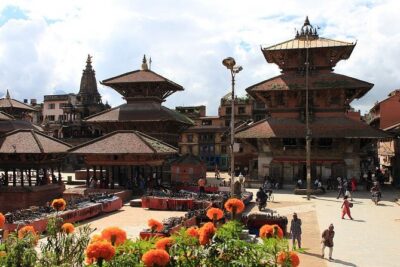
Private Half-Day Tour of Kathmandu Durbar Square and Swayambhunath Temple
Read our review →Browse the lists this tour appears in