
Reviewed · KATHMANDU DURBAR SQUARE TOURS
Kathmandu Sunset Tour by Rickshaw Including Durbar Square Visit
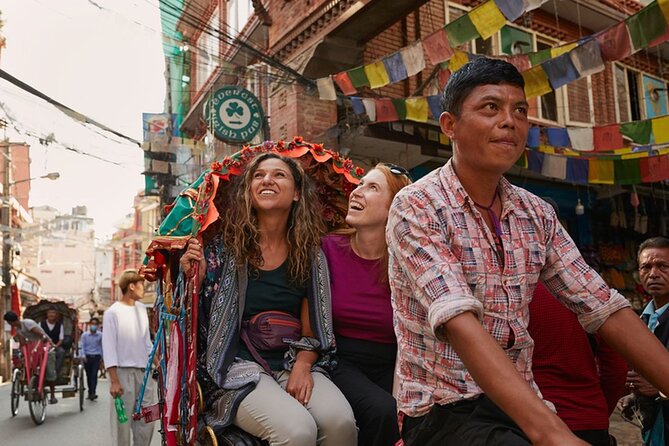
Kathmandu becomes especially absorbing at dusk, when a rickshaw carries you from Thamel through narrow lanes toward Durbar Square. You sit above the street, close enough to catch the smells of spices, hear vendors and motorbike horns, and watch daily life unfold at a calm pace. I like the mix of moving through the city and stopping to walk among old temples. I also like that the fee includes Kathmandu Durbar Square and that the group is capped at 12 people.
The main drawback is timing. Some parts of the ride and walk take place after dark, and Kathmandu’s uneven streets are not always well lit. If you have already booked a daytime city tour, you may also see some of the same central sights.
In This Review
- Key points about this Kathmandu rickshaw ride
- Why a rickshaw is a smart way to see Kathmandu at dusk
- Starting in Thamel at 6 pm
- Asan market, temples, and the sounds of central Kathmandu
- Walking through Kathmandu Durbar Square
- The ride back through Kathmandu after dark
- What the guide and group size add
- Is the $50.30 price good value?
- Who should book this evening tour?
- Should you book the Kathmandu Sunset Tour?
- FAQ
- Where does the Kathmandu Sunset Tour start and finish?
- How long does the tour last?
- Is the Durbar Square entrance fee included?
- How many people can join the tour?
- Can children join the rickshaw tour?
- Are food and drinks included?
Key points about this Kathmandu rickshaw ride
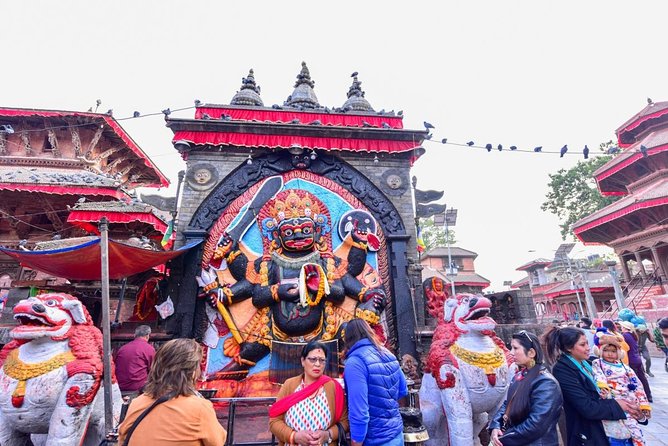
- Asan market after 6 pm: Pass through Kathmandu’s oldest food market, where spices, vegetables, clothing, electronics, and small shrines share the same crowded lanes.
- Durbar Square included: Your ticket covers entry to the UNESCO World Heritage Site, with about 85 minutes set aside for the square and nearby streets.
- A local-sized group: The tour accepts no more than 12 people, giving you a better chance to hear the guide and ask questions.
- A practical first evening: The ride offers a quick introduction to central Kathmandu before you tackle the city on your own.
- Guides with a personal touch: Guides including Nikita and Sanjeeb have been praised for clear explanations, warm manners, and strong local pride.
- Direct support for local drivers: The company hires rickshaw drivers directly and describes the tour as carbon neutral and operated by a B Corp certified business.
Why a rickshaw is a smart way to see Kathmandu at dusk
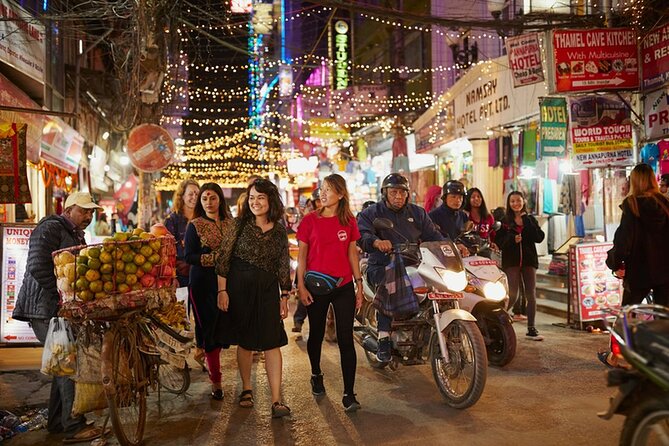
This is not a sightseeing bus with glass between you and the street. Your rickshaw moves through the center of Kathmandu at walking speed, so you can look into shopfronts, follow the flow of pedestrians, and notice the small temples tucked beside ordinary businesses.
The raised seat gives you a useful view over the crowd. You can watch a baker’s display, a pile of vegetables, or a scarf shop pass by without having to negotiate every turn yourself. The driver handles the narrow streets while the guide points out what matters.
That arrangement also gives the outing a nice rhythm. You ride through the noise and movement, then get out to examine the temples and courtyards of Durbar Square. I find this more useful than trying to cover the whole center on foot in one long push, especially during your first evening in Kathmandu.
The rickshaw itself is part of the experience, not just a way to get from one attraction to another. You will hear its horn among motorbikes and vendor calls, and you will feel the uneven surface of Kathmandu’s older lanes. It is atmospheric, though not polished. If you want a quiet, smooth ride, this is not the right vehicle.
More Durbar Square walks:
- Bhaktapur & Patan Durbar Square Day Tours
★ 5.0 · 122 reviews - Old Kathmandu Walking Tour, Historic World Heritage Durbar Square
★ 5.0 · 22 reviews - City tour of Bhaktapur and Patan Durbar Square
★ 4.5 · 20 reviews
Starting in Thamel at 6 pm
The meeting point is Hotel Marshyangdi on Chaksibari Marg in Thamel. The tour begins at 6 pm and lasts about two and a half hours, ending back at the same meeting point.
Thamel is Kathmandu’s main tourist district, packed with hotels, restaurants, shops, spas, clubs, and travel businesses. Starting here makes sense because it lets you shift quickly from the familiar tourist center into older market streets.
The first section takes about 15 minutes. You board your personal rickshaw in Thamel and head toward Asan. This opening stretch is brief, but it helps you see how quickly Kathmandu changes from tourist-oriented businesses to local shopping lanes.
I would arrive with a little time to spare. Hotel Marshyangdi is the stated meeting point, and a clear starting point matters in Thamel, where small lanes and heavy foot traffic can make a simple address less obvious than it sounds.
Asan market, temples, and the sounds of central Kathmandu
The longest riding section takes you through Asan, one of the central city’s oldest marketplaces. This is where the tour feels most connected to ordinary Kathmandu life.
Asan deals in almost everything: spices, herbs, vegetables, clothing, electronics, and household goods. The market is usually crowded with shoppers, and the lanes are lined with small businesses rather than arranged for sightseeing. You may also spot ancient monuments and temple shrines squeezed between shops.
The guide points out Annapurna Temple, dedicated to the goddess of abundance. The name connects food and fulfillment, a fitting idea for a market known for spices and produce. You stop in front of the temple, giving you time to look beyond the shopping traffic and notice the religious life woven into the street.
The route also includes Seto Machindranath, or Janabaha Dyo. This deity is worshiped by both Hindus and Buddhists in Kathmandu. You will also see Aakash Bhairab, associated with King Yalambar, described here as the first king in Nepal Bhasa.
These stops are valuable because they show you how Kathmandu’s sacred places are not isolated museum pieces. They sit beside market stalls, traffic, and daily errands. You may be looking at a centuries-old shrine while someone nearby is buying vegetables or haggling over clothing.
The Asan portion lasts about 50 minutes. That is enough time to pass through the market and pause at several religious sites, but it is not a detailed market tour. You will not have unlimited time to shop, and the rickshaw must keep moving through the lanes.
Expect a lot of sensory input: food aromas, packed streets, horns, voices, and the occasional squeeze through a tight passage. I like that the tour does not smooth away this part of the city. Still, you should be comfortable with noise, close traffic, and a ride that can feel bumpy.
Walking through Kathmandu Durbar Square
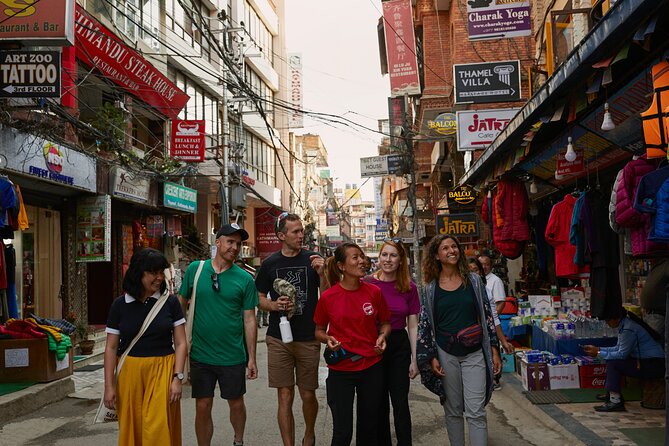
After Asan, you reach Kathmandu Durbar Square and leave the rickshaw for a longer walk. This is the heart of the experience, with about 1 hour and 25 minutes assigned to the square.
The complex contains more than 50 temples and shrines within a few blocks. Palaces, courtyards, and religious buildings were constructed between the 12th and 18th centuries, and the area served as the seat of Kathmandu’s Malla kings.
That concentration makes the square easier to appreciate with a guide. Without context, you can see a long row of carved wooden buildings and struggle to understand which shrine matters, how the courtyards relate to one another, or why a particular deity is important. Your guide explains the monuments before you return to the rickshaw.
The early-evening light is one of the tour’s main pleasures. Temples and rooflines take on a different character as daylight fades, while food stalls, shops, and local nightlife begin to stir. It is a good time for people-watching, though the changing light can make some details harder to see than they would be during the day.
One unusual feature is Gaddhi Baithak, a white European-influenced building within the older wooden temples and palaces. It dates from the Rana period, and ceremonial programs take place from its balcony. The contrast is useful: Kathmandu Durbar Square is not one single architectural style frozen in time. It contains layers of royal, religious, and later political history.
You can also sit on a bench and watch the square work as a public place rather than treating it as a checklist of monuments. Shops and food stalls give the area a lived-in quality. Freak Street, known for its connection to Kathmandu’s 1960s hippie era, is nearby, with shops along the street and a chance to stop for chai at a local vendor or pub.
The tour also includes an atmospheric Buddhist shrine visit, described as the Sigal Shrine. The exact amount of time at each stop can vary, especially during a festival or other local event. One evening may be unusually busy, with drums, chanting, dancing, and large crowds. That can make the tour memorable, but it can also make it harder to stay close to your guide.
The Durbar Square entrance fee is included. That improves the value at a site where admission is an unavoidable part of visiting, and your fee also supports preservation of the cultural heritage in the square.
More Kathmandu evenings:
- 3 Nights 4 Days Chitwan National Park with Tower Night Stay
★ 5.0 · 41 reviews - 3 night 4 Day Yoga & Ayurveda Retreat to Detox the Body & Mind, Nepal
★ 5.0 · 37 reviews - Kathmandu: Pashupatinath Temple Evening Aarati Tour
★ 5.0 · 36 reviews - Kathmandu: Pashupatinath Temple Aarti Night Tour
★ 4.8 · 29 reviews
The ride back through Kathmandu after dark
After your walk, you rejoin the rickshaw and return to Hotel Marshyangdi. The ride back again passes through vendors, motorbikes, pedestrians, and rickshaw horns.
This second ride is less about reaching a new attraction and more about seeing the center at night. The streets take on a different mood as shop lights and local nightlife replace the last daylight. You also get another chance to observe how the driver manages Kathmandu’s tight lanes.
The return is useful if you are still getting your bearings. You finish where you started instead of trying to find your own way across the center after dark. One practical point deserves attention: if you arrange a separate rickshaw ride afterward, agree on the price before leaving. A traveler who needed to return to a hotel found that poor lighting and unclear pricing could create trouble. That warning applies to independent rides, not to the included tour, but it is worth remembering.
What the guide and group size add
The guide is central to the quality of this outing. Guides named Nikita and Sanjeeb have been singled out for clear teaching, warm communication, and a real affection for Nepal. That matters here because the sights are dense, and a short explanation can turn an anonymous shrine into a place you remember.
The driver also matters. Navigating narrow, uneven streets through crowds requires patience and skill. The rickshaw ride is not a passive transfer, and the driver gives you a front-row view of central Kathmandu while managing the route.
With a maximum of 12 people, the group is small enough to feel personal without becoming a private tour. You should have a reasonable chance to hear the guide at the temples and ask about food, customs, or other places to visit. A festival can still stretch the group out, so keep an eye on the guide when the streets fill.
The tour is child-friendly, and children under six can join free of charge. Most people can participate, but the rough streets, crowded lanes, and evening walk make comfortable shoes and a willingness to handle urban chaos more important than speed.
Is the $50.30 price good value?
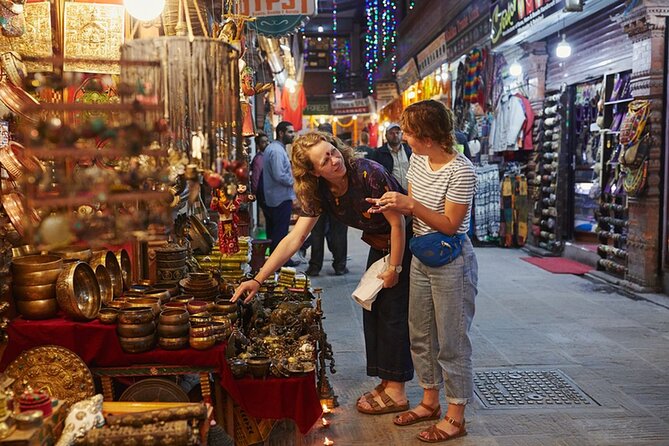
At $50.30 per person, this is not the cheapest way to see central Kathmandu. You are paying for the rickshaw hire, a local guide and driver, the Durbar Square entrance fee, and a planned route through places that can be confusing to connect on your own.
I think the price is fair if this is your first evening in Kathmandu and you want an introduction without committing to a full-day city tour. The 2.5-hour length is manageable after a flight or during a short stay, and the combination of transport and walking gives you more variety than a basic point-to-point ride.
The value is weaker if you have already taken a central Kathmandu city tour. The route includes major market and temple areas, so some overlap is possible. In that case, book it for the evening atmosphere and rickshaw ride, not because it will show you a completely different part of the city.
Food and drinks are not included. Budget separately for chai or a snack at Durbar Square if you want one. The tour is better viewed as a guided orientation than as a meal outing or shopping trip.
The company also says the tour is carbon neutral and operated by a B Corp certified business. More directly, it hires rickshaw drivers from the local area, giving them income in a city where motorbikes and cars are now common. The entrance fee supports preservation at Kathmandu Durbar Square as well.
Who should book this evening tour?
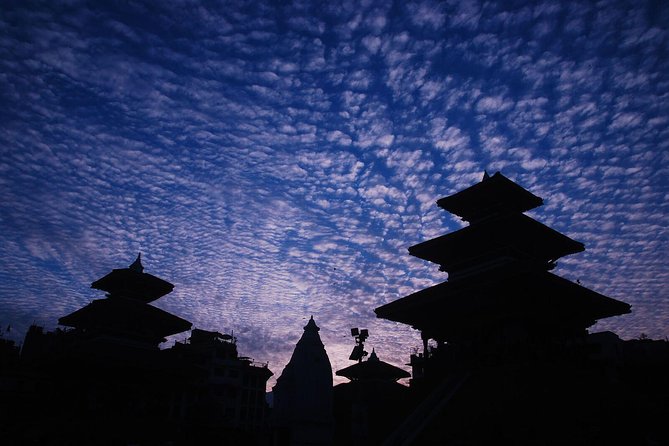
I would choose this tour if you are new to Kathmandu, staying in or near Thamel, and want to understand the city center before exploring it alone. It is also a good fit if you enjoy street scenes, local markets, religious sites, and short guided walks more than formal museum visits.
Families can consider it because young children under six join free. Keep in mind that the streets are crowded and uneven, so the experience works best for people who can manage a lively urban route without expecting a smooth, quiet ride.
It suits solo visitors particularly well. The rickshaw gives you a structured way to see the city, and the small group can make the first evening feel less daunting. It also works for couples and friends who want photographs, food smells, market scenes, and temples in one compact outing.
I would hesitate if you need a fully illuminated, low-noise, step-free experience, or if you dislike traffic and crowded lanes. I would also compare the route with any daytime Kathmandu tour you have booked to avoid paying for repeated stops.
Should you book the Kathmandu Sunset Tour?
Book it if you want a lively first look at Kathmandu, especially the link between Thamel, Asan market, and Durbar Square. The strongest parts are the rickshaw’s close view of street life, the guide’s explanations at the temples, and the shift from daylight into evening activity.
Skip it if your priority is a quiet visit, extensive time inside one monument, or a route far beyond the historic center. For most first-time visitors, the modest group size, included entry fee, local transport, and useful orientation make $50.30 a reasonable spend. Just wear sturdy shoes, expect uneven streets, and agree on prices before taking any separate rickshaw rides afterward.
FAQ
Where does the Kathmandu Sunset Tour start and finish?
The tour starts at Hotel Marshyangdi on Chaksibari Marg in Kathmandu at 6 pm. It ends back at the same meeting point.
How long does the tour last?
The experience lasts approximately 2 hours and 30 minutes. The listed route includes about 15 minutes in Thamel, 50 minutes around Asan, and 1 hour and 25 minutes at Kathmandu Durbar Square.
Is the Durbar Square entrance fee included?
Yes. The Kathmandu Durbar Square entrance fee is included in the tour price.
How many people can join the tour?
The maximum group size is 12 people.
Can children join the rickshaw tour?
Yes. The tour is child-friendly, and children under six are permitted to join free of charge.
Are food and drinks included?
No. Food and drinks are not included, though you can buy chai or other refreshments from local vendors or pubs during your time near Durbar Square.
Recently added around Kathmandu
- Private Day Tour in Kathmandu Valley Rim with Bhaktapur Sightseeing★ 5.0 · 3 reviews
- Kathmandu : Swambhunath & Durbar Square Guided Half Day Tour★ 3.3 · 3 reviews
- From Kathmandu / Pokhara / Chitwan: River Rafting – 1 Day★ 4.6 · 3 reviews
- Nepali Cooking training & Cultural Homestay Experience★ 5.0 · 3 reviews
- Private 3-Hour Nagarkot Sunset Tour from Kathmandu★ 3.5 · 3 reviews
- From Kathmandu: Everest Base Camp Landing Helicopter Tour★ 5.0 · 3 reviews
- 4 UNESSCO World heritage sites of Kathmandu-private tour★ 5.0 · 3 reviews
- From Kathmandu Budget: 15 Day Everest Base Camp Trek★ 5.0 · 3 reviews
Kathmandu Durbar Square Tours, compared.
Old Kathmandu Walking Tour, Historic World Heritage Durbar Square
Read our review →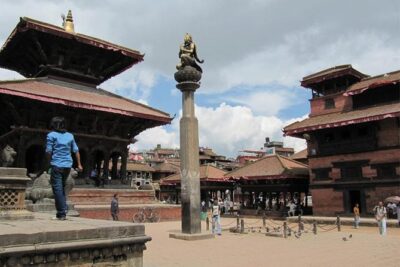
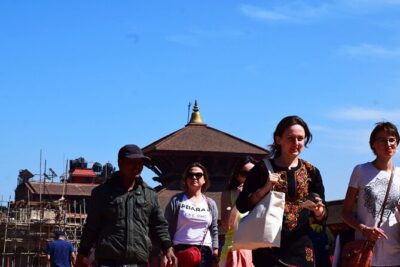
Bhaktapur Old City and Durbar Square Half-Day Tour
Read our review →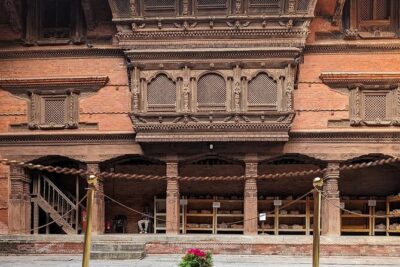
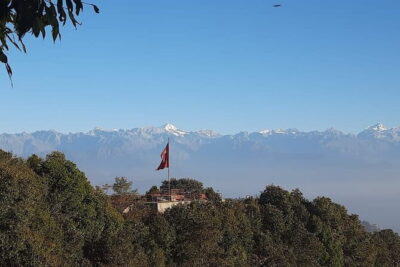
Nagarkot Sunrise & Bhaktapur Durbar Square UNESCO Heritage Tour
Read our review →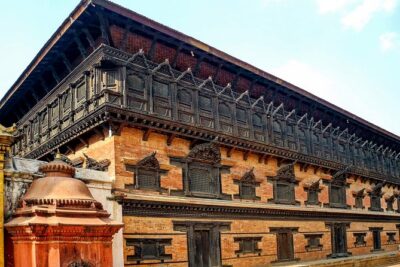
Patan & Bhaktapur Durbar Square Tour with Lunch – Private/Group
Read our review →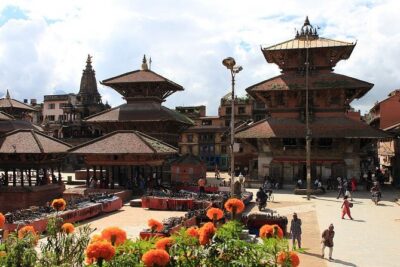
Private Half-Day Tour of Kathmandu Durbar Square and Swayambhunath Temple
Read our review →Browse the lists this tour appears in