
Reviewed · KATHMANDU
Kathmandu: Kailash Mansarovar Yatra Tour 2025
Mount Kailash and Lake Mansarovar are the heart of this 15-day journey, but the road there matters just as much. You move from Kathmandu’s temple squares to the stark Tibetan plateau, then walk the sacred circuit around Kailash, including the demanding crossing of Droma La Pass.
I like the thoughtful acclimatization plan and the small group, limited to 10 people. I also like the mix of Kathmandu culture, Himalayan roads, sacred lakes, and a real high-altitude trek. The main caution is simple: this is not a soft sightseeing holiday. Roads can be rough, rooms can be basic, and an extra day caused by rain or landslides may be at your cost.
In This Review
- Key points to know before booking
- Why the Kailash journey feels different
- Days 1 to 4: Kathmandu temples and Nagarkot
- Days 5 to 7: Rough roads and the Tibet border
- Days 8 and 9: Lake Mansarovar and Darchen
- Days 10 to 12: Walking the Kailash Kora
- Days 13 to 15: Returning through Tibet and Nepal
- What $4,013 covers, and what it does not
- Fitness, clothing, and rules that matter
- Should you book this Kailash Mansarovar tour?
- FAQ
- How long is the Kailash Mansarovar Yatra tour?
- What is the group size?
- What language does the guide speak?
- Is the Kailash Kora included?
- Is Droma La Pass part of the trek?
- Are meals included?
- Is a porter included?
- Is a pony included?
- What happens if bad weather or a landslide delays the trip?
Key points to know before booking
- Three-day Kailash Kora: Trek from Darchen to Derapuk, cross Droma La Pass, stay at Zutulpuk, and finish the circuit.
- Sacred Lake Mansarovar: Spend time by the lake for rituals, reflection, and views toward the surrounding Himalayas.
- Kathmandu’s major temples: Visit Pashupatinath, Boudhanath, Swayambhunath, Kathmandu Durbar Square, Patan, and Bhaktapur.
- Small international group: Up to 10 people travel with an English-speaking guide and support team.
- High-altitude conditions: Good fitness, warm clothing, water, snacks, sunscreen, and patience are essential.
- Budget extras matter: Lunches and dinners, porters, ponies, insurance, visas, and weather delays are not covered by the $4,013 price.
Why the Kailash journey feels different
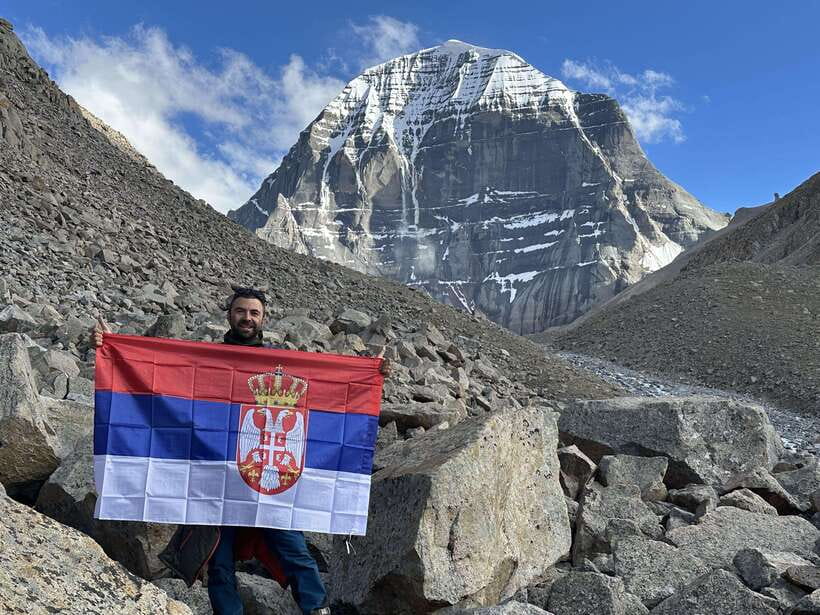
This trip is built around pilgrimage, not just scenery. Mount Kailash is sacred to Hindus, Buddhists, Jains, and Bon followers, while Lake Mansarovar is linked with purity and spiritual renewal. You do not simply drive to a viewpoint, take a photograph, and move on. The central act is walking the Kora, or circumambulation, around the mountain.
The journey also gives you a striking cultural shift. Kathmandu is filled with shrines, prayer flags, courtyards, and old Newari buildings. After the border crossing, Tibet feels spare and open, with broad plateaus, high passes, monasteries, and long stretches of road. The change is quick and dramatic.
Peregrine Treks and Expedition provides an English-speaking Tibetan guide, a Kathmandu guide, private road transport, permits, and a group capped at 10. Pre-trip help from a representative called Mr. CarKey was especially useful for passport and visa arrangements. That sort of support matters here because the route crosses an international border and depends on permits and government procedures.
Other Kathmandu days people book alongside this one:
- Everest Base Camp Trek – 14 Days
★ 5.0 · 1,499 reviews - Private Kathmandu Sightseeing Tour | UNESCO World Heritage sites
★ 5.0 · 756 reviews - Everest Base Camp Helicopter Tour landing at Everest View Hotel
★ 5.0 · 668 reviews
Days 1 to 4: Kathmandu temples and Nagarkot
Your first day is deliberately light. After arrival at Tribhuvan International Airport, a private vehicle takes you to your hotel. Use the time to rest, adjust to Kathmandu, and sort out your gear before the long road journey.
Day 2 combines paperwork with some of Nepal’s most important sights. Your passport is submitted for the required visa process, then you visit four UNESCO World Heritage Sites: Kathmandu Durbar Square, Swayambhunath, Boudhanath Stupa, and Pashupatinath Temple.
Kathmandu Durbar Square gives you a first look at carved wood, courtyards, shrines, and earthquake-affected architecture. Swayambhunath, often called the Monkey Temple, sits above the city. Boudhanath is one of the city’s great Buddhist centers, while Pashupatinath carries special importance for Hindu pilgrims.
Day 3 takes you to Patan and Bhaktapur. Their Durbar Squares are a strong match for anyone interested in Newari craftsmanship, brick buildings, carved windows, and traditional urban design. These visits are not filler before the mountain section. They explain much of the religious and artistic setting that shapes the trip.
Day 4 brings a hike between Bhaktapur and Nagarkot. It is a useful warm-up for the Kora and a pleasant change from temple visits and city traffic. You also get Himalayan views, weather permitting, and time to prepare for the crossing into Tibet.
One practical point: Kathmandu accommodation and meals are not included in the tour price. The package includes airport transfers, sightseeing transport, a private driver, entrance fees, and three-star accommodation with breakfast, but you pay for Kathmandu food and drinks yourself.
Days 5 to 7: Rough roads and the Tibet border
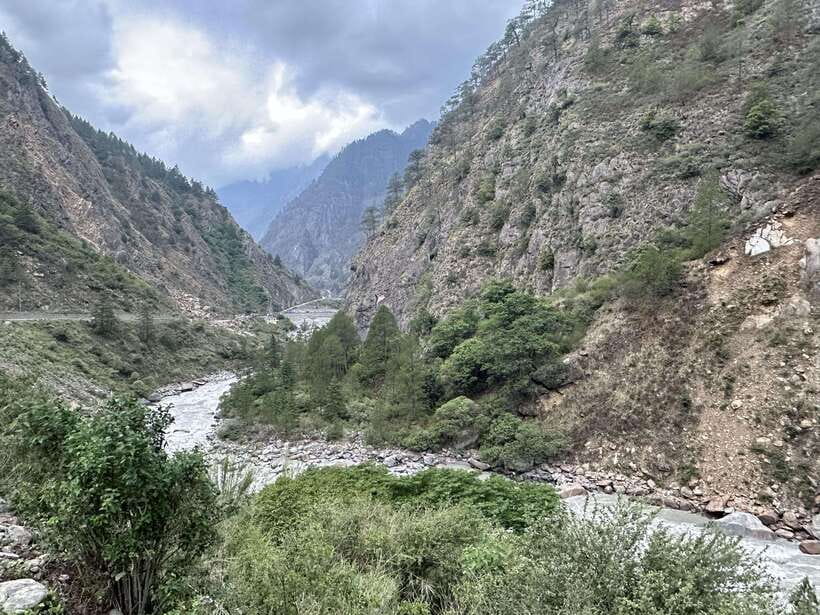
Day 5 is a road day to Rasuwagadhi, the Nepalese border town. The route passes through the Langtang region, with steep hills and twisting roads. You should expect the ride to be scenic but tiring. Rough roads are part of the price of reaching this remote crossing.
The included transport is a private jeep from Kathmandu to Rasuwagadhi and back, plus transport within Tibet. A helicopter option is available if you prefer to avoid the road section, but it is a major extra cost: $1,600 for a private helicopter or $320 per person for a shared helicopter.
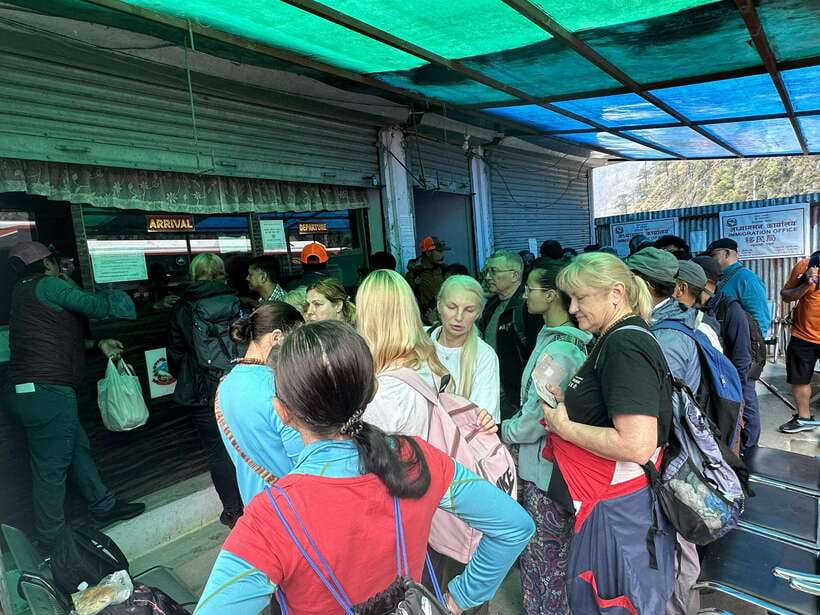
On Day 6, you cross into Tibet and continue to Kerung. Border formalities and permit checks make this a day when patience helps. Once in Kerung, you have time to see the town and local temples and begin adjusting to the higher altitude.
Day 7 takes you to Saga across the Tibetan plateau. The Brahmaputra River and wide-open high-country views provide the visual reward, but do not expect constant sightseeing stops. Much of this section is about covering distance while your body adjusts.
Acclimatization days are included, which is important. Altitude illness can affect fit people, and the schedule is not something to rush. Follow your guide’s instructions, drink water, walk at a sensible pace, and tell the guide if you feel unwell.
Days 8 and 9: Lake Mansarovar and Darchen
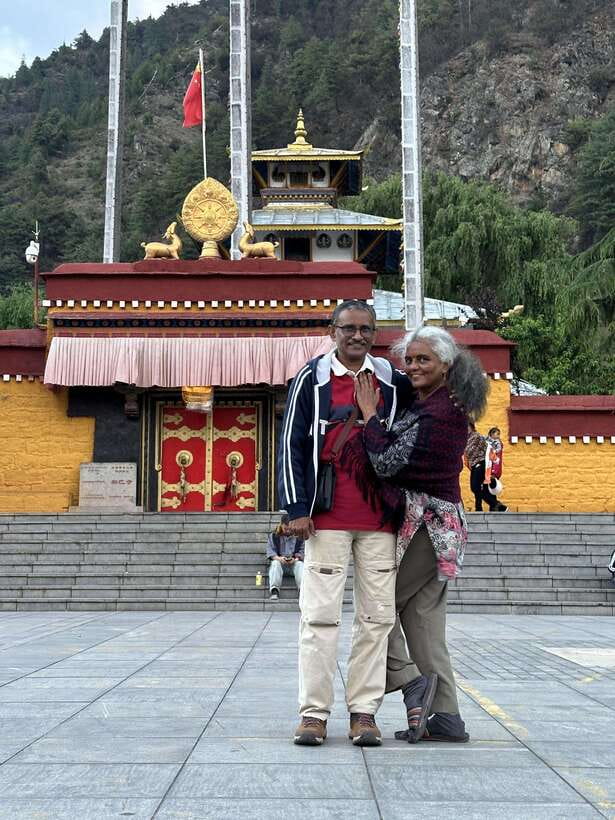
On Day 8, you reach Lake Mansarovar. This is one of the emotional centers of the trip. The lake is revered across several faiths, and you have time for spiritual rituals beside the water. Some people may wish to take a purifying bath, as one participant did, but you should follow local guidance and current conditions.
The setting is quiet and exposed. The lake, Mount Kailash, and the surrounding Himalayan peaks create the kind of view that does not need much explanation. Bring a camera, but remember that this is a sacred place first and a photo stop second.
Day 9 is a shorter drive to Darchen, the base for the Kora. This is your preparation day. Check your shoes, warm layers, snacks, water, sunscreen, and any personal medication. You should also decide if you need a porter or pony before the trek begins.
The package includes nine breakfasts in Tibet. Lunch and dinner during the Kailash section are not included, so carry cash and plan for those expenses. ATMs may not be available, and remote places can offer few choices.
Accommodation in Tibet is mixed. Six nights are in three-star hotels, while three nights are in shared guest houses at Mansarovar, Darchen, and Zutulpuk. That means the room standard changes sharply. At Zutulpuk, expect basic conditions and poor facilities rather than hotel comfort.
A completely different sort of day in Kathmandu:
- Half day cooking class in Thamel kathmandu
★ 5.0 · 607 reviews - Everest Base Camp Trekking
★ 5.0 · 485 reviews - Nagarkot Sunrise View and Day Hiking from Kathmandu
★ 5.0 · 471 reviews - Kathmandu: Full Day 7 UNESCO Tour with Lunch – Private/Group
★ 5.0 · 415 reviews
Days 10 to 12: Walking the Kailash Kora
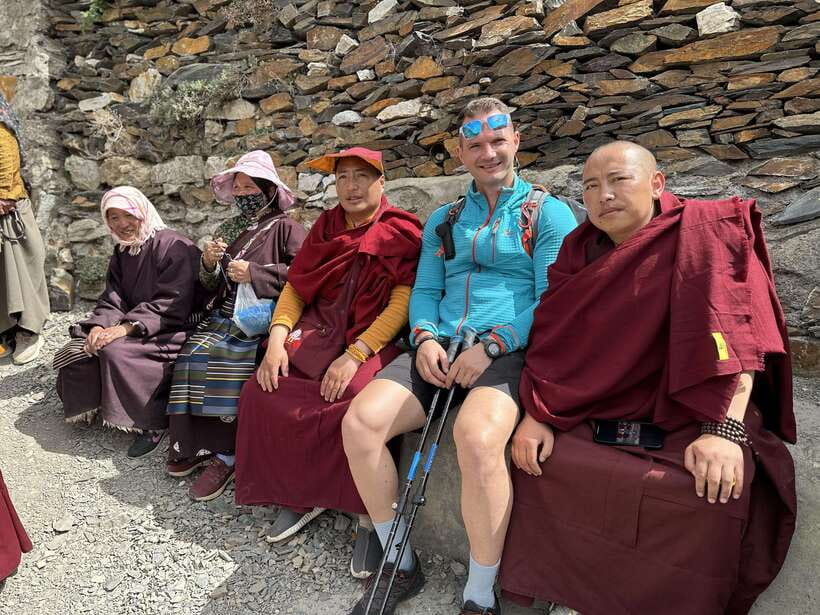
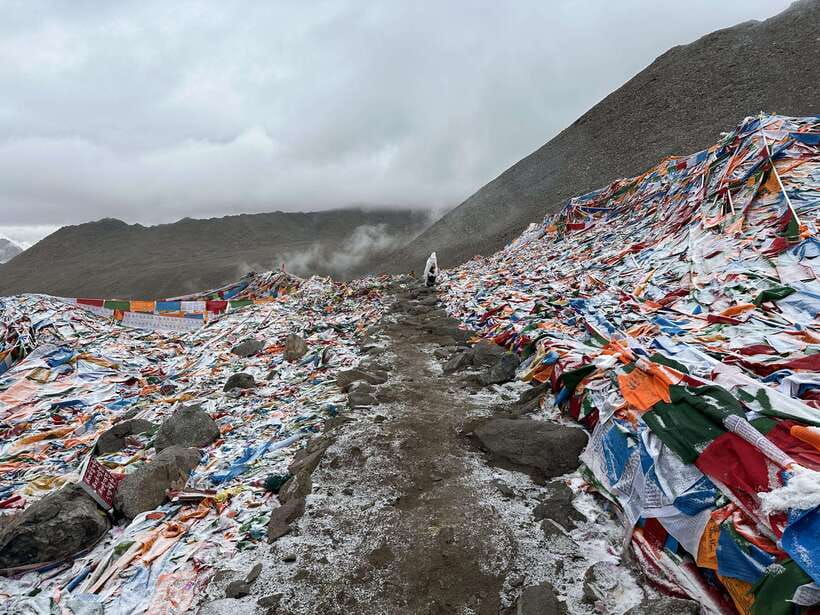
Day 10 begins the Kora, with the trek to Derapuk. The north face of Mount Kailash is the prize of this section. The trail is physically demanding because of altitude, not just distance. Even the first day should be taken slowly.
The Kora has great spiritual meaning, but you do not need to share one specific faith to appreciate its purpose. The walk gives the trip a clear rhythm: steady movement, quiet reflection, changing mountain views, and attention to each step.
Day 11 is the hardest day. You cross Droma La Pass, the highest point on the trek, before continuing to Zutulpuk Monastery. This is where fitness and preparation become real rather than theoretical. The trail from Darchen to Zutulpuk has been described as especially tough, with Droma La the main challenge.
A porter can carry up to 12 kilograms for the three trekking days, including food and accommodation, for an additional $350. A pony costs $600 for three days if you need one. These services are not included, so decide before departure rather than waiting until you are exhausted.
Day 12 completes the Kora and returns you to Darchen before the drive to Saga. Finishing the circuit is the central achievement of the tour. You then have road time to rest and think about what you have just done.
The Zutulpuk accommodation is the weakest part of the package. It is shared and basic, and toilet facilities may be poor. That is not a small detail. If you need more comfort, ask about staying in Darchen for an extra charge, though the supplied information does not guarantee availability or a particular room standard.
Days 13 to 15: Returning through Tibet and Nepal
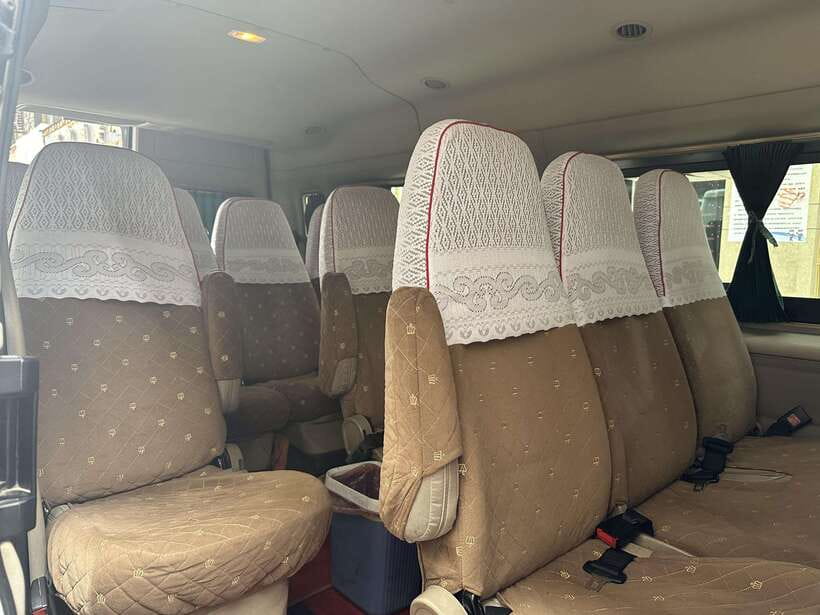
Day 13 retraces the route toward Kerung. After the Kora, the long drive can feel both restful and repetitive. You get a final look at the Tibetan plateau and time to recover before the border crossing.
Day 14 takes you across the border and back to Kathmandu. The return road can be affected by weather, landslides, or political conditions. Build flexibility into your international travel plans. One group was delayed in Kerung for an extra day after a landslide and had to pay the additional costs.
That is the most important scheduling warning in this trip. The advertised 15 days is the planned duration, not an absolute guarantee. If you must extend your stay because of natural or political events, you are responsible for extra accommodation, food, transport, and other costs.
Your final day is an airport transfer. If possible, do not book an international flight immediately after the planned return unless you are comfortable with the risk. Adding extra nights in Kathmandu gives you a safer buffer and a chance to recover before flying home.
What $4,013 covers, and what it does not
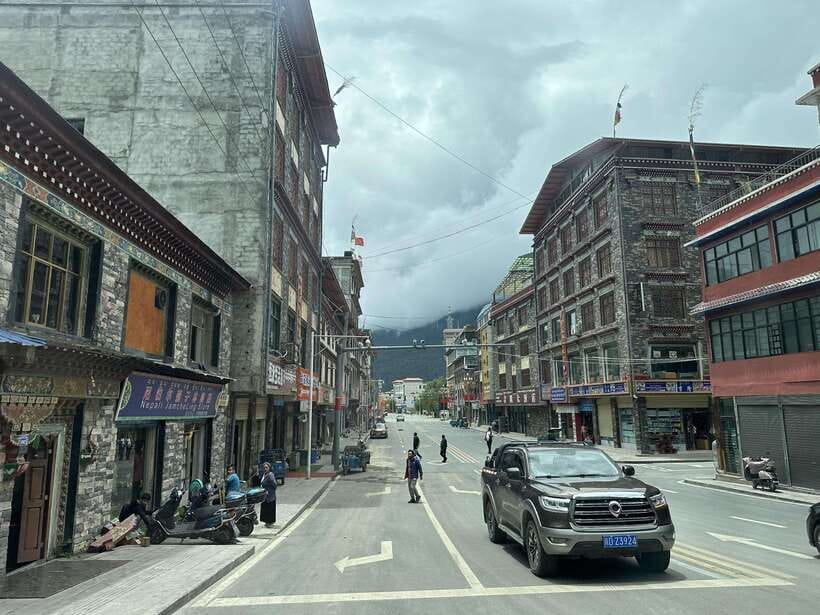
At $4,013 per person, the tour is not a low-cost Nepal holiday. But the price includes several expensive and complicated pieces: airport transfers, Kathmandu transport and entrance fees, private road transport to the border, Tibet transportation, nine nights in Tibet, breakfasts in Tibet, an English-speaking Tibetan guide, required entrance fees, the Tibet Travel Permit, and applicable government taxes.
The small group also improves the practical value. Ten people is large enough to share support costs but small enough for the guide to monitor the group more closely than on a big coach tour.
You still need to budget for:
- International flights and travel insurance
- Nepal visa fees
- Lunch and dinner during the Kailash tour
- Kathmandu accommodation, food, and drinks
- Chinese visa fees of $250 for American, Canadian, and British passport holders
- A porter at $350, if needed
- A pony at $600, if needed
- Helicopter transport, if selected
- Extra nights caused by weather, landslides, political issues, or border delays
The price is strongest for someone who wants one organized package rather than separate arrangements for permits, vehicles, guides, hotels, and border transport. It is less attractive if you expect comfortable rooms, included meals, or a fixed schedule with no surprise costs.
Fitness, clothing, and rules that matter
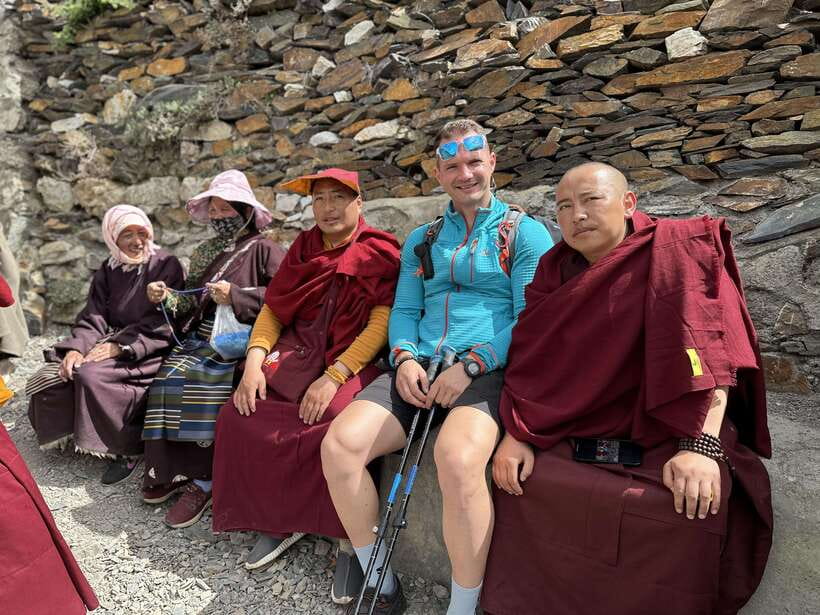
You need good fitness for the high-altitude trek. The route includes Droma La Pass, and the altitude makes ordinary walking harder. The tour is not suitable for children under 10, pregnant women, people with back or heart problems, or wheelchair users.
Pack comfortable shoes, warm clothing, a hat, sunscreen, water, snacks, and a camera. Weather can change quickly, so warm layers are more useful than one heavy coat alone. Keep cash with you for personal expenses because ATMs may not be available.
Respect local customs at temples, monasteries, and the lake. Alcohol and drugs are not allowed, and littering is forbidden.
Tibet also has strict rules about political material. You must not carry photos, books, CDs, DVDs, or digital devices related to the Dalai Lama or other Tibetan leaders. You are also prohibited from posting content about the Dalai Lama on social media platforms such as Facebook, Twitter, or YouTube. Take this seriously, and follow the guide’s instructions.
Free cancellation is available up to 24 hours before departure, and you can reserve now and pay later. Those terms add flexibility, but they do not remove the need for travel insurance or protect you from every border, visa, weather, and delay cost.
Should you book this Kailash Mansarovar tour?
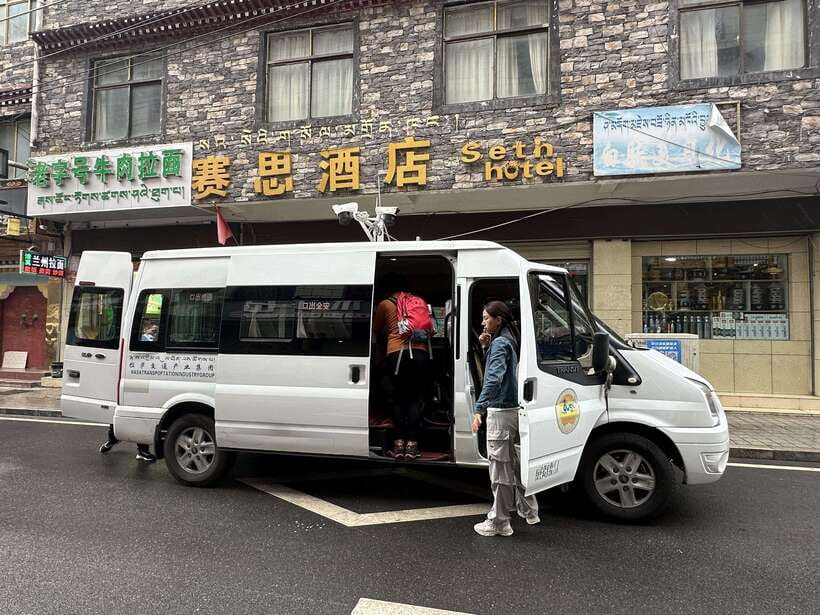
I would choose this trip if your main goal is to complete the Kailash Kora with organized support and to connect the pilgrimage with Nepal’s major temples. The strongest parts are the small group, the permit and transport arrangements, the Kathmandu sightseeing, and the chance to spend time at Lake Mansarovar rather than rushing past it.
I would not choose it if you need reliable comfort, easy roads, included meals, or a guaranteed 15-day return. The guest house at Zutulpuk is basic, Droma La Pass is hard, and delays can cost extra. Add insurance, carry cash, consider a porter, and leave spare days after the tour.
For a fit, flexible pilgrim who accepts rough conditions in exchange for access to one of Asia’s most sacred mountain journeys, the $4,013 package offers solid practical value. For anyone unsure about altitude or border travel, ask detailed questions before paying, especially about current permits, room arrangements, and emergency plans.
FAQ
How long is the Kailash Mansarovar Yatra tour?
The planned duration is 15 days, from arrival in Kathmandu through departure from Kathmandu.
What is the group size?
The tour is limited to 10 participants.
What language does the guide speak?
The tour includes an English-speaking Tibetan guide.
Is the Kailash Kora included?
Yes. The itinerary includes the three-day Kora, with trekking from Darchen to Derapuk, over Droma La Pass to Zutulpuk, and back to Darchen.
Is Droma La Pass part of the trek?
Yes. Droma La Pass is crossed on the second trekking day and is the highest point of the Kora.
Are meals included?
Breakfast is included for nine mornings in Tibet. Lunch and dinner during the Kailash tour are not included. Kathmandu meals are also not included.
Is a porter included?
No. A porter costs $350 for three days and can carry up to 12 kilograms, including food and accommodation.
Is a pony included?
No. Pony hire costs $600 for three days if needed.
What happens if bad weather or a landslide delays the trip?
Any extra costs caused by natural or political events are the traveler’s responsibility. The tour information advises leaving flexibility in your plans because additional nights may be required.
Recently added around Kathmandu
- Kathmandu : Swambhunath & Durbar Square Guided Half Day Tour★ 3.3 · 3 reviews
- Private Day Tour in Kathmandu Valley Rim with Bhaktapur Sightseeing★ 5.0 · 3 reviews
- From Kathmandu / Pokhara / Chitwan: River Rafting – 1 Day★ 4.6 · 3 reviews
- Nepali Cooking training & Cultural Homestay Experience★ 5.0 · 3 reviews
- Private 3-Hour Nagarkot Sunset Tour from Kathmandu★ 3.5 · 3 reviews
- From Kathmandu: Everest Base Camp Landing Helicopter Tour★ 5.0 · 3 reviews
- 4 UNESSCO World heritage sites of Kathmandu-private tour★ 5.0 · 3 reviews
- Kailashnath Mahadev, Panauti and Namo Buddha Monastery Sightseeing★ 5.0 · 3 reviews