
Reviewed · FOOD & DRINK
Kathmandu Local Food Hunt Tour
Kathmandu’s best food experiences often happen away from formal restaurants. This half-day outing takes you through Asan market and the old streets near Kathmandu Durbar Square, where food stalls, spice shops, temples, incense, and daily commerce share the same few lanes.
I like the private format, since your guide can adjust the pace and explain what you are seeing instead of rushing a large group along. I also like that the tour includes at least five dishes and drinks, hotel pickup and drop-off, and options for vegetarian or vegan eaters.
The main caution is that this is a walking tour through busy market streets, not a seated food tasting in one polished venue. People with food allergies should not book, and you will need comfortable shoes and sensible clothes for four and a half hours outside.
In This Review
- Key points to know before you book
- Why this food walk works in Kathmandu
- Starting with hotel pickup and the walk to Asan
- Asan market, where food and daily life share the same lanes
- The food tasting: five or more chances to compare
- Temples, incense, and the Kathmandu Durbar Square area
- What the $55 price includes
- Private groups, pace, and accessibility
- The best way to prepare for the food hunt
- Who should book this Kathmandu food tour
- Should you book the Kathmandu Local Food Hunt Tour?
- FAQ
- How long does the Kathmandu Local Food Hunt Tour last?
- How much does the tour cost?
- Is hotel pickup included?
- How many foods and drinks will I try?
- Can vegetarian or vegan participants join?
- Is the tour suitable for people with food allergies?
Key points to know before you book
- At least five local foods and drinks: The tour gives you a broad taste of Nepali food rather than one single meal.
- Asan market on foot: Expect old shops, street vendors, spices, tea, cookies, temples, and ordinary Kathmandu trade.
- Kathmandu Durbar Square area: See the 16th-century palace area associated with Pratap Singh Malla and nearby temple life.
- Private guide and hotel pickup: Your group travels alone, with an English-speaking guide meeting you at your hotel.
- Vegetarian and vegan friendly: Tell the guide in advance so the food stops can be adjusted.
- $55 for 4.5 hours: The price includes transport, guide service, food, drinks, water, and a private group, but not alcohol or unlisted extras.
Why this food walk works in Kathmandu
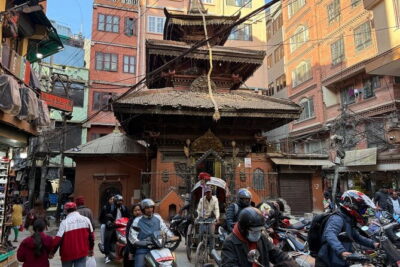
Kathmandu can feel confusing at first. Narrow streets turn into market lanes, motorbikes slip through gaps, and a temple may appear between two shops selling household goods. A food walk gives you a reason to move through this busy center slowly, with someone explaining what you are seeing.
The food is only part of the experience. You are also looking at how people shop, pray, work, and gather. A spice shop tells you something about the kitchen. A tea counter shows you a daily habit. A temple courtyard reveals how religious life fits into the middle of ordinary city business.
This tour lasts 4.5 hours, which is long enough for several food stops and a proper walk without taking your entire day. I see it as a useful first or second day activity, when you want an introduction to Kathmandu before setting off on longer sightseeing trips.
The private format matters here. With only your own group, the guide can spend more time on questions and make small changes for your pace. You are not tied to the needs of strangers, though the exact rhythm still depends on the streets, crowds, and food stops on the day.
More food tours in Kathmandu:
- Kathmandu Food and Drink Walking Tour
★ 5.0 · 266 reviews - Kathmandu: Food and Drink Walking Tour
★ 4.9 · 119 reviews - Walking Street Food Tour in Kathmandu
★ 5.0 · 111 reviews
Starting with hotel pickup and the walk to Asan
Your English-speaking guide meets you in the hotel lobby before the scheduled pickup time. Hotel pickup and drop-off are included, so you do not need to arrange a separate taxi to reach the starting point.
The tour then heads toward Asan, described as Kathmandu’s busiest street market. This is the kind of place where you should expect movement and noise. The attraction is not a carefully arranged display for visitors. It is the mix of local shops, market goods, street food, old temples, and people carrying out everyday business.
You may see shops selling spices, tea, cookies, and other local goods. The food stops are paired with explanations of the area, so your guide can help connect what you taste with what you see around you.
Wear comfortable shoes. The tour is built around walking, and comfortable clothing will make the long urban route easier. Sunscreen and a bottle of water are also sensible. One bottle of drinking water is included, but you should still dress for time outdoors.
Asan market, where food and daily life share the same lanes
Asan is likely to be the most energetic section of the route. The market brings together many of the details that make Kathmandu feel distinctive: old storefronts, vendors, religious spaces, and food being prepared or sold close to the street.
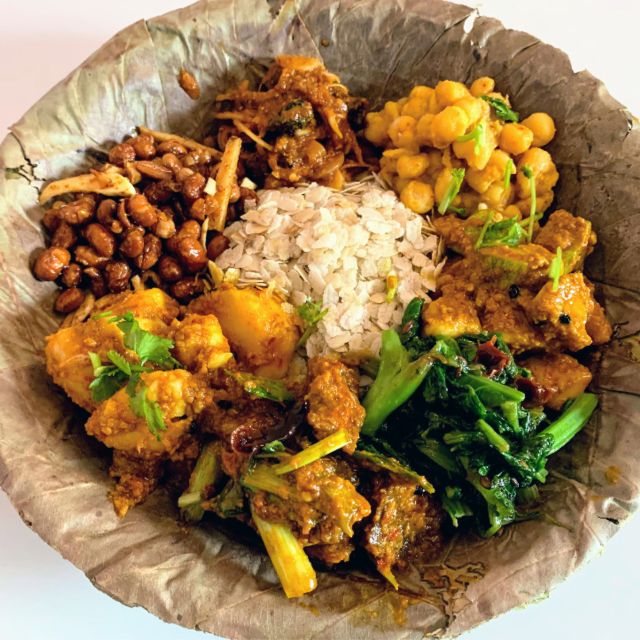
The supplied details do not name the exact dishes, so you should not expect a fixed menu printed in advance. What is promised is a minimum of five dishes and drinks, with different varieties of food included. That gives you range, but it also means the tasting can change with availability.
This is a good point to ask questions. If you see an unfamiliar ingredient, ask what it is and how it is used. If you are unsure about a dish, tell the guide before eating it. The experience is designed to introduce you to Nepali food, not to test your courage with mystery ingredients.
Vegetarian and vegan participants can be accommodated if they tell the guide. That is a real advantage in a food-focused tour, since a plant-based eater should not have to settle for one side dish while the rest of the group samples several foods.
Food allergies are different. The activity is not suitable for people with food allergies. That warning should be taken seriously, especially because street food may involve shared preparation areas or ingredients that are difficult to confirm. If you have a food allergy, choose another activity.
The food tasting: five or more chances to compare
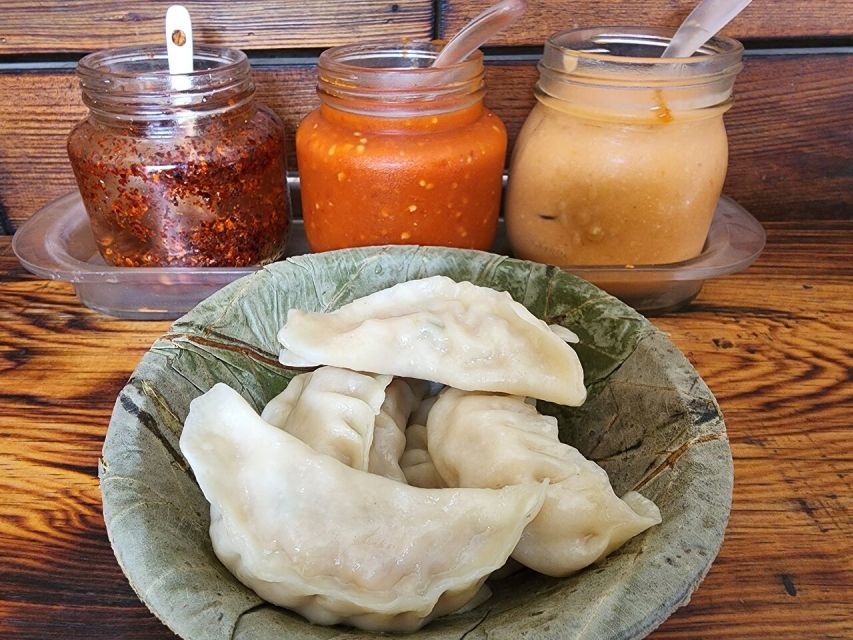
The minimum of five dishes and drinks gives this tour its main value. One Nepali food sample can be interesting, but several stops let you compare flavors, textures, and preparation styles across the city.
You should think of the tasting as a guided introduction rather than a full restaurant meal. The information provided does not promise specific portion sizes, and the food is drawn from local markets and vendors. You may finish satisfied, but I would not book this as your only meal of the day unless the guide confirms what will be served.
The drinks count as part of the tasting, and alcoholic beverages are not included. Alcohol and drugs are not allowed on the activity. If you want beer, wine, or another alcoholic drink later, plan to have it separately after the tour.
A guide can make a major difference at food stalls. You get help understanding what you are ordering, how the food connects to local habits, and which ingredients may matter for your diet. The experience also removes some of the hesitation that can keep you from trying unfamiliar street food on your own.
One verified booking praised guide Rajan by name, noting that he took the participant to several good places to eat in Kathmandu and that the food was plentiful and enjoyable. That gives you one useful detail when booking: if possible, ask whether Rajan will be your guide. Guide assignments can change, so his participation should not be assumed, but the named example helps set expectations for the personal nature of the outing.
A completely different sort of day in Kathmandu:
- Everest Base Camp Trek – 14 Days
★ 5.0 · 1,499 reviews - Private Kathmandu Sightseeing Tour | UNESCO World Heritage sites
★ 5.0 · 756 reviews - Everest Base Camp Helicopter Tour landing at Everest View Hotel
★ 5.0 · 668 reviews - Half day cooking class in Thamel kathmandu
★ 5.0 · 607 reviews
Temples, incense, and the Kathmandu Durbar Square area
After the market experience, the route includes the area around Kathmandu Durbar Square. The square is associated here with a 16th-century palace of Pratap Singh Malla, and the surrounding streets provide a strong contrast to a modern restaurant district.
You can expect old shops selling spices, tea, and cookies, along with temples where people stop to pray. The sound of ringing bells, the smell of incense, and the colors of the buildings give this part of the tour a different mood from the market lanes.
The tour does not promise a full guided entry program for every monument in the square, so keep your expectations practical. The focus is food, streets, and culture, with sightseeing woven into the route. If you want a detailed architectural tour of every building, you may need a separate visit.
I like this pairing of market and temple area. Food makes the walk approachable, while the religious sites provide context. You are not simply moving between food stalls. You are seeing how shopping, worship, and street life occupy the same historic center.
Remember to behave respectfully around temples and people who are praying. Follow your guide’s instructions, avoid blocking entrances, and dress comfortably but appropriately for religious sites.
What the $55 price includes
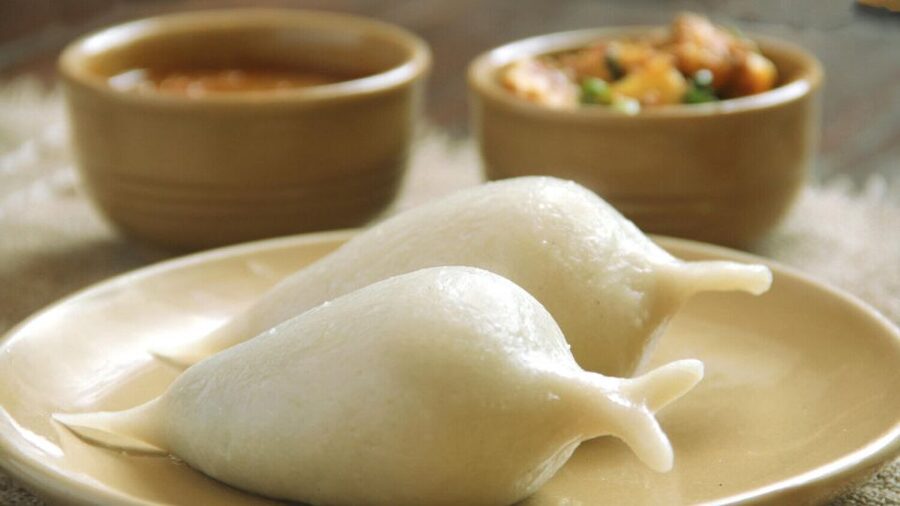
The cost is $55 per person. For 4.5 hours, that is a reasonable package if you value private guiding and transport. The price includes:
- Different varieties of food
- At least five dishes and drinks
- Hotel pickup and drop-off
- An English-speaking guide
- A visit to the local market
- A bottle of drinking water
- A private group experience
The value improves if you are traveling as a small private group and would otherwise pay separately for taxis, snacks, and a guide. Pickup and drop-off also simplify your first steps in Kathmandu, especially if you are not yet comfortable finding the market area.
The price is less attractive if you only want a cheap local meal. You are paying for the guide’s time, explanations, transport, and the ability to taste several items in one organized outing. The food itself is only one part of the cost.
Since alcohol and anything not specifically included are extra, bring a little money for personal purchases if you want to buy tea, cookies, spices, or other goods from the market. The tour includes food, but it does not promise shopping costs or additional drinks.
Private groups, pace, and accessibility
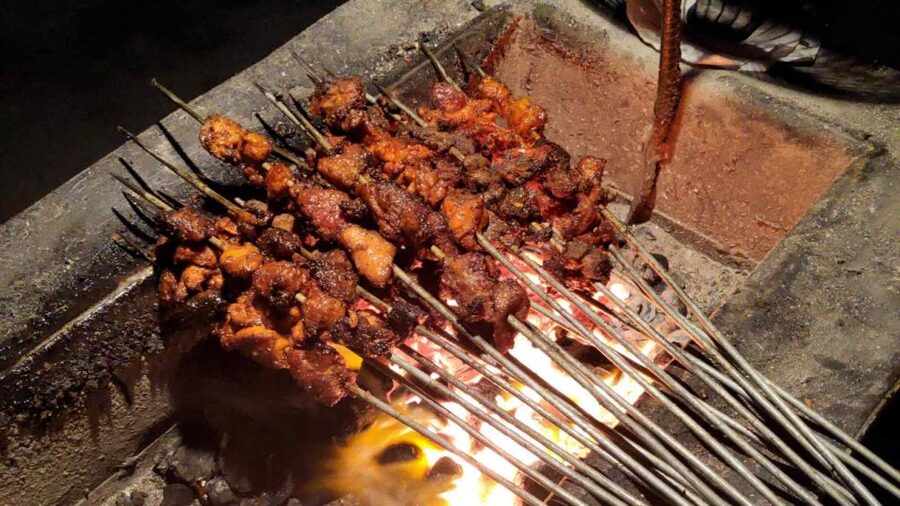
This is a private activity, so only your group participates. That makes it a better fit for families, couples, or friends who want to ask plenty of questions or set a comfortable walking pace.
The activity is listed as wheelchair accessible, though the route includes street markets and urban walking. If you use a wheelchair, confirm the practical route and surfaces before booking. The accessibility label is useful, but busy market streets can still require patience and careful movement.
Most people can participate, provided they are comfortable walking for much of the 4.5-hour period. The tour is near public transportation, but pickup and drop-off are included, so you do not need to use public transport for the planned outing.
The guide’s language is English. If clear cultural explanations matter to you, this is helpful. If you need another language, the available information does not confirm that option.
The best way to prepare for the food hunt
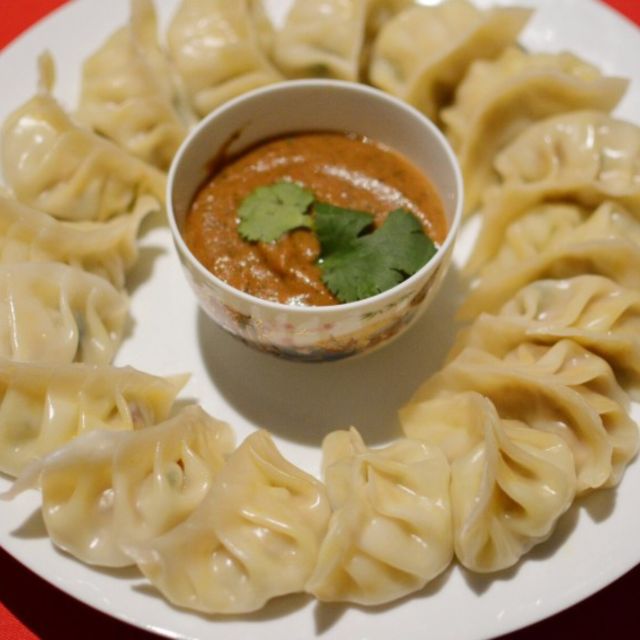
Keep breakfast or lunch light, depending on the start time. You want enough energy for a long walk, but you also want room to try the promised selection of foods and drinks.
Wear shoes with good support. This is more important than dressing stylishly. Comfortable clothes, sunscreen, and water will help you handle Kathmandu’s streets with less fuss.
Tell the guide about vegetarian or vegan needs before the tasting begins. The tour can cater to those diets, but the guide needs to know so the stops can be adjusted.
Food allergies are a firm reason to skip this activity. The experience is specifically marked as unsuitable for people with food allergies, and you should not rely on a street-food guide to identify every possible ingredient or cross-contact risk.
Bring some spending money for items not included. Alcohol is excluded, and the tour does not cover anything outside the stated inclusions. You may also see market goods that you want to buy, though shopping is not listed as part of the package.
Who should book this Kathmandu food tour
I would recommend this tour to you if you want a first taste of Kathmandu that combines eating with a short cultural walk. It suits people who prefer local markets and street scenes to a formal dining room.
It is especially useful for:
- First-time visitors who want a simple introduction to the city
- Food lovers who want to try at least five local dishes and drinks
- Vegetarian and vegan eaters who want a guide to adjust the tasting
- Couples, families, and friends who prefer a private group
- Visitors who want hotel pickup and drop-off included
- People who enjoy asking questions while they walk
I would be more cautious if you dislike crowds, walking, or uncertain menus. The tour takes place in active market streets, and the exact food selection is not specified. It is also not suitable for food allergies.
Should you book the Kathmandu Local Food Hunt Tour?
Book it if you want a compact, private introduction to Kathmandu through food, markets, and temples. The strongest reasons are the five or more tastings, hotel transport, English-speaking guide, and route through Asan and the Kathmandu Durbar Square area.
The $55 price makes sense when you consider the 4.5-hour duration and private format. You are buying an organized way to find local food and understand the streets, not simply paying for a meal.
Before booking, confirm dietary needs and ask if Rajan is available if his style appeals to you. Do not book if you have food allergies, and do not expect a formal restaurant tasting or a fully detailed monument tour. For an active eater who wants to get oriented quickly, this is a practical and appealing half-day choice.
FAQ
How long does the Kathmandu Local Food Hunt Tour last?
The tour lasts 4.5 hours.
How much does the tour cost?
The price is $55 per person.
Is hotel pickup included?
Yes. The guide meets you in your hotel lobby before the scheduled pickup time, and hotel drop-off is also included.
How many foods and drinks will I try?
You will try a minimum of five dishes and drinks. Different varieties of food are included, but the exact menu is not specified.
Can vegetarian or vegan participants join?
Yes. Vegetarian and vegan food can be arranged. Tell your guide so the tour can be tailored to your needs.
Is the tour suitable for people with food allergies?
No. The activity is marked as unsuitable for people with food allergies.
Recently added around Kathmandu
- Kathmandu : Swambhunath & Durbar Square Guided Half Day Tour★ 3.3 · 3 reviews
- Private Day Tour in Kathmandu Valley Rim with Bhaktapur Sightseeing★ 5.0 · 3 reviews
- From Kathmandu / Pokhara / Chitwan: River Rafting – 1 Day★ 4.6 · 3 reviews
- Nepali Cooking training & Cultural Homestay Experience★ 5.0 · 3 reviews
- Private 3-Hour Nagarkot Sunset Tour from Kathmandu★ 3.5 · 3 reviews
- From Kathmandu: Everest Base Camp Landing Helicopter Tour★ 5.0 · 3 reviews
- 4 UNESSCO World heritage sites of Kathmandu-private tour★ 5.0 · 3 reviews
- From Kathmandu Budget: 15 Day Everest Base Camp Trek★ 5.0 · 3 reviews
Food & Drink, compared.
Secret Food Tour – Food Bites and Sights Kathmandu 14+ Testings
Read our review →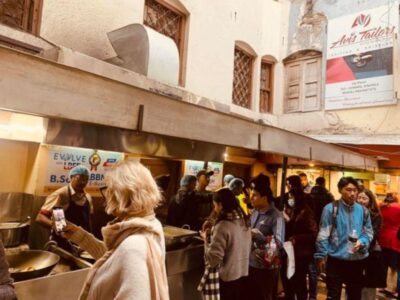
Kathmandu Food & Drink and Shopping Rickshaw Tour
Read our review →
Walking Food Tour in Hidden Local Eateries of Kathmandu
Read our review →
Browse the lists this tour appears in