
Reviewed · POKHARA TRIPS FROM KATHMANDU
Kathmandu to Pokhara Premium sofa bus ticket
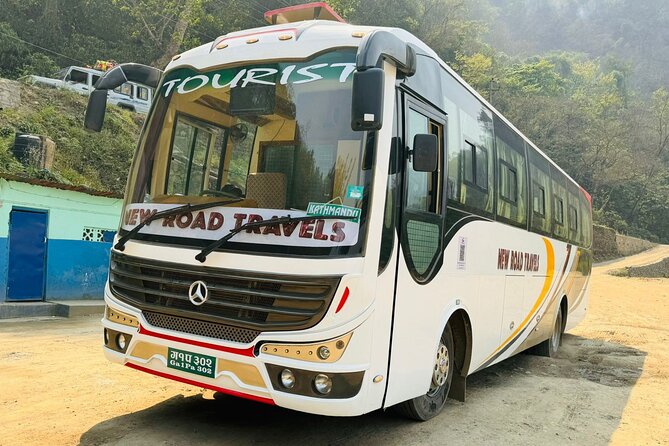
The best part of this bus ride is the chance to see Nepal at ground level. You pass small towns, river valleys, mountain views, and stretches where white-water rafting takes place. I like the reclining seats and the two planned riverside stops, which make a long highway ride easier.
I also like the low price, about $11.50 per person, plus complimentary water and a newspaper. The main caution is time: six hours is the goal, not a promise. Road construction and traffic near Kalanki and Naubise have pushed some trips close to ten hours, and air conditioning may not run well for the whole journey.
In This Review
- Key points at a glance
- What this Kathmandu to Pokhara bus ride is really like
- Starting near Thamel at 6:30 am
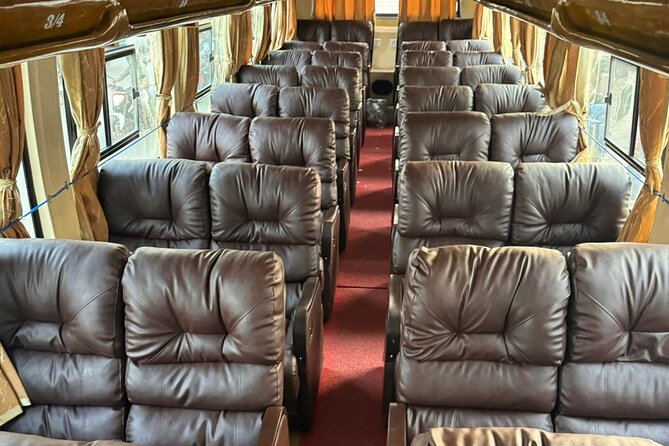
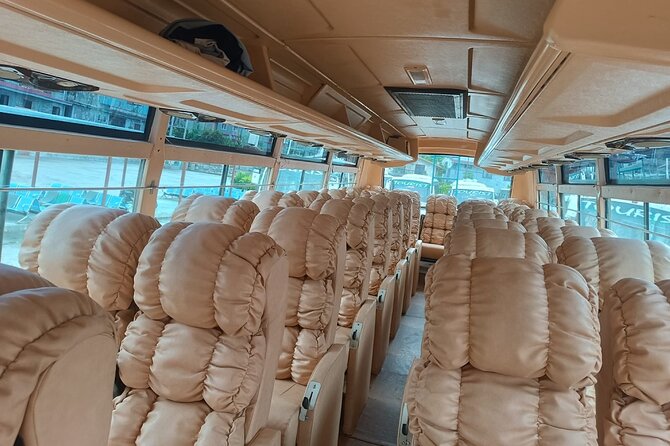
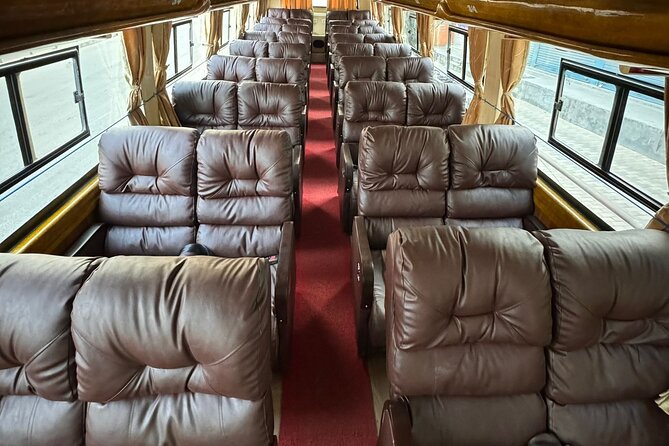
- Reclining seats and the premium sofa setup
- The first hours: Kathmandu, Kalanki, and the highway
- The Malekhu or Kamalbari breakfast stop
- The lunch break beside the river
- Views from the Prithvi Highway
- Water, newspapers, Wi-Fi, and luggage
- Arrival at Pokhara Tourist Bus Park
- Is $11.50 good value?
- Who should book this bus?
- Should you book the Kathmandu to Pokhara premium sofa bus?
- FAQ
- What time does the bus leave Kathmandu?
- Where is the Kathmandu bus station?
- How long does the Kathmandu to Pokhara journey take?
- Are breakfast and lunch included?
- Is Wi-Fi available on the bus?
- Where does the bus arrive in Pokhara?
Key points at a glance
- Daily 7:00 am departure: Meet at the Kathmandu tourist bus station area around 6:30 am, near Thamel.
- Two scheduled food stops: Expect roughly 25 minutes for breakfast and 30 minutes for lunch at riverside locations around Malekhu or Kamalbari.
- Comfort-focused seating: Reclining sofa-style seats, suspension, air conditioning, and room for luggage make this easier than a basic local bus.
- Scenic highway ride: Watch for rivers, small towns, mountain views, and white-water rafting along the route.
- Useful extras: One bottle of mineral water, a local English and Nepali newspaper, and Wi-Fi are included.
- Road conditions matter: The normal trip is about 5 to 6 hours, but construction and traffic can extend it considerably.
What this Kathmandu to Pokhara bus ride is really like
This is not a sightseeing coach with a guide narrating every bend. It is a point-to-point tourist bus, designed to carry you from central Kathmandu to Lakeside Pokhara while giving you a better seat and a more orderly ride than a standard local bus.
The route is one of Nepal’s classic overland journeys. You leave Kathmandu’s dense streets, pass through the outer suburbs, and then follow the highway toward river country. The scenery changes as you go, with small settlements, roadside shops, steep hills, and mountain views appearing between bends in the road.
I would plan for around six hours only if the road is moving well. The operator notes that highway problems and traffic can lengthen the journey. The Kalanki to Naubise section is especially prone to congestion, while road reconstruction can make the whole ride rough and slow.
That uncertainty is the central issue here. If you have a flight, trek departure, or hotel check-in that cannot move, leave a generous buffer. If you can treat the ride as a full travel day, the bus offers good value.
More Pokhara trips from Kathmandu:
- From Kathmandu/Pokhara: 3-Day All-Inclusive Chitwan Safari
★ 4.6 · 133 reviews - Kathmandu/Pokhara: 3 Day Chitwan Jungle Safari Tour
★ 4.7 · 87 reviews - From Kathmandu/Pokhara: Private 3-Day Chitwan Safari Tour
★ 4.7 · 34 reviews
Starting near Thamel at 6:30 am
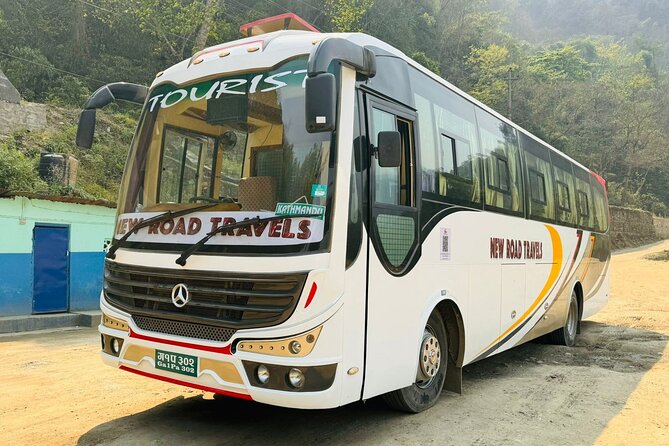
The listed meeting point is New Road Travels and Tour’s tourist bus stop in Kathmandu, with the pickup area at Shorakhutte. It is about a five-minute walk from Thamel, making it handy if you are staying in that part of the city.
The bus is scheduled to leave at 7:00 am sharp, while the meeting time is 6:30 am. Arriving early is sensible. Seat allocation follows a first-paid, first-confirmed approach, so early booking gives you a better chance of choosing an available seat.
The bus route through Kathmandu runs via Shorakhutte, Nayabazar, Balaju, Swayambhu, and Kalanki. That is useful if you are staying away from the main station and can board along the route, but you should confirm the exact pickup arrangement when booking.
The station itself is not presented as a major terminal with extensive facilities. Think of it as a practical city pickup point. Have your mobile ticket ready, keep your luggage close until it is loaded, and do not arrive at the last second.
Reclining seats and the premium sofa setup
The main reason to pay for this service instead of choosing the cheapest local bus is comfort. The seats are described as reclining sofa-style seats with suspension intended to reduce the worst jolts from Nepal’s rough roads.
That does not turn the highway into a smooth cruise. A comfortable seat helps, but road construction still means bumps, slow traffic, and sudden braking. One trip took about 9 hours and 45 minutes, with poor air conditioning for much of the ride. Another had comfortable seating and plenty of breaks but rough roads throughout.
I would choose a forward or middle seat if the seat chart allows it, especially if you are sensitive to motion. The operator says even the back row benefits from the bus’s suspension, but the rear can still feel more movement on a rough road.
Air conditioning is advertised for the journey. In practice, you should not rely on perfect climate control from Kathmandu to Pokhara. Carry a light layer, water, and anything you need to stay comfortable if the system is weak or switched off during part of the ride.
Smoking is not allowed inside the bus. Use the planned stops for fresh air, and keep rubbish for the bins or containers provided rather than throwing anything from the window.
The first hours: Kathmandu, Kalanki, and the highway
The opening section takes you through Kathmandu’s busy outer districts. Shorakhutte, Nayabazar, Balaju, Swayambhu, and Kalanki form a practical pickup corridor, but they also mean the bus may spend time working through traffic before the countryside begins.
Kalanki to Naubise deserves special attention. This is the section most likely to slow the trip, according to the operator’s own timing guidance. Construction and traffic can turn an early start into a long day, so keep snacks and entertainment within reach rather than buried under your luggage.
Once you are properly outside the city, the bus ride becomes more rewarding. From your window, you can watch settlements give way to hills and river views. The route passes through smaller towns and cities, so you get a useful look at everyday movement between Kathmandu and Pokhara rather than seeing only the two city centers.
There is no promise that every seat has a perfect view. Still, the window offers more than a flight does, particularly if you enjoy watching the road, buildings, riverbanks, and changing hills pass at a steady pace.
A few more Kathmandu tours worth comparing
- Kathmandu to Pokhara Tourist Bus Tickets reservation
★ 4.0 · 25 reviews - Kathmandu to Pokhara Bus Ticket- Sofa
★ 4.0 · 24 reviews - Kathmandu to Pokhara VIP Sofa Bus Ticket
★ 4.5 · 19 reviews - Full Day Ticket Access around Kathmandu Valley
★ 5.0 · 18 reviews
The Malekhu or Kamalbari breakfast stop
The first planned break is around Malekhu or Kamalbari and lasts about 25 minutes. The location is beside a river, and the stop is intended for breakfast.
You pay for the meal yourself. The appeal is simple: you can stretch your legs, eat something local, and take in the riverside setting instead of remaining seated for the whole morning. The operator describes the food areas as hygienic, but you should still choose promptly because 25 minutes disappears quickly.
Do not wander too far from the bus. This is a scheduled rest stop, not a free-form excursion, and the vehicle is expected to continue after the break. If you need tea, breakfast, or a bathroom visit, handle those first before spending time by the river.
The stop also gives you a useful reset after the crowded Kathmandu departure. A quick meal beside the river makes the long road feel less like a transfer and more like part of your Nepal trip.
The lunch break beside the river
The second planned stop lasts about 30 minutes and is also described as a riverside meal break around Malekhu or Kamalbari. Lunch is not included in the ticket, so budget separately for food.
The river setting is the pleasant feature here. You can eat with a view, take a short walk nearby, and return to the bus with some movement in your legs. This is especially welcome if traffic has already made the ride feel longer than expected.
Thirty minutes is enough for a straightforward meal, but not for a leisurely restaurant visit. Keep your order simple and check the bus location before sitting down. If you prefer to control your food choices, bring snacks and use the stop mainly for the bathroom and a stretch.
The two breaks are a real advantage over a vehicle that runs without stopping. They also explain why the trip is not a direct, nonstop transfer. The bus aims to limit unscheduled roadside pickups and does not stop for every local passenger waving from the highway, but it still includes planned meal breaks.
Views from the Prithvi Highway
The scenery is the reason to choose the bus over a flight. You move through Nepal’s road corridor at a pace that lets you see how communities fit around rivers and hills.
Look for river views, small towns, roadside activity, and distant mountain ranges when weather and visibility cooperate. White-water rafting can also be seen from the window along parts of the route. The views are not guaranteed at every moment, and road dust, traffic, or a seat on the wrong side can limit what you see.
This is best treated as a scenic transfer, not a formal sightseeing trip. The driver’s job is to get you to Pokhara safely, and no guide commentary or photo stops are listed. Keep your camera ready, but do not expect the bus to pull over whenever a view appears.
The road itself is part of the experience. You will notice construction, rough surfaces, and highway traffic. Some passengers enjoy this close look at Nepal’s daily transport system; others will find the slow sections tiring. Your attitude toward long road rides matters as much as the seat.
Water, newspapers, Wi-Fi, and luggage
A bottle of mineral water is included for each passenger. Local English and Nepali newspapers are also provided, which is a small but useful touch for the early morning departure.
Wi-Fi is advertised as complimentary, but the operator warns that the signal can be weak because of the geography. I would treat it as a bonus, not as a dependable connection. Download maps, tickets, music, or shows before you leave Kathmandu.
There is a large luggage storage area, with no strict weight barrier stated. The operator suggests keeping your load to no more than two pieces. That is practical advice, especially because you may need access to a small day bag during the ride.
Put valuables, medication, documents, and snacks in the cabin with you. Large bags can go underneath, but do not pack everything away if you expect to need water, a jacket, or motion-sickness supplies.
The listed maximum is 30 passengers. That gives the service a more controlled feel than a large public bus, though the exact vehicle layout and seat chart should be confirmed when you receive your ticket.
Arrival at Pokhara Tourist Bus Park
The final stop is Tourist Bus Park in Pokhara, near Lakeside and about a five-minute walk away. Another location reference places the bus station near Rastra Bank Chowk, with boarding points including Rastra Bank Chowk, Mustang Chowk, and Prithvi Chowk for the return direction.
That Lakeside location is convenient for many hotels, restaurants, and trekking offices. It is not the same as being dropped at your hotel door, so keep your onward plan simple and allow time to walk with your luggage or arrange local transport.
The arrival time is not fixed because the road controls the day. A scheduled six-hour ride from a 7:00 am departure would suggest an early afternoon arrival, but construction or traffic may push it much later. Avoid booking a tight activity immediately after arrival.
For the return trip, the listed departure is 7:30 am from Lakeside, with the final destination at Shorakhutte in Kathmandu. The published fare is Rs 800 from Kathmandu to Pokhara and Rs 1000 from Pokhara to Kathmandu, while the experience price is shown as $11.50 per person. Confirm the current fare and pickup details before payment.
Is $11.50 good value?
For a route where private vehicle hire and flights cost more, this bus is priced attractively. You receive a reserved tourist-bus seat, water, a newspaper, air conditioning in principle, luggage storage, and planned breaks.
Breakfast and lunch are extra. Wi-Fi may be unreliable, and the air conditioning is not guaranteed to perform well throughout the ride. Those limitations matter, but they do not erase the basic value of moving between two major Nepal destinations for about the price of a modest meal in many international cities.
The value is strongest if you are comfortable trading certainty for savings. A flight is faster and less exposed to road conditions. A private car gives you more control over stops and departure time. This bus is the middle option: cheaper than a private vehicle, more social and scenic than a flight, and more comfortable than a basic local bus.
Who should book this bus?
I would recommend it to you if you want a low-cost transfer, prefer seeing Nepal from the road, and can handle a possible delay. It suits backpackers, independent visitors, and anyone staying near Thamel or Lakeside who wants a straightforward tourist-bus connection.
It is also a reasonable choice if you value a reclining seat and planned meal stops but do not need a guide or private itinerary. The 30-person maximum and daily operation make it a practical option for a common route.
I would think twice if you have a same-day flight, an important appointment, or very little patience for road construction. The nearly ten-hour example shows why you should not build a tight schedule around the advertised duration.
Confirmation is provided at booking, mobile tickets are supported, service animals are allowed, and the activity is near public transportation. Most people can participate. Free cancellation is available if you cancel at least 24 hours before the local start time. Cancellations or changes inside that window are not accepted for a refund.
Should you book the Kathmandu to Pokhara premium sofa bus?
Book it if you want the best balance of low price, road scenery, and a more comfortable seat. The river stops, mountain views, mineral water, and direct tourist-bus format make it a sensible way to connect Kathmandu and Pokhara.
Do not book it for speed. Road works can be severe, air conditioning may be inconsistent, and the six-hour estimate can stretch far beyond that. Arrive at 6:30 am, protect your schedule with plenty of spare time, and carry your own snacks and offline entertainment. With those expectations, this is a useful and affordable Nepal transfer.
FAQ
What time does the bus leave Kathmandu?
The meeting time is 6:30 am, and the bus is scheduled to depart Shorakhutte at 7:00 am.
Where is the Kathmandu bus station?
The tourist bus station is at Shorakhutte, about a five-minute walk from Thamel. The route also passes through Nayabazar, Balaju, Swayambhu, and Kalanki.
How long does the Kathmandu to Pokhara journey take?
The expected journey is about 5 to 6 hours if conditions are good. Traffic, road construction, and highway problems can make it much longer.
Are breakfast and lunch included?
No. Breakfast and lunch are paid for separately. The bus makes a breakfast stop of about 25 minutes and a lunch stop of about 30 minutes, both near riverside food areas around Malekhu or Kamalbari.
Is Wi-Fi available on the bus?
Complimentary Wi-Fi is offered, but the signal may be weak or unreliable because of the geography. Mineral water and a local English and Nepali newspaper are also included.
Where does the bus arrive in Pokhara?
The final stop is Tourist Bus Park near Lakeside, about a five-minute walk away. The return service leaves from the Lakeside area at 7:30 am.
Recently added around Kathmandu
- Kathmandu : Swambhunath & Durbar Square Guided Half Day Tour★ 3.3 · 3 reviews
- Private Day Tour in Kathmandu Valley Rim with Bhaktapur Sightseeing★ 5.0 · 3 reviews
- From Kathmandu / Pokhara / Chitwan: River Rafting – 1 Day★ 4.6 · 3 reviews
- Nepali Cooking training & Cultural Homestay Experience★ 5.0 · 3 reviews
- Private 3-Hour Nagarkot Sunset Tour from Kathmandu★ 3.5 · 3 reviews
- From Kathmandu: Everest Base Camp Landing Helicopter Tour★ 5.0 · 3 reviews
- 4 UNESSCO World heritage sites of Kathmandu-private tour★ 5.0 · 3 reviews
- From Kathmandu Budget: 15 Day Everest Base Camp Trek★ 5.0 · 3 reviews
Pokhara Trips from Kathmandu, compared.
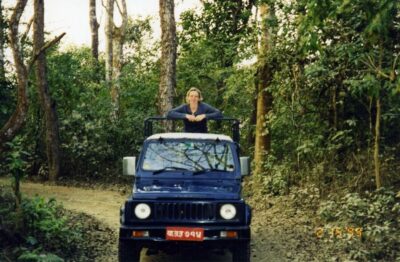
From Kathmandu/Pokhara: 3-Day All-Inclusive Chitwan Safari
Read our review →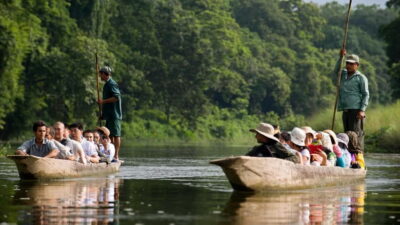
Kathmandu/Pokhara: 3 Day Chitwan Jungle Safari Tour
Read our review →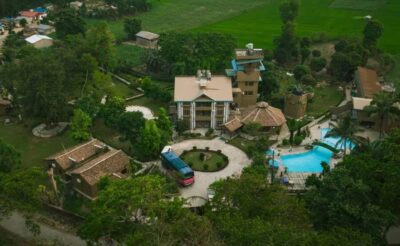
From Kathmandu/Pokhara: Private 3-Day Chitwan Safari Tour
Read our review →
2 Days Chitwan Jungle Safari Tour from Pokhara/Kathmandu
Read our review →
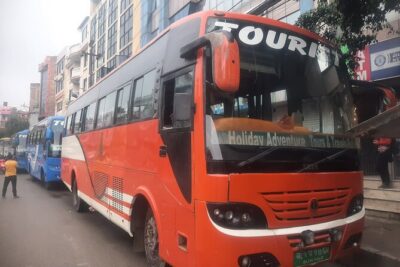
Kathmandu to Pokhara Tourist Bus Tickets reservation
Read our review →
From Kathmandu/Pokhara: 2, 3, or 4-Day Chitwan Jungle Safari
Read our review →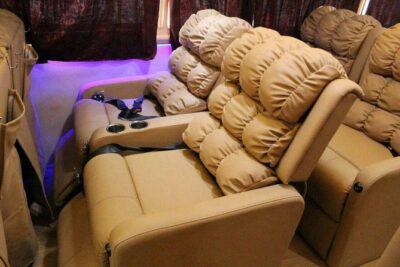
Browse the lists this tour appears in