
Reviewed · POKHARA TRIPS FROM KATHMANDU
Kathmandu to Pokhara VIP Sofa Bus Ticket
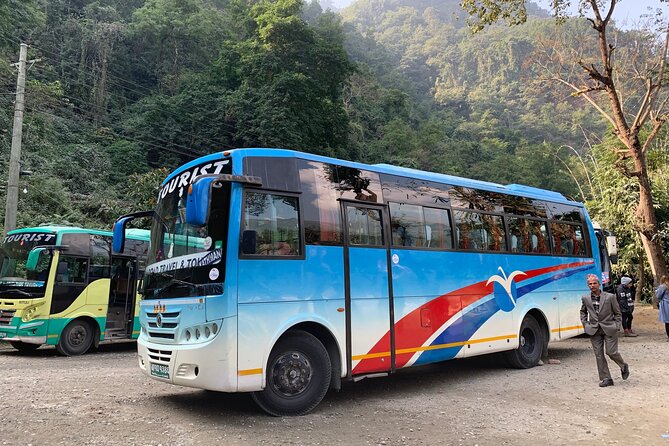
The best thing about this Kathmandu to Pokhara bus ride is that it turns a long, often tiring road journey into a reasonably comfortable way to see Nepal. The Prithvi Highway carries you through changing hills, river valleys, and roadside life, while a reclining seat, air-conditioning, USB charging, and two large bags included in the fare keep the trip practical.
I like the $12 price, which is hard to beat for a roughly 210-kilometer ride with air-conditioning and generous baggage. I also like the clear morning and evening options, especially the overnight departure for people who want to preserve a day in Pokhara. The main caution is that comfort may depend on the actual bus assigned that day. One passenger praised the seats, while another reported a dirty bus with no working recliners, so expectations should stay realistic.
In This Review
- Key points to know before booking
- Why this road trip can beat a flight
- Morning departure from Sorhakhutte
- Evening boarding near Balaju
- What the VIP sofa seat means in practice
- Air-conditioning, water, and rest stops
- Baggage allowance for Pokhara and trekking plans
- The Prithvi Highway view from your seat
- Safety, group size, and insurance
- Is $12 good value?
- Who should choose the morning bus?
- Who should choose the overnight bus?
- Booking details and cancellation
- Should you book this Kathmandu to Pokhara bus?
- FAQ
- How long does the Kathmandu to Pokhara bus ride take?
- Where does the morning bus leave from?
- Where does the evening bus board?
- When does the bus arrive in Pokhara?
- Where does the bus arrive in Pokhara?
- How much luggage can I bring?
- Are meals included?
Key points to know before booking
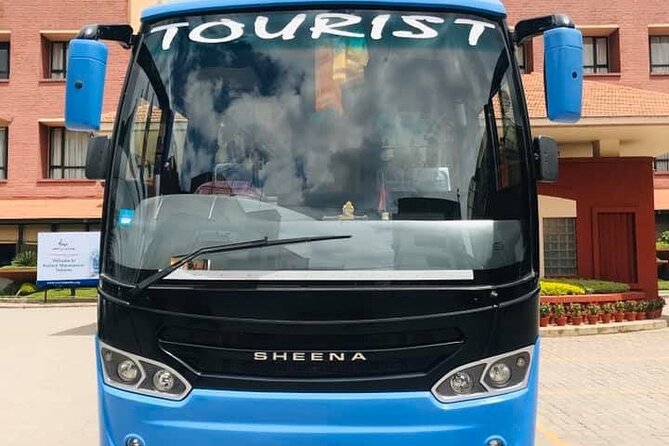
- Two useful departure choices: Leave Sorhakhutte at 7:00 AM, or board near Balaju at 7:30 PM for an overnight run.
- The morning bus reaches Pokhara around 3:00 PM: This gives you daylight for the highway and an afternoon arrival near Lakeside.
- The overnight bus arrives around 5:00 AM: It can save a hotel night or a daytime sightseeing window, though you should be ready for an early arrival.
- Reclining sofa seats include USB charging and cup holders: These small details matter on a seven-hour road trip.
- Two large bags are included: The stated allowance is up to 30 kilograms per passenger, useful for trekking gear.
- The service has a 4.7 rating from 19 ratings and 95 percent recommendation: Most feedback is positive, but the sharp difference between comfort reports is worth noting.
Why this road trip can beat a flight
Kathmandu to Pokhara is not a huge distance on a map, but Nepal’s roads make the journey take time. The bus covers about 210 kilometers and usually needs six to seven hours, with road and weather conditions affecting the schedule.
I like this option because the road itself is part of the experience. From your seat, you can watch Kathmandu give way to smaller settlements, roadside shops, river corridors, and mountain country. The scenery changes gradually, rather than appearing as a quick view from an airplane window.
You also avoid the airport routine and the need to arrange a separate transfer at the other end. The bus arrives at Pokhara’s Tourist Bus Park, close to Lakeside. From there, the supplied information says you may be able to walk to your hotel in about five minutes, depending on its exact location.
The trade-off is time. A flight is far quicker, but this bus is priced at just $12 and includes air-conditioning, water, baggage, and a seat designed for long-distance travel. If your budget matters more than speed, the value is strong.
More Pokhara trips from Kathmandu:
- From Kathmandu/Pokhara: 3-Day All-Inclusive Chitwan Safari
★ 4.6 · 133 reviews - Kathmandu/Pokhara: 3 Day Chitwan Jungle Safari Tour
★ 4.7 · 87 reviews - From Kathmandu/Pokhara: Private 3-Day Chitwan Safari Tour
★ 4.7 · 34 reviews
Morning departure from Sorhakhutte
The daytime service leaves Kathmandu from Sorhakhutte Tourist Bus Stop at 7:00 AM. You should plan to reach the departure point early enough to identify the right coach, stow your luggage, and settle into your assigned seat without a rushed start.
A morning departure makes sense if you want to see the road. The first part of the trip takes you out of Kathmandu and toward the Prithvi Highway, where the view shifts from city traffic to hills and river valleys. Exact scenery and road conditions can vary, but this is the more enjoyable choice if you want to keep your eyes open and watch Nepal pass by.
The listed arrival time is around 3:00 PM. That is an approximate schedule, not a promise. Delays can come from traffic, road work, weather, or other conditions along the route, so I would avoid booking a tight activity in Pokhara immediately after arrival.
Arriving in the afternoon is useful. You can check in, find food near Lakeside, and still have time to get oriented. If your next plan is a sightseeing tour or an adventure activity, the daytime bus gives you a full evening to prepare.
Evening boarding near Balaju
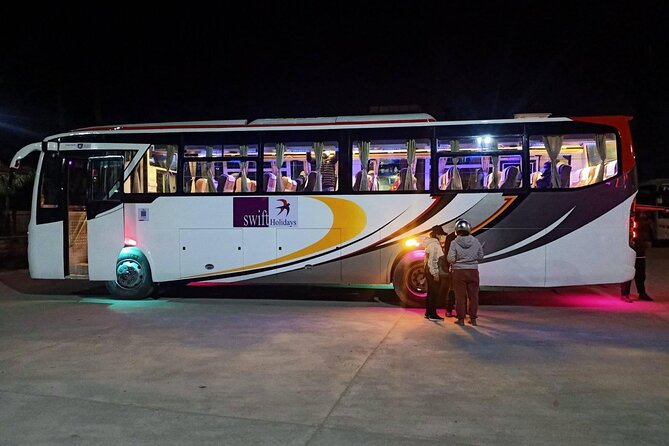
The evening service uses a different boarding arrangement. Boarding starts at 7:00 PM at Rajdhani Furniture, Balaju, Kathmandu, and the bus starts at 7:30 PM.
That half-hour distinction matters. Do not treat 7:00 PM as the departure time. It is the boarding start, while the stated bus departure is 7:30 PM. Your confirmation should be checked carefully for the exact pickup details and any instructions from the operator.
The overnight service is listed to arrive in Pokhara at around 5:00 AM. This can work well if you want to save the daylight hours for Pokhara or continue on to a morning plan. It also reduces the need to pay for a hotel night before your first full day.
The downside is obvious: 5:00 AM is early. Even a comfortable reclining seat is not the same as a proper bed, and an early arrival can leave you waiting before accommodation or an activity is ready. This option suits you best if you value time and low cost more than a restful night.
What the VIP sofa seat means in practice
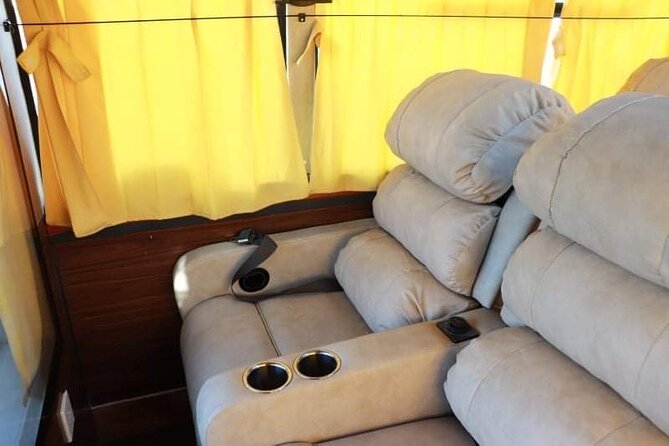
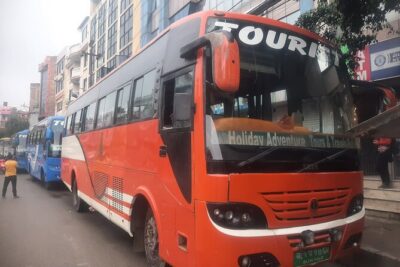
The bus is described as an Eco or VIP luxury tourist coach with spacious push-back sofa seats. These seats recline to adjustable angles, giving you more room to rest than a standard upright bus seat.
The seating setup is one of the strongest reasons to choose this service. One positive rating specifically praised the comfort of the seats, and another passenger highlighted the general comfort and timely operation. On a long, winding road, the ability to lean back can make a real difference.
Each passenger is also meant to have a USB charging port and a cup holder. Bring your own charging cable, since the service information confirms the port but does not state that cables are supplied. A charged phone is useful for maps, hotel messages, photos, and entertainment during the slower sections of the trip.
The bus also has a noise-reduction design intended to limit outside sound. That may make it easier to rest, though road noise and general bus conditions can still vary.
Here is the important balance: the equipment described is better than a basic public bus, but it is not a guarantee of a perfect coach every time. One harsh account described a dirty bus and non-reclining seats, directly conflicting with the advertised setup. I would book for the value and listed features, but keep a practical backup attitude rather than expecting a premium coach equal to a first-class airline cabin.
A few more Kathmandu tours worth comparing
- Kathmandu to Pokhara Tourist Bus Tickets reservation
★ 4.0 · 25 reviews - Kathmandu to Pokhara Bus Ticket- Sofa
★ 4.0 · 24 reviews - Full Day Ticket Access around Kathmandu Valley
★ 5.0 · 18 reviews - Kathmandu to Pokhara Premium sofa bus ticket
★ 4.0 · 17 reviews
Air-conditioning, water, and rest stops
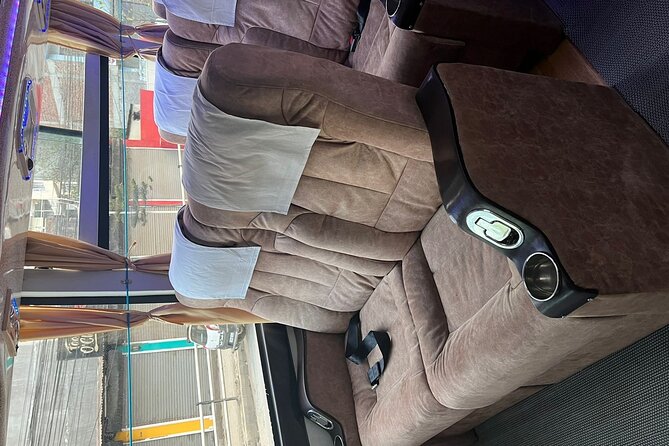
Air-conditioning is included and should make the bus more comfortable in different seasons. One passenger found the seats comfortable but said the air-conditioning was turned on slowly during the afternoon. That is a useful warning for the warmest part of the day: keep a small layer or scarf handy, but also carry water.
A complimentary bottle of water is provided. Meals and snacks are not included, so bring food you know you will want. The bus makes three scheduled stops for refreshments and restroom breaks, which helps break up the ride.
The stop locations are not specified, so I cannot tell you which one is best for food or exactly how long each stop lasts. One passenger strongly disliked the place used for lunch and felt the timing was too early, around 10:30 AM. If you are particular about food, pack something from Kathmandu and treat the stops mainly as chances to stretch, use the restroom, and buy a drink.
This is a small but useful adjustment. You do not have to depend on an early roadside meal, and you can choose what suits your stomach. Keep personal items in a small day bag rather than buried under the bus.
Baggage allowance for Pokhara and trekking plans
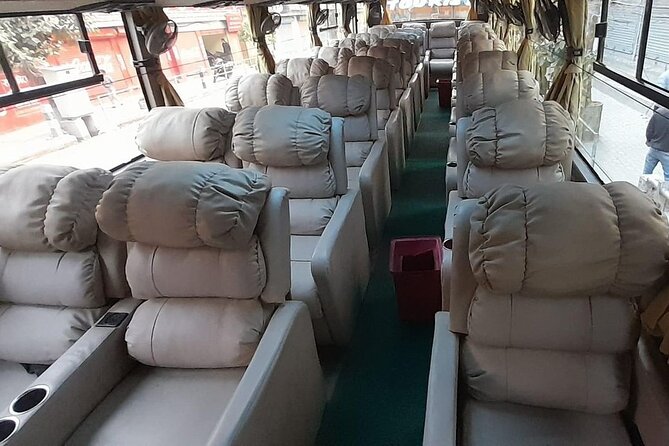
The stated baggage allowance is up to 30 kilograms per passenger, with no fee for two large bags per person. That is generous for a $12 bus ticket.
This is especially useful if you are carrying trekking equipment, winter clothes, or more than a small day pack. You should still keep valuables, medication, travel documents, electronics, and anything needed during the ride with you rather than placing them in the luggage hold.
The details do not explain how oversized items, fragile gear, or extra bags are handled. If your equipment goes beyond two large pieces or approaches the stated limit, confirm the arrangement before departure. The listed allowance is clear for two big bags, but it should not be read as unlimited storage.
The Prithvi Highway view from your seat
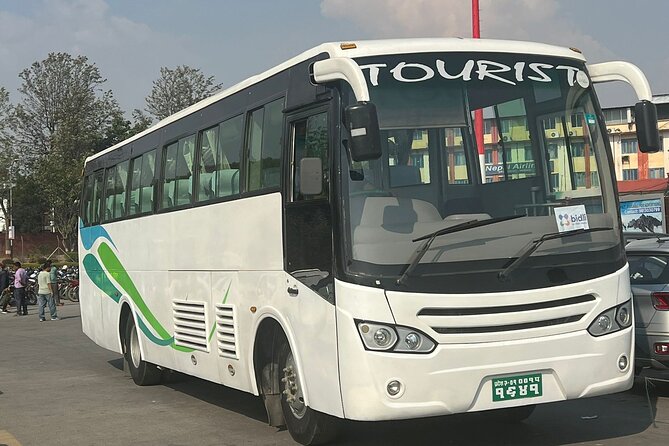
The highway between Kathmandu and Pokhara is not just a transfer route. It gives you a ground-level look at Nepal, with towns, roadside businesses, hills, and river scenery appearing along the way.
The road can be winding, and the schedule depends on conditions. If you are prone to motion sickness, choose a seat toward the front if seat selection is available and bring any usual remedy. A passenger named a specific seat request as one of the booking details handled well by Bedanidhi, the main contact for Himalayan Travel Leaders. Seat requests may not always be possible, but it is worth asking early.
The scenery is best enjoyed during the morning run. Sit by a window if you care about views, but remember that the side with the best sightline may change as the road bends. The evening bus is less about scenery and more about saving daytime hours.
This is also a chance to notice the rhythm of a long Nepali road journey. You will see the highway as a working route rather than a polished sightseeing attraction. That means traffic, stops, and delays are part of the experience.
Safety, group size, and insurance
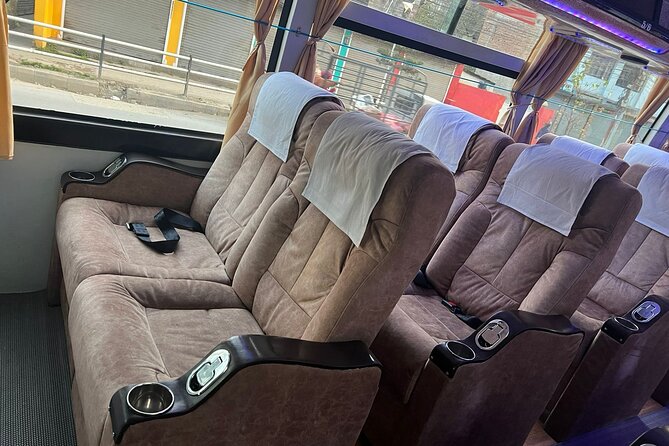
The bus carries a maximum of 31 passengers. That is small enough to keep the service more orderly than a large coach, while still allowing the operator to offer a low fare.
Experienced drivers and onboard staff are listed as part of the service. A positive rating praised the driving and punctuality, while another praised the timely, professional communication from Bedanidhi. Those are meaningful strengths on a road trip where clear timing and calm driving matter.
Accidental insurance of up to NPR 500,000 per passenger is included. This adds a useful layer of protection, but you should not treat it as a replacement for your own travel insurance. The supplied details do not explain the policy’s exclusions, claims process, or medical coverage.
Service animals are allowed, and most people can take part. The information does not give detailed accessibility specifications for the bus, boarding point, or luggage handling, so contact the operator if you need a particular arrangement.
Is $12 good value?
Yes, for most budget-minded visitors, the price is excellent. For $12 per person, you get the road transfer, an air-conditioned vehicle, reclining seating, USB charging, a water bottle, three breaks, and two large bags without an extra fee.
The value is even better if you are carrying trekking gear. Extra baggage fees can quickly erase the savings on cheaper transport, while this service includes a substantial allowance.
The price also reflects what this is not. It is not a private car, a door-to-door transfer, or a guaranteed luxury coach with airline-level consistency. You are sharing the ride with up to 30 other passengers, following fixed departure points, and accepting a schedule that can shift with road and weather conditions.
The 4.7 rating from 19 ratings and 95 percent recommendation suggest a strong overall record, but the range of individual experiences matters. The most praised points are comfortable seating, punctual service, good driving, and helpful communication. The main complaints concern one reported dirty vehicle, equipment that did not match expectations, delayed air-conditioning, and an unpopular food stop.
I would call it very good value if you judge it as a low-cost tourist bus with comfort features. I would be cautious if the word VIP makes you expect a consistently high-end vehicle.
Who should choose the morning bus?
Choose the morning departure if you want to see the Prithvi Highway and arrive in Pokhara around mid-afternoon. It suits you if the bus ride is part of your Nepal experience rather than just a way to sleep through the distance.
It is also the better choice if you dislike arriving at 5:00 AM or want to reach your hotel during normal daytime hours. You can use the afternoon to settle into Lakeside and organize your next activity.
Pack breakfast or an early snack, since the first food stop may come earlier than you prefer. Keep a sweater or light layer within reach, and do not schedule anything important with no room for delay.
Who should choose the overnight bus?
Choose the evening departure if you want to protect a daytime schedule in Pokhara. It can be practical for a short visit, especially if you are eager to start sightseeing or an adventure activity after arrival.
The cost is low, and you avoid using a daytime travel window. But an arrival around 5:00 AM can be awkward. You may need to wait before checking in, and a reclining bus seat may not provide the sleep you need.
If you sleep lightly, the morning service may be worth the lost hours. If time is tight and you can manage an early arrival, the night service is the more efficient option.
Booking details and cancellation
You receive confirmation at booking, and the ticket is mobile, so keep it easy to access on your phone. The operator is Himalayan Travel Leaders Nepal Pvt Ltd.
Free cancellation applies when you cancel at least 24 hours before the experience’s local start time. Inside that 24-hour window, the fare is not refunded, and changes are not accepted. I would confirm your preferred morning or evening service, boarding point, and any seat request before that deadline.
Should you book this Kathmandu to Pokhara bus?
I would book it if you want the lowest-cost practical transfer between the two cities, need generous luggage space, and like the idea of seeing Nepal from the road. The morning trip offers the better sightseeing experience, while the evening bus is useful when saving daytime matters most.
I would not book it expecting a flawless luxury coach every time. The strong overall score and praise for comfort, driving, punctuality, and communication are encouraging, but the serious cleanliness and recliner complaint should not be ignored.
Ask for your preferred seat early, carry snacks, keep valuables with you, and allow extra time after arrival. With those simple precautions, this is a sensible and unusually good-value way to get from Kathmandu to Pokhara.
FAQ
How long does the Kathmandu to Pokhara bus ride take?
The journey covers about 210 kilometers and usually takes six to seven hours. Road and weather conditions can affect the timing.
Where does the morning bus leave from?
The morning service departs at 7:00 AM from Sorhakhutte Tourist Bus Stop in Kathmandu.
Where does the evening bus board?
Evening boarding begins at 7:00 PM at Rajdhani Furniture, Balaju, Kathmandu. The bus starts at 7:30 PM.
When does the bus arrive in Pokhara?
The morning service is expected to arrive around 3:00 PM. The evening service is expected to arrive around 5:00 AM.
Where does the bus arrive in Pokhara?
The bus arrives at Tourist Bus Park, near Lakeside, Pokhara. The supplied information says some hotels may be about a five-minute walk away.
How much luggage can I bring?
The stated allowance is up to 30 kilograms per passenger. Two large bags per passenger are included without an additional fee.
Are meals included?
No. Meals and snacks are not included, although the bus makes three scheduled stops for refreshments and restroom breaks. Complimentary bottled water is provided.
Recently added around Kathmandu
- Kathmandu : Swambhunath & Durbar Square Guided Half Day Tour★ 3.3 · 3 reviews
- Private Day Tour in Kathmandu Valley Rim with Bhaktapur Sightseeing★ 5.0 · 3 reviews
- From Kathmandu / Pokhara / Chitwan: River Rafting – 1 Day★ 4.6 · 3 reviews
- Nepali Cooking training & Cultural Homestay Experience★ 5.0 · 3 reviews
- Private 3-Hour Nagarkot Sunset Tour from Kathmandu★ 3.5 · 3 reviews
- From Kathmandu: Everest Base Camp Landing Helicopter Tour★ 5.0 · 3 reviews
- 4 UNESSCO World heritage sites of Kathmandu-private tour★ 5.0 · 3 reviews
- From Kathmandu Budget: 15 Day Everest Base Camp Trek★ 5.0 · 3 reviews
Pokhara Trips from Kathmandu, compared.
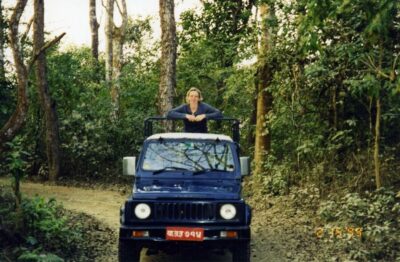
From Kathmandu/Pokhara: 3-Day All-Inclusive Chitwan Safari
Read our review →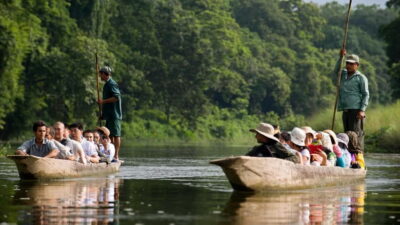
Kathmandu/Pokhara: 3 Day Chitwan Jungle Safari Tour
Read our review →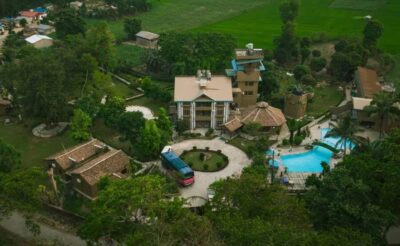
From Kathmandu/Pokhara: Private 3-Day Chitwan Safari Tour
Read our review →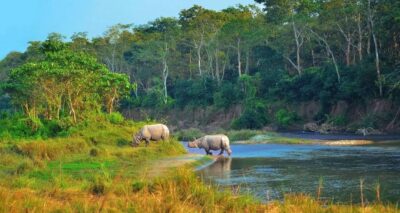
2 Days Chitwan Jungle Safari Tour from Pokhara/Kathmandu
Read our review →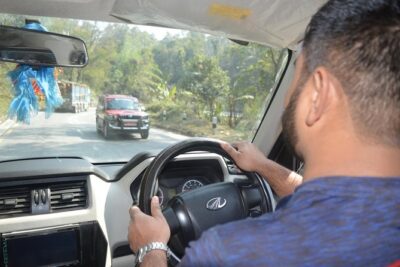
Kathmandu to Pokhara Tourist Bus Tickets reservation
Read our review →
From Kathmandu/Pokhara: 2, 3, or 4-Day Chitwan Jungle Safari
Read our review →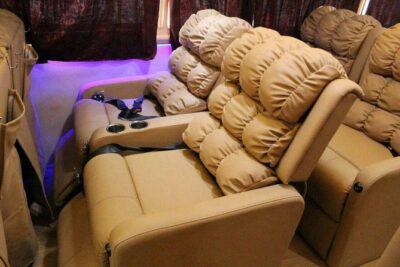
Browse the lists this tour appears in