
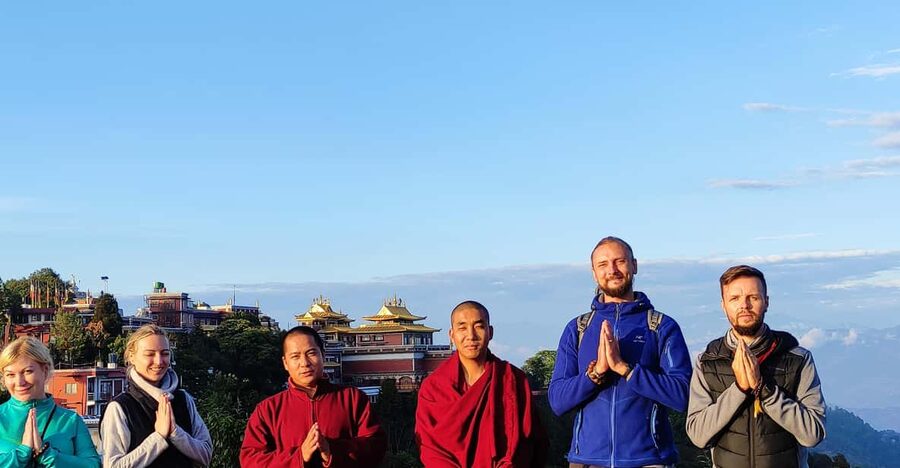
Reviewed · KATHMANDU
Live like Monk: Stay in the Nomobuddha Monastry
Namobuddha offers a rare chance to slow down beside one of Nepal’s important Buddhist sites. You hike for about three hours from Dhulikhel through hill country and small villages, then spend two nights in simple accommodation near the monastery, with vegetarian meals and scheduled visits to prayer sessions.
I like the walk from Dhulikhel, which gives the experience a proper sense of arrival instead of dropping you at the gate by car. I also like the patient help of guide Anoj, who explains the monastery, Buddhism, local nature, and Nepalese culture in clear, practical terms. The main concern is important: the accommodation may be in a guesthouse outside the monastery, and meditation or chanting with monks is not guaranteed.
In This Review
- Key points to know before booking
- What this Namobuddha stay really offers
- Leaving Kathmandu for Dhulikhel
- The three-hour walk to Namobuddha
- Arriving at the monastery area
- Prayer sessions, meditation, and changing schedules
- Eating simply with the monks
- Touring the grounds and learning the story
- Two nights in a small group
- Is $294 good value?
- Who should book this experience?
- FAQ
- How long does the Namobuddha monastery experience last?
- Where can pickup take place?
- How long is the hike from Dhulikhel to Namobuddha?
- Do I sleep inside Namobuddha Monastery?
- Are meals included?
- Is meditation with the monks guaranteed?
- Is an English-speaking guide included?
- What is the group size?
- Should you book the Namobuddha stay?
Key points to know before booking
- The three-hour hike from Dhulikhel passes through small villages and hill scenery before reaching Namobuddha.
- Accommodation is simple and may be outside the monastery, around 100 to 400 meters away, rather than inside the main monastic buildings.
- Anoj is the guide to look for, offering cultural explanations and attentive support throughout the trip.
- Vegetarian meals are included, with breakfast, lunch, and dinner provided during the stay.
- Prayer sessions may be available, but the schedule can change, and direct meditation with monks should not be assumed.
- The small group is limited to 10 people, which helps keep the walks and explanations personal.
What this Namobuddha stay really offers
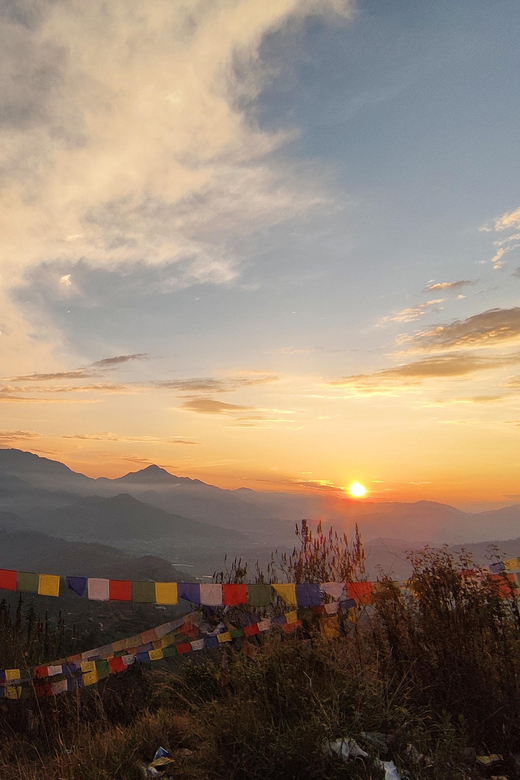
The title suggests a full monastic experience, with guests following the daily routine of monks. In practice, I would treat this as a quiet Buddhist cultural retreat with access to monastery ceremonies, not as a formal ordination-style stay.
That distinction matters. You may attend morning or late-morning prayer, eat near monks, tour the monastery, and spend time in silence. You may not receive a private meditation lesson from a monk or take part in every ritual described in the schedule. Monastery life does not run like a sightseeing attraction, and religious events can change with little notice.
For the right person, that uncertainty is part of the setting. You are visiting a working religious place, not a theater built around a visitor timetable. Still, at $294 per person, you deserve clear expectations before paying.
Other Kathmandu days people book alongside this one:
- Everest Base Camp Trek – 14 Days
★ 5.0 · 1,499 reviews - Private Kathmandu Sightseeing Tour | UNESCO World Heritage sites
★ 5.0 · 756 reviews - Everest Base Camp Helicopter Tour landing at Everest View Hotel
★ 5.0 · 668 reviews
Leaving Kathmandu for Dhulikhel
Pickup is available from Kathmandu, Lalitpur, or Bhaktapur. The private vehicle takes you toward Dhulikhel, around 30 kilometers from Kathmandu according to the planned route. This is useful if you are staying in the Kathmandu Valley and want a direct start without arranging a separate taxi.
Dhulikhel is the practical beginning of the walking section. Rather than treating it as a quick photo stop, I like seeing it as the point where the pace changes. You leave the city behind and continue on foot for about three hours.
The hike is not just transport. It takes you through hill scenery and small local settlements, giving you a closer look at everyday Nepal than a direct road transfer would. You should be comfortable walking for several hours on an outdoor route. The supplied details do not give a precise difficulty rating, trail surface, or elevation gain, so ask the operator about current conditions if those details matter to you.
A private transfer at the start and end adds value, especially for a short three-day trip. You do not lose time figuring out connections. The tradeoff is that the price is higher than a basic monastery visit or an independently arranged overnight stay.
The three-hour walk to Namobuddha
The route from Dhulikhel to Namobuddha is described as scenic, with broad views and village surroundings. I would plan this as a proper half-day walk, not a casual stroll. Wear shoes with a firm sole, carry water, and keep a light layer handy for changing hill weather.
Your guide stays with the group and handles the route. Anoj is especially important here because he does more than lead the way. He explains the religious meaning of the site, points out details around the monastery, and gives context about Nepalese nature and culture.
The walk also helps prepare you for the quiet rhythm of the stay. By the time you arrive, you have made a physical transition from Kathmandu’s traffic and noise to a slower setting. That is one of the strongest parts of the program.
The itinerary uses both Namobuddha and Nomobuddha in its wording. The destination is generally known as Namobuddha, so use that spelling when checking maps or arranging independent plans.
Arriving at the monastery area
After reaching Namobuddha, you check into simple accommodation, rest, and walk around the grounds. Here is where the marketing description needs a careful reading.
The accommodation has been described as a guesthouse near the monastery rather than a room inside the monastery itself. One guesthouse is about 100 meters away, while another may be around 400 meters away. The exact building appears to depend on availability.
That distance is not a major problem for most people. You remain close enough to walk over for ceremonies and tours, and the setting still gives you a quiet break from ordinary hotel life. But it is not the same as sleeping inside a monastic compound, sharing a dormitory with monks, or following their routine from the same building.
Rooms are twin sharing, with basic amenities and shared facilities. Pack with that in mind. This is not the place to expect a polished resort room, a wide choice of meals, or the privacy of a city hotel. The simplicity is part of the experience, but the cost makes the difference worth noting.
A completely different sort of day in Kathmandu:
- Half day cooking class in Thamel kathmandu
★ 5.0 · 607 reviews - Everest Base Camp Trekking
★ 5.0 · 485 reviews - Nagarkot Sunrise View and Day Hiking from Kathmandu
★ 5.0 · 471 reviews - Kathmandu: Full Day 7 UNESCO Tour with Lunch – Private/Group
★ 5.0 · 415 reviews
Prayer sessions, meditation, and changing schedules
The planned program includes morning and evening chanting, guided meditation, and participation in monastery practices. In actual operation, you may instead observe prayer sessions, with one reported session around 6 in the morning and another around 11.
Some stays have included ceremonies and meals near monks. Other stays have had little or no direct contact beyond eating beside them. At times, a major religious teacher may be away, or the monastery may be occupied with examinations or other preparations. Those changes can affect what you see.
I would book this for the atmosphere, access, and cultural explanation first. Treat monk-led meditation as a possibility rather than a promise. If sitting in a specific ceremony is the entire reason you are coming, ask for the confirmed schedule before departure and ask what happens if the session is canceled.
Early morning prayer requires a willing alarm clock. The 6 a.m. timing can be worthwhile, but it is not a lie-in holiday. The planned evening session can offer a calm close to the day, though the details depend on the monastery’s own routine.
Approach the religious side respectfully. Alcohol and drugs are not allowed. You should also follow the monastery’s clothing and behavior rules, even though the exact dress code is not listed in the supplied details. Modest clothing, quiet conduct, and an open attitude are sensible choices.
Eating simply with the monks
Three vegetarian meals per day are included. Breakfast, lunch, and dinner are served through the monastery kitchen, and the food has been described as tasty and fresh.
Meals are more than a convenience here. They show you one small part of monastic daily life and create a chance to sit near the monks without expecting a formal discussion. That contact may be brief, but it can feel more genuine than a staged cultural demonstration.
Do not expect a long menu or optional meat dishes. Personal snacks and extra food are not included, so bring anything small you know you need. The information does not specify dietary substitutions, so tell the operator about dietary requirements before booking.
The food also gives the program a clear rhythm: walk, eat, attend a session, rest, and reflect. For three days, that simple pattern can be refreshing. If you need constant activity or restaurant variety, it may feel too spare.
Touring the grounds and learning the story
A guided tour of the monastery grounds is included, both during the main stay and again on the final morning in the planned schedule. You learn about the site’s architecture, history, and place in Buddhist culture.
This is where a good guide makes a large difference. Anoj has been praised for being kind, prepared, and attentive, including helping when someone became ill with a stomach problem. His explanations cover Buddhism as well as Nepalese history and nature, so you get more than a walk around buildings.
The tour is also useful if religious symbols and rituals are new to you. You can ask what you are seeing and how to behave without guessing. The supplied information does not promise access to every interior space or a particular senior monk, so keep expectations measured.
Quiet time is part of the schedule. You may reflect on your own, join activities such as gardening, or study scripture if available. These options are listed as possible monastery activities, not fixed daily classes. The program works best when you are comfortable with unscheduled time.
Two nights in a small group
The group is limited to 10 participants, and the tour has an English-speaking guide. A small group suits the walking route and makes it easier to ask questions about Buddhist customs.
Two nights gives you more time than a quick day trip from Kathmandu. You can see the monastery at different times of day and avoid rushing through the grounds. It also gives you a chance to adjust to the basic accommodation and quiet routine.
Still, this is a short visit, not a long retreat. You will not become fluent in Buddhist philosophy or experience every part of monastic life in 48 hours. Think of it as an introduction with time for observation.
The return journey uses private transportation from Namobuddha back toward Kathmandu, Lalitpur, or Bhaktapur. That door-to-door structure is convenient and helps justify some of the price, especially if you value a guide and do not want to arrange the hill transfer yourself.
Is $294 good value?
At $294 per person, the price covers private transportation, the three-hour hike, two nights of twin-share accommodation, three vegetarian meals per day, the guide, monastery tours, and planned access to meditation and chanting. The package is not cheap, but it bundles the parts that can be awkward to organize independently.
I see the best value in the combination of transport, guiding, meals, and cultural interpretation. Anoj’s support appears to be a real strength. If you want someone to explain the site, manage the transfers, and help you navigate local customs, the package is more appealing.
The value is weaker if you are paying mainly for guaranteed participation in monk-led meditation or for a room inside the monastery. Those elements are not reliable enough to use as the sole basis for your decision.
The free cancellation policy allows cancellation up to 24 hours in advance for a full refund, and you can reserve now and pay later. Those terms give you some flexibility, but they do not solve the issue of a ceremony changing after you arrive. Confirm the accommodation location and activity schedule as closely as possible before setting out.
Who should book this experience?
I would recommend it to you if you want a peaceful break from Kathmandu, enjoy walking through villages, eat vegetarian food comfortably, and have genuine interest in Buddhist customs without needing a formal religious retreat.
It also suits first-time visitors to Nepal who want a short cultural trip with a guide. The private transport removes much of the planning, while the small group keeps the experience from feeling like a large coach excursion.
I would be cautious about booking if you require private facilities, dislike shared rooms, or expect a tightly controlled schedule. It is also a poor match if the phrase live like a monk means sleeping inside the monastery and joining every daily practice.
Bring patience. The best moments may be quiet ones: a hill walk, a simple meal, a view from the monastery area, or the sound of a prayer session before breakfast. The less successful moments come when the description promises more direct participation than the monastery can provide.
FAQ
How long does the Namobuddha monastery experience last?
The program lasts three days and two nights. The itinerary includes travel from the Kathmandu Valley, a hike from Dhulikhel, the monastery-area stay, and return transportation.
Where can pickup take place?
Pickup is available from Bhaktapur, Kathmandu, and Lalitpur.
How long is the hike from Dhulikhel to Namobuddha?
The hike takes about three hours. It passes through hill scenery and small local villages.
Do I sleep inside Namobuddha Monastery?
The accommodation is twin sharing and simple. It may be in a guesthouse near the monastery, around 100 to 400 meters away, rather than inside the main monastery buildings.
Are meals included?
Yes. Breakfast, lunch, and dinner are included each day, and the meals are vegetarian.
Is meditation with the monks guaranteed?
No. The program includes planned meditation and chanting, but schedules can change. You may observe prayer sessions rather than take part in direct meditation with monks.
Is an English-speaking guide included?
Yes. The experience includes a live English-speaking guide throughout the tour. Guide Anoj provides explanations about Buddhism, the monastery, Nepalese culture, history, and nature.
What is the group size?
The group is limited to 10 participants.
Should you book the Namobuddha stay?
Book it if you want a guided hill walk, simple vegetarian meals, quiet surroundings, and a chance to observe Buddhist practice at close range. The strongest reasons to go are the three-hour approach from Dhulikhel, the calm setting, the small group, and Anoj’s thoughtful cultural guidance.
Book with care if you expect a guaranteed monk-led spiritual program. Before paying, confirm whether your room is in the old or new guesthouse, ask which ceremonies are scheduled during your dates, and clarify what happens if those activities are canceled.
That small check can make the difference between a rewarding cultural stay and an expensive disappointment. Go for a respectful introduction to Namobuddha, not a promise that you will become a monk for the weekend.
Recently added around Kathmandu
- Kathmandu : Swambhunath & Durbar Square Guided Half Day Tour★ 3.3 · 3 reviews
- Private Day Tour in Kathmandu Valley Rim with Bhaktapur Sightseeing★ 5.0 · 3 reviews
- From Kathmandu / Pokhara / Chitwan: River Rafting – 1 Day★ 4.6 · 3 reviews
- Nepali Cooking training & Cultural Homestay Experience★ 5.0 · 3 reviews
- Private 3-Hour Nagarkot Sunset Tour from Kathmandu★ 3.5 · 3 reviews
- From Kathmandu: Everest Base Camp Landing Helicopter Tour★ 5.0 · 3 reviews
- 4 UNESSCO World heritage sites of Kathmandu-private tour★ 5.0 · 3 reviews
- Kailashnath Mahadev, Panauti and Namo Buddha Monastery Sightseeing★ 5.0 · 3 reviews