
Reviewed · KATHMANDU
10 Days Nepal Adventure Tour from Kathmandu
Nepal packs a lot into this 10-day circuit: Hindu and Buddhist monuments in Kathmandu, whitewater on the Trishuli River, wildlife in Chitwan, and mountain villages on the Annapurna foothills trek. You move from the busy Kathmandu Valley to the lowland jungle, then up toward Himalayan views, with a local guide handling the route and transport.
I like the variety most of all. You get real walking time in Ghandruk and Pothana, not just roadside mountain photos, and the Chitwan section includes canoeing, birding, safari activities, and a Tharu cultural performance. I also like the small group limit of 12, which should make the long drives and guided visits easier to manage.
The main drawback is the pace. Several long road journeys are built into the trip, and the Kathmandu to Chitwan and Pokhara to Kathmandu drives can take five to eight hours. You will also pay separately for most lunches and dinners, entrance fees in Kathmandu and Pokhara, trekking meals, a porter, insurance, and personal gear.
In This Review
- Key points to know before booking
- Kathmandu begins with temples, stupas, and old royal squares
- Trishuli rafting turns the transfer into an adventure
- Chitwan offers more than a single safari ride
- Pokhara adds caves, waterfalls, and lake time
- Ghandruk is the trip’s best walking section
- Ghandruk to Pothana brings forests and village views
- Dhampus and Phedi complete the mountain loop
- The long return to Kathmandu ends with a farewell meal
- What $1,080 really covers
- Who will enjoy this Nepal circuit most
- Should you book this 10-day Nepal adventure?
- FAQ
- How long is the Nepal adventure tour?
- What is the price per person?
- How large is the group?
- Which language is used by the guide?
- What UNESCO World Heritage Sites are included?
- Is rafting included?
- What activities are included in Chitwan National Park?
- Is previous trekking experience required?
- Are meals included throughout the trip?
Key points to know before booking
- Four different Nepals in one trip: Explore sacred monuments, river rapids, jungle habitats, and mountain villages within 10 days.
- A proper two-night foothill trek: Walk from Nayapul to Ghandruk, continue to Pothana, then descend through Dhampus to Phedi.
- Chitwan includes several activities: The program combines jungle safari outings, canoeing, birding, elephant bathing, and Tharu music and dance.
- Guiding is a major strength: Guides such as Pramod Pangeni and Dharma have been praised for care, route knowledge, and help during the trek.
- Expect rough patches on the road: Construction and dusty, narrow sections can make the drives tiring, despite generally passable routes.
- The price covers the big framework: At $1,080 per person, transport, guides, hotels, rafting, permits, and jungle activities are included, but daily extras still add up.
Kathmandu begins with temples, stupas, and old royal squares
Your first day is simple. A representative meets you at Kathmandu Airport, takes you to the hotel, and gives you an introduction to the trip. That transfer matters after an international flight, since Kathmandu traffic and street patterns can be a lot to take in at once.
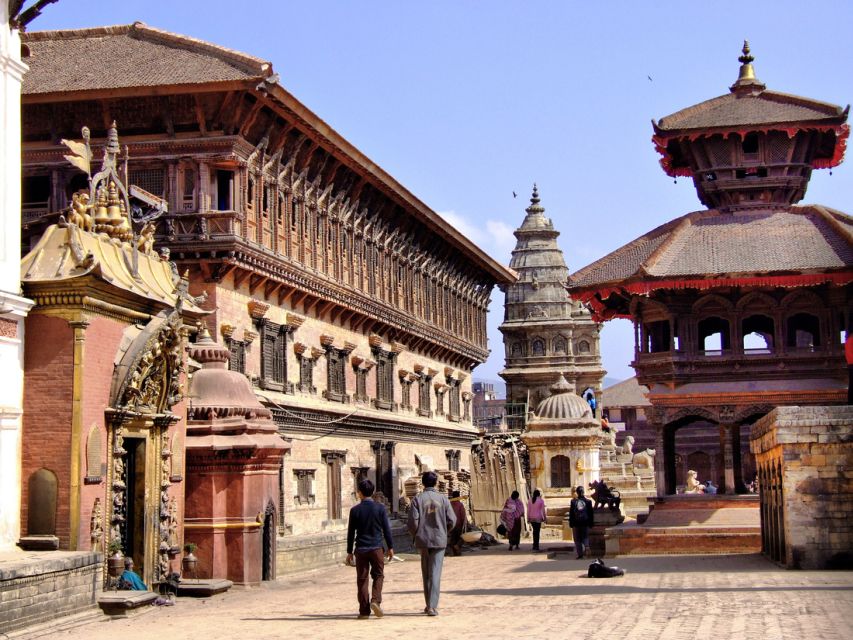
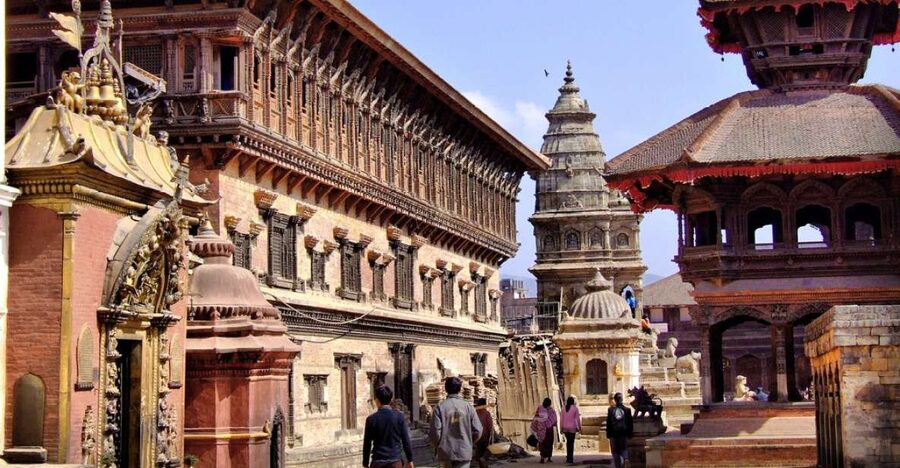
Day two gives you the cultural foundation for everything that follows. You visit Bhaktapur Durbar Square, Pashupatinath Temple, Boudhanath Stupa, and Swoyambhunath, often called the Monkey Temple. These sites show the close ties between Nepal’s Hindu and Buddhist traditions.
Bhaktapur is especially useful for seeing the Kathmandu Valley’s old urban culture, while Pashupatinath is one of the country’s key Hindu sites. Boudhanath brings a different mood, with its large Buddhist stupa and Tibetan Buddhist connections. Swoyambhunath gives you another major religious site and broad city views.
The value here depends heavily on your guide. You are not just looking at carved wood, temple roofs, and prayer sites. You need someone to explain what you are seeing and how the places function today. One past participant found some guides less proactive and wanted more information at the monuments, so I would ask questions rather than quietly follow the group.
Entrance fees for Kathmandu and Pokhara sightseeing are not included. Keep some local currency available, and treat the first full day as an active cultural visit rather than a relaxed city stroll.
Other Kathmandu days people book alongside this one:
- Everest Base Camp Trek – 14 Days
★ 5.0 · 1,499 reviews - Private Kathmandu Sightseeing Tour | UNESCO World Heritage sites
★ 5.0 · 756 reviews - Everest Base Camp Helicopter Tour landing at Everest View Hotel
★ 5.0 · 668 reviews
Trishuli rafting turns the transfer into an adventure
Day three takes you toward Chitwan, with whitewater rafting on the Trishuli River along the way. This is a smart use of a long transfer. Instead of spending the whole day in a vehicle, you get a hands-on river activity before continuing to the jungle region.
The supplied details do not give a rafting grade, trip length, or exact launch point, so ask the operator what conditions apply during your departure season. River levels can affect how active the rafting feels. You should also expect to change the rhythm of the day quickly, from road travel to water activity and then onward transport.
After reaching Chitwan, the evening includes a cultural display by the Tharu people. The Tharu are closely associated with the Terai, Nepal’s southern lowland area, and this performance gives you a chance to connect the jungle region with its local culture rather than treating Chitwan as only a wildlife stop.
You spend two nights in Chitwan, with three meals a day included at the jungle accommodation. That is one of the clearer value points in the package, since food costs are covered during this part of the journey.
Chitwan offers more than a single safari ride
Day four is the wildlife centerpiece. The program includes jungle safari activities, canoeing, birding, and bathing with elephants at Chitwan National Park. You have a full day to see the area from different angles, which is far better than squeezing wildlife into a brief morning stop.
Birding can be particularly rewarding because it slows you down. You may spot animals more easily when you are not rushing from one viewpoint to the next, and a local guide can help identify what you would otherwise miss. The jungle guide was praised for spotting many kinds of animals, which shows why local eyes matter here.
Canoeing gives you a water-level view of the park, while safari activities provide a broader look at the area. The elephant bathing activity is included in the stated program, but animal activities can change over time. I would confirm the current format and welfare standards with the operator before departure.
Chitwan is a good contrast to Kathmandu. The pace is less urban, the setting is lowland rather than mountain, and the Tharu cultural evening adds a human side to the park visit. Still, do not assume wildlife sightings are guaranteed. The value is in spending a full day with several chances to observe the park, not in checking off one particular animal.
Pokhara adds caves, waterfalls, and lake time
On day five, you drive from Chitwan to Pokhara and visit Davis Falls, Gupteshwor Caves, and a Tibetan Refugee Camp. The route links Nepal’s southern plains with its best-known mountain-view city, though this is another substantial road day.
Davis Falls and Gupteshwor Caves work well together as a short sightseeing stop. The falls give you a dramatic water feature, while the cave offers a more enclosed, geological setting. The Tibetan Refugee Camp adds a cultural and craft-related element, though the experience may include shopping pressure. One past participant disliked being directed toward certain shops and feeling pushed to buy items, so remember that you are free to browse without purchasing.
The evening is intentionally lighter. You can relax beside Phewa Lake, then return for another overnight in Pokhara. The hotels are described as well located, which matters here because lakeside access makes your limited free time more pleasant.
Pokhara is not just a pause between drives. It is your base for the mountain section and gives you a chance to recover before walking. I would use the evening for an easy lakeside walk and an early night rather than trying to fit in extra activities.
A completely different sort of day in Kathmandu:
- Half day cooking class in Thamel kathmandu
★ 5.0 · 607 reviews - Everest Base Camp Trekking
★ 5.0 · 485 reviews - Nagarkot Sunrise View and Day Hiking from Kathmandu
★ 5.0 · 471 reviews - Kathmandu: Full Day 7 UNESCO Tour with Lunch – Private/Group
★ 5.0 · 415 reviews
Ghandruk is the trip’s best walking section
Day six begins with private transport from Pokhara to Nayapul, followed by the trek to Ghandruk. This is where the tour changes from sightseeing by vehicle to travel on foot through the Annapurna Conservation Area.
Ghandruk is a Gurung village with mountain views and a strong connection to local mountain culture. The walk lets you see more than a scenic lookout. You pass through forests, villages, and changing mountain scenery while learning about the people who live in the area.
You do not need mountaineering experience. The tour asks for basic fitness and a willingness to walk, and preparation through hiking, swimming, or running is suggested. That is sensible advice. You should be comfortable walking for much of a day on uneven mountain paths, even if you are not an experienced trekker.
The two-night trek is included, but trekking meals and lodge costs are described as excluded. This is important because the headline price does not cover every cost once you leave Pokhara. A trekking porter is also not included, so you will carry your own bag unless you arrange and pay for porter support.
A guide named Dharma was praised for checking on walking progress and even carrying a backpack at times. That kind of practical care can make a real difference, but you should not count on a guide carrying your luggage. Pack light and clarify porter options before departure.
Ghandruk to Pothana brings forests and village views
Day seven continues from Ghandruk to Pothana. The route passes through forests, mountain views, and local villages, giving you a second day on foot instead of one short walk followed by a vehicle ride.
Pothana is part of the popular foothill walking area near Pokhara, and the route is designed for views and village life rather than extreme altitude. The provided information does not state the exact walking distance, elevation gain, or daily hours, so request those figures before booking if you want to judge the physical demands precisely.
The accommodation is in mountain lodges. Conditions are simpler than in the city hotels, and the package does not include all meals while trekking. Bring enough personal supplies for the walking days and budget for food, drinks, and lodge costs.
You will also want suitable clothing for changing temperatures, solid walking shoes, and a small pack. Trekking gear is not included. A passport or identification document and a passport-sized photo are listed among the items to bring, with the photo likely relevant to permit arrangements.
Dhampus and Phedi complete the mountain loop
On day eight, you walk from the Ghandruk area toward Phedi via Dhampus, then take private transport back to Pokhara. This final walking day gives you another village and mountain-view setting before returning to the comforts of the city.
The route is useful for seeing a different part of the Annapurna foothills, but it also means three consecutive days connected to trekking. Your legs may feel the effort by this point. If you are reasonably fit and enjoy walking, the route should be approachable, but do not mistake a foothill trek for a casual city outing.
Back in Pokhara, you can take an evening walk around Phewa Lake. That return to the lakeside is well timed. After mountain lodges and long walking days, a relaxed evening gives you a chance to rest, eat independently, and sort your belongings before the final road journey.
The long return to Kathmandu ends with a farewell meal
Day nine is the drive back to Kathmandu, listed as six to eight hours depending on road conditions. The road is described as smooth and new for part of the journey, but dusty and narrow in key sections, with widening work near Kathmandu.
Build patience into this day. Road conditions can change, and the drive may feel longer than the map suggests. The route is passable, and mountain views can make the journey worthwhile, but this is not a fast transfer.
After arriving, you have time for last-minute shopping in Thamel. The final evening includes a farewell dinner with Nepalese food, folk dances, and music. This is a fitting finish because the trip has covered religious sites, village culture, wildlife, and outdoor activity. You end with food and performance rather than another rushed monument visit.
Tips are not included, so budget for them. One past participant specifically noted this. You should also expect to pay for personal drinks and for lunch and dinner in Kathmandu and Pokhara.
What $1,080 really covers
At $1,080 per person, the tour offers good value if you want one organized route through several parts of Nepal. The cost includes airport pickup and drop-off, three Kathmandu hotel nights with breakfast, two Pokhara hotel nights with breakfast, two Chitwan nights with three meals, two nights on the Ghandruk trek, guides, trekking permits, rafting, transport, sightseeing support, and Chitwan jungle activities.
The strongest financial advantage is that you do not need to arrange separate transport between Kathmandu, Chitwan, Pokhara, Nayapul, Phedi, and the airport. Private vehicles are used for several transfers, while the return from Pokhara to Kathmandu is by bus. In Nepal, this transport planning saves time and reduces the stress of negotiating every leg yourself.
The exclusions need equal attention. Kathmandu and Pokhara entrance fees are extra, as are most city meals, trekking meals, trekking lodge charges, drinks, insurance, medical kits, equipment, and porter service. The phrase all meals applies to the Chitwan stay, not the full 10 days.
The package includes an English-speaking live guide and an English audio guide. The group is limited to 12 people, and free cancellation is available up to 24 hours before departure, with a reserve-now, pay-later option. Those terms make the booking more flexible, but they do not remove the need to check the exact daily start times and current transport arrangements.
Who will enjoy this Nepal circuit most
I would recommend this tour to someone visiting Nepal for the first time who wants a broad sample without planning every transfer. It suits you if you want temples, wildlife, a little adventure, and a manageable mountain walk in one holiday.
It also works well for people who value local support. Several guides are involved across the trip, and the strongest praise has focused on kindness, care, transport, and help on the trail. Guides such as Pramod Pangeni and Dharma have been singled out for professional and attentive service.
You may want a different plan if you prefer slow travel. The itinerary moves often, and two long road journeys bookend the main experiences. It may also disappoint you if your main goal is a serious Himalayan trek, since the Ghandruk section is short and designed as an introduction rather than a major expedition.
The tour is not suitable for wheelchair users or people over 95. You should also be honest about your fitness. No previous trekking experience is required, but regular walking and some preparation will make the three mountain days much more enjoyable.
Should you book this 10-day Nepal adventure?
Book it if you want a well-supported first look at Nepal’s cultural sites, lowland wildlife, and Himalayan foothills without arranging the complicated pieces yourself. The combination is the real appeal, and the $1,080 price is fair once you account for the included transport, guides, hotels, permits, rafting, and park activities.
Before paying, confirm the trekking distances, lodge standards, meals included on each walking day, current elephant activity, entrance fees, and the exact road schedule. Also ask how shopping stops are handled, since one account raised concerns about pressure to buy.
If you can accept long drives, extra daily costs, and a brisk schedule, this is a practical and varied introduction to Nepal. If you want deep time in the mountains or a slower cultural trip, choose a longer trek or a route with fewer regions.
FAQ
How long is the Nepal adventure tour?
The tour lasts 10 days, from airport arrival in Kathmandu through airport transfer on the final day.
What is the price per person?
The stated price is $1,080 per person.
How large is the group?
The tour is a small-group experience limited to 12 participants.
Which language is used by the guide?
The live tour guide and audio guide are provided in English.
What UNESCO World Heritage Sites are included?
The Kathmandu Valley sightseeing day includes Bhaktapur Durbar Square, Pashupatinath Temple, Boudhanath Stupa, and Swoyambhunath.
Is rafting included?
Yes. Whitewater rafting on the Trishuli River is included during the journey from Kathmandu toward Chitwan.
What activities are included in Chitwan National Park?
The program includes jungle safari activities, canoeing, birding, and bathing with elephants, along with a Tharu cultural performance.
Is previous trekking experience required?
No. Previous experience is not required, but you should have reasonable fitness and be comfortable walking. Training through hiking, swimming, or running is suggested.
Are meals included throughout the trip?
No. Three meals are included during the two-night Chitwan stay. Breakfast is included with the Kathmandu and Pokhara hotel stays, while Kathmandu and Pokhara lunches and dinners, along with trekking meals, are not included.
Recently added around Kathmandu
- Private Day Tour in Kathmandu Valley Rim with Bhaktapur Sightseeing★ 5.0 · 3 reviews
- Kathmandu : Swambhunath & Durbar Square Guided Half Day Tour★ 3.3 · 3 reviews
- From Kathmandu / Pokhara / Chitwan: River Rafting – 1 Day★ 4.6 · 3 reviews
- Nepali Cooking training & Cultural Homestay Experience★ 5.0 · 3 reviews
- Private 3-Hour Nagarkot Sunset Tour from Kathmandu★ 3.5 · 3 reviews
- From Kathmandu: Everest Base Camp Landing Helicopter Tour★ 5.0 · 3 reviews
- 4 UNESSCO World heritage sites of Kathmandu-private tour★ 5.0 · 3 reviews
- From Kathmandu Budget: 15 Day Everest Base Camp Trek★ 5.0 · 3 reviews