
Reviewed · KATHMANDU
Experiential Career Break trip to Nepal for Gap year and Sabbatical travelers
Nepal rarely reveals itself in one neat package, but this nine-day private journey comes close. You move from Kathmandu’s sacred stupas and market lanes to hill villages, monastery courtyards, and old Newari towns. The strongest moments are not only the famous sights. They are the slower encounters: village life in Ghimire, walking with monks near Namo Buddha, and exploring places such as Bajrayogini that many short Nepal trips skip.
I like the route’s mix of culture and walking, and I like that meals and village stays are part of the experience rather than an afterthought. At $980, the private transport, seven breakfasts, six lunches, and six dinners give the trip solid value. The catch is pace: you hike on several consecutive days, and the itinerary leaves little room for a quiet rest day until the final afternoon.
In This Review
- Key points at a glance
- What this nine-day Nepal trip is really about
- Day 1: Kathmandu’s sacred hill and old city lanes
- Day 2: Boudha prayer wheels and Bajrayogini’s local story
- Day 3: Nagarkot views and a night in Ghimire
- Day 4: Tukucha Nala and the route to Dhulikhel
- Days 5 and 6: Namo Buddha and time with monks
- Day 7: Panauti’s old temples and community craft
- Day 8: Bhaktapur’s Newari architecture
- Day 9: A free Kathmandu finish
- What $980 covers, and what it does not
- Who should book this experience?
- Should you book this Nepal career-break journey?
- FAQ
- How long is the Nepal career-break tour?
- What is included in the $980 price?
- Are travel insurance and personal expenses included?
- Is this a private tour?
- Does the tour include airport or hotel pickup?
- Can I cancel for a full refund?
Key points at a glance
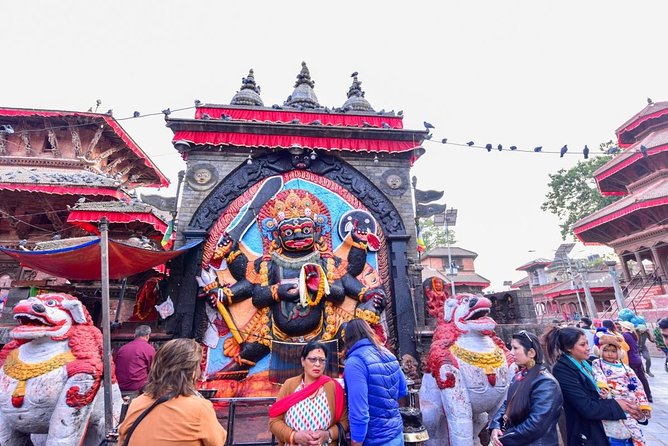
- Kathmandu beyond the main monuments: Walk from Swayambhunath through shrines, Ayurvedic shops, Asan Market, and Kathmandu Durbar Square.
- A less familiar side of the valley: Visit Bajrayogini and hike near Jarsing Pauwa, with mountain views on clear days.
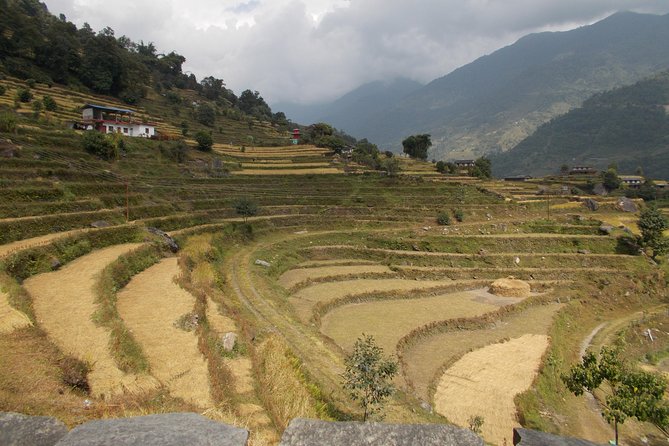
- Village life is part of the plan: Spend time in Ghimire and Tukucha Nala, including local hospitality and guided walks.
- Monastery time at Namo Buddha: Learn about meditation and daily monastic routines, then walk with monks into the nearby countryside.
- Strong heritage finish: Explore Panauti, its museum, and Bhaktapur’s famous Durbar Square.
- Private value at $980: Transport and most meals are covered, but personal spending and insurance are not.
What this nine-day Nepal trip is really about
This is best understood as a cultural career-break rather than a standard sightseeing circuit. You are not simply driven from one monument to the next. The route links temples, markets, villages, short hikes, monastery visits, and local meals into one long look at life in and around Kathmandu Valley.
The program is private, so only your group takes part. That matters in Nepal, where a flexible guide can make a market walk far more useful than a hurried stop for photographs. You can ask questions, pause at a shrine, or spend longer in a village without being tied to a large coach group.
The trip also suits a sabbatical or gap year because it gives you time to slow down. You will still cover a lot of ground, but the focus shifts from collecting landmarks to understanding how religion, farming, trade, craft, and village life fit together.
I would confirm your guide’s English ability before booking. One account connected with the operator raised a serious communication complaint, while other accounts praised the coordination, drivers, and guides. That contrast makes a clear pre-trip conversation especially important. Ask who will guide your group, how much English they speak, and who to contact during the trip.
Other Kathmandu days people book alongside this one:
- Everest Base Camp Trek – 14 Days
★ 5.0 · 1,499 reviews - Private Kathmandu Sightseeing Tour | UNESCO World Heritage sites
★ 5.0 · 756 reviews - Everest Base Camp Helicopter Tour landing at Everest View Hotel
★ 5.0 · 668 reviews
Day 1: Kathmandu’s sacred hill and old city lanes
Your first morning begins at Swayambhunath, the hilltop stupa better known as the Monkey Temple. The site dates back roughly to the fifth century and has been repaired many times. Its setting gives you an early look across Kathmandu Valley, while the shrine itself brings together Buddhist and Hindu traditions.
The visit is listed at about 45 minutes. That is enough for a first orientation, though you may wish you had longer to take in the prayer activity, shrines, and hilltop views. The visit is free, which helps keep the day’s costs down.
From there, the route becomes more local. At Shobha Bhagawati, you see a pagoda-style shrine dedicated to the Hindu goddess Bhagawati. The stop is only about 10 minutes, but it adds useful context to the religious life of Kathmandu. Nearby Bijayashwari is another brief visit, introduced by a local expert guide as a less-visited place.
The walk through Nardevi is one of the day’s most distinctive details. Ayurvedic medicine shops line the street, and the smell of herbs and natural remedies gives the lane a character that no grand monument can provide. You can look inside a shop, ask questions, or buy something if you wish.
Kathmandu Durbar Square then brings you back to the major heritage sights. This former royal center is filled with temples and shrines, and the ticket is not included. Hanuman Dhoka, the old palace museum, has an included admission and receives about 45 minutes.
You also visit Kumari Chowk, home of the Kumari, Nepal’s living goddess. Meeting her depends on timing, and she does not speak with visitors. Treat this as a brief glimpse into a living tradition, not a guaranteed personal audience.
The day ends around Asan, one of Kathmandu’s great shopping streets. Fruit, vegetables, dried goods, meat, fish, pickles, clothing, and household items fill the lanes. I like this finish because it puts daily commerce beside royal and religious history. Keep your belongings close in crowded areas, and wear shoes that are comfortable for uneven streets.
Day 2: Boudha prayer wheels and Bajrayogini’s local story
Boudhha gives you a very different mood from the old city. The great Tibetan Buddhist stupa is surrounded by monasteries and Thangka painting schools. You will hear the repeated Buddhist chant Om Mani Padme Hum and see prayer flags circling the monument.
The scheduled visit lasts about 30 minutes, which works as an introduction but may feel brief if you want to watch the ritual life around the stupa. The attraction is free, and the surrounding monasteries provide extra interest beyond the central monument.
Next comes Bajrayogini, a one-hour visit that fits the tour’s promise of less familiar places. The name joins vajra, meaning strong or powerful, with yogini, a female yogic figure. Your local guide explains the area’s traditional story and points out the physical evidence connected with it.
That local explanation is the reason to visit. Without context, a smaller temple can seem like just another stop. With a guide who knows the story, the site becomes a way to understand how local belief is tied to place.
The day also includes a hike toward Jarsing Pauwa, a hill station near Kathmandu. The listed walk is about an hour, with views toward the Himalayas and surrounding hills when conditions are clear. Mountain visibility is never guaranteed, so judge the walk by its village and hill setting as well as by the promise of distant peaks.
Day 3: Nagarkot views and a night in Ghimire
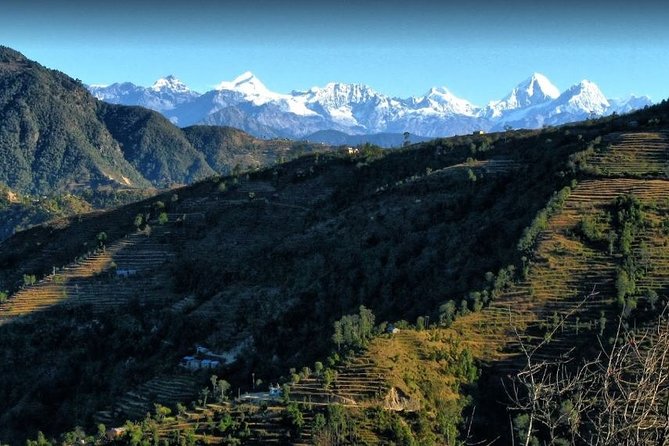
The Nagarkot Panoramic Hiking Trail takes you through villages, terraced fields, wooded sections, and hill country. It is a welcome change after the tight streets of Kathmandu. The listed hiking time is about an hour, but the actual day also includes transfers and time at the destination.
Nagarkot is known for broad mountain views and sunset. Clear weather makes a major difference. If clouds cover the peaks, the walk still gives you a rural view of the valley, but you should not book this trip solely for a guaranteed Himalayan panorama.
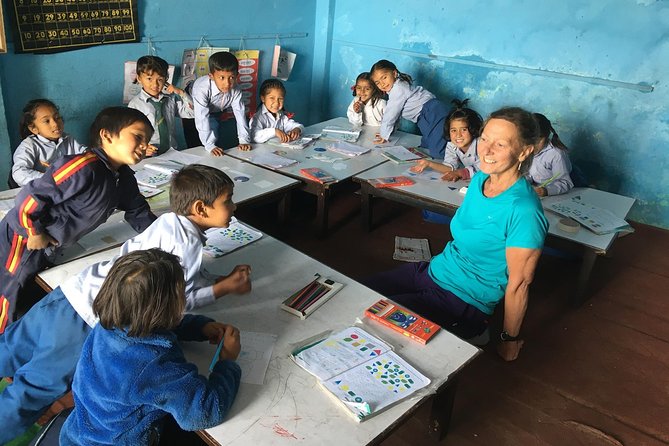
The special part of Day 3 is Ghimire village. After sunset in Nagarkot, you hike to the foothill settlement and spend about three hours with local residents. This is not a quick photo stop. You are given time to experience village routines and receive a friendly welcome.
For a career-break trip, this is one of the most useful sections. You get a chance to shift your attention away from monuments and toward ordinary life. The tradeoff is comfort. Village hospitality may be simpler than a city hotel, and the evening hike means you should carry only what you need and keep a small light layer handy.
A completely different sort of day in Kathmandu:
- Half day cooking class in Thamel kathmandu
★ 5.0 · 607 reviews - Everest Base Camp Trekking
★ 5.0 · 485 reviews - Nagarkot Sunrise View and Day Hiking from Kathmandu
★ 5.0 · 471 reviews - Kathmandu: Full Day 7 UNESCO Tour with Lunch – Private/Group
★ 5.0 · 415 reviews
Day 4: Tukucha Nala and the route to Dhulikhel
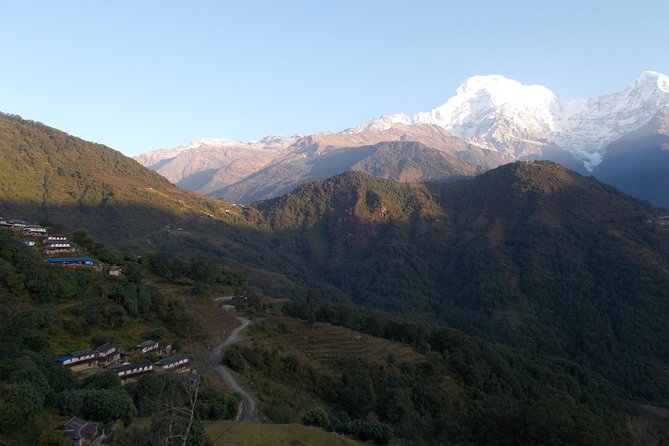
Day 4 is one of the longest walking days. At Tukucha Nala, local people guide you around a monastery, historic temples, and less-visited places near the village. The program allows about five hours here, so the day is built around conversation, observation, and walking rather than a quick checklist.
This is another place where the quality of the local guide matters. The value comes from explanations about the monastery and temples, not merely from seeing their roofs and courtyards. You may also find that the route feels more personal because it avoids the usual city circuit.
Later, you hike from Nagarkot toward Dhulikhel by way of villages and green hill country. The listed time is three hours. On a clear day, mountain views appear in the distance.
The combination of a five-hour village visit and a three-hour hike demands reasonable fitness. The itinerary does not describe the trail grade, so ask the operator for current conditions if you have knee, balance, or stamina concerns. Most people can take part, but this is not a sit-back-and-watch tour.
Days 5 and 6: Namo Buddha and time with monks
Namo Buddha is the spiritual center of the trip. You hike there from Dhulikhel and spend about four hours learning about life at Thrangu Tashi Yangtse Monastery. The setting is quiet, and the emphasis is on time at the monastery rather than a quick photograph from outside.
You return the next morning for a longer six-hour program. The day starts with a mountain-view descent to a nearby village and a morning walk with monks. You then return to the monastery to learn about daily routines, including meditation.
I like the two-day structure. A short monastery stop can feel staged and hurried. Returning the next morning gives you time to adjust to the setting and understand more about the rhythm of monastic life. Dining with monks is part of the experience described for this journey, adding a human element to the religious visit.
You should approach this section respectfully. It is not a performance arranged for entertainment. Listen carefully, follow local instructions, and expect quiet periods. The itinerary lists no included admission fee, but meals are covered in the overall package, with six lunches and six dinners included across the trip.
Day 7: Panauti’s old temples and community craft
Panauti is a historic Newari town with temples dating to the 15th century. The route gives you about three hours to explore its streets, homes, and religious buildings. Around 40 temples are associated with the town, so the appeal is not one single landmark. It is the way the town’s buildings and shrines sit together.
The Panauti Museum occupies part of Indreshwor Temple. You spend about two hours there, examining stone and woodwork developed by local craftspeople. The museum admission is included.
Panauti is a good counterpoint to Bhaktapur. Bhaktapur is grand and famous. Panauti feels smaller and more intimate. You can pay attention to door carvings, temple details, and street layout without the same sense of being swept through a major sightseeing center.
Day 8: Bhaktapur’s Newari architecture
Bhaktapur, the City of Devotees, provides the final major heritage day. You have about three hours to explore the old town and another two hours at Bhaktapur Durbar Square.
The town offers food, tradition, homes, temples, and street life in one compact area. The square’s main architectural prize is Nyatapola, a five-story temple that dominates the setting. Admission to the square is included.
This is a strong ending because you can now read more into the architecture. After Swayambhunath, Kathmandu Durbar Square, Panauti, and the village visits, Bhaktapur is not just another collection of old buildings. You have seen how religion and community life continue around these places.
Allow time for uneven paving and crowded lanes. The schedule is generous enough for a proper walk, but the town can still feel busy after the quieter monastery days.
Day 9: A free Kathmandu finish
The final day is intentionally open. You have about two hours to spend as you wish, perhaps returning to a favorite area, visiting local shops, or buying souvenirs.
I see this free time as a practical feature, not an empty space. After eight full days of temples and hikes, you may want a slower morning. You can also use it to handle personal shopping without squeezing it into a busy sightseeing day.
What $980 covers, and what it does not
The $980 price includes private transportation, taxes and fees, seven breakfasts, six lunches, and six dinners. For a private nine-day trip, that is a useful bundle. You are paying for a full route with a driver, local guiding, several walks, village contact, monastery time, and heritage admissions on selected days.
The value is strongest if you would otherwise need to arrange multiple short tours and transfers yourself. The private format also gives you more control than a large group itinerary.
Not everything is covered. Travel insurance and personal expenses are excluded. Kathmandu Durbar Square admission is also listed separately from the included Hanuman Dhoka and Bhaktapur admissions. Bring a budget for souvenirs, optional purchases, and any entrance or food costs not covered by the package.
Who should book this experience?
I would recommend it to you if you want Nepal’s culture and spiritual life as much as its mountain views. It suits people on a career break, sabbatical, or gap year who prefer a meaningful route with local contact over a standard city tour.
It is also a good match for a private group that wants a mix of guided structure and personal time. The itinerary includes enough variety to keep nine days interesting: markets, museums, temples, hill walks, village life, and monastic study.
I would hesitate if you want a slow holiday with frequent late mornings. The program is active, and Days 3 through 6 contain several hikes and long outings. I would also think twice if your main goal is high-altitude trekking. This trip offers hill walks and mountain views, but it is primarily a cultural journey around Kathmandu Valley.
The operator offers free cancellation up to 24 hours before the start time. Changes or cancellations inside that window are not accepted for a refund. Since guide communication is important here, use the time before that deadline to confirm the guide, language ability, pickup details, walking expectations, and sleeping arrangements.
Should you book this Nepal career-break journey?
Book it if you want to meet Nepal through temples, markets, villages, and monks rather than race between headline sights. The best value comes from the unusual combination of Bajrayogini, Ghimire, Panauti, and the two-day Namo Buddha visit.
Skip it if you need a clearly slow pace, detailed trail information, or a guaranteed English-speaking guide without confirming first. For the right person, though, this is a thoughtful and unusually varied way to spend nine days in Nepal, with enough structure to make the trip easy and enough local contact to make it personal.
FAQ
How long is the Nepal career-break tour?
The experience lasts approximately nine days, with activities scheduled from Day 1 through Day 9.
What is included in the $980 price?
The price includes private transportation, all fees and taxes, seven breakfasts, six lunches, and six dinners.
Are travel insurance and personal expenses included?
No. Travel insurance and personal expenses are not included.
Is this a private tour?
Yes. Only your group participates in the activity.
Does the tour include airport or hotel pickup?
Pickup is offered, but the provided information does not specify the exact pickup location or timing. Confirm those details before arrival.
Can I cancel for a full refund?
Yes, if you cancel at least 24 hours before the experience starts. Cancellations or changes made less than 24 hours in advance are not accepted for a refund.
Recently added around Kathmandu
- Kathmandu : Swambhunath & Durbar Square Guided Half Day Tour★ 3.3 · 3 reviews
- Private Day Tour in Kathmandu Valley Rim with Bhaktapur Sightseeing★ 5.0 · 3 reviews
- From Kathmandu / Pokhara / Chitwan: River Rafting – 1 Day★ 4.6 · 3 reviews
- Nepali Cooking training & Cultural Homestay Experience★ 5.0 · 3 reviews
- Private 3-Hour Nagarkot Sunset Tour from Kathmandu★ 3.5 · 3 reviews
- From Kathmandu: Everest Base Camp Landing Helicopter Tour★ 5.0 · 3 reviews
- 4 UNESSCO World heritage sites of Kathmandu-private tour★ 5.0 · 3 reviews
- From Kathmandu Budget: 15 Day Everest Base Camp Trek★ 5.0 · 3 reviews