
Reviewed · KATHMANDU
Gurkha Knife Making
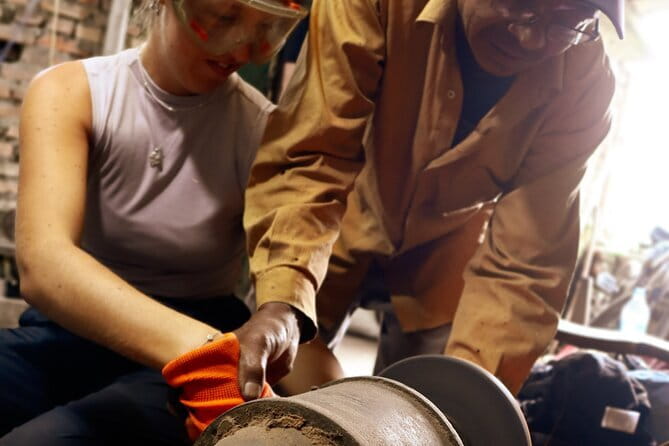
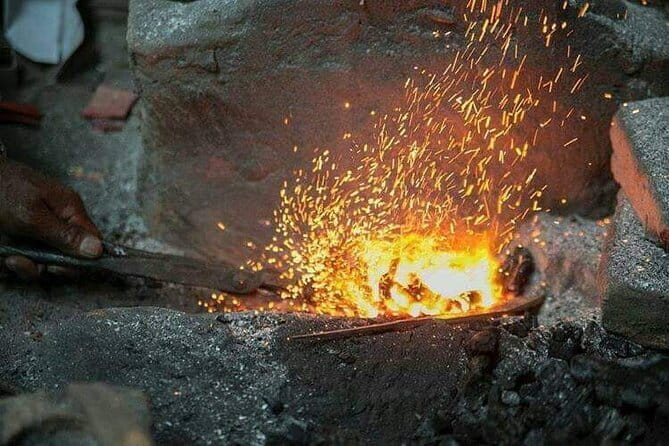
The remarkable part of this Kathmandu experience is that you do not simply buy a Gurkha knife. You help make one. In a small forge, a local craftsman guides you through the work, from shaping metal to fitting an Indian rosewood handle and stamping your initials on the blade.
I like the hands-on nature, especially the chance to work with a long-time knife maker rather than watch a polished demonstration. I also like the tiny group size, with no more than four people, plus the relaxed tea-and-cookies break. The main consideration is that this is an early-morning activity, and the listed operating window does not perfectly match the approximate four-hour duration, so confirm the exact start time before you go.
In This Review
- Key details before you book
- Why making a Gurkha knife is different from buying one
- Meeting at Garden of Dreams in Kathmandu
- Inside the small forge
- From scrap metal to a finished kukri
- Tea, cookies, and a friendly pace
- What the 100-year guarantee means for value
- A good choice for solo visitors and small groups
- Practical planning for the morning
- The strongest parts of the experience
- Should you book Gurkha Knife Making?
- FAQ
- Where does the Gurkha Knife Making experience begin?
- Where does the activity end?
- How long does the experience last?
- What days is the experience available?
- What time does the experience operate?
- How many people can join?
- Do I make my own Gurkha knife?
- Is the activity suitable for most people?
- Can I cancel for a full refund?
Key details before you book
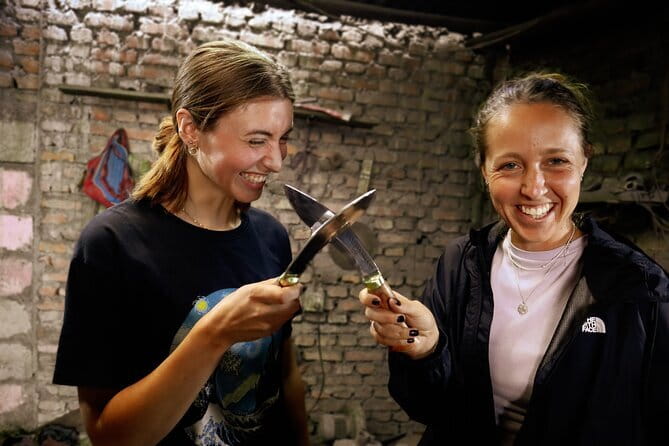
- Make a kukri from metal: You take part in the blacksmithing process instead of leaving with a factory-made souvenir.
- Work with local makers: Craftsman Indra and hosts including Aayam and Aachal are named in the experience details.
- Stamp your initials: The finished blade gets a personal mark, turning it into a one-off keepsake.
- Small groups only: The maximum group size is four, which allows close help at the forge.
- Tea, cookies, and a 100-year guarantee: The session mixes practical work with a friendly break, and each knife comes with a long guarantee.
- Easy central meeting point: Pickup is offered, with the stated meeting point at Garden of Dreams in Kathmandu.
Why making a Gurkha knife is different from buying one
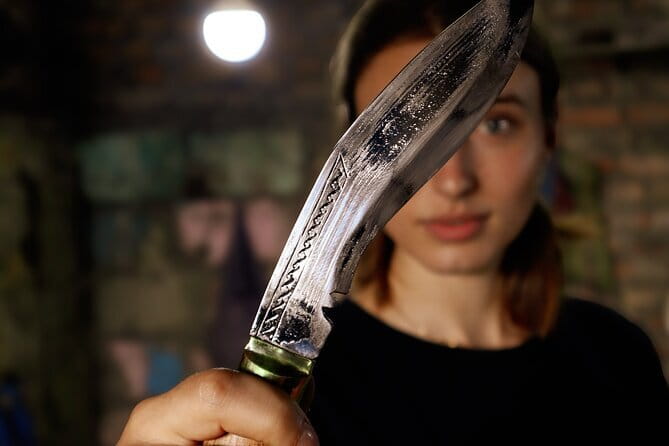
Kathmandu has no shortage of souvenirs, from prayer flags to carved wood and wool goods. This experience gives you something with a stronger personal link to the city: a knife you helped shape yourself.
The kukri, also written khukuri, is closely linked with the Gurkha warriors of Nepal. The session sets the craft against that story of strength, service, and resistance, but it is not presented as a museum lecture. You learn through the work, with the knife taking shape in front of you.
That distinction matters. A shop-bought kukri may look impressive, but you will remember where the metal was heated, how the shape changed, and the moment your initials went onto the blade. The experience gives the object a story you can explain when you take it home.
The activity also offers a glimpse into a working blacksmith tradition. The setting is described as a small forge, and the teaching comes from a local knife maker and apprentice rather than from a large commercial workshop. That can make the session feel personal and direct, though it also means you should expect a simple working environment, not a visitor center with displays and polished exhibits.
Other Kathmandu days people book alongside this one:
- Everest Base Camp Trek – 14 Days
★ 5.0 · 1,499 reviews - Private Kathmandu Sightseeing Tour | UNESCO World Heritage sites
★ 5.0 · 756 reviews - Everest Base Camp Helicopter Tour landing at Everest View Hotel
★ 5.0 · 668 reviews
Meeting at Garden of Dreams in Kathmandu
The stated meeting point is Garden of Dreams on Tridevi Sadak, Kathmandu 44600. Pickup is offered, but the published starting point remains Garden of Dreams, so check the pickup arrangement when you book.
This is a useful place to begin because it gives you a clear landmark in central Kathmandu. You should arrive ready for an early start. The listed operating hours run Monday through Sunday, from 7:15 AM to 10:15 AM, while the activity itself is described as lasting about four hours.
That timing deserves attention. A session starting at 7:15 AM and lasting four hours would finish later than the published 10:15 AM end of the operating window. This may simply reflect a booking window or a data error, but I would ask for the precise meeting time before setting your morning plans.
The activity ends back at the meeting point. That return is handy if you want to continue sightseeing in central Kathmandu afterward, though the exact finish time may vary with the work and the agreed start.
Inside the small forge
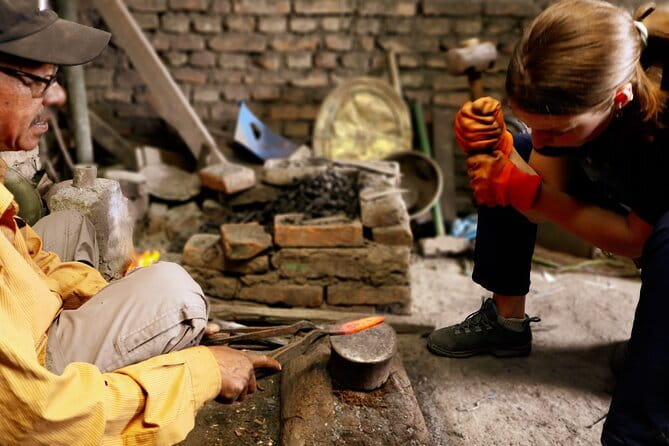
The heart of the morning is the forge itself. You work with a local knife maker who explains the process and helps you take part. The available details describe the knife as being made from scrap metal, adding an appealing sense of transformation: an ordinary piece of material becomes a useful and carefully finished blade.
You should not expect to complete every difficult task without help. Blacksmithing involves heat, force, timing, and experience. Your role is hands-on, but the craftsman remains central to the process. That balance is one of the activity’s strengths. You get to participate in something most people only see in films or demonstrations, while a skilled maker helps keep the work moving.
The teaching style appears friendly and informal. The hosts are there to explain and translate where needed, and Aayam is specifically named as a guide who keeps the session social and light. Aachal is also named as a host who made the experience welcoming and fun for a solo participant.
Language help can make a real difference in a forge. You may understand the broad steps quickly, but small instructions about how to hold, turn, or mark the metal are easier when someone is close by to explain them clearly.
From scrap metal to a finished kukri
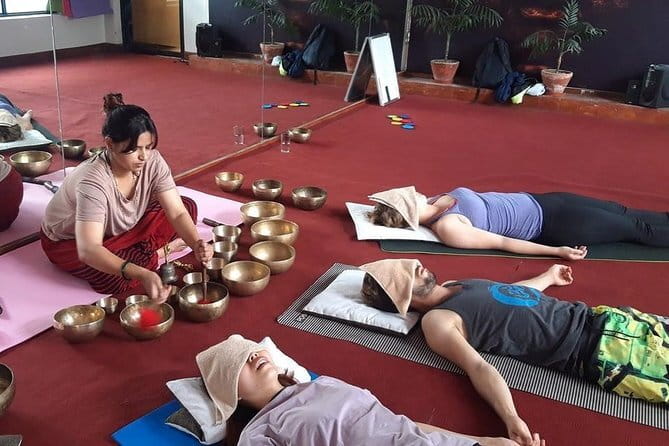
The exact order of each task can vary, but the published description and participant accounts give you a clear picture of the process. You take part in making the knife, work toward a kukri shape, choose or work with Indian rosewood for the handle, and add your initials to the blade.
The material is part of the appeal. Indian rosewood gives the handle a warm, handsome finish and makes the piece feel more like a lasting object than a rough workshop project. The handle is not just decoration. It is the part you hold, so it changes how the finished knife feels in your hand.
The initials are a small but smart touch. They give you a personal way to mark the blade without turning the experience into a generic souvenir. If you are buying the knife as a gift, the initials could make it more meaningful, provided you are comfortable choosing the mark in advance.
The final result is described as a high-quality knife, but you should keep the right expectation. This is a short, four-hour craft session, not a multi-week apprenticeship. You are taking part in a professional maker’s process, with guidance and assistance, rather than learning every stage of knife production in full technical detail.
A completely different sort of day in Kathmandu:
- Half day cooking class in Thamel kathmandu
★ 5.0 · 607 reviews - Everest Base Camp Trekking
★ 5.0 · 485 reviews - Nagarkot Sunrise View and Day Hiking from Kathmandu
★ 5.0 · 471 reviews - Kathmandu: Full Day 7 UNESCO Tour with Lunch – Private/Group
★ 5.0 · 415 reviews
Tea, cookies, and a friendly pace
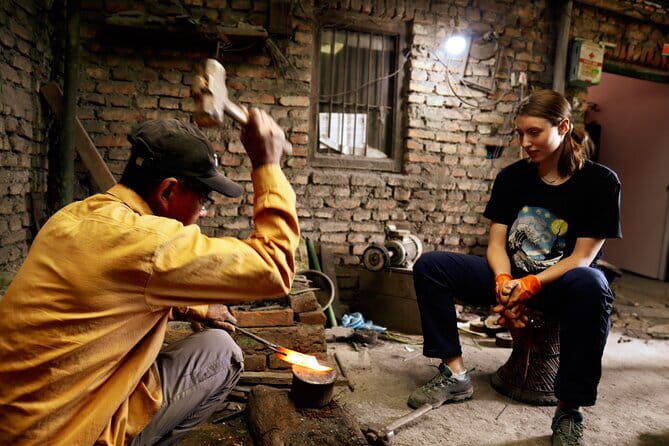
The tea and cookies may sound like a small detail, but they help set the tone. A forge session can be physical and focused, so a pause gives you time to talk with the makers, look at the work, and enjoy the social side of the morning.
The atmosphere is meant to be welcoming to everyone. That includes solo participants and small groups. The maximum of four people is especially useful here. In a larger class, you might spend more time waiting for a turn or watching from the edge. With four or fewer, you have a better chance to ask questions and get direct help.
The friendly style is one of the strongest reasons to choose this activity. The local smith and apprentice are described as warm and good teachers, while the guide helps with communication and keeps things relaxed. This is not a silent production line. You are encouraged to take part, ask questions, and enjoy the process.
The experience is also presented by Queermandu, or Gay Tours Nepal, and it supports the queer community in Nepal. For visitors who want to spend money with an LGBTQ-focused local provider, that adds a meaningful social reason to book.
What the 100-year guarantee means for value
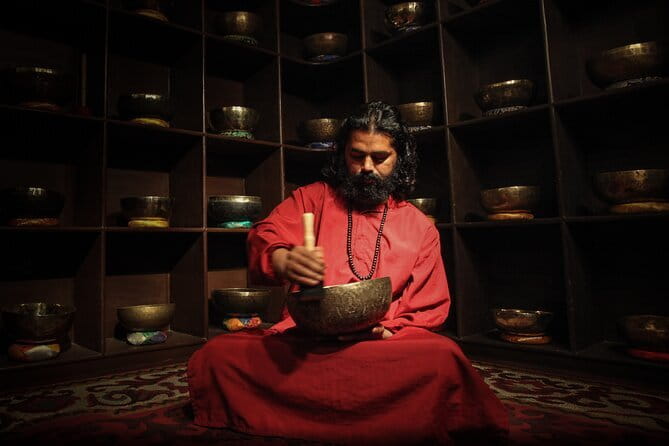
At $66 per person, this is not the cheapest souvenir activity in Kathmandu. You could buy a knife for less, especially if your only goal is to take home a blade with a traditional shape.
The value comes from the combination of craft, instruction, personal participation, and the finished object. You get roughly four hours of attention in a group capped at four people. You also leave with a knife made through a process you helped shape, a rosewood handle, and your initials on the blade.
The 100-year guarantee is another unusual feature. It signals that the makers expect the knife to last and are willing to attach a long promise to the work. You should ask for the exact terms if the guarantee matters to you, since the supplied information does not explain what it covers or how a future claim would be handled from outside Nepal.
I would consider the price fair for someone who values a craft workshop and a personal souvenir. I would not choose it solely as a cheap way to acquire a kukri. The activity earns its price through the time spent with the smith and the memory attached to the knife.
A good choice for solo visitors and small groups
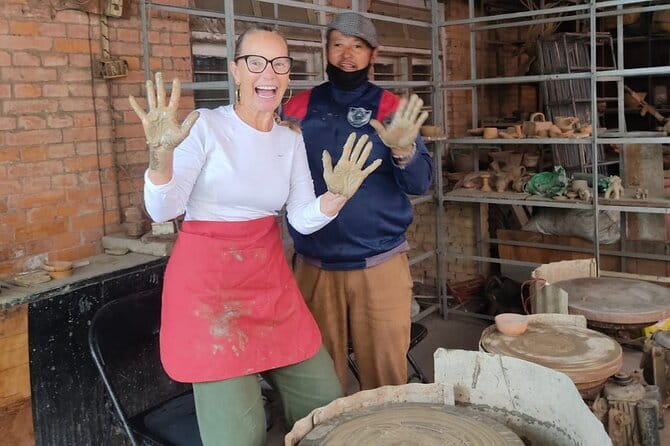
This is one of the better formats for a solo visitor. You do not need a large party to make the morning worthwhile, and the guide can help with conversation and translation. A solo participant also gets the chance to focus closely on the work without coordinating a large group.
Couples and small family groups should also find the format easy. With only four spaces, everyone gets a more direct role. Friends can compare their finished knives, though each person will need to decide whether they want the same style of initials or a different mark.
The activity suits people who enjoy making things, local history, and unusual souvenirs. It also works for anyone who wants a break from sightseeing. After several days of temples, streets, and viewpoints, standing at a forge and doing something with your hands can reset the pace of your trip.
It is less suitable if you want a passive morning, dislike workshop settings, or have no interest in taking a knife home. The session centers on the making process, so the finished object is not an optional extra. You should also be comfortable with an early appointment and a practical, hands-on environment.
The information says most people can participate, but it does not give detailed accessibility notes. If you need specific arrangements, ask the provider before booking.
Practical planning for the morning
Confirmation is provided at booking, and the activity has free cancellation up to 24 hours before the start time. If you cancel less than 24 hours before the experience, you will not receive a refund, and changes inside that period are not accepted.
The published availability runs from March 22, 2024, through December 15, 2026, Monday through Sunday. Since the experience starts early and the duration is approximately four hours, keep the rest of your morning flexible.
Pickup is offered, but the listed start and end point is Garden of Dreams. Confirm the exact pickup instructions, start time, and finish time. This is especially important because the stated 7:15 AM to 10:15 AM opening window is shorter than the advertised four-hour session.
The activity has a mobile ticket, so you can keep the booking details on your phone. Confirmation arrives at the time of booking, which is helpful for a small-capacity experience that averages booking about nine days ahead.
The strongest parts of the experience
The most convincing feature is the direct contact with the maker. You are not just shown a finished kukri. You see how the work progresses and take part under supervision.
The second strength is the human side. Aayam, Aachal, and the local smith are associated with a friendly, supportive style, and the translation help can make the instruction easier to follow. That matters in a craft setting where a quick explanation may be more useful than a long speech.
The small group cap of four is also a real advantage. It keeps the session from feeling like a factory visit and gives each person a better chance to work with the tools and materials.
Finally, the knife itself is a strong souvenir. The Indian rosewood handle, initials on the blade, and 100-year guarantee give it more substance than a standard purchase from a market stall. You still need to check how you will pack and transport a knife for your onward journey, as the supplied details do not explain shipping or airline rules.
Should you book Gurkha Knife Making?
Book it if you want a personal Kathmandu experience with a physical result at the end. The combination of a local smith, a four-person maximum, hands-on metalwork, tea and cookies, and a customized kukri gives you something far more memorable than ordinary souvenir shopping.
I would especially recommend it to solo visitors, couples, small groups, and anyone interested in blacksmithing or Nepal’s Gurkha tradition. The price makes sense when you value the instruction and the story behind the knife, not just the object itself.
Think twice if you want a quick activity, prefer a formal museum presentation, or are unsure about taking a blade home. Also confirm the early start and the four-hour timing before booking. For the right person, this is a rare chance to leave Kathmandu with a useful object that carries your own mark and a clear memory of how it was made.
FAQ
Where does the Gurkha Knife Making experience begin?
The stated meeting point is Garden of Dreams, Tridevi Sadak, Kathmandu 44600, Nepal. Pickup is offered, so confirm the exact arrangement when booking.
Where does the activity end?
The activity ends back at the meeting point.
How long does the experience last?
The session lasts approximately four hours.
What days is the experience available?
It is listed as available Monday through Sunday.
What time does the experience operate?
The published opening hours are 7:15 AM to 10:15 AM. Because the activity is described as approximately four hours, confirm your exact start and finish times before booking.
How many people can join?
The maximum group size is four participants.
Do I make my own Gurkha knife?
Yes. You take part in creating an authentic Gurkha knife, including work with the metal, an Indian rosewood handle, and stamping your initials on the blade.
Is the activity suitable for most people?
The information states that most participants can take part. Detailed accessibility information is not provided, so ask the provider about any specific needs.
Can I cancel for a full refund?
Yes, if you cancel at least 24 hours before the experience start time. Cancellations or changes made less than 24 hours in advance are not refunded or accepted.
Recently added around Kathmandu
- Private Day Tour in Kathmandu Valley Rim with Bhaktapur Sightseeing★ 5.0 · 3 reviews
- Kathmandu : Swambhunath & Durbar Square Guided Half Day Tour★ 3.3 · 3 reviews
- From Kathmandu / Pokhara / Chitwan: River Rafting – 1 Day★ 4.6 · 3 reviews
- Nepali Cooking training & Cultural Homestay Experience★ 5.0 · 3 reviews
- Private 3-Hour Nagarkot Sunset Tour from Kathmandu★ 3.5 · 3 reviews
- From Kathmandu: Everest Base Camp Landing Helicopter Tour★ 5.0 · 3 reviews
- 4 UNESSCO World heritage sites of Kathmandu-private tour★ 5.0 · 3 reviews
- From Kathmandu Budget: 15 Day Everest Base Camp Trek★ 5.0 · 3 reviews