
Reviewed · MARKETS
Kathmandu Food Crawl & Market Tour
Kathmandu’s best food experiences often happen in places you could walk past without noticing. This two-hour crawl takes you from Chhaya Center into Ason Bazar, the city’s oldest local market, where narrow passages, food stalls, craft shops, and everyday trade all mix together. Guide Santosh Pandey leads you to local eating spots and explains what is on your plate.
I like two things right away. First, you get more than a meal: the tour connects food with Newar traditions, religion, local commerce, and family habits. Second, the minimum of five foods with drinks gives you a broad tasting rather than one restaurant stop. The main consideration is that this is a short walking tour through busy market areas, so you should be comfortable with close quarters and unfamiliar foods.
In This Review
- Key points to know
- Starting at Chhaya Center
- Ason Bazar, Kathmandu’s Old Market
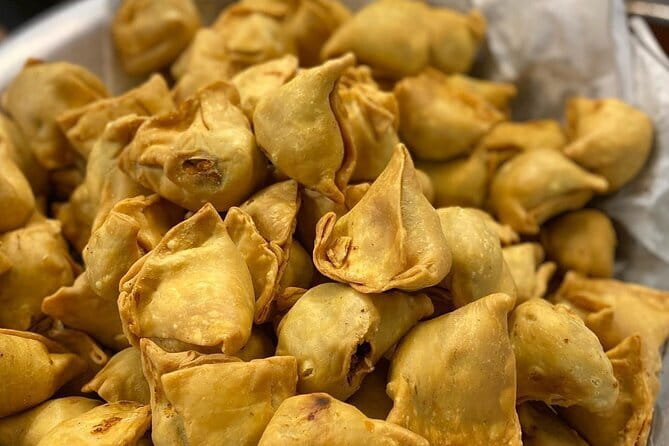
- The Food: Newari Plates and Street Favorites
- Generous Portions, Not Just Tiny Samples
- Food Stops You Would Not Easily Find Alone
- Culture Beyond the Plate
- How the Two Hours Work
- Is $28 Good Value?
- Who Will Enjoy This Food Crawl
- Booking Details That Matter
- Should You Book It?
- FAQ
- Where does the Kathmandu Food Crawl begin?
- How long does the food crawl last?
- Where does the tour finish?
- What food is included?
- Is a guide included?
- Does the tour visit Ason Bazar?
- Can I cancel for a refund?
Key points to know
- Ason Bazar is the heart of the walk: You visit Kathmandu’s oldest local market while seeing how residents shop and work.
- At least five foods and drinks are included: Portions can be generous, so arrive hungry and pace yourself.
- Newari specialties lead the way: You may taste dishes such as yomari, samay baji, chatamari, and other local foods.
- Santosh Pandey adds cultural context: Expect conversation about Nepal’s history, religion, food preferences, and daily life.
- The route includes narrow local passages: Some food stops are in places you may not think to enter on your own.
- The tour lasts two hours and returns to Chhaya Center: That makes it easy to fit into a busy Kathmandu day.
Starting at Chhaya Center
The meeting point is the main gate of Chhaya Devi Complex, also known as Chhaya Center. This gives you a clear place to begin, rather than asking you to find a particular stall in the market.
From there, the experience moves into Kathmandu’s food and market streets on foot. No transport is included or needed for the tour itself. The route is built around walking, looking, tasting, and talking with your guide.
That simple format matters. Kathmandu can feel confusing when you first arrive, especially when food stalls sit inside market lanes or behind shopfronts. Santosh can point out places you might otherwise pass by and help explain how the market works.
The experience is conducted in English. Santosh Pandey is the named provider and guide, and the strongest part of his role is not simply ordering food. He discusses Nepalese life, religion, history, ingredients, and food preferences while you move through the market.
More food tours in Kathmandu:
- Kathmandu Food and Drink Walking Tour
★ 5.0 · 266 reviews - Kathmandu: Food and Drink Walking Tour
★ 4.9 · 119 reviews - Walking Street Food Tour in Kathmandu
★ 5.0 · 111 reviews
Ason Bazar, Kathmandu’s Old Market
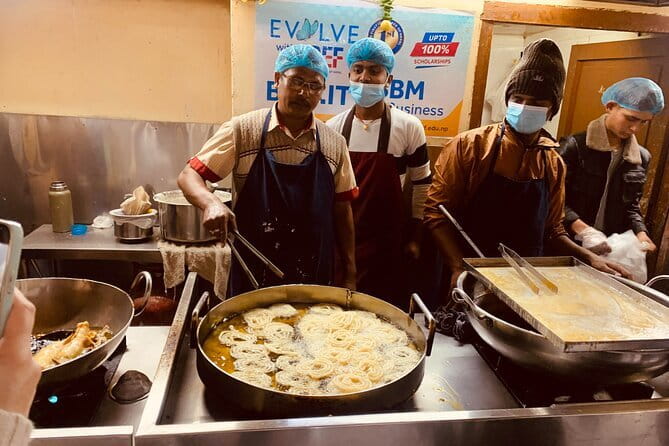
Ason Bazar is the central setting for the tour. It is known as Kathmandu’s oldest local market, and it offers a useful look at the city beyond its major monuments.
You may see people buying food, household goods, spices, and other daily supplies. The tour also highlights crafts and traditions linked to the Newar community and other cultures found in Kathmandu. These details give the food a setting. You are not just sampling snacks from a menu. You are seeing where local ingredients, customs, and commerce meet.
The market is likely to feel crowded and tightly packed. That is part of its appeal, but it can also be tiring. You should expect a walk through narrow areas rather than a relaxed stroll along wide streets. Keep your attention on where you step and stay close enough to hear the guide.
This is also a place where the food is connected to ordinary life. A market visit can show you how people shop and socialize in a way that a restaurant meal cannot. Santosh helps make those links clear, especially when he explains why certain foods matter to Nepali families and communities.
The Food: Newari Plates and Street Favorites
The food selection is the main reason to book this experience, and the format gives you a useful range. At least five food items with drinks are included, though the exact menu may vary.
Newari cuisine is central to the experience. The Newar community has its own food customs and specialties, many of which are less familiar to first-time visitors to Nepal. If available during your visit, you might encounter foods such as yomari, samay baji, chatamari, and spiced buffalo dishes.
Yomari is a steamed dumpling with a sweet filling of molasses and sesame seeds. Its shape and preparation make it different from the better-known savory dumplings found around Kathmandu. It is a good example of how a small food can carry cultural meaning as well as flavor.
Samay baji is a traditional platter rather than a single snack. It can include beaten rice, spiced buffalo meat, pickles, and other accompaniments. The combination gives you several textures and tastes in one serving, from dry and crunchy to spicy, salty, and tangy.
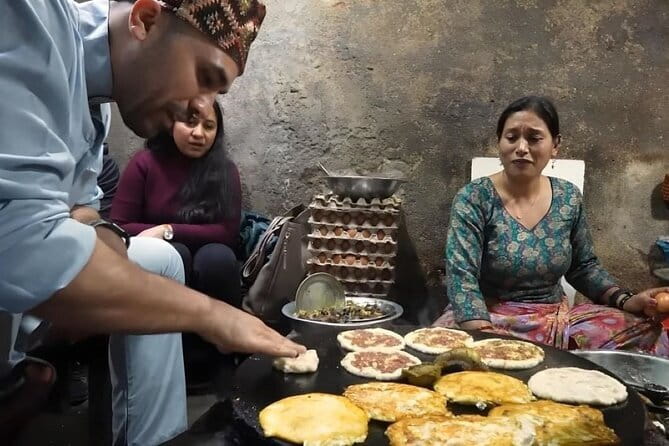
Chatamari is often described as a Newari version of pizza, though that comparison only goes so far. It is a thin rice-flour dish with toppings, and it gives you a chance to try a local food in a familiar format.
Momo dumplings are another likely highlight. They come in many forms and are one of Kathmandu’s best-known street foods. The tour can help you compare them with other foods shaped by Nepali, Tibetan, and Indian influences.
You might also encounter laphing, a cold and spicy mung bean noodle dish popular with local diners. It is quite different from a warm dumpling or rice dish, so it adds variety to the tasting.
The exact food order is not specified, and you should not assume every item will be served on every departure. What is clear is that the tour is designed around several local tastes rather than one fixed restaurant plate.
Generous Portions, Not Just Tiny Samples
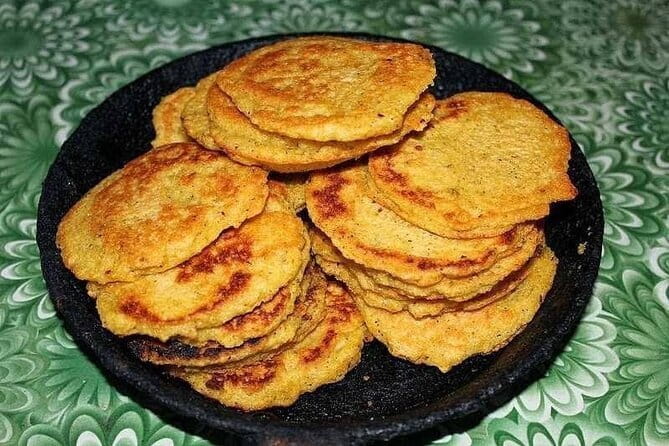
The word crawl can suggest a few small bites, but you should plan for more food than that. The included tastings can add up to nearly two full meals, depending on the selection and serving size.
That is excellent value for anyone who wants to replace a meal with a food tour. It also means you should avoid eating a large breakfast or lunch just before meeting the guide. The food is served across several stops, so pace yourself rather than finishing every portion at once.
The generous servings are useful if you want to understand a dish properly. A single bite can tell you whether something is spicy, sweet, or unfamiliar. A fuller portion gives you time to notice how the ingredients work together and decide what you might order again later.
There is one practical limitation. The tour does not state that it can provide specific dietary substitutions. If you have food restrictions or strong dislikes, ask about them before booking so you can decide if the experience fits your needs.
A completely different sort of day in Kathmandu:
- Everest Base Camp Trek – 14 Days
★ 5.0 · 1,499 reviews - Private Kathmandu Sightseeing Tour | UNESCO World Heritage sites
★ 5.0 · 756 reviews - Everest Base Camp Helicopter Tour landing at Everest View Hotel
★ 5.0 · 668 reviews - Half day cooking class in Thamel kathmandu
★ 5.0 · 607 reviews
Food Stops You Would Not Easily Find Alone
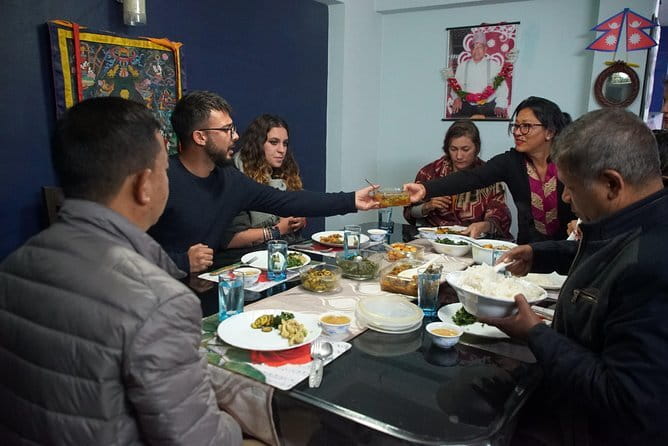
One of the best reasons to take this tour is access to places that are not obvious to a newcomer. The route may lead through narrow areas and local food spots that you would be unlikely to choose on your own.
That does not mean every stop is polished or designed for international visitors. In fact, the appeal is the opposite. You are seeing food as it is eaten in the local market, with a guide helping you understand what to try and how it fits into Nepali culture.
Santosh’s friendly, conversational approach is especially useful here. You can ask about ingredients, customs, and the way people eat different foods. The tour is not only a procession from stall to stall. It is a chance to talk with someone about everyday life in Nepal.
The local atmosphere can be more important than comfort. Expect market noise, tight passageways, and food prepared in a practical setting. If you prefer quiet restaurants and predictable dishes, this may feel rough around the edges. If you want food connected to place, it is a strong choice.
Culture Beyond the Plate
The tour also covers Newar crafts and traditions, along with the customs of other communities in Kathmandu. This helps explain why a market food walk can be a cultural activity, not just a way to find lunch.
Kathmandu’s food reflects several influences, including Nepali, Tibetan, Indian, and local Newar traditions. The tour gives those influences a physical setting. You can see market trade, local ingredients, religious life, and food habits in the same part of the city.
Santosh also discusses history and religion as you walk. That context can make the market easier to understand. A spice stall, a traditional food, or a local custom may seem random at first. With explanation, it becomes part of a larger picture of how Kathmandu communities live and celebrate.
You should think of the tour as an introduction rather than a full lesson in Newar culture. Two hours is enough for a strong first look, but not enough to cover every tradition or neighborhood in detail.
How the Two Hours Work
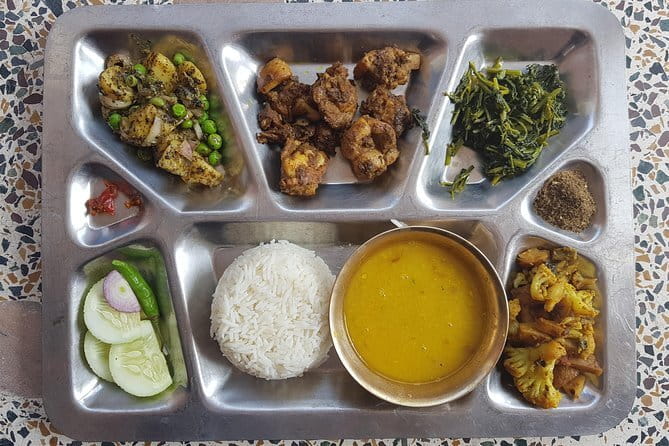
The full route starts and ends at Chhaya Center. In between, you spend about two hours visiting the food market and surrounding local areas.
The pace should feel active because the tour combines walking with several tastings. You will not spend the entire time seated. Wear practical shoes and bring enough attention for market conditions, especially if you are not used to narrow city lanes.
The schedule also makes this easy to add to a larger Kathmandu plan. You can use it near the start of your stay to learn what foods to look for later, or near the end to sample dishes you may have missed.
A two-hour tour cannot cover every part of Kathmandu’s food scene. Its strength is focus: Ason Bazar, local market life, Newari food, and a handful of carefully chosen stops. You get a manageable introduction without giving up an entire afternoon.
Is $28 Good Value?
At $28 per person, the tour offers solid value if you take advantage of the food included. The price covers an English-speaking guide, government taxes, official expenses, at least five food items, and drinks.
The food alone can amount to close to two meals, and the guide adds the part you cannot easily buy on your own: access to local places and explanations of what you are tasting. If you simply want the cheapest possible meal in Kathmandu, you can spend less by eating independently. But that would not include the market walk, cultural background, or help choosing unfamiliar dishes.
The value is strongest for first-time visitors. You may learn enough to return to Ason Bazar later with more confidence and order foods without guessing. It is also useful for anyone who wants to eat locally but feels uncertain about unfamiliar stalls.
Personal expenses are not included, so bring some money if you want to buy crafts, packaged foods, or other items during the market visit. Those purchases are optional and separate from the tasting price.
Who Will Enjoy This Food Crawl
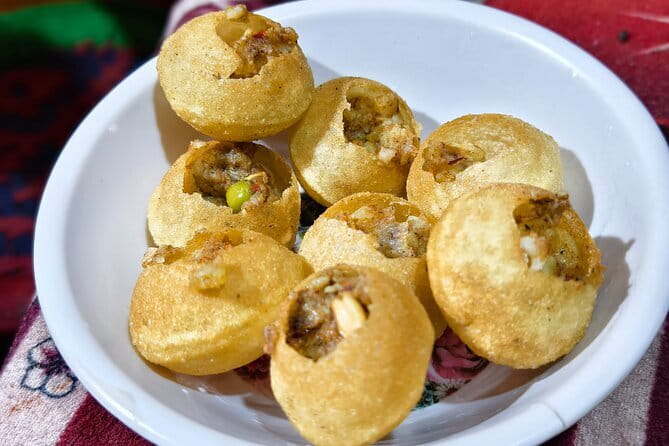
I would recommend this tour to curious eaters, first-time visitors to Kathmandu, and anyone who wants a local introduction without committing to a full-day food program.
It works particularly well for couples and small groups who enjoy conversation. The format gives you plenty to discuss as you taste different dishes and walk through the market.
You should also consider it if you are unsure about Newari food. The guide can explain ingredients and help you approach dishes that may be unfamiliar. The range of sweet, spicy, savory, warm, and cold foods gives you a better sense of the cuisine than one restaurant order would.
This is less suitable if you want a private, quiet, or highly structured dining experience. The food is local, the route passes through active markets, and the exact selection can vary. It is also not ideal for someone who wants a long sit-down meal with a fixed menu.
Booking Details That Matter
The tour costs $28 per person and lasts two hours. It is led in English, and the meeting point is the main gate of Chhaya Devi Complex at Chhaya Center.
You can cancel up to 24 hours before the activity for a full refund. The reserve-now, pay-later option lets you hold a place without paying at the time of booking, which is useful when your Kathmandu schedule may change.
Starting times vary, so you need to check availability for your preferred day. Since the experience includes multiple foods and drinks, plan it around your meal schedule rather than treating it as a quick snack stop.
Should You Book It?
Book this food crawl if you want more than a list of dishes. You will see Ason Bazar, try at least five local foods, and get an English-speaking guide to explain Newar customs, religion, history, and daily life.
The strongest reason to choose it is the combination of generous tastings and local access. Santosh Pandey’s role adds value because he can lead you through market passages and food spots that are not obvious when you are on your own.
Skip it if you need guaranteed menu items, quiet dining, or specific dietary arrangements that have not been confirmed. For everyone else, $28 buys a filling, compact introduction to Kathmandu’s food culture and a useful first look at one of the city’s oldest markets.
FAQ
Where does the Kathmandu Food Crawl begin?
The tour meets at the main gate of Chhaya Devi Complex, also known as Chhaya Center.
How long does the food crawl last?
The experience lasts two hours, including the market visit and food tastings.
Where does the tour finish?
The tour returns to Chhaya Center.
What food is included?
At least five food items with drinks are included. Possible local foods include yomari, samay baji, momo, chatamari, and laphing, though the exact selection is not specified.
Is a guide included?
Yes. An experienced, friendly, English-speaking tour guide is included. Santosh Pandey is the experience provider and named guide.
Does the tour visit Ason Bazar?
Yes. The route includes Ason Bazar, described as Kathmandu’s oldest local market.
Can I cancel for a refund?
Yes. You can cancel up to 24 hours in advance for a full refund. You can also reserve now and pay later.
More Shopping Tours in Kathmandu
- Kathmandu Food & Drink and Shopping Rickshaw Tour
★ 5.0 · 48 reviews - Oldest Local Market Walking Tour with Living Goddess Kumari
★ 5.0 · 8 reviews - Kathmandu: Food, Drink and Shopping Rickshaw Tour
★ 4.7 · 7 reviews - Half Day Cooking Class in Thamel with Local Market Visit
★ 4.5 · 6 reviews
More Markets in Kathmandu
- Kathmandu Secret Food Crawl & Local Market Tour
★ 4.7 · 54 reviews - Kathmandu Food Crawl & Market Tour
★ 5.0 · 26 reviews - Best Nepali Cooking Class in Thamel with Local Market Trip
★ 5.0 · 26 reviews - Oldest Local Market Walking Tour With Living Goddess Kumari
★ 5.0 · 8 reviews
Recently added around Kathmandu
- Kathmandu : Swambhunath & Durbar Square Guided Half Day Tour★ 3.3 · 3 reviews
- Private Day Tour in Kathmandu Valley Rim with Bhaktapur Sightseeing★ 5.0 · 3 reviews
- From Kathmandu / Pokhara / Chitwan: River Rafting – 1 Day★ 4.6 · 3 reviews
- Nepali Cooking training & Cultural Homestay Experience★ 5.0 · 3 reviews
- Private 3-Hour Nagarkot Sunset Tour from Kathmandu★ 3.5 · 3 reviews
- From Kathmandu: Everest Base Camp Landing Helicopter Tour★ 5.0 · 3 reviews
- 4 UNESSCO World heritage sites of Kathmandu-private tour★ 5.0 · 3 reviews
- From Kathmandu Budget: 15 Day Everest Base Camp Trek★ 5.0 · 3 reviews
Markets, compared.
Best Nepali Cooking Class in Thamel with Local Market Trip
Read our review →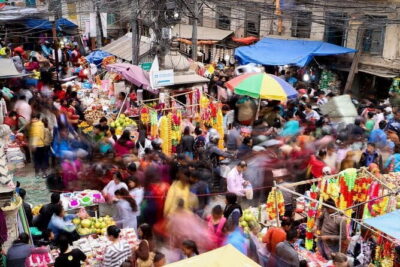
Oldest Local Market Walking Tour With Living Goddess Kumari
Read our review →Oldest Local Market Walking Tour with Living Goddess Kumari
Read our review →
Half Day Cooking Class in Thamel with Local Market Visit
Read our review →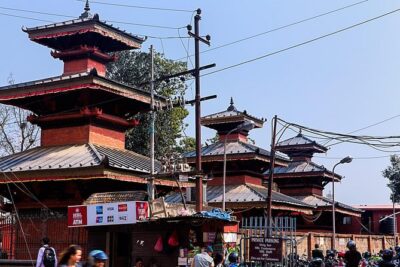
Local Bazaar Walking Tour in Kathmandu with Professional Guide
Read our review →Browse the lists this tour appears in