
Reviewed · KATHMANDU UNESCO HERITAGE TOURS
Kathmandu Guided Day Tour: Explore Top 4 UNESCO Heritage Sites
Kathmandu’s four UNESCO sites show the city at its most striking: Buddhist prayer wheels and stupas, royal courtyards, Hindu cremation rituals, and a hilltop view over the valley. This private day tour links them by car, giving you a fast but useful introduction to the city’s religious life and architecture.
I especially like the private vehicle and licensed guide, since traffic can make Kathmandu tiring and a good guide gives meaning to what you are seeing. I also like the unusual mix of places, from playful monkeys at Swayambhunath to the solemn Bagmati River ceremonies at Pashupatinath.
The main caution is time. Four major sites in 5 to 7 hours leaves little room to linger, and the advertised $55 price does not include the UNESCO entrance fees, listed separately as $20 or NPR 2,600 per person. Confirm the admission arrangement before you set out.
In This Review
- Key points to know before booking
- Four UNESCO sites, one compact Kathmandu day
- Swayambhunath, monkeys and a wide view of Kathmandu
- Patan Durbar Square and Newar craftsmanship
- Pashupatinath and the Bagmati River
- Boudhanath, the great stupa and the kora walk
- What the guide and vehicle add
- Price, added costs and real value
- Who should book this Kathmandu tour?
- Practical advice for getting the most from the day
- Should you book it?
- FAQ
- How long does the Kathmandu UNESCO sites tour last?
- Which UNESCO sites are included?
- Is hotel pickup available?
- Is this a private tour?
- Is a guide included?
- Are entrance fees included in the $55 price?
- Is lunch included?
- Can I cancel for a full refund?
Key points to know before booking
- Four very different UNESCO sites in one day: You see Swayambhunath, Patan Durbar Square, Pashupatinath, and Boudhanath rather than spending the whole day in one historic quarter.
- A private tour for your own group: The vehicle and guide are reserved for your party, with pickup available and group discounts offered.
- Prakash is a named guide: Several published accounts single out Prakash for his historical explanations, friendly manner, patience, and care.
- A strong Hindu and Buddhist contrast: Pashupatinath brings you close to sacred cremation rituals, while Boudhanath offers a slower Buddhist prayer circuit.
- Two added cultural visits: A Thanka painting school and a healing bowl demonstration are included, though you should allow time for these stops.
- Watch the extra cost: Admission fees are not included, despite the itinerary displaying admission ticket included for each stop. Ask the operator to clarify this before payment or departure.
Four UNESCO sites, one compact Kathmandu day
This is a sightseeing circuit built for first-time visitors who want the broad picture quickly. You move from hilltop Buddhist views to Newar palace art, then to one of Hinduism’s most important temples and finally to one of Nepal’s great Buddhist stupas.
The route covers a lot, but it is not a slow, scholarly study of any one monument. I would choose it early in a Kathmandu stay, when you need help understanding the city. Afterward, you can return on your own to the site that caught your attention.
The tour lasts about 5 to 7 hours. That range matters. Traffic, time spent at each monument, and the pace of your group will shape the day. Since the activity is private, you can ask questions and adjust your time somewhat, but four stops still require discipline.
An air-conditioned vehicle is included, along with one 1,000-milliliter bottle of water per person. That sounds basic, but it is useful in a full day of walking between courtyards, shrines, steps, and busy streets.
More of the valley’s UNESCO heritage sites:
- Private Kathmandu Sightseeing Tour | UNESCO World Heritage sites
★ 5.0 · 756 reviews - Kathmandu: Full Day 7 UNESCO Tour with Lunch – Private/Group
★ 5.0 · 415 reviews - Kathmandu: Full Day Top 4 UNESCO Tour with Lunch – Private/Group
★ 5.0 · 269 reviews
Swayambhunath, monkeys and a wide view of Kathmandu
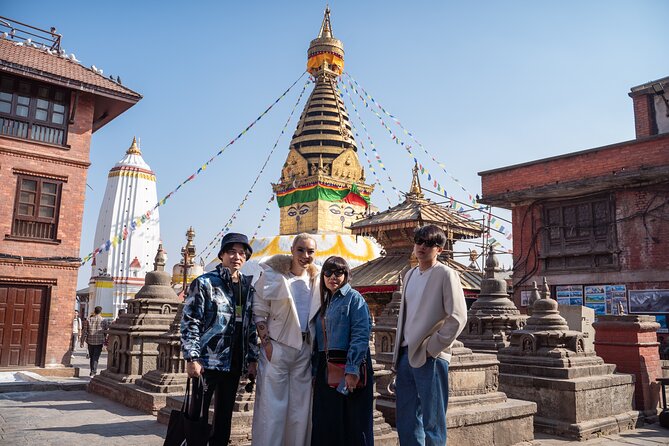
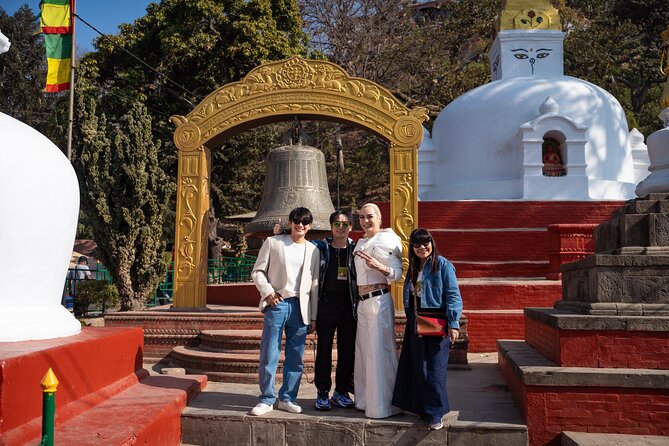
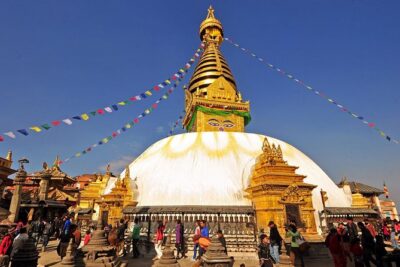
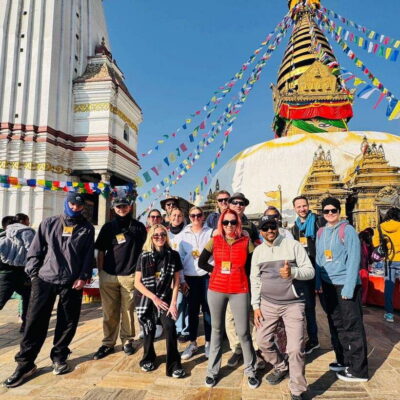
Your first stop is Swayambhunath, also called the Monkey Temple. The stupa sits on a small hill above Kathmandu, making this the best place on the route to get your bearings.
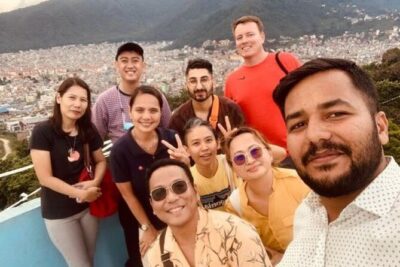
The reward is visual. From the hilltop, you can look across Kathmandu Valley, and on a clear day you might see parts of the Himalayan range. The view is one reason to start here, before the city’s traffic and dense streets take over the day.
The religious details matter just as much. Prayer wheels and an old Buddhist setting give the visit a sense of movement and ritual. Monkeys add comic relief, though you should treat them as wild animals and keep food and loose items secure.
The stop is scheduled for about one hour, which is enough for an introduction and a circuit of the main area. It is not enough for a long, quiet visit or a detailed look at every shrine. If the hilltop is crowded, your guide can help you focus on the most important features.
I like this opening because it gives you both context and contrast. You begin above the city, looking across its sprawl, then spend the rest of the day at street level among palace squares and sacred riverbanks.
Patan Durbar Square and Newar craftsmanship
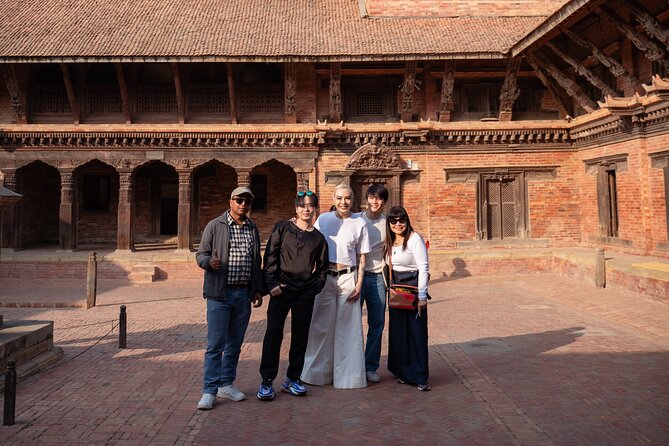
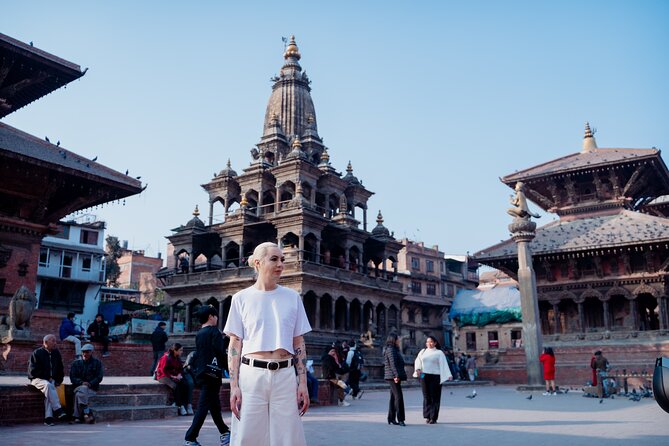
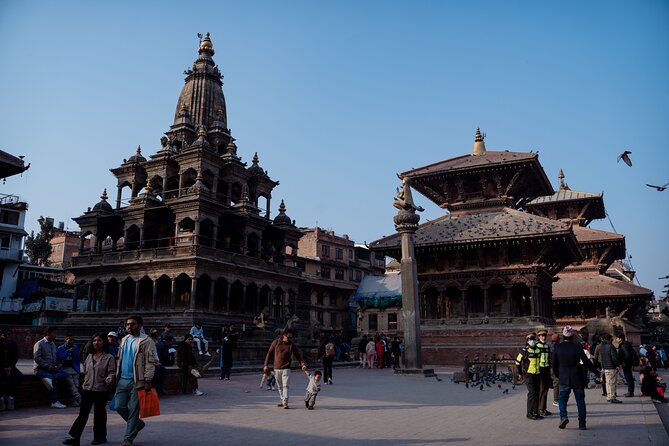
Patan Durbar Square receives about two hours, the longest stop of the day. That is sensible. The old royal center includes the former palace complex, temples, courtyards, carvings, and monuments spread through the square.
Patan is also the place to pay close attention to workmanship. The tour highlights traditional metalwork and intricate wood carving, along with the Krishna Temple. You will see the kind of detail that is easy to miss if you simply walk around taking photographs.
Your guide’s role is important here. The square can look like a collection of beautiful buildings unless someone explains how the palace, temples, and city of Patan fit together. Prakash is named specifically in the tour material, and his background in Nepalese history and culture is a strong reason to request him if he is available for your date.
Two hours gives you room to look rather than just tick the square off a list. Still, the itinerary combines several major attractions, so ask your guide which carvings and temples deserve the most attention. A focused explanation is more useful than a rushed attempt to cover every corner.
Patan is also where the additional Thanka painting school visit fits naturally. Thanka is traditional religious painting, and a school visit can help you understand how Buddhist images are made and used. The details of the visit are not specified, so treat it as an included cultural stop rather than a guaranteed hands-on workshop.
One practical point deserves attention: the price information is inconsistent. Each stop is shown with admission ticket included, but the exclusions say UNESCO entrance fees are extra, at $20 or NPR 2,600 per person. That is a meaningful addition to a $55 tour. Get a clear answer before you go.
Pashupatinath and the Bagmati River
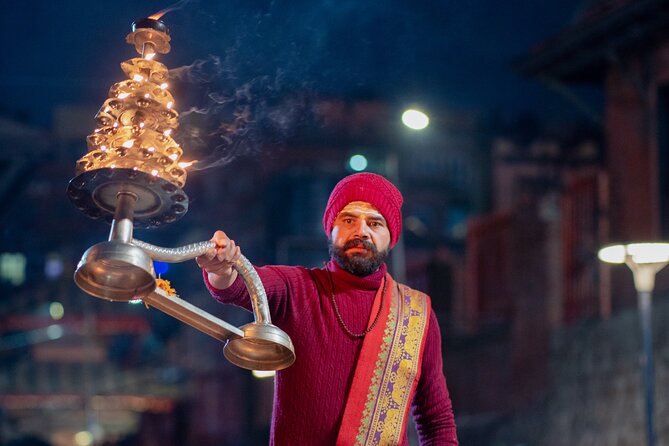
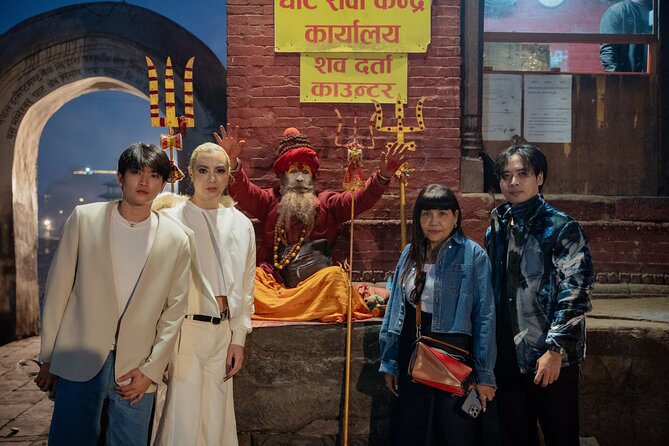
Pashupatinath is the most solemn stop. This major Hindu temple complex sits beside the Bagmati River and is known for cremation ceremonies held along the riverbanks.
You may witness sacred Hindu cremation rituals here. This is not staged entertainment, and your behavior matters. Keep a respectful distance, follow your guide’s instructions, and avoid treating private grief as a photo opportunity.
The central temple is especially important to Hindu worshippers around the world. Access to particular areas can depend on religious rules, so the experience is best understood as a visit to a living place of worship, not simply an old building.
The planned time is about one hour. That can work for a guided orientation, but it may feel short if you want to absorb the river setting or spend time with the surrounding shrines. The tour’s appeal is the chance to encounter an active religious site, not to see every part of the complex.
I consider this the stop that requires the most emotional preparation. Patan invites close attention to art. Swayambhunath is lively and scenic. Pashupatinath asks you to slow down, show respect, and accept that the most important activity here is not performed for visitors.
More history walks in Kathmandu:
- UNESCO Seven World Heritage Tour in Kathmandu
★ 5.0 · 253 reviews - Kathmandu Private Sightseeing Tour | UNESCO World Heritage Sites
★ 5.0 · 109 reviews - Kathmandu: Full Day Private Top 4 UNESCO Heritage Tour W/Lunch.
★ 5.0 · 86 reviews - Kathmandu World Heritage Tour
★ 5.0 · 74 reviews
Boudhanath, the great stupa and the kora walk
Boudhanath closes the main circuit with a very different mood. Its huge Buddhist stupa is the center of a prayer route where devotees walk around the dome in a ritual known as kora.
You can join the flow of the circuit respectfully, walking clockwise and observing how worshippers use the space. The point is not to rush around the stupa for a photograph. Watch the prayer wheels, notice the repeated movement, and let the setting explain itself through rhythm.
The stop lasts about one hour. That gives you time for the main circuit and a basic explanation, though you may want longer if Buddhist practice interests you. The area around the stupa also gives you a chance to see the connection between religious life, local businesses, and daily routines.
The tour describes Boudhanath as one of Nepal’s largest Buddhist stupas. Its scale makes a memorable final stop, especially after the solemnity of Pashupatinath. The day ends with a more meditative form of worship, balancing the Hindu and Buddhist experiences seen earlier.
A healing bowl demonstration is also included. Since the exact format is not explained, ask how long it lasts and where it fits into the schedule. It may be a pleasant introduction to sound-based practice, but it also uses time that could otherwise go toward the main sites.
What the guide and vehicle add
A licensed government-approved guide can make this tour far better than an independent taxi circuit. The key value is not simply transport. It is the explanation of why a statue, carving, ritual, or courtyard matters.
Prakash is the guide most clearly associated with this experience. The published comments describe him as highly informed, friendly, attentive, patient, and supportive, with a master’s degree. Those details suggest a guide who can handle both historical questions and practical needs, though you should ask whether he will personally lead your tour.
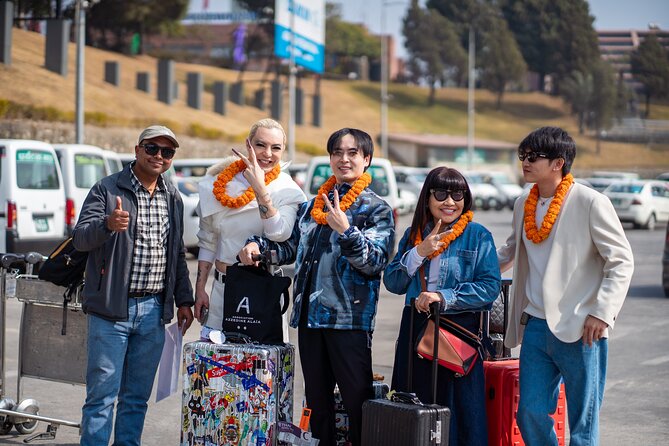
The vehicle is private and air-conditioned. In Kathmandu, that gives you a useful break between walking stops. Pickup is offered, and only your group participates, so the arrangement is more personal than a large coach tour.
The private format also helps families, couples, and small groups. You can ask for a slower explanation at Patan or a little more time at Boudhanath. The fixed route still limits flexibility, but you are not waiting for strangers at every doorway.
Price, added costs and real value
At $55 per person, the tour can be good value if you want transport, a guide, water, and four major sites arranged in one day. Hiring separate transport and finding your way through Kathmandu’s religious and historic areas would take more planning.
The value changes once you add admission fees. The exclusions list UNESCO entrance charges as $20 or NPR 2,600 per person. That means your real cost is higher than the headline price, and the two currencies suggest you should confirm the current amount and payment method.
Lunch is not included, nor are other food and drinks. Plan for that when comparing the tour with a longer private excursion. Tips for the guide and driver are also expected, though no fixed amount is given.
Two included side visits, the Thanka school and healing bowl center, may add cultural interest. They may also feel like detours if your priority is monuments. Ask in advance if either visit includes a sales presentation or shopping time. The supplied details do not say, so a direct question is sensible.
Group discounts are offered, which can improve the cost for families or friends traveling together. Since the tour is private, compare the per-person price for your actual group size rather than judging it only as a solo activity.
Who should book this Kathmandu tour?
I would recommend it to a first-time visitor with one free day, especially if you want a guide to explain both Hindu and Buddhist traditions. It also suits people who prefer a private car and a planned route instead of arranging four separate visits.
The tour works well for visitors who enjoy variety. You get a hilltop viewpoint, palace architecture, traditional craft, a sacred cremation site, and a major Buddhist pilgrimage center in one outing.
It is less suitable if you want an unhurried day. The 5 to 7 hour schedule is efficient, but the four sites are important enough to deserve more time than the route can provide. Photography-focused visitors may also prefer a slower private itinerary built around one or two locations.
Anyone sensitive to intense religious scenes should think carefully about Pashupatinath. The cremation ceremonies are part of the site’s purpose and may be difficult to witness. A respectful guide can help you understand what you see, but the experience remains serious.
Most travelers can participate, according to the tour information. No special accessibility details are provided, so ask about walking and steps if that affects your decision.
Practical advice for getting the most from the day
Wear footwear suitable for walking around uneven historic areas. The tour includes a hilltop temple, palace courtyards, temple grounds, and a stupa circuit, so you will spend much of the day moving on foot once you leave the vehicle.
Carry modest clothing for religious sites and follow instructions about photography. At Pashupatinath in particular, watch first and photograph only when it is clearly appropriate.
Bring questions. Ask about the meaning of the prayer wheels at Swayambhunath, the craftsmanship at Patan, the Bagmati rituals, and the kora at Boudhanath. A private tour gives you a better chance to shape the explanations around your interests.
Confirm three things before departure: the pickup point, the entrance-fee arrangement, and whether Prakash will be your guide. Those checks remove the biggest sources of confusion in the supplied details.
Free cancellation is available if you cancel at least 24 hours before the start time. Changes or cancellations made inside that window are not accepted for a refund.
Should you book it?
Book this tour if you want a well-organized first look at Kathmandu’s four major UNESCO sites, with private transport and a licensed guide. The strongest reasons are the variety, the compact schedule, and the chance to receive clear cultural context from a guide such as Prakash.
I would not book it without first clarifying the entrance fees. I would also choose a longer or more flexible private tour if your main goal is detailed photography, extended time at Patan, or quiet reflection at Boudhanath.
For a first day in Kathmandu, this is a practical introduction with real cultural weight. Just remember that the low headline price is not the final cost, and four important sites in one day means seeing the essentials rather than knowing every corner.
FAQ
How long does the Kathmandu UNESCO sites tour last?
The tour lasts approximately 5 to 7 hours.
Which UNESCO sites are included?
The route includes Swayambhunath, Patan Durbar Square, Pashupatinath Temple, and Boudhanath Stupa.
Is hotel pickup available?
Pickup is offered as part of the experience.
Is this a private tour?
Yes. Only your group participates in the activity.
Is a guide included?
Yes. A government license holder tour guide is included. Prakash is specifically named in the tour information, but you should confirm who will lead your date.
Are entrance fees included in the $55 price?
The pricing information says UNESCO entrance fees are not included and lists them as $20 or NPR 2,600 per person. However, the individual itinerary stops also display admission ticket included, so confirm this apparent discrepancy before booking.
Is lunch included?
No. Lunch and all other food and drinks are excluded. One 1,000-milliliter bottle of water per person is included.
Can I cancel for a full refund?
Yes, if you cancel at least 24 hours before the experience start time. Cancellations or changes made less than 24 hours before the start time are not accepted for a refund.
Recently added around Kathmandu
- Kathmandu : Swambhunath & Durbar Square Guided Half Day Tour★ 3.3 · 3 reviews
- Private Day Tour in Kathmandu Valley Rim with Bhaktapur Sightseeing★ 5.0 · 3 reviews
- Private 3-Hour Nagarkot Sunset Tour from Kathmandu★ 3.5 · 3 reviews
- From Kathmandu / Pokhara / Chitwan: River Rafting – 1 Day★ 4.6 · 3 reviews
- Nepali Cooking training & Cultural Homestay Experience★ 5.0 · 3 reviews
- From Kathmandu: Everest Base Camp Landing Helicopter Tour★ 5.0 · 3 reviews
- 4 UNESSCO World heritage sites of Kathmandu-private tour★ 5.0 · 3 reviews
- From Kathmandu Budget: 15 Day Everest Base Camp Trek★ 5.0 · 3 reviews
Kathmandu UNESCO Heritage Tours, compared.
Private Kathmandu Sightseeing Tour | UNESCO World Heritage sites
Read our review →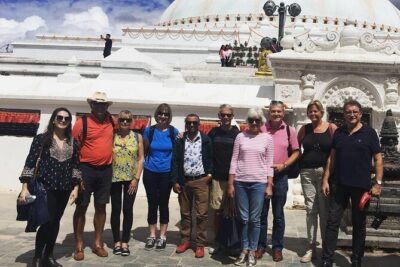
Full Day 7 UNESCO Tour with Lunch – Private/Group
Read our review →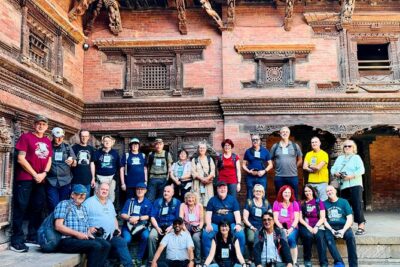
Full Day Top 4 UNESCO Tour with Lunch – Private/Group
Read our review →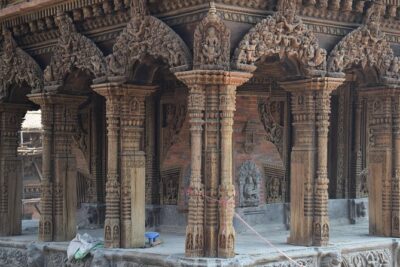
Full-Day 7 UNESCO Tour with Lunch – Private/Group
Read our review →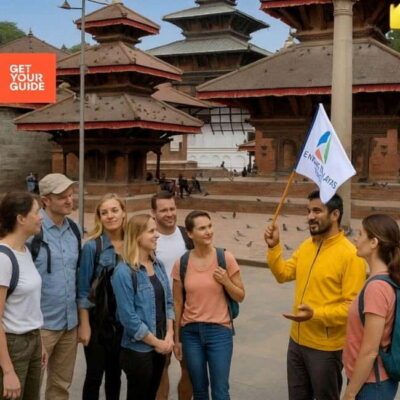
Kathmandu Private Sightseeing Tour | UNESCO World Heritage Sites
Read our review →Browse the lists this tour appears in