
Reviewed · PASHUPATINATH TEMPLE TOURS
Kathmandu: Pashupatinath Temple Evening Aarati Tour
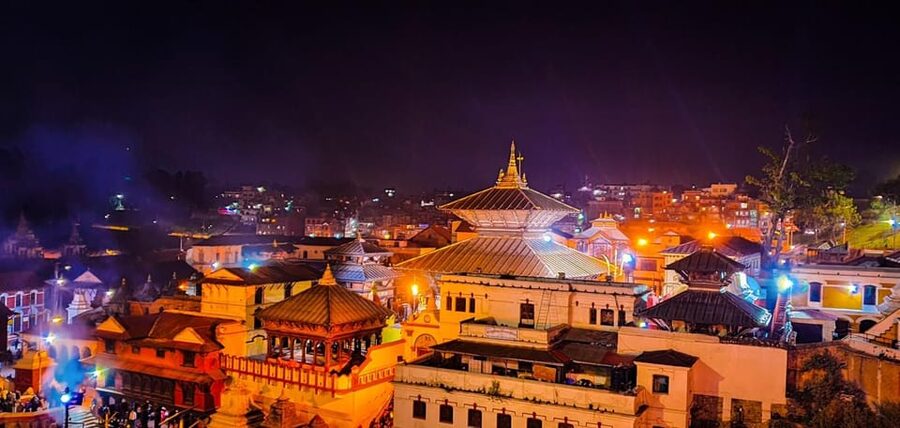
At dusk, Pashupatinath Temple shifts from a major religious site into a glowing riverside stage for prayer. Priests chant Vedic mantras, ring bells, burn incense, and raise oil lamps while musicians play and hymns fill the Bagmati River bank. The Aarati is the heart of this three-hour evening.
I like the private format, which gives you room to ask questions and find a good view. I also like the guides’ clear cultural explanations, especially the patient, thoughtful work praised for Ramesh, Rajat, and Anjan. The main drawback is timing: the ceremony draws a large crowd, so the riverfront can feel packed and photography may be limited to permitted areas.
In This Review
- Key points to know
- Why the evening Aarati is worth your time
- From your Kathmandu hotel to the Bagmati River
- Exploring Pashupatinath before the lights come on
- What happens during the 6 p.m. Aarati
- The guide can shape the whole evening
- What the $45 price really covers
- Who will enjoy this most
- Practical ways to get more from the visit
- Should you book the Pashupatinath Aarati tour?
- FAQ
- How long does the Pashupatinath Aarati tour last?
- What time does the Aarati begin?
- Is hotel pickup included?
- Is transport included in the price?
- Is a guide included?
- Is the temple entry ticket included?
- Is this a private group experience?
- Can I cancel for a full refund?
Key points to know
- The Aarati begins around 6 p.m., after a late-afternoon hotel pickup and temple visit.
- The ceremony combines lamps, bells, incense, chanting, music, and hymns beside the Bagmati River.
- A private English-speaking guide leads the visit and explains Hindu customs in plain language.
- Ramesh, Rajat, and Anjan are named guides who have provided especially strong cultural interpretation.
- Transport, entry, taxes, and hotel drop-off are included, but food and drinks are not.
- The $45 price buys a short, focused cultural outing, not a full-day sightseeing tour.
Why the evening Aarati is worth your time
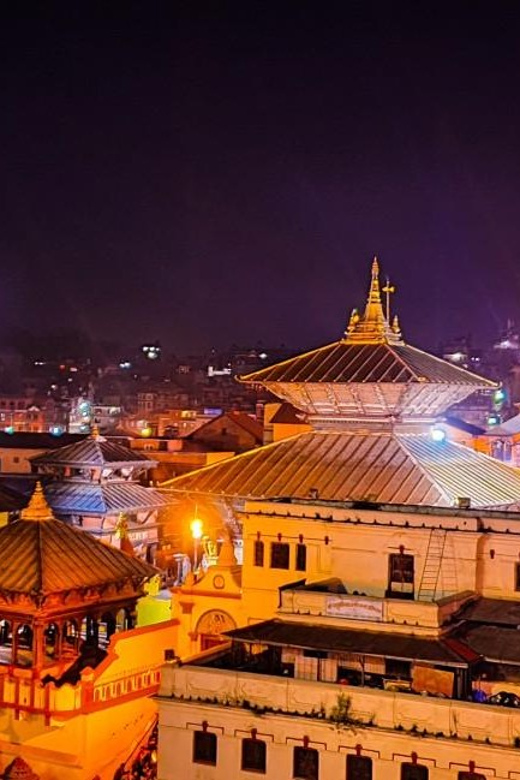
Pashupatinath is one of Kathmandu’s most important Hindu religious sites, and the evening Aarati lets you see the complex at a meaningful time of day. You are not simply stopping for a temple photo. You are watching a living ritual on the eastern side of the temple complex, along the Bagmati River.
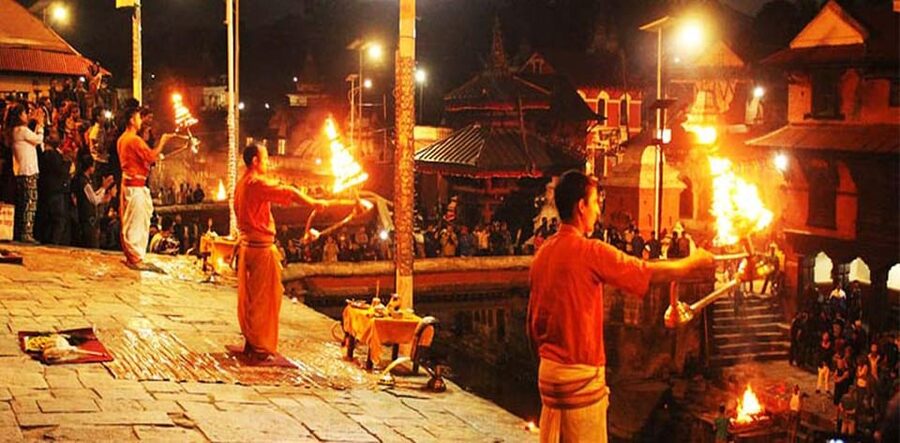
The ceremony is called Aarati, a worship ritual centered on light. Priests wave oil lamps before the idol of Lord Shiva while prayers are spoken and sung. Bells, incense, classical instruments, and Vedic mantras build the atmosphere in layers. It is visually striking, but the sound and rhythm are just as important.
I like that the tour does not rush you straight to the ceremony. You arrive before sunset, walk through the temple area with a guide, and have time to understand where you are before the lights and music begin. That preparation makes the ritual easier to follow and helps you watch respectfully.
The experience is also a good choice if you want something beyond Kathmandu’s usual sightseeing circuit. It offers a direct look at Hindu tradition, but it is not presented as a performance created for tourists. The ceremony takes place because local worshippers gather for it, and you are there to observe with care.
More visits to Pashupatinath:
- Kathmandu Spiritual Sites: Bodhnath & Pashupatinath Tour
★ 5.0 · 185 reviews - Kathmandu: Pashupatinath Temple Aarti Night Tour
★ 4.8 · 29 reviews - Pashupatinath Temple, Hindu Crematorium and Aarati in-depth Tour
★ 5.0 · 25 reviews
From your Kathmandu hotel to the Bagmati River
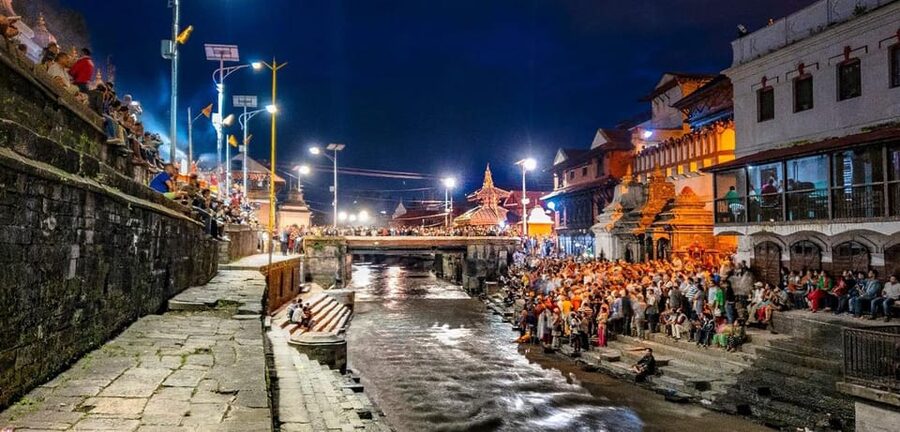
The tour starts with pickup in Kathmandu in the late afternoon. Transportation to and from Pashupatinath is included, along with return service to your hotel after the ceremony. That matters in an evening outing, since you do not need to arrange a taxi during the busiest part of the visit.
The drive itself is practical rather than a sightseeing leg. The main value is convenience. You can focus on the temple and the ceremony instead of figuring out local transport, meeting points, or the route back through Kathmandu after dark.
This is a private group experience, so you are not folded into a large shared party. The arrangement is useful if you have questions about Hindu practice, want to stop for photographs, or prefer a quieter pace before the ceremony. Arturo specifically booked the outing with photography in mind, and his guide, Ramesh, allowed time for requests and concerns.
That does not mean every photo will be possible. Photography is allowed only in permitted areas, and the riverfront gathering can become crowded. Treat the camera as secondary to the religious setting. Ask your guide before photographing people, priests, or parts of the ceremony.
Exploring Pashupatinath before the lights come on
On arrival, your English-speaking guide leads you through the Pashupatinath Temple complex. The tour includes sightseeing, a guided visit, and time to look around independently before the Aarati begins.
The guide’s role is important here. A temple complex can be confusing if you do not know what you are seeing or why people gather in particular places. Ramesh has been praised for explaining Hindu culture and rituals with patience and detail. Rajat is also noted for answering questions and making the traditions easy to follow. Anjan has helped visitors better understand Hindu religion and the ceremony itself.
You should use this part of the tour to ask direct questions. What is the purpose of the lamps? Why are bells used? What does the chanting mean? How does the Aarati fit into worship at Pashupatinath? The guide can provide the context that a quick visit alone cannot.
You also have some independent time. That is a useful balance. A fully scripted tour can make a sacred place feel like a checklist, while no explanation at all leaves you guessing. Here, you get an introduction, some freedom to look around, and a chance to settle into the atmosphere before the main event.
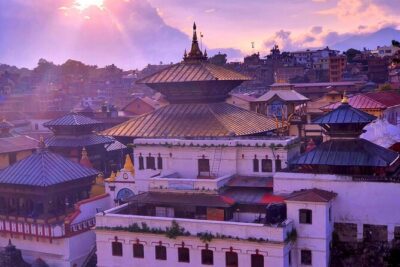
The temple views are especially appealing as daylight fades. You can take in the buildings and the river setting, then watch the area change as lamps and evening activity become more prominent. The scenery is part of the experience, but the setting is not polished or staged. Keep your expectations focused on religious atmosphere rather than a quiet monument visit.
What happens during the 6 p.m. Aarati
The Aarati begins around 6 p.m., although the exact starting time can vary, so check availability when booking. People gather along the Bagmati River’s banks on the eastern side of the temple area. The crowd is part of the event, not an interruption to it.
The central action is the raising and waving of oil lamps before Lord Shiva. Priests lead the prayers, while Vedic mantras, ringing bells, burning incense, music, and hymns add sound and movement. The lamps provide the most obvious visual focus, but the ceremony works as a complete sensory experience.
You may find the mood both public and personal. Many people come to watch, yet the ritual remains an act of worship. That is why a respectful attitude matters. Stand where your guide directs you, avoid blocking other people’s view, and follow instructions about photography.
The ceremony can be moving even if you do not follow Hindu beliefs. You do not need to understand every Sanskrit phrase to appreciate the structure of the ritual: sound, light, smoke, movement, and devotion working together. A good guide helps you notice the meaning without talking over the moment.
This is where the tour’s strongest feature becomes clear. The guide does not just point out the lamps and say that the ritual is spiritual. The best guides explain what you are seeing, then give you enough quiet to experience it yourself. Emma described the ceremony as powerful and unforgettable, while Aleksandra valued the explanation of not only what happened, but why it mattered to local people.
More Kathmandu evenings:
- Kathmandu Sunset Tour by Rickshaw Including Durbar Square Visit
★ 5.0 · 73 reviews - 3 Nights 4 Days Chitwan National Park with Tower Night Stay
★ 5.0 · 41 reviews - 3 night 4 Day Yoga & Ayurveda Retreat to Detox the Body & Mind, Nepal
★ 5.0 · 37 reviews - Pashupatinath Evening Aarati: Few Divinely Hours in Kathmandu
★ 4.5 · 23 reviews
The guide can shape the whole evening
The experience depends heavily on the person leading it. The most praised guides are Ramesh and Rajat, with Anjan also singled out for his clear English and help with understanding Hindu religion. Ramesh is described as friendly, patient, conversational, and willing to answer questions at length.
That combination is useful for this particular outing. Pashupatinath is not a site where a list of dates and architectural labels will do the job. You need explanations about ritual, belief, local custom, and appropriate behavior. A guide who can adapt to your questions makes the difference between watching an unfamiliar ceremony and understanding its broad purpose.
Ramesh has also guided visitors interested in photography, and he has been praised for making time for photo requests. Rajat is noted for being friendly and well informed, while Anjan helped make the Aarati ceremony easier to understand. The named guides vary, so you should not assume one particular person is guaranteed unless the booking confirms it.
The transport team matters, too. Santosh has been specifically described as polite and safe behind the wheel. The transport service has received perfect ratings across the published feedback, which supports the practical side of the tour: pickup, driving, and return are handled without fuss.
What the $45 price really covers
At $45 per person, this is not the cheapest way to reach Pashupatinath if you only want to stand by the river for the ceremony. The price includes several useful pieces: hotel pickup and drop-off, round-trip transport, an English-speaking licensed guide, temple entry, taxes, and service charges.
The real value is the interpretation. You are paying for a three-hour visit with a private guide who can explain the site before the ritual and help you understand what is happening during it. If you already know Pashupatinath well or only want a quick photo stop, the price may feel high. If this is your first visit and Hindu worship is unfamiliar to you, the added context makes the cost more reasonable.
Food and drinks are not included, but that is not a major issue for a three-hour evening activity. Plan to eat before or after the tour rather than expecting refreshments along the way.
The flexible booking terms also help. You can reserve now and pay later, and cancellation is free up to 24 hours in advance for a full refund. The tour is available as a private group, with English guiding only.
Who will enjoy this most
I would recommend the tour to first-time visitors to Kathmandu who want a cultural experience with some explanation attached. It suits you especially well if you are curious about Hindu ritual, prefer private transport, or do not want to work out the temple visit on your own.
It also fits photographers, within clear limits. You arrive before sunset, have time around the temple complex, and can ask the guide about permitted viewpoints. Do not book it expecting unrestricted access or a quiet, empty riverbank. The Aarati draws a crowd, and the best moments may require patience rather than constant camera work.
The tour is a good match for couples, families, and small private groups who want to discuss what they are seeing. It is less suitable if you want a long architectural tour, a full-day Kathmandu program, or a meal-inclusive outing. The format is compact and focused on Pashupatinath and the evening ritual.
You should also be comfortable with a public religious gathering. The ceremony includes crowds, bells, smoke, chanting, and a strong visual display. If you prefer silent temple visits, this may feel intense. If you want to see worship as it is practiced in a major Kathmandu setting, that intensity is the point.
Practical ways to get more from the visit
Arrive ready to listen. The ritual makes more sense when you have already asked your guide about its symbols and sequence. Use the independent time before the Aarati to look closely, take permitted photographs, and get into position without rushing.
Wear something comfortable for a three-hour evening outing. The supplied details do not specify a dress code, so follow your guide’s instructions inside the religious complex and choose respectful clothing as a sensible precaution.
Keep your schedule flexible around the start time. The ceremony is expected around 6 p.m., but availability should be checked for the date you want. Hotel pickup, the drive, the guided temple visit, independent time, the Aarati, and the return journey all fit into roughly three hours.
Finally, let the guide handle the interpretation. You can enjoy the lamps and music without trying to record every detail. The strongest part of this experience is the link between what you see and what it means.
Should you book the Pashupatinath Aarati tour?
Book it if you want a short, well-organized introduction to Hindu worship in Kathmandu, especially if you value a private guide and hotel transport. The ceremony is the draw, but the guided temple visit is what gives the evening shape and meaning.
At $45, the tour offers fair value when you use the guide’s time and cultural explanation. Ramesh, Rajat, and Anjan have all been praised for making difficult ideas accessible, and the private format gives you space to ask questions. Skip it only if you want a quiet monument visit, unrestricted photography, or a broad Kathmandu sightseeing tour. For a focused evening of lamps, music, prayer, and context beside the Bagmati River, it is a strong choice.
FAQ
How long does the Pashupatinath Aarati tour last?
The tour lasts three hours, including hotel pickup, transport to Pashupatinath Temple, the guided visit, the Aarati ceremony, and the return to Kathmandu.
What time does the Aarati begin?
The ceremony begins around 6 p.m. Starting times can vary, so check availability for your chosen date.
Is hotel pickup included?
Yes. Hotel pickup in Kathmandu and drop-off after the tour are included.
Is transport included in the price?
Yes. Transportation to and from Pashupatinath Temple is included.
Is a guide included?
Yes. A licensed English-speaking live guide leads the experience. Guides named in the supplied information include Ramesh, Rajat, and Anjan.
Is the temple entry ticket included?
Yes. Entry to Pashupatinath Temple is included, along with taxes and service charges.
Is this a private group experience?
Yes. The tour is offered as a private group experience.
Can I cancel for a full refund?
Yes. You can cancel up to 24 hours in advance for a full refund. You can also reserve now and pay later.
Recently added around Kathmandu
- Kathmandu : Swambhunath & Durbar Square Guided Half Day Tour★ 3.3 · 3 reviews
- Private Day Tour in Kathmandu Valley Rim with Bhaktapur Sightseeing★ 5.0 · 3 reviews
- Nepali Cooking training & Cultural Homestay Experience★ 5.0 · 3 reviews
- Private 3-Hour Nagarkot Sunset Tour from Kathmandu★ 3.5 · 3 reviews
- From Kathmandu / Pokhara / Chitwan: River Rafting – 1 Day★ 4.6 · 3 reviews
- From Kathmandu: Everest Base Camp Landing Helicopter Tour★ 5.0 · 3 reviews
- 4 UNESSCO World heritage sites of Kathmandu-private tour★ 5.0 · 3 reviews
- From Kathmandu Budget: 15 Day Everest Base Camp Trek★ 5.0 · 3 reviews
Pashupatinath Temple Tours, compared.
Kathmandu Spiritual Sites: Bodhnath & Pashupatinath Tour
Read our review →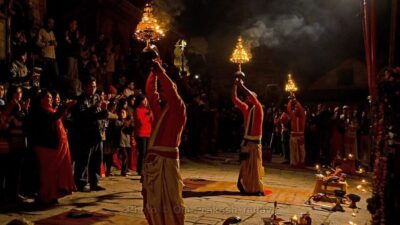
Pashupatinath Temple, Hindu Crematorium and Aarati in-depth Tour
Read our review →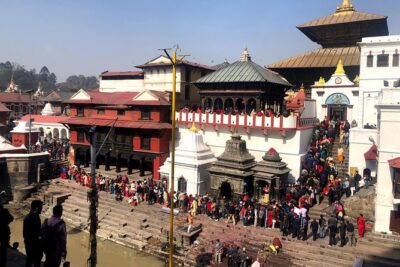
Pashupatinath Evening Aarati: Few Divinely Hours in Kathmandu
Read our review →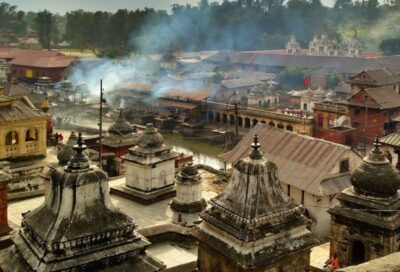
Sacred Pashupatinath: Aarati,Cremation Rites & Boudha Stupa
Read our review →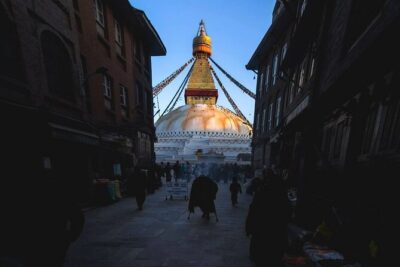
PashupatiNath and BoudhaNath – Private/Small Group
Read our review →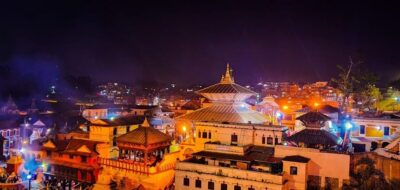
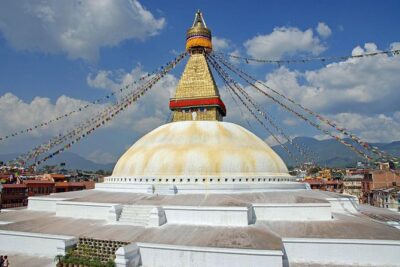
Private Half-Day Tour of Boudhanath and Pashupatinath Temples in Kathmandu
Read our review →Browse the lists this tour appears in