
Reviewed · KATHMANDU
Nepal and Bhutan Tours
The best part of this Nepal and Bhutan journey is its sharp change of pace. You begin with Kathmandu’s temples and Thamel street life, then fly across the Himalayas to Bhutan for monasteries, dzongs, mountain roads, and the famous hike to Tiger’s Nest. It gives you two very different Himalayan cultures in one compact trip.
I like the private format, since your group travels by private vehicle instead of following a large coach. I also like the practical package: hotels, guides, drivers, Bhutan meals, museum fees, and the Kathmandu to Paro flights are included. The main consideration is time. Eight days covers a lot, but your Nepal portion is brief, and several days involve early starts and road travel.
In This Review
- Key points to know before booking
- Kathmandu begins with Thamel after dark
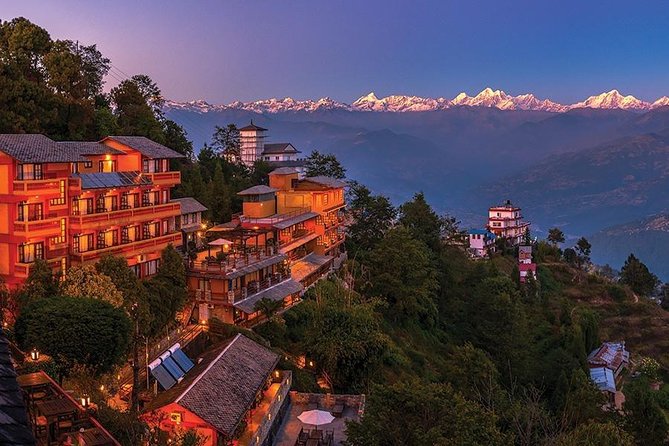
- Nagarkot adds sunrise views before the city tour
- The Kathmandu to Paro flight is a major highlight
- Thimphu temples and a nunnery on Day 4
- Punakha Dzong brings the strongest architecture
- Tiger’s Nest is the trip’s big physical challenge
- The return to Kathmandu is brief but practical
- Day 8 leaves room for a careful airport transfer
- What the $1,400 package really covers
- Private travel makes the compact schedule work
- Who should book this Nepal and Bhutan route
- FAQ
- How long is the Nepal and Bhutan tour?
- Where does the tour start?
- Is the tour private?
- Are flights between Nepal and Bhutan included?
- Is international airfare included?
- Are hotels included?
- Which meals are included?
- Is the Tiger’s Nest visit included?
- What happens if bad weather affects the tour?
- Should you book it?
Key points to know before booking
- Kathmandu and Bhutan in one trip: Combine Nepal’s heritage sites with Bhutan’s monasteries and mountain valleys.
- Private sightseeing: Your group has its own vehicle, guide, and driver in Nepal and Bhutan.
- Tiger’s Nest hike included: Day 6 is the most demanding outing, with a hike to Paro Taktsang.
- Flights between countries included: Airfare from Kathmandu to Paro and back is part of the package.
- Three-star lodging: Hotels in Nepal and Bhutan are included, with Bhutan meals and mineral water covered.
- Strong reported satisfaction: The experience has a 5.0 rating from 13 reviews, with 100 percent recommending it.
Kathmandu begins with Thamel after dark
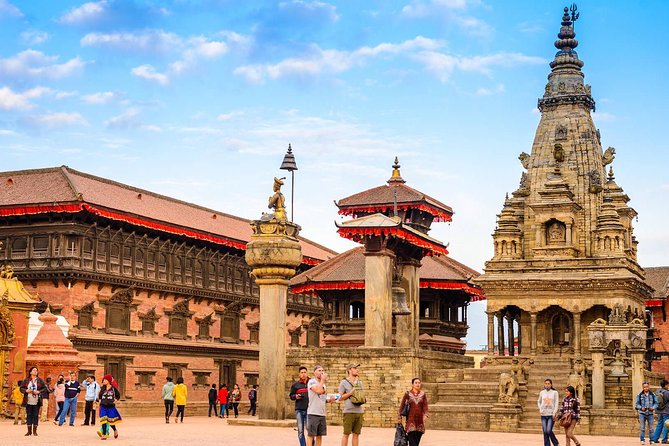
Your trip starts at Tribhuvan Airport in Kathmandu, with pickup offered and a listed start time of 7:15 a.m. The first evening is set aside for Thamel, the city’s main tourist quarter, followed by a welcome dinner.
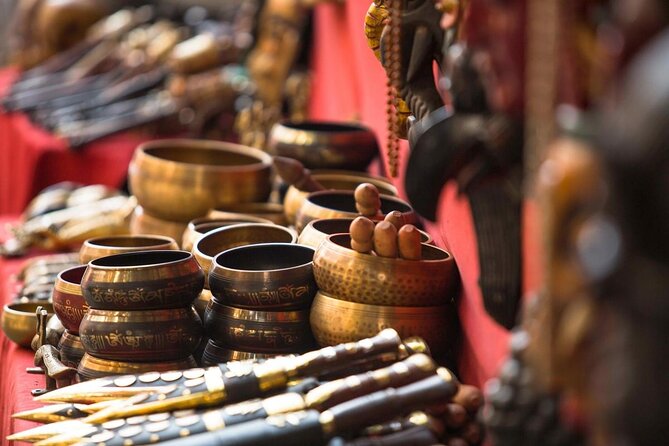
Thamel is a useful first stop because it gives you an easy introduction to Kathmandu. Its streets are lined with shops, restaurants, trekking offices, and places selling souvenirs and outdoor gear. You will have time to walk, adjust to the city, and get a feel for the trip before the more structured sightseeing begins.
The six-hour first-day schedule is generous if your arrival is earlier in the day, but your actual free time depends on your flight and transfer. If you arrive late, the Thamel walk may feel short. If you reach Kathmandu with several hours to spare, it can be a pleasant way to get your bearings without taking on a full temple visit.
A welcome dinner is included. That matters in Kathmandu, where a planned first meal saves you from having to sort out money, transport, and restaurant choices while tired.
Other Kathmandu days people book alongside this one:
- Everest Base Camp Trek – 14 Days
★ 5.0 · 1,499 reviews - Private Kathmandu Sightseeing Tour | UNESCO World Heritage sites
★ 5.0 · 756 reviews - Everest Base Camp Helicopter Tour landing at Everest View Hotel
★ 5.0 · 668 reviews
Nagarkot adds sunrise views before the city tour
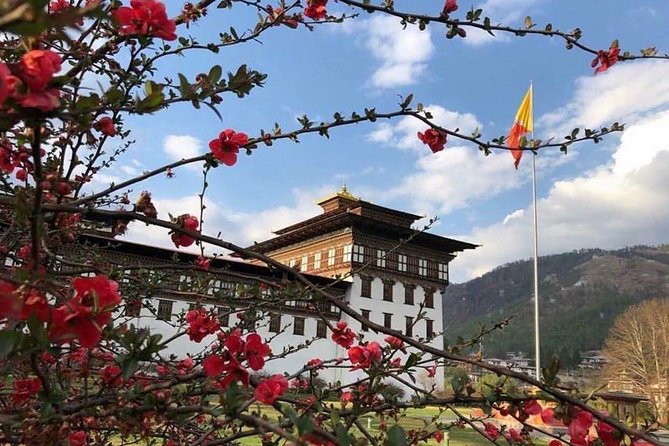
Day 2 begins in Nagarkot, with an early start for sunrise views. Nagarkot is known for its high position and mountain outlook, so this part of the schedule is aimed at scenery rather than monuments. Clear weather is important. Himalayan views are never guaranteed, and morning cloud can hide the peaks.
After breakfast, the tour heads toward Kathmandu for city sightseeing. The listed stop is Swayambhunath Stupa, the hilltop Buddhist site commonly known as the Monkey Temple. The elevated setting gives you a broad view over Kathmandu, while the stupa itself provides an introduction to Nepal’s Buddhist traditions.
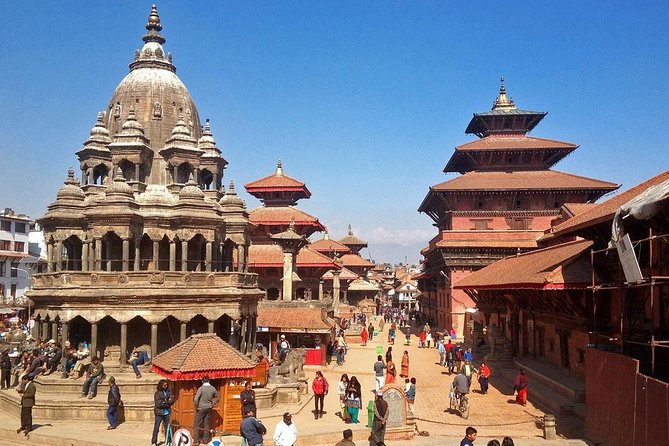
The five-hour schedule keeps this day fairly manageable, though the early sunrise means you may feel the previous day’s travel. There is no admission charge listed for the stop. Museum and special entry fees are included elsewhere in the package, but the plan does not provide a full list of every site visited in Kathmandu, so it is sensible to ask for the final sightseeing details before departure.
I like the contrast here: you start with a quiet mountain viewpoint and then move into Kathmandu’s busy urban setting. You should not expect a long, slow study of every major heritage site. This is an overview day, designed to give you a taste of the city before Bhutan takes over the trip.
The Kathmandu to Paro flight is a major highlight
Day 3 starts with another early morning, this time for sunrise before breakfast and a transfer to Kathmandu airport. The flight to Paro takes about one hour on Druk Air. In clear weather, you may see major Himalayan peaks during the flight, making the journey itself part of the sightseeing.
Paro is Bhutan’s airport gateway, and the change from Kathmandu is immediate in spirit. The trip description points you toward Bhutan’s mountain scenery, monasteries, and cultural sites rather than a long list of city attractions.
The package includes airfare between Kathmandu and Paro in both directions. This is one of the biggest reasons the $1,400 price deserves a close look. International airfare to Nepal is not included, but the costly regional flight between the two countries is covered, along with private transport and a guide.
The tour does not give a named guide, so you should not book it expecting a particular person. What is promised is a professional guide and driver, with their meals, accommodation, and salary covered. For a private tour, that arrangement can make border crossings, airport transfers, and road journeys easier to manage.
Thimphu temples and a nunnery on Day 4
The fourth day includes a drive to Changangkha Lhakhang, described as one of the oldest temples in Thimphu and dating to the 12th century. It sits above the city on a ridge, giving the visit both a religious and scenic element.
You also visit Drubthob Goemba, a nunnery. These stops are useful because they show Bhutan through active religious places rather than only through grand architecture. The tour is not just a series of viewpoints. It brings you into contact with the country’s Buddhist traditions and the role monasteries and nunneries play in local culture.
The schedule is listed as five hours. That leaves time for sightseeing without making this the hardest day physically. You will still spend time in a vehicle, and the itinerary gives only a short outline of the full route, so the precise order and time at each site may depend on road conditions and local arrangements.
Meals in Bhutan are covered from breakfast through dinner, and mineral water is included. That makes the Bhutan section easier to budget than the Nepal section. The package also includes museum fees and other special entry fees, although you should confirm which individual admissions are covered if a particular site matters to you.
A completely different sort of day in Kathmandu:
- Half day cooking class in Thamel kathmandu
★ 5.0 · 607 reviews - Everest Base Camp Trekking
★ 5.0 · 485 reviews - Nagarkot Sunrise View and Day Hiking from Kathmandu
★ 5.0 · 471 reviews - Kathmandu: Full Day 7 UNESCO Tour with Lunch – Private/Group
★ 5.0 · 415 reviews
Punakha Dzong brings the strongest architecture
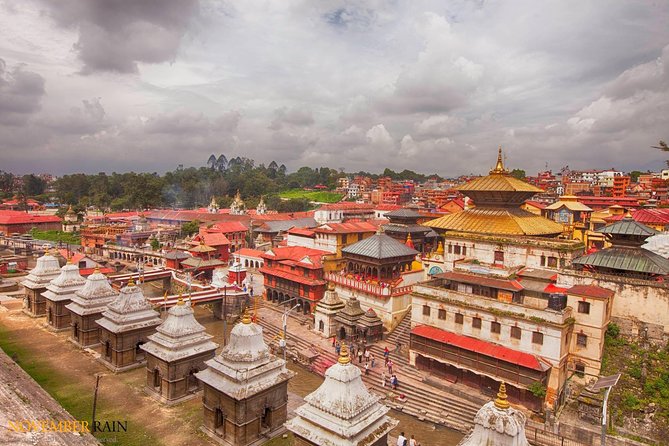
The itinerary places Punakha Dzong on Day 5, after breakfast and a drive from the Thimphu area toward Punakha. The dzong is described as an ancient capital site where the Mo Chu and Pho Chu rivers meet. It is also the winter seat for Bhutan’s monks and the Je Khenpo, the chief abbot.
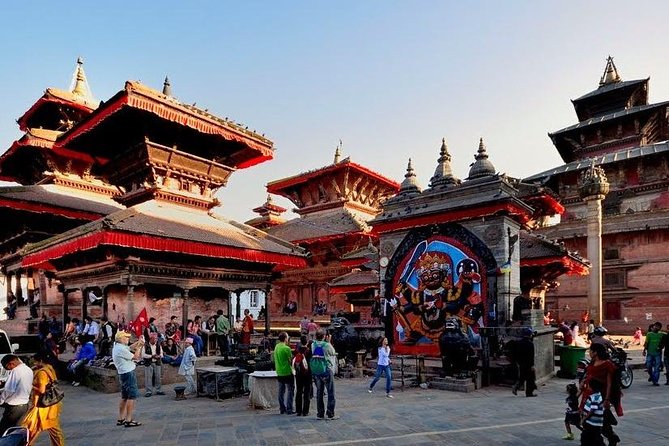
This is likely to be one of the most rewarding cultural visits on the trip. A dzong is more than a fortress or palace. It combines religious and administrative functions, so the visit gives you a clearer sense of how Bhutan’s government and Buddhist institutions have long shared the same buildings.
The route continues to Lobeysa. The day is listed at five hours, but drives in Bhutan can feel longer than the mileage suggests because the roads wind through the mountains. You should be ready for a slower pace and occasional motion discomfort.
The itinerary wording links Punakha with the following visit to Paro, so the precise overnight location should be confirmed before you pay. This is a small but useful planning question. Bhutan programs often involve changing valleys, and knowing where you sleep each night helps you pack and judge the road time.
Tiger’s Nest is the trip’s big physical challenge
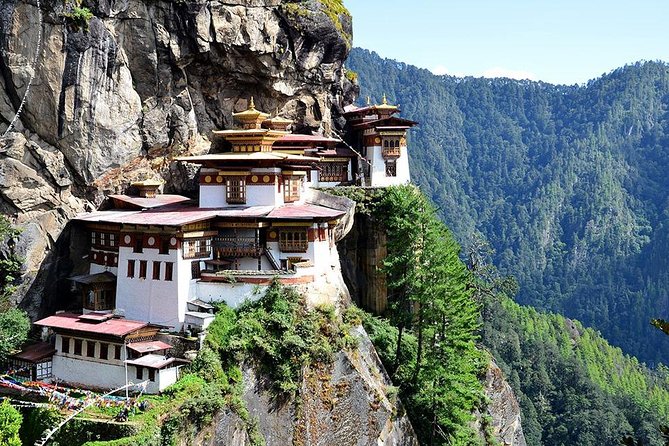
Day 6 is devoted to Paro Taktsang, better known as Tiger’s Nest. The morning begins with a drive along winding roads to Drukgyal Dzong, a ruined fortress that once helped defend the valley from Tibetan invasions. You then continue to Ramthangkha, the starting point for the hike to the monastery.
The hike is the most physically demanding part of the tour. The listed duration is six hours, which includes the drive and the outing, but the description does not give a precise hiking time or difficulty grade. You should expect steep sections, steps, and a sustained uphill walk. Good footwear, water, and an unhurried pace will help.
Tiger’s Nest is one of Bhutan’s defining sights, but it should not be treated as a quick photo stop. The effort is part of the experience. You work upward through the wooded hillside, and the monastery’s position on the cliff gives the visit its drama.
The tour includes admission for this stop. Weather matters here, as it does for the mountain views and flights. The operator states that poor weather can lead to a date change or a full refund. That policy is useful, but you should still keep your schedule flexible if this hike is a main reason for booking.
The return to Kathmandu is brief but practical
After breakfast on Day 7, you drive to Paro airport. A representative helps with exit formalities and says goodbye before your flight to Kathmandu. Once back in Nepal, you are transferred to your hotel and have leisure time for shopping.
This return night is valuable. It gives you a buffer before the international flight home and leaves room for last-minute purchases in Kathmandu. The schedule is only three hours, so do not expect another full sightseeing day.
The package includes two dinners and five breakfasts, while Bhutan breakfast, lunch, dinner, and mineral water are covered. Nepal meals are not included apart from the welcome dinner and the specified included meals. That distinction affects your spending. Kathmandu has many food choices, but you need to pay for most of your meals there.
Day 8 leaves room for a careful airport transfer
The final day is simple. About three hours before your scheduled flight, a representative escorts you to the airport. The tour ends in Kathmandu.
That extra planning is welcome in a city where airport transfers can take time. Your exact departure logistics depend on your flight, but the listed arrangement gives you a clear handoff rather than leaving the final transfer entirely to you.
The itinerary may also be adjustable. One especially useful point comes from the available feedback: a past guest says the company helped arrange a visit to Everest Base Camp in addition to the planned trip. That does not mean the extra excursion is included or guaranteed, but it suggests you can ask Odea Services about add-ons before booking. Get any extension, price, flight, and schedule in writing.
What the $1,400 package really covers
At $1,400, this tour offers good value if you want a private, organized trip and plan to use the included services. The package covers three-star hotels in both countries, private sightseeing vehicles, professional guides and drivers, their trip expenses, the welcome dinner, Bhutan meals, museum and special entry fees, visas as listed, and the Kathmandu to Paro and Paro to Kathmandu flights.
The value is strongest in Bhutan. Meals, water, ground transport, lodging, guiding, and the regional airfare remove several costs that can add up quickly when arranged separately.
Read the exclusions carefully. International airfare is not included. Nepal visa fees are also listed as excluded, despite a separate inclusion for a visa fee, so you should ask which country’s visa fee is covered. Nepal meals, tips, travel insurance, and anything not named in the inclusions are also your responsibility.
The price is not all-inclusive in the usual resort sense. Think of it as a guided touring package with the main transport and Bhutan expenses covered. Set aside money for Nepal food, tips, insurance, the Nepal visa, and personal purchases.
Private travel makes the compact schedule work
This is a private activity, so only your group participates. That gives you more control than a large group tour, even though the published plan follows a set route. You can ask about photo stops, walking pace, and the amount of time at each site.
A private vehicle is especially useful in Bhutan, where several days involve winding mountain roads. It also means you are not waiting for a large group to board buses or finish at each attraction.
The tradeoff is that private touring does not remove the physical demands of the schedule. You still have early mornings on the sunrise days, flights between countries, road transfers, and the Tiger’s Nest hike. The trip suits you best if you enjoy a full program and want an introduction to both countries rather than a slow stay in one valley.
The tour states that most travelers can participate, but it does not provide specific accessibility details. If you have mobility concerns, ask about the hill at Swayambhunath, the mountain roads, and the Tiger’s Nest hike before booking.
Who should book this Nepal and Bhutan route
I would choose this tour if you want to see the major character of both countries in eight days and prefer having transport and guides arranged for you. It is also a good fit if you value cultural stops, mountain views, monasteries, and a private vehicle more than long stretches of free time.
You should think twice if you want extensive Kathmandu sightseeing, independent food exploration, or several relaxed days in Bhutan. The itinerary moves quickly, and the two sunrise starts plus the Tiger’s Nest hike require energy.
The available rating is 5.0 from 13 reviews, with 100 percent recommending the experience. The strongest praise focuses on the itinerary, hotels, guides, and the company’s willingness to help with an Everest Base Camp arrangement. Those are meaningful positives, but the sample is still small, and no guide names are provided.
Cancellation is generous if you act early: cancel at least six full days before the start for a full refund. Two to six days before departure brings a 50 percent refund, while cancellation less than two full days before the start is nonrefundable. Poor weather may lead to a different date or a full refund.
FAQ
How long is the Nepal and Bhutan tour?
The tour lasts approximately eight days.
Where does the tour start?
It starts at Tribhuvan Airport in Kathmandu, Nepal. The listed start time is 7:15 a.m., and pickup is offered.
Is the tour private?
Yes. Only your group participates, and private vehicles are used for sightseeing in Nepal and Bhutan.
Are flights between Nepal and Bhutan included?
Yes. Airfare from Kathmandu to Paro and from Paro back to Kathmandu is included.
Is international airfare included?
No. International airfare is listed under exclusions.
Are hotels included?
Yes. Three-star hotels in Nepal and Bhutan are included.
Which meals are included?
The package includes a welcome dinner, five breakfasts, two dinners, lunch, and meals in Bhutan consisting of breakfast, lunch, dinner, and mineral water. Meals in Nepal are generally excluded except for the meals specifically listed as included.
Is the Tiger’s Nest visit included?
Yes. Day 6 includes the visit to Paro Taktsang, the Tiger’s Nest monastery, including the hike from Ramthangkha. Admission is included.
What happens if bad weather affects the tour?
The experience requires good weather. If poor weather causes cancellation, you are offered a different date or a full refund.
Should you book it?
Book this tour if you want a well-organized first look at Nepal and Bhutan, with private transport, Bhutan meals, regional flights, and the key Tiger’s Nest hike already arranged. Its best feature is the contrast between Kathmandu’s heritage sites and Bhutan’s monasteries, dzongs, and mountain valleys.
Before paying, confirm the hotel names, the exact Kathmandu sightseeing plan, the overnight locations around Punakha and Paro, and which visa fee is included. If you are comfortable with early mornings, winding drives, and one demanding hike, the $1,400 price offers a practical way to connect two difficult-to-arrange Himalayan destinations in a single trip.
Recently added around Kathmandu
- Kathmandu : Swambhunath & Durbar Square Guided Half Day Tour★ 3.3 · 3 reviews
- Private Day Tour in Kathmandu Valley Rim with Bhaktapur Sightseeing★ 5.0 · 3 reviews
- From Kathmandu / Pokhara / Chitwan: River Rafting – 1 Day★ 4.6 · 3 reviews
- Nepali Cooking training & Cultural Homestay Experience★ 5.0 · 3 reviews
- Private 3-Hour Nagarkot Sunset Tour from Kathmandu★ 3.5 · 3 reviews
- From Kathmandu: Everest Base Camp Landing Helicopter Tour★ 5.0 · 3 reviews
- 4 UNESSCO World heritage sites of Kathmandu-private tour★ 5.0 · 3 reviews
- From Kathmandu Budget: 15 Day Everest Base Camp Trek★ 5.0 · 3 reviews