
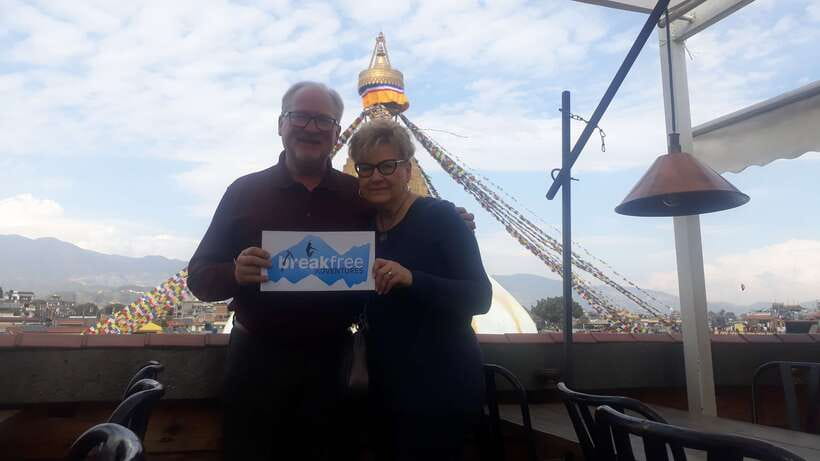
Reviewed · KATHMANDU UNESCO HERITAGE TOURS
Private Kathmandu UNESCO World Heritage Sites Tour
Kathmandu’s UNESCO sites pack an astonishing amount of faith, art, and royal history into a small valley. This private tour lets you choose between two, four, or seven sites, so you can make a focused half-day visit or spend most of a day tracing the valley’s grandest temples and old city squares. I like the freedom to set the pace, and I like having a guide explain the rituals and legends rather than simply pointing at buildings. The main drawback is cost creep: the $28 price does not include monument tickets, and the seven-site option adds NPR 6,000 in entrance fees.
I especially like the chance to see Pashupatinath and Boudhanath together. One reveals Kathmandu’s Hindu heart, including the cremation ghats along the Bagmati River, while the other brings you into the Tibetan Buddhist world beneath a huge white dome and watchful Buddha eyes. You also get hotel pickup and drop-off inside Kathmandu’s ring road, which makes the day easier in a city where traffic can eat up your time.
In This Review
- Key points at a glance
- Why this private Kathmandu tour works
- Pashupatinath and Boudhanath: the best two-site plan
- Pashupatinath Temple and the Bagmati River
- Boudhanath Stupa
- Adding Kathmandu Durbar Square and Swayambhunath
- Kathmandu Durbar Square
- Swayambhunath, the Monkey Temple
- The seven-site route across Kathmandu Valley
- Patan Durbar Square
- Bhaktapur Durbar Square
- Changu Narayan Temple
- What the guide adds to the monuments
- Timing, transport, and the real cost
- Who should choose each option?
- Should you book this Kathmandu UNESCO tour?
- FAQ
- How many UNESCO sites can I visit on the tour?
- How long does the tour last?
- Are monument entrance fees included?
- Is hotel pickup included?
- Is transportation private?
- Can I cancel the tour for a refund?
Key points at a glance
- Choose your scale: Visit 2 sites in about 3 hours, 4 sites in a longer half-day, or all 7 over as much as 9 hours.
- See the cremation ghats: Pashupatinath offers a direct look at Hindu rites along the Bagmati River, handled with care and respect.
- Pair two major faiths: Boudhanath Stupa and Pashupatinath create a powerful contrast between Tibetan Buddhism and Hinduism.
- Get private guiding: Guides including Dipesh, Subash, Roshan, Shankar Bhattarai, and Madan have been praised for clear explanations and friendly help.
- Ride between sites: A private air-conditioned vehicle handles transport, with pickup and return inside the ring road.
- Budget for tickets: Monument fees are NPR 1,400 for two sites, NPR 2,600 for four, and NPR 6,000 for seven.
Why this private Kathmandu tour works
The strength of this experience is its simple choice: you decide how much of Kathmandu Valley you can handle. The two-site plan gives you the city’s most important spiritual pair. The four-site plan adds the capital’s old royal square and Swayambhunath, creating a more rounded first look. The seven-site plan takes you beyond Kathmandu proper to Patan, Bhaktapur, and Changu Narayan.
That flexibility matters. Kathmandu sightseeing can be tiring, especially when traffic, heat, crowds, and temple steps pile up. If you have only a short stop, two sites give you a meaningful introduction without turning the day into a race. If you have a full day and want architecture, religion, and old city life in one outing, seven sites offer far more range.
The tour is private, not a large shared group. You can ask questions, pause for photographs, and adjust the rhythm with your guide. One guest needed a break and an earlier restaurant stop, and the guide adjusted the plan. That kind of small change can make a busy sightseeing day much more pleasant.
Pickup and drop-off are included within the city inside the ring road. You travel in a private air-conditioned vehicle with an English-speaking guide. The vehicle is useful not because the sites are all far apart, but because the valley’s roads can be slow and confusing, and you avoid arranging several separate rides.
More of the valley’s UNESCO heritage sites:
- Private Kathmandu Sightseeing Tour | UNESCO World Heritage sites
★ 5.0 · 756 reviews - Kathmandu: Full Day 7 UNESCO Tour with Lunch – Private/Group
★ 5.0 · 415 reviews - Kathmandu: Full Day Top 4 UNESCO Tour with Lunch – Private/Group
★ 5.0 · 269 reviews
Pashupatinath and Boudhanath: the best two-site plan
For many people, the two-site option is the smartest choice. It joins two very different religious centers and gives each enough time to make an impression.
Pashupatinath Temple and the Bagmati River
Pashupatinath is Nepal’s most important Hindu temple complex and the spiritual center of the tour. The main temple is dedicated to Shiva, and the wider grounds contain shrines, courtyards, holy men, and the Bagmati River cremation ghats.
You should expect a serious, active religious place rather than a quiet museum. Hindu rituals continue here, and cremations may take place along the river. That can be moving, uncomfortable, or both. Your guide can help explain what you are seeing and how to behave respectfully, but you should keep your camera use discreet and follow local instructions.
This stop is valuable because it puts living religion at the center of the visit. You are not only looking at carved stone or old architecture. You are seeing a place still used for prayer, mourning, ritual, and pilgrimage.
The temple complex also rewards slow observation. Look at the details of the shrines and the movement of worshippers, but allow your guide to provide the wider context. Without explanation, the site can feel like a maze of monuments. With guidance, its symbols and traditions become easier to follow.
Boudhanath Stupa
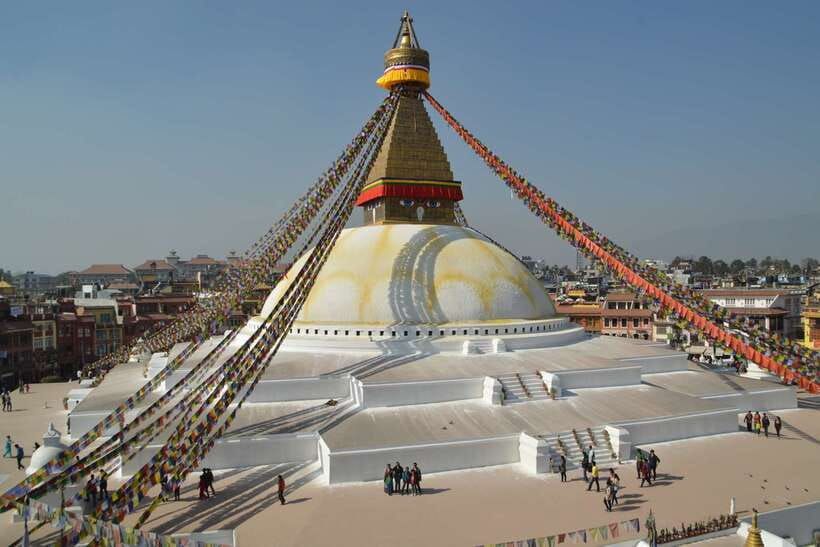
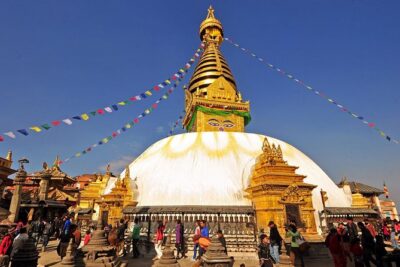
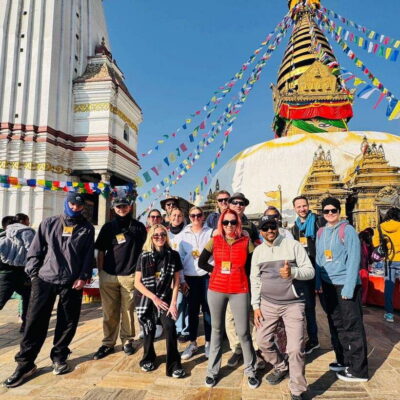
Boudhanath gives you a very different experience. The great stupa is one of the world’s largest, and its white dome, golden spire, prayer flags, and painted eyes create one of Kathmandu’s most recognizable scenes.
The surrounding area reflects Tibetan Buddhist traditions. You can walk around the stupa, watch people move in a clockwise direction, and take in the steady rhythm of prayer and worship. The square also has places to pause for food or a drink. One guest specifically enjoyed lunch with a view over the stupa, so ask your guide about taking a break here if your schedule allows.
Boudhanath is often the more relaxed of the two main stops, though the square can still feel active. I would not rush it. Give yourself time to look upward at the layered design, then notice the smaller details around the base and the surrounding buildings.
The two-site plan is particularly good for first-time visitors, short stays, and anyone more interested in sacred places than royal architecture. It is also the least expensive option once you add the NPR 1,400 monument fee to the $28 tour price.
More history walks in Kathmandu:
- UNESCO Seven World Heritage Tour in Kathmandu
★ 5.0 · 253 reviews - Kathmandu Private Sightseeing Tour | UNESCO World Heritage Sites
★ 5.0 · 109 reviews - Kathmandu: Full Day Private Top 4 UNESCO Heritage Tour W/Lunch.
★ 5.0 · 86 reviews - Kathmandu World Heritage Tour
★ 5.0 · 74 reviews
Adding Kathmandu Durbar Square and Swayambhunath
The four-site plan adds two landmarks that broaden the story. You move from religious centers to royal architecture and hilltop views.
Kathmandu Durbar Square
Kathmandu Durbar Square is a large historic complex of palaces, temples, courtyards, and carved wooden details. It introduces the city’s royal past and shows how political power, religion, and art were tied together.
This is the sort of place where a guide earns the fee. You will see many structures in a compact area, and it is easy to blur one temple into the next. A good explanation helps you understand which buildings served royal purposes, which were religious, and how the square fits into the development of Kathmandu.
The square also carries the marks of earthquakes and later rebuilding. Your guide can point out what you are seeing and explain the site’s changing story. I would allow time to look closely at the woodcarving, doorways, and rooflines instead of treating the square as a quick photo stop.
The four-site option is a strong middle ground. You get two major spiritual sites, one royal center, and one hilltop stupa without committing to the longer valley circuit. The stated monument fee is NPR 2,600, which should be included in your day’s budget.
Swayambhunath, the Monkey Temple
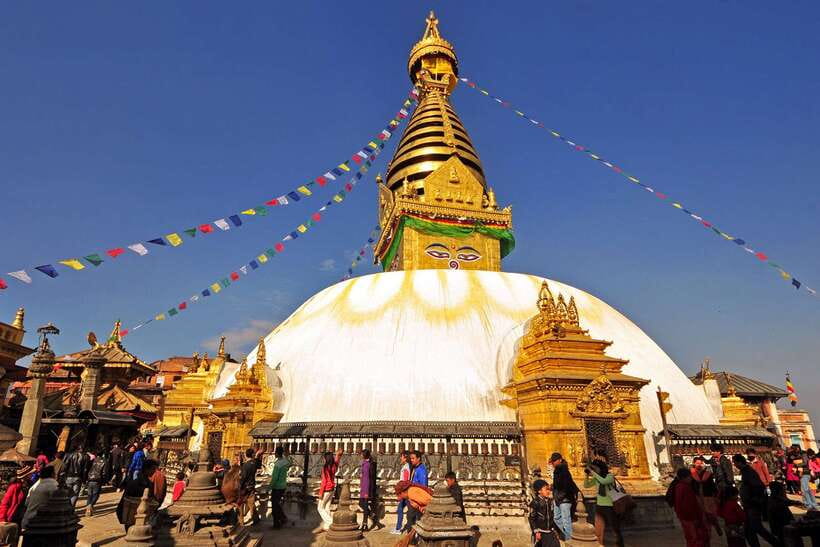
Swayambhunath sits on a hill above Kathmandu and is known for its stupa, religious monuments, and broad city views. The climb and hilltop setting give the stop a different feel from Boudhanath, which sits in a busy urban square.
The nickname Monkey Temple points to the animals around the site, but the religious meaning comes first. You will see a mix of Buddhist and Hindu elements, a useful reminder that Kathmandu Valley’s religious life does not fit into neat boxes.
The hilltop position makes this one of the better places for an overview of Kathmandu. Visibility will affect the view, and the stop involves steps, so it may feel more demanding than the flat sites. Still, the combination of worship, architecture, and city panorama makes it a worthwhile addition.
If you have one full sightseeing day but do not want a very long drive around the valley, four sites may be the most comfortable plan. You get variety without trying to absorb every major monument in one sitting.
The seven-site route across Kathmandu Valley
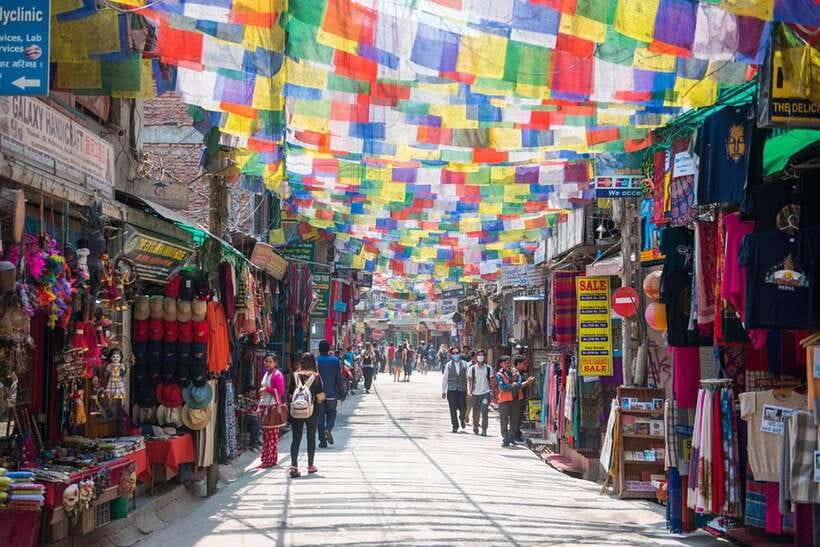
The full option adds Patan Durbar Square, Bhaktapur Durbar Square, and Changu Narayan Temple. This is the broadest cultural route and can last up to nine hours. It suits you best if the UNESCO sites are a main reason for visiting Nepal and you are willing to accept a long, full day.
Patan Durbar Square
Patan Durbar Square extends the royal architecture story beyond central Kathmandu. Its temples, courtyards, and palace buildings show another side of the valley’s artistic tradition.
The value here is comparison. After Kathmandu Durbar Square, you can look for differences in layout, decoration, and atmosphere. A guide can help you see those distinctions instead of treating both squares as interchangeable collections of old buildings.
Patan is also useful for understanding that Kathmandu Valley was shaped by several historic city centers, not one single capital. The seven-site route gives you a much better sense of that shared cultural world.
Bhaktapur Durbar Square
Bhaktapur adds another historic royal center and is one of the day’s most substantial stops. Its square includes palaces, temples, and old urban spaces with a strong architectural character.
By the time you reach Bhaktapur, you may be feeling the length of the route. That is the tradeoff. Seven sites provide a remarkable range, but you have less time to linger at each one than you would on separate day trips.
I would choose the seven-site plan if you want an overview and have limited time in the valley. I would choose four sites if you prefer slower looking and longer pauses. The right decision depends less on the number of monuments than on how much information you can comfortably take in.
Changu Narayan Temple
Changu Narayan completes the UNESCO circuit with a temple site outside the central city areas. It gives the day a more remote-feeling final chapter and adds another important religious and architectural landmark to the route.
The appeal is its place in the wider valley story. Rather than seeing only the famous urban squares, you reach a site that helps connect Kathmandu’s historic centers with the surrounding region.
The seven-site entrance fee is NPR 6,000. That is a major jump from the two-site and four-site fees, so check the total before booking. The tour itself remains inexpensive at $28 per person, but the monument charges can become the larger part of your day’s cost.
What the guide adds to the monuments
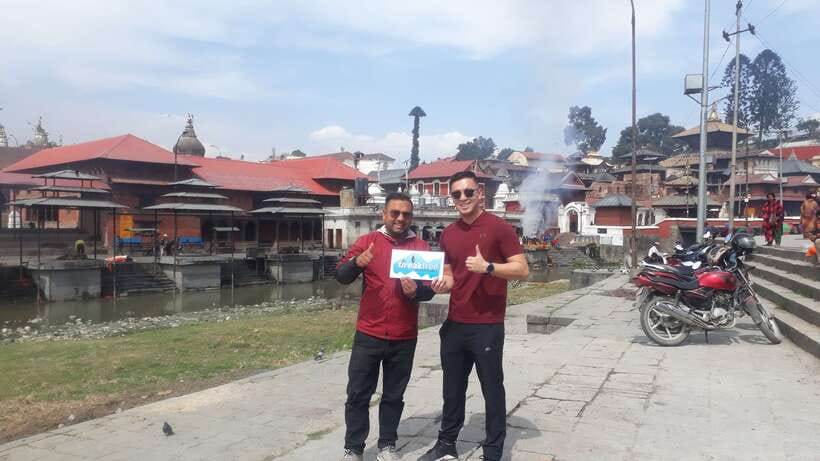
The most consistently praised part of this experience is the guiding. Names that have received especially warm mention include Dipesh, Subash, Roshan, Shankar Bhattarai, and Madan. The important point is not simply that the guide speaks English. You need someone who can connect a temple’s design to its rituals, legends, and role in Nepalese life.
Dipesh has been described as friendly, helpful, and willing to adjust the schedule. Subash was praised for explaining history and traditions clearly, while Shankar Bhattarai helped make a short visit work by focusing on Nepal’s culture and past. Madan was also singled out for explaining the stories behind the sites well.
Your experience will naturally depend on the guide assigned that day, but the private format gives you a better chance to ask for the kind of explanation you want. Tell your guide if you care most about architecture, Hindu and Buddhist practice, royal history, photography, or local customs.
I also like that the guide is not limited to reciting dates. The strongest moments at these sites often come from understanding why people still use them. A building becomes more than a backdrop when you know what a ritual means and why a particular monument matters.
Timing, transport, and the real cost
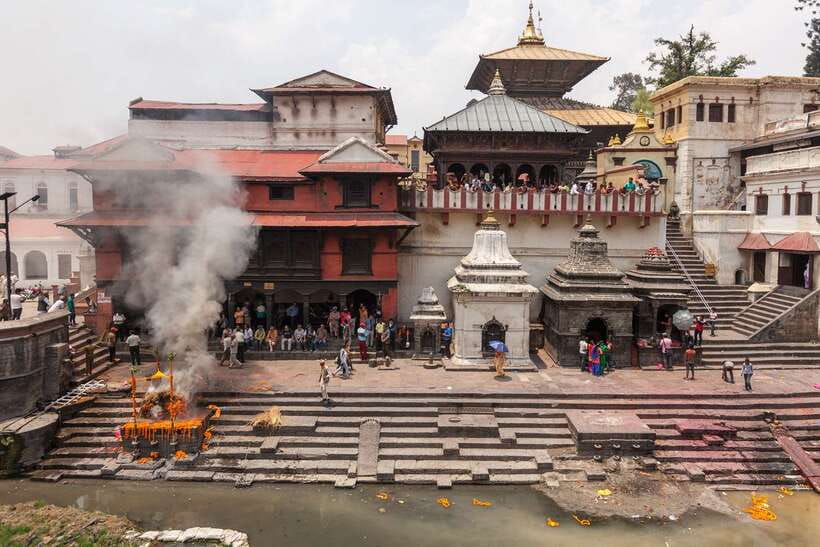
The advertised duration ranges from about 3 to 9 hours. The short end matches the two-site plan, while the longest day is intended for all seven sites. Starting times depend on availability, so check the schedule before you commit to a particular plan.
The private air-conditioned car is included, along with hotel pickup and drop-off inside the ring road. That is good value at $28 per person, especially if you are sharing the vehicle with family or friends. For a solo visitor, the fixed price is still reasonable, but the monument fees become more noticeable.
Plan for these entrance charges:
- Two UNESCO sites: NPR 1,400
- Four UNESCO sites: NPR 2,600
- Seven UNESCO sites: NPR 6,000
Meals, drinks, and personal expenses are not included. A food stop can be arranged within the day, but you should pay for your own meal. Since one schedule was adjusted to allow an earlier restaurant break, it is worth speaking up if you need food, rest, or a change in pace.
The tour includes skip-the-ticket-line access, but that does not mean the tickets are free. Bring your passport or another form of identification, and keep cash available for the entrance charges and personal spending.
Free cancellation is available up to 24 hours before the tour for a full refund, and you can reserve now and pay later. Those terms help if your Kathmandu plans are still shifting.
Who should choose each option?
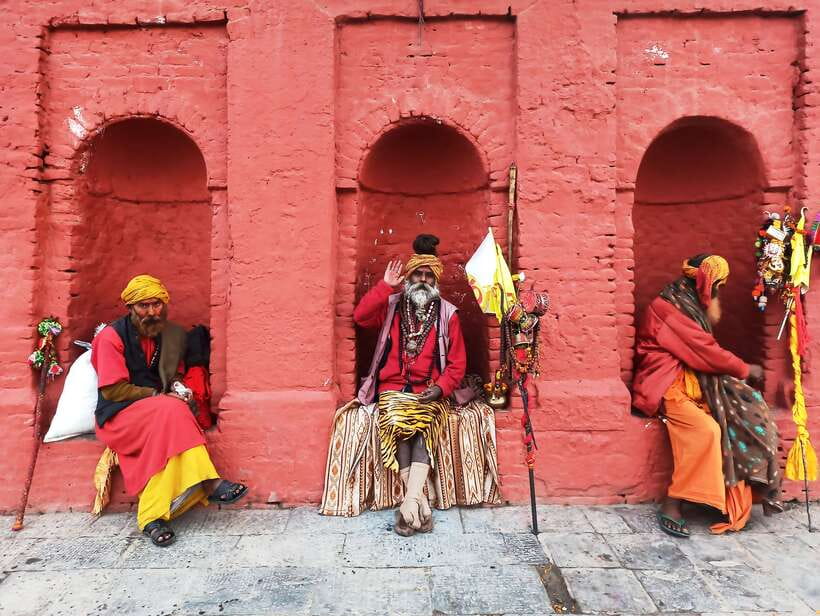
Choose two sites if you have only a few hours, want the clearest religious contrast, or prefer not to rush. Pashupatinath and Boudhanath are enough to make the day worthwhile.
Choose four sites if you want the best balance. You add Kathmandu Durbar Square and Swayambhunath, giving you temples, a stupa, royal buildings, and city views. For many people, this is the most satisfying first visit.
Choose seven sites if you want to cover the valley’s main UNESCO locations in one long day. It is efficient, but not leisurely. You will spend more on entrance fees and may have less time at each stop.
This tour suits first-time visitors, people with tight schedules, families or couples wanting a private pace, and anyone who values explanation over simply ticking off landmarks. It is less suitable if you want a slow photographic study of one square or if you dislike long road transfers between sites.
Should you book this Kathmandu UNESCO tour?
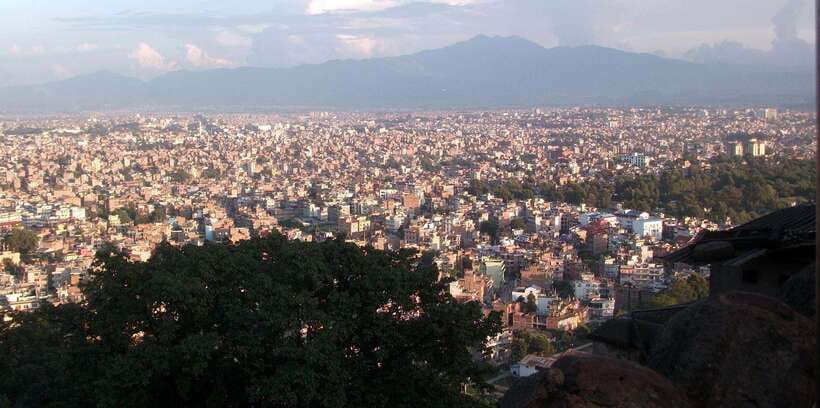
I would book the two-site plan for a short Kathmandu stay and the four-site plan for a first full day in the city. The guide, private car, flexible pacing, and hotel pickup offer good value, especially when you want the major sites explained in plain English.
Book all seven only if you are prepared for a long day and have budgeted NPR 6,000 for monument fees. The route gives you the broadest view of Kathmandu Valley’s sacred and royal landmarks, but the four-site choice may leave you fresher and better able to appreciate what you see.
FAQ
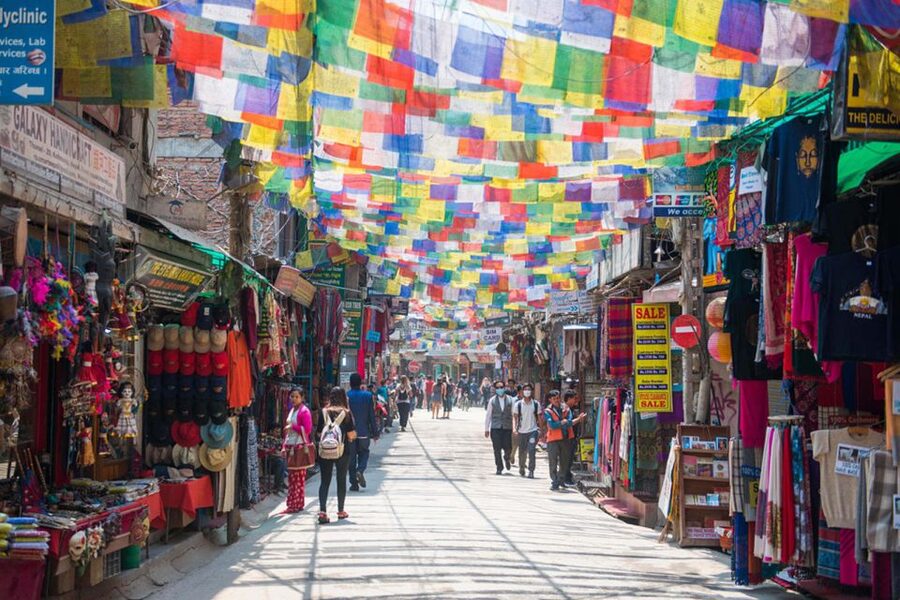
How many UNESCO sites can I visit on the tour?
You can choose to visit 2, 4, or 7 UNESCO World Heritage Sites. The two-site option includes Pashupatinath and Boudhanath. Four sites add Kathmandu Durbar Square and Swayambhunath, while seven also include Patan Durbar Square, Bhaktapur Durbar Square, and Changu Narayan Temple.
How long does the tour last?
The duration is about 3 to 9 hours, depending on the number of sites selected. Check availability for the specific starting times.
Are monument entrance fees included?
No. Entrance fees are paid on the day. The stated charges are NPR 1,400 for 2 sites, NPR 2,600 for 4 sites, and NPR 6,000 for 7 sites.
Is hotel pickup included?
Yes. Pickup and drop-off are included for locations inside Kathmandu’s ring road.
Is transportation private?
Yes. The tour includes private transportation in an air-conditioned vehicle and a private English-speaking guide.
Can I cancel the tour for a refund?
Yes. You can cancel up to 24 hours in advance for a full refund. You can also reserve now and pay later.
Recently added around Kathmandu
- Kathmandu : Swambhunath & Durbar Square Guided Half Day Tour★ 3.3 · 3 reviews
- Private Day Tour in Kathmandu Valley Rim with Bhaktapur Sightseeing★ 5.0 · 3 reviews
- From Kathmandu / Pokhara / Chitwan: River Rafting – 1 Day★ 4.6 · 3 reviews
- Nepali Cooking training & Cultural Homestay Experience★ 5.0 · 3 reviews
- Private 3-Hour Nagarkot Sunset Tour from Kathmandu★ 3.5 · 3 reviews
- From Kathmandu: Everest Base Camp Landing Helicopter Tour★ 5.0 · 3 reviews
- 4 UNESSCO World heritage sites of Kathmandu-private tour★ 5.0 · 3 reviews
- From Kathmandu Budget: 15 Day Everest Base Camp Trek★ 5.0 · 3 reviews
Kathmandu UNESCO Heritage Tours, compared.
Private Kathmandu Sightseeing Tour | UNESCO World Heritage sites
Read our review →
Full Day 7 UNESCO Tour with Lunch – Private/Group
Read our review →
Full Day Top 4 UNESCO Tour with Lunch – Private/Group
Read our review →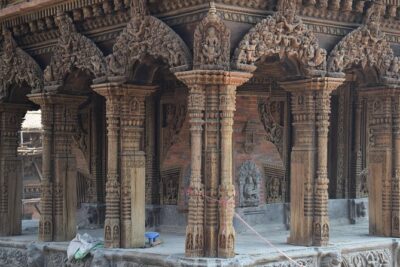
Full-Day 7 UNESCO Tour with Lunch – Private/Group
Read our review →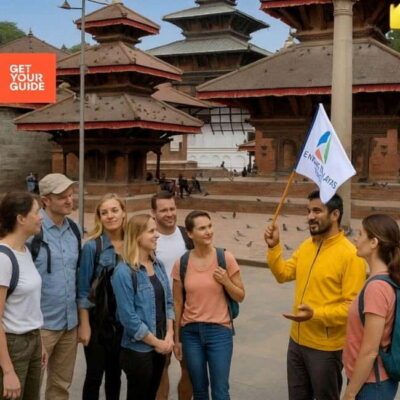
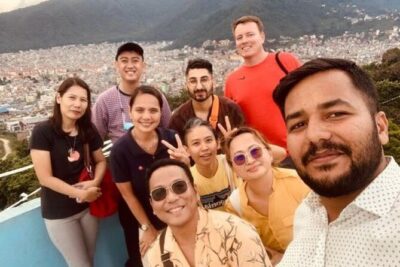
Kathmandu Private Sightseeing Tour | UNESCO World Heritage Sites
Read our review →Browse the lists this tour appears in