
Reviewed · KATHMANDU
Spiritual Journey to Kailash Manasarovar 16 Days Overland Trip
Mount Kailash is the reason to take this journey, but the pilgrimage begins long before you reach Tibet. You’ll visit Kathmandu’s major sacred sites, cross the Nepal-Tibet border by road, spend time beside Lake Manasarovar, and complete the three-day Kailash Kora, including the high Dolma La Pass.
I like the small maximum group of 10, which should make health checks, border formalities, and daily support more personal. I also like the practical care built into the price: permits, full-board vegetarian meals, oxygen support, private transport, and daily blood pressure and oxygen checks are included.
The main caution is the physical demand. You’ll sleep and walk at very high altitude, with Darchen at 4,575 meters and a nine-hour Kora day over Dolma La Pass. This is a spiritual trip, but it is also a serious high-altitude trek.
In This Review
- Key points to know before booking
- Why the Kailash Kora makes this trip different
- Days 1 to 4: Kathmandu’s sacred starting point
- Days 5 to 7: Road travel from Syabrubesi into Tibet
- Days 8 and 9: Lake Manasarovar and Darchen
- Days 10 to 12: The demanding three-day circumambulation
- Days 13 to 16: Returning through Tibet and Nepal
- What the $3,999 price covers
- Who should book this pilgrimage
- Booking details worth handling early
- Should you book the Kailash Manasarovar trip?
- FAQ
- How long is the Kailash Manasarovar overland trip?
- Where does the tour start?
- What is included in the price?
- Are meals included every day?
- Is the Tibet visa included?
- How far in advance must I book?
- What passport requirements apply?
- How large is the group?
- Are horse and pony fees included during the Kora?
- What is the cancellation policy?
Key points to know before booking
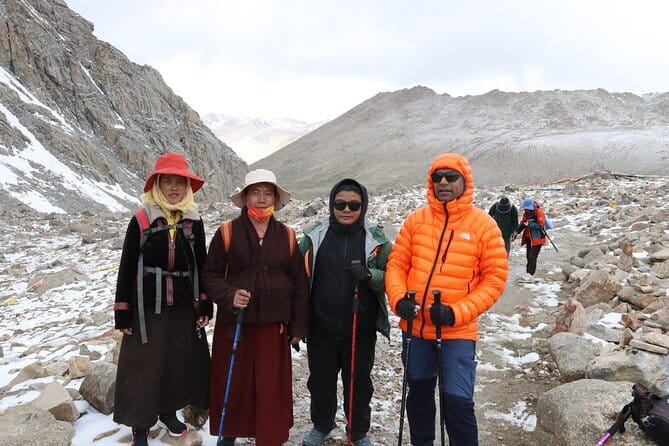
- The three-day Kora is the physical center of the trip: You walk from Darchen to Dirapuk, cross Dolma La Pass to Zuthulphuk, then return to Darchen.
- Kashyap is a key contact on the ground: The tour team includes guides, porters, and a chef, with Kashyap specifically praised for personal support and motivation.
- Permits and Tibet visa costs are included: You must book at least 20 days ahead and send a passport photo within two days of confirmation.
- You get structured altitude support: Daily blood pressure and blood oxygen checks are included, along with an oxygen cylinder for altitude sickness emergencies.
- The group is capped at 10 people: A private departure can be arranged for groups larger than five.
- Pony and horse costs are extra: If you decide you cannot complete part of the Kora on foot, those charges are not included.
Why the Kailash Kora makes this trip different
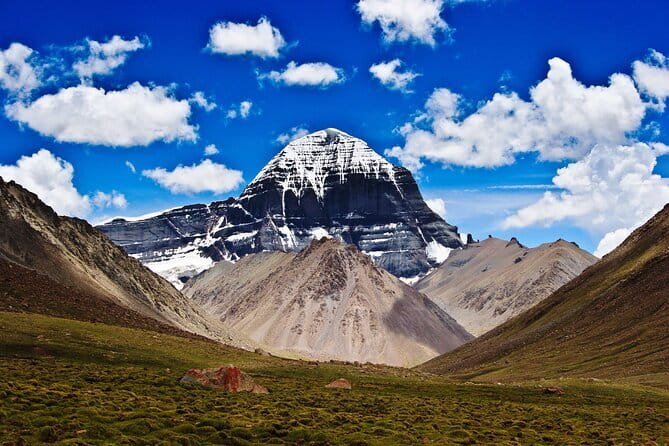
Many mountain trips are built around scenery. This one is built around pilgrimage. Mount Kailash is sacred to several faiths, and the Kora, or circumambulation, gives the journey its purpose. You are not simply driving to a viewpoint, taking a photo, and heading back.
The route takes you from Kathmandu’s Hindu temples to the Tibetan plateau, then to Lake Manasarovar and the base town of Darchen. The final three days require steady walking over rough ground, long hours, and careful pacing. You should think of the Kora as the main event, not an optional side trip.
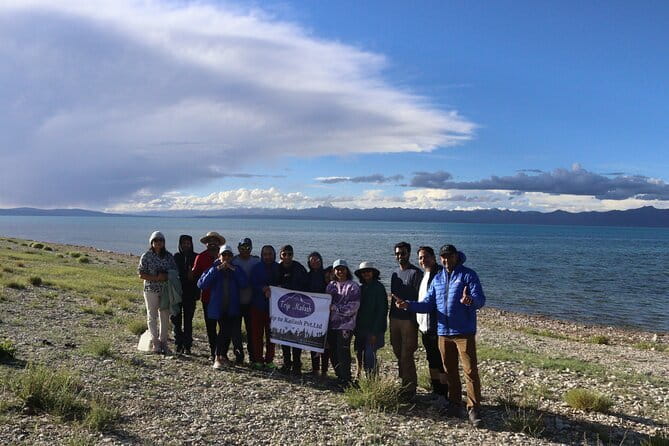
The program uses an intimate group size, with no more than 10 participants. That matters here. Border crossings, permit checks, altitude symptoms, and changing road conditions can be tiring. A small group gives the team a better chance to keep track of everyone and respond to individual needs.
The support team includes a guide, chef, porter, and other local staff. Kashyap is named as a central team member, and the strongest praise focuses on his patience, encouragement, and attention to individual needs. That sort of support is especially useful on the Kora, when a kind word or a slower pace can make a long day manageable.
Other Kathmandu days people book alongside this one:
- Everest Base Camp Trek – 14 Days
★ 5.0 · 1,499 reviews - Private Kathmandu Sightseeing Tour | UNESCO World Heritage sites
★ 5.0 · 756 reviews - Everest Base Camp Helicopter Tour landing at Everest View Hotel
★ 5.0 · 668 reviews
Days 1 to 4: Kathmandu’s sacred starting point
Your first evening begins at Pashupatinath Temple, one of the most important Hindu sites in Nepal. The evening aarti takes place beside the Bagmati River, with oil lamps, bells, chanting, and prayer. Allow about two hours.
This is a strong opening because it gives the trip a religious setting before you leave Nepal. The ceremony is public and atmospheric, but you should remember that it is an active place of worship, not a staged performance. Dress respectfully and follow local instructions around the temple and river.
On Day 2, you visit the Chinese Visa Centre to complete Tibet visa formalities, then go to Chandragiri Hills after breakfast. The listed timing gives about three hours for this part of the day. Admission to Chandragiri Hills is not included, so set aside extra money for that visit.
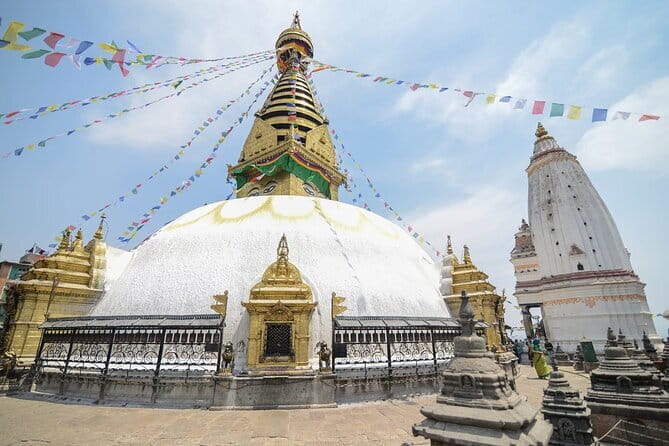
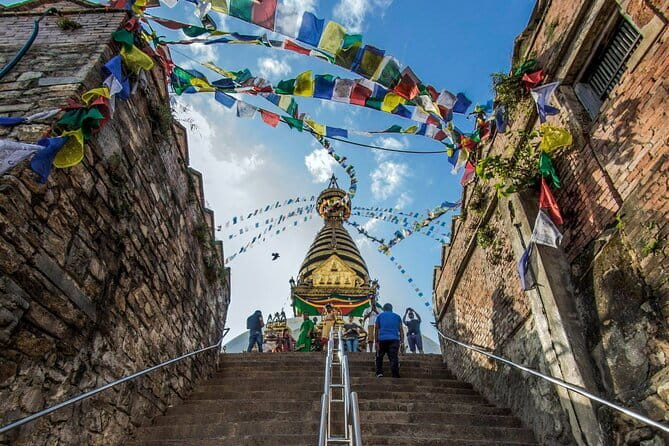
Day 3 is devoted to Kathmandu’s major UNESCO and religious sites. You visit Swayambhunath, also called the Monkey Temple, Boudhanath Stupa, Pashupatinath Temple, and Patan Durbar Square in about five hours. This is a packed sightseeing day, but it gives you a useful introduction to Nepal’s Buddhist and Hindu traditions, architecture, and daily worship.
Pashupatinath appears again in the schedule after your first evening visit. The program may use the second visit as part of the broader Kathmandu sightseeing circuit, but you should confirm the exact timing with the operator before departure.
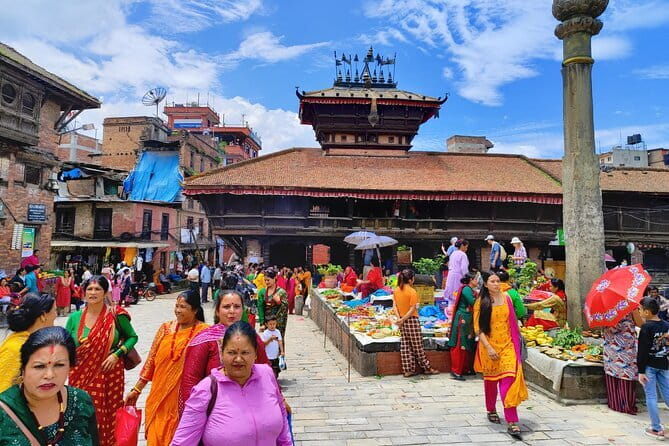
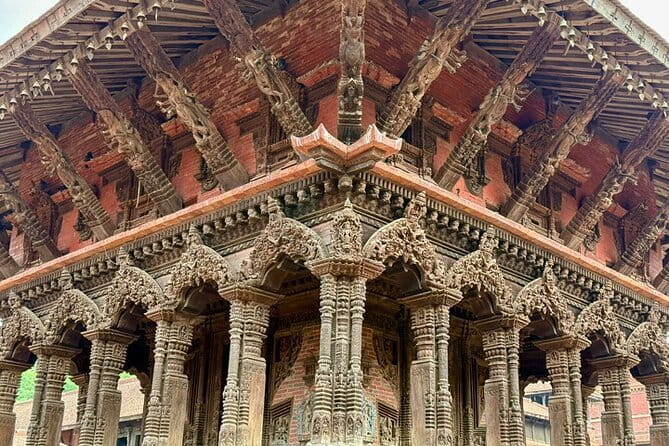
Day 4 takes you to Bhaktapur Durbar Square, Doleshwor Mahadev, and the Kailashnath Mahadev Statue at Sanga. Bhaktapur is known for its medieval buildings, carved wooden temples, 55-Window Palace, and Nyatapola Temple. Doleshwor Mahadev is linked with Lord Shiva and is treated as a sacred pilgrimage site.
The Sanga statue is a major visual stop. At 143 feet, it is described as the tallest Shiva statue in the world and sits on a hill above the Kathmandu Valley. The day lasts about five hours and provides a gentler cultural counterpoint to the difficult days ahead.
Days 5 to 7: Road travel from Syabrubesi into Tibet
Day 5 is a long road day. After collecting your Tibet visa, you drive from Kathmandu to Syabrubesi, a village at about 1,550 meters. The trip takes roughly seven hours and brings you toward the Nepal-Tibet border through Himalayan foothills.
This is not a quick transfer. Roads can make overland travel tiring, and the value is in watching the terrain change from Kathmandu Valley to mountain country. Private transport is included, which avoids the uncertainty of arranging several separate vehicles yourself.
On Day 6, you cross from Nepal into Tibet at the Rasuwa Gadhi and Gyirong border area, then drive to Gyirong Town. The listed travel time is about seven hours. The town sits among high peaks and valleys, and this is where the altitude begins to become a serious part of the journey.
Border days rarely run like clockwork. You should expect formalities, document checks, and waiting. The tour includes the Tibet visa and permit fees, which removes one major planning burden, but you still need to provide a passport photo within two days after confirmation. Your passport must be valid for at least six months.
Day 7 continues to Saga County across the Tibetan plateau. The drive takes about six hours. You may see nomadic herders, traditional villages, and wide open mountain terrain along the way. This is a scenic day, but the long road hours and increasing altitude mean you should keep your schedule calm and your water routine steady.
Days 8 and 9: Lake Manasarovar and Darchen
On Day 8, you reach the Manasarovar wetland and Lake Manasarovar, one of the world’s highest freshwater lakes and a sacred site for Hindus and Buddhists. A puja is planned on the shore, giving you time for prayer and reflection with views toward Mount Kailash.
This is one of the emotional high points of the trip. The lake is not just a scenic stop. Its spiritual meaning is central to the pilgrimage, and the planned ritual gives the visit a clear purpose. Admission for this stop is included.
Day 9 takes you to Darchen, the starting point for the Kora. Darchen sits at about 4,575 meters, so even ordinary walking can feel much harder than expected. You have about seven hours of travel that day, followed by time in the town that serves as the base for the pilgrimage.
Darchen is where you should take your physical condition seriously. Do not treat a lack of symptoms on the road as proof that you are fully acclimatized. The program includes daily blood pressure and blood oxygen monitoring, plus an oxygen cylinder in case of altitude sickness, but these measures do not replace honest communication with your guide.
A completely different sort of day in Kathmandu:
- Half day cooking class in Thamel kathmandu
★ 5.0 · 607 reviews - Everest Base Camp Trekking
★ 5.0 · 485 reviews - Nagarkot Sunrise View and Day Hiking from Kathmandu
★ 5.0 · 471 reviews - Kathmandu: Full Day 7 UNESCO Tour with Lunch – Private/Group
★ 5.0 · 415 reviews
Days 10 to 12: The demanding three-day circumambulation
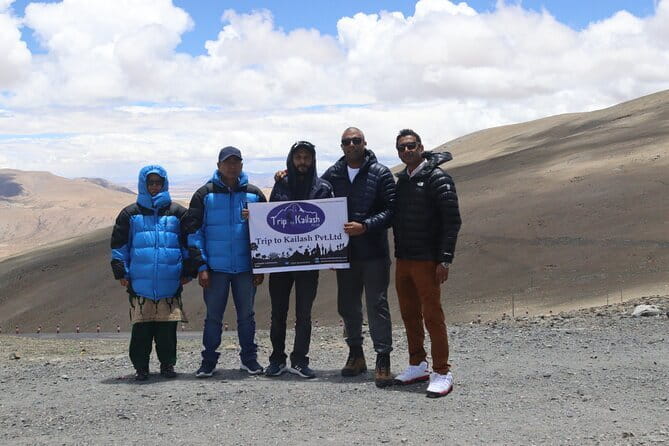
Day 10 begins the Kora from Darchen to Dirapuk Monastery. The walk is expected to take about seven hours and crosses rugged ground with views of Mount Kailash and the surrounding peaks.
This is the point where sturdy preparation matters. The supplied requirements call for moderate physical fitness, but the altitude makes the route more demanding than a normal seven-hour hike. You should be ready for a slow pace, rest stops, and a full day outside.
Day 11 is the hardest section. You walk from Dirapuk to Zuthulphuk, with about nine hours on the schedule, and cross Dolma La Pass, the highest point of the Kora. The pass is the major physical test of the trip.
Horse and pony fees are not included. That detail deserves attention before you book. If you think you may need animal support for part of the route, ask the operator about current prices, availability, and how arrangements work. Do not assume a pony will automatically be available at the moment you need one.
The Dolma La crossing is also the day when altitude problems can become serious. The included health checks and oxygen cylinder are reassuring practical measures, and the small group helps the team watch individual conditions. Still, you must tell the guide if you feel unwell. Quietly pushing through symptoms is not a spiritual virtue.
Day 12 completes the Kora from Zuthulphuk back to Darchen, with about seven hours of walking. The return is a time to reflect on the journey, but it is not an easy stroll. You may be tired from the pass the day before, so a careful pace remains important.
The Kora is the reason to choose this tour instead of a sightseeing circuit. You get a full circumambulation rather than a partial walk, but that benefit comes with real effort. If your main goal is simply to see Mount Kailash from a vehicle, this is more trip than you need.
Days 13 to 16: Returning through Tibet and Nepal
Day 13 retraces the road from Darchen to Saga County, taking about six hours. This is a recovery day by comparison, although long sitting after the Kora can be uncomfortable. The open Tibetan terrain gives you space to process what you have just completed.
Day 14 brings you back to Gyirong Town in about five hours. The team is scheduled to help with necessary arrangements and provide an overnight stay. That support is useful because the return border process can be just as tiring as the crossing into Tibet.
On Day 15, you complete immigration formalities at the Rasuwa Gadhi border and drive to Kathmandu. The journey is listed as about 265 kilometers and nine to eleven hours, although the schedule gives an estimated eight-hour stop duration. In practical terms, plan for a very long final road day and avoid booking a tight onward flight that evening.
Day 16 is departure day. After breakfast, you go to Tribhuvan International Airport, with about two hours assigned to the airport transfer. The listed starting point is also Tribhuvan International Airport, with a 10:15 a.m. start time, so confirm the exact pickup plan and flight details before you travel.
What the $3,999 price covers
The price is $3,999 per person. That is a substantial amount, but it covers many of the costly and complicated parts of a Kailash trip.
Included items are private transportation, Tibet visa and permit fees, taxes, accommodation, full-board pure vegetarian meals, Kathmandu sightseeing, and a Shivapuri National Park hike. You also receive breakfast on 15 days, dinner on 15 days, and lunch on 11 days.
Accommodation is listed as three-star hotels in Kathmandu and the best available options during the Kora. That wording is important. You should not expect the same hotel standard throughout the trip, especially in remote Tibetan areas. The price buys access and organization in a difficult region, not luxury.
Daily health checks, an oxygen cylinder, guides, porters, and a chef add practical value. The food plan is also clear: meals are pure vegetarian, so this suits you if you are comfortable with that style of dining. Personal expenses, tips, monument admission in Kathmandu, and horse or pony fees are extra. Kathmandu monument tickets are estimated at about $30.
I see the price as reasonable for someone who wants permits, transport, food, and support arranged in one package. It is less attractive if you already have a local network, want independent control of every stop, or do not plan to complete the Kora.
Who should book this pilgrimage
This trip suits you if Mount Kailash and Lake Manasarovar are the main purpose of your journey. It also works well if you prefer a structured group, want permit support, and value having a chef, porter, guide, and health monitoring in place.
You should have moderate physical fitness and be prepared for long road transfers and high-altitude walking. The nine-hour Dolma La day is the clearest warning sign. You do not need to be an elite athlete based on the stated requirements, but you do need to respect the conditions.
The maximum group size of 10 is a useful middle ground. You get more personal attention than on a large pilgrimage convoy, while still sharing the cost of transport and staff. A private tour can be organized for groups above five people, which may appeal to families or established spiritual groups.
The fixed departure format makes planning easier, but it limits flexibility. The dates provided for 2024 were May 12, June 10, July 8, August 11, and September 9. Since those dates are specific to 2024, confirm current departure dates before paying.
Booking details worth handling early
Book at least 20 days in advance because the Tibet entry permit must be arranged. Once your booking is confirmed, send a passport photo within two days, and make sure your passport has at least six months of validity.
Pickup is offered, and the meeting point is Tribhuvan International Airport in Kathmandu. Confirmation is expected within 48 hours, subject to availability. The activity is sold with a mobile ticket.
The cancellation terms are strict close to departure. You can receive a full refund if you cancel at least six full days before the start time. A cancellation two to six full days ahead receives a 50 percent refund, while cancellation less than two full days before departure receives no refund. Changes inside those cutoffs are not accepted.
Should you book the Kailash Manasarovar trip?
Book this tour if you want the full pilgrimage experience, including Lake Manasarovar, the three-day Kora, Tibetan permits, vegetarian meals, and a support team that pays attention to individual needs. Kashyap’s personal encouragement is a notable advantage, especially on the hardest walking days.
Think twice if you dislike fixed schedules, long road transfers, basic remote accommodation, or strenuous walking at 4,575 meters and above. Before paying, ask about the current departure date, accommodation during the Kora, pony availability, and the exact border schedule.
For a committed pilgrim who wants the logistics handled and prefers a small group, this is a well-organized route with useful safety measures. The price is not low, but the permits, transport, meals, staff, and monitoring make it easier to understand. Go for the spiritual goal, prepare for the physical work, and leave room in your schedule for mountain roads and border formalities.
FAQ
How long is the Kailash Manasarovar overland trip?
The trip lasts approximately 16 days, beginning and ending in Kathmandu.
Where does the tour start?
The meeting point is Tribhuvan International Airport in Kathmandu, Nepal. The listed start time is 10:15 a.m.
What is included in the price?
The price includes private transportation, taxes, Tibet visa and permit fees, accommodation, full-board pure vegetarian meals, Kathmandu sightseeing, a Shivapuri National Park hike, an oxygen cylinder, and daily blood pressure and blood oxygen checks.
Are meals included every day?
Breakfast is included on 15 days, dinner on 15 days, and lunch on 11 days. Meals are pure vegetarian.
Is the Tibet visa included?
Yes. Tibet visa fees and permit fees are included, subject to the required booking and document process.
How far in advance must I book?
You must book at least 20 days before departure so the Tibet entry permit can be arranged.
What passport requirements apply?
Your passport must be valid for at least six months. You must also send a passport photo within two days after your booking is confirmed.
How large is the group?
The activity has a maximum of 10 participants. A private tour can be arranged for a group above five people.
Are horse and pony fees included during the Kora?
No. Horse and pony fees during the Kora are not included and must be paid separately.
What is the cancellation policy?
A full refund is available if you cancel at least six full days before the start time. Cancellations two to six full days ahead receive a 50 percent refund, while cancellations less than two full days before departure are nonrefundable.
Recently added around Kathmandu
- Kathmandu : Swambhunath & Durbar Square Guided Half Day Tour★ 3.3 · 3 reviews
- Private Day Tour in Kathmandu Valley Rim with Bhaktapur Sightseeing★ 5.0 · 3 reviews
- From Kathmandu / Pokhara / Chitwan: River Rafting – 1 Day★ 4.6 · 3 reviews
- Nepali Cooking training & Cultural Homestay Experience★ 5.0 · 3 reviews
- Private 3-Hour Nagarkot Sunset Tour from Kathmandu★ 3.5 · 3 reviews
- From Kathmandu: Everest Base Camp Landing Helicopter Tour★ 5.0 · 3 reviews
- 4 UNESSCO World heritage sites of Kathmandu-private tour★ 5.0 · 3 reviews
- From Kathmandu Budget: 15 Day Everest Base Camp Trek★ 5.0 · 3 reviews