
Reviewed · EVENING EXPERIENCES
Evening Photography Tour of Kathmandu
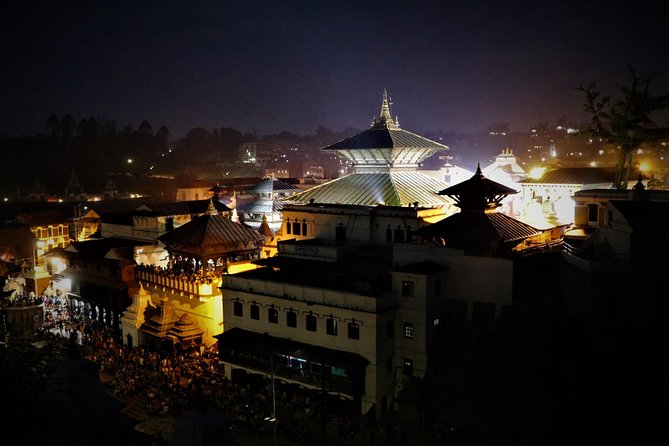
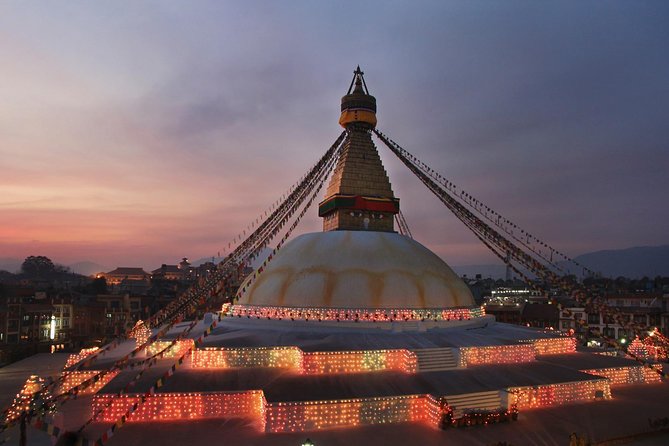
Boudhanath’s white dome glows after sunset, while monks and devotees circle the stupa with butter lamps in hand. Later, at Pashupatinath, chanting, singing, and fire rituals unfold beside the sacred Bagmati River. This is Kathmandu seen through evening light and religious ceremony, not just famous monuments in daylight.
I like the private format, since your guide can focus on your camera, pace, and questions. I also like the built-in access to two very different traditions: Tibetan Buddhist devotion at Boudhanath and Hindu aarti at Pashupatinath. The main consideration is the $102 price, which is a serious outlay for a 3 to 4-hour outing, especially if you already know both sites or mainly want free time to photograph on your own.
In This Review
- Key points to know before booking
- Why Kathmandu looks different after sunset
- Boudhanath: butter lamps around the white dome
- Pashupatinath: fire, hymns, and the Bagmati River
- What the private guide adds
- Is $102 a fair price?
- Who will get the most from this evening
- How to prepare for better photographs
- What the 4.9 rating tells you
- Should you book the Evening Photography Tour of Kathmandu?
- FAQ
- How long does the Evening Photography Tour of Kathmandu last?
- Which places does the tour visit?
- What can I photograph at Boudhanath?
- What happens at Pashupatinath in the evening?
- Is transportation included?
- Is this a private tour?
- What is included in the price?
- Can I cancel for a refund?
Key points to know before booking
- Boudhanath after sunset: Photograph the illuminated stupa, butter lamps, monks, and devotees making a clockwise parikrama.
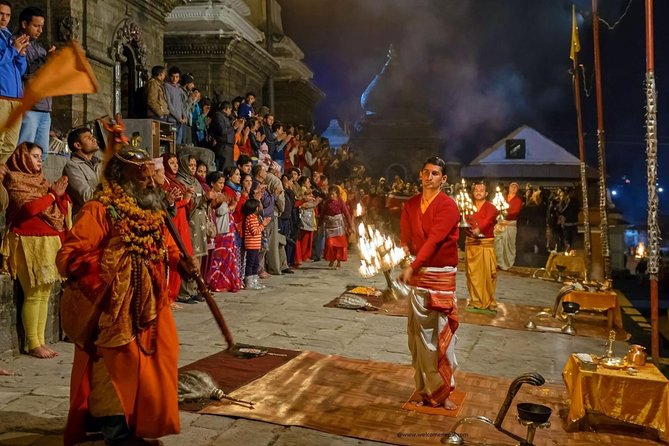
- Pashupatinath aarti: See chanting, hymns, singing, and flame offerings to Lord Shiva beside the Bagmati River.
- Private transportation: Pickup and transport from central Kathmandu are included, saving you the trouble of arranging evening rides.
- Guide-led photography: The English-speaking licensed city guide helps you find useful viewpoints and explains what you are seeing.
- Small, private experience: Only your group participates, making it easier to ask questions or adjust the pace.
- Flexible cancellation: You can cancel up to 24 hours before the start for a full refund, subject to the stated weather and minimum-group conditions.
Why Kathmandu looks different after sunset
Kathmandu’s best-known religious places change character in the evening. In daylight, Boudhanath is an architectural landmark and Pashupatinath is a major temple complex. After dark, the focus shifts to movement, light, sound, and ritual.
That shift matters if you are carrying a camera. The evening gives you glowing lamps, shadowed faces, illuminated architecture, and ceremony rather than standard daytime sightseeing pictures. You are not simply being driven to two monuments and left to find your own way. The guide is there to point out where the strongest scenes are likely to appear and to explain the customs behind them.
The tour lasts about 3 to 4 hours, with roughly an hour at each main stop and time in the car between them. Pickup is offered, and private transport from central Kathmandu is included. That is useful in the evening, when moving between two busy religious sites can be less simple than it looks on a map.
You should bring your camera, but the experience does not include dinner, bottled water, or alcoholic drinks. Plan accordingly. The supplied information does not specify camera equipment, tripod rules, or exact pickup times, so those are sensible points to confirm before you go.
Other Kathmandu days people book alongside this one:
- Everest Base Camp Trek – 14 Days
★ 5.0 · 1,499 reviews - Private Kathmandu Sightseeing Tour | UNESCO World Heritage sites
★ 5.0 · 756 reviews - Everest Base Camp Helicopter Tour landing at Everest View Hotel
★ 5.0 · 668 reviews
Boudhanath: butter lamps around the white dome
The first stop is Boudhanath Stupa, one of the most important pilgrimage centers for Tibetan Buddhism. Its large white dome is decorated and lit in the evening, creating the tour’s clearest opportunity for night photography.
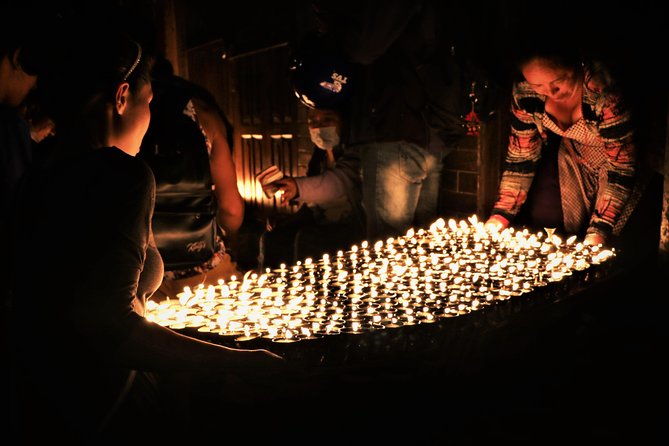
The activity here is not just looking at the stupa. Devotees and monks make a parikrama, or circumambulation, walking around the structure. People light butter lamps and pray for the well-being of all sentient beings and for world peace. Those details give your photographs a human center. You can capture the broad shape of the stupa, then look for smaller scenes of hands, flames, robes, prayer, and steady movement.
You receive about one hour at Boudhanath, and admission is included. That should be enough for a focused visit, though it is not a long photography workshop. The guide’s value is helping you use that hour well. A strong guide can show you where to position yourself, when to wait, and which activity is worth watching rather than rushing past.
The evening setting also brings limits. Low light can make photography harder, particularly if you are using a phone or a basic camera. The scene includes people engaged in worship, so this is a place for respect before getting the shot. Ask your guide about appropriate photography if you are unsure, especially during prayer or close-up portraits.
One useful strength of the private arrangement is that your group does not have to follow the needs of a large crowd. If you need a moment to adjust your settings or want to ask about the Buddhist practices around the stupa, you can do so without holding up a busload of people.
Pashupatinath: fire, hymns, and the Bagmati River
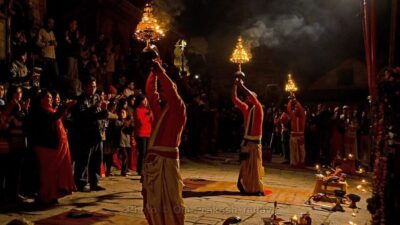
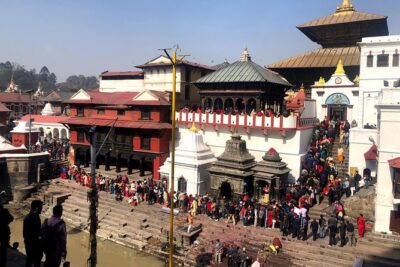
The second stop is Pashupatinath Temple, an ancient Hindu shrine dedicated to Lord Shiva. Pashupatinath means protector of all living beings, and the evening visit centers on aarti, a sacred ceremony in which light from a flame is offered to the gods.
This is the most dramatic part of the outing. Sacred Vedic verses and hymns are chanted, singing fills the area, and priests perform the flame ritual. Devotees may dance in a trance-like state. The ceremony has a strong connection with Shiva, who is associated here with the celestial Tandav dance.
The setting beside the Bagmati River adds another layer to the photographs. Firelight, dark water, gathered worshippers, and temple surroundings create a very different mood from the bright white dome at Boudhanath. The tour information specifically places the ceremony on the banks of the river, making this more than a simple temple entrance visit.
You receive about one hour at Pashupatinath, with admission included. The guide can help you understand what is happening instead of leaving you to interpret the chanting and gestures from a distance. One review specifically praised Mr. Bikash for his command of Kathmandu and its heritage sites, while another mentioned Deepa’s informed explanation of the fire devotion to Shiva. The available information does not guarantee either guide for your booking, but these names give you an idea of the kind of guide experience associated with the activity.
There is an important practical point here. A religious ceremony is not staged for photographers. You are observing a living act of worship. The best approach is to follow your guide’s direction, keep your camera work discreet, and give priority to the ceremony itself. You will get better images when you pay attention to the rhythm of the event rather than treating it like a quick photo stop.
What the private guide adds
This experience is sold as a photography tour, but the guide is not described as a dedicated professional photography instructor. The practical benefit is local direction. You are shown where to go and when to look for scenes worth capturing, while the guide adds context about Kathmandu, the landmarks, and the rituals.
That difference is worth understanding before you pay. If you expect a technical lesson on shutter speed, lenses, composition, or post-processing, the information provided does not promise that. If you want help finding the right places and understanding what is happening in front of you, the format makes more sense.
The guide also gives you someone to talk with between the two stops. One review praised the time in the car as a chance to learn about Kathmandu and Nepal beyond the sights themselves. That can make the transfer feel like part of the experience rather than dead time.
The private format is especially helpful for photographers who work slowly. You might want to wait for a lamp to be lit, watch a procession make another circuit, or hold your position until the ceremony reaches its most visual moment. With only your group participating, you have a better chance of doing that than on a fixed group outing.
Still, private does not mean unlimited. The tour remains about 3 to 4 hours, and each major stop is listed at one hour. If you prefer to spend an entire evening at one site, this schedule may feel rushed.
More Kathmandu evenings:
- Kathmandu Sunset Tour by Rickshaw Including Durbar Square Visit
★ 5.0 · 73 reviews - 3 Nights 4 Days Chitwan National Park with Tower Night Stay
★ 5.0 · 41 reviews - 3 night 4 Day Yoga & Ayurveda Retreat to Detox the Body & Mind, Nepal
★ 5.0 · 37 reviews - Kathmandu: Pashupatinath Temple Evening Aarati Tour
★ 5.0 · 36 reviews
Is $102 a fair price?
At $102 per person, this is not a budget sightseeing ride. You are paying for private transportation, an English-speaking licensed city guide, admission fees, and the convenience of combining two major sites in one evening.
The value improves if you are traveling alone or with a small group that wants a private vehicle and focused guidance. Evening transport is included, and you do not have to work out how to reach Boudhanath, wait for another ride, and then continue to Pashupatinath. For a first visit to Kathmandu, that convenience has real worth.
The price is harder to justify if you have already visited both places during the day, know how to get around, and mainly want to take independent photographs. One review made this exact point: the evening was still worthwhile after daytime visits, but the experience may not feel entirely new if the sites are already familiar.
Group discounts are available, though the supplied details do not state the discount amount or the number of people required. If you are traveling with friends or family, check how the discount changes the per-person cost. Since the tour is private, splitting the transport and guide cost may make more sense for a group than booking separately.
The tour does not include food or drinks. That is easy to manage, but it means you should not think of the $102 as covering a full evening out. You are buying access, transport, context, and a photography-focused route.
Who will get the most from this evening
I would recommend this outing to a first-time visitor who wants a clear introduction to two major religious sites without handling evening transportation alone. It also suits a photographer who values access and local direction more than a formal camera class.
It is a good fit if you want:
- A private outing rather than a shared group tour
- Help locating useful photography settings
- A mix of Buddhist and Hindu religious traditions
- A short evening program that fits into a larger Kathmandu stay
- Historical and cultural explanation during the drive and at the sites
- A guide who can help you make sense of ceremonies while you photograph
You may want to skip it if you have already spent serious time at both Boudhanath and Pashupatinath, or if you need several hours at one location to work carefully. The limited schedule and relatively high price will matter more to independent photographers than to first-time sightseers.
The activity is also weather dependent. If poor weather causes cancellation, you are offered another date or a full refund. A minimum number of participants is also required, and if that condition is not met, you are offered another date or experience or a full refund.
How to prepare for better photographs
Bring the camera you are comfortable using. The description says all you need is your camera, but it does not list special equipment or technical instruction. That makes familiarity with your own settings more useful than carrying gear you do not know how to operate.
Expect low-light scenes at both sites. Boudhanath provides illuminated architecture and small butter-lamp flames, while Pashupatinath adds fire rituals after dark. You may find that patience matters more than complicated equipment. Watch the scene, let it develop, and use the guide’s local knowledge to choose your position.
Remember that you are photographing worship. A discreet approach is not only polite, it is practical. Loud direction, intrusive movement, or treating people as props can damage the experience for you and for those taking part in the ceremonies.
Since dinner and bottled water are not included, eat beforehand or arrange food separately. Alcoholic beverages are also excluded. Pickup is offered, but the details provided only say that transportation from central Kathmandu is included, so confirm the meeting point and timing when booking.
What the 4.9 rating tells you
The experience has a 4.9 rating from nine reviews, a small but strongly positive sample. The praise focuses on the guide rather than on luxury extras. One person called the evening ceremony especially impressive and valued a guide who knew the best places to see it.
Another highlighted Mr. Bikash’s knowledge of Kathmandu and its heritage sights, along with his professional and polite manner. A separate review praised the time spent learning about Kathmandu and Nepal during the car ride. These details suggest that the human part of the tour, especially explanation and local direction, is central to its value.
The positive feedback does not erase the main caution. A daytime visit to the same sites may reduce the sense of discovery, and the photographs shown in promotional material may create expectations that do not match every person’s experience. Go for the evening rituals and guidance, not because every image will look like a perfectly controlled night shoot.
Should you book the Evening Photography Tour of Kathmandu?
Book it if you want Boudhanath and Pashupatinath in their evening religious settings, prefer private transport, and would like a guide to help you find the right places and understand the rituals. The combination of butter lamps, circumambulation, chanting, and fire offerings gives you a focused look at Kathmandu after dark.
Think twice if you already know both landmarks, want a long technical photography session, or are watching your budget closely. At $102, the tour earns its price through private service, included transport, admission, and local explanation. For a first visit, that can be a fair trade. For an experienced independent photographer, it may be better value only if the guide’s access and cultural context are exactly what you need.
FAQ
How long does the Evening Photography Tour of Kathmandu last?
The tour lasts approximately 3 to 4 hours.
Which places does the tour visit?
The tour visits Boudhanath Stupa and Pashupatinath Temple.
What can I photograph at Boudhanath?
You can photograph the illuminated white stupa, Buddhist monks and devotees making a parikrama, and people lighting butter lamps and praying.
What happens at Pashupatinath in the evening?
You can watch an evening aarti ceremony with chanting, singing, sacred Vedic hymns, and fire offerings to the gods.
Is transportation included?
Yes. Private transportation from central Kathmandu is included, and pickup is offered.
Is this a private tour?
Yes. Only your group participates in the activity.
What is included in the price?
Private transportation, all fees and taxes, and an English-speaking licensed city guide are included. Dinner, bottled water, and alcoholic beverages are not included.
Can I cancel for a refund?
You can cancel at least 24 hours before the start time for a full refund. Cancellations or changes made less than 24 hours before the start time are not accepted for a refund.
Recently added around Kathmandu
- Kathmandu : Swambhunath & Durbar Square Guided Half Day Tour★ 3.3 · 3 reviews
- Private Day Tour in Kathmandu Valley Rim with Bhaktapur Sightseeing★ 5.0 · 3 reviews
- From Kathmandu / Pokhara / Chitwan: River Rafting – 1 Day★ 4.6 · 3 reviews
- Nepali Cooking training & Cultural Homestay Experience★ 5.0 · 3 reviews
- Private 3-Hour Nagarkot Sunset Tour from Kathmandu★ 3.5 · 3 reviews
- From Kathmandu: Everest Base Camp Landing Helicopter Tour★ 5.0 · 3 reviews
- 4 UNESSCO World heritage sites of Kathmandu-private tour★ 5.0 · 3 reviews
- From Kathmandu Budget: 15 Day Everest Base Camp Trek★ 5.0 · 3 reviews
Evening Experiences, compared.
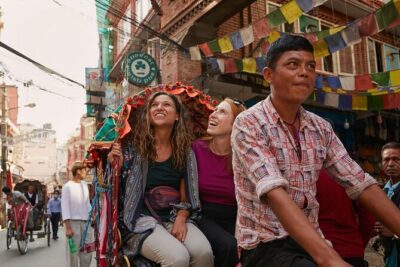
Kathmandu Sunset Tour by Rickshaw Including Durbar Square Visit
Read our review →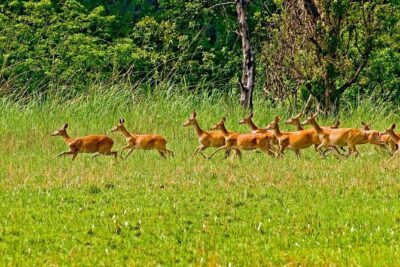
3 Nights 4 Days Chitwan National Park with Tower Night Stay
Read our review →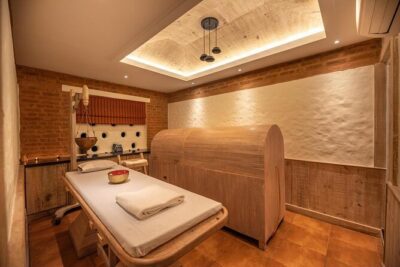
3 night 4 Day Yoga & Ayurveda Retreat to Detox the Body & Mind, Nepal
Read our review →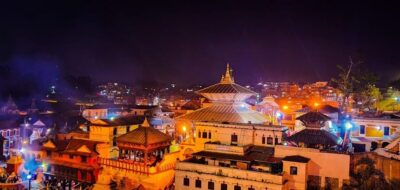
Pashupatinath Evening Aarati: Few Divinely Hours in Kathmandu
Read our review →
1 Night 2 Days Chitwan Jungle Safari Tour from Kathmandu
Read our review →Browse the lists this tour appears in