
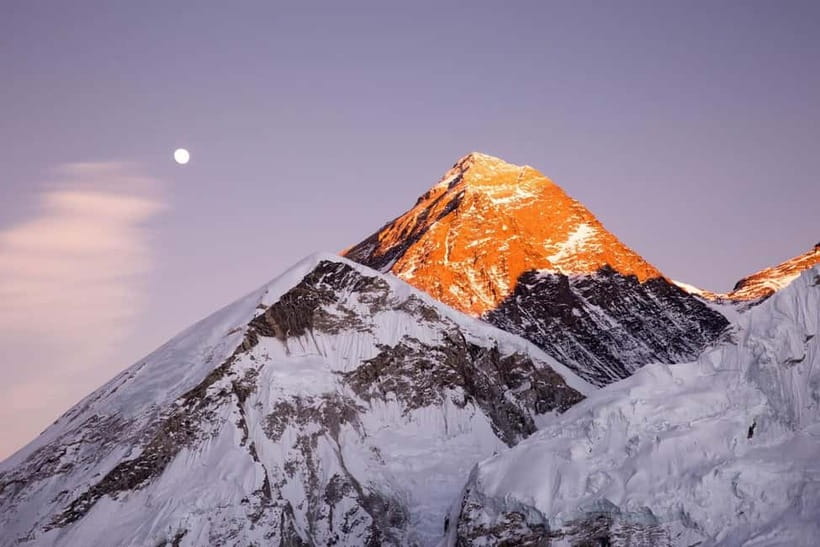
Reviewed · EVEREST BASE CAMP TREKS
From Kathmandu: 12-Day Everest Base Camp Guided Trekking
Everest Base Camp is the headline, but the real prize is the slow build-up to it. Over 12 days, you walk from Lukla to 5,364-meter Everest Base Camp, passing suspension bridges, rhododendron forest, glacier views, and high mountain villages. The two acclimatization days in Namche Bazaar and Dingboche give your body a fair chance to adjust.
I like the practical setup: return flights between Kathmandu and Lukla, permits, tea-house lodging, and guide costs are included. I also like the small-group limit of 15 and the strong record of guide support, with Padam, Nishan, Adhish, and Rohan singled out by name in recent feedback. The main catch is important: meals, porter service, drinks, hot showers, internet, and travel insurance cost extra.
- Two acclimatization days: Spend an extra night in both Namche Bazaar and Dingboche.
- The classic high point: Reach Everest Base Camp at 5,364 meters and Kala Patthar at 5,545 meters.
- Tea-house nights: Sleep in local mountain lodges rather than formal hotels after leaving Kathmandu.
- Guide-led small group: The group is limited to 15 people, with English guiding.
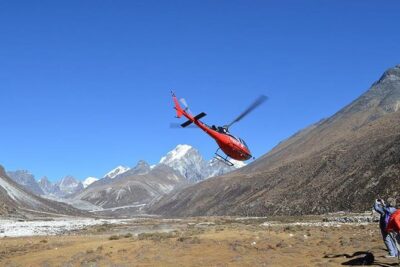
- Flight-sensitive route: Lukla flights can be affected by weather, and one recent trip used a helicopter instead.
- Bring only essentials: Large bags are not allowed, so you need to pack with care or arrange a porter.
In This Review
- What the $1,002 price really covers
- Day 1: Kathmandu to Lukla, then Phakding
- Day 2: The long walk to Namche Bazaar
- Day 3: Acclimatization in Namche Bazaar
- Day 4: Namche Bazaar to Tyangboche
- Day 5: Through the forest into the Imjatse Valley
- Day 6: A second acclimatization day in Dingboche
- Day 7: Dingboche to Lobuche via Dugla
- Day 8: Gorakshep and Everest Base Camp at 5,364 meters
- Day 9: Kala Patthar, then down to Pheriche
- Days 10 to 12: The long return to Kathmandu
- Guides who shape the experience
- Tea houses, food, and what to pack
- Who should choose this trek
- Cancellation and booking flexibility
- Should you book it?
- FAQ
- How long is the Everest Base Camp trek?
- Is the flight from Kathmandu to Lukla included?
- What altitude does Everest Base Camp reach?
- What is the highest point on the itinerary?
- Are meals included during the trek?
- Is a porter included?
- Where do you sleep during the trek?
- Is the trek guided in English?
- Can you cancel the booking for a refund?
What the $1,002 price really covers
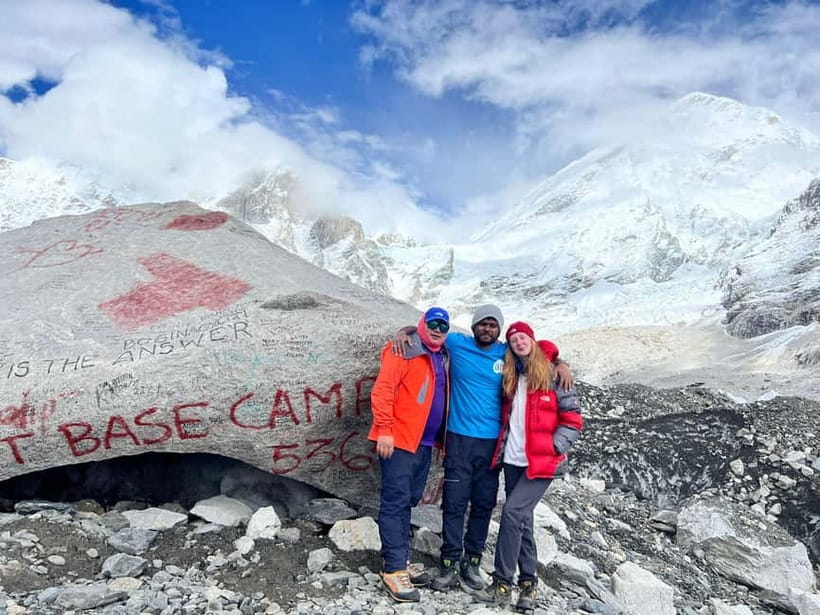
At $1,002 per person, this trek offers solid value if you want the main arrangements handled for you. The price includes hotel pickup in Kathmandu, Bhaktapur, or Lalitpur, domestic airport transfers, return flights between Kathmandu and Lukla, tea-house accommodation, national park permits, the TIMS card, government charges, and the guide’s salary, food, lodging, transport, and insurance.
That package removes several tasks that can be awkward in Nepal. You do not need to arrange the Lukla flights yourself, work out Sagarmatha National Park paperwork, or negotiate every night’s accommodation while walking at altitude. A guide is also more than a route finder here. You need someone who can watch your pace, explain the area, and help when weather or altitude changes the plan.
The price does not include standard breakfast, lunch, or dinner. That is the biggest budgeting point. You will also pay extra for a porter, alcoholic and non-alcoholic drinks, hot showers, internet, and your own travel insurance. A porter can carry up to 25 kilograms for two people, according to the tour details, but that service is not part of the listed price.
The provider supplies a jacket, sleeping bag, and duffle bag if you need them or request them. Confirm the arrangement before departure, since the information does not say that every trekker automatically receives all three items.
Day 1: Kathmandu to Lukla, then Phakding
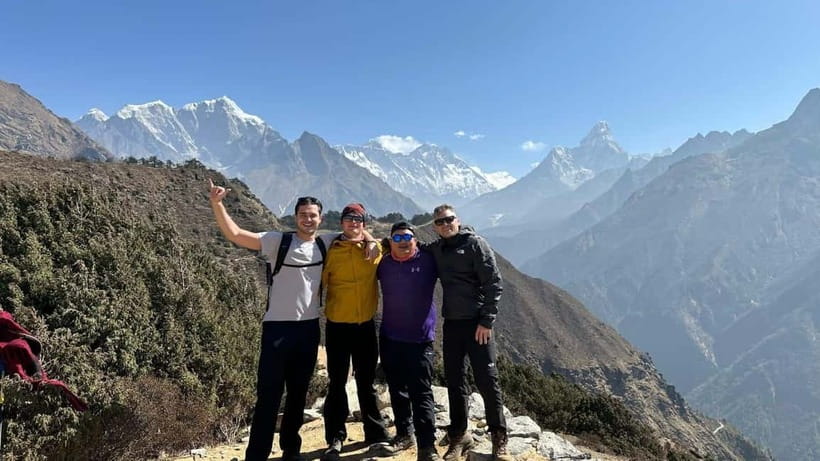
Your morning begins with hotel pickup and a transfer to Tribhuvan International Airport. From Kathmandu, you take an early flight to Lukla, then transfer to the trailhead and walk to Phakding.
This first walking day is useful because it gets you moving without immediately pushing you to extreme altitude. You spend the night in a tea-house lodge, which sets the pattern for the rest of the route. Expect a simple mountain stay rather than hotel comfort.
The Lukla flight is a key practical detail. Weather can disrupt flights, and a recent trip required a switch from airplane to helicopter. That change was handled professionally, but you should still keep your schedule flexible around the flight days. The tour includes the return domestic flight, though transport in the Himalayas is never as predictable as a city transfer.
More ways to trek to Everest Base Camp:
- Everest Base Camp Trek – 14 Days
★ 5.0 · 1,499 reviews - Everest Base Camp Helicopter Tour landing at Everest View Hotel
★ 5.0 · 668 reviews - Everest Base Camp Trekking
★ 5.0 · 485 reviews
Day 2: The long walk to Namche Bazaar
From Phakding, you head toward Namche Bazaar at 3,440 meters. This is one of the route’s major climbs, and Namche feels like an important turning point. The village is the main commercial center on the trail and your base for the first rest day.
The walk gives you an early sense of how the trek works: steady effort, changing altitude, and a trail shared with other groups. You are not simply checking off a viewpoint. You are gaining height over several days, which is safer and more manageable than rushing upward.
Namche is also where the trek begins to feel properly high-mountain. The overnight stay matters because the next day is set aside for acclimatization rather than more distance.
Day 3: Acclimatization in Namche Bazaar
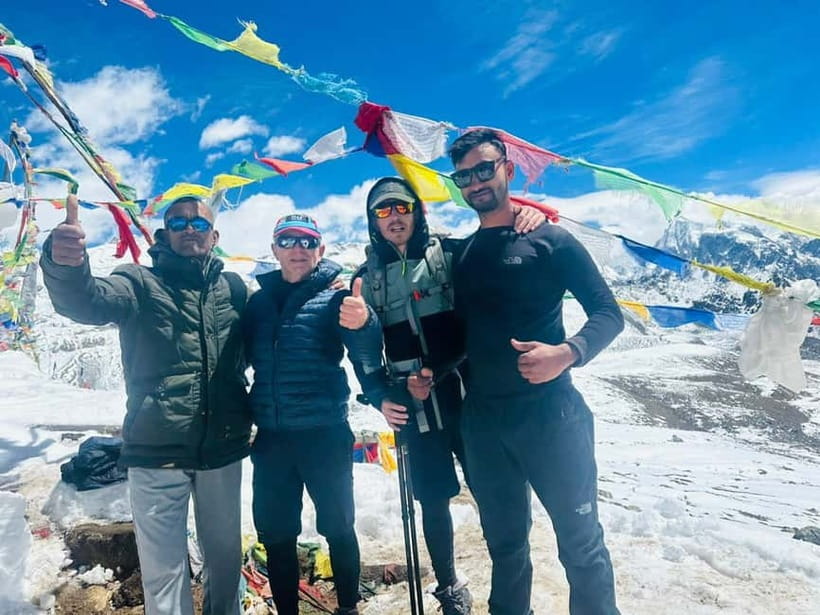
Day 3 is a rest day in Namche Bazaar, with a second night in town. Do not treat this as wasted time. Acclimatization is one of the most useful parts of the schedule, especially before the trail climbs toward 4,000 meters and beyond.
The program only says to rest and enjoy Namche, so the exact activities are not specified. You can use the day to relax, adjust to the altitude, and prepare for the harder sections ahead. Your guide can help you understand how the group is responding before you continue.
I like that this day is built into the route rather than left to chance. The trek still moves quickly overall, so you should listen to your guide and avoid turning the rest day into a strenuous side trip.
Day 4: Namche Bazaar to Tyangboche
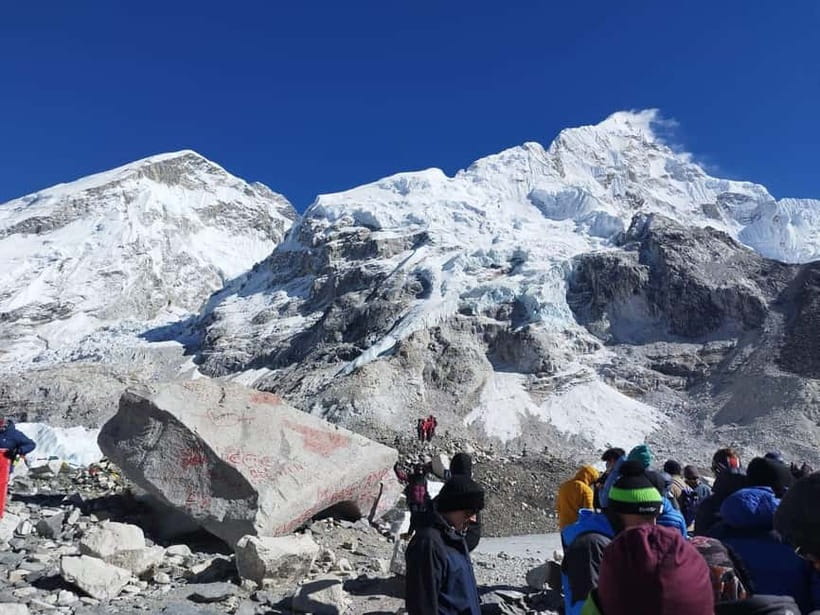
The trail leaves Namche and climbs to Tyangboche at 3,867 meters. Tyangboche is surrounded by some of the best-known peaks on the route, and the setting becomes more dramatic as the path rises.
This is a good day for mountain views, but the altitude now becomes a serious factor. You are close to 4,000 meters, so a comfortable walking pace matters more than speed. The guide’s role becomes increasingly important here, especially if someone in the group is struggling.
You spend the night in Tyangboche. The accommodation remains lodge-based, and comfort is basic. That is part of the tradeoff for reaching remote villages on foot.
More treks starting in Kathmandu:
- Nagarkot Sunrise View and Day Hiking from Kathmandu
★ 5.0 · 471 reviews - Annapurna Circuit Trek with Tilicho Lake
★ 5.0 · 368 reviews - Everest Base Camp Trekking – 13 Day
★ 5.0 · 365 reviews - Everest Base Camp Trek -14 Days
★ 5.0 · 321 reviews
Day 5: Through the forest into the Imjatse Valley
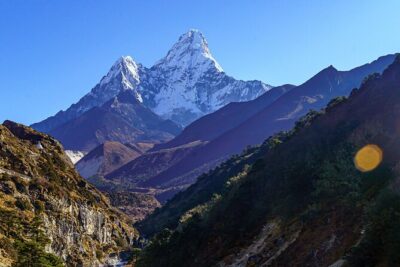
From Tyangboche, the route passes through rhododendron forest and crosses a suspension bridge over the Imja Khola. You then head toward Minlinggo and enter the Imjatse Valley beneath Ama Dablam, Nuptse, and Lhotse.
This is one of the most varied days on the route. You get forest, a bridge crossing, open valley views, and a close look at several major Himalayan peaks. The scenery changes often enough to keep the walking interesting, even as the altitude makes each hour harder.
The day ends in Dingboche at 4,260 meters. That number is not a minor detail. You are now high enough that rest, hydration, and a measured pace should shape your day. Dingboche is also the next place where the itinerary pauses for acclimatization.
Day 6: A second acclimatization day in Dingboche
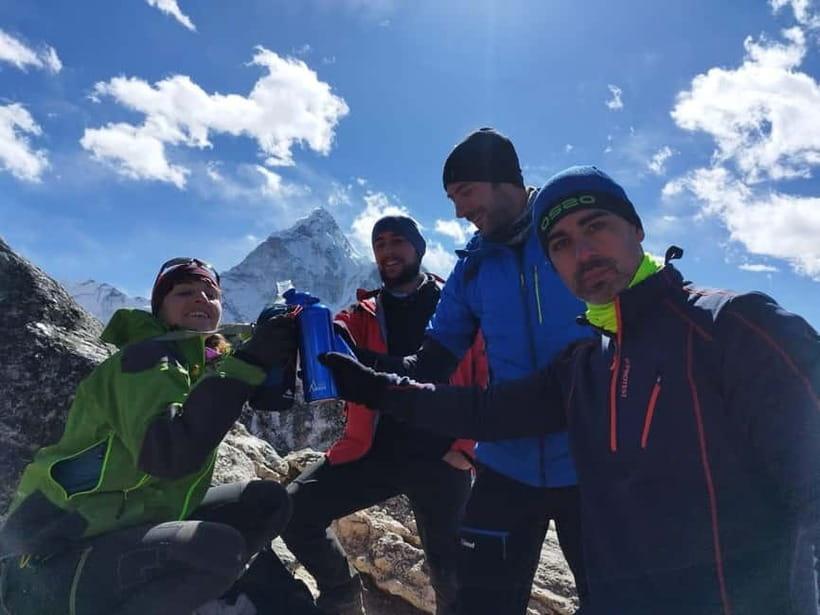
You spend another full day in Dingboche and another night in a tea-house lodge. This is the second major buffer in the schedule, and it is essential before the trail heads toward Lobuche, Gorakshep, and Base Camp.
The supplied details do not specify an excursion or set activity for this day. You should think of it as a recovery and adjustment day. Use it to rest, sort your gear, and make sure you are ready for the high section.
This is also where the difference between a guided trek and a self-planned fast walk becomes clear. An experienced guide can adjust the day’s pace and keep an eye on how you are coping. Guides named in recent trip feedback include Padam, Nishan, Adhish, and Rohan, though you should confirm who will lead your departure.
Day 7: Dingboche to Lobuche via Dugla
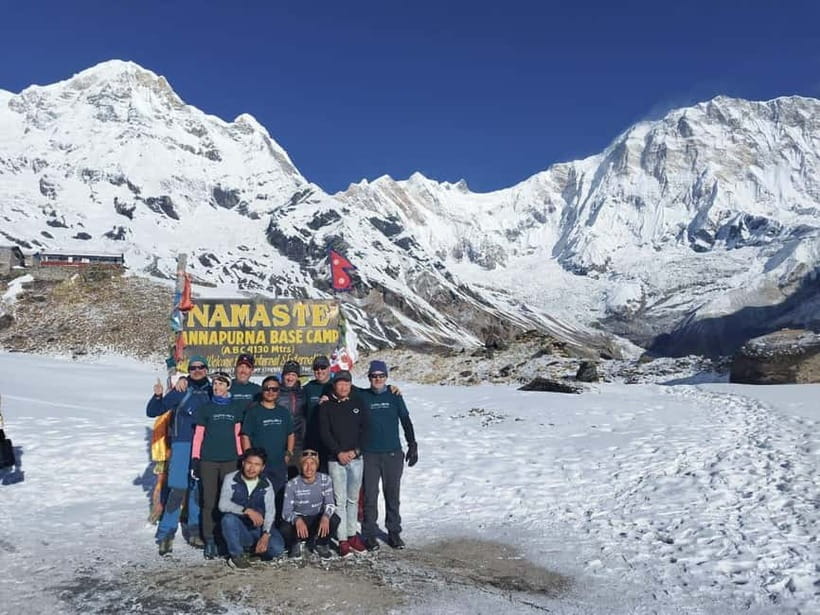
The walk from Dingboche to Lobuche takes about 5.5 hours. You stop for lunch in Dugla, then continue to Lobuche at 4,930 meters.
At this height, the route is less about covering distance quickly and more about conserving energy. Lobuche is close to 5,000 meters, so even a modest walking day can feel demanding. The itinerary gives you a night here before Base Camp, which helps break up the push toward the high point.
You should keep your daypack light and useful. Large luggage is not allowed, and porter service costs extra. If you hire one, the stated limit is 25 kilograms for two people. Either way, carry only what you need for the walking day, warmth, water, and personal essentials.
Day 8: Gorakshep and Everest Base Camp at 5,364 meters
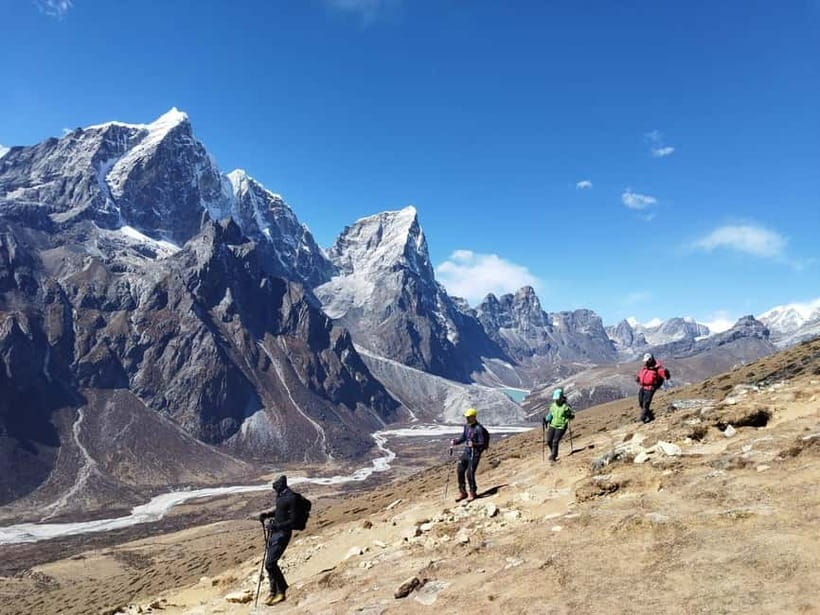
After breakfast in Lobuche, you walk to Gorakshep and continue toward Everest Base Camp. This is the trek’s main objective, with rocky paths and views of the Khumbu Glacier along the way.
Base Camp sits at 5,364 meters. Reaching it is a major physical achievement, but it is worth setting your expectations correctly. The itinerary describes a visit to the famous Base Camp, not a summit attempt or a stay at an active expedition camp. You go there, take in the setting beneath the high peaks, and return to Gorakshep for the night.
This is one of the hardest days because of both distance and altitude. The guide’s experience matters here. Padam was praised for keeping morale high during difficult stretches, while Nishan was noted for adjusting the pace to individual needs. Those are exactly the qualities you want when the trail becomes rocky and the air feels thin.
Day 9: Kala Patthar, then down to Pheriche
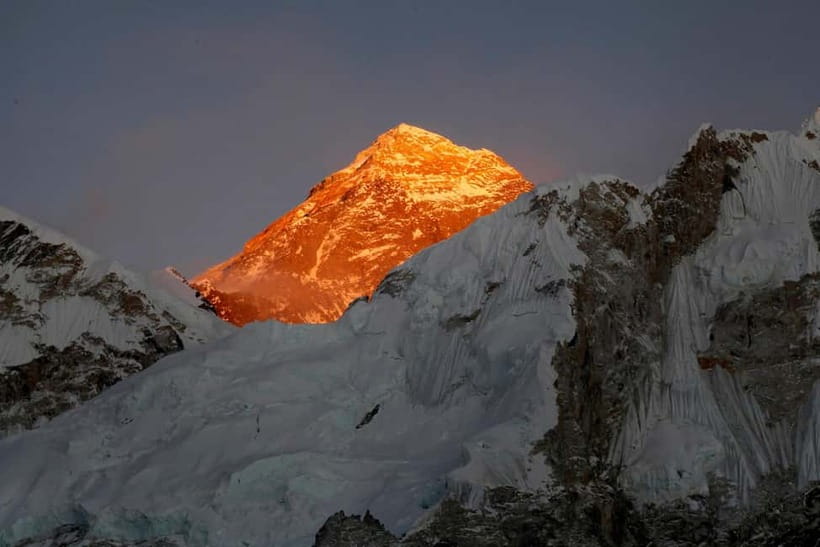
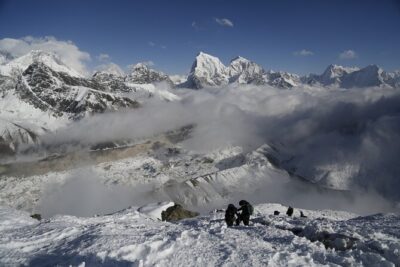
You start with a hike from Gorakshep to Kala Patthar at 5,545 meters, the highest point named in the itinerary. Afterward, you descend to Pheriche at 4,243 meters for the night.
Kala Patthar is a strong addition to the route because it gives you a high viewpoint after your Base Camp visit. The climb is demanding, but the elevation makes the descent to Pheriche feel like welcome relief.
This day combines the trek’s highest altitude with a long change in elevation. Take it slowly and follow your guide’s advice. The schedule is ambitious, and the effort does not end at Base Camp.
Days 10 to 12: The long return to Kathmandu
The itinerary describes the descent from Pheriche to Tyangboche and onward to Namche Bazaar, where you spend the night at 3,440 meters. The wording combines several trail sections, so confirm the exact day plan and overnight stop with the operator before departure.
Day 11 takes you from Namche Bazaar back to Lukla for your final night on the trail. By now, the route should feel familiar in places, but the return is still a full walking commitment. Descending is easier on your breathing, yet tired knees and feet can make the final days surprisingly demanding.
On Day 12, you take an early flight from Lukla to Kathmandu and receive a transfer to your hotel. The tour includes that airport transfer and one overnight stay in Kathmandu. Keep the same flexibility around this flight as you did at the start, since mountain weather can affect air service.
Guides who shape the experience
The strongest pattern in the feedback is the guide service. Padam was described as funny, helpful, positive, and reassuring in difficult conditions. Nishan was praised for kindness, attention, and adapting the pace to personal needs. Rohan was paired with a porter called Bahla, and that team received especially warm praise. Adhish was also credited with making the trip fun.
These details matter because a guide can change the feel of a high-altitude trek. You want clear support, patience, and good judgment, not just someone walking ahead with a flag. The listed guide language is English, and the group size is limited to 15, which should allow more direct contact than a large commercial departure.
The name of your guide is not fixed in the information provided. If a particular guide is important to you, ask before booking rather than assuming availability.
Tea houses, food, and what to pack
Tea-house lodging is included, but meals are not. Budget separately for breakfast, lunch, and dinner, as well as drinks. Alcoholic and non-alcoholic drinks are excluded, and hot showers and internet also cost extra during the trek.
The provided packing instruction is unusually brief: bring your passport, and do not bring luggage or large bags. In practical terms, you should clarify the baggage arrangement before leaving Kathmandu. The operator may provide a duffle bag, sleeping bag, and jacket if requested, and a porter is available for an added charge.
Travel insurance is not included. That is a major item to arrange yourself, especially for a high-altitude trek involving domestic flights and remote walking routes. The supplied information does not state any specific insurance coverage or evacuation terms, so read your policy carefully before departure.
Who should choose this trek
This trip suits you if you want the classic Everest Base Camp route with the main permits, flights, lodging, and guide arrangements organized in advance. It is also a good fit if you prefer a small group and want two planned acclimatization days rather than a rushed schedule.
You should be comfortable with sustained mountain walking and basic lodge accommodation. The itinerary reaches 5,545 meters at Kala Patthar, so this is not a casual sightseeing tour. It is not suitable for pregnant women, people with heart problems, or wheelchair users.
The trip may also suit solo bookers who want the structure of a group without joining a very large departure. The maximum group size is 15, though the actual number for your date is not stated.
Cancellation and booking flexibility
You can cancel up to 24 hours before departure for a full refund, according to the tour terms. You can also reserve now and pay later, which is useful when you are still sorting flights and time in Nepal.
Pickup is available from hotels in Kathmandu, Bhaktapur, and Lalitpur. The activity is listed as 12 days, with starting times checked through availability for your chosen date.
Should you book it?
I would choose this trek if you want a well-supported route to Everest Base Camp and value having flights, permits, accommodation, and an English-speaking guide bundled together. The strongest points are the two acclimatization stops, small-group format, and repeated praise for guides such as Padam, Nishan, and Rohan.
I would pause if you want meals included, full baggage service, or a highly comfortable lodge experience. Those costs and practical details sit outside the $1,002 price. Before paying, confirm the guide, porter option, meal budget, baggage plan, and the exact Day 10 schedule.
For a first Everest Base Camp attempt, this is a sensible package with a clear route and good human support. Just treat the listed price as the starting cost, not the final budget.
FAQ
How long is the Everest Base Camp trek?
The experience lasts 12 days, including the flights from Kathmandu to Lukla and back, the trek, and the final overnight stay in Kathmandu.
Is the flight from Kathmandu to Lukla included?
Yes. The price includes the return domestic flight between Kathmandu and Lukla, along with domestic airport transfers.
What altitude does Everest Base Camp reach?
Everest Base Camp is listed at 5,364 meters above sea level.
What is the highest point on the itinerary?
Kala Patthar is the highest listed point, at 5,545 meters.
Are meals included during the trek?
No. Breakfast, lunch, and dinner are not included. Drinks are also excluded.
Is a porter included?
No. Porter service costs extra. One porter can assist with up to 25 kilograms for two people.
Where do you sleep during the trek?
Accommodation is provided in tea houses or lodges along the route. The itinerary lists overnight stays in Phakding, Namche Bazaar, Tyangboche, Dingboche, Lobuche, Gorakshep, Pheriche, and Lukla.
Is the trek guided in English?
Yes. The tour includes a live English-speaking guide, and the group is limited to 15 participants.
Can you cancel the booking for a refund?
Yes. The stated policy allows cancellation up to 24 hours in advance for a full refund.
Recently added around Kathmandu
- Kathmandu : Swambhunath & Durbar Square Guided Half Day Tour★ 3.3 · 3 reviews
- Private Day Tour in Kathmandu Valley Rim with Bhaktapur Sightseeing★ 5.0 · 3 reviews
- From Kathmandu / Pokhara / Chitwan: River Rafting – 1 Day★ 4.6 · 3 reviews
- Nepali Cooking training & Cultural Homestay Experience★ 5.0 · 3 reviews
- Private 3-Hour Nagarkot Sunset Tour from Kathmandu★ 3.5 · 3 reviews
- From Kathmandu: Everest Base Camp Landing Helicopter Tour★ 5.0 · 3 reviews
- 4 UNESSCO World heritage sites of Kathmandu-private tour★ 5.0 · 3 reviews
- Kailashnath Mahadev, Panauti and Namo Buddha Monastery Sightseeing★ 5.0 · 3 reviews
Everest Base Camp Treks, compared.
Everest Base Camp Helicopter Tour landing at Everest View Hotel
Read our review →
Everest Base Camp Helicopter Tour landing at Hotel Everest View
Read our review →
Browse the lists this tour appears in