
Reviewed · EVEREST BASE CAMP TREKS
Everest Base Camp Trek -14 Days
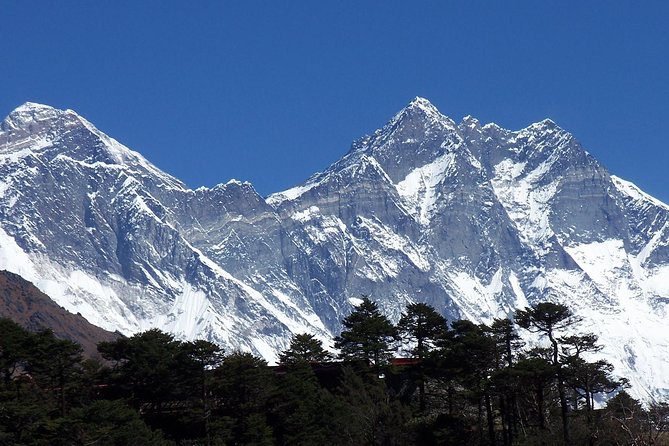
Everest Base Camp is the headline, but the real prize is the journey through the Khumbu: suspension bridges, stone-walled fields, rhododendron forest, prayer flags, and huge peaks that appear one by one. I like the small maximum group of 12, and I like that return Lukla flights, permits, meals, lodges, and a licensed guide are included. The route also includes the sunrise climb to Kala Patthar, often the finest mountain viewpoint of the trip.
The strongest part of the arrangement is the personal guide support. Previous departures have been led by guides such as Saugat, Subash, Laxman, Nir, Ram, and Sujal, with guides praised for patience, flexibility, and care on difficult walking days. The tradeoff is that this is a serious high-altitude trek, not a sightseeing holiday, and basic lodges, repeated meals, Lukla flight changes, and extra costs for drinks, Wi-Fi, showers, porters, and tips require preparation.
In This Review
- Key points before you book
- What the $1,420 price really covers
- Kathmandu arrival and the flight to Lukla
- Phakding and the first Himalayan walking days
- Namche and the first acclimatization day
- Tengboche and Ama Dablam views
- Dingboche: the rest day that earns its place
- Memorials, Lobuche, and the approach to Base Camp
- Kala Patthar and the best mountain panorama
- The return through Tengboche, Namche, and Lukla
- Kathmandu dinner and the comfort of the final night
- What the guide and group setup add
- Who should book this Everest trek?
- Should you book Alpine Ramble’s 14-day Everest Base Camp trek?
- FAQ
- How long is the Everest Base Camp trek?
- Where does the trek start?
- Is the Kathmandu to Lukla flight included?
- How high is Everest Base Camp?
- Does the route include Kala Patthar?
- Are meals included during the trek?
- What type of accommodation is provided?
- Is a porter included?
- Is a guide included?
- What is the maximum group size?
- Is travel insurance included?
- Can I cancel for a full refund?
Key points before you book
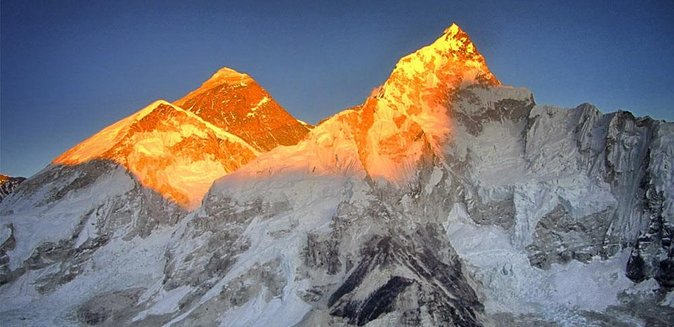
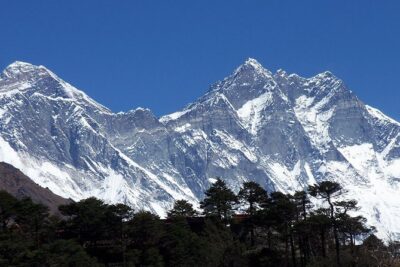
- Kala Patthar is the visual high point: The early climb gives you broad views of Everest, Nuptse, Lhotse, Pumori, and other Himalayan peaks.
- Everest Base Camp reaches 5,364 meters: The route demands steady pacing, rest days, and respect for altitude.
- Return flights to Lukla are included: This saves you the trouble of arranging one of the trek’s most important transport links.
- Full-board meals cover the trek: Breakfast, lunch, and dinner are provided, while drinks, bottled water, snacks, and coffee cost extra.
- The group is capped at 12 people: You get the social feel of a group trek without joining a large procession.
- Porters are optional and extra: You can arrange a local porter if carrying your own gear is not practical.
What the $1,420 price really covers
At $1,420 per person, this trek offers a useful bundle for someone who wants the classic Everest route without arranging every piece independently. The price includes the Kathmandu to Lukla and Lukla to Kathmandu flights, departure taxes, trekking documents, Everest National Park and TIMS fees, accommodation during the trek, full-board meals, a licensed guide, local and government taxes, and a basic first-aid kit.
That is meaningful value. The Lukla flights alone are a key part of the planning, and permits and paperwork can be a nuisance when handled separately. You also avoid the daily uncertainty of finding a lodge and arranging meals as you go.
The package is not all-inclusive. International flights, Nepal’s entry visa, accommodation and food before and after the trek, porter services, hot showers, drinks, snacks, water, Wi-Fi, and tips are outside the price. The description also mentions an emergency rescue operation funded by travel insurance, so you should arrive with suitable insurance rather than treating rescue cover as free protection.
One point needs checking before you pay: the package is marketed as a 14-day trek, while the supplied schedule lists Days 1 through 13 and describes the activity as approximately 13 days. The actual plan appears to include arrival in Kathmandu, the trek, a return flight, and leisure time in Kathmandu. Ask Alpine Ramble Treks to confirm the precise number of nights and what the final day includes.
More ways to trek to Everest Base Camp:
- Everest Base Camp Trek – 14 Days
★ 5.0 · 1,499 reviews - Everest Base Camp Helicopter Tour landing at Everest View Hotel
★ 5.0 · 668 reviews - Everest Base Camp Trekking
★ 5.0 · 485 reviews
Kathmandu arrival and the flight to Lukla
Your first day is gentle. Staff meet you at Tribhuvan International Airport, transfer you to your hotel, and help you settle in. The arrangement includes airport pickup, which is especially useful after a long international flight and removes the need to negotiate transport immediately.
The next morning starts early with a scenic flight of about 35 minutes to Lukla. This is not just a transfer. It is your quick shift from Kathmandu’s urban setting to the high Khumbu and Sherpa country.
At Lukla, you meet the trekking crew and begin walking. The opening hike is described as a short acclimatization walk of about two hours. That modest start matters. You are already at altitude, and the best first day is one that leaves you keen for the next morning rather than exhausted.
Lukla accommodation can be basic. One detailed account specifically found a Lukla hotel less comfortable than some other stops, so set your expectations accordingly. Lodge quality changes along the route, and the package promises the best available trekking lodges rather than luxury rooms.
Phakding and the first Himalayan walking days
The route from Lukla heads through pine forest and across the Dudh Koshi River. You get an early taste of the trail’s rhythm: uphill and downhill walking, suspension bridges, river crossings, small settlements, and porters moving steadily along the same route.
The first mountain views begin to open here. Everest is not yet close, but the sight of peaks such as Kusum and the first distant view of Everest gives the trek a clear sense of purpose.
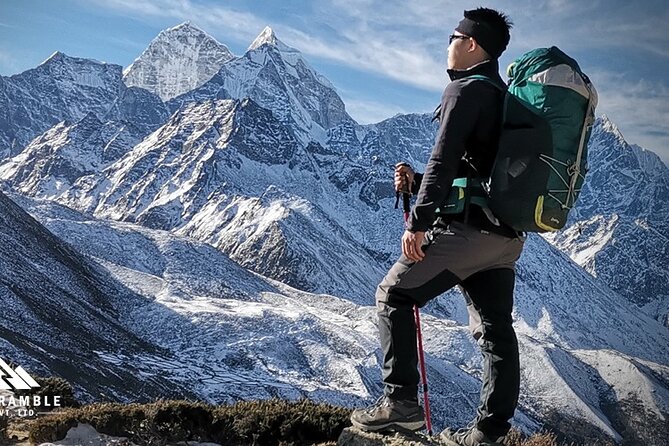
The walking is not technically described as climbing, but it is not flat hiking either. You should be comfortable with a moderate level of physical fitness and with walking several hours on uneven mountain paths. The group format helps because the guide can set a steady pace, but it does not remove the physical work.
Meals are included three times daily. The food is described as authentic local fare served in trekking lodges. You should think of it as practical fuel rather than a restaurant experience. One account noted that menus could feel repetitive across the 12-day walking period, though there was still some choice. Bring money for snacks and drinks if you want more variety.
Namche and the first acclimatization day
The route continues through forest, villages, and river valleys toward Namche Bazaar. One of the memorable sections includes a descent to the Dudh Koshi followed by a climb through rhododendron woodland. It is classic Khumbu walking, but the repeated climbs can feel demanding because you are still adjusting to altitude.
The schedule allows an acclimatization stop with a lookout for Everest, Lhotse, Cholatse, Thamserku, Kwangde, Khangtega, and Ama Dablam. This is not a wasted day. At high altitude, rest and short uphill walks help you adjust better than rushing toward Base Camp.
I like the way this itinerary builds in time to look around rather than treating every day as a race. Your guide’s job is important here. Guides named in past departures, including Sujal, Ram, and Laxman, have been especially praised for adjusting support to the group and helping people keep going when the route became tiring.
Namche is also where the trek begins to feel less like a forest walk and more like a high mountain journey. You may see more trekkers and climbers here than in the lower villages. The route to Everest Base Camp is popular, and the trail can feel crowded during busy periods.
More treks starting in Kathmandu:
- Nagarkot Sunrise View and Day Hiking from Kathmandu
★ 5.0 · 471 reviews - Annapurna Circuit Trek with Tilicho Lake
★ 5.0 · 368 reviews - Everest Base Camp Trekking – 13 Day
★ 5.0 · 365 reviews - Annapurna base camp trek 5 Days
★ 5.0 · 252 reviews
Tengboche and Ama Dablam views
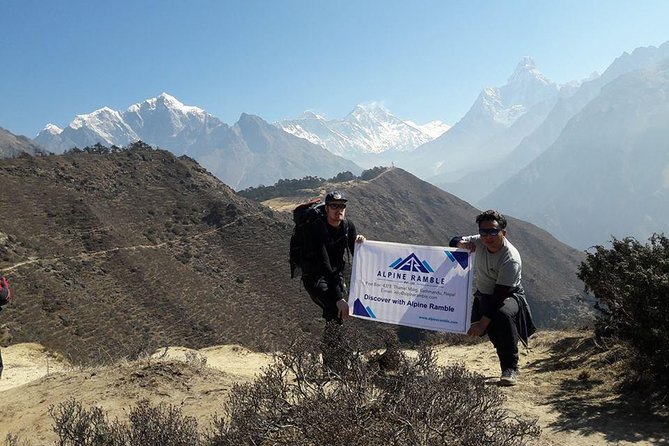
After Namche, the trail follows what is often called the high way of Everest. It descends toward the Dudh Koshi River, then climbs again through rhododendron forest. The repeated rises and falls are a useful warning: distance alone does not tell you how hard a day will feel.
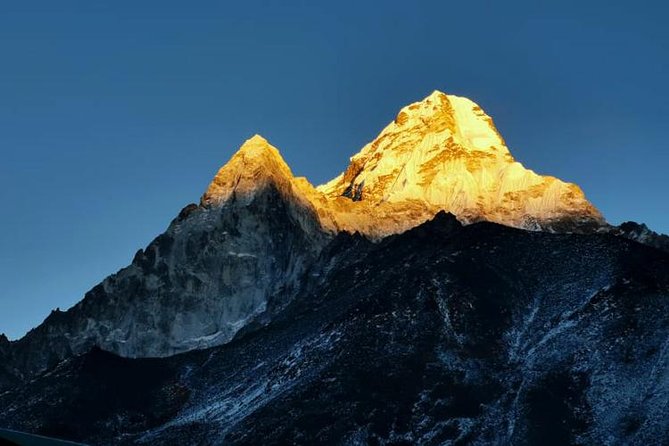
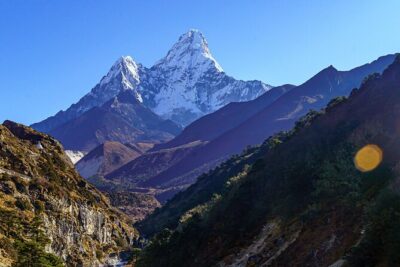
Tengboche is one of the route’s most memorable stops. Early morning light on the monastery and the surrounding peaks can be spectacular. From this area, the views toward Ama Dablam are especially compelling, with Lhotse, Everest, Thamserku, and other peaks filling the skyline.
After breakfast, the path continues through forest and toward the higher settlements. The scenery changes gradually, with fewer trees and more exposed mountain terrain. This is one reason the trek is worth doing slowly. You see the Khumbu change rather than simply arriving at a famous point.
The lodges remain functional and simple. You get meals and a place to sleep, but hot showers, Wi-Fi, drinks, and other comforts cost extra. Carry some Nepalese rupees for these purchases and for tips, though the exact amount is not specified by the package.
Dingboche: the rest day that earns its place
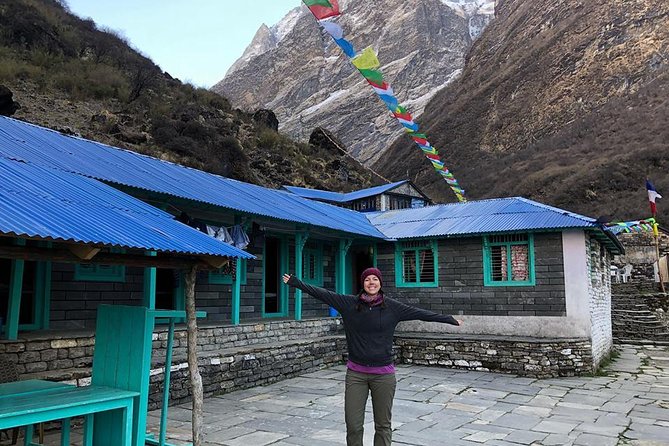
Dingboche is a popular base for people heading toward Everest, Ama Dablam, or Imja Tse. The village has fields enclosed by stone walls, built to protect barley and potatoes from the mountain climate. It is a fine place to notice how local life adapts to a short growing season and difficult conditions.
The schedule gives you another acclimatization day here. You should use it as intended. A short lookout walk may be part of the day, but the goal is not to rack up distance. Eat, drink, rest, and pay attention to how your body responds.
The package includes Diamox in its basic medical supplies, but that should not replace medical advice or your own altitude plan. The supplied information does not promise medical treatment, and rescue is funded by travel insurance. Make sure your insurance covers high-altitude trekking and emergency evacuation before departure.
Memorials, Lobuche, and the approach to Base Camp
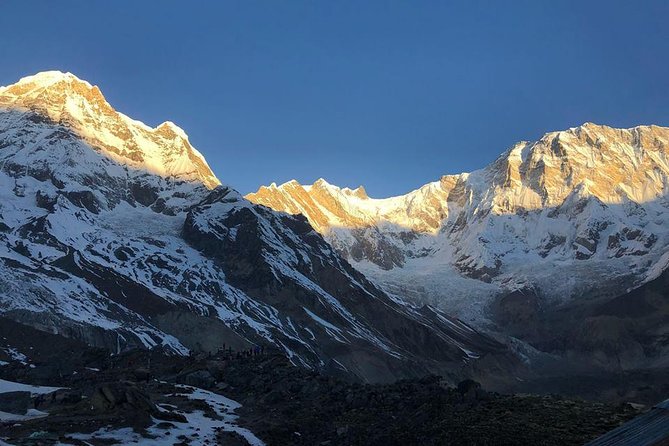
Leaving Dingboche, you climb gradually to Duglha and then tackle a steeper section toward Chukpo Lari. Here, a line of memorials honors climbers who died on Mount Everest. It is a solemn section of the route and gives the mountain a human dimension that photographs cannot provide.
The trail continues toward Lobuche, where the air is thinner and the surroundings more severe. At this height, small tasks take longer. You may find that eating, dressing, and walking uphill require more patience than they did in Kathmandu or Namche.
The following day is the great approach to Everest Base Camp. From Lobuche, the route crosses open meadow before following the Khumbu Glacier northward. The trail climbs onto the glacier’s lateral moraine, a rough, rocky ridge shaped by ice and movement.
Everest Base Camp sits at 5,364 meters, or 17,598 feet. It is important to understand what this means. Base Camp is not a single grand building or a permanent city. Conditions and seasonal activity change, and the visible camp may be limited depending on the time of year. The satisfaction comes from reaching the point used by expeditions and standing among the glacier, moraine, and giant peaks.
The current description notes that Everest Base Camp is expected to move location, creating a limited window to experience the classic route in its present form. Since the timing and details of any move can change, confirm the current plan with the operator before booking if this is a major reason for your trip.
Kala Patthar and the best mountain panorama
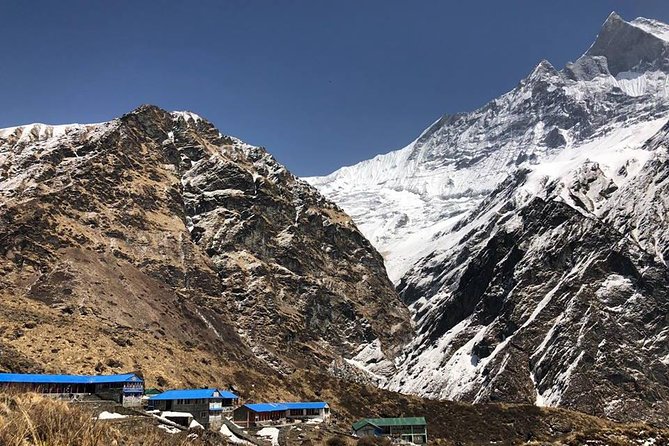
The next morning begins early, with about two hours of climbing to Kala Patthar at the foot of Mount Pumori. This is usually the most demanding viewpoint walk of the trip, but it is also the payoff for all the slower acclimatization days.
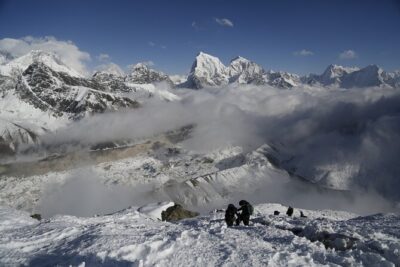
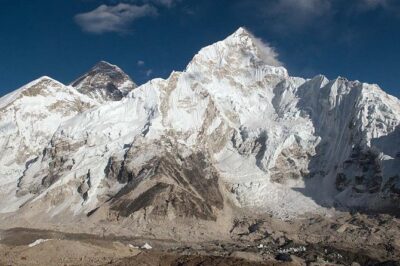
From the top, you get a 360-degree panorama that includes Everest, Nuptse, Lhotse, and Pumori, with sunrise light on the Himalayan peaks. Base Camp gets the famous name, but Kala Patthar generally delivers the broader view of Everest itself.
You should not treat this as an optional photo stop that can be squeezed in casually. Early starts, cold conditions, thin air, and the climb all add up. Follow your guide’s pace and allow time to stop. The trip has been particularly well suited to people who appreciate supportive guiding, and names such as Saugat, Subash, and Laxman have been associated with careful pacing and personal attention on past departures.
After Kala Patthar, the route begins its long return. Descending feels easier in the thinner air, but your legs may be tired, and the trail still includes climbs.
The return through Tengboche, Namche, and Lukla
The return route passes back through the Sherpa villages and toward the Dudh Koshi River. You cross the river, move through forest, and climb again toward Tengboche. This reverse direction gives familiar places a different character. You may notice details missed on the way up because your attention is no longer fixed entirely on reaching Base Camp.
The next day descends through Jorsalle, Manjo, Benkar, Phakding, and other small settlements. Several suspension bridges cross the Dudh Koshi, and the route feels greener and warmer as you lose altitude.
The final walking day returns you to Lukla. This is a satisfying finish, but it may not feel easy. A long descent can be hard on knees, and the excitement of finishing should not lead you to rush the trail.
The return flight to Kathmandu is included. Flights in and out of Lukla are an essential part of this itinerary, though the supplied information does not promise a fixed departure time. Keep your post-trek plans flexible rather than booking an international connection immediately after the scheduled return.
Kathmandu dinner and the comfort of the final night
After flying back, you have a leisure day in Kathmandu. The package overview also promises a night at a top Kathmandu hotel and a celebratory dinner after the trek. That final comfort is well judged. After nearly two weeks of early starts, lodge beds, cold conditions, and long walks, a proper hotel and meal feel deserved.
The information is less clear about whether every Kathmandu night before and after the trek is included. It explicitly excludes accommodation and food before and after the trek, so confirm exactly which hotel night and dinner are part of your booking. This is a small but important budget detail.
What the guide and group setup add
The maximum group size of 12 is a sensible middle ground. You have companions for the long days and evenings, but the guide can still keep track of the group more easily than with a large departure.
The strongest pattern in the guide feedback is personal care. Guides have been praised for patience, flexibility, organization, and helping younger hikers and solo walkers. One family completed the trek with two teenagers and found their guide, Laxman, supportive. Another solo hiker completed an 11-day version with Ram and managed without a porter.
Your exact guide is not guaranteed in the supplied information. Names connected with previous departures include Dil, the owner, and guides Amer, Dhowar, Sujal, Nir, Laxman, Ram, Saugat, and Subash. Treat these as examples of the team rather than a promise that one particular person will lead your departure.
Porters are not included. That gives you a choice, but it also means you need to decide before the trek whether you can carry your own bag. A porter can make the walking easier, especially on the higher sections, but the service carries an extra charge and should be arranged with the operator.
Who should book this Everest trek?
You should consider this trip if you want the classic Everest Base Camp route, prefer agency support, and are comfortable with basic trekking lodges and a demanding walking schedule. It suits solo hikers, friends, families with fit older teenagers, and people who want a social small-group setting.
You may want a different arrangement if you need luxury accommodation, a private itinerary, a highly flexible schedule, or a short mountain holiday. The route has built-in rest days, but there is no quick way around the distance and altitude.
The 100 percent recommendation rate and 5-star rating shown for the experience are encouraging, but the practical details matter more for your decision. The strongest praise centers on guides and organization. The clearest cautions are basic accommodation, repetitive food, extra daily expenses, and the demanding nature of the trek.
Cancellation is generous if your plans change early: you can receive a full refund when canceling at least 24 hours before the start time. Within 24 hours, the payment is not refunded, and changes are not accepted.
Should you book Alpine Ramble’s 14-day Everest Base Camp trek?
I would book this trek if I wanted a well-organized first Everest Base Camp experience and valued a licensed guide, included Lukla flights, full-board meals, and a small group more than polished accommodation.
Before paying, confirm three things: the exact number of days and nights, which Kathmandu hotel nights and dinner are included, and the current flight and Base Camp arrangements. Then budget separately for water, drinks, showers, Wi-Fi, snacks, porter service, tips, visa costs, and insurance.
If you are fit enough for sustained mountain walking and willing to accept simple lodges, this package covers the difficult planning work while leaving you to focus on the trail. The prize is not only the sign at Base Camp. It is the slow approach through Sherpa country, the memorials above Duglha, the monastery at Tengboche, and sunrise from Kala Patthar with Everest in view.
FAQ
How long is the Everest Base Camp trek?
The experience is marketed as a 14-day trek, but the supplied schedule lists Days 1 through 13 and describes the duration as approximately 13 days. Confirm the final day count and overnight plan with Alpine Ramble Treks.
Where does the trek start?
The meeting point is in Thamel, Kathmandu, Nepal. Airport pickup is offered when you arrive at Tribhuvan International Airport.
Is the Kathmandu to Lukla flight included?
Yes. The package includes a round-trip flight between Kathmandu and Lukla, including departure taxes.
How high is Everest Base Camp?
Everest Base Camp is listed at 17,598 feet, or 5,364 meters, above sea level.
Does the route include Kala Patthar?
Yes. The itinerary includes an early morning climb to Kala Patthar, where you can see Everest, Nuptse, Lhotse, Pumori, and other Himalayan peaks.
Are meals included during the trek?
Yes. Breakfast, lunch, and dinner are included during the trekking portion. Water, hot and cold drinks, coffee, tea, and snacks are extra.
What type of accommodation is provided?
You stay in the best available trekking lodges during the trek. The information does not describe them as luxury accommodation.
Is a porter included?
No. A local porter can be arranged if needed, but the cost is not included.
Is a guide included?
Yes. The package includes a professional, experienced, friendly, government-licensed guide.
What is the maximum group size?
The group has a maximum of 12 people.
Is travel insurance included?
Emergency rescue is listed as funded by travel insurance, but travel insurance itself is not included in the package price. You should arrange suitable insurance before the trek.
Can I cancel for a full refund?
Yes, if you cancel at least 24 hours before the experience start time. Cancellations within 24 hours are not refunded, and changes within that period are not accepted.
Recently added around Kathmandu
- Kathmandu : Swambhunath & Durbar Square Guided Half Day Tour★ 3.3 · 3 reviews
- Private Day Tour in Kathmandu Valley Rim with Bhaktapur Sightseeing★ 5.0 · 3 reviews
- From Kathmandu / Pokhara / Chitwan: River Rafting – 1 Day★ 4.6 · 3 reviews
- Nepali Cooking training & Cultural Homestay Experience★ 5.0 · 3 reviews
- Private 3-Hour Nagarkot Sunset Tour from Kathmandu★ 3.5 · 3 reviews
- From Kathmandu: Everest Base Camp Landing Helicopter Tour★ 5.0 · 3 reviews
- 4 UNESSCO World heritage sites of Kathmandu-private tour★ 5.0 · 3 reviews
- From Kathmandu Budget: 15 Day Everest Base Camp Trek★ 5.0 · 3 reviews
Everest Base Camp Treks, compared.
Everest Base Camp Helicopter Tour landing at Everest View Hotel
Read our review →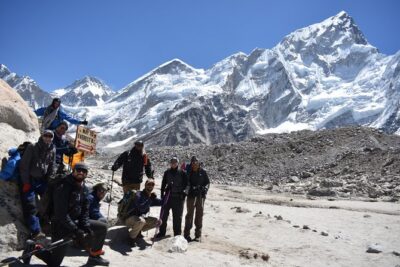
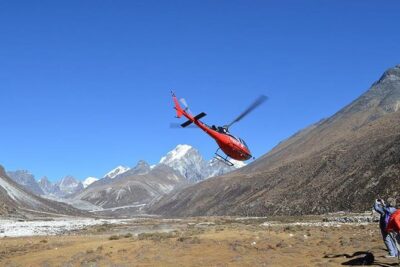
Everest Base Camp Helicopter Tour landing at Hotel Everest View
Read our review →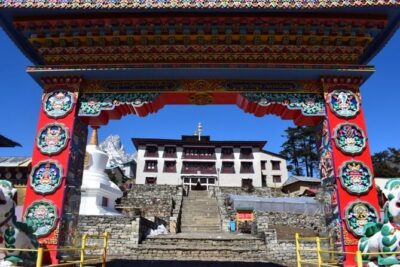
Everest Base Camp Trek with Helicopter Return from Gorakshep to Lukla
Read our review →Browse the lists this tour appears in