
Reviewed · EVEREST BASE CAMP TREKS
Everest Base Camp Trekking – 2025/2026
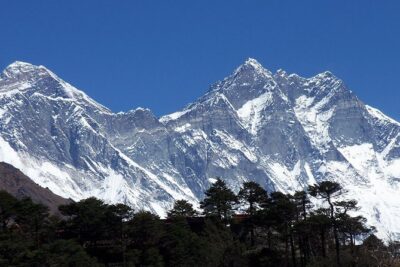
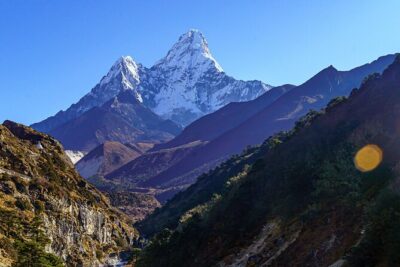
Everest Base Camp is less about one dramatic finish than the steady change in the world around you. You begin with a flight to Lukla, then walk through Sherpa villages, Buddhist monasteries, and narrow mountain valleys until Everest and its neighbors fill the horizon. The high point is the journey itself, not just the sign at Base Camp.
I like two things right away: the private format lets you set a sensible pace, and the package covers the awkward essentials, including Lukla flights, trekking lodges, park fees, TIMS, meals, and a guide. Names connected with Alpine Ramble include Sujal, Samir, Manish, Krishna, Hairy, and Prabin, so it is worth asking who is available for your dates.
The main caution is altitude. This is called a moderate trek, but you still reach roughly 5,364 meters at Everest Base Camp and walk on rugged ground for several hours a day. The day-by-day outline also has a few numbering gaps, so confirm the exact schedule, acclimatization plan, and flight arrangements before you pay.
In This Review
- Key points before you book
- What the $1,339.20 price really covers
- Kathmandu arrival and the flight to Lukla
- Phakding to Namche Bazaar, the first real test
- Pangboche and the rhythm of high-country walking
- Pangboche to Lobuche, where the air feels thinner
- Lobuche to Gorak Shep and Everest Base Camp
- The return to Pangboche, Namche, and Lukla
- Lodges, food, water, and daily comfort
- Fitness, altitude, and what to prepare
- The guide team and private format
- Who should book this Everest Base Camp trek?
- Should you book it?
- FAQ
- How long is the Everest Base Camp trek?
- Is the flight to Lukla included?
- What time does the experience start?
- Is airport pickup provided?
- Are meals included?
- Is accommodation included?
- Are private bathrooms available?
- Do I need climbing experience?
- What fitness level is required?
- Are permits included?
- Is travel insurance included?
- Are water-purification tablets provided?
- Can I cancel for a full refund?
Key points before you book
- Lukla flights are included: The package covers domestic flights from Kathmandu or Manthali to Lukla and back, though mountain weather can disrupt schedules.
- Private guided walking: Your group walks with an English-speaking, government-licensed local guide, rather than joining a large fixed group.
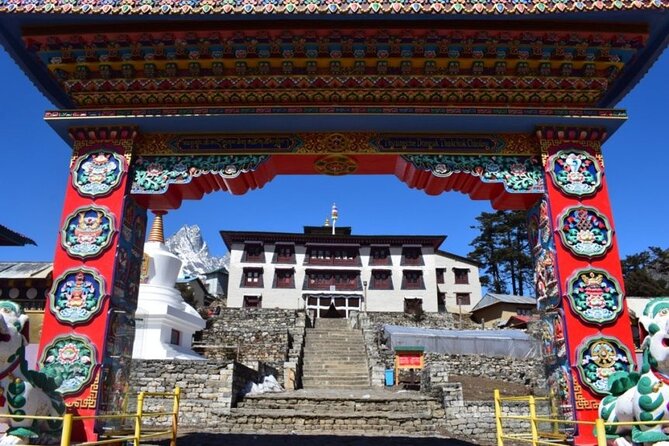
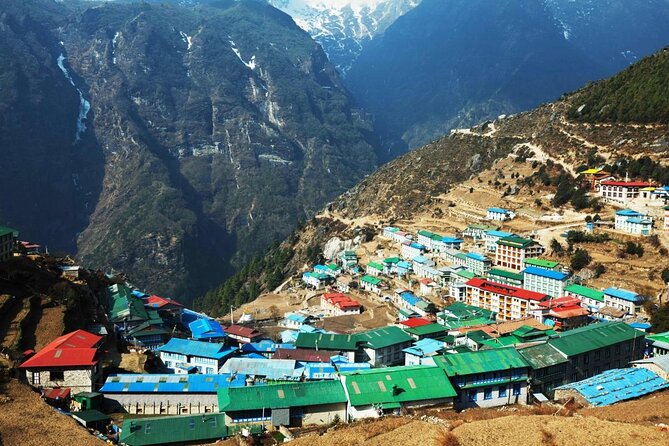
- Sherpa country, not just mountain scenery: The route passes through Phakding, Namche Bazaar, Pangboche, Lobuche, and Gorak Shep, with monasteries and local settlements along the way.
- Basic lodge comfort: Expect clean rooms, blankets, pillows, and mattresses, but shared bathrooms may be necessary at high elevations.
- Full-board trekking meals: Breakfast, lunch, and dinner are included during the trek, with dal bhat, soup, noodles, pasta, potatoes, eggs, and other menu choices.
- Bring insurance and a weather buffer: Travel insurance is not included, and bad weather can affect the Lukla flights.
What the $1,339.20 price really covers
At $1,339.20 per person, this trek offers good value if you use the included services. Domestic flights to Lukla and back are a major part of the cost, and the package also includes accommodation during the mountain section, meals on a full-board basis, a licensed guide, permits, a TIMS card, private transportation, and water-purification tablets.
That list matters because small expenses add up quickly in the Everest region. Hot showers, bottled water, Wi-Fi, snacks, drinks, laundry, and charging are generally extra. You also pay separately for your Nepal visa, international flights, travel insurance, extra hotel nights, alcohol, and personal shopping.
The price is less attractive if you want four- or five-star standards. The mountain lodges are basic, and the company makes clear that attached bathrooms cannot be guaranteed at higher elevations. You receive a twin-sharing room unless you arrange a single supplement.
One useful inclusion is porter support. One porter is normally assigned to two trekkers, with a suggested luggage limit of 18 kilograms. If you prefer to carry your own pack, that should be discussed in advance. The guide and porter arrangement can make a big difference on long uphill days, especially when you are also carrying warm clothing, water, and camera gear.
More ways to trek to Everest Base Camp:
- Everest Base Camp Trek – 14 Days
★ 5.0 · 1,499 reviews - Everest Base Camp Helicopter Tour landing at Everest View Hotel
★ 5.0 · 668 reviews - Everest Base Camp Trekking
★ 5.0 · 485 reviews
Kathmandu arrival and the flight to Lukla
Day one is designed as a soft landing. An airport representative meets you and transfers you to your Kathmandu hotel. An evening introduction to the trek is also planned, giving you a chance to meet the team and clarify the next morning’s arrangements.
The flight to Lukla is short, listed at about 35 minutes, but it is not a minor detail. Lukla is the gateway to the Everest region, and flights can be affected by poor weather. The package covers the flight, but it does not remove the risk of delay. Keep some flexibility in your international travel plans, and avoid scheduling an important flight home immediately after the trek.
The information allows flights from Kathmandu or Manthali. That distinction matters because operations can shift between airports. Ask the operator where you will depart from, how ground transfer is handled, and what happens if a flight is postponed.
Once you reach Lukla, the walking begins. You trek for about three hours to Phakding at 2,652 meters. This is a relatively short opening day, which is helpful after an early flight and gives your legs time to adjust.
Phakding to Namche Bazaar, the first real test
The walk from Phakding to Namche Bazaar covers about 10 to 12 kilometers and takes around five hours. Namche sits at approximately 3,440 meters, though the supplied itinerary gives its height in feet as 11,283. The path becomes more demanding here, with regular climbs and a noticeable gain in altitude.
Namche is the best-known settlement on this section of the route. It is a useful place to slow down, organize your pack, and learn more about the Sherpa way of life. Your guide is meant to explain local culture and the natural setting, rather than simply point you toward the next lodge.
The schedule provided does not clearly show a separate acclimatization day in Namche. That is something I would confirm before booking. Many people need time to adjust at this elevation, and a rushed schedule can make the higher days far harder. The operator describes the trek as suitable for people with moderate fitness, but fitness does not prevent altitude illness.
Pangboche and the rhythm of high-country walking
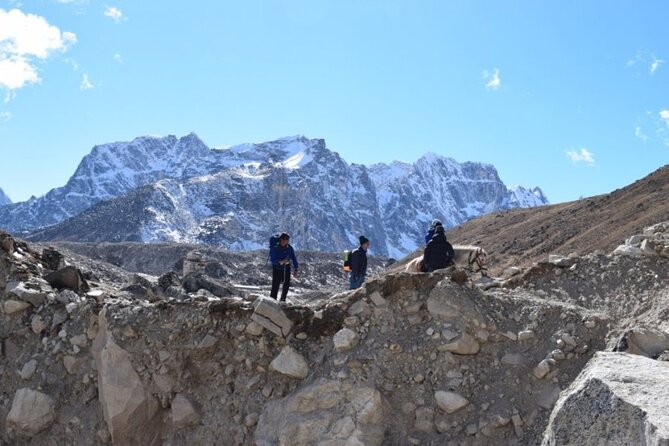
The next listed stage runs from Namche to Pangboche and takes about five hours. Pangboche is a mountain settlement where the route feels more remote and the walking day follows a familiar pattern: wake-up tea around 6 a.m., breakfast near 7, stretching, two to three hours of walking, lunch, and another two to three hours before reaching the lodge.
I like the structure because it gives you a clear daily rhythm without forcing you to race. You normally walk for 45 minutes to an hour, then pause for three or four minutes. Lunch takes about 40 minutes and is usually served between noon and 1 p.m.
After arrival, you can rest, order tea, read, shower if the facilities allow, or visit a nearby Sherpa settlement with the guide. Dinner time is arranged with the group, and the guide gives a briefing about the following day after the meal.
The route description uses both Pangbuche and Pangboche. These refer to the same settlement, but the spelling inconsistency is another reason to ask for a clean, dated itinerary before departure.
More treks starting in Kathmandu:
- Nagarkot Sunrise View and Day Hiking from Kathmandu
★ 5.0 · 471 reviews - Annapurna Circuit Trek with Tilicho Lake
★ 5.0 · 368 reviews - Everest Base Camp Trekking – 13 Day
★ 5.0 · 365 reviews - Everest Base Camp Trek -14 Days
★ 5.0 · 321 reviews
Pangboche to Lobuche, where the air feels thinner
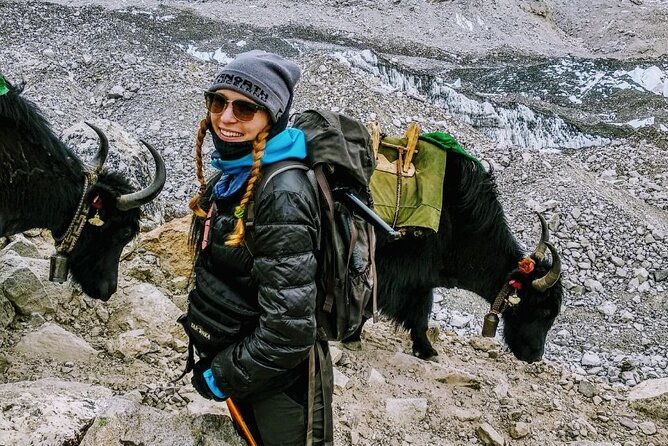
The walk from Pangboche to Lobuche is listed at about five hours. Lobuche is around 4,940 meters, so this is not simply another village-to-village stroll. The distance may look manageable on paper, but altitude, cold, rocky footing, and the cumulative effect of several days on the trail all count.
The guide’s role becomes especially important here. You are not only following a path. You need someone who watches your pace, notices signs of poor acclimatization, and helps you make sensible choices. The package promises an experienced, certified guide, but you should still ask how the company handles altitude problems and evacuation decisions.
Meals remain lodge-based. The menu can include Sherpa stew, vegetable dishes, dal bhat, noodles, soups, bread, pasta, pizza, eggs, potatoes, and apple pie. Garlic soup, onion soup, and potato soup are specifically recommended as useful, simple choices. Meat is available in some places, but the operator advises avoiding it in the Everest region because freshness and hygiene can be uncertain.
Lobuche to Gorak Shep and Everest Base Camp
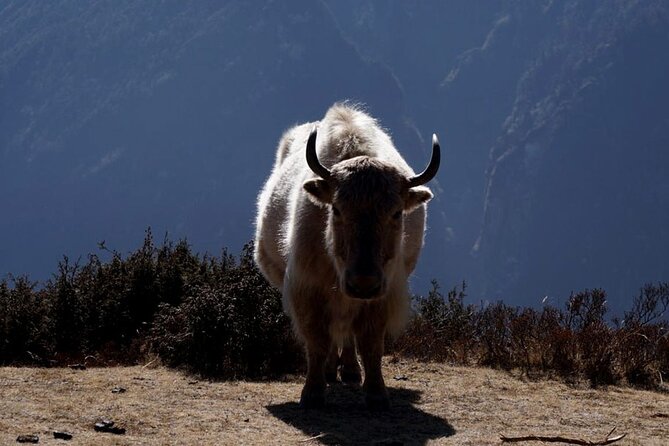
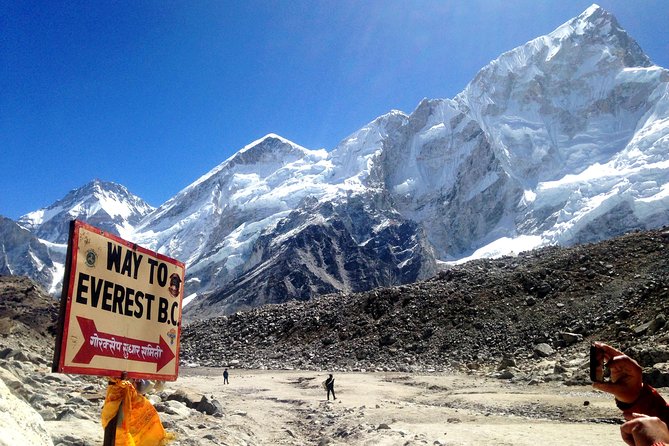
The itinerary places Lobuche, Gorak Shep, and Everest Base Camp on the same day, with about five hours of walking. This is the most demanding part of the route. Gorak Shep sits at roughly 5,164 meters, while Everest Base Camp is about 5,364 meters, and the path is rough and exposed to cold conditions.
The outline says the trek goes from Lobuche to Gorak Shep, then to Base Camp and back to Gorak Shep. Confirm the timing, because this section may feel very different depending on how much time is allowed for rest and the Base Camp walk.
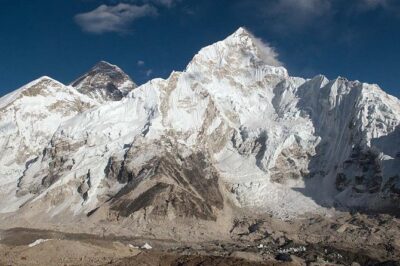
Base Camp itself is not a city of tents year-round. Its appeal is the setting: glacial terrain, immense peaks, and the sense that you have reached the working end of the Everest climbing route. The view of Everest can be partly blocked from Base Camp itself, so do not expect the classic summit photograph at every point. The approach and surrounding peaks provide much of the visual reward.
The operator describes the trek as non-technical. You do not need climbing skills, ropes, crampons, or an oxygen cylinder for the standard route. That does not make it easy. You still need stamina, warm clothing, careful hydration, and the ability to walk several hours in thin air.
The return to Pangboche, Namche, and Lukla
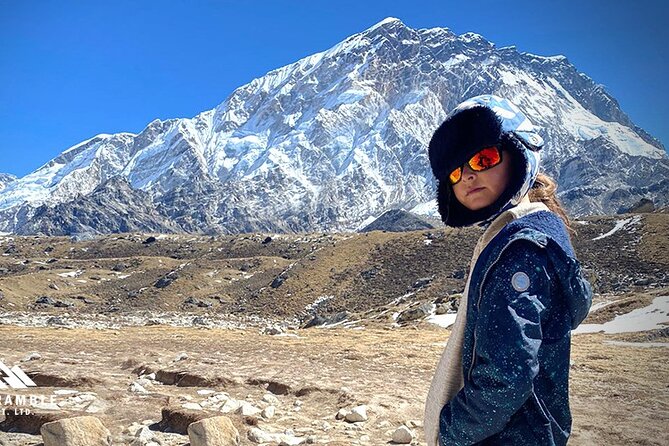
After the Base Camp section, the route returns to Pangboche, then continues to Namche and Lukla. The listed schedule says Gorak Shep to Pangboche on day seven, Pangboche to Namche, and Namche to Lukla on day nine. It does not spell out every overnight stop, and one day appears to be missing.
That gap is not a small clerical point. A trekking schedule needs to show where you sleep each night, how high you go, and where acclimatization happens. Ask for the full version before departure, especially if you are comparing this trek with other 12-day or 14-day programs.
The return walk is not automatically easy. Descending saves breath, but it can be tough on knees and tired legs. The path remains rugged, and the long walk to Lukla may feel like a full day even after the main goal is complete.
The flight back to Kathmandu is listed at about 35 minutes, followed by a hotel transfer. Since weather can delay Lukla flights, keep your final day flexible. Extra accommodation and meals before or after the trek are not included in the package.
Lodges, food, water, and daily comfort
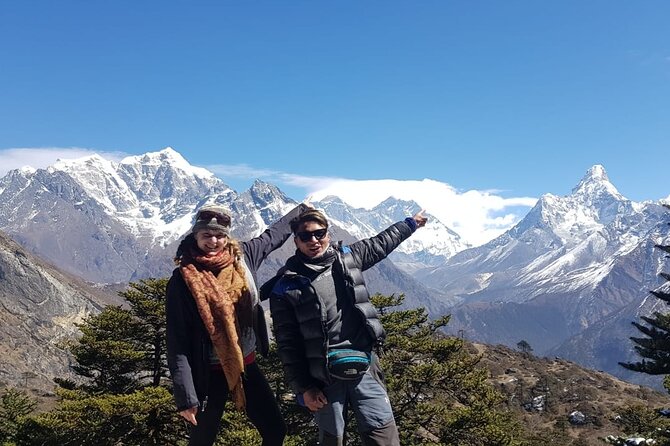
Mountain accommodation is simple but practical. Rooms generally have beds, warm blankets, pillows, and mattresses. Standards are lower than in Kathmandu, and the operator is direct about that. At higher elevations, shared bathrooms may be the only option because attached bathrooms are not available in every lodge.
Hot showers cost extra. So do Wi-Fi, hot and cold drinks, alcohol, snacks, and bottled water. One liter of bottled water may cost around $2 to $3, so using the supplied purification tablets is a sensible way to control costs. Carry a proper bottle that can accept hot water, since cold water can be uncomfortable or difficult to use in very cold conditions.
The full-board arrangement covers breakfast, lunch, and dinner, with hot drinks included according to the package details. You choose from lodge menus, which gives you more flexibility than a fixed meal plan. Dal bhat, vegetables, soups, noodles, potatoes, eggs, and bread are dependable choices.
I would pack small snacks anyway, along with oral rehydration salts. The operator’s equipment list also recommends sunscreen rated SPF 40 or higher, sunglasses, a headlamp, gloves, warm layers, a rain jacket or poncho, proper hiking boots, a sleeping bag, toiletries, and a daypack of at least 30 liters.
Fitness, altitude, and what to prepare
The company describes this as a moderate trek for people able to walk three to five hours a day. You do not need technical climbing experience, but you do need steady stamina for two weeks in cold mountain conditions.
Training can be simple. Regular walking, stairs, jogging, cycling, swimming, and gym work will help. I would pay special attention to walking downhill and carrying a light pack, since both place different demands on your body.
Altitude is the serious issue. Ask the guide about symptoms, pacing, rest, and descent procedures. The equipment list includes Diamox, but medication decisions should be discussed with a medical professional rather than made casually from a packing sheet.
Travel insurance is required in practical terms, even though it is not included. Make sure your policy covers high-altitude trekking and emergency evacuation. The provided information does not specify a maximum trekking altitude for the policy, so check the fine print yourself.
The guide team and private format
A private trek gives you more control than a fixed group departure. You can walk at a pace that suits your group, stop for photographs, and ask the guide to explain monasteries, settlements, plants, mountains, and local customs.
Alpine Ramble’s guide team has been associated with names such as Dil, Sujal, Samir, Manish, Krishna, Hairy, and Prabin. Samir and Sherpa Manish are particularly praised for combining strong trail support with kindness, while Sujal is noted for careful guidance on an Everest trek. Krishna is described as especially helpful and attentive. Ask which guide and porter will lead your departure, rather than assuming a particular person is available.
The company also says its staff come from mountain areas and that porters should not carry more than 18 kilograms. That is a useful sign of a more careful operating approach. You should still weigh your bag before leaving Kathmandu and agree on porter arrangements clearly.
Respect matters on this route. Ask before photographing people or entering community spaces, follow local customs, and carry rubbish until you can dispose of it properly. Water purification and reducing disposable plastic are small steps that make sense in a heavily visited mountain region.
Who should book this Everest Base Camp trek?
This package suits you if you want a private, guided trek with the major logistics grouped into one price. It is a good match for people who value a local guide, porter support, lodge accommodation, included meals, and help with flights and permits.
It is less suitable if you need luxury rooms, private bathrooms every night, a perfectly detailed published schedule, or complete protection from flight changes. It also requires honest preparation. A basic level of fitness may be enough, but high altitude is not something you can simply walk through by determination.
The cancellation terms are straightforward: cancel at least 24 hours before the local start time for a full refund. Cancellations or changes within 24 hours are not refunded or accepted. If poor weather or insufficient numbers cancel the trip, you are offered another date or experience, or a full refund.
Should you book it?
I would consider this trek good value for a moderately fit person who wants the Everest route without arranging every flight, permit, lodge, meal, guide, and porter separately. The private format and local support are the strongest reasons to choose it.
Before booking, ask for the complete day-by-day plan, including every overnight stop, acclimatization arrangements, the likely departure airport, and the policy for Lukla delays. If those answers are clear and your insurance covers high-altitude trekking, this is a practical way to reach Everest Base Camp while keeping the focus on the trail, the Sherpa communities, and the mountains.
FAQ
How long is the Everest Base Camp trek?
The experience is advertised as approximately 14 days. The supplied route details describe arrival in Kathmandu, the Lukla trek, the Everest Base Camp section, the return to Lukla, and the flight back to Kathmandu.
Is the flight to Lukla included?
Yes. Domestic flights from Kathmandu or Manthali to Lukla and the return flight are included.
What time does the experience start?
The listed start time is 7:15 a.m.
Is airport pickup provided?
Yes. An airport representative welcomes you on arrival in Kathmandu and transfers you to the hotel.
Are meals included?
Breakfast, lunch, and dinner are included during the trek on a full-board basis. Extra meals before and after the trekking section are not included.
Is accommodation included?
Yes. Trekking lodge accommodation is included during the mountain portion of the trip. Rooms are generally twin-sharing, and a single supplement applies for a solo traveler.
Are private bathrooms available?
Attached bathrooms may be available in some places, but they cannot be guaranteed. At higher elevations, you may need to use a shared bathroom.
Do I need climbing experience?
No technical climbing skills are required for this trek. The operator describes it as a non-technical route that does not require ropes, crampons, or oxygen cylinders.
What fitness level is required?
You should have moderate fitness and be able to walk about three to five hours a day on rugged terrain and at high altitude.
Are permits included?
Yes. Everest National Park fees and the TIMS trekking card are included.
Is travel insurance included?
No. Travel insurance is not included, and you need to arrange it yourself.
Are water-purification tablets provided?
Yes. Water-purification tablets are included. Bottled water, which may cost around $2 to $3 per liter, is an additional expense.
Can I cancel for a full refund?
Yes, if you cancel at least 24 hours before the local start time. Cancellations within 24 hours are not refunded.
Recently added around Kathmandu
- Kathmandu : Swambhunath & Durbar Square Guided Half Day Tour★ 3.3 · 3 reviews
- Private Day Tour in Kathmandu Valley Rim with Bhaktapur Sightseeing★ 5.0 · 3 reviews
- From Kathmandu / Pokhara / Chitwan: River Rafting – 1 Day★ 4.6 · 3 reviews
- Nepali Cooking training & Cultural Homestay Experience★ 5.0 · 3 reviews
- Private 3-Hour Nagarkot Sunset Tour from Kathmandu★ 3.5 · 3 reviews
- From Kathmandu: Everest Base Camp Landing Helicopter Tour★ 5.0 · 3 reviews
- 4 UNESSCO World heritage sites of Kathmandu-private tour★ 5.0 · 3 reviews
- From Kathmandu Budget: 15 Day Everest Base Camp Trek★ 5.0 · 3 reviews
Everest Base Camp Treks, compared.
Everest Base Camp Helicopter Tour landing at Everest View Hotel
Read our review →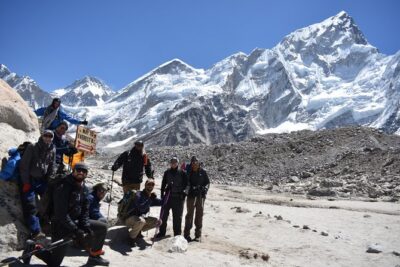
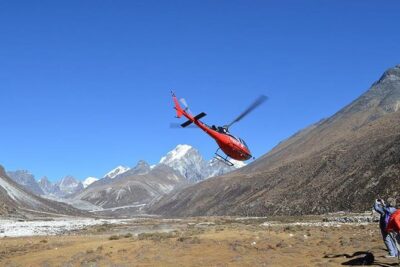
Everest Base Camp Helicopter Tour landing at Hotel Everest View
Read our review →
Everest Base Camp Trek with Helicopter Return from Gorakshep to Lukla
Read our review →Browse the lists this tour appears in