
Reviewed · WALKING TOURS
Kathmandu Food & Drink Walking Tour Taste Local Delicacies
Kathmandu reveals itself best one small bite at a time. This three-hour walk leads you from tourist-friendly Thamel into old market streets, family-run food spots, spice stalls, and modest eateries where you might otherwise walk straight past. Guides such as Umesh and Ananta add context to the dishes, so you learn not just what you are eating, but why it matters.
I like the small local food stops, which offer a better sense of everyday Kathmandu than a polished restaurant. I also like the route through Asan and Indrachowk, where the food walk doubles as a close look at working markets and old city life. The main drawback is that menus and stops may vary, and the busy lanes can feel intense if you prefer a quiet, seated meal.
In This Review
- Key points at a glance
- Why this Kathmandu food walk is worth your afternoon
- Starting in Thamel, Kathmandu’s easy meeting point
- Jyatha, where quiet lanes hide local food
- Asan market and Kathmandu’s spice trade
- Indrachowk, old temples and street-side bites
- Chhetrapati and the return to Thamel
- What you might taste along the way
- The guides make the difference
- The practical tradeoffs at $15
- Who should book this food walk?
- Should you book it?
- FAQ
- How long does the Kathmandu food and drink walking tour last?
- Where does the tour start?
- Where does the tour finish?
- What neighborhoods does the route visit?
- Is food included in the price?
- Are alcoholic drinks included?
- How large is the group?
- Can I cancel for a full refund?
Key points at a glance
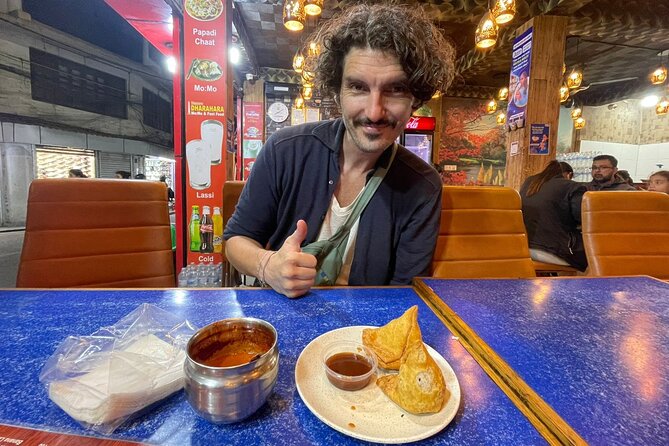
- Newari and Nepali street food: Sample local dishes and snacks at informal vendors and small family-run eateries.
- Five central Kathmandu neighborhoods: Walk from Thamel through Jyatha, Asan, Indrachowk, and Chhetrapati.
- Guides who explain the food: Umesh and Ananta have led departures, introducing dishes and explaining cultural customs.
- Market life beyond Thamel: Asan brings spice stalls, trading streets, and a more local side of central Kathmandu.
- Food and drinks included: The package lists snacks, meals, tea or coffee, and bottled water, while alcohol is extra.
- Small-group format: A maximum of 15 people keeps the walk more manageable in narrow streets.
Why this Kathmandu food walk is worth your afternoon
At $15 per person, this is an unusually inexpensive way to get oriented to Kathmandu’s food culture. You are paying for a guide, several tastings, bottled water, and a route through parts of the old city that can be confusing to navigate alone.
The price is especially useful at the start of a Nepal trip. You can learn which dishes interest you, notice how local drinks are served, and gather ideas for later meals. It is not simply a list of restaurant visits. The guide connects food with daily routines, market trade, and Newari culture.
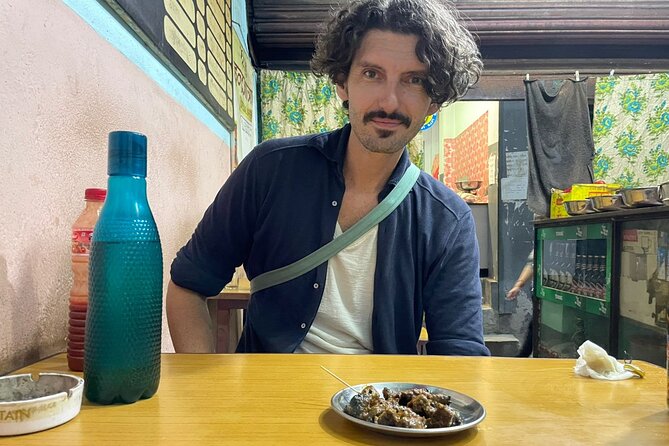
Keep your expectations sensible. This is a walking tour with tastings, not a formal progressive dinner. The supplied details list breakfast, brunch, lunch, dinner, snacks, meals, tea or coffee, and water as included, but they do not promise a particular number of dishes or full restaurant portions. Think of it as a substantial sampling session, with the exact food depending on the day and vendor.
The group limit of 15 matters. Kathmandu’s lanes are tight, and a smaller group makes it easier to hear the guide and gather around a food stall. It is still a group walk, so you will not have the same freedom as on a private tour.
More food tours in Kathmandu:
- Kathmandu Food and Drink Walking Tour
★ 5.0 · 266 reviews - Kathmandu: Food and Drink Walking Tour
★ 4.9 · 119 reviews - Walking Street Food Tour in Kathmandu
★ 5.0 · 111 reviews
Starting in Thamel, Kathmandu’s easy meeting point
The walk begins at Nepal Handloom Pashmina Traders on Narsingh Chowk Marg. The address sits in Thamel, the city’s best-known tourist district, so it is a practical place to start if you are staying nearby.
Thamel is filled with shops, cafés, travel offices, and places selling trekking gear. It can feel made for visitors, but it also works as a gateway into older Kathmandu. The food walk uses this contrast well. You begin in a familiar area, then move away from the main tourist streets toward smaller lanes and local businesses.
You spend about 30 minutes in Thamel. That is enough time to get acquainted with the guide, begin tasting, and understand how the tour will work. A guide such as Umesh or Ananta can also help you approach unfamiliar foods at a comfortable pace.
That last point matters. You are not expected to eat everything placed in front of you. One of the strongest details about the experience is the guide’s patient approach. If you are unsure about a dish, you can ask what it contains and decide for yourself.
Pickup is offered, but the stated start and end point is the pashmina shop in Thamel. Confirm the pickup arrangement when booking rather than assuming a hotel transfer is automatic.
Jyatha, where quiet lanes hide local food
From Thamel, the route reaches Jyatha, a calmer neighborhood close to the tourist center. This section helps show how quickly Kathmandu changes. A short walk can take you from shops aimed at international visitors to residential lanes with small eateries and traditional businesses.
You spend roughly 30 minutes here. The main appeal is not a grand sight, but the chance to notice ordinary food life. Small places can be easy to miss when you are on your own, especially when signs are limited or the entrance is tucked into a side lane.
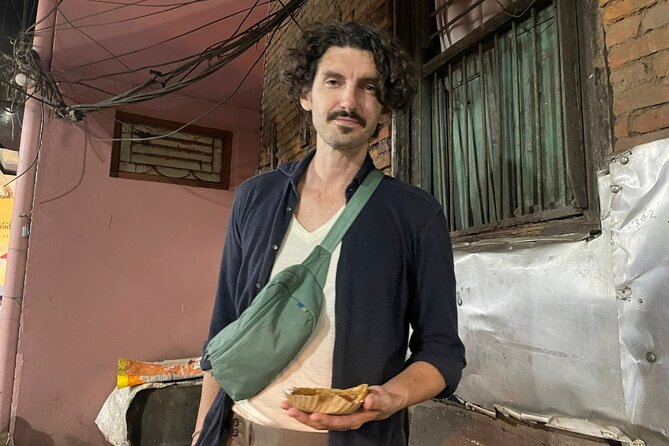
This is where a local guide adds real value. You may be shown family-run spots and hole-in-the-wall eateries that are not designed for sightseeing. The food may feel less familiar than the dishes served in tourist restaurants, but that is also the point.
The guide explains what you are trying and how it fits into Nepali food habits. If you have dietary concerns or simply dislike a certain ingredient, tell the guide early. The available information confirms a patient, no-pressure approach, but it does not specify a fixed menu or special dietary substitutions.
Asan market and Kathmandu’s spice trade
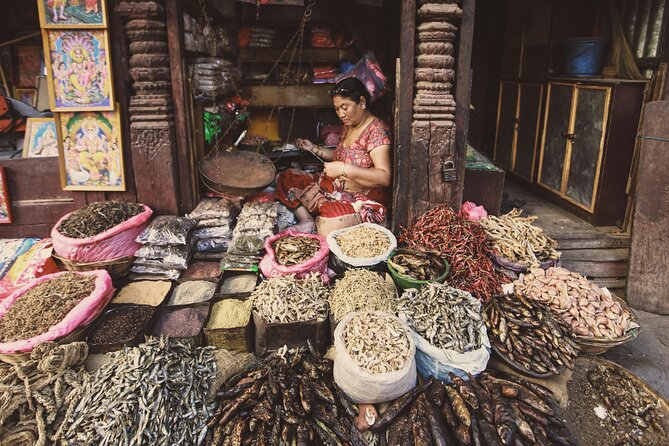
Asan is the most atmospheric stop on the route. Six streets meet here, and the market has served as a trade center for centuries. You will see shops and stalls dealing in spices and daily goods, along with the movement that makes this part of central Kathmandu feel constantly active.
The tour allows about 30 minutes in Asan. That is not enough to study every stall, but it gives you time to look, smell, taste, and listen. The spice market adds useful context to the food. A dish on your plate makes more sense after you have seen the ingredients sold in the market.
Asan is also a good place to keep your practical instincts switched on. Busy market streets can be crowded, and you need to stay with the group while watching your footing. Keep phones and wallets secure, and avoid stopping in the middle of a narrow passage for photographs.
I like this stop because it ties the food to commerce. You are not just sampling isolated dishes. You are seeing the streets where ingredients, cooking habits, and neighborhood life meet.
A completely different sort of day in Kathmandu:
- Everest Base Camp Trek – 14 Days
★ 5.0 · 1,499 reviews - Private Kathmandu Sightseeing Tour | UNESCO World Heritage sites
★ 5.0 · 756 reviews - Everest Base Camp Helicopter Tour landing at Everest View Hotel
★ 5.0 · 668 reviews - Half day cooking class in Thamel kathmandu
★ 5.0 · 607 reviews
Indrachowk, old temples and street-side bites
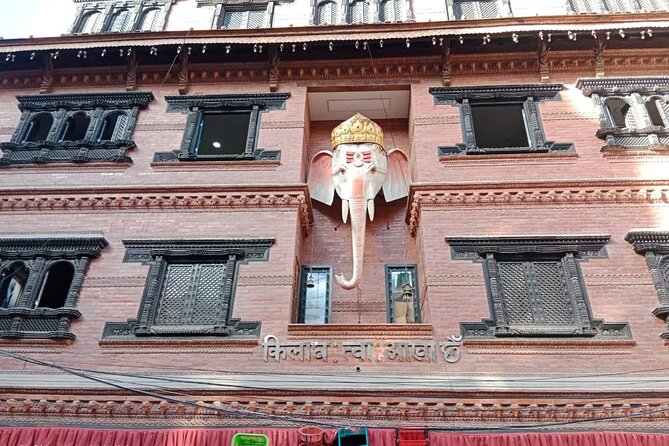
The route continues to Indrachowk, a historic square near Kathmandu Durbar Square. It is known for old temples, textile shops, and food vendors. The square brings together religious activity, commerce, and everyday eating in a compact part of the old city.
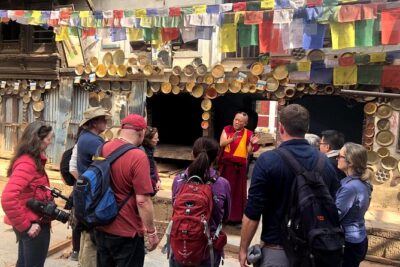
The planned time here is about 30 minutes. Food is only part of the experience. Look up from the stall or shopfront and you may notice carved details, shrine spaces, and older buildings woven into the market setting. The tour’s cultural explanations help prevent the walk from becoming a simple checklist of snacks.
This is also a place where the contrast between sightseeing and daily life is clear. You might be passing a temple one moment and standing beside a vendor preparing food the next. That mix is a useful introduction to Kathmandu, where historic places are not separated neatly from ordinary business.
The drawback is that this is not a slow architectural tour. The guide needs to keep the group moving through active streets, and food stops take priority. If you want extended time at Kathmandu Durbar Square, plan a separate visit.
Chhetrapati and the return to Thamel
Chhetrapati is a busy junction between Thamel and the older parts of Kathmandu. It can be easy to treat it as a place you simply pass through, but the tour uses it to show more of the city’s everyday rhythm.
You spend about 30 minutes here. The area offers another chance to try local food and notice how streets connect the tourist district with historic neighborhoods. It is less about one famous attraction and more about seeing how people shop, eat, meet, and move through central Kathmandu.
The activity ends back at the meeting point in Thamel. That makes the tour simple to fit into a travel day. You can return to your hotel, continue shopping, or use the guide’s food advice to choose your next meal.
Because the tour covers five areas in around three hours, expect a steady pace. Comfortable shoes are sensible, and you should allow room for short waits at vendors. The route is near public transportation, and the operator says most people can participate, but this remains a city walk rather than a seated tasting event.
What you might taste along the way
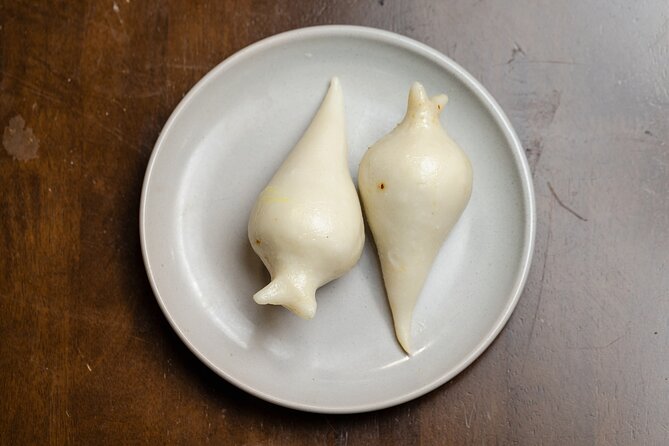
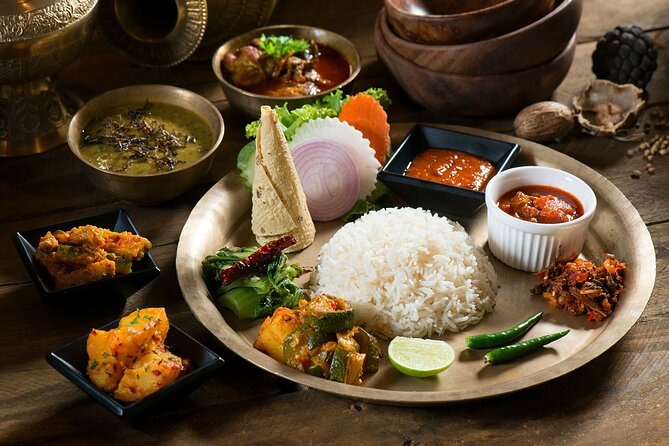
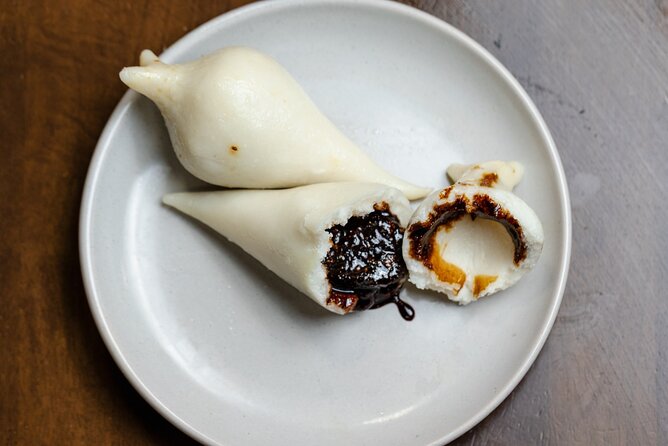
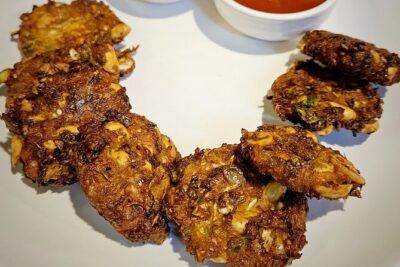
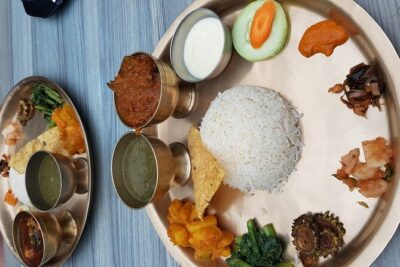
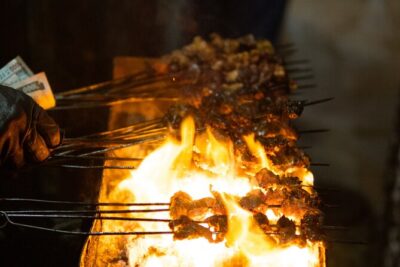
The experience focuses on Newari and Nepali street food, local drinks, and traditional delicacies. The exact menu is not fixed in the information provided, so it would be misleading to promise particular dishes. The useful expectation is variety: small savory bites, local snacks, drinks, and food from modest neighborhood vendors.
Newari food is an important part of Kathmandu’s identity. It often includes strong flavors, careful preparation, and dishes connected with festivals, family gatherings, and community traditions. The guide’s explanation is as important as the tasting itself, especially if a dish looks unfamiliar or uses ingredients you do not recognize.
Tea or coffee and bottled water are included. Alcoholic drinks are not included, and personal purchases are your responsibility. You should also budget for shopping if the market stalls tempt you. The tour is designed to introduce local food, not cover every personal expense during the walk.
A good strategy is to arrive hungry but not starved. You want room for several tastings, yet an empty stomach can make unfamiliar spice, rich food, or local drinks harder to judge. Since the route includes snacks and meals, you should not plan another large meal immediately afterward.
The guides make the difference
The experience depends heavily on the person leading it. Umesh has guided guests through authentic food stalls and helped them try unfamiliar food without pressure. Ananta has also led the walk, with an approach that combines food, history, and culture.
That personal side is one of the strongest reasons to book. A guide can point out a food spot you would likely miss, explain how an item is eaten, and tell you what to expect before you take a bite. That lowers the barrier for anyone who wants local food but feels cautious about ordering alone.
The available feedback gives special credit to the guides’ warmth, patience, and ability to explain dishes clearly. Those qualities matter more here than a memorized speech. A food walk succeeds when you feel comfortable asking basic questions, declining a dish, or trying something new at your own pace.
Guide assignments can change. If you specifically want Umesh or Ananta, ask the operator before booking rather than assuming a particular guide is guaranteed.
The practical tradeoffs at $15
The $15 price is the clearest selling point. For a three-hour guided route with food, drinks, and water, it offers strong value, especially for first-time visitors who would otherwise spend money experimenting from place to place.
You are also paying for access to local knowledge. A cheap meal is easy to find in Kathmandu, but knowing which small stall to enter, what to order, and how to understand the food is harder. The tour concentrates that learning into one afternoon or evening.
The tradeoff is comfort. You may eat standing up or in simple surroundings, and the route passes through active markets rather than quiet dining rooms. Personal expenses, insurance, tips, shopping, and alcohol are not included.
Free cancellation is available if you cancel at least 24 hours before the start time. Cancellations made within 24 hours are not refunded, and changes during that period are not accepted. The experience requires good weather, so a weather cancellation brings either another date or a full refund.
Who should book this food walk?
I would recommend it to first-time visitors who want a quick introduction to Kathmandu’s food customs. It also suits curious eaters who prefer small local spots to Western-style restaurants, and anyone who wants a guide to the old market streets before exploring them alone.
It is a good fit if you enjoy walking, asking questions, and trying dishes without needing a polished setting. The small group and three-hour length make it easier to add to a wider Kathmandu itinerary.
You may want another option if you need a guaranteed menu, a private experience, extensive seating, or a very relaxed pace. The route covers active streets, and the food choices can change. People with food allergies or strict dietary requirements should contact the operator before booking, since the supplied information does not list specific substitutions.
Should you book it?
Book this Kathmandu food walk if you want local food with useful context, not just a restaurant meal. The combination of Thamel, Jyatha, Asan, Indrachowk, and Chhetrapati gives you a broad look at central Kathmandu in a short time, while guides such as Umesh and Ananta help you approach unfamiliar dishes with confidence.
At $15, the value is hard to fault. Just arrive ready to walk, expect informal food stops, and confirm pickup and dietary details in advance. For a first taste of Kathmandu’s Newari and Nepali food culture, this is a practical, affordable choice.
FAQ
How long does the Kathmandu food and drink walking tour last?
The tour lasts approximately three hours.
Where does the tour start?
It starts at Nepal Handloom Pashmina Traders, Narsingh Chowk Marg, Kathmandu 44600, Nepal.
Where does the tour finish?
The activity ends back at the meeting point in Thamel.
What neighborhoods does the route visit?
The route includes Thamel, Jyatha, Asan, Indra Chowk, and Chhetrapati.
Is food included in the price?
Yes. The inclusions list snacks, meals, breakfast, lunch, brunch, dinner, tea or coffee, and bottled water. The exact dishes and serving amounts are not specified.
Are alcoholic drinks included?
No. Alcoholic drinks are listed among the items not included.
How large is the group?
The tour has a maximum of 15 participants.
Can I cancel for a full refund?
Yes, if you cancel at least 24 hours before the experience start time. Cancellations made less than 24 hours in advance are not refunded.
More Walking Tours in Kathmandu
- Walking Food Tour in Hidden Local Eateries of Kathmandu
★ 5.0 · 40 reviews - Kathmandu Walking Tour
★ 5.0 · 36 reviews - Old Kathmandu Walking Tour, Historic World Heritage Durbar Square
★ 5.0 · 22 reviews - Smells of Kathmandu Walking Day Tour
★ 5.0 · 20 reviews
Recently added around Kathmandu
- Kathmandu : Swambhunath & Durbar Square Guided Half Day Tour★ 3.3 · 3 reviews
- Private Day Tour in Kathmandu Valley Rim with Bhaktapur Sightseeing★ 5.0 · 3 reviews
- From Kathmandu / Pokhara / Chitwan: River Rafting – 1 Day★ 4.6 · 3 reviews
- Nepali Cooking training & Cultural Homestay Experience★ 5.0 · 3 reviews
- Private 3-Hour Nagarkot Sunset Tour from Kathmandu★ 3.5 · 3 reviews
- From Kathmandu: Everest Base Camp Landing Helicopter Tour★ 5.0 · 3 reviews
- 4 UNESSCO World heritage sites of Kathmandu-private tour★ 5.0 · 3 reviews
- From Kathmandu Budget: 15 Day Everest Base Camp Trek★ 5.0 · 3 reviews
Walking Tours, compared.
Walking Food Tour in Hidden Local Eateries of Kathmandu
Read our review →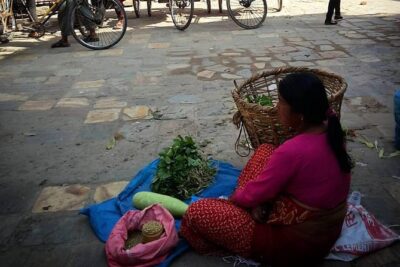
Old Kathmandu Walking Tour, Historic World Heritage Durbar Square
Read our review →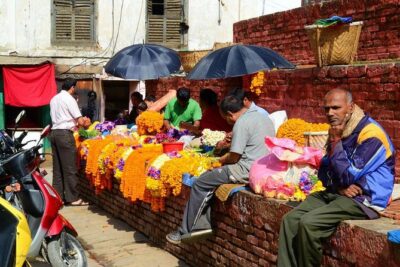
Browse the lists this tour appears in