
Reviewed · KATHMANDU FOOD TOURS
Traditional Nepali Momo Making Classes
Nepal’s most famous comfort food becomes much more interesting when you make it yourself. At Namaste Cooking School in central Thamel, you learn how dough, filling, spices, and patient handwork turn into a plate of momos, with masala chai to start and lunch to finish. The women-led class also connects cooking with local farmers and indigenous Nepali ingredients.
I like the hands-on format, since you do not simply watch a demonstration, and I like the friendly teaching style of Sushila and Sabita. You can choose a menu, discuss allergies before cooking, and take home a recipe book. The main drawback is timing: at 90 minutes, this is a focused introduction rather than a long food workshop, and the class requires good weather and a minimum number of participants.
In This Review
- Key points to know before booking
- Why making momos tells you more than ordering them
- A masala chai welcome in Thamel
- Choosing your menu and discussing dietary needs
- Learning the spices behind Nepali momos
- Making the dough, filling, and folds
- Eating your own momos for lunch
- Friendly instruction from Sushila and Sabita
- What the $18 price really includes
- Timing, location, and planning advice
- Who will enjoy this class most
- Should you book the Namaste Cooking School momo class?
- FAQ
- Where does the momo-making class take place?
- What time does the class start?
- How long does the experience last?
- What language is the class offered in?
- Is lunch included?
- How many people can join the class?
- What happens if I need to cancel?
Key points to know before booking
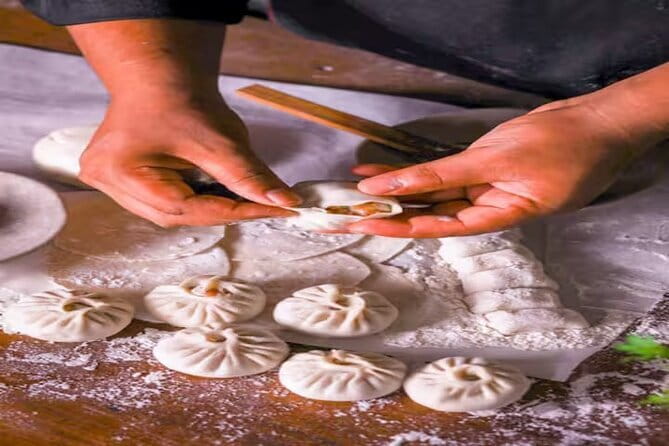
- Momos from dough to lunch: You make the dough, prepare the filling, shape the dumplings, and eat what you cook.
- A women-run cooking school: Sushila, Sabita, and their team bring a warm, personal style to the class.
- Masala chai starts the visit: This traditional welcome gives the short session a pleasant local touch.
- Local ingredients matter: The school works with farmers and highlights indigenous Nepali spices.
- Easy Thamel location: The meeting point is on Bhagwati Marg, near public transportation.
- Good value at $18: Lunch, instruction, chai, and a recipe book are included in the roughly 90-minute session.
Why making momos tells you more than ordering them
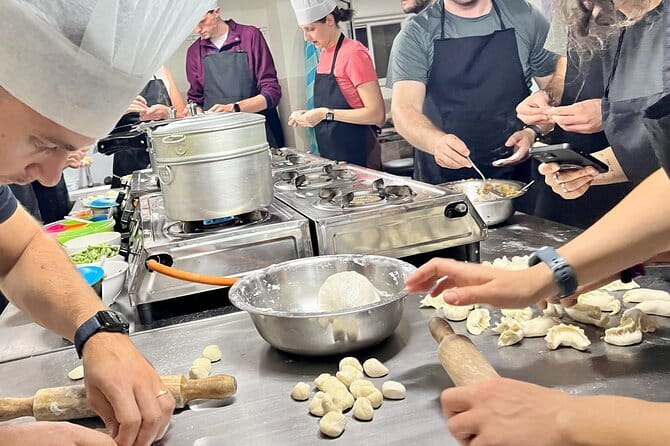
Momos are easy to find across Kathmandu, but ordering a plate gives you only the finished product. This class shows you the work behind it: mixing and handling dough, preparing a filling, and shaping each dumpling so it can hold together during steaming.
That practical knowledge changes the way you eat momos afterward. You begin to notice the wrapper, the amount of filling, the folds, and the balance of spices. The class is not only about copying a recipe. It gives you a small window into a food that is part of everyday Nepali life.
The school’s focus on indigenous culinary traditions adds useful context. Ingredients are sourced directly from local farmers, and the class introduces spices used in Nepali momo cooking. You do not need a long lecture to understand the point. Smelling and using the ingredients gives you a more direct sense of how flavor is built.
More Kathmandu food walks:
- Kathmandu: Local Women-Led Nepali Cooking & Momo Class
★ 4.9 · 360 reviews - Kathmandu: Local Lead Nepali Cooking & Momo-Making Class
★ 5.0 · 212 reviews - Walking Street Food Tour in Kathmandu
★ 5.0 · 111 reviews
A masala chai welcome in Thamel
The class begins at 12:30 p.m. at Bhagwati Marg in Kathmandu’s Thamel area. That central location makes the experience easy to fit into a day of sightseeing, shopping, or adjusting to the city after arrival. You return to the same meeting point when the session ends.
Your welcome drink is masala chai, a customary sign of hospitality in Nepal. This is a small detail, but it sets a relaxed tone before the cooking begins. One participant who did not drink masala chai was offered ginger and lemon tea instead, showing that the hosts can respond to simple preferences.
The location is practical, but do not expect a quiet countryside cooking retreat. Thamel is a central visitor district, so this works best if you want a convenient city activity rather than a trip far outside Kathmandu.
Choosing your menu and discussing dietary needs
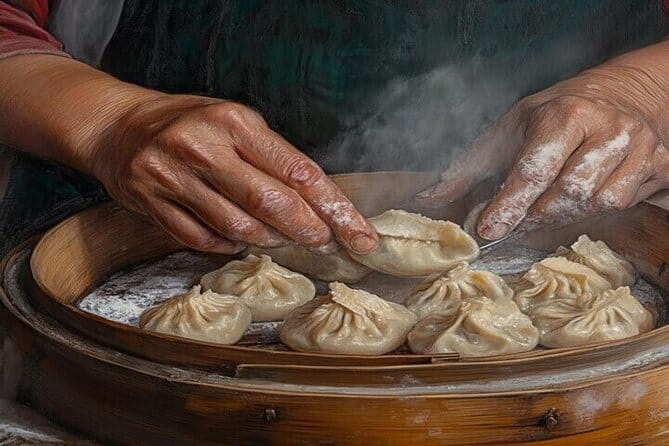
After the welcome, you select from the available momo menus. The school also asks about dietary restrictions and allergies at this stage, before the food preparation begins.
That early check is important. Momo fillings can vary, and knowing your needs in advance gives the instructors a chance to guide you toward a suitable choice. The supplied information does not promise every type of dietary accommodation, so you should explain your requirements clearly when you arrive or during booking.
The class is offered in English. That makes the instructions accessible to English-speaking visitors, though the experience still depends on your willingness to ask questions and take part. With a maximum of 16 people, the group is not guaranteed to be private. It is small enough for a social class, but larger than a one-on-one lesson.
Learning the spices behind Nepali momos
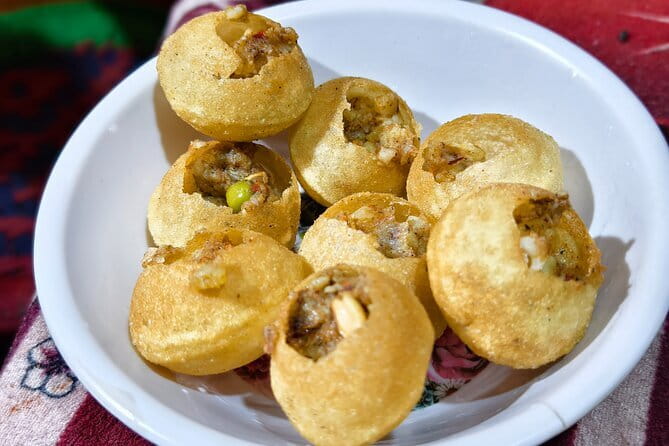
Before you start shaping dumplings, the instructors explain regional spices used in Nepali momo cooking. This is one of the most useful parts of the session because it helps you understand why Nepali momos do not taste exactly like dumplings from other Himalayan or Asian cuisines.
The school’s connection with local farmers gives this section a clear purpose. You are not just following a generic international recipe. The class places the ingredients within Nepal’s own food traditions, with attention to local produce and indigenous flavors.
The available details do not list each spice, so you should not expect a fixed tasting menu or a full spice-market lesson. The emphasis is practical: learn the flavors that will go into your chosen momo preparation, then use them during the cooking.
More workshops and classes in Kathmandu:
- Half day cooking class in Thamel kathmandu
★ 5.0 · 607 reviews - Knife (Khukuri) Making Workshop- Forge of the Gurkhas
★ 5.0 · 143 reviews - Local Women Lead Nepali Cooking Class
★ 5.0 · 125 reviews - The best Private Nepali Cooking Class in Kathmandu
★ 5.0 · 83 reviews
Making the dough, filling, and folds
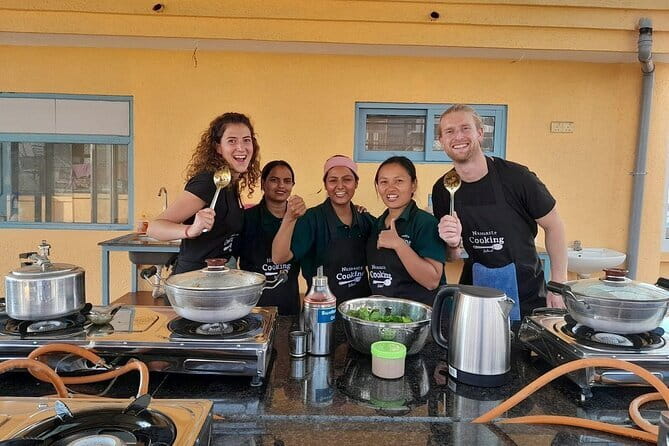
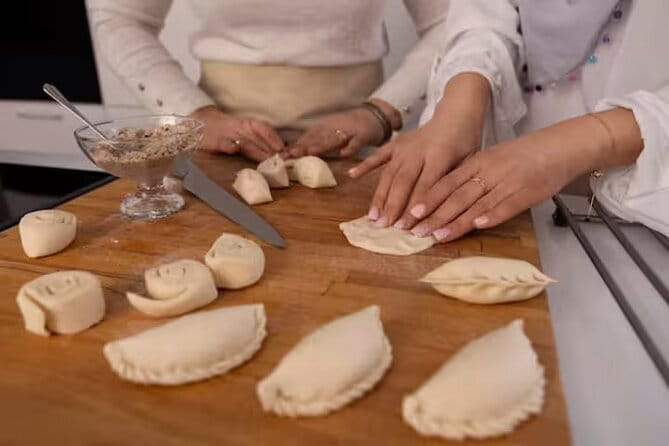
The heart of the experience is the hands-on cooking. You learn by doing rather than watching someone make everything for you. The process includes preparing dough and filling, then shaping the momos in different ways.
This is where the class earns its price. Dumpling folding looks simple until you try to make a neat, sealed momo yourself. The instructors guide you through the technique and help you improve as you go. The pace is suitable for beginners, and the teaching style is patient and lighthearted.
One particularly useful detail from the class experience is the chance to learn several folding styles. You do not simply make one shape repeatedly. You can compare the forms and see how small changes in folding affect the look of the finished dumpling.
The process is also family-friendly. An eight-year-old initially did not want to take part but ended up enjoying the class. That does not mean every child will have the same reaction, but the activity has enough movement and practical work to hold a young person’s attention better than a lecture.
Eating your own momos for lunch
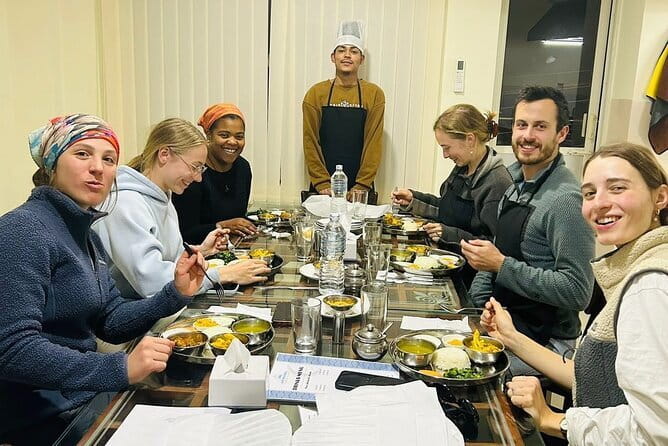
After the cooking is complete, you eat the momos as lunch. Portions are described as sufficient to leave you full, so this is not merely a tasting stop before another meal.
That makes the noon start useful. You can replace a standard restaurant lunch with an activity that also teaches you something. I like this kind of arrangement because the meal has a clear connection to your effort. You see the ingredients, work with the dough, and then taste the result while the process is still fresh.
The food is prepared with fresh ingredients, according to the available details, and the cooking takes place in a clean kitchen. One class also took place on a rooftop with panoramic views of Kathmandu. Since that detail comes from an individual experience rather than a stated feature of every session, treat the rooftop setting as a possibility, not a guarantee.
Friendly instruction from Sushila and Sabita
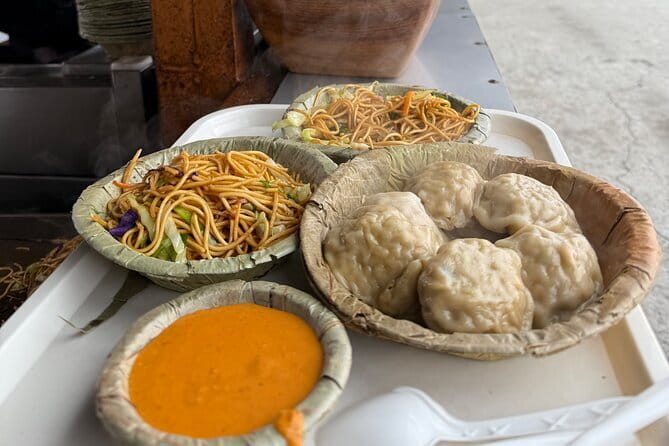
The hosts are a major part of the appeal. Sushila and Sabita are named as instructors, and their roles extend beyond basic cooking instruction. They have been described as talented teachers, dancers, and singers, giving the class a social and cultural feel as well as a practical one.
You should expect plenty of guidance while you work. The hosts are patient with beginners, and the tone is warm rather than formal. One participant stayed afterward for a few beers and conversation, though that should be viewed as an individual choice rather than part of the scheduled 90-minute program.
This friendliness is especially helpful if you are nervous about cooking in a group. You can make imperfect folds, ask for help, and keep going without feeling that you are being tested. The class is about learning a useful dish and enjoying the people around you.
At the same time, expectations should stay realistic. The information does not promise a professional chef certification, advanced culinary training, or a long cultural performance. You are booking an approachable introduction to momo making, not a full culinary school course.
What the $18 price really includes
At $18 per person, the class offers good value for a short activity in central Kathmandu. The price includes lunch, instruction in English, the masala chai welcome, and a Namaste Cooking School recipe book to take home.
The recipe book matters because momos are easy to crave once you return home. Without written instructions, the details of dough texture, filling, and folding can fade quickly. A take-home guide gives you a better chance of repeating the dish in your own kitchen.
The value is strongest for people who would otherwise spend lunch at a restaurant. For only a modest increase over an ordinary meal, you get food, instruction, and a cultural activity. If your main goal is a long, technical cooking course, the 90-minute duration may feel short. If you want one useful activity between sightseeing stops, the length is a good fit.
The maximum group size is 16 people. That keeps the experience from being entirely private, but it also allows for a social setting. Couples, families, and solo visitors can all fit the format. A private class is possible in at least one reported case, but you should confirm that arrangement rather than assume it is included.
Timing, location, and planning advice
The class begins at 12:30 p.m. at Bhagwati Marg, Kathmandu 44600, and ends back at the meeting point. It is near public transportation, which helps if you are staying outside Thamel.
Plan to arrive with enough time to find the meeting point. A mobile ticket is provided, and booking confirmation is received at the time of booking. The activity is often reserved about eight days ahead, so booking early is sensible if your Kathmandu schedule is tight.
The school requires good weather, and the experience also needs a minimum number of participants. If poor weather or low enrollment causes a cancellation, you can choose a different date or experience, or receive a full refund.
You can cancel for a full refund up to 24 hours before the start time. Cancellations and changes made less than 24 hours before the class are not accepted for a refund. Since the cut-off follows local time, check the time carefully if you are booking from another country.
Who will enjoy this class most
This is a strong choice for you if you want:
- A short, practical food activity in Kathmandu
- A meal that replaces a restaurant lunch
- A beginner-friendly class with patient instruction
- A family activity with hands-on work
- A way to learn about Nepali spices and local ingredients
- A convenient experience in central Thamel
It is less suitable if you want a full-day market visit, a long restaurant-style cooking course, or a detailed study of every regional Nepali dish. The focus is momos, with spice instruction and cultural context supporting the main lesson.
It also suits people who enjoy meeting local hosts. The cooking is important, but the hospitality is part of the experience. You begin with tea, work alongside the instructors, share lunch, and receive a recipe book at the end.
Should you book the Namaste Cooking School momo class?
Book it if you want an affordable, well-focused introduction to one of Nepal’s favorite foods. The strongest reasons are the hands-on format, the patient women instructors, the local ingredient focus, and the fact that your finished momos become lunch.
The main question is not value. At $18, the price is easy to justify if you would enjoy cooking. The real question is how much time you want to give the activity. A 90-minute class will not turn you into a momo expert, but it will give you the basic process, some folding practice, a filling meal, and a recipe to try at home.
For a first visit to Kathmandu, I would place this high on the list of short food experiences. Choose it when your schedule has a free midday slot, tell the school about dietary needs early, and book at least a few days ahead if possible.
FAQ
Where does the momo-making class take place?
The class begins and ends at Bhagwati Marg, Kathmandu 44600, Nepal, in the heart of Thamel. The meeting point is near public transportation.
What time does the class start?
The scheduled start time is 12:30 p.m.
How long does the experience last?
The class lasts approximately 1 hour and 30 minutes.
What language is the class offered in?
English is offered.
Is lunch included?
Yes. Lunch is included, and you eat the momos prepared during the class.
How many people can join the class?
The activity has a maximum of 16 travelers.
What happens if I need to cancel?
You can cancel up to 24 hours before the start time for a full refund. Cancellations or changes made less than 24 hours before the experience are not accepted for a refund. If poor weather or insufficient enrollment causes cancellation, you can choose another date or experience, or receive a full refund.
Recently added around Kathmandu
- Kathmandu : Swambhunath & Durbar Square Guided Half Day Tour★ 3.3 · 3 reviews
- Private Day Tour in Kathmandu Valley Rim with Bhaktapur Sightseeing★ 5.0 · 3 reviews
- From Kathmandu / Pokhara / Chitwan: River Rafting – 1 Day★ 4.6 · 3 reviews
- Nepali Cooking training & Cultural Homestay Experience★ 5.0 · 3 reviews
- Private 3-Hour Nagarkot Sunset Tour from Kathmandu★ 3.5 · 3 reviews
- 4 UNESSCO World heritage sites of Kathmandu-private tour★ 5.0 · 3 reviews
- From Kathmandu: Everest Base Camp Landing Helicopter Tour★ 5.0 · 3 reviews
- From Kathmandu Budget: 15 Day Everest Base Camp Trek★ 5.0 · 3 reviews
Kathmandu Food Tours, compared.
Secret Food Tour – Food Bites and Sights Kathmandu 14+ Testings
Read our review →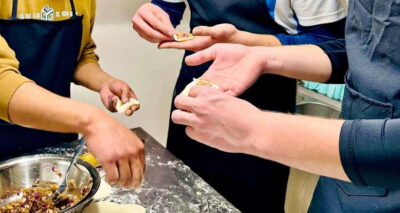
Walking Food Tour in Hidden Local Eateries of Kathmandu
Read our review →Browse the lists this tour appears in