
Reviewed · KATHMANDU FOOD TOURS
Kathmandu: Local Lead Nepali Cooking & Momo Making Class
Kathmandu Cooking Academy puts you to work quickly: you visit a nearby market or shop, choose fresh ingredients, then return to the kitchen to fold momo and prepare momo and dal bhat, Nepal’s best-known comfort foods. I like the market stop because it gives the meal a local setting, and I like that you can choose additional dishes such as bara or yomari instead of following a fixed menu.
The small group, capped at 10, is another strong point. Instructors such as Vikram and Niche have been praised for clear, patient teaching, especially when momo folding takes a few tries. The main consideration is timing: with shopping, preparation, cooking, and eating, this is closer to a full three-hour activity than a quick demonstration.
In This Review
- Key details before you book
- From Thamel to the Kathmandu Cooking Academy
- A market visit that gives the food some context
- Learning the folds, spices, and steady rhythm of Nepali cooking
- Choosing between momo, dal bhat, and other dishes
- Sitting down to eat what you prepared
- The teaching style and the people who make the class work
- What the $4 price means for value
- Who should book this Kathmandu cooking class?
- Practical details that shape the day
- Should you book it?
- FAQ
- Where does the Kathmandu cooking class take place?
- Is hotel pickup available?
- How long does the experience last?
- What dishes will I prepare?
- Is food included?
- Are drinks included?
- Is the class taught in English?
- How many people are in the group?
- Is the cooking academy wheelchair accessible?
- What should I bring and wear?
Key details before you book
- Shop for ingredients first: Begin with a short market or shop visit before cooking.
- Make more than momo: Momo and dal bhat are central, with other traditional dishes available to choose from.
- Learn by doing: You prepare the food yourself with step-by-step help from an English-speaking chef.
- Eat what you cook: The class usually includes two main courses, a dessert, and Nepali masala tea.
- Keep the group manageable: Up to 10 participants allows for personal help at the workstations.
- Walk or arrange pickup: The academy is about 10 to 15 minutes on foot from Thamel, with optional pickup across Kathmandu Valley.
From Thamel to the Kathmandu Cooking Academy
The class takes place at Kathmandu Cooking Academy, in a central part of Kathmandu that is easy to reach from Thamel. If you are staying nearby, plan on a 10 to 15 minute walk. Look for the academy signboard outside the building, then go to the entrance, where staff direct you to registration.
That short walk is useful. You avoid adding a long transfer to an activity that already takes three to four hours, and you get a little time to adjust before handling ingredients and cooking. Arrive at least 15 minutes early, since the group may leave for the market soon after the scheduled start.
Pickup is available from any location within Kathmandu Valley if you select that option. You need to provide your hotel or other address in advance. This is worth considering if you are staying outside central Kathmandu, traveling with cooking equipment or bags, or simply want a door-to-door start. Drop-off is also available when included in your booking choice.
The academy is wheelchair accessible, and the class is conducted in English. The minimum age is 5, while the stated upper age limit is 95. A minimum of two participants may be needed for the class to run, so a solo booking can depend on another person joining.
More Kathmandu food walks:
- Kathmandu: Local Women-Led Nepali Cooking & Momo Class
★ 4.9 · 360 reviews - Kathmandu: Local Lead Nepali Cooking & Momo-Making Class
★ 5.0 · 212 reviews - Walking Street Food Tour in Kathmandu
★ 5.0 · 111 reviews
A market visit that gives the food some context
The first active part of the experience is a short trip to a nearby market or shop. With the chef’s help, you select the fresh ingredients used in the class. This is not just a shopping errand. It shows you where the cooking begins and helps connect the finished plate with everyday Nepali food culture.
The exact market route and ingredients can vary, since the class allows you to choose from several dishes. That flexibility is a plus for repeat visitors and curious eaters. You can focus on the familiar combination of momo and dal bhat, or select other traditional foods if the group agrees.
The market portion is brief, so do not expect a full Kathmandu food tour. Its purpose is to prepare for the lesson rather than cover a large area or sample many stalls. Still, it adds a useful local touch that a kitchen-only class would miss.
Bring a camera if you want to record the visit, but the activity does not include professional photos or video. Those services may be available for an added fee. Comfortable clothing is the sensible choice because you will be active in the kitchen afterward.
Learning the folds, spices, and steady rhythm of Nepali cooking
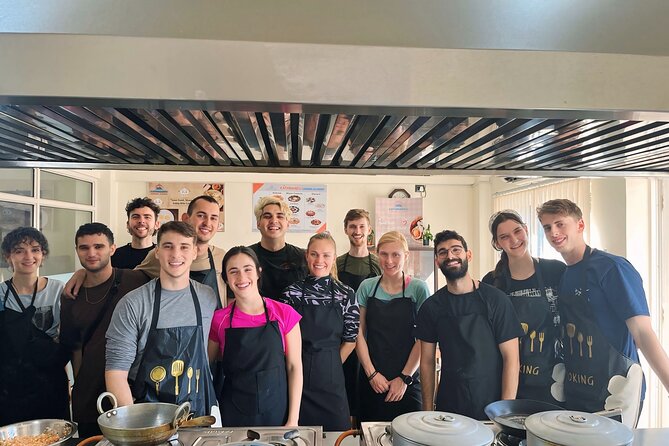
Back at the academy, the chef leads you through the selected recipes. The teaching is practical and step by step. You use the cooking equipment and accessories provided, prepare the ingredients, and take part in the cooking rather than simply watching a chef work.
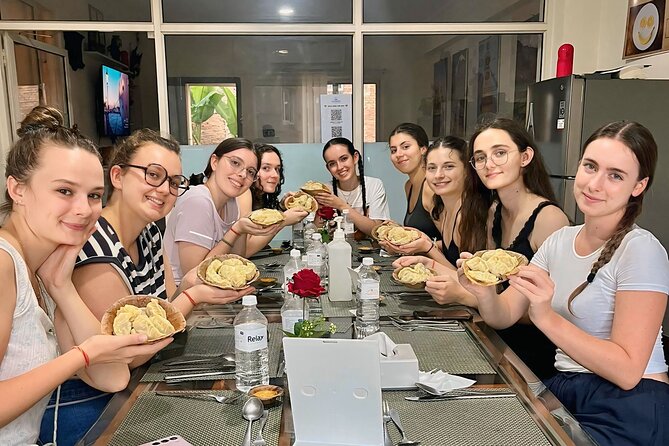
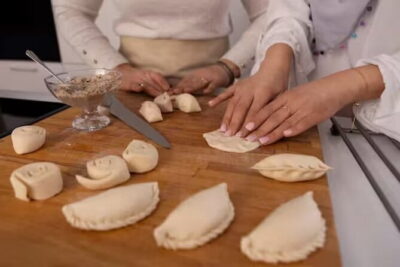
Momo usually becomes the most hands-on lesson. You prepare the filling, work with the pastry, and practice folding each dumpling into its proper pattern. This can be harder than it looks. One class member chose momo, bara, and yomari, while another particularly valued the patient help with getting the momo folds right. Expect a learning curve, not instant perfection.
That is where a small class matters. With no more than 10 people, the chef and assistants can check your technique and help you correct it. The pace is described as relaxed, and the instructors adjust how much they do according to how much you want to handle yourself. If you want a fully hands-on session, say so early. If you are less confident, the patient approach makes the class approachable.
The cooking also teaches a useful contrast between dishes. Momo requires careful shaping and repetition. Dal bhat involves a different set of preparations and gives you a better sense of the everyday meal that fuels much of Nepal. Additional options may include foods such as bara and yomari, but the exact choices depend on the menu and the class.
The academy kitchen has been described as clean and well equipped. That matters when several people are preparing food at once. You are not expected to bring knives, pans, or specialist tools. The class supplies the equipment, while you supply the attention and willingness to get involved.
Choosing between momo, dal bhat, and other dishes
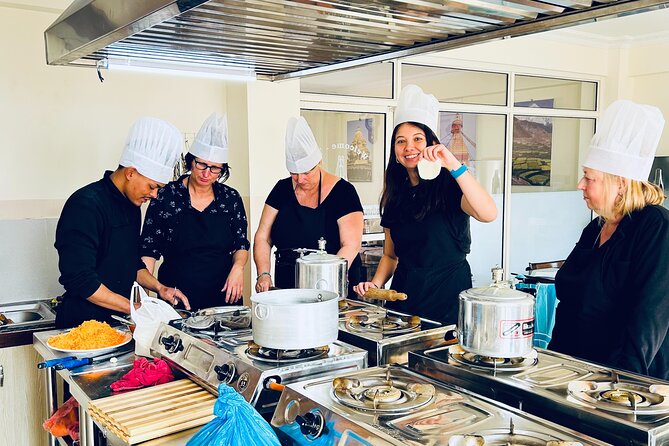
Momo and dal bhat are the two main courses around which the class is built. Momo offers the most obvious practical challenge and the clearest take-home skill. Once you understand the filling, pastry, and fold, you can try making them again at home.
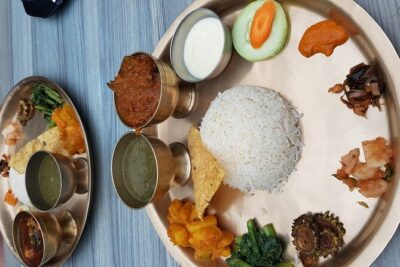
Dal bhat gives the session a broader Nepali focus. It is less about one precise shape and more about combining familiar ingredients into a complete meal. Preparing both dishes lets you experience two different parts of Nepali home cooking in one sitting.
You can also choose from a range of other traditional meals. The available menu is not described as fixed, so tell the academy about your preferences and dietary restrictions before the class. This is especially important if you need changes for allergies, vegetarian eating, or other food requirements. The kitchen can tailor the class only when it has notice.
The class generally includes two main courses and a dessert. Since the group may select dishes together, you may not control every item on the menu. That shared decision can make the class more social, but it is worth asking about the available choices if you have a particular dish in mind.
More Nepali cooking classes:
- Half day cooking class in Thamel kathmandu
★ 5.0 · 607 reviews - Local Women Lead Nepali Cooking Class
★ 5.0 · 125 reviews - The best Private Nepali Cooking Class in Kathmandu
★ 5.0 · 83 reviews - Kathmandu: Local Women-Lead Nepali Cooking & Momo Class
★ 4.9 · 45 reviews
Sitting down to eat what you prepared
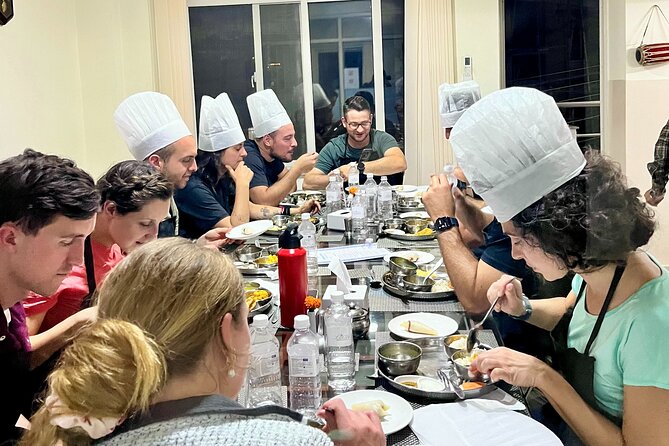
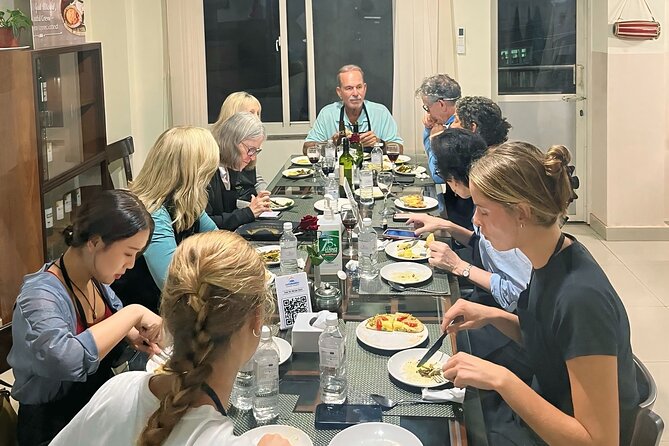
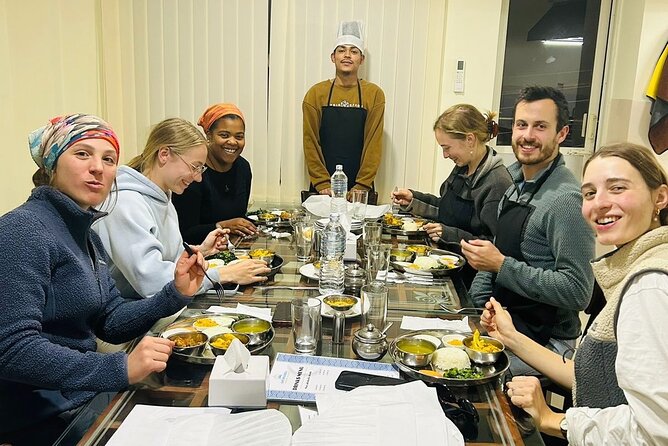
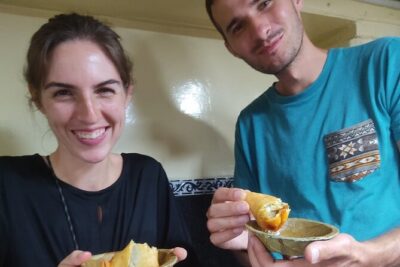
After roughly three hours of market shopping, preparation, and cooking, you sit down in the academy’s dining area to taste the meal. This is the payoff, but it is also part of the lesson. You can see how the separate steps fit together and judge the results while the techniques are still fresh.
Food portions have been described as plentiful, and the meal includes complimentary Nepali masala tea. Specialty drinks and alcohol are not included, so budget separately if you want something beyond the prepared dishes and tea.
I like the fact that the meal is not rushed into a short tasting. The class gives you time to prepare several dishes, eat them, and talk with the chef and the group. It feels more useful than a quick sample because you leave with recipes and methods you can repeat.
Do not expect restaurant-style precision from your first attempt at momo. Some dumplings may look uneven, and that is part of the fun. The important result is that you learn how the dough should feel, how the filling should be handled, and how the folds come together.
The teaching style and the people who make the class work
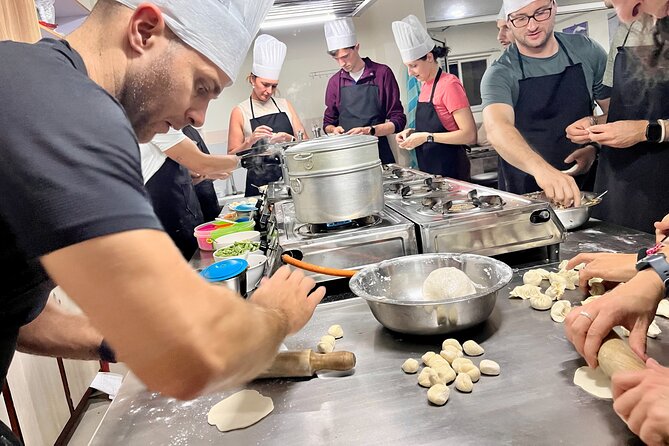
The strongest part of this activity is the instruction. Vikram has been singled out for clear guidance, patience, and encouragement. Niche has also been praised for an energetic, funny teaching style and for explaining both the food and Nepali culture during the market visit.
The names of your instructors may vary, but the useful pattern is clear: this class works best when you want to participate. The chefs explain the steps in English, demonstrate techniques, then let you try. They can take over when a task becomes difficult, but the aim is for you to do as much as possible.
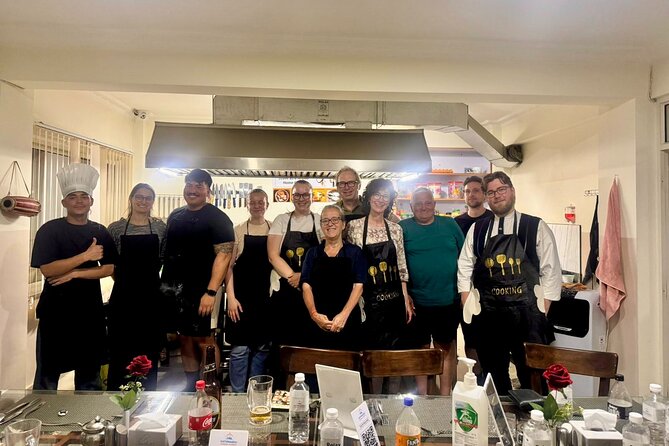
The group size is limited to 10. One recorded class had nine people, with a chef and two assistants helping the group. That is near the upper limit, but still gives the kitchen a social feel without turning the session into a large demonstration.
If you are shy about cooking in front of others, the class may feel busy at first. If you enjoy sharing food and learning alongside other people, the group format adds energy. Tell the instructor how much help you want. The pace has been described as comfortable, and the teaching style is suited to both beginners and people who already cook at home.
What the $4 price means for value
At the stated price of $4 per person, this is an unusually inexpensive way to spend half a day in Kathmandu. You receive instruction, ingredients bought during the market stop, use of the kitchen, the food you prepare, dessert, and masala tea. Even without considering the cultural element, that is strong value for three to four hours.
The price becomes even more attractive if you want a practical activity rather than another sightseeing stop. You are not paying only for a meal. You are paying for a lesson, the chance to practice momo folding, and the ability to take Nepali recipes home.
Check the booking option carefully. Hotel pickup and drop-off are optional, so transport may affect your total cost. Specialty drinks, alcoholic drinks, and professional photos or videos cost extra. The advertised price should therefore be viewed as the base cost of the cooking experience, not necessarily the final amount for every add-on.
At this price, I would choose the class for its value and useful content, not for luxury service. The academy is described as clean and well equipped, but the central attraction is the food and instruction. You will get the most from it if you arrive hungry, wear comfortable clothes, and want to work rather than sit back.
Who should book this Kathmandu cooking class?
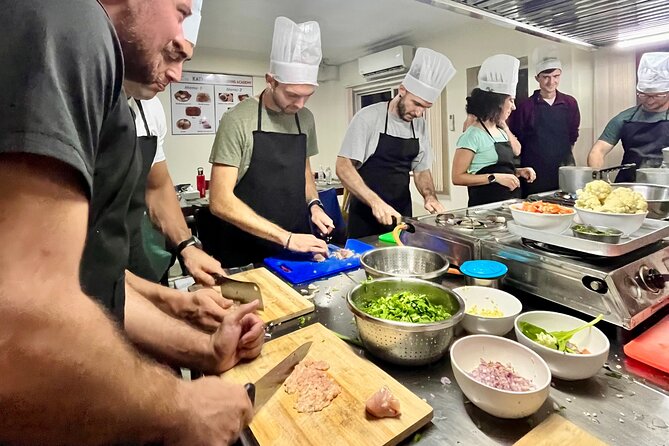
This suits food lovers, first-time visitors who want a local activity, and anyone who has enjoyed momo in Nepal and wants to understand how it is made. It also works well near the end of a trip, when you can turn favorite dishes from your stay into recipes for home.
It is a good choice for small groups of friends, couples, and families with children aged 5 or older. The accessible academy and optional pickup make the logistics easier for many people, though active cooking still requires you to take part at the counter or workstation.
You should think twice if you want a quick, polished food show with no participation. The experience includes shopping, chopping, shaping, cooking, and cleaning as part of the normal class rhythm. You should also contact the academy early about dietary needs rather than waiting until arrival.
The class is offered in English, and the instructors have been praised for explaining recipes in simple steps. You do not need advanced cooking skills. You do need enough time and interest to practice the techniques.
Practical details that shape the day
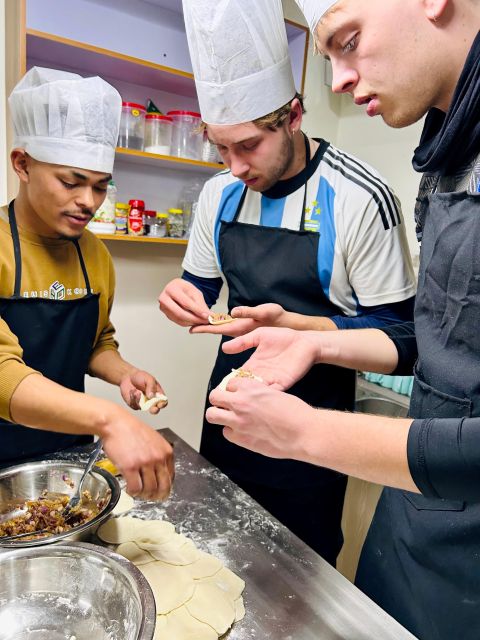
Allow three hours as a minimum, with the full experience listed at three to four hours. Starting times vary, so check availability before choosing. The itinerary begins at your selected pickup point or at the academy, continues with the cooking class in Thamel, and ends with drop-off in Kathmandu or at the academy, depending on your option.
The experience offers free cancellation up to 24 hours before the start for a full refund. You can also reserve now and pay later, which helps if your Kathmandu plans are still shifting.
Bring a camera, but do not count on professional photography being included. Tell the provider about dietary restrictions in advance, provide accurate pickup details if needed, and arrive 15 minutes early.
Should you book it?
I would book this class if you want to learn a skill, eat a substantial Nepali meal, and spend several hours doing something rather than simply observing. The market visit, patient instruction, clean kitchen, and choice of dishes give it more substance than a basic momo demonstration.
The main tradeoff is time and participation. You need to commit to a full three-hour session, and the group may share decisions about the menu. But at the stated $4 price, with food, equipment, tea, and instruction included, the value is hard to dismiss. Choose it especially if you want to return home able to fold momo and prepare a little Nepali comfort food for yourself.
FAQ
Where does the Kathmandu cooking class take place?
The class takes place at Kathmandu Cooking Academy in Kathmandu, in a central area about a 10 to 15 minute walk from Thamel.
Is hotel pickup available?
Yes. Optional pickup and drop-off are available from locations within Kathmandu Valley. Provide your hotel or address when booking the pickup option.
How long does the experience last?
The activity lasts approximately three hours, with the listed duration given as three to four hours. This includes the market or shop visit, cooking, and tasting.
What dishes will I prepare?
Momo and dal bhat are the main dishes. You can also choose from additional traditional Nepali meals, depending on the available menu and the group’s selection.
Is food included?
Yes. The class includes the dishes you prepare and taste, usually two main courses and a dessert. Nepali masala tea is also included.
Are drinks included?
Complimentary Nepali masala tea is included. Specialty drinks and alcoholic drinks are not included.
Is the class taught in English?
Yes. English is the listed language for instruction.
How many people are in the group?
The class is limited to 10 participants. A minimum of two participants may be required for the class to operate.
Is the cooking academy wheelchair accessible?
Yes. The activity information states that the cooking academy is wheelchair accessible.
What should I bring and wear?
Bring a camera if you wish. Wear comfortable clothing because you will take part in the cooking process, and arrive at least 15 minutes before the start time.
More Workshops in Kathmandu
- Knife (Khukuri) Making Workshop- Forge of the Gurkhas
★ 5.0 · 143 reviews - Kathmandu: Traditional Momo Making Class & Pickup
★ 4.8 · 60 reviews - Traditional Nepali Momo Making Classes
★ 5.0 · 53 reviews - Knife Khukuri Making Workshop
★ 4.9 · 38 reviews
More Cooking Classes in Kathmandu
- Best Nepali Cooking Class in Thamel with Local Market Trip
★ 5.0 · 26 reviews - Kathmandu: Local Women Lead Nepali Cooking & Momo-Making Class
★ 5.0 · 17 reviews - Kathmandu: Women-Led Cooking Class & Momo Making-Local Taste
★ 4.8 · 15 reviews - Momo, Dhalbhat & Thukpa Cooking Class, Nepal
★ 5.0 · 12 reviews
Recently added around Kathmandu
- Kathmandu : Swambhunath & Durbar Square Guided Half Day Tour★ 3.3 · 3 reviews
- Private Day Tour in Kathmandu Valley Rim with Bhaktapur Sightseeing★ 5.0 · 3 reviews
- From Kathmandu / Pokhara / Chitwan: River Rafting – 1 Day★ 4.6 · 3 reviews
- Nepali Cooking training & Cultural Homestay Experience★ 5.0 · 3 reviews
- Private 3-Hour Nagarkot Sunset Tour from Kathmandu★ 3.5 · 3 reviews
- From Kathmandu: Everest Base Camp Landing Helicopter Tour★ 5.0 · 3 reviews
- 4 UNESSCO World heritage sites of Kathmandu-private tour★ 5.0 · 3 reviews
- From Kathmandu Budget: 15 Day Everest Base Camp Trek★ 5.0 · 3 reviews
Kathmandu Food Tours, compared.
Secret Food Tour – Food Bites and Sights Kathmandu 14+ Testings
Read our review →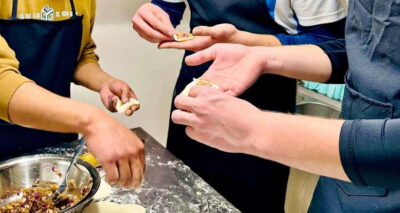
Walking Food Tour in Hidden Local Eateries of Kathmandu
Read our review →Browse the lists this tour appears in