
Reviewed · KATHMANDU FOOD TOURS
Kathmandu: Local Lead Nepali Cooking & Momo-Making Class
The best part of this Kathmandu experience is that you do not simply sit down to eat Nepali food. You help choose the ingredients, learn the cooking methods, and shape momos by hand before sitting down to enjoy the meal. I especially like the small maximum group of 12 and the relaxed, social format, which works well even if you are exploring Kathmandu on your own.
I also like the range of food packed into three and a half hours: masala tea, momos, dal bhat, and a traditional dessert such as yomari may all appear on the menu. The main thing to keep in mind is that the exact dishes can vary, and pickup is included only if you select that option.
In This Review
- Key Points at a Glance
- Starting With Masala Tea Near Thamel
- Seeing the Ingredients Before You Cook
- Learning to Fold Nepal’s Favorite Dumplings
- Preparing Dal Bhat and Other Nepali Staples
- A Class Built for Beginners, Not Spectators
- Sitting Down to Eat What You Made
- What the $5 Price Really Means
- Who Will Get the Most From This Experience
- Booking and Cancellation Details
- Should You Book the Kathmandu Cooking Class?
- FAQ
- Where does the cooking class begin?
- Where does the activity end?
- How long does the class last?
- Is hotel pickup included?
- How many people can join the class?
- Which dishes will I prepare?
- Can I choose vegetarian or chicken momos?
- What happens if I need to cancel?
Key Points at a Glance
- Momo-making is the main event: Learn to fold Nepal’s famous dumplings with a local chef, choosing vegetarian or chicken filling.
- The class begins outside the kitchen: A short market or shop visit helps you see the everyday ingredients behind Nepali cooking.
- You cook three traditional dishes: The menu includes an entrée, a main course, and a dessert, with examples such as bara, dal bhat, and yomari.
- The group stays intimate: A maximum of 12 people gives the instructor room to guide each person.
- You eat what you prepare: The final tasting session turns the lesson into a full Nepali meal.
- It is priced for easy inclusion: At $5 per person, the class offers an unusually inexpensive way to spend an afternoon in Kathmandu, though you should check the selected option and current booking details carefully.
Starting With Masala Tea Near Thamel
The class begins at Kathmandu Cooking Academy on Yapikhya Marg, Kathmandu 44600. The academy is about a 10-minute walk from Thamel, making it practical if you are staying in the central tourist district and prefer to reach the class on foot.
You start with a cup of Nepali masala tea. This is a useful opening rather than a decorative welcome. It gives you a moment to meet the instructor and other participants before the cooking begins, and it introduces the spice-led flavors that appear throughout Nepali food.
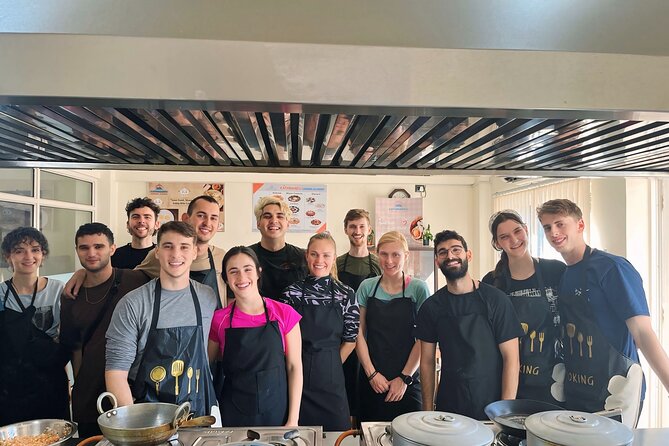
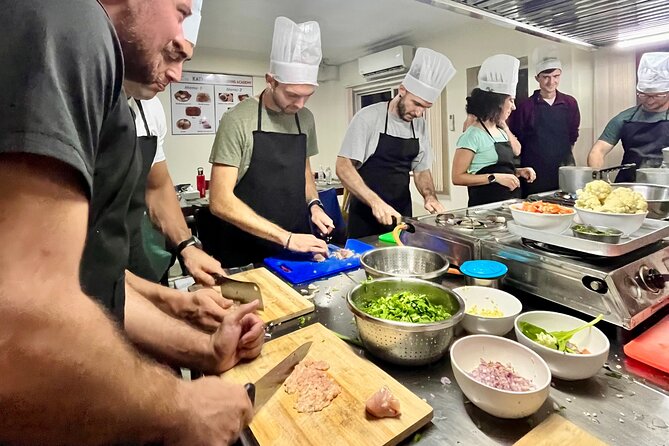
The setting is designed for participation. You use the academy’s cooking equipment and traditional utensils, rather than watching a chef prepare everything at a distance. The class is taught step by step, so you do not need advanced kitchen skills. A patient instructor and clear English explanations are especially helpful when you are learning unfamiliar techniques.
The class lasts approximately three hours and 30 minutes. That is long enough for the market visit, preparation, cooking, and a proper meal, but you should still allow extra time around it if you have a flight, a timed sightseeing visit, or another appointment.
More Kathmandu food walks:
- Kathmandu: Local Women-Led Nepali Cooking & Momo Class
★ 4.9 · 360 reviews - Walking Street Food Tour in Kathmandu
★ 5.0 · 111 reviews - Secret Food Tour – Food Bites and Sights Kathmandu 14+ Testings
★ 5.0 · 82 reviews
Seeing the Ingredients Before You Cook
One of the most useful parts of the experience is the short visit to a local market or shop. You go with the instructor to buy important ingredients for the dishes you will prepare. The exact location is not specified, so this may be a market or a nearby shop depending on the day and the selected class arrangements.
This stop gives the food some context. Instead of treating spices, vegetables, flour, and other ingredients as anonymous items on a recipe sheet, you see what goes into an everyday Nepali meal before returning to the kitchen. The instructor can also explain how the ingredients fit into the dishes and how traditional cooking relies on simple, well-seasoned combinations.
Do not expect a long market tour. The purpose is to gather ingredients for class, not to cover Kathmandu’s entire food scene. If you are looking for a dedicated food walk, this class is not a replacement. If you want a short introduction before cooking, it adds useful local flavor without taking over the afternoon.
This part also makes the class a good choice for curious cooks. You are not only learning how to follow instructions. You are seeing the building blocks of Nepali cuisine and then putting them to work within the same session.
Learning to Fold Nepal’s Favorite Dumplings
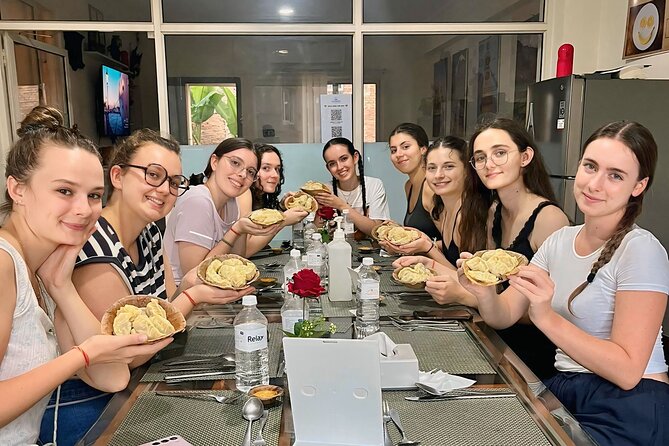
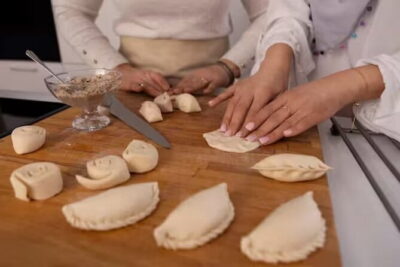
Momos are the clear highlight. These steamed or cooked dumplings are among Nepal’s best-known foods, and making them yourself gives you a better feel for why they are so popular. You prepare the filling, work with the dough, and practice folding the dumplings under the chef’s guidance.
The class offers vegetarian or chicken momos. That choice makes the activity easier to fit into different diets, although the supplied information does not specify whether other dietary restrictions can be accommodated. If you have allergies or strict food requirements, ask before booking rather than assuming substitutions are available.
Momo-folding has a small learning curve. The instructor demonstrates the method, then lets you try. Your first dumpling may look less tidy than the chef’s. That is part of the fun, and the hands-on approach means you get practical help instead of being left to guess.
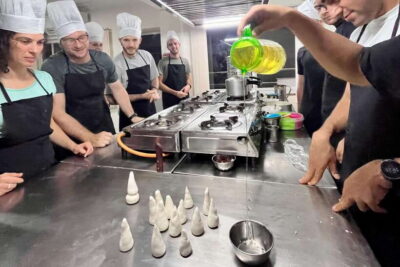
The class is also social without requiring you to arrive with a group. The small size allows people to work alongside one another, compare their shapes, and share a few laughs when the folds do not match the instructor’s. Solo visitors can meet people naturally through the cooking itself, rather than through forced group activities.
Preparing Dal Bhat and Other Nepali Staples
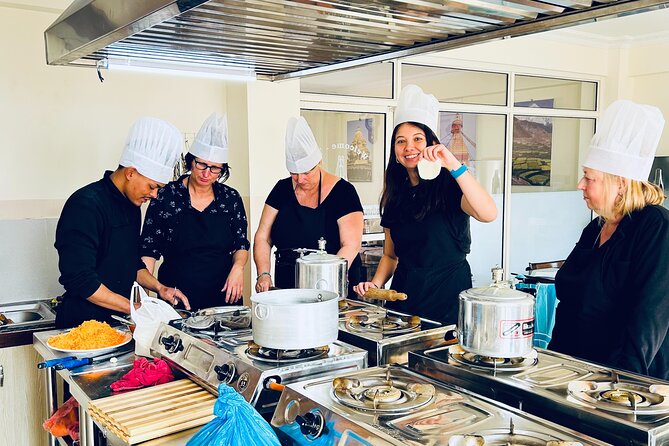
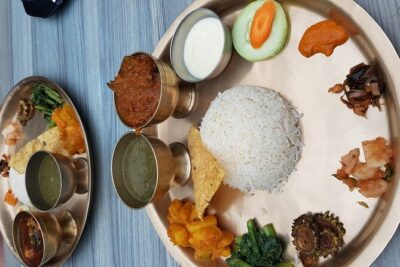
Momos may draw you in, but the class gives you a broader picture of Nepali food. You prepare three traditional dishes: one entrée, one main course, and one dessert. Dal bhat is specifically included among the possible dishes, and one participant’s meal also included bara, momos, dal bhat, and three types of dessert.
Dal bhat is central to daily eating in Nepal. Learning it in a cooking class helps you understand the balance of lentils, rice, vegetables, and seasoning that makes the meal filling and adaptable. The class is not just about producing something photogenic. It shows how Nepali food can be practical, nourishing, and built from familiar ingredients.
Bara may also appear. This lentil pancake is a Newari specialty associated with the Kathmandu Valley, so it adds local character to the menu. Yomari, a traditional sweet dumpling, is another possible dessert and a particularly interesting one to learn because it connects cooking with local food customs.
The menu is selected from a wider traditional list, so you should not assume every dish named in the description will be served during your session. That flexibility can be a benefit because it keeps the class connected to available ingredients and the instructor’s plan. It can also be a drawback if you are booking mainly for one particular dessert or entrée. Confirm the menu in advance if a specific dish matters to you.
More Nepali cooking classes:
- Half day cooking class in Thamel kathmandu
★ 5.0 · 607 reviews - Local Women Lead Nepali Cooking Class
★ 5.0 · 125 reviews - The best Private Nepali Cooking Class in Kathmandu
★ 5.0 · 83 reviews - Kathmandu: Local Women-Lead Nepali Cooking & Momo Class
★ 4.9 · 45 reviews
A Class Built for Beginners, Not Spectators
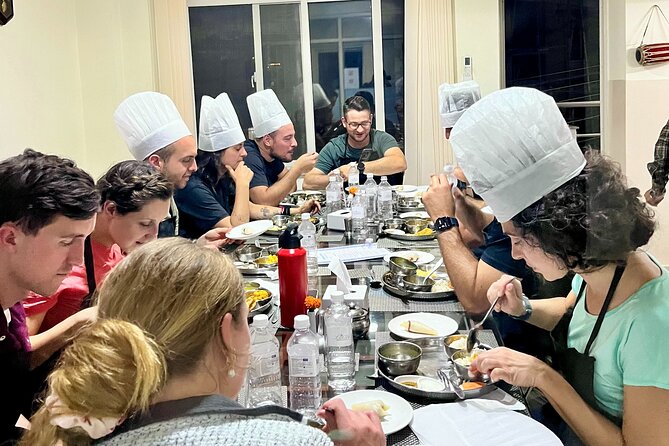
The instruction is practical and direct. You receive step-by-step guidance from an experienced chef and instructor, use the provided equipment, and prepare the food yourself. Clear, simple English is available, which helps when the lesson involves unfamiliar names, utensils, and methods.
You do not need to be an accomplished cook. The class suits first-time cooks, couples, families, solo visitors, and people who already enjoy cooking but want to learn Nepali dishes. The pace should be manageable because the lesson is spread across several stages rather than rushing through a single recipe.
The maximum group size of 12 matters here. A larger class could turn momo-making into a demonstration with a few people doing the actual work. With 12 or fewer participants, the chef has a better chance of seeing your dough, filling, and folds, then correcting them before you move on.
The class also keeps the mood light. The experience is hands-on and social, but the focus remains on food. That balance makes it a good afternoon activity after a morning of walking around Kathmandu, especially if you want something more active than another restaurant meal.
Sitting Down to Eat What You Made
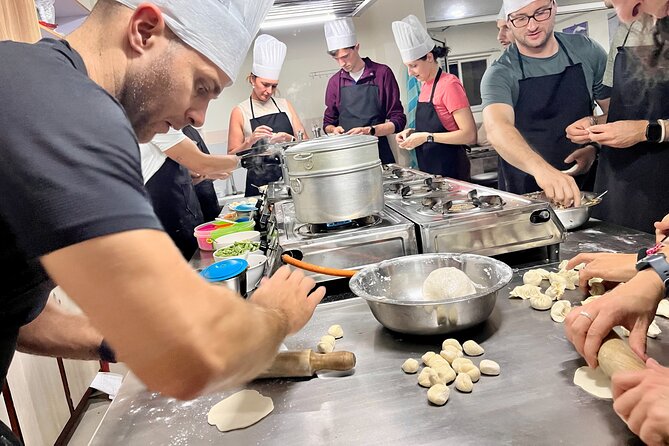
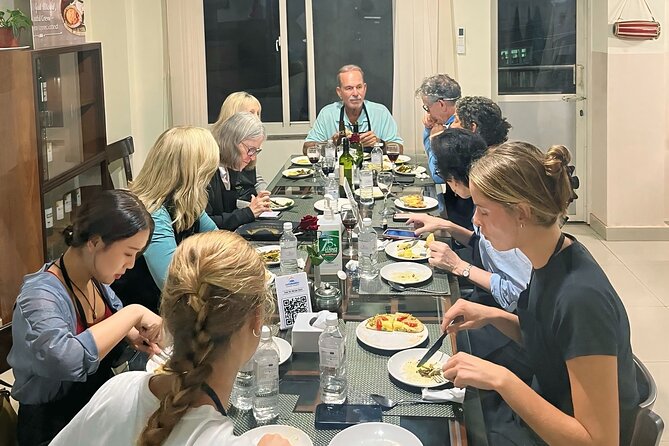
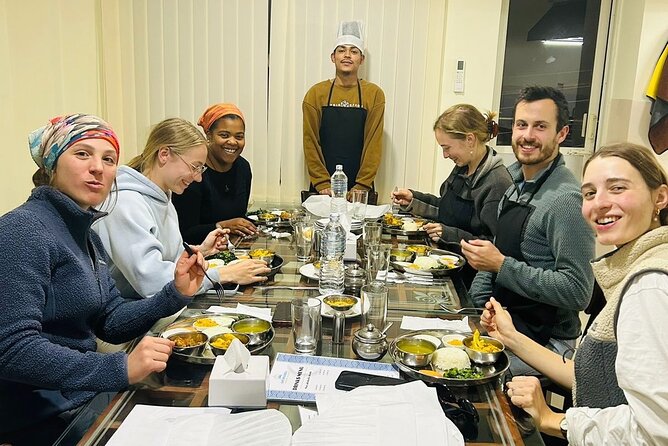
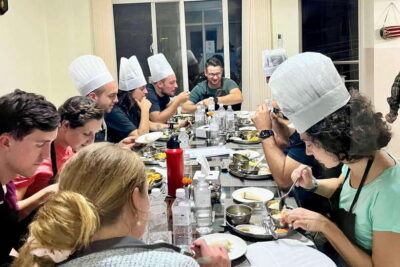
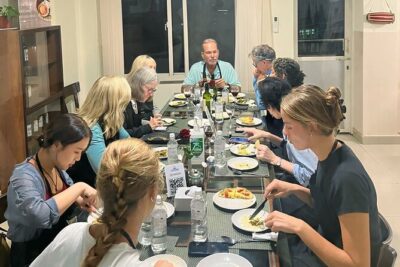
After the cooking, you have a tasting session featuring the food prepared during the lesson. This is more satisfying than a standard restaurant stop because you know the work behind each plate. You have handled the ingredients, learned the method, and watched the dishes come together.
The meal also lets you compare your results with the instructor’s version. That is particularly useful with momos, where folding and filling affect the final texture and appearance. If your dumplings are uneven, they can still taste good, and the final meal gives you a clear sense of what you would adjust at home.
Specialty drinks and alcohol are not included. Nepali masala tea during the lesson is included, but plan to pay separately for any extra drinks you want. Tips are also not included, so carry a little extra if you feel the instructor gave you especially good help.
The food is the main value here, but the recipes may be the most useful souvenir. Recipes are provided in PDF form, allowing you to recreate the dishes after returning home. That extends the experience beyond one meal and makes the class more worthwhile for anyone who likes to cook.
What the $5 Price Really Means
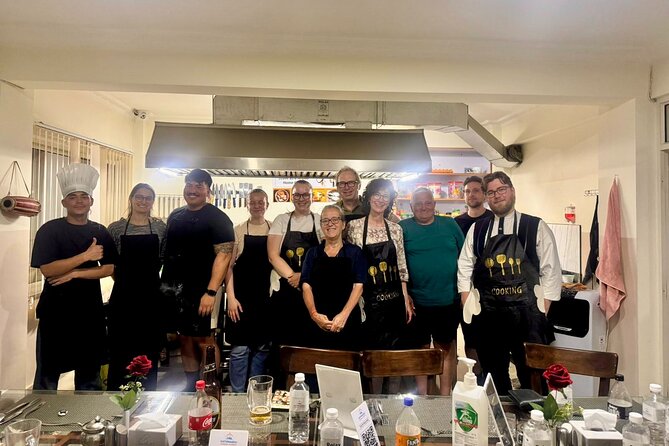
At the listed price of $5 per person, this is an exceptional value if the rate is available for your chosen date and option. You receive approximately three and a half hours of instruction, a market or shop visit, ingredients, use of equipment, masala tea, cooking, and a tasting session. A hotel pickup and drop-off can also be included if you select that option.
The low price is worth checking carefully at booking. Pickup is not automatic, and the description does not say that every menu item is guaranteed at every session. The price may also differ depending on the booking option, so check the final total before payment.
For such a small cost, the class is easy to add to a Kathmandu itinerary. Even if you are watching your budget, it offers more than a quick cooking demonstration. You receive food, instruction, cultural explanation, and recipes. The main limitation is not value but specificity: you should not book expecting a private lesson, a fixed menu, or a long market tour unless those details are confirmed.
The academy is near public transportation, and the central meeting point makes it fairly easy to reach. If you do not select pickup, plan your route to Kathmandu Cooking Academy in advance. The activity ends back at the meeting point.
Who Will Get the Most From This Experience
I would recommend this class to you if you want a direct, useful introduction to Nepali food. It is especially suitable for:
- First-time visitors who want more than restaurant meals
- Solo visitors who would like an easy way to meet people
- Couples and families looking for a shared activity
- Beginner cooks who prefer patient, guided instruction
- Experienced home cooks interested in momos, dal bhat, bara, or yomari
- Budget-minded visitors looking for a substantial afternoon activity
It may be less suitable if you want a private kitchen lesson or a guaranteed list of exact dishes. It may also disappoint if your main goal is a full market tour rather than cooking. The group format is friendly and limited to 12, but it is still a shared class, not a one-on-one session.
People with food allergies, strict dietary rules, or strong preferences should contact the academy before booking. The class lists vegetarian or chicken momos, but no broader dietary policy is provided.
Booking and Cancellation Details
You receive confirmation at the time of booking. The activity is offered with mobile tickets, and group discounts are available. Hotel pickup and drop-off are offered only with the relevant selected option.
Free cancellation applies when you cancel at least 24 hours before the local start time. Cancellations within 24 hours are not refunded, and changes made during that period are not accepted. Keep the local time in mind if you are arranging the class around a busy Kathmandu schedule.
Should You Book the Kathmandu Cooking Class?
Book it if you want to learn by doing. The combination of a short ingredient-shopping visit, patient local instruction, momo-making, dal bhat, dessert, and a shared tasting session gives you a useful look at Nepali food in a short block of time.
I like this class because it is active, affordable, and grounded in everyday cooking rather than a polished food show. The small group and recipe PDF add real value, while the possible menu changes are the main point to clarify before you pay.
For most visitors staying near Thamel, this is an easy yes, especially at the listed $5 price. Confirm the pickup choice, ask about the day’s menu if you have a must-try dish, and leave yourself a little breathing room around the three-hour-30-minute session.
FAQ
Where does the cooking class begin?
The class begins at Kathmandu Cooking Academy on Yapikhya Marg, Kathmandu 44600, Nepal.
Where does the activity end?
The activity ends back at the Kathmandu Cooking Academy meeting point.
How long does the class last?
The class lasts approximately three hours and 30 minutes.
Is hotel pickup included?
Hotel pickup and drop-off are included only if you select the pickup option when booking.
How many people can join the class?
The activity has a maximum of 12 participants.
Which dishes will I prepare?
You will prepare three Nepali dishes: one entrée, one main course, and one dessert. Possible dishes include momos, dal bhat, bara, and yomari, but the exact menu can vary.
Can I choose vegetarian or chicken momos?
Yes. The class offers a choice between vegetarian and chicken momos.
What happens if I need to cancel?
You can receive a full refund if you cancel at least 24 hours before the local start time. Cancellations or changes made less than 24 hours in advance are not refunded or accepted.
More Workshops in Kathmandu
- Knife (Khukuri) Making Workshop- Forge of the Gurkhas
★ 5.0 · 143 reviews - Kathmandu: Traditional Momo Making Class & Pickup
★ 4.8 · 60 reviews - Traditional Nepali Momo Making Classes
★ 5.0 · 53 reviews - Knife Khukuri Making Workshop
★ 4.9 · 38 reviews
More Cooking Classes in Kathmandu
- Kathmandu: Local Lead Nepali Cooking & Momo Making Class
★ 4.9 · 40 reviews - Best Nepali Cooking Class in Thamel with Local Market Trip
★ 5.0 · 26 reviews - Kathmandu: Local Women Lead Nepali Cooking & Momo-Making Class
★ 5.0 · 17 reviews - Kathmandu: Women-Led Cooking Class & Momo Making-Local Taste
★ 4.8 · 15 reviews
Recently added around Kathmandu
- Private Day Tour in Kathmandu Valley Rim with Bhaktapur Sightseeing★ 5.0 · 3 reviews
- Kathmandu : Swambhunath & Durbar Square Guided Half Day Tour★ 3.3 · 3 reviews
- From Kathmandu / Pokhara / Chitwan: River Rafting – 1 Day★ 4.6 · 3 reviews
- Nepali Cooking training & Cultural Homestay Experience★ 5.0 · 3 reviews
- Private 3-Hour Nagarkot Sunset Tour from Kathmandu★ 3.5 · 3 reviews
- From Kathmandu: Everest Base Camp Landing Helicopter Tour★ 5.0 · 3 reviews
- 4 UNESSCO World heritage sites of Kathmandu-private tour★ 5.0 · 3 reviews
- From Kathmandu Budget: 15 Day Everest Base Camp Trek★ 5.0 · 3 reviews
Kathmandu Food Tours, compared.
Secret Food Tour – Food Bites and Sights Kathmandu 14+ Testings
Read our review →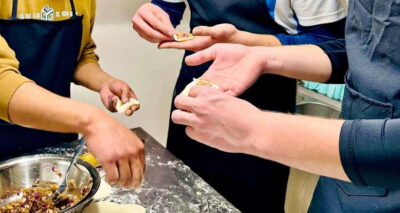
Walking Food Tour in Hidden Local Eateries of Kathmandu
Read our review →Browse the lists this tour appears in