
Reviewed · KATHMANDU FOOD TOURS
Kathmandu: Local Women-Led Nepali Cooking & Momo Class
Kathmandu’s best food lesson may begin with a shopping bag, not a recipe card. You walk through a local market with your instructors, choose vegetables, spices, and other ingredients, then return to the kitchen to turn them into momos and dal bhat. It is a practical way to meet Nepali food on its own terms.
I like the small-group format, which gives you room to ask questions and practice instead of watching a chef work from across the room. I also like the women-led teaching team, especially Nishma and Nish, whose patient, friendly instruction has helped many first-time cooks shape dumplings they feel ready to make at home. The main consideration is that this is not a polished sightseeing tour with a fixed menu: the market stop and extra dishes can vary, and the class has stairs and is not suited to wheelchair users or people with visual impairments.
In This Review
- Key points at a glance
- Why a cooking class fits Kathmandu so well
- The market visit: a useful start, with room for more explanation
- Making momos from dough to dipping sauce
- Dal bhat and the structure of a Nepali meal
- The extra dishes make each class different
- What the instructors add to the experience
- A social class with a relaxed pace
- Price, timing, and practical value
- Who should book this Nepali cooking class
- My recommendation
- FAQ
- How long does the Kathmandu cooking class last?
- Where does the cooking class take place?
- Is hotel pickup available?
- What dishes are included?
- Can I choose vegetarian food?
- Is the class suitable for beginners?
- What language is used during the class?
- Are cooking equipment and aprons provided?
- What should I bring?
- Can I get the recipes after the class?
Key points at a glance
- Shop before you cook: Visit a local market for the vegetables, spices, and meat used in class.
- Momos are the main event: Make the dough, filling, folds, and dipping sauce by hand.
- Choose beyond dumplings: Add dishes such as dal bhat, chatamari, bara, yomari, thukpa, or carrot pudding.
- Local teachers lead the work: Nishma, Nish, Bikram, and other instructors explain each step in English.
- Expect a full meal: Masala tea is included, and the food you prepare becomes lunch or dinner.
- Strong value at the listed price: The advertised cost is $4 per person, with optional hotel pickup and drop-off depending on the booking choice.
Why a cooking class fits Kathmandu so well
Kathmandu is easy to experience through temples, courtyards, and mountain-bound day trips. Food gives you a different entry point. In this class, you learn how everyday Nepali meals are built: lentils, rice, vegetables, spice mixes, flatbreads, dumplings, and small snacks that can carry a surprising amount of regional character.
The appeal is not just eating something unfamiliar. You handle the ingredients, ask why a dish is prepared in a certain way, and see how several parts of a meal fit together. That makes the food easier to remember once you are back home.
The class takes place in or around Thamel at the Kathmandu Cooking Academy. Thamel is a convenient base for many visitors, and one participant found the venue within walking distance of a hotel there. The exact meeting point depends on the option you choose, so check your confirmation carefully. Pickup is available from locations within Kathmandu if you select that service.
The experience is normally about three hours, though the stated duration range is two to four hours. Allow extra time beyond the bare minimum. The market visit, chopping, dough making, cooking, and final meal are all part of the value.
More Kathmandu food walks:
- Kathmandu: Local Lead Nepali Cooking & Momo-Making Class
★ 5.0 · 212 reviews - Walking Street Food Tour in Kathmandu
★ 5.0 · 111 reviews - Secret Food Tour – Food Bites and Sights Kathmandu 14+ Testings
★ 5.0 · 82 reviews
The market visit: a useful start, with room for more explanation
The class begins with a walk to a local market or shop to buy key ingredients. This is a modest but important part of the experience. Instead of arriving at a kitchen where everything has already been measured, you see the raw materials that shape the meal.
You may shop for vegetables, spices, and meat, depending on the menu you select. This helps you understand that Nepali cooking is not only about a list of ingredients. Fresh produce, lentils, herbs, flour, and spice combinations all play a role in the final plate.
I would ask questions during this section. Find out which spice is used for a particular dish, how the instructors choose vegetables, and what changes when a recipe is made vegetarian. The market stop is described as part of the class, but the level of food explanation may be lighter than the hands-on kitchen teaching. If market interpretation matters greatly to you, speak up rather than simply following the group.
The market walk also adds a local feel without turning the class into a long city tour. It is short, purposeful, and tied to what you will cook. Wear comfortable shoes, arrive 15 minutes early, and keep your camera handy if you want photos.
Making momos from dough to dipping sauce
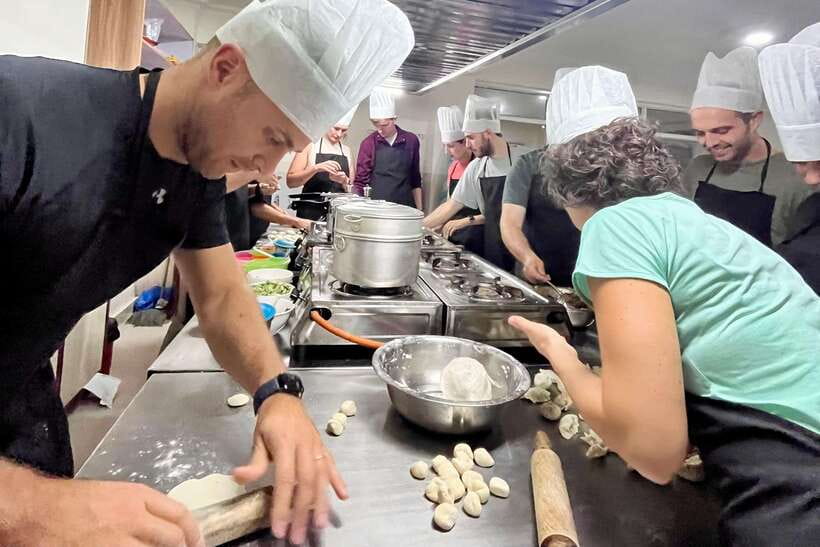
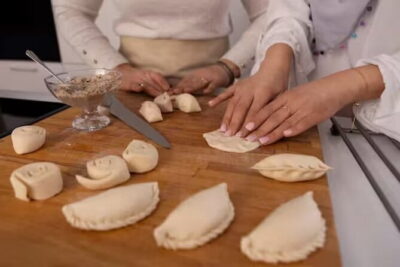
Momos are the main reason many people book this class, and the lesson covers more than folding ready-made wrappers. You can expect to work with the dough, prepare a chicken or vegetarian filling, shape the dumplings, and make the dipping sauce.
That full process matters. The folding technique is the part most people remember, but the texture depends on the dough and the filling as much as the final pleat. Instructors such as Nishma and Nish are praised for giving clear, patient demonstrations and allowing enough time for practice. You should not feel embarrassed if your first momo looks more like a small parcel than a neat crescent. The class is built for beginners.
The menu can include chicken, vegetarian, or buffalo momos, with buffalo specifically available in at least one class arrangement. Tell the team about dietary needs in advance. Vegetarian choices are part of the offering, and one participant with both vegan and gluten-free requirements was accommodated with millet flour, but you should not rely on last-minute changes.
The final meal can be generous. You may make more momos than you can eat in one sitting, and a container or goodie bag for leftovers may be possible, though it should not be treated as a guaranteed inclusion. Come hungry, especially if the class includes several other dishes.
Dal bhat and the structure of a Nepali meal
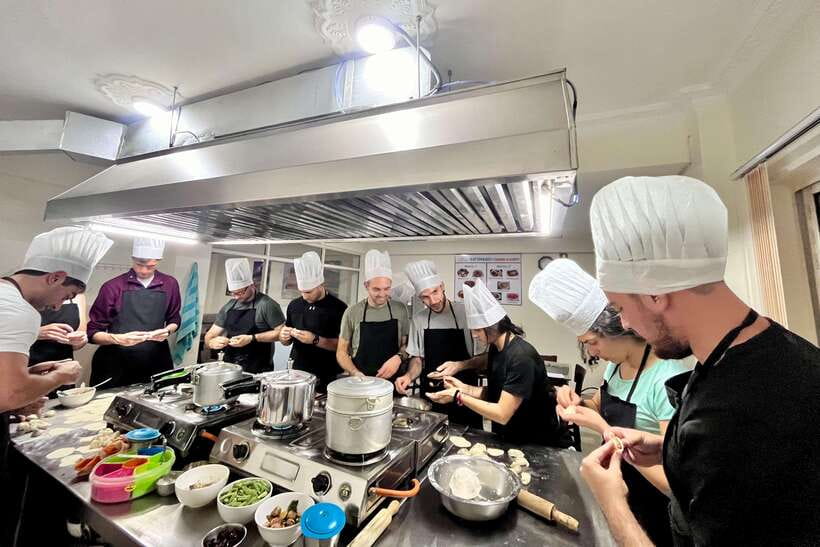
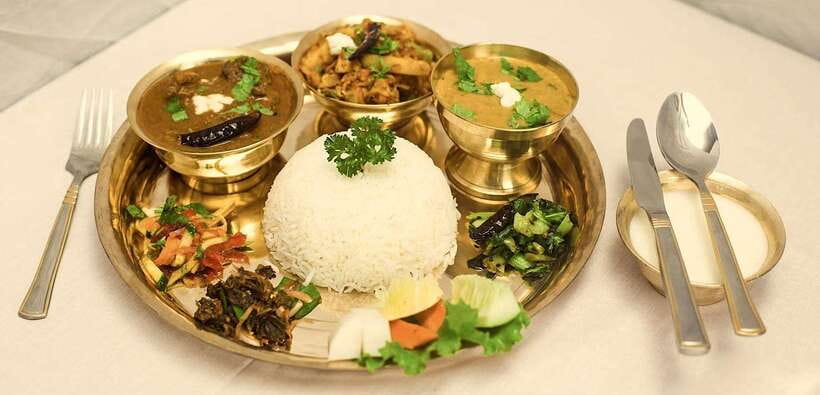
Dal bhat is the other main focus. At its simplest, it brings together rice and lentil soup, often with curry or other accompaniments. It is a useful dish to learn because it shows how a Nepali meal can be filling, balanced, and built from familiar staples rather than one complicated centerpiece.
The class may let you choose dal bhat as part of the menu, along with additional dishes. Some participants prepared dal bhat with momos and carrot pudding, creating a full meal rather than a snack lesson. That is a better use of your time if you want a broad look at Nepali home cooking.
Ask the instructor how the lentils are seasoned and how the curry is adjusted for meat or vegetables. The supplied information does not promise a single fixed dal bhat recipe, so expect practical instruction rather than a rigid culinary formula. That flexibility is useful if you plan to recreate the food at home.
More Nepali cooking classes:
- Half day cooking class in Thamel kathmandu
★ 5.0 · 607 reviews - Local Women Lead Nepali Cooking Class
★ 5.0 · 125 reviews - The best Private Nepali Cooking Class in Kathmandu
★ 5.0 · 83 reviews - Kathmandu: Local Women-Lead Nepali Cooking & Momo Class
★ 4.9 · 45 reviews
The extra dishes make each class different
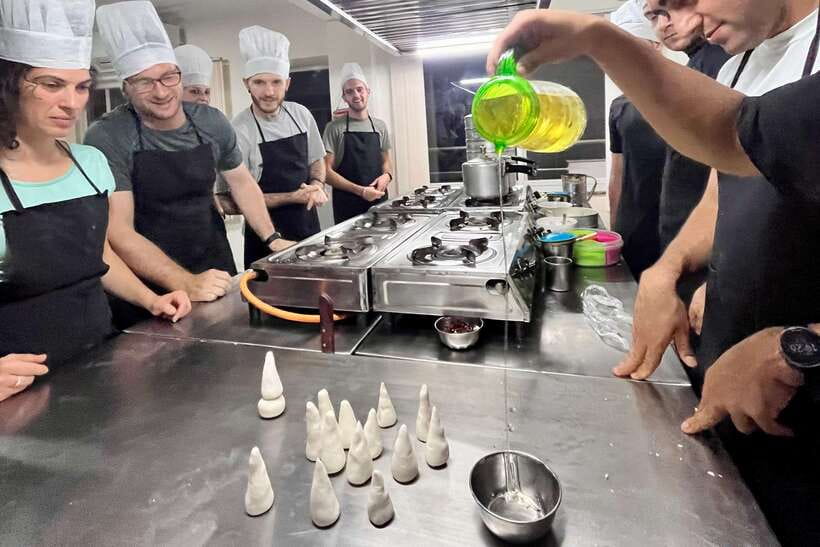
Momos and dal bhat are the core dishes, but you can often select additional Nepali foods. This is where the class becomes more than a standard dumpling workshop.
Chatamari is often called Nepali pizza, though the comparison only goes so far. It is a flatbread topped with assorted ingredients, and making it gives you another lesson in batter or dough, toppings, and pan cooking.
Bara is a fried lentil patty with a crisp outside and tender center. It makes a good contrast to steamed momos and shows how lentils appear in Nepali snacks as well as in dal.
Yomari takes the class in a sweet direction. This dumpling is filled with jaggery and sesame seeds, giving you a chance to practice a different type of dough and filling.
Chicken curry with roti is a good choice if you want a more familiar main course with Nepali seasoning. The roti adds a flatbread component and helps you see how curry is served at the table.
Thukpa is a hearty noodle soup with Tibetan roots that has become part of Nepali food culture. It is especially appealing if you prefer a warm bowl to a fried or steamed dish.
Mushroom choila offers a vegetarian take on a spicy marinated preparation. It is useful for tasting the effect of bold seasoning without choosing meat.
Carrot pudding provides a sweet finish. Its appeal is simple: you learn how a common vegetable can become a dessert through slow cooking and spice.
Not every class will make all of these. The menu focuses on momos and dal bhat, with extra choices depending on the selected option. If you have a particular dish in mind, confirm it before booking.
What the instructors add to the experience
The teaching team is one of the strongest parts of the class. Nishma and Nish are frequently named as warm, patient instructors, while Bikram and Vicky also lead or assist sessions. Jojo is another instructor mentioned in connection with a relaxed, social class.
The practical difference is clear. A good dumpling lesson needs someone who will correct your technique without taking the work away from you. Here, the instructors explain the steps, keep the pace manageable, and leave space for questions. Their open communication is useful if you want to understand not just what to do, but why.
The women-led setup also gives the activity a clear local identity. You are not simply being shown an internationalized version of Nepali food by a distant demonstration chef. You are cooking with local instructors who connect the dishes to food customs and daily life.
English is the teaching language. The class is designed for a small group, though the exact number can vary. A larger group may feel more social and give everyone a job, but it can also mean less individual attention at the busiest moments. The small-group option is the better choice if you want close guidance.
A social class with a relaxed pace
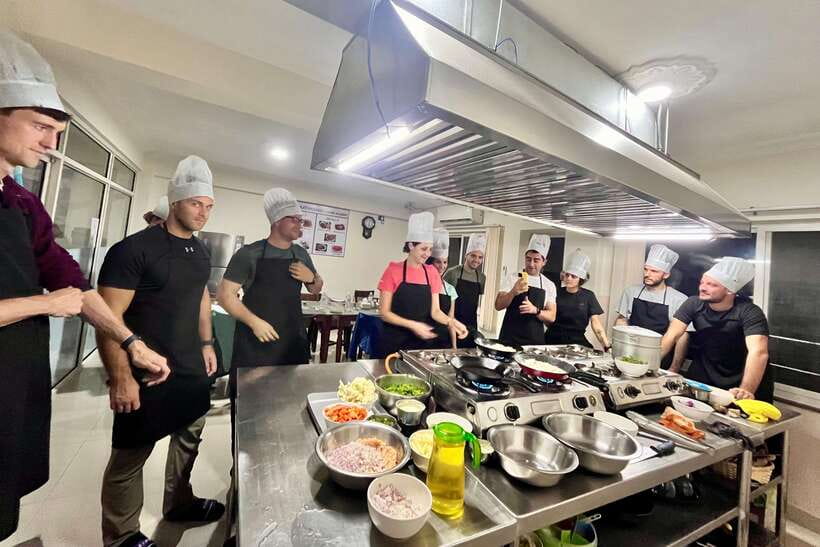
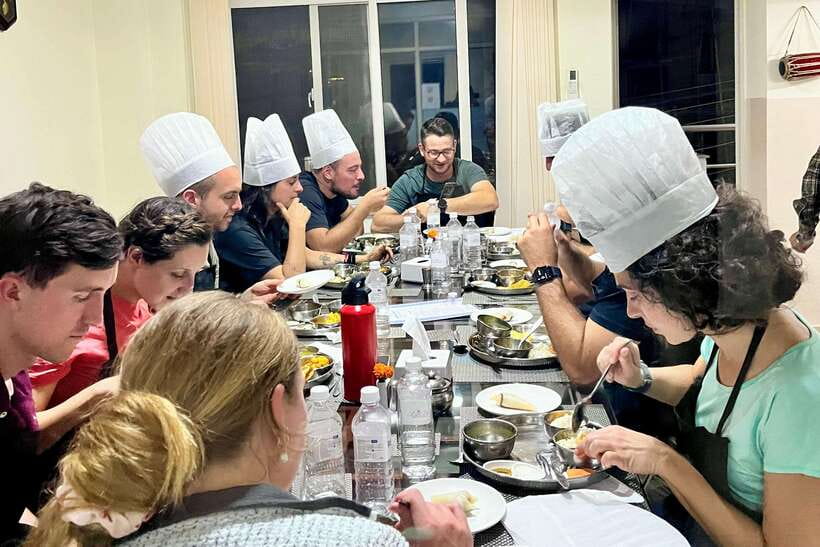
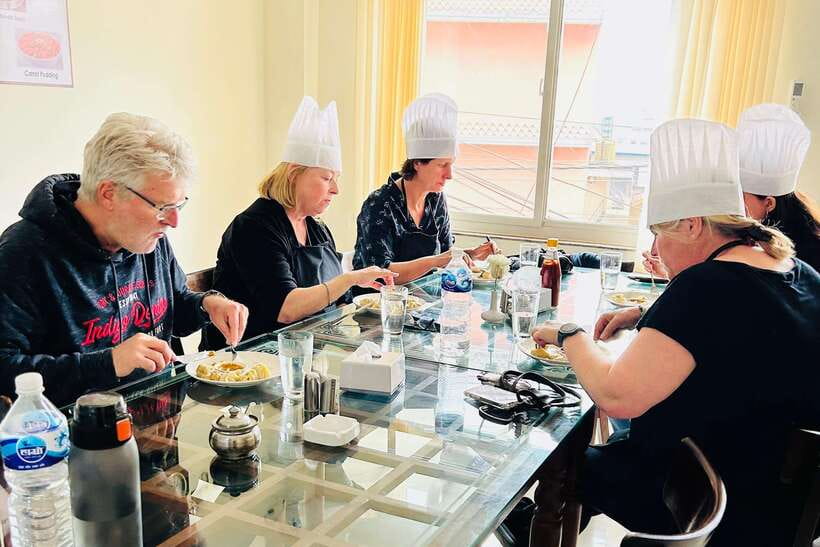
This is a group activity, and part of its value comes from working beside people from different places. Chopping vegetables and folding momos naturally create conversation. Several participants found the atmosphere easygoing, with time to talk to the teachers and other students.
The pace is not meant to be rushed. You may spend a long afternoon or evening preparing three dishes, tasting local snacks, and sharing the finished meal. Masala tea is served during the lesson, and small extras such as peanut sadeko may appear, though the exact additions are not promised.
That social side is a plus for solo visitors and couples who want something more interactive than a restaurant meal. It may be less appealing if you want a quiet, private lesson or if you dislike group cooking. You also need to be comfortable with shared kitchen work and with taking part rather than simply observing.
Price, timing, and practical value
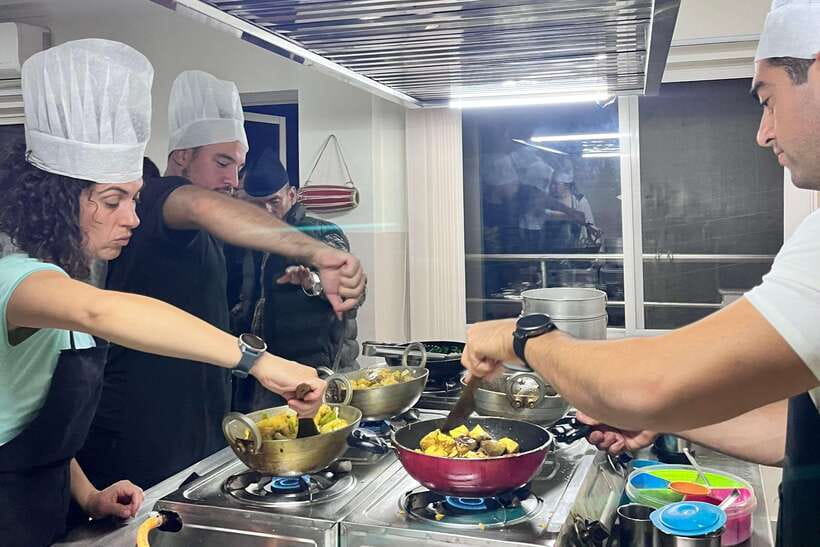
The advertised price is $4 per person, which is exceptionally low for a roughly three-hour class that includes a market visit, ingredients for the selected dishes, equipment, instruction, tea, and the meal you prepare. Confirm the current price and exact inclusions before booking, since the cost can depend on the selected option and pickup choice.
Even at a higher final price after transport or extras, the value is strong if you want both a meal and a skill. You are paying for time with local instructors, a market visit, kitchen access, and a chance to repeat the recipes later. Specialty and alcoholic drinks are not included.
Hotel pickup and drop-off are optional. If you choose them, provide your hotel details when booking. If you are staying in Thamel, walking may be practical, though the venue has stairs and one route from Google Maps involved a steep hill. Arriving 15 minutes early is sensible, particularly if you are walking or meeting the group independently.
Wear comfortable clothing. Aprons and cooking equipment are provided, but you still want clothes that can handle flour, spice, and kitchen splashes. Tell the team about allergies, medical conditions, dietary restrictions, or preferences in advance.
The activity is not suitable for wheelchair users or people with visual impairments. The provider offers free cancellation up to 24 hours before the start time, and you can reserve now and pay later if that option appears for your date.
Who should book this Nepali cooking class
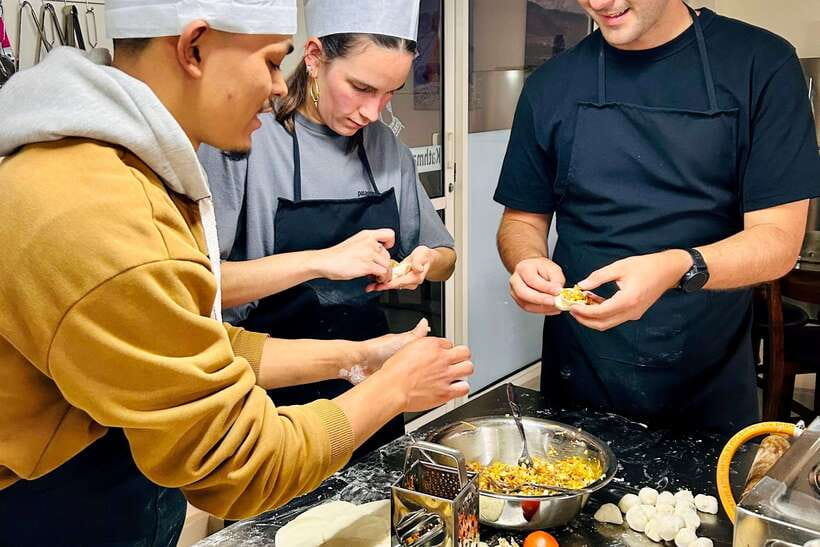
I would recommend it most strongly to food-minded visitors who want a hands-on activity in Kathmandu. It is also a good fit for solo visitors, couples, families, and groups of friends, provided everyone is happy to cook together.
Beginners should feel at ease. The repeated praise for patient, unrushed teaching is important here. You do not need prior cooking experience to shape momos or prepare a Nepali meal.
Vegetarians have several options, but you should state your needs early. The class can tailor some menus, though the standard focus includes both meat and vegetarian dishes. Vegans and people avoiding gluten should contact the provider before arrival rather than assume every menu can be changed.
I would be more cautious if you have limited mobility, cannot manage stairs, or want a tightly scheduled activity. The class can last two to four hours, and the menu may be adjusted as you go. That is part of its charm, but it requires some flexibility.
My recommendation
Book this class if you want to leave Kathmandu with more than food photos. You will shop for ingredients, work beside local instructors, learn the logic behind momos and dal bhat, and sit down to eat what you made. The teaching team, especially Nishma and Nish, is the main reason this feels personal rather than mechanical.
Choose the basic momo lesson if your time is short. Choose a menu with dal bhat and an extra dish if you want a fuller picture of Nepali cooking. Arrive hungry, ask questions at the market, mention dietary needs early, and confirm the meeting point and pickup details. For the listed price, it offers unusually strong value, as long as stairs and a shared kitchen are not problems for you.
FAQ
How long does the Kathmandu cooking class last?
The experience lasts about three hours, including the market visit, cooking session, and meal tasting. The stated duration range is two to four hours.
Where does the cooking class take place?
The cooking session takes place in Thamel at the Kathmandu Cooking Academy. The exact meeting point can vary according to the option you book.
Is hotel pickup available?
Yes. Hotel pickup and drop-off are available if you select that option. The provider offers pickup from locations within Kathmandu.
What dishes are included?
Momos and dal bhat are the main dishes. Depending on the selected menu, you may also make chatamari, bara, yomari, thukpa, chicken curry with roti, mushroom choila, or carrot pudding.
Can I choose vegetarian food?
Yes. Vegetarian momo and other vegetarian dishes are available. Tell the provider about your dietary preferences in advance.
Is the class suitable for beginners?
Yes. The class includes step-by-step instructions and hands-on cooking, making it suitable for people without prior Nepali cooking experience.
What language is used during the class?
The instructor teaches in English.
Are cooking equipment and aprons provided?
Cooking equipment and accessories are included, and aprons are provided. Comfortable clothing is still recommended.
What should I bring?
Bring a camera if you want photos. You should also arrive 15 minutes before the scheduled start time.
Can I get the recipes after the class?
A PDF recipe book can be shared through WhatsApp if you request it after the class. Physical recipe books are available for an additional cost.
More Workshops in Kathmandu
- Knife (Khukuri) Making Workshop- Forge of the Gurkhas
★ 5.0 · 143 reviews - Kathmandu: Traditional Momo Making Class & Pickup
★ 4.8 · 60 reviews - Traditional Nepali Momo Making Classes
★ 5.0 · 53 reviews - Knife Khukuri Making Workshop
★ 4.9 · 38 reviews
More Cooking Classes in Kathmandu
- Kathmandu: Local Lead Nepali Cooking & Momo Making Class
★ 4.9 · 40 reviews - Best Nepali Cooking Class in Thamel with Local Market Trip
★ 5.0 · 26 reviews - Kathmandu: Local Women Lead Nepali Cooking & Momo-Making Class
★ 5.0 · 17 reviews - Kathmandu: Women-Led Cooking Class & Momo Making-Local Taste
★ 4.8 · 15 reviews
Recently added around Kathmandu
- Kathmandu : Swambhunath & Durbar Square Guided Half Day Tour★ 3.3 · 3 reviews
- Private Day Tour in Kathmandu Valley Rim with Bhaktapur Sightseeing★ 5.0 · 3 reviews
- From Kathmandu / Pokhara / Chitwan: River Rafting – 1 Day★ 4.6 · 3 reviews
- Nepali Cooking training & Cultural Homestay Experience★ 5.0 · 3 reviews
- Private 3-Hour Nagarkot Sunset Tour from Kathmandu★ 3.5 · 3 reviews
- From Kathmandu: Everest Base Camp Landing Helicopter Tour★ 5.0 · 3 reviews
- 4 UNESSCO World heritage sites of Kathmandu-private tour★ 5.0 · 3 reviews
- From Kathmandu Budget: 15 Day Everest Base Camp Trek★ 5.0 · 3 reviews
Kathmandu Food Tours, compared.
Secret Food Tour – Food Bites and Sights Kathmandu 14+ Testings
Read our review →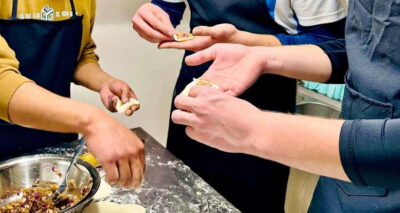
Walking Food Tour in Hidden Local Eateries of Kathmandu
Read our review →Browse the lists this tour appears in