
Reviewed · WALKING TOURS
Walking tour of real Kathmandu through back streets.
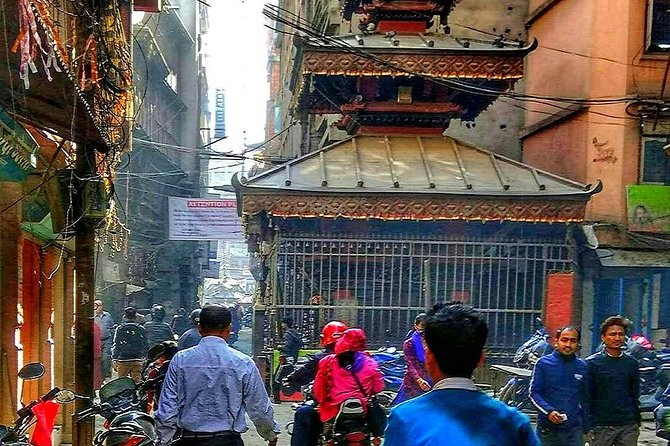
Kathmandu reveals itself best on foot, away from the main traffic routes. This private walk takes you through Ason bazaar, where vegetables, groceries, and daily goods fill an old open-air market, then into courtyards, temples, and the historic center around Kathmandu Durbar Square.
I like the small private format, with your group alone and room for questions. I also like the guide, Anil Manandhar, who brings 32 years of experience and has a reputation for clear, useful explanations of Kathmandu’s religious and cultural life.
The main consideration is that entrance fees are not included. You should also expect uneven city streets, crowds around the market, and a steady three-hour walk, with little time for a relaxed sit-down break.
In This Review
- What makes this Kathmandu walk worthwhile
- Starting at the Garden of Dreams
- Ason bazaar, Kathmandu’s everyday center
- Indra Chowk and the old street network
- Kathmandu Durbar Square and its major sights
- Courtyards, temples, and the city between landmarks
- Freak Street and a change of mood
- What Anil Manandhar adds
- Is $68 good value for a private group?
- Timing, comfort, and who should book
- Should you book this Kathmandu back-street walk?
- FAQ
- Where does the walking tour start?
- Where does the tour finish?
- How long does the tour last?
- What time is the tour available?
- Is this a private tour?
- What is included in the price?
- Are entrance fees included?
- Who is the guide?
- Can I cancel for a full refund?
What makes this Kathmandu walk worthwhile
- Ason market shows daily Kathmandu life, with vegetables, groceries, and local trade in an old central market.
- The route links major sights with ordinary streets, including temples, courtyards, Indra Chowk, and busy lanes.
- Anil Manandhar leads the tour, bringing 32 years of experience as a Nepal guide.
- Kathmandu Durbar Square adds the big historic sights, including Kumari Temple and Hanuman Dhoka Palace.
- Freak Street gives the walk a different mood, connecting the old center with one of Kathmandu’s best-known counterculture areas.
- The private price is $68 for up to 10 people, which can be good value if you fill the group.
Starting at the Garden of Dreams
The walk begins at the Garden of Dreams on Tridevi Sadak, a useful central meeting point in Kathmandu. From there, you head toward the older commercial and religious center of the city rather than sitting in a vehicle and watching the streets pass by.
That choice matters. Kathmandu is a city of close views: shopfronts, shrines, carved doorways, market stalls, public courtyards, and people moving through narrow passages. A walking tour lets you pause when something catches your eye and ask what it means.
The published schedule runs daily from 9:15 AM to 2:15 PM, while the tour itself takes about three to four hours. The main itinerary describes roughly three hours, so allow some flexibility. The exact pace will depend on your group, the market traffic, and how long you spend at the main sights.
You return to the same meeting point at the end. That makes the walk easy to fit into a Kathmandu day, especially if you want a guided introduction before exploring further on your own.
More walking tours in Kathmandu:
- Kathmandu Food and Drink Walking Tour
★ 5.0 · 266 reviews - Kathmandu: Food and Drink Walking Tour
★ 4.9 · 119 reviews - Walking Street Food Tour in Kathmandu
★ 5.0 · 111 reviews
Ason bazaar, Kathmandu’s everyday center
Ason is the heart of the tour. It is described as a traditional and ancient market, effectively an open supermarket for the city. That comparison is useful: this is not a staged cultural display built for sightseeing. It is a working place where people shop for vegetables, groceries, and ordinary household goods.
I like this part because it gives you a better sense of Kathmandu than a quick run through monuments alone. The market connects religion, food, trade, and neighborhood life. You see the city functioning, not simply presenting its grandest buildings.
Ason can also be the most demanding section of the walk. It is a city market, so you should expect a busy setting and a lot of movement. Keep your belongings secure, stay close enough to hear Anil, and wear shoes suited to walking on old or uneven streets.
The guide’s role is especially important here. Without explanation, a market can become a blur of stalls and people. With Anil, you can ask about what is being sold, how the area fits into Kathmandu, and why this market remains so central to city life.
Indra Chowk and the old street network
From Ason, the route includes Indra Chowk, another important part of Kathmandu’s traditional center. The walk is not just a series of isolated stops. It connects the market streets to the religious buildings and public spaces that shape the old city.
That connection is one of the strongest reasons to choose this tour. You get a sense of how Kathmandu’s commercial and sacred areas sit side by side. A shop, shrine, courtyard, and temple may appear within a short walk of one another.
I would pay attention to the transitions between the sights. The most useful part of a city walk is often not the famous building itself, but the short stretch leading there. Those streets show how residents use the center, how visitors share space with local activity, and how the city’s older pattern still guides movement today.
You should not expect a quiet museum-style visit. The old center is active, and the pace can be interrupted by crowds or street activity. That is part of the point, but it means the tour suits you best if you enjoy observation and conversation more than a polished, predictable route.
Kathmandu Durbar Square and its major sights
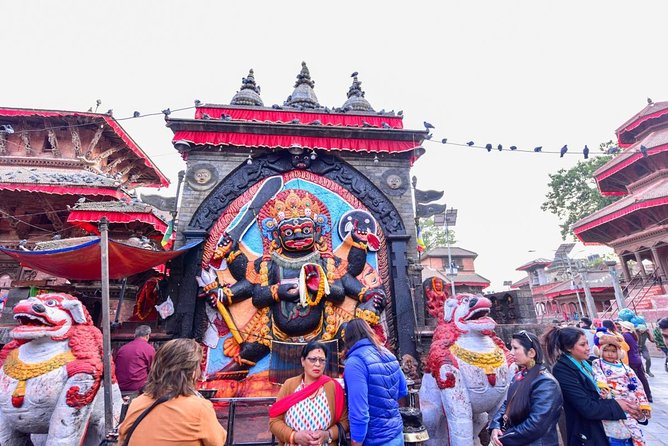
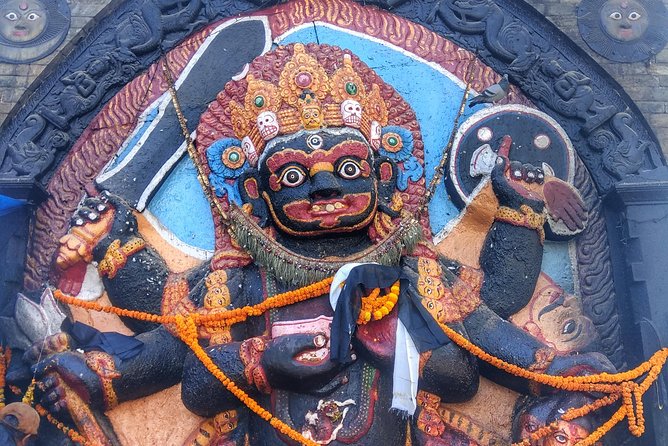
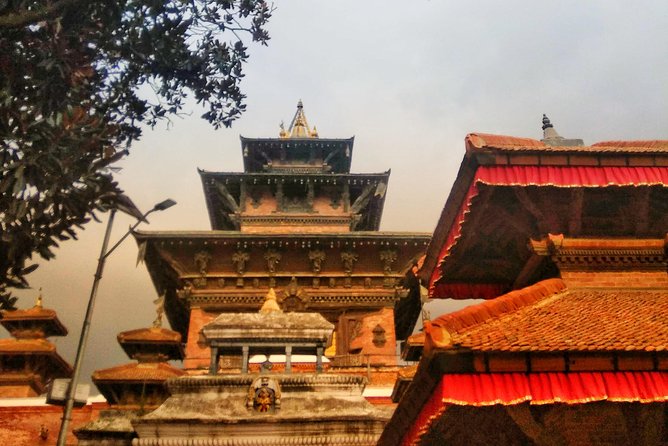
Kathmandu Durbar Square is the tour’s main historic stop. The square brings together several of the city’s best-known landmarks, including Kumari Temple and Hanuman Dhoka Palace.
Kumari Temple is particularly significant. It is associated with the living Kumari, a young girl honored as a living goddess in Kathmandu’s religious tradition. The supplied route specifically includes the temple, but it does not promise a viewing of the Kumari herself. Keep that distinction in mind when setting expectations.
Hanuman Dhoka Palace adds a royal dimension to the walk. Along with the square’s temples and public courtyards, it helps explain how Kathmandu’s political, religious, and civic life once gathered in one central area.
The square is also a place where a good guide can make a large difference. Anil’s long experience should help you put the buildings into context rather than simply identify them. One especially unusual detail from his guiding work is that he has helped visitors witness a Pachali Bhairav dance at the palace. That event is not listed as part of this walk, and you should not book expecting it, but it shows the kind of cultural detail he may be able to explain when local traditions come up.
Admission is not included in the $68 price. You should confirm the current entrance arrangements and cost before setting out, since the supplied tour details do not give a fee amount. This is the one clear extra expense attached to the main historic sight.
A completely different sort of day in Kathmandu:
- Everest Base Camp Trek – 14 Days
★ 5.0 · 1,499 reviews - Private Kathmandu Sightseeing Tour | UNESCO World Heritage sites
★ 5.0 · 756 reviews - Everest Base Camp Helicopter Tour landing at Everest View Hotel
★ 5.0 · 668 reviews - Half day cooking class in Thamel kathmandu
★ 5.0 · 607 reviews
Courtyards, temples, and the city between landmarks
The route also includes Buddhist stupas, Hindu temples, and public courtyards. The details of the particular stupa or temple are not specified, so you should view this part as a chance to encounter Kathmandu’s religious spaces rather than a guaranteed list of named monuments.
That variety is valuable. Kathmandu’s religious life is not confined to one grand temple or one formal complex. Sacred places appear throughout the city, often close to homes, shops, and public routes. A walking guide can point out the difference between a place built for major worship and a smaller neighborhood shrine or courtyard.
For you, the key benefit is context. A monument visited alone can feel impressive but hard to place. Seeing it after walking through the market and residential streets makes the city’s layout easier to understand.
The route description uses the phrase day-to-day life and culture, and that is the right way to think about the walk. You are not signing up only for Kathmandu’s headline sights. You are also paying for the connections between them, the explanations at the corners, and the chance to see how an old urban center works during an ordinary day.
Freak Street and a change of mood
The walk also visits Freak Street, one of Kathmandu’s most famous streets. Its inclusion gives the route a change of character after the market and palace area.
The tour details do not specify how much time you spend there or which exact locations the guide visits. Still, its place on the route helps widen the picture of Kathmandu. The city is not only temples, royal buildings, and market lanes. Freak Street represents another chapter in the capital’s public identity and adds a more informal note to the historic center.
I would treat this as a short atmospheric stop rather than a separate tour of the street. If you have a special interest in Freak Street, ask Anil how much time is planned for it when you meet. The private format makes that sort of adjustment more realistic than it would be on a large group outing.
What Anil Manandhar adds
The guide is central to the value of this tour. Anil Manandhar is identified as a licensed guide, and his stated experience includes 32 years working as a Nepal travel guide.
The strongest praise attached to his work focuses on expertise, insight, and the amount of information he shares. That fits this route well because Kathmandu’s old center can be confusing without someone who understands the links between its buildings, rituals, markets, and streets.
Anil has also guided a visitor at Pashupatinath Temple during Mahashivratri, an important Hindu festival. That was a different tour, not part of this itinerary, but it suggests he is comfortable explaining major religious occasions as well as standard sightseeing.
You should still take an active role. Tell him what interests you: architecture, religious practice, markets, local customs, or Kathmandu’s modern identity. A private walk works best when you ask questions rather than simply follow from stop to stop.
Is $68 good value for a private group?
The price is $68 per group, for up to 10 people. That is not a per-person price. If two people book, the cost is $34 each. If you have six people, it is about $11.33 each, and a full group brings it down to $6.80 per person.
That makes the tour particularly attractive for families or friends traveling together. You get a licensed guide without paying separate individual tour prices for each person. The private setup also means only your group participates, which gives you more control over questions and walking pace.
The value depends on what you want from Kathmandu. If you only need directions between Durbar Square and the market, you can walk those areas independently. If you want the city explained in a clear sequence, the fee is easier to justify.
Remember to add the entrance fee because it is not included. The tour also does not list meals, drinks, transportation, or other extras. Since it begins and ends at the Garden of Dreams, you are paying mainly for the guide’s time and interpretation.
Timing, comfort, and who should book
This is a good match for you if you want a first look at Kathmandu that combines major sights with ordinary city life. It also suits anyone who prefers a private guide and wants to ask questions about local culture without holding up a large group.
The tour is less suitable if you dislike crowded markets, uneven walking routes, or an itinerary with several sights packed into a few hours. The duration is moderate, but the subject matter is broad: Ason, Indra Chowk, temples, courtyards, Durbar Square, Kumari Temple, Hanuman Dhoka Palace, and Freak Street.
Wear comfortable walking shoes and plan for changing street conditions. The tour requires good weather. If poor weather cancels it, you are offered another date or a full refund.
Most people can take part, according to the supplied information. No special accessibility details are provided, so you should contact the provider before booking if you have mobility concerns or need a specific accommodation.
Free cancellation is available if you cancel at least 24 hours before the start time. Cancellations or changes made later are not refunded or accepted, and the cut-off follows local Kathmandu time.
Should you book this Kathmandu back-street walk?
I would book it if you want Kathmandu explained through its everyday streets, not just photographed from the edge of a monument. Ason market is the main reason to choose it, while Kathmandu Durbar Square supplies the famous sights and Anil Manandhar adds long guiding experience.
The best value comes when several people share the $68 group price. Before booking, confirm the current entrance fee and tell Anil which parts matter most to you, especially if you want extra attention at the market, palace, or Freak Street.
Skip it if you want a slow, highly specialized architecture tour or a guaranteed religious ceremony. Choose it if you want a practical introduction to Kathmandu’s old center, with the market, temples, courtyards, palace, and street life tied together in one private walk.
FAQ
Where does the walking tour start?
The tour starts at the Garden of Dreams on Tridevi Sadak in Kathmandu, Nepal.
Where does the tour finish?
The activity ends back at the Garden of Dreams, the same meeting point where it begins.
How long does the tour last?
The tour lasts approximately three to four hours. The main route is described as taking about three hours.
What time is the tour available?
The listed operating hours are Monday through Sunday from 9:15 AM to 2:15 PM.
Is this a private tour?
Yes. Only your group participates, and the price covers up to 10 people.
What is included in the price?
Licensed guide service is included.
Are entrance fees included?
No. Entrance fees are not included in the tour price.
Who is the guide?
The experience is provided by Anil Manandhar, a licensed Nepal guide with 32 years of guiding experience.
Can I cancel for a full refund?
Yes, if you cancel at least 24 hours before the experience start time. Cancellations made less than 24 hours before the start time are not refunded. If poor weather causes the tour to be canceled, you are offered a different date or a full refund.
Recently added around Kathmandu
- Kathmandu : Swambhunath & Durbar Square Guided Half Day Tour★ 3.3 · 3 reviews
- Private Day Tour in Kathmandu Valley Rim with Bhaktapur Sightseeing★ 5.0 · 3 reviews
- From Kathmandu / Pokhara / Chitwan: River Rafting – 1 Day★ 4.6 · 3 reviews
- Nepali Cooking training & Cultural Homestay Experience★ 5.0 · 3 reviews
- Private 3-Hour Nagarkot Sunset Tour from Kathmandu★ 3.5 · 3 reviews
- From Kathmandu: Everest Base Camp Landing Helicopter Tour★ 5.0 · 3 reviews
- 4 UNESSCO World heritage sites of Kathmandu-private tour★ 5.0 · 3 reviews
- From Kathmandu Budget: 15 Day Everest Base Camp Trek★ 5.0 · 3 reviews
Walking Tours, compared.

Walking Food Tour in Hidden Local Eateries of Kathmandu
Read our review →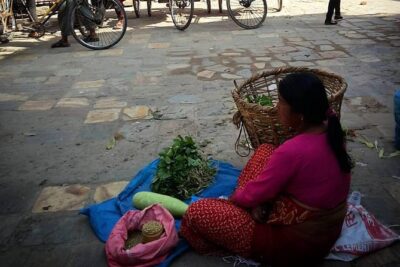
Old Kathmandu Walking Tour, Historic World Heritage Durbar Square
Read our review →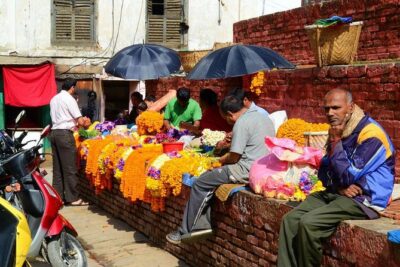
Browse the lists this tour appears in