
Reviewed · EVEREST BASE CAMP TREKS
12 Days Everest Base Camp Trekking
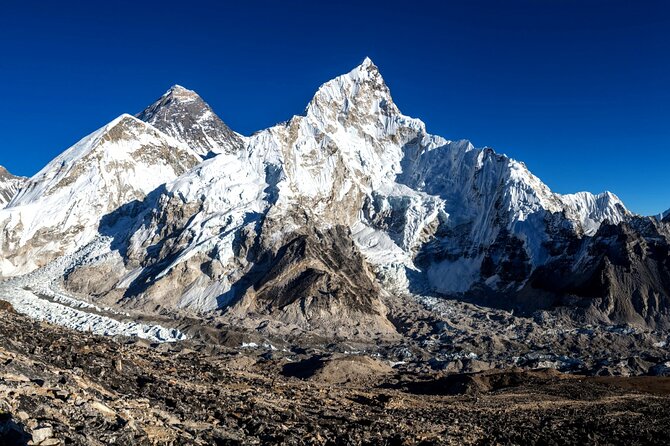
The big appeal of this 12-day Everest Base Camp trek is its clear route through the Khumbu, from the short flight into Lukla to the glacier, Base Camp, and sunrise at Kala Patthar. You get the famous Himalayan views without having to arrange flights, permits, meals, teahouses, and airport transfers on your own.
I like the two acclimatization days, one in Namche Bazaar and one in Dingboche. I also like that this is a private trip, so your group is not tied to a large tour party. The drawback is the pace: reaching Base Camp in 12 days gives you limited spare time, and the long trekking days can be demanding at high altitude.
- Lukla flight included: Round-trip domestic airfare is covered, with Ramechhap used instead of Kathmandu during peak season.
- Private group format: Only your own group takes part, with an English-speaking licensed guide.
- Two acclimatization stops: Namche Bazaar and Dingboche help break up the climb.
- Base Camp and Kala Patthar: You reach Everest Base Camp, then hike early for sunrise views from Kala Patthar.
- Meals and teahouses included: Breakfast, lunch, dinner, and twin-sharing teahouse lodging are part of the package.
- Porter service costs extra: You must carry your own main bag unless you request a porter.
In This Review
- Why the Lukla start makes this trek special
- Day 2: Crossing bridges on the way to Namche Bazaar
- Day 3: Using Namche for altitude adjustment
- Day 4: Forest trails and the views around Tengboche
- Day 5: Reaching Dingboche above the tree line
- Day 6: A second acclimatization day in Dingboche
- Days 7 and 8: The Khumbu Glacier and Everest Base Camp
- Day 9: Sunrise from Kala Patthar
- Days 10 and 11: A gentler return through Sagarmatha National Park
- Day 12: Returning to Kathmandu
- What the $1,399 price covers
- How the guide support affects the experience
- Who should book this Everest trek
- Small practical points to settle before booking
- Should you book it?
- FAQ
- How long is the Everest Base Camp trek?
- Is airport pickup included?
- Are flights to Lukla included?
- Where do you stay during the trek?
- Are meals included?
- Is a guide included?
- Is porter service included?
- What happens if bad weather cancels the experience?
Why the Lukla start makes this trek special
This trek begins with an early flight from Kathmandu to Lukla at about 2,800 meters. The flight is part of the adventure, since Lukla is a mountain airstrip and the route gives you an immediate sense that ordinary city travel is over.
After meeting your guide at your hotel, you are driven to the airport and flown to Lukla. From there, you start walking toward Phakding. The first day is listed as roughly eight hours, though the actual walking time can vary with flight timing, stops, and trail conditions.
The opening walk introduces you to the rhythm of the route: village paths, mountain scenery, and a steady transition from the lower Khumbu toward higher ground. Phakding is not the grand finale, but it gives your body a first day to adjust before the bigger climb to Namche Bazaar.
One practical point matters here. During peak season, the flight may operate from Ramechhap rather than Kathmandu. The package includes the domestic airfare, but the departure airport affects your ground transfer and morning schedule. Ask for the current flight arrangement before you go.
Day 2: Crossing bridges on the way to Namche Bazaar
The trek from Phakding to Namche takes about seven hours. This is when the route begins to feel properly Himalayan, with several suspension bridges and a gradual but serious ascent toward the Khumbu’s main trading center.
Namche Bazaar is more than a stopping point. It is the key settlement in the Khumbu region and the place where the trail begins to feel higher, colder, and more remote. You will likely notice the change in your breathing as the path climbs.
The bridge crossings add some excitement, but they also demand attention. Keep your pace steady and do not treat the climb like a race. A guide can help manage the day, but you still need to listen to your body and tell the guide if you feel unwell.
Your accommodation is in a local teahouse on a twin-sharing basis. That gives you a practical place to sleep and eat, but it is not the same as a deluxe hotel. Teahouse conditions are part of the experience, and personal extras such as hot showers, Wi-Fi, laundry, snacks, and drinks are not included.
More ways to trek to Everest Base Camp:
- Everest Base Camp Trek – 14 Days
★ 5.0 · 1,499 reviews - Everest Base Camp Helicopter Tour landing at Everest View Hotel
★ 5.0 · 668 reviews - Everest Base Camp Trekking
★ 5.0 · 485 reviews
Day 3: Using Namche for altitude adjustment
The extra day in Namche is one of the strongest parts of this plan. Instead of climbing higher every day, you stay put and give your body time to adjust.
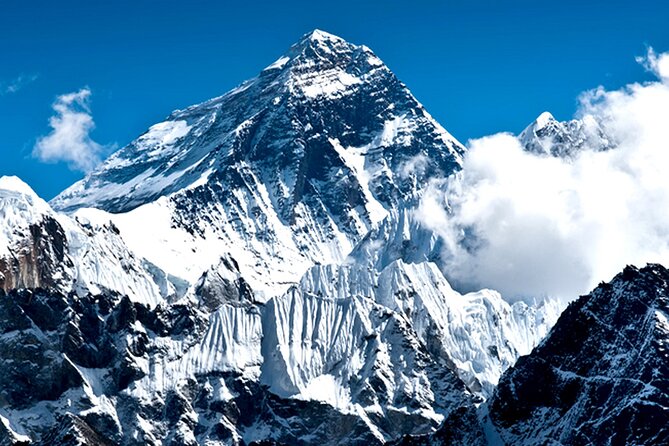
The optional hike toward Everest View Hotel provides a useful reason to get moving without changing your sleeping altitude. The route offers wide views of Everest and nearby peaks, and it turns an otherwise quiet acclimatization day into one of the trip’s memorable outings.
I like this approach because acclimatization is not wasted time. It is what helps you continue safely. You may feel fine at Namche and still find the higher route difficult later, so taking this day seriously is wiser than trying to save time.
The itinerary gives the day up to eight hours, but the exact length depends on the optional hike and your group’s pace. Use the day to rest, drink water, and prepare for the next section rather than spending all of it walking.
Day 4: Forest trails and the views around Tengboche
The route continues through Sagarmatha National Park. You descend for about two hours through rhododendron forest, then climb toward the higher villages and mountain viewpoints.
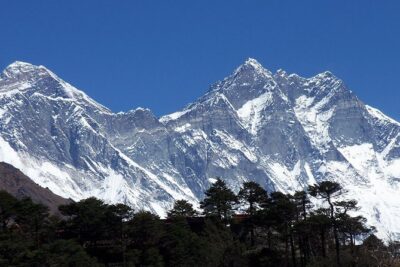
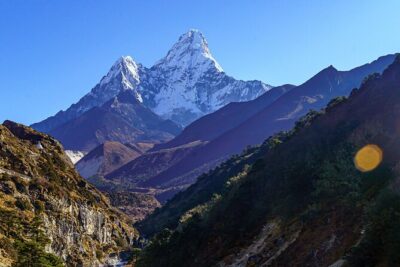
This section gives you a pleasing change in scenery. The lower forest trail gradually gives way to more open mountain terrain, with views of Everest, Nuptse, and Ama Dablam. Ama Dablam is especially striking from this part of the route, with its sharp profile rising above the valley.
The day takes about eight hours, so the views come with work. Descents can be harder than they look because they put pressure on your knees, while the later climb requires a patient pace. Good footwear and careful steps matter more than speed.
Since this is a national park route, the included Sagarmatha National Park permit covers an important part of the trip’s administration. You do not need to arrange that permit separately.
Day 5: Reaching Dingboche above the tree line
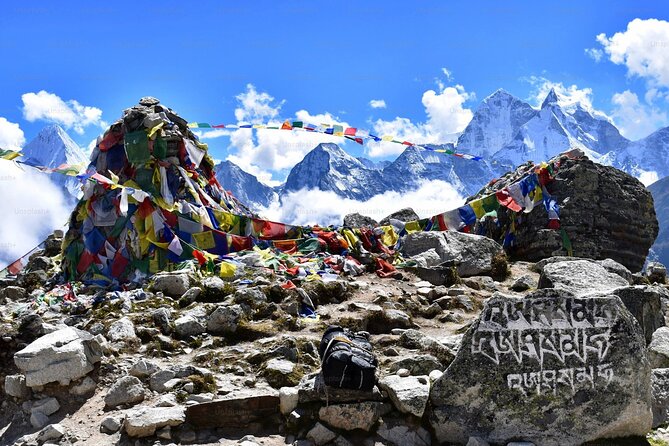
Dingboche sits in the Khumbu Valley and offers views toward Island Peak and other Himalayan summits. The walk takes about eight hours, moving through alpine forest and then more barren ground as the elevation rises.
This is a clear turning point. The route feels less sheltered than it did near Lukla and Namche. Vegetation thins, the air feels colder, and even a routine uphill section may require more breaks.
Dingboche is valuable because it gives you another planned pause at altitude. The town is not only a place to sleep before the final push. It is the base for the second acclimatization day, which is crucial before you head toward the glacier and Gorak Shep.
The package includes all meals during the trek, including breakfast, lunch, dinner, and tea or coffee with breakfast. That keeps the basic food budget predictable. Personal snacks and drinks remain your responsibility, and you should budget for them separately.
More treks starting in Kathmandu:
- Nagarkot Sunrise View and Day Hiking from Kathmandu
★ 5.0 · 471 reviews - Annapurna Circuit Trek with Tilicho Lake
★ 5.0 · 368 reviews - Everest Base Camp Trekking – 13 Day
★ 5.0 · 365 reviews - Everest Base Camp Trek -14 Days
★ 5.0 · 321 reviews
Day 6: A second acclimatization day in Dingboche
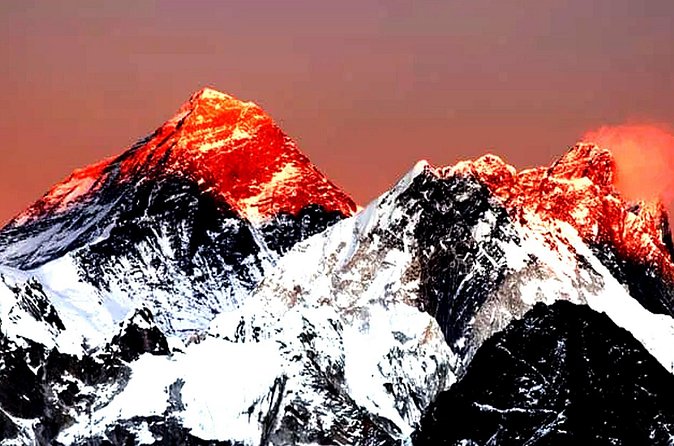
The second rest day is another sensible feature. The itinerary offers optional hikes to Nagarjun Hill or toward Chukhung, allowing you to gain some height during the day without moving your overnight base higher.
That distinction matters. Your body gets a chance to adjust while you still have the support of a village and a planned rest stop. You should not assume that a fit person automatically handles altitude well. The tour requires a moderate level of physical fitness, and your guide will use a pulse oximeter as part of the basic first aid kit to monitor altitude-related oxygen levels.
The exact hiking option may depend on conditions, your health, and your guide’s judgment. Keep the day flexible. If you have a headache, unusual fatigue, or other signs of altitude trouble, the right choice may be rest rather than a longer optional hike.
Days 7 and 8: The Khumbu Glacier and Everest Base Camp
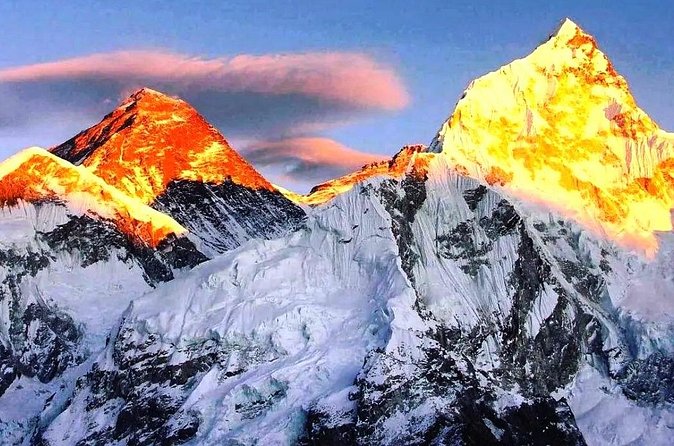
Day 7 takes you across the Khumbu River and over rocky ground and glacial moraines. The walk lasts about eight hours, with views of the Khumbu Glacier and the peaks around it.
The terrain here is rougher and less forgiving than the lower trail. Moraines are uneven, and your walking rhythm may slow as the altitude increases. This is a day for short steps, careful balance, and regular communication with your guide.
On Day 8, you trek from Lobuche to Gorak Shep, the last settlement before Everest Base Camp. After lunch and time to settle your bags, you continue to Base Camp. The full day runs to about nine hours, making it one of the longest and most demanding days of the trip.
Reaching Everest Base Camp is the emotional high point for many people, but it is worth keeping expectations realistic. Base Camp is a working mountaineering site during climbing periods, not a permanent city with a large visitor center. The glacier, moraine, prayer flags, and surrounding peaks create the setting, while the final approach can feel tiring rather than cinematic.
The included Base Camp visit is valuable because it is the goal of the route. Still, the day combines a high-altitude approach, a long return, and limited time at the site. Save energy for the walk back to Gorak Shep.
Day 9: Sunrise from Kala Patthar
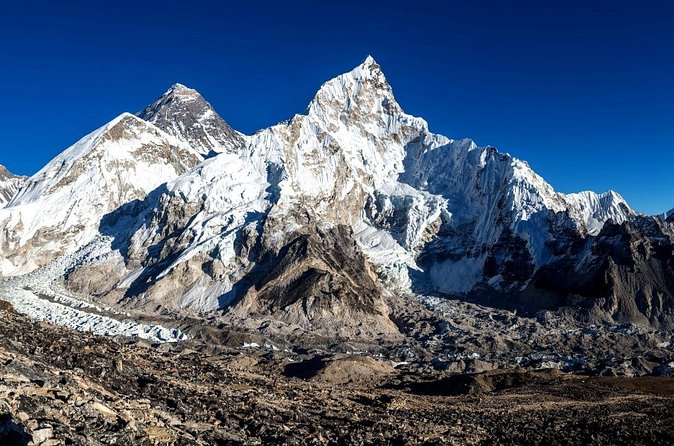
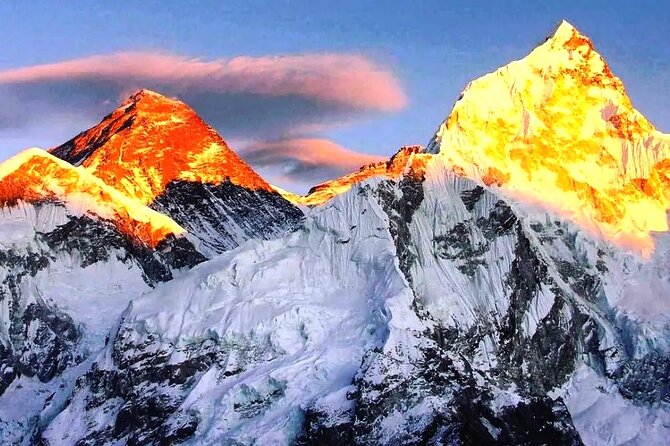
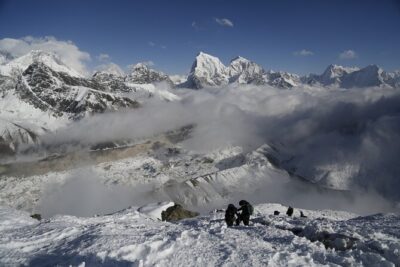
Kala Patthar is widely regarded as the best viewpoint on this route for Everest, and the itinerary schedules an early morning hike for sunrise. From the summit area, you can look toward Everest, Lhotse, and the surrounding peaks as the light changes.
This is another long day, listed at about eight hours. You return to Gorak Shep for breakfast, then continue descending. The early start means you need to be ready in the cold and darkness, but the timing gives you the best chance of seeing the mountains in clear morning light.
The schedule also mentions a helicopter landing at Kala Patthar, but the itinerary describes an early morning hike. Do not assume a helicopter ride is included in the $1,399 price. The included domestic flights are the round-trip Kathmandu or Ramechhap to Lukla flights, not a separate scenic helicopter flight.
I consider Kala Patthar one of the most important details in the plan. Base Camp gives you the achievement, but Kala Patthar gives you the broad mountain view that many people picture when they imagine Everest.
Days 10 and 11: A gentler return through Sagarmatha National Park
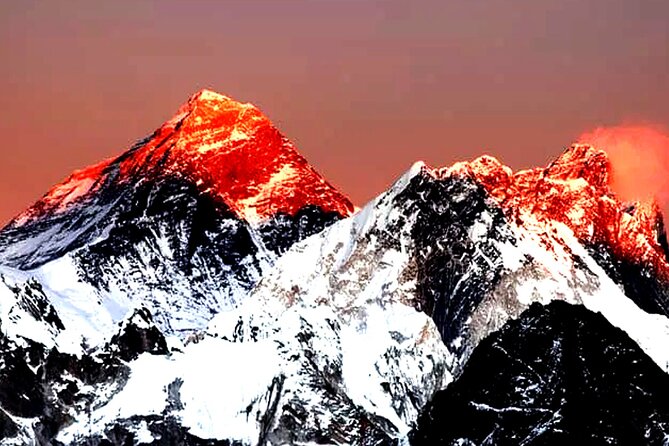
The descent through Sagarmatha National Park is easier on your lungs than the ascent, but it is not effortless. The itinerary specifically warns you to watch your balance and knees. Long downhill sections can make tired legs complain.
Day 10 is about eight hours, while Day 11 is shorter at roughly six hours. That final trekking day gives you time to finish the route without forcing another very long push. You can spend the evening marking the end of the trek with your guide, porters, and trekking companions.
Porter service is not included, so you need to decide in advance how you will manage your luggage. You can request a porter for an additional cost. If you carry your own bag, keep it light and make sure you are comfortable doing so for long days on uneven trails.
Day 12: Returning to Kathmandu
The final morning begins with an early flight back to Kathmandu. Ground transportation, including airport pickup and drop-off, is included, as is one night in a deluxe Kathmandu hotel with breakfast.
You then have leisure time to rest, explore, or book a foot and body massage. A farewell dinner is also planned. That final hotel night is useful because it gives you a proper place to recover after the teahouse nights and mountain walking.
Flight schedules in the Himalayas can depend on weather, so keep your broader travel plans flexible. The cancellation terms also recognize the weather issue: if the experience is canceled because of poor weather, you are offered another date or a full refund.
What the $1,399 price covers
At $1,399 per person, the price is easiest to judge by what you do not have to arrange. It includes:
- Airport pickup and drop-off and other ground transportation
- One night of deluxe hotel accommodation in Kathmandu with breakfast
- Round-trip domestic airfare to Lukla
- Twin-sharing teahouse accommodation during the trek
- Breakfast, lunch, and dinner throughout the trek
- Tea or coffee with breakfast
- A licensed, experienced English-speaking trekking guide
- Guide salary, meals, lodging, equipment, and insurance
- Sagarmatha National Park and TIMS permits
- A basic first aid kit and pulse oximeter
- Government taxes and official service charges
That is a solid bundle for someone who wants one company to handle the main arrangements. The guide’s costs are included, and the permits and domestic flights are already part of the price.
You still need to pay for international airfare, a Nepal entry visa, travel and medical insurance, personal purchases, hot showers, Wi-Fi, laundry, extra drinks and snacks, porter service, and tips. Insurance is especially important for a high-altitude trek, even though it is not included.
The twin-sharing setup also affects value. If you want a private room, the package details do not promise one. Ask about room arrangements before booking if that matters to you.
How the guide support affects the experience
The company has operated trekking and tour services since 2011. The guide is licensed, English-speaking, and responsible for more than simply showing you the path. The package includes the guide’s meals, lodging, equipment, insurance, and salary, so you are not expected to sort those costs out on the trail.
Previous trips have featured guides named Ramchandra and Ram. Those names are useful when discussing guide preferences, but they do not confirm who will lead your departure. If you have heard good things about one of them, ask whether that guide is available.
The strongest praise attached to this experience focuses on organization, personal support, and successful completion. One first-time trekker described feeling supported and having the trip customized to their needs. Another account involved a two-person group with a guide and a successful Base Camp trip. That fits the private format offered here, though no operator can promise identical conditions for every departure.
Who should book this Everest trek
This trip suits you if you want the classic Everest route and prefer a prepared package over arranging each piece yourself. It is also a good match if you value a private group, included meals, and planned acclimatization days.
You should be comfortable with repeated walking days of roughly six to nine hours. The tour specifies moderate physical fitness, but that phrase should not make the route sound easy. High altitude, steep climbs, rocky moraines, cold conditions, and long descents can test you even if you exercise regularly.
This is less suitable if you want a relaxed sightseeing holiday, hotel-level comfort every night, or a flexible schedule with many spare days. The 12-day plan is focused and efficient. It reaches the main goal, but it leaves less room for delays or extra rest than a longer itinerary would.
Small practical points to settle before booking
The experience offers free cancellation if you cancel at least 24 hours before the start time. Cancellations made within 24 hours are not refunded, and changes inside that window are not accepted.
Confirm the departure airport for the Lukla flight, especially during peak season. Also ask about your likely guide, porter arrangements, twin-sharing accommodation, and what happens if weather disrupts the flight schedule.
The tour is private, but group discounts are offered. If you are traveling with friends or family, ask how the discount applies to your party size. Confirmation is received at booking, and mobile tickets are available.
Should you book it?
I would choose this trek if I wanted the standard Everest Base Camp route with the major logistics already handled. The included Lukla flights, permits, meals, guide support, teahouses, and two acclimatization days give the $1,399 price real value.
Book it only after accepting the physical demands and the limits of a 12-day schedule. Pack light, arrange proper travel and medical insurance, budget for personal costs and tips, and keep your flight plans flexible. If you want a private, guided route with Base Camp and Kala Patthar both included, this is a practical package. If you need extra recovery time, a longer itinerary would be the wiser choice.
FAQ
How long is the Everest Base Camp trek?
The experience lasts approximately 12 days, including the flights between Kathmandu or Ramechhap and Lukla, the trek to Everest Base Camp, the return walk, and the flight back to Kathmandu.
Is airport pickup included?
Yes. Ground transportation includes airport pickup and drop-off, along with the other listed ground transfers.
Are flights to Lukla included?
Yes. Round-trip domestic airfare between Kathmandu, or Ramechhap during peak season, and Lukla is included.
Where do you stay during the trek?
You stay in twin-sharing rooms at local teahouses during the trekking portion. One night in a deluxe hotel in Kathmandu with breakfast is also included.
Are meals included?
Yes. Breakfast, lunch, and dinner are included during the trek. Tea or coffee is included with breakfast.
Is a guide included?
Yes. The package includes a licensed, experienced, English-speaking trekking guide, along with the guide’s salary, meals, accommodation, equipment, and insurance.
Is porter service included?
No. Porter service is available upon request at an additional cost. Personal expenses such as snacks, drinks, laundry, hot showers, Wi-Fi, and extra porters are not included.
What happens if bad weather cancels the experience?
If poor weather causes the experience to be canceled, you are offered a different date or a full refund. For your own cancellation, you must cancel at least 24 hours before the start time to receive a full refund.
Recently added around Kathmandu
- Kathmandu : Swambhunath & Durbar Square Guided Half Day Tour★ 3.3 · 3 reviews
- Private Day Tour in Kathmandu Valley Rim with Bhaktapur Sightseeing★ 5.0 · 3 reviews
- From Kathmandu / Pokhara / Chitwan: River Rafting – 1 Day★ 4.6 · 3 reviews
- Nepali Cooking training & Cultural Homestay Experience★ 5.0 · 3 reviews
- Private 3-Hour Nagarkot Sunset Tour from Kathmandu★ 3.5 · 3 reviews
- From Kathmandu: Everest Base Camp Landing Helicopter Tour★ 5.0 · 3 reviews
- 4 UNESSCO World heritage sites of Kathmandu-private tour★ 5.0 · 3 reviews
- From Kathmandu Budget: 15 Day Everest Base Camp Trek★ 5.0 · 3 reviews
Everest Base Camp Treks, compared.
Everest Base Camp Helicopter Tour landing at Everest View Hotel
Read our review →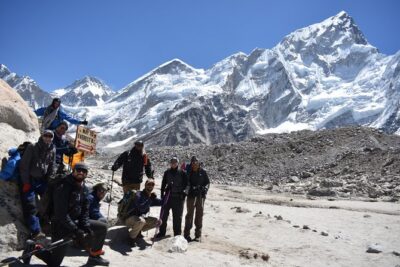
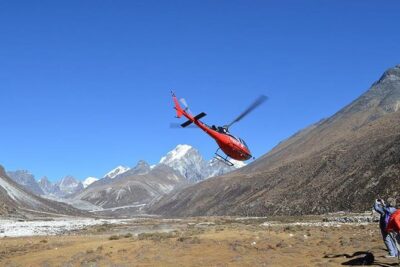
Everest Base Camp Helicopter Tour landing at Hotel Everest View
Read our review →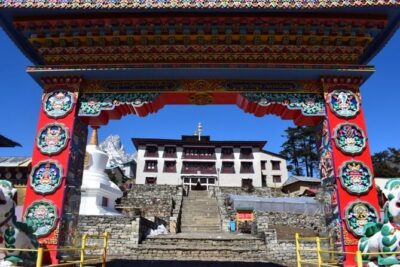
Browse the lists this tour appears in