
Reviewed · EVEREST BASE CAMP TREKS
14 Days Everest Base Camp Trek
Everest Base Camp is reached on foot, one suspension bridge, stone village, and slow uphill step at a time. This 14-day trek takes you from Kathmandu to Lukla, Namche Bazaar, Tengboche, Dingboche, Lobuche, and finally the glacier-bound base camp at 5,463 meters.
I like the two acclimatization days, which give you a better chance to handle the height, and I like that flights, porters, park fees, meals, and airport transfers are included. The main concern is altitude: this is a serious high-mountain trek, not a casual walk, and reaching Base Camp is never guaranteed.
I also like the human side of the trip. The company’s guides, including Nabin and Shanta, are praised for patient support and safety-minded care. Still, you should be ready for long days, basic tea-house accommodation, changing flight conditions, and a compulsory tip for the guide and porters.
In This Review
- Key points to know before booking
- Why this 14-day route works
- Kathmandu arrival and the flight to Lukla
- Namche Bazaar and the first acclimatization day
- Tengboche and Dingboche among the high peaks
- The Nangkartshang Hill acclimatization hike
- Lobuche, Thukla Pass, and the memorial stones
- Everest Base Camp at 5,463 meters
- Kala Patthar at sunrise
- The long descent to Namche and Lukla
- Return flights, meals, and what the price covers
- Who should book this trek
- Should you book the 14-day Everest Base Camp Trek?
- FAQ
- How long does the Everest Base Camp Trek last?
- Where does the experience begin?
- Is Lukla airfare included?
- Is airport transportation included?
- What meals are included?
- Are trekking permits and government fees included?
- Are guides and porters included?
- Do I need travel insurance?
- Is strong physical fitness required?
- What is the cancellation policy?
Key points to know before booking
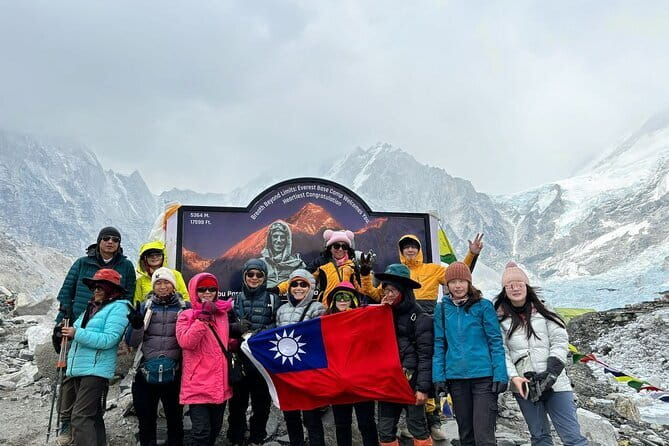
- Reach Everest Base Camp at 5,463 meters: The route ends at the famous glacier base camp, which changes position as the Khumbu glaciers shift.
- Early-morning Kala Patthar hike: At 5,450 meters, Kala Patthar provides one of the closest and most famous views of Everest.
- Two planned acclimatization days: You spend rest days in Namche Bazaar and Dingboche, with optional hikes rather than complete idling.
- Lukla flight included: The trip includes flights for you and your guide, plus airport pickup and private transportation in Kathmandu.
- Meals and trekking staff included: Thirteen breakfasts, thirteen dinners, and eleven lunches are included, along with a licensed guide, porters, fees, and a medical kit.
- Private group format: Only your own group takes part, which can make the pace and daily support more personal.
Why this 14-day route works
The appeal here is simple: you get the classic Everest Base Camp route without having to arrange each flight, permit, porter, meal, and overnight stop yourself. At $1,680 per person, the price covers a substantial amount of the practical work that makes a Himalayan trek possible.
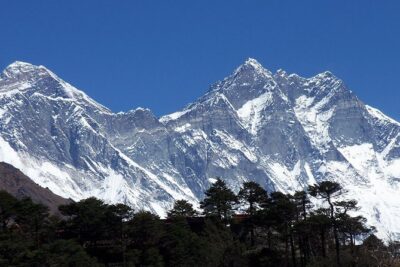
You begin and end in Kathmandu, with the mountain section reached by air from Lukla. The walking route includes famous Sherpa settlements, suspension bridges over the Dudh Koshi River, high passes, memorials to climbers, and views of Everest, Ama Dablam, Thamserku, Taboche, Island Peak, and other Himalayan peaks.
The schedule is also sensibly paced on paper. Namche gets a rest day on Day 4, and Dingboche gets another on Day 7. Those days still include short acclimatization hikes, because gentle movement helps you adjust better than lying in a tea house all day.
The catch is that fourteen calendar days does not mean fourteen easy days. Day 9 is a long high-altitude outing to Gorek Shep and Base Camp. Day 10 begins before breakfast with the Kala Patthar climb, followed by a descent and a long walk toward lower ground. You need strong physical fitness, patience, and a willingness to keep your plans flexible.
More ways to trek to Everest Base Camp:
- Everest Base Camp Trek – 14 Days
★ 5.0 · 1,499 reviews - Everest Base Camp Helicopter Tour landing at Everest View Hotel
★ 5.0 · 668 reviews - Everest Base Camp Trekking
★ 5.0 · 485 reviews
Kathmandu arrival and the flight to Lukla
Day 1 is an arrival day in Kathmandu. A Magic Himalaya Treks representative meets you at Tribhuvan International Airport with your name displayed, then helps with the transfer to your hotel.
This is useful after an international flight, especially if Kathmandu is new to you. The day is not filled with sightseeing, so you have time to settle in and prepare for the trek.
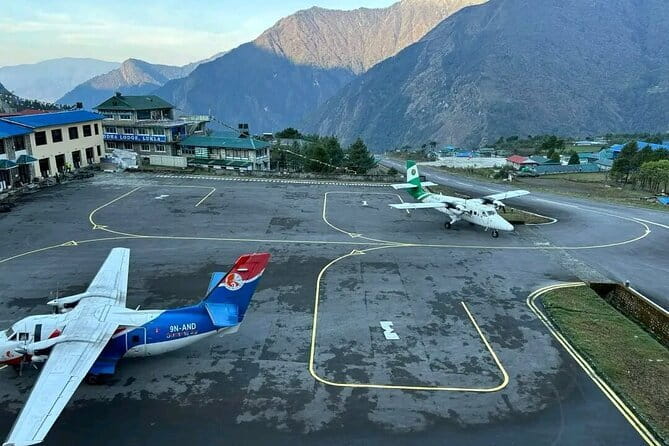
On Day 2, your guide picks you up at the hotel and takes you to the domestic terminal. The flight to Lukla is one of the trip’s memorable moments, as Lukla is known for its short, difficult airstrip and demanding mountain approach.
After landing, you meet the porters and begin walking. The first trekking day lasts about five hours. It is a smart introduction to the route because the altitude is still lower than the days ahead, while the villages and river valleys immediately give you a sense of the Khumbu region.
The flight is weather-sensitive. The cancellation terms state that poor weather may lead to a new date or a full refund, but you should still allow emotional and practical flexibility. A delayed Lukla flight can affect the whole schedule.
Namche Bazaar and the first acclimatization day
Day 3 follows the Dudh Koshi River, with several suspension bridge crossings along the way. You stop for lunch in Jorsalle village, then continue toward Namche Bazaar for a walking day of about six hours.
Namche is the main trading and resting center on this route. Its position makes it an important altitude stop, not just a convenient overnight village. You begin to notice the difference here: the walking pace slows, climbs feel sharper, and every drink of water matters more.
Day 4 is the first rest day. The plan includes a short hike to the Syangboche viewpoint or the Everest viewpoint, giving you a chance to gain height during the day and sleep lower at Namche.
That is the logic behind the schedule. You are not trying to set a speed record. You are giving your body time to respond before heading higher. The walk is listed at about four hours, so it is active without being another full travel day.
The company’s guides are an important part of this stage. Nabin and Shanta are associated with the trip, and the feedback about their encouragement, care, and attention to safety is especially relevant here. Altitude problems can begin before the highest camps, so a guide who pays attention to how you are walking and feeling has real value.
Tengboche and Dingboche among the high peaks
Day 5 takes you toward Tengboche, with about six hours of walking. This section is known for its mountain views, including Everest, Ama Dablam, Thamserku, and Taboche.
The description calls it one of the best walks of the trip, and that makes sense. You are not just walking toward a destination. You are moving through an open mountain setting where the peaks become part of the route itself.
Tengboche is an important stop on the Everest route, and the overnight stay breaks up the climb toward the higher villages. You should still expect basic accommodation and simple meals rather than hotel comfort.
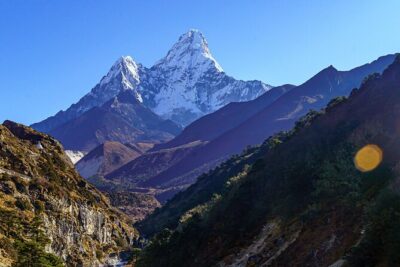
On Day 6, you walk around five hours to Dingboche. The route passes Pangboche and Sanasa, and Ama Dablam is a major visual companion along the way. This is described as the shortest walking day, with arrival around lunchtime.
Dingboche is a useful place to pause because the route now reaches a much higher zone. The short day gives you a little breathing room before the next acclimatization hike. At these elevations, a four-hour walk can feel far more demanding than a longer stroll at home.
More treks starting in Kathmandu:
- Nagarkot Sunrise View and Day Hiking from Kathmandu
★ 5.0 · 471 reviews - Annapurna Circuit Trek with Tilicho Lake
★ 5.0 · 368 reviews - Everest Base Camp Trekking – 13 Day
★ 5.0 · 365 reviews - Everest Base Camp Trek -14 Days
★ 5.0 · 321 reviews
The Nangkartshang Hill acclimatization hike
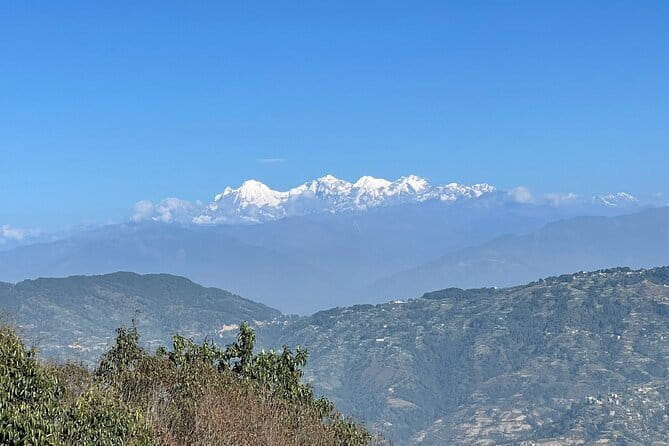
Day 7 is the second rest day, but the plan uses it for an optional-style acclimatization hike toward Nangkartshang Hill, around 5,000 meters high. The route offers views into the Imja Tse Valley and toward Island Peak and Ama Dablam.
This is one of the most useful parts of the schedule. The day helps you test how your body reacts before the final push to Base Camp. You can expect thinner air, slower steps, and a clear need to conserve energy.
The word rest can be misleading here. You are still climbing a substantial hill at high altitude. Your guide should help judge how far you should go, and you should not treat the listed viewpoint as a target you must reach at any cost.
The main practical lesson is to walk slowly and speak up early if you feel unwell. The trip includes a medical kit and required medicine, but that does not remove the need for personal travel insurance with trekking and rescue coverage.
Lobuche, Thukla Pass, and the memorial stones
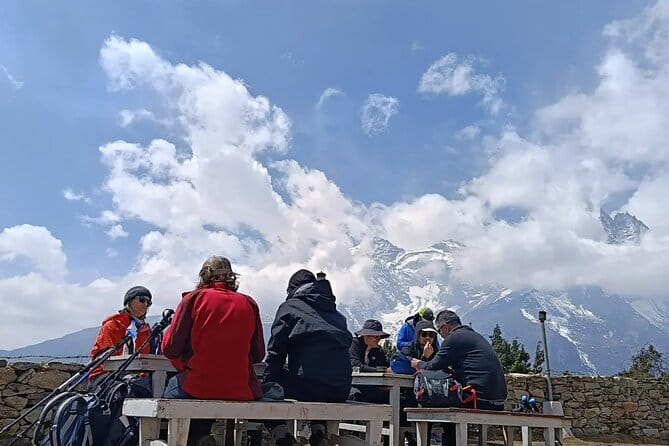
Day 8 leads to Lobuche, with about six hours on foot. You pass Thukla and Thukla Pass, where monuments honor climbers who died in the Himalayas.
This section changes the mood of the trek. The memorials are a quiet reminder that Everest is not simply a scenic goal or a social-media backdrop. The mountain demands respect, and the route’s high point is still ahead.
You stop for lunch at Lobuche before continuing to the overnight accommodation. Conditions become more severe as you climb, and the basic nature of the lodges matters more here. Bring the personal items you need for warmth and comfort, since the included package does not cover personal expenses or extra food and drinks.
The trek includes dinner, breakfast, and specified lunches, but extra items at meals are not included. Alcoholic and non-alcoholic bar drinks are also your responsibility. Those small purchases can add up at altitude, so carrying a little spending money is wise.
Everest Base Camp at 5,463 meters
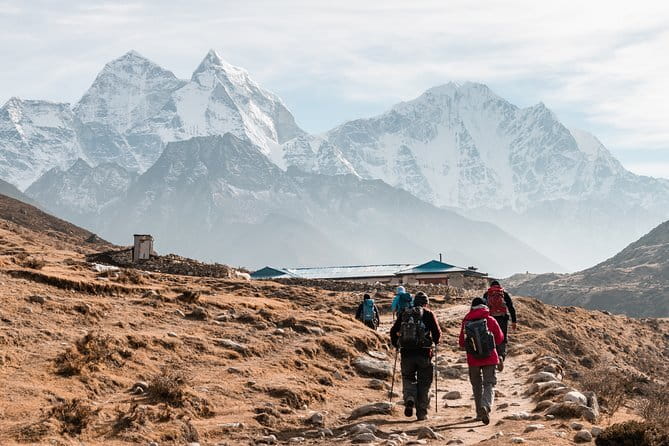
Day 9 is the longest and most demanding day in the itinerary. You walk from Lobuche to Gorek Shep in the morning, have a light lunch, then continue for about two hours toward Everest Base Camp.
Base Camp sits at 5,463 meters, on the Khumbu glacier. Its exact position changes as the glacier moves, so the place you reach is not a permanent platform with one fixed appearance. That shifting setting is part of what makes the destination feel real rather than staged.
You should not expect to see the summit route in the same way climbers do from Base Camp. The major reward is reaching the foot of the mountain expedition zone, standing among the glacier and high peaks, and understanding how far you have come on foot.
The return to Gorek Shep follows the Base Camp visit. At this height, the same path back can feel slow and tiring. A strong guide helps keep the group together and watches for signs that someone needs assistance.
One important point: the company’s own feedback includes a case where altitude sickness prevented a person from reaching Base Camp. That is not a failure. Turning around is the correct choice when your health is at risk. You should book this trip with the understanding that safety comes before the endpoint.
Kala Patthar at sunrise
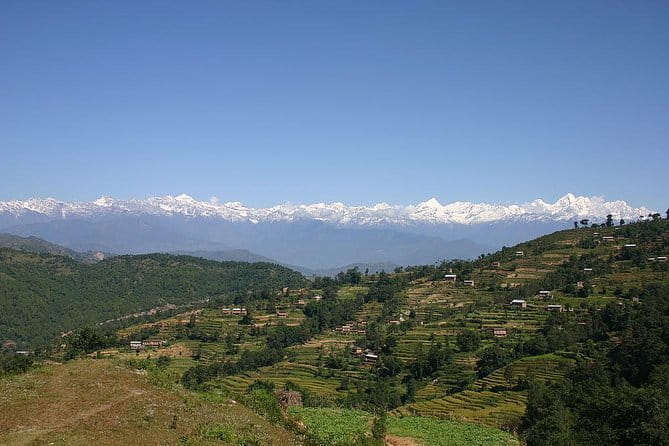
Day 10 starts early, after tea, with a climb to Kala Patthar. At 5,450 meters, it is slightly lower than Everest Base Camp but often provides the closer and more recognizable view of Everest.
The aim is a sunrise mountain view, followed by time at the top for photographs and a short rest. You then descend to Gorek Shep for breakfast before continuing down the trail.
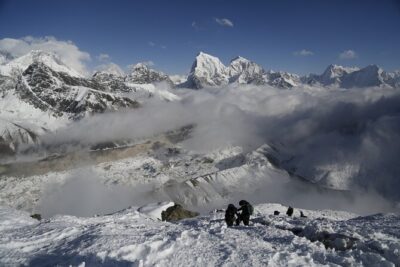
This early start is demanding because you have just completed the Base Camp day. Yet Kala Patthar is often the visual high point of the whole route. From here, you can take in Everest and the surrounding peaks without the same glacier setting that defines Base Camp.
You need warm clothing, a headlamp if required by your personal kit, and enough patience for a slow climb. The supplied information does not specify a full equipment list, so ask the operator what you must bring before departure.
The long descent to Namche and Lukla
Day 11 takes you back toward Namche Bazaar, passing Pangboche and Tengboche. The walk lasts about six hours, with lunch at Phortse Tenga before you reach Namche.
The descent is easier on your lungs but not always on your knees. After several high days, you may feel tired, and the trail can still be uneven. Reaching Namche brings a welcome change in atmosphere, with bars and pubs available for those who want a social evening.
Day 12 is the final trekking day, but it is not short. The walk from Namche to Lukla takes about seven to eight hours, with lunch in Phakding.
The planned celebration in Lukla includes making the porters happy. This is a good moment to recognize the staff who carry much of the practical burden of the trek. Tips are listed as compulsory, so budget for them from the beginning rather than treating them as an unexpected cost.
Return flights, meals, and what the price covers
Day 13 begins with an early trip to the airport, depending on flight timing. After returning to Kathmandu, a private driver transfers you to the hotel, leaving a full rest day.
Day 14 is your departure day, with breakfast provided before your flight home. The itinerary also leaves room to think about returning to Nepal for another trek, though your international flight is not included.
At $1,680 per person, the package includes:
- Airport pickup and private Kathmandu transportation
- Flights to and from Lukla for you and the guide
- Licensed trekking guide and required porters
- Staff salaries and trekking expenses
- Government taxes and VAT
- Khumbu Municipality charges
- Sagarmatha National Park entrance fee
- Medical kit and required trekking medicine
- Thirteen breakfasts
- Thirteen dinners
- Eleven lunches
You still pay for personal expenses, bar bills, extra meal items, tips, Nepal’s entry visa, international flights, departure tax, travel insurance, and emergency rescue operations.
That is a fair amount of coverage for the price, especially because permits, staff, domestic flights, and meals are not minor costs. The value is strongest if you want one company handling the complicated parts. It is less attractive if you already have local contacts, your own porter arrangements, or a strong desire to design every day yourself.
Who should book this trek
I would recommend this trip to someone who wants the classic Everest route with a private group and practical support already arranged. It suits you if you are fit, comfortable with long walking days, and ready for basic conditions at high altitude.
It is not the right choice if you want guaranteed access to Base Camp, luxury accommodation, a relaxed walking schedule, or a trip with no weather risk. The two rest days help, but they do not turn the trek into an easy holiday.
The experience also suits people who value local support. The positive feedback about Nabin, Shanta, and the wider guide and porter team points to friendly encouragement, careful organization, and help when the route becomes difficult. You should still confirm who your personal guide will be before departure.
Booking confirmation is provided at the time of purchase. The activity begins at 12:45 pm, although the Day 1 airport pickup and Day 2 flight transfer have their own timing. Free cancellation is available up to 24 hours before the start time. Poor weather or failure to meet the minimum number of participants can lead to a new date, another experience, or a full refund.
Should you book the 14-day Everest Base Camp Trek?
Book it if you want the famous Everest Base Camp route, a sunrise climb of Kala Patthar, two acclimatization stops, and a local team managing the main logistics. The package gives you strong practical value for $1,680, especially with flights, permits, porters, meals, and transfers included.
Before paying, confirm the current Lukla flight plan, accommodation standard, personal equipment list, rescue arrangements, and the identity of your guide. If you accept the altitude risk and prepare properly, this is a focused way to experience the Sherpa villages, high mountain trails, and the foot of Everest without arranging every detail alone.
FAQ
How long does the Everest Base Camp Trek last?
The trek lasts approximately 14 days, including arrival and departure days in Kathmandu, the Lukla flights, the walking route, and the return to Kathmandu.
Where does the experience begin?
The experience begins in Kathmandu, Nepal. Airport pickup is provided from Tribhuvan International Airport.
Is Lukla airfare included?
Yes. Round-trip flights between Kathmandu and Lukla are included for the clients and guide, subject to flight conditions.
Is airport transportation included?
Yes. Airport pickup and private transportation in Kathmandu are included. A private driver transfers you to your hotel after the return flight from Lukla.
What meals are included?
The package includes 13 breakfasts, 13 dinners, and 11 lunches. Extra items ordered during meals are not included.
Are trekking permits and government fees included?
Yes. The package includes Khumbu Municipality charges, the Sagarmatha National Park entrance fee, government taxes, and VAT.
Are guides and porters included?
Yes. An experienced licensed guide and required porters are included, along with their salaries and trekking expenses.
Do I need travel insurance?
Yes. Travel insurance is not included, and you are responsible for arranging it. Emergency rescue operations are also excluded from the price.
Is strong physical fitness required?
Yes. The tour information states that you should have a strong level of physical fitness. The route includes long walking days and altitudes up to 5,463 meters.
What is the cancellation policy?
You can cancel up to 24 hours before the experience start time for a full refund. Weather cancellation or failure to meet the minimum number of participants may result in a different date, another experience, or a full refund.
Recently added around Kathmandu
- Kathmandu : Swambhunath & Durbar Square Guided Half Day Tour★ 3.3 · 3 reviews
- Private Day Tour in Kathmandu Valley Rim with Bhaktapur Sightseeing★ 5.0 · 3 reviews
- From Kathmandu / Pokhara / Chitwan: River Rafting – 1 Day★ 4.6 · 3 reviews
- Nepali Cooking training & Cultural Homestay Experience★ 5.0 · 3 reviews
- Private 3-Hour Nagarkot Sunset Tour from Kathmandu★ 3.5 · 3 reviews
- From Kathmandu: Everest Base Camp Landing Helicopter Tour★ 5.0 · 3 reviews
- 4 UNESSCO World heritage sites of Kathmandu-private tour★ 5.0 · 3 reviews
- From Kathmandu Budget: 15 Day Everest Base Camp Trek★ 5.0 · 3 reviews
Everest Base Camp Treks, compared.
Everest Base Camp Helicopter Tour landing at Everest View Hotel
Read our review →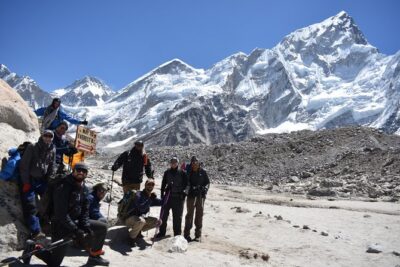
Everest Base Camp Helicopter Tour landing at Hotel Everest View
Read our review →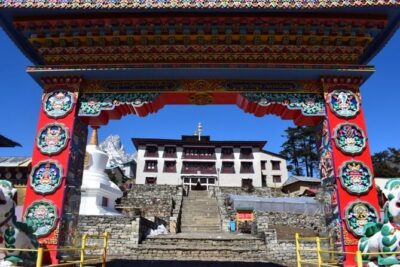
Browse the lists this tour appears in