
Reviewed · HIKING & TREKKING
3 Days Kalinchowk Trekking from Kathmandu
Kalinchowk gives you a quick taste of the Himalaya without asking for a week away from Kathmandu. The trip combines a long bus ride, a mountain walk to Kuri, and a short climb to Kalinchowk Bhagwati Temple, where snow and Himalayan peaks can transform a simple weekend into a proper mountain escape.
I like the private format, since your English-speaking guide can adjust the pace and help with permits, transport, and the small decisions that matter on a short trek. I also like that accommodation and official arrangements are handled, while meals remain your choice.
The main drawback is the packed schedule. Day one takes about 10 hours and Day three about 9 hours, with public buses involved. This is a moderately easy trek on foot, but the overall trip can still feel tiring.
In This Review
- Key points to know before booking
- Why Kalinchowk works as a three-day escape
- Day one: Kathmandu to Charikot and onward to Kuri
- Day two: the short climb from Kuri to Kalinchowk
- Day three: back to Charikot, then the long ride to Kathmandu
- What the $290 price really covers
- The guide and the private-trip advantage
- Food, lodging, and comfort on the trail
- Fitness, weather, and what to pack
- Who should choose this Kalinchowk trek?
- Should you book the three-day Kalinchowk trip?
- FAQ
- How long is the Kalinchowk trek from Kathmandu?
- Is this a private tour?
- Are meals included?
- What accommodation is provided?
- Are transportation and permits included?
- What happens if bad weather cancels the trek?
Key points to know before booking
- Kalinchowk is a short Himalayan break from Kathmandu: You reach the mountain area in only three days, making it practical for a limited holiday.
- The private guide is part of the value: An English-speaking guide arranges permits and official documents and travels only with your group.
- The longest effort comes on day one: Expect about four hours by bus followed by a trek to Kuri, for roughly 10 hours in total.
- Kuri is more than a place to sleep: It is a scenic mountain stop and one of the most memorable parts of the route.
- Meals are not included: You can choose what to eat, but you must budget separately for food and personal costs.
- The trip costs $290 per person: That covers private guiding, public transport, permits, and guest-house accommodation, but not meals.
Why Kalinchowk works as a three-day escape
Kalinchowk is a good choice when you want mountain scenery but do not have time for a long Himalayan route. From Kathmandu, you travel toward Charikot, continue to Kuri on foot, and then climb to Kalinchowk. The route is short enough for a long weekend, yet it gives you snow, high-country views, village stops, and a mountain temple.
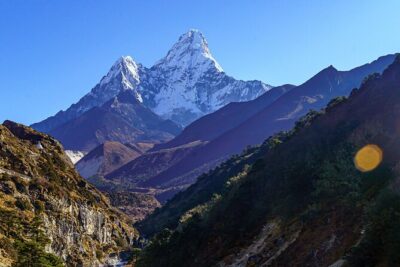
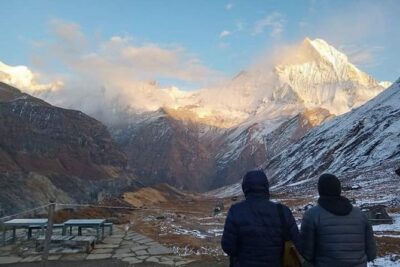
The views are the central reward. From the trek, you may see the snow-capped ranges of Langtang, Ganesh Himal, and Gaurishanker. The exact clarity of those views depends on weather, so it is wise to think of the mountains as a bonus rather than a guaranteed backdrop.
This is not a wilderness expedition or a demanding multi-day climb. The walking is described as moderately easy, which suits people with a reasonable level of fitness who are comfortable spending long hours outdoors. Still, do not confuse an easy walking grade with an easy holiday. The bus journeys, uphill sections, and early starts can take energy.
The Kalinchowk Bhagwati Temple adds a cultural reason to make the climb. It is a well-known religious site at the top, and the combination of temple, snow, and mountain views gives the destination more character than a simple viewpoint stop.
More treks starting in Kathmandu:
- Everest Base Camp Trek – 14 Days
★ 5.0 · 1,499 reviews - Everest Base Camp Trekking
★ 5.0 · 485 reviews - Nagarkot Sunrise View and Day Hiking from Kathmandu
★ 5.0 · 471 reviews
Day one: Kathmandu to Charikot and onward to Kuri
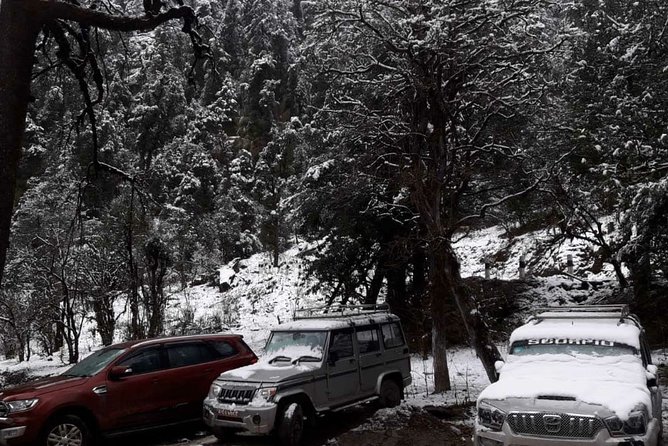
The first day is the hardest to judge from the schedule because it combines transport and trekking into one long stretch. You travel by public bus for about four hours toward Charikot, then continue on foot to Kuri. The full day is listed at around 10 hours.
That timing matters. You will not spend the first day strolling casually into the mountains. The bus takes up a large part of the morning or afternoon, and the walk to Kuri follows. Your guide is especially useful here, since a private trip gives you one person responsible for keeping the day organized and helping with the transfer between road and trail.
Charikot is the main access point in this plan, rather than the final attraction. It is best viewed as the gateway to the higher walking section. The change from bus travel to trekking is part of the experience, but it also means you should keep your day pack easy to carry and avoid packing as if you were checking luggage on a flight.
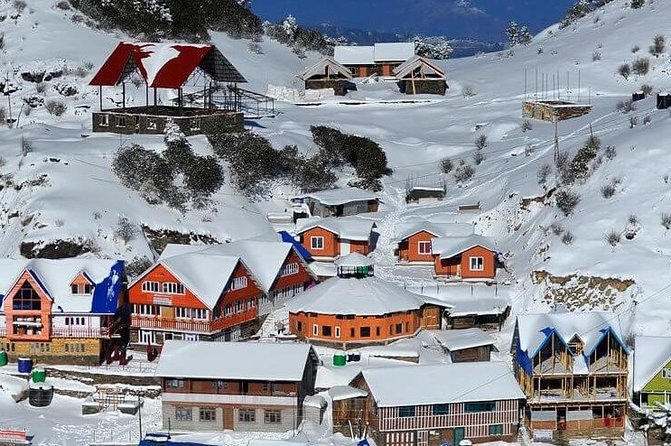
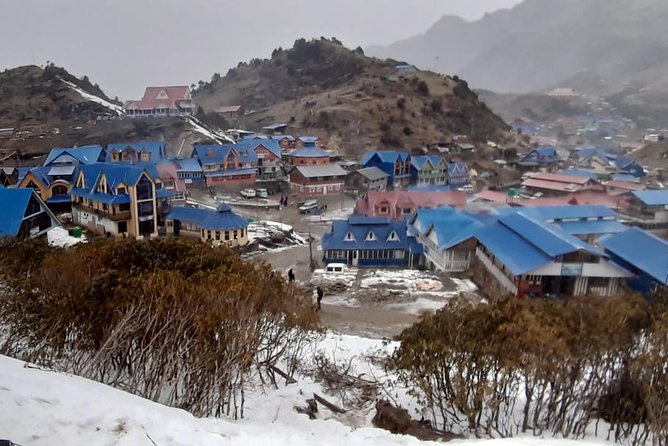
Kuri is one of the appealing parts of the route. The accommodation is in a guest house or tea-house style property, giving you a simple local overnight rather than a standard city hotel. Facilities are not described in detail, so you should expect practical mountain lodging rather than polished comfort.
The first day is also where your food planning matters. Meals are not included, so you select and pay for what you eat along the way. That gives you flexibility, but it means the $290 price is not an all-in budget. Carry some personal spending money and remember that your meals, drinks, snacks, and other individual costs are separate.
Day two: the short climb from Kuri to Kalinchowk
Day two is much shorter on paper, with about two hours of trekking to Kalinchowk. After the long first day, that shorter walking time is welcome. It gives you a chance to focus on the route, the views, and the temple rather than spending the entire day watching the clock.
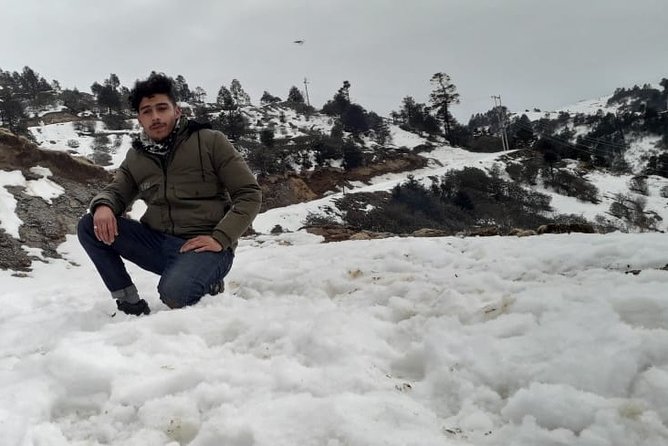
The destination may be covered in snow, depending on conditions. That possibility is one of the reasons this trek has such strong appeal for people seeking a quick winter-style mountain experience. Snow can make the route more atmospheric, but it can also affect walking conditions and weather plans.
At Kalinchowk, the main points of interest are the Bhagwati Temple and the surrounding mountain views. You may see Langtang, Ganesh Himal, and Gaurishanker from the high ground. Clear weather is important, and the operator notes that poor conditions can lead to a change of date or a full refund.
Do not expect a full-day sightseeing program at the summit. The attraction is compact: climb, take in the mountain setting, visit the temple, and enjoy time in the high country. That is exactly why the trip works for a short break. You get a strong visual payoff without committing to a long trekking circuit.
The guide can also make a difference on this day. Rabbin and Ravi are names associated with previous trips, with Rabbin described as friendly and reassuring and Ravi praised for helping keep the walk comfortable. You should confirm your assigned guide at booking, since the information does not promise that either person will lead your particular departure.
Day three: back to Charikot, then the long ride to Kathmandu
The final day reverses the route. You trek back to Charikot and then take a public bus to Kathmandu, with the full day lasting about nine hours. On arrival, the service includes a transfer to your hotel.
This day is mostly about getting home, not adding another major attraction. That is useful to know when planning onward travel. I would avoid scheduling a flight or an important connection immediately after the tour because road travel can be tiring and the day is long.
The return walk gives you one last chance to see the route from a different direction, but the main challenge is stamina. After two nights in the hills, you may be ready for a shower and a quiet meal rather than another activity. The included hotel drop-off is a small but meaningful convenience at the end of a demanding travel day.
The use of public buses keeps the trip more affordable than a private jeep-based itinerary, but it also reduces control over timing and comfort. If you value local transport and want the lower-cost option, that is a fair trade. If you need a smooth, predictable ride, public buses may be the feature you like least.
A few more Kathmandu tours worth comparing
- 3-Day Chitwan National Park Jungle Safari Tour Package with Pick Up
★ 5.0 · 184 reviews - From Kathmandu/Pokhara: 3-Day All-Inclusive Chitwan Safari
★ 4.6 · 133 reviews - Kathmandu: 3-Day Chitwan Safari Tour with Hotel Transfers
★ 4.6 · 127 reviews - Kathmandu/Pokhara: 3 Day Chitwan Jungle Safari Tour
★ 4.7 · 87 reviews
What the $290 price really covers
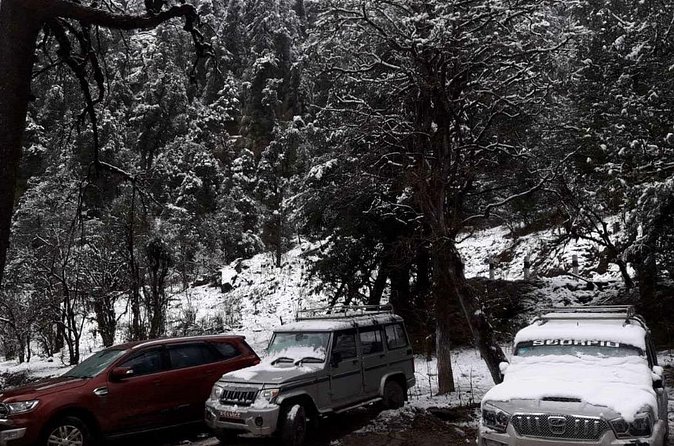
At $290 per person, the trip is not simply paying for three days of walking. The price includes hotel pickup and drop-off in Kathmandu, an English-speaking trekking guide, round-trip public bus transfers, guest-house accommodation, permits, official document arrangements, and a private trip for your group.
That package has clear value if you are starting without a local trekking setup. Arranging buses, permits, lodging, and a mountain guide yourself could take time, especially if you have only three days. A private guide also gives you one point of contact when the route, weather, or transport needs attention.
The price needs more careful thought for independent hikers. Meals and personal expenses are excluded, so your actual budget will be higher than $290. A tip is optional and also not included. Since the trip uses public buses and simple guest-house accommodation, much of the value comes from convenience and organization rather than luxury.
Group discounts are offered, although no discount amount is provided. Since this is a private trip, the cost may make more sense for two or more people sharing the experience than for a solo visitor. Ask how the group rate changes the per-person total before booking.
The trip has a listed rating of 4.9 out of 5 and a 100 percent recommendation rate from 13 ratings. The strongest praise centers on the friendly guides, helpful service, comfortable arrangements, Kuri, and the mountain setting. That does not remove the practical limits of the trip, but it supports the idea that the service side is one of its strengths.
The guide and the private-trip advantage
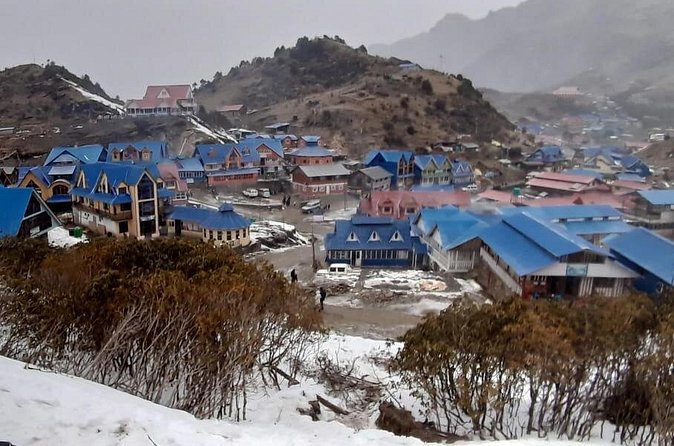
Your English-speaking guide handles trekking permits and official documents, which removes some of the paperwork from your shoulders. The guide also helps coordinate the public bus transfers and the walking schedule.
Private travel matters most on a short itinerary. On a larger group departure, one slow walker or one transport delay can affect everyone. Here, your group travels by itself, so you have a better chance of discussing pace and comfort directly with the guide.
The guide also adds a layer of reassurance for a first trek. One person described feeling secure with Rabbin, while another found Ravi attentive to comfort. Those details suggest that the human side of the service is important to the experience.
Still, the information does not promise a particular guide, room type, menu, or bus standard. I would ask these questions before you pay:
- Who will lead your departure?
- What type of guest house is planned in Kuri?
- How are meals handled along the route?
- What happens if public transport runs late?
- What weather conditions would cause a change?
These are sensible questions for any short trek where every day carries a tight schedule.
Food, lodging, and comfort on the trail
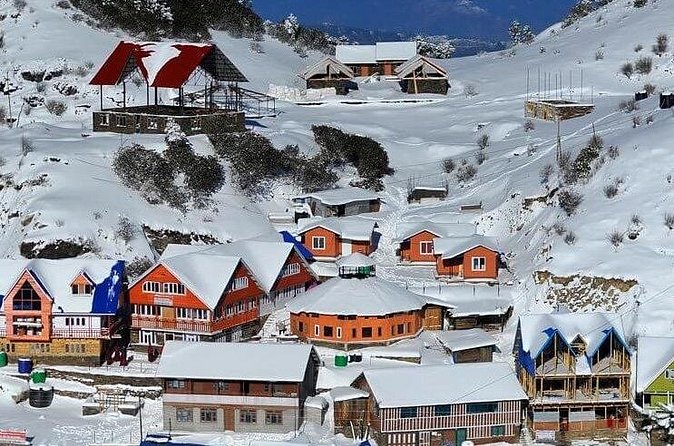
Accommodation is included in a guest house, described as authentic tea-house lodging. That usually means a simple overnight stop designed around trekkers rather than a full-service hotel. The appeal is the local setting and the chance to stay close to the route.
You should pack with basic mountain lodging in mind. The supplied information does not specify private bathrooms, heating, room occupancy, bedding, or hot water, so do not assume hotel-style facilities. Ask the operator if those details matter to you.
Meals are deliberately left out. Some people like this arrangement because it lets them choose food and control their spending. Others prefer a fixed package, especially when hiking and moving between stops. You will need to make your own meal decisions each day and pay for food separately.
That flexibility can also help with dietary needs, but the tour information does not list specific menu choices or dietary services. If you have restrictions, contact Couch Adventure Nepal before departure rather than assuming the tea houses can accommodate them.
Fitness, weather, and what to pack
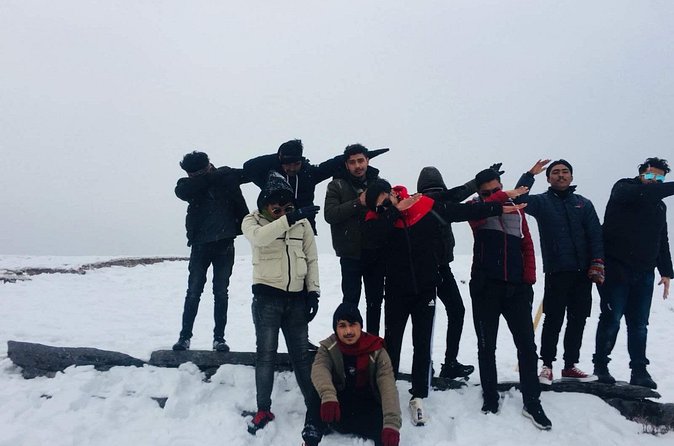
The trek requires a moderate level of physical fitness. The walking itself is described as moderately easy, but day one and day three are long because of the combination of trekking and bus travel.
You should be comfortable walking uphill for around two hours on day two and trekking between Charikot and Kuri on day one. You also need enough stamina to return to Charikot before the long bus ride to Kathmandu.
Weather is a real part of the decision. The experience requires good weather, and a poor forecast can lead to a new date or a full refund. Mountain conditions can change the feel of the route, especially if snow or rain appears.
Useful items include:
- Comfortable walking shoes with dependable grip
- Warm layers for the higher section
- Rain protection
- A small day pack
- Water and personal snacks
- Money for meals and personal expenses
- Any personal medication you need
The information does not specify a baggage limit, so ask how much luggage can travel with you on the bus and trek. For a three-day route, keeping your gear light will make the walking and transfers easier.
Who should choose this Kalinchowk trek?
I would recommend this trip to someone who wants a short mountain experience from Kathmandu and prefers having transport, permits, accommodation, and a guide arranged in advance. It is also a good fit for first-time trekkers who want structure without signing up for a demanding expedition.
It suits couples, friends, and small private groups particularly well. The private format gives you more personal attention, and group discounts may improve the value when several people travel together.
It may not suit you if you want long days deep in the mountains, high-end hotels, private vehicles, or a fully inclusive price. The public buses and long road days are part of the deal. You should also think twice if you dislike basic lodging or want complete certainty about weather and transport times.
The route is best for someone who values a concentrated experience. In three days, you get village scenery, a tea-house night, a mountain walk, a temple, and a chance to see major Himalayan ranges. You do not get a slow, spacious trek, but you do get a practical escape from city traffic and routine.
Should you book the three-day Kalinchowk trip?
Book it if your time is limited and you want a guided introduction to Nepal’s mountain scenery without arranging every detail yourself. The strongest reasons are the private guide, included permits, hotel transfers, simple tea-house accommodation, and the chance to reach Kalinchowk in only three days.
Before booking, make sure you are comfortable with public buses, excluded meals, basic guest-house accommodation, and two long travel days. Ask about your guide, food arrangements, and current road conditions, then leave room in your schedule in case weather affects the departure.
For a quick Himalayan reset, this is a sensible and well-organized choice. It offers genuine mountain atmosphere at a manageable walking level, provided you accept that the journey is as much about road travel and logistics as it is about the summit.
FAQ
How long is the Kalinchowk trek from Kathmandu?
The experience lasts approximately three days. Day one takes about 10 hours, day two about two hours of trekking, and day three about nine hours including the return bus journey.
Is this a private tour?
Yes. Only your group participates, and the tour includes your own English-speaking trekking guide.
Are meals included?
No. All meals and personal expenses are excluded, so you can choose where and what to eat and pay separately.
What accommodation is provided?
Accommodation is included in a guest house, described as authentic tea-house accommodation.
Are transportation and permits included?
Yes. Hotel pickup and drop-off in Kathmandu, round-trip public bus transport, trekking permits, and official document arrangements are included.
What happens if bad weather cancels the trek?
If the experience is canceled because of poor weather, you will be offered a different date or a full refund. You can also cancel up to 24 hours before the start time for a full refund.
Recently added around Kathmandu
- Kathmandu : Swambhunath & Durbar Square Guided Half Day Tour★ 3.3 · 3 reviews
- Private Day Tour in Kathmandu Valley Rim with Bhaktapur Sightseeing★ 5.0 · 3 reviews
- From Kathmandu / Pokhara / Chitwan: River Rafting – 1 Day★ 4.6 · 3 reviews
- Nepali Cooking training & Cultural Homestay Experience★ 5.0 · 3 reviews
- Private 3-Hour Nagarkot Sunset Tour from Kathmandu★ 3.5 · 3 reviews
- From Kathmandu: Everest Base Camp Landing Helicopter Tour★ 5.0 · 3 reviews
- 4 UNESSCO World heritage sites of Kathmandu-private tour★ 5.0 · 3 reviews
- From Kathmandu Budget: 15 Day Everest Base Camp Trek★ 5.0 · 3 reviews
Hiking & Trekking, compared.
Nagarkot Sunrise View and Day Hiking from Kathmandu
Read our review →
Browse the lists this tour appears in