
Reviewed · HIKING & TREKKING
4 Days Pikey Peak Trek : The Best View of Mt Everest
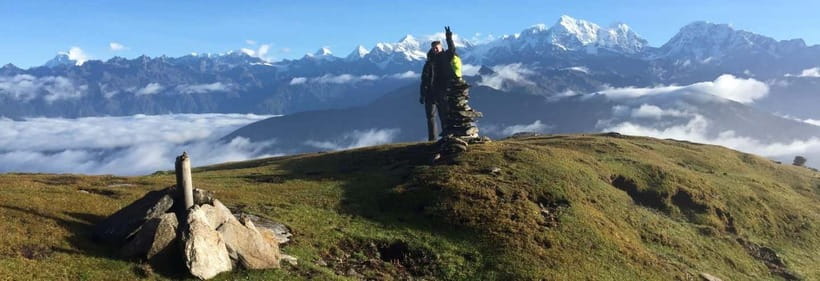
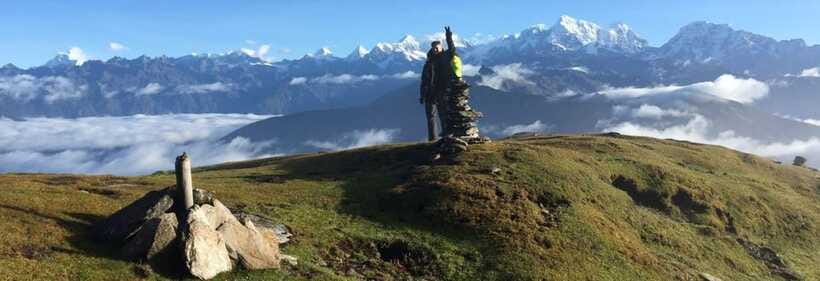
Pikey Peak gives you a big Himalayan view without the crowds and time commitment of the Everest Base Camp route. From the 4,065-meter summit, you can see Everest, Dhaulagiri, and Kanchenjunga on a clear day, with alpine meadows and Sherpa villages filling the foreground.
I like two things right away: the trek fits neatly into four days, and the route brings you close to everyday Sherpa life rather than only famous mountain viewpoints. Guides including Pemba, Sukbir Tamang, and Ngima Sherpa have helped make the trip friendly and well paced for short-time visitors.
The tradeoff is simple: the road journey is long. The drive from Kathmandu to Dhap can take seven to nine hours, and the return takes about eight. You get a short Himalayan trek, but not a short trip from the city.
In This Review
- Key Points
- Why Pikey Peak Works for a Short Himalayan Trip
- The Long Road From Thamel to Dhap
- Jhapre and the Quiet Sherpa Trail
- Sunrise at 4,065 Meters
- Rhododendrons, Meadows, and Seasonal Views
- The Return to Dhap and Kathmandu
- Lodges, Food, Power, and Cash
- Altitude and Fitness: What You Need to Know
- What to Pack for This Four-Day Route
- Guides and the Small-Group Advantage
- Who Should Book This Trek?
- Should You Book the Pikey Peak Trek?
- FAQ
- How long is the Pikey Peak Trek?
- Where does the trek start?
- How high is Pikey Peak?
- Can I see Mount Everest from Pikey Peak?
- What accommodation is provided?
- Are meals included?
- Is a porter included?
- What is the best season for this trek?
- Is there phone service and electricity on the trail?
Key Points
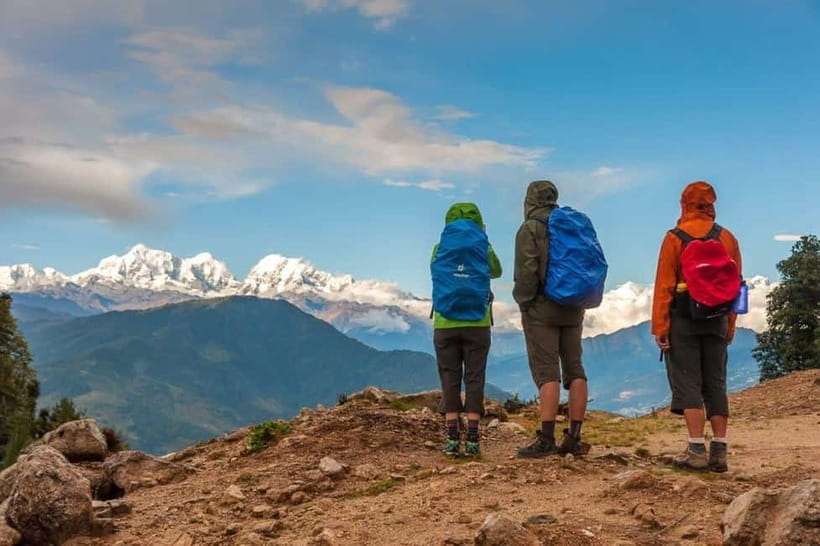
- Sunrise from Pikey Peak: Start early for the best chance of seeing Everest and the wide Himalayan chain in morning light.
- A four-day route: This is a compact introduction to high-altitude trekking, with roughly two to seven hours of walking each day.
- Sherpa culture along the trail: Kerung, Jhapre, Buddhist monasteries, stupas, and traditional villages give the walk a strong local character.
- Three major mountain names: Clear skies may reveal Dhaulagiri to the west, Everest near the center, and Kanchenjunga to the east.
- Small groups: The group is limited to eight people, with an English-speaking trekking guide.
- Basic but useful comforts: Teahouses provide twin rooms, blankets, breakfast, and simple meals, though hot showers and electricity can cost extra or be limited.
Why Pikey Peak Works for a Short Himalayan Trip
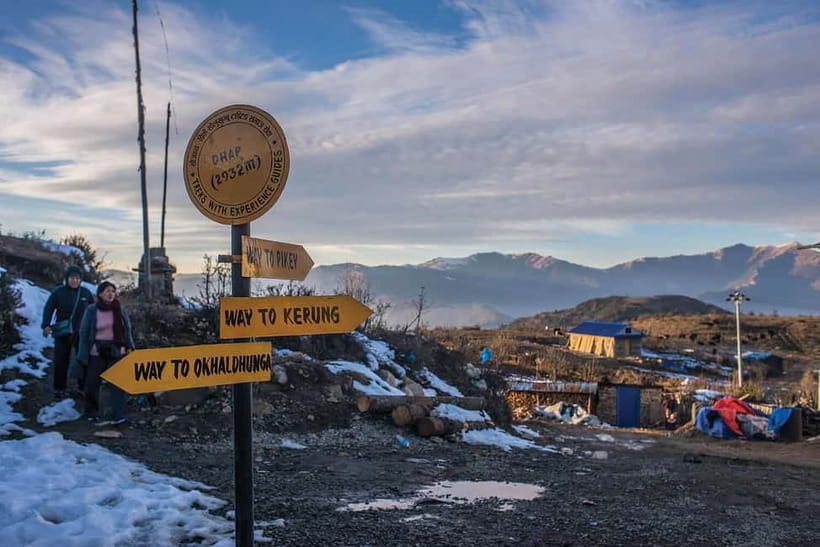
The Pikey Peak Trek is aimed at people who want a real mountain walk but cannot give Nepal two weeks. You hike through the Lower Khumbu region, sleep in local lodges, and reach a summit above 4,000 meters, all within four days.
That makes it especially useful for first-time trekkers, families, photographers, bird watchers, and anyone using Kathmandu as a base. You are not signing up for a technical climb. The route is described as moderate, but the altitude still matters, and the summit day requires a good level of fitness.
The price is $350 per person. That includes a guide, permits, government taxes, hotel pickup and drop-off in Kathmandu, a private jeep or van between Kathmandu and Dhap, lodge accommodation, and breakfast. Meals, drinks, a porter, and personal expenses come separately.
I consider that a fair package price, mainly because the private road transport and guide are included. The value is less attractive if you expect a fully catered trek or porter service. You should budget extra for lunch, dinner, drinks, showers, snacks, and cash purchases along the route.
More treks starting in Kathmandu:
- Everest Base Camp Trek – 14 Days
★ 5.0 · 1,499 reviews - Everest Base Camp Trekking
★ 5.0 · 485 reviews - Nagarkot Sunrise View and Day Hiking from Kathmandu
★ 5.0 · 471 reviews
The Long Road From Thamel to Dhap
Your first morning begins with pickup in Thamel. The drive toward Dhap follows the Sunkoshi River and passes through terraced rice fields, forest, and rural settlements. It is a useful change of scene from Kathmandu, but it is not a quick transfer.
The road trip takes about eight hours in the stated schedule, with general guidance allowing seven to nine hours. A private jeep or van gives your group more control than a public bus, but mountain roads can still make this a tiring day.
You then walk for about two hours toward Jhapre. This first section helps break up the drive and gives you an early taste of the route. Kerung, a Tibetan-influenced village, is one of the notable stops, with Buddhist monasteries and wild orchids in the surrounding area.
You sleep in a local lodge at Jhapre. Do not expect luxury. The accommodation is basic but cozy, with twin-sharing rooms and blankets. If you sleep cold, bringing your own sleeping bag is sensible.
Jhapre and the Quiet Sherpa Trail
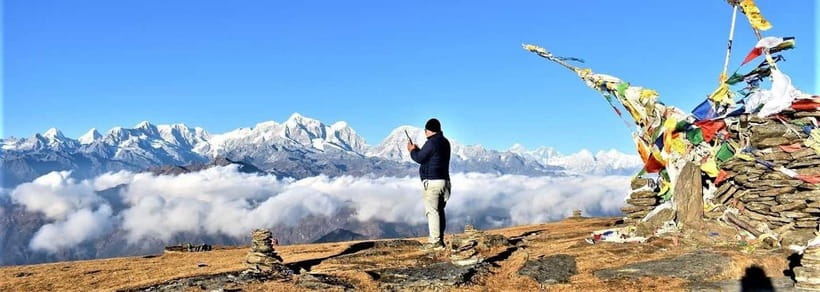
Day two is the first proper mountain day. You hike from Jhapre to Pikey Base Camp, gaining height through forests and open sections with stone walls, stupas, and old Buddhist monasteries.
The walk takes about six hours. That is long enough to feel like a genuine trek, but still manageable for many people who are comfortable walking uphill for most of a day. You should set a steady pace instead of trying to race ahead early.
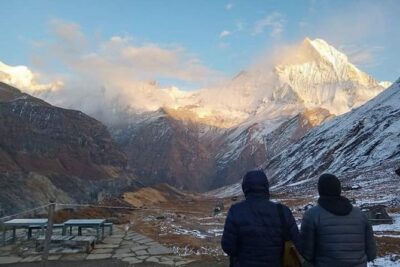
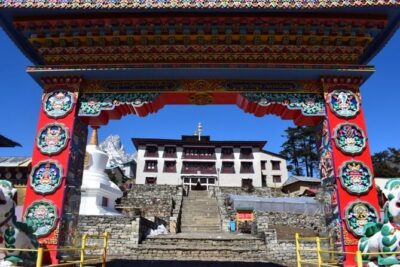
The route gives you a better sense of local life than a viewpoint-only outing. You pass through Sherpa villages and see religious sites that remain part of the community, rather than simply stopping at a photo point. The Tibetan influence around Kerung and the Buddhist structures along the route add cultural interest to what could otherwise be a straightforward mountain walk.
Pikey Base Camp sits at 3,640 meters. It is the second-highest point of the trip and an important place to rest before the summit. The high altitude setting is peaceful, though the air may feel noticeably thinner than it did at Jhapre.
Your meals are not included, so you pay as you go at the lodges. Common food includes dal bhat, noodles, soup, eggs, potatoes, Tibetan bread, tea, and coffee. These are plain meals, but they are well suited to a walking trip and give you familiar choices if your appetite is not at its best.
Sunrise at 4,065 Meters
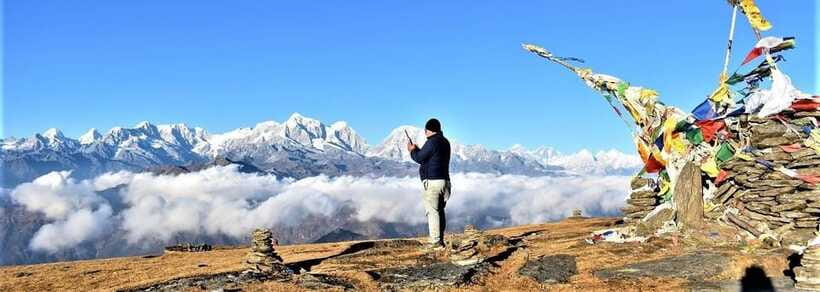
The summit morning is the main event. From Pikey Base Camp, you hike for about an hour and a half to reach Pikey Peak, at 4,065 meters. The exact pace depends on the group and trail conditions, but this is an early start if you want sunrise.
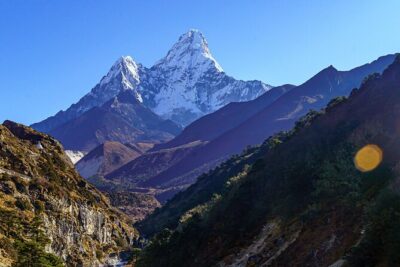
At the top, the reward is a broad mountain panorama. On clear days, you can see Kanchenjunga in the east, Dhaulagiri in the west, and Mt. Everest among the Himalayan peaks. The appeal is not only the height of Pikey Peak, but the way the ridge opens the view across a large section of Nepal.
This is where the trek earns its reputation as a strong Everest-view option. You do not need to spend days walking toward Everest Base Camp to see the world’s highest mountain. The view is never guaranteed, though. Clouds, haze, and changing weather can hide the peaks, especially outside the clearest seasons.
After time at the summit, you descend to Pikey Base Camp and continue to Jhapre. The full day involves about six to seven hours of hiking, so the return is not an easy stroll after the summit. Your knees will notice the downhill, and you should keep water and snacks within reach.
Sleeping lower at Jhapre after the summit is also useful from an altitude point of view. Pikey Peak is considered moderate compared with much higher Himalayan routes, but 4,065 meters is high enough to cause headache, nausea, or fatigue.
A few more Kathmandu tours worth comparing
- 4 Days Poon Hill Trek
★ 5.0 · 94 reviews - 4-day Poon Hill Trek
★ 5.0 · 74 reviews - 3 Nights 4 Days Chitwan National Park with Tower Night Stay
★ 5.0 · 41 reviews - 3 night 4 Day Yoga & Ayurveda Retreat to Detox the Body & Mind, Nepal
★ 5.0 · 37 reviews
Rhododendrons, Meadows, and Seasonal Views
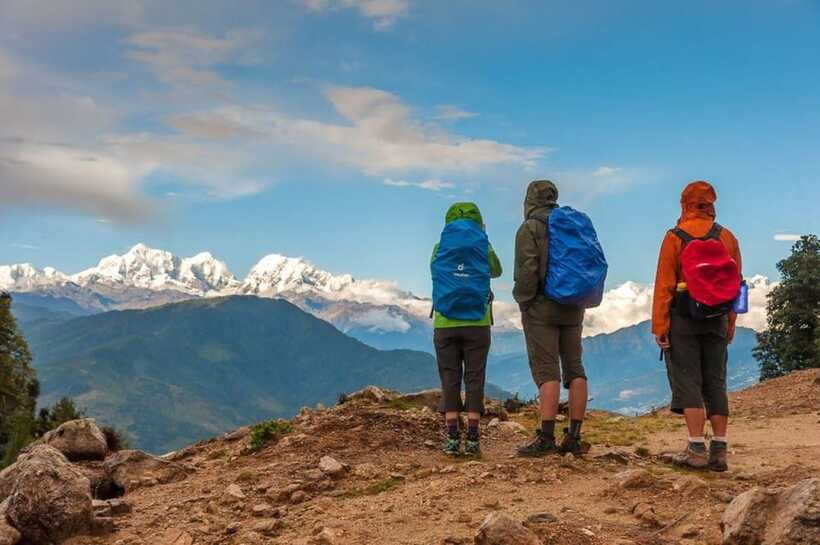
The natural setting changes as you walk. Rhododendron forests are a major feature, especially in spring when the flowers are in bloom. Alpine meadows open up higher on the route, creating a different feel from the forested sections below.
Spring, from March through May, is the best period for rhododendron color and often offers good mountain views. Autumn, from September through November, is generally favored for visibility and weather. Winter can bring clear skies too, but temperatures are cold, particularly at night and around base camp.
Summer conditions are not given as a preferred season, so you should be ready for the possibility of less reliable mountain views and wetter trails. The available experience dates include July and August, showing that the trek can operate then, but clear summit views remain dependent on weather.
Bring sunglasses, sunscreen, and a hat even when the morning feels cold. Sun exposure becomes stronger at altitude, and a waterproof shell is useful because conditions can change quickly.
The Return to Dhap and Kathmandu
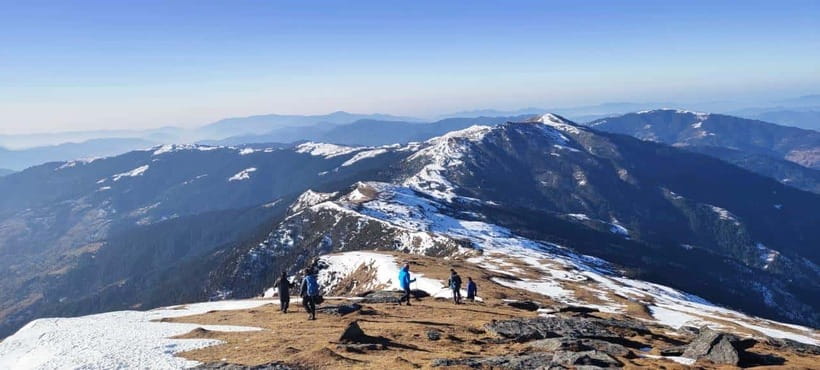
After breakfast on day four, you walk back to Dhap. The stated walking time is about two hours, followed by the long drive to Kathmandu.
This final morning is short compared with the summit day, but the road trip is another full commitment. The return drive takes about eight hours, and you arrive back in Thamel at your hotel.
I would not plan an important evening activity in Kathmandu after this trek. Road conditions and delays can affect the arrival time, and you will probably want a shower and a quiet meal anyway. The return journey is the main weakness of the four-day design, but it is also what makes this route possible in a short holiday.
Lodges, Food, Power, and Cash
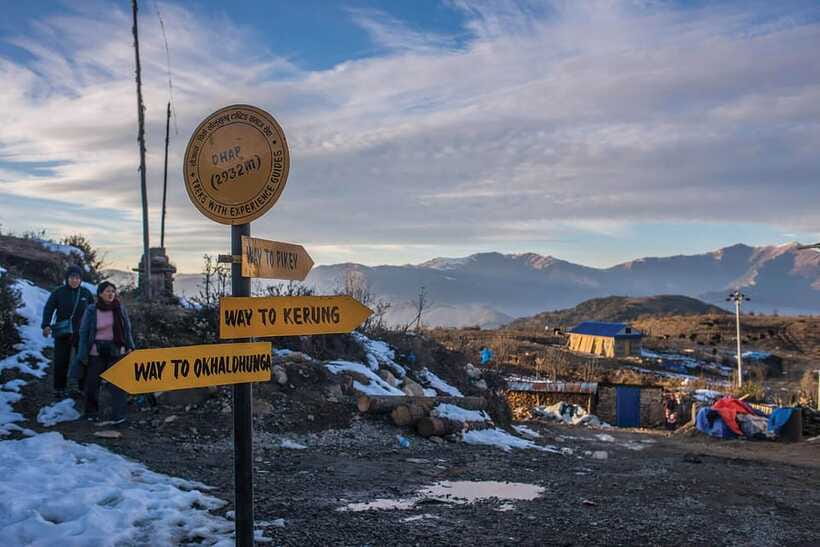
The lodges are basic, with twin-sharing rooms and blankets. You can bring a sleeping bag if you prefer your own bedding, and I would recommend one for extra warmth in colder months.
Food is available at the teahouses, but meals and beverages are not included in the $350 price. Carry some snacks such as nuts or energy bars, especially for the longer walking days. Tea, coffee, soup, noodles, potatoes, eggs, Tibetan bread, and dal bhat give you enough choice for a short stay.
Hot showers are available in some lodges for an extra charge. Electricity is limited or supplied by solar power, so bring a power bank and charge devices whenever an outlet is available. Phone service from NTC and Ncell works in many villages, though it can be patchy.
There are no ATMs on the trail. Bring enough Nepali rupees before leaving Kathmandu. This covers food, drinks, showers, tips, snacks, and other personal expenses.
Altitude and Fitness: What You Need to Know
Pikey Peak is a moderate-altitude trek, not a technical mountaineering trip. Still, you climb to 4,065 meters in a short time, so you should take the altitude seriously.
The safest habits are simple:
- Drink plenty of water.
- Walk slowly and keep your pace steady.
- Avoid alcohol.
- Tell your guide if you develop a headache, nausea, or unusual fatigue.
- Carry basic altitude and stomach medicine in your personal kit.
The route suits beginners who are reasonably fit, but four days does not mean four easy days. Day two takes about six hours, summit day takes six to seven hours, and the road transfers are tiring in a different way.
Pregnant women should not take this activity. You should also think carefully about the trip if you have a medical condition affected by altitude or long road travel, and speak with a medical professional before booking.
What to Pack for This Four-Day Route
Pack light, but do not cut corners on warmth and rain protection. Your core clothing system should include a base layer, fleece, down jacket, and waterproof shell.
You should also bring:
- Broken-in trekking boots
- Gloves, hat, and buff or scarf
- Sunglasses and sunscreen
- Headlamp
- Water purification tablets or a filter
- Energy bars or nuts
- Sleeping bag, if you prefer your own
- Small first-aid kit
- Passport or ID card
- Toiletries
- Camera
- Power bank
Good boots matter more than fancy equipment. The route includes forest paths, open ridges, descents, and long walking days, so blisters can quickly spoil the experience.
Guides and the Small-Group Advantage
The tour uses an English-speaking trekking guide and limits groups to eight people. That is a sensible size for narrow trails and for keeping the pace manageable.
Guides named in the experience include Pemba, Sukbir Tamang, and Ngima Sherpa. Pemba helped one visitor enjoy the trek at a comfortable pace, while Sukbir Tamang was specifically praised for keeping the group happy during the long route. Ngima Sherpa is also noted as friendly, with strong views from the summit.
A small group gives you more room to ask questions about monasteries, villages, and the mountains. It can also make the long drives less awkward than traveling in a large coach. Still, your experience will depend partly on who joins the group and how evenly everyone walks.
Who Should Book This Trek?
I would choose this trip if you have four days, want an Everest view, and prefer quieter trails to the famous routes around Namche Bazaar. It also suits you if Sherpa villages, Buddhist sites, and forests matter as much as the summit photograph.
Families with older children may find it appealing, but the altitude, long walking days, and road transfers need to match the group’s fitness. Photographers and bird watchers get a useful mix of forest, meadow, open ridge, and mountain views.
I would look elsewhere if you want a relaxed holiday with short transfers, hotel-style accommodation, or guaranteed clear views. The trek is compact, but it is not effortless. The private vehicle improves the logistics, yet the road from Kathmandu to Dhap remains long.
The booking terms are flexible: you can cancel up to 24 hours ahead for a full refund, and reserve now without paying immediately. Those policies are useful if your Nepal schedule is still changing, but the bigger booking question is your tolerance for basic lodges and long driving days.
Should You Book the Pikey Peak Trek?
Book it if you want a short, authentic mountain route with a serious summit view and you accept that the journey begins and ends with long road transfers. At $350, the included private transport, guide, permits, accommodation, breakfast, and hotel transfers give the trip solid value.
The best reasons to go are the quiet trails, Sherpa culture, rhododendron forests, and the chance to see Everest from a less crowded viewpoint. The main reasons to hesitate are the basic lodging, extra meal costs, limited electricity, and the demanding summit return to Jhapre.
For a four-day taste of the Himalayas from Kathmandu, this is a practical choice. Aim for spring or autumn, carry cash, pack warm layers, and keep your summit morning free for an early start.
FAQ
How long is the Pikey Peak Trek?
The activity lasts four days. The walking sections range from about two hours to seven hours per day, with long drives at the beginning and end.
Where does the trek start?
Pickup is from Thamel in Kathmandu. You then travel by private jeep or van to Dhap Bazaar before beginning the walk toward Jhapre.
How high is Pikey Peak?
Pikey Peak reaches 4,065 meters above sea level. Pikey Base Camp is at 3,640 meters.
Can I see Mount Everest from Pikey Peak?
Yes. On a clear day, the summit offers views of Mt. Everest, Dhaulagiri, and Kanchenjunga, along with other Himalayan peaks.
What accommodation is provided?
You stay in basic teahouses or lodges. Rooms are twin sharing, and blankets are provided.
Are meals included?
Breakfast is included during the trek. Lunch, dinner, snacks, and beverages are not included.
Is a porter included?
No. Porter service is not included, so you should carry your own personal gear unless you arrange and pay for a porter separately.
What is the best season for this trek?
Spring, from March through May, is good for rhododendron flowers and clear views. Autumn, from September through November, is generally best for visibility and weather. Winter is cold but may bring clear skies.
Is there phone service and electricity on the trail?
NTC and Ncell work in most villages, but the signal is patchy. Electricity is limited or solar supplied, so bring a power bank and charge devices when possible.
Recently added around Kathmandu
- Kathmandu : Swambhunath & Durbar Square Guided Half Day Tour★ 3.3 · 3 reviews
- Private Day Tour in Kathmandu Valley Rim with Bhaktapur Sightseeing★ 5.0 · 3 reviews
- From Kathmandu / Pokhara / Chitwan: River Rafting – 1 Day★ 4.6 · 3 reviews
- Nepali Cooking training & Cultural Homestay Experience★ 5.0 · 3 reviews
- Private 3-Hour Nagarkot Sunset Tour from Kathmandu★ 3.5 · 3 reviews
- From Kathmandu: Everest Base Camp Landing Helicopter Tour★ 5.0 · 3 reviews
- 4 UNESSCO World heritage sites of Kathmandu-private tour★ 5.0 · 3 reviews
- From Kathmandu Budget: 15 Day Everest Base Camp Trek★ 5.0 · 3 reviews
Hiking & Trekking, compared.
Nagarkot Sunrise View and Day Hiking from Kathmandu
Read our review →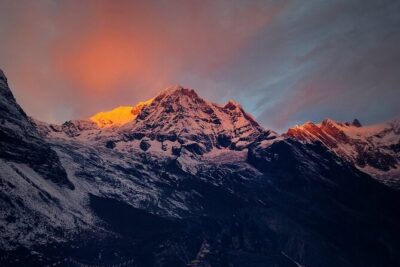
Browse the lists this tour appears in