
Reviewed · EVEREST BASE CAMP TREKS
Everest Base Camp Trek 12 Days – Best Himalayan Adventure
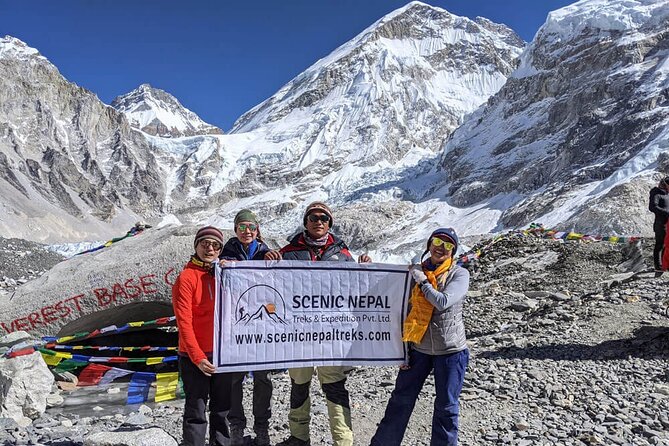
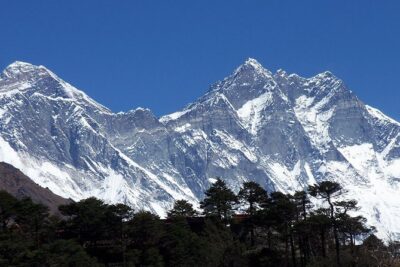
The real prize here is not just reaching Everest Base Camp at 5,364 meters. It is the slow change from Kathmandu streets to Sherpa villages, pine forests, suspension bridges, glacial valleys, and huge views of Everest, Lhotse, Nuptse, Ama Dablam, and Pumori. You walk into the Khumbu rather than simply look at it from a road or airplane.
I like the private format, which gives you a guide focused on your small party, and I like the practical support: domestic flights, permits, tea house lodging, a first aid kit, staff insurance, and porter service for two hikers sharing one porter. The main caution is that the package details are not perfectly clear about meals and porter service, so confirm both before paying.
In This Review
- Key points to know before you book
- From Kathmandu to the Khumbu trail
- Lukla starts the walking adventure
- Namche Bazaar gives you your first high-altitude pause
- Tengboche adds a cultural stop to the mountain scenery
- Dingboche is where altitude becomes serious
- Gorak Shep and Everest Base Camp are the hard-earned highlights
- Kala Patthar provides the big mountain view
- Tea houses keep the trek practical
- Food, permits, and the price need a closer look
- Safety depends on preparation as much as the guide
- Who will enjoy this 12-day route
- Should you book Scenic Nepal Treks for Everest Base Camp?
- FAQ
- How long is the Everest Base Camp trek?
- What is the minimum number of people required?
- How many people can join the trek?
- Is a guide included?
- Are domestic flights included?
- Is accommodation included?
- Is a porter included?
- Are meals included?
- What level of fitness do I need?
- What equipment does the company provide?
- Is vegetarian food available?
- What is the cancellation policy?
Key points to know before you book
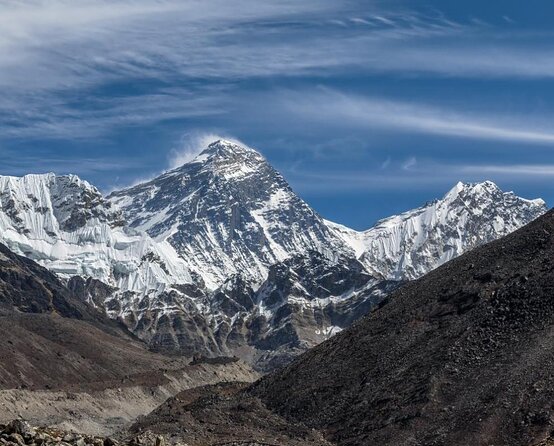
- Everest Base Camp at 5,364 meters: The trek reaches the famous base camp, with an additional high viewpoint at Kala Patthar for mountain views and sunrise.
- Private trekking with a minimum of two people: You need at least two people per booking, while the listed maximum is 15, with another note stating a maximum of 10.
- Sherpa-led route through the Khumbu: Your guide leads you through Lukla, Namche Bazaar, Tengboche, Dingboche, Gorak Shep, and the Everest area.
- Tea house lodging for 11 nights: You stay in twin-sharing mountain lodges rather than tents, though comfort and facilities can vary at altitude.
- Flights may use Ramechhap Airport: The return domestic flight is included, but the departure airport can change, so allow flexibility around Kathmandu transfers.
- A demanding trek with real altitude: A moderate fitness level is required, and acclimatization days are built into the route for safety.
From Kathmandu to the Khumbu trail
The trip begins and ends at Scenic Nepal Treks and Expedition in Bhagwati Marg, Kathmandu. The company provides pickup, and the activity returns to the same meeting point at the end.
Kathmandu is your practical launch point. This is where permits, passport details, equipment, and flight arrangements are handled. You will need to provide each participant’s passport name, number, expiry date, and country at booking. That may feel like paperwork, but it is standard and important for domestic flights and trekking permits.
The route begins with a flight toward Lukla. The flight is included, although it may operate from Ramechhap Airport instead of Kathmandu. That distinction matters because Ramechhap is outside central Kathmandu and may require an early road transfer. Ask for the current flight plan before you arrive, especially if you have booked a tight connection with an international flight.
From Lukla, you leave the airport and begin walking through the Khumbu region. The town is more than a transport stop. It marks the sharp change from city travel to foot travel, where your pace, weather, and altitude shape each day.
More ways to trek to Everest Base Camp:
- Everest Base Camp Trek – 14 Days
★ 5.0 · 1,499 reviews - Everest Base Camp Helicopter Tour landing at Everest View Hotel
★ 5.0 · 668 reviews - Everest Base Camp Trekking
★ 5.0 · 485 reviews
Lukla starts the walking adventure
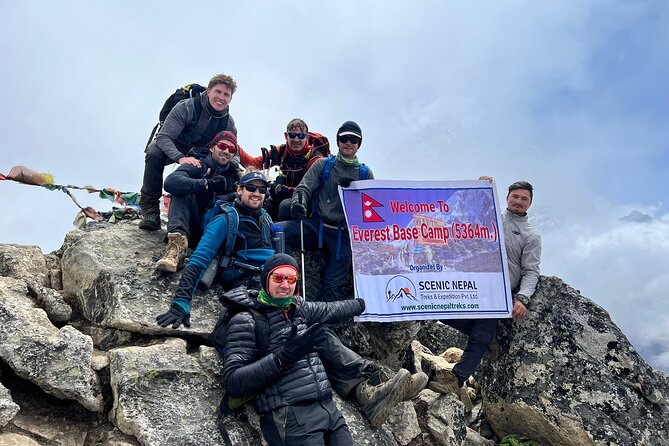
Lukla is the gateway for the trek. From here, the route follows old mountain trails through villages, forest, river crossings, and high valleys.
I like this opening because it gives you an immediate sense of place. You are not eased into the mountains with a long approach road. Once the walking begins, the route quickly feels like a real Himalayan journey.
The first stage is also a useful reminder that this is not a sightseeing tour with a few gentle walks. You carry a daypack, climb and descend repeatedly, and adjust to thinner air as the trail rises. The porter option can make a major difference, especially if you are carrying clothing for cold weather, personal gear, and a sleeping bag.
The package information says porter service is included for two hikers sharing one porter. Elsewhere, the experience is described as offering a porter as an add-on. Confirm the exact arrangement, baggage weight limit, and any extra charge. A private guide does not automatically mean every service is private, and this is one detail worth settling in writing.
Namche Bazaar gives you your first high-altitude pause
Namche Bazaar is the best-known village on the route and an important point for acclimatization. It is a natural place to slow down, rest, and get used to the height before continuing toward Tengboche and Dingboche.
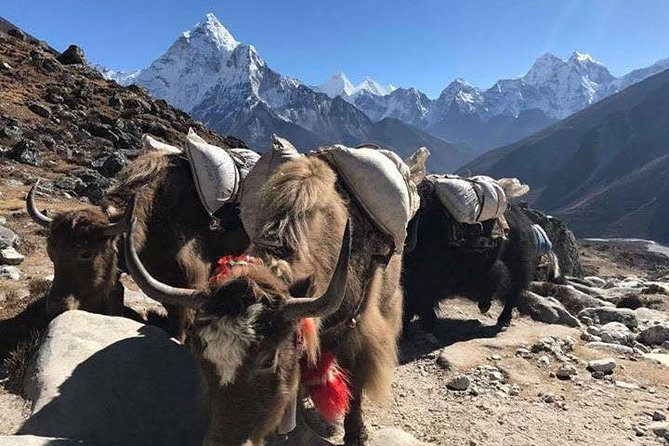
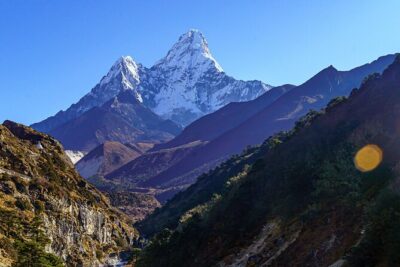
The village is also where the trek starts to feel more remote and more distinctly Sherpa. You have time to experience mountain hospitality, walk through a high-altitude settlement, and take in the first major views. The route is not only about Everest. Ama Dablam, with its sharply shaped peak, becomes one of the visual highlights of the journey.
The built-in acclimatization days are one of the strongest features of this itinerary. They may look like lost walking time when you are eager to move upward, but they are essential. Going too high too quickly can ruin the trek. Your Sherpa guide can help you judge how you are responding, but no itinerary removes the need to listen to your body.
Tengboche adds a cultural stop to the mountain scenery
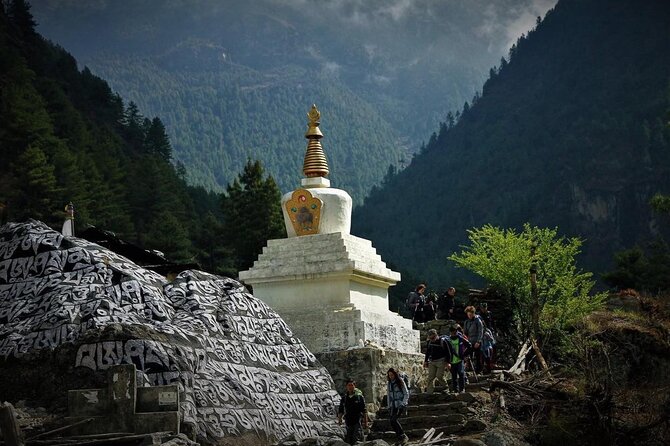
Tengboche is known for its mountain setting and Sherpa Buddhist culture. It is one of the most memorable stops because the trail experience changes from a physical challenge to a cultural one.
You should expect the village to feel simple and remote. Tea house accommodation in this region is about warmth, food, shelter, and a bed, not hotel-style comfort. Shared facilities and basic rooms are part of the deal.
The setting is a major reward. From this section of the route, you may see Ama Dablam and other major Himalayan peaks when the weather is clear. Cloud and snow can change the view quickly, so keep your expectations flexible. The mountains do not perform on schedule.
More treks starting in Kathmandu:
- Nagarkot Sunrise View and Day Hiking from Kathmandu
★ 5.0 · 471 reviews - Annapurna Circuit Trek with Tilicho Lake
★ 5.0 · 368 reviews - Everest Base Camp Trekking – 13 Day
★ 5.0 · 365 reviews - Everest Base Camp Trek -14 Days
★ 5.0 · 321 reviews
Dingboche is where altitude becomes serious
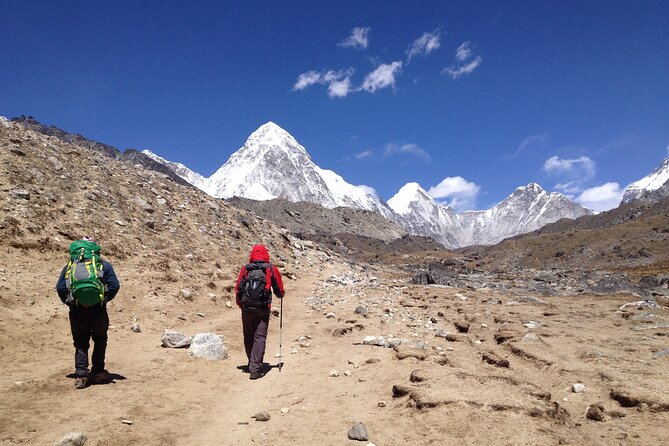
Dingboche sits higher and is another important point for adapting to altitude. The air is thinner, the nights are colder, and the walking can feel harder even when the daily distance does not look extreme.
This is where a moderate fitness level becomes more than a line in the booking details. You do not need to be an elite climber, but you should be comfortable walking for several hours on uneven trails and handling repeated climbs. A fit beginner can suit this trek, provided that person prepares properly and accepts a slower pace.
Your guide is especially valuable here. The company assigns experienced Sherpa guides, and individual guides named in past trips include Shankar, Binod, Ramjee, Santosh, Kumar, and Krishna. You should not assume one of these people will lead your group, but the repeated praise for careful support, patience, and safety checks gives you a useful picture of the service style to expect.
Gorak Shep and Everest Base Camp are the hard-earned highlights
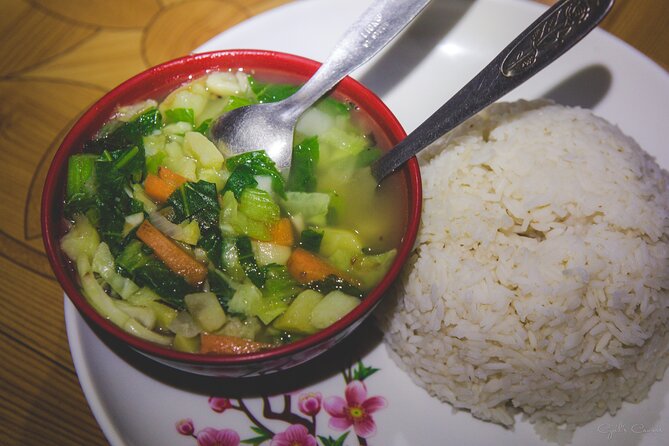
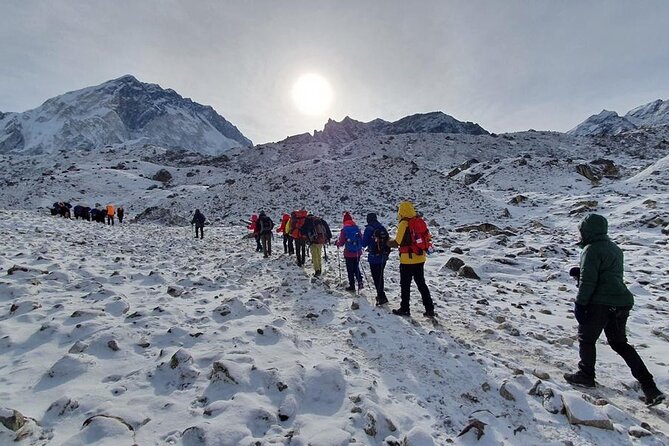
Gorak Shep is the high settlement used as a base for the final approach to Everest Base Camp and Kala Patthar. It is a basic place to sleep, and conditions can be difficult, particularly during cold or snowy weather.
From Gorak Shep, the route continues toward Everest Base Camp at 5,364 meters. The base camp itself is a powerful destination, but it is important to understand what you are seeing. This is not a summit attempt, and Everest’s actual summit is not necessarily visible from base camp. The attraction is the approach through glacial terrain and the feeling of reaching the starting point for major expeditions.
The walk can be physically demanding. One account describes snowstorms near Lobuche and reaching base camp after waiting for the right conditions. That is a useful warning: mountain weather can disrupt plans, and success sometimes means making a careful decision rather than pushing ahead.
The final approach is not a quick photo stop. At this height, each step takes more effort. Your guide’s role is not simply to point toward Everest. A good guide helps manage pace, food, water, clothing, and the decision to turn back if conditions become unsafe.
Kala Patthar provides the big mountain view
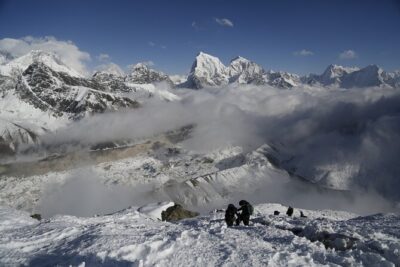
Kala Patthar is the classic viewpoint for views of Everest, Lhotse, Nuptse, Ama Dablam, and Pumori. Sunrise from this high ridge is one of the signature moments of the trek.
The viewpoint is often more visually rewarding than base camp itself. You gain a broad mountain panorama, while base camp gives you the symbolic achievement of reaching the famous site. If your body and the weather cooperate, doing both makes the route feel complete.
Expect a cold, early outing. Bring your warm hat, scarf, gloves, down jacket, and sunglasses where you can reach them quickly. The equipment list calls for a down jacket rated to minus 10 degrees Celsius, depending on the season and location. That is sensible advice, not overpacking.
Tea houses keep the trek practical
The package includes 11 nights in twin-sharing tea houses. This is a major part of the value because lodging along the route can add up, and arranging each night yourself would be a burden during a demanding trek.
Tea houses are simple mountain lodges. You should think of them as places to eat, sleep, dry clothes, and recover, not as comfortable base camps with full hotel service. Room standards and facilities can vary along the route, especially at higher elevations.
The equipment list says Scenic Nepal Treks provides a sleeping bag, silk liner, and duffel bag. You still need a daypack, trekking boots, warm layers, waterproof clothing, water bottle, headlamp or torch, toiletries, toilet paper, sunblock, lip balm, polarized sunglasses, and water purification tablets.
Good boots matter. Break them in before you arrive, pack spare laces, and bring warm wool or liner socks. Sandals or flip-flops can be useful inside lodges, but they do not replace proper footwear on the trail.
Food, permits, and the price need a closer look
The listed price is $1,439 per person. For a 12-day private trek, that can be good value because the package includes a Sherpa guide, domestic flights, trekking permits, tea house lodging, a first aid kit, staff insurance, and porter support under the stated two-hiker arrangement.
The price is not all-inclusive. International airfare, Nepal’s entry visa, personal insurance, personal equipment, tips, gratuities, and personal expenses are excluded. You also need to budget for food and drinks unless the operator confirms otherwise.
There is an important contradiction in the supplied details. The overview says meals are included, while the exclusions specifically list personal expenses and meals during the trek as not included. Do not guess. Ask exactly which meals are covered, what drinks cost extra, and how food is handled on flight days and acclimatization days.
The same applies to the group-size information. The booking rules allow a maximum of 15 people, while another note says the activity will have a maximum of 10. Since the trip is described as private and requires at least two people, ask how your group will be organized and whether other parties share guides, porters, or flights.
Safety depends on preparation as much as the guide
The tour includes staff insurance, medication and equipment, a first aid kit, and an experienced Sherpa trekking guide. Those are useful safeguards, but they do not replace personal trekking insurance.
You must arrange insurance that covers trekking at the altitude reached by this route. The package specifically excludes personal travel and trekking insurance. Check the policy wording before departure, not after an emergency.
Pack for changing conditions. The recommended list includes thermal underwear, quick-drying shirts, a fleece jacket, a warm down jacket, waterproof outerwear, warm accessories, and suitable trousers. Bring water purification tablets and a personal medical kit as well, even though the company provides a first aid kit.
You should also expect basic daily routines. Locks for bags, earplugs, laundry soap, a quick-drying towel, and toilet paper may sound minor, but they become useful quickly in tea houses. If you smoke, the supplied list specifically reminds you to carry a cigarette lighter.
Who will enjoy this 12-day route
This trek suits you if you want a serious walking adventure with local guidance, but do not want to organize flights, permits, lodging, and porters alone. It can work for fit beginners as well as experienced hikers, provided you understand that altitude and weather are the main challenges.
The private format is especially useful for siblings, couples, or a small group of friends. It gives you a more personal structure than a large departure, while still keeping the minimum at two people.
It is not a good choice if you want a relaxed holiday with predictable comfort, easy meals, or guaranteed mountain views. The itinerary is fixed around altitude and geography, not convenience. Snowstorms, flight changes, fatigue, and basic lodging are all possible parts of the experience.
The strongest praise for this company has centered on organization and personal care. Past trips have highlighted Dipendra, Shankar, Binod, Ramjee, Santosh, Kumar, and Krishna, with particular attention to guides who answered questions, watched over safety, and helped first-time hikers complete the route. That support is valuable, but your own preparation still matters.
Should you book Scenic Nepal Treks for Everest Base Camp?
I would consider this trek if you have at least one suitable companion, a moderate fitness base, and enough patience for altitude, cold, and simple lodging. The combination of Sherpa guidance, acclimatization days, tea houses, permits, flights, and porter support gives you a useful framework for one of the world’s great mountain routes.
Before booking, get written answers about meals, porter charges, baggage limits, the actual group maximum, and whether flights will use Kathmandu or Ramechhap. If those details are clear and your insurance covers the trek, the $1,439 price offers a practical way to reach Everest Base Camp without arranging every moving part yourself.
FAQ
How long is the Everest Base Camp trek?
The experience lasts approximately 12 days and begins and ends in Kathmandu.
What is the minimum number of people required?
A minimum of two people is required for each booking.
How many people can join the trek?
The booking information gives a maximum of 15 people, while another note states a maximum of 10. Confirm the exact group limit with Scenic Nepal Treks before booking.
Is a guide included?
Yes. The package includes an experienced Sherpa trekking guide.
Are domestic flights included?
Yes. Return domestic flights are included. The flight may operate from Ramechhap Airport rather than Kathmandu.
Is accommodation included?
Yes. The package includes 11 nights of twin-sharing tea house accommodation during the trek.
Is a porter included?
The inclusion details state that two hikers share one porter. Other information describes porter service as an optional add-on, so confirm the exact arrangement and any charge before booking.
Are meals included?
The information is inconsistent. The overview says meals are included, while the exclusions say personal meals during the trek are not included. Ask Scenic Nepal Treks to confirm what the price covers.
What level of fitness do I need?
You should have a moderate level of physical fitness. The trek involves high altitude and sustained walking through mountain villages, valleys, and glacial terrain.
What equipment does the company provide?
Scenic Nepal Treks provides a sleeping bag, silk liner, and duffel bag. You must bring personal clothing, trekking boots, a backpack, water bottle, toiletries, sun protection, and other items listed for the trek.
Is vegetarian food available?
Yes. A vegetarian option is available if you request it at the time of booking.
What is the cancellation policy?
You can cancel at least 24 hours before the experience start time for a full refund. Cancellations or changes made less than 24 hours before the start time are not accepted for a refund.
Recently added around Kathmandu
- Kathmandu : Swambhunath & Durbar Square Guided Half Day Tour★ 3.3 · 3 reviews
- Private Day Tour in Kathmandu Valley Rim with Bhaktapur Sightseeing★ 5.0 · 3 reviews
- From Kathmandu / Pokhara / Chitwan: River Rafting – 1 Day★ 4.6 · 3 reviews
- Nepali Cooking training & Cultural Homestay Experience★ 5.0 · 3 reviews
- Private 3-Hour Nagarkot Sunset Tour from Kathmandu★ 3.5 · 3 reviews
- From Kathmandu: Everest Base Camp Landing Helicopter Tour★ 5.0 · 3 reviews
- 4 UNESSCO World heritage sites of Kathmandu-private tour★ 5.0 · 3 reviews
- From Kathmandu Budget: 15 Day Everest Base Camp Trek★ 5.0 · 3 reviews
Everest Base Camp Treks, compared.
Everest Base Camp Helicopter Tour landing at Everest View Hotel
Read our review →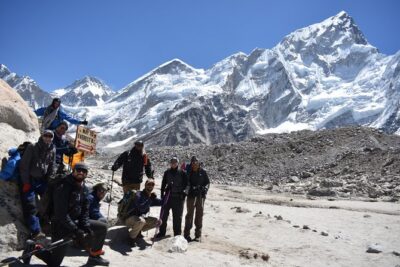
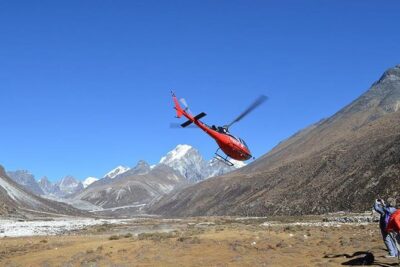
Everest Base Camp Helicopter Tour landing at Hotel Everest View
Read our review →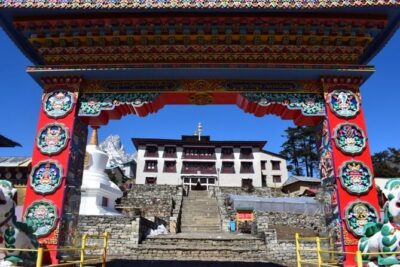
Browse the lists this tour appears in