
Reviewed · EVEREST BASE CAMP TREKS
Everest Base Camp trek 12 days from Kathmandu
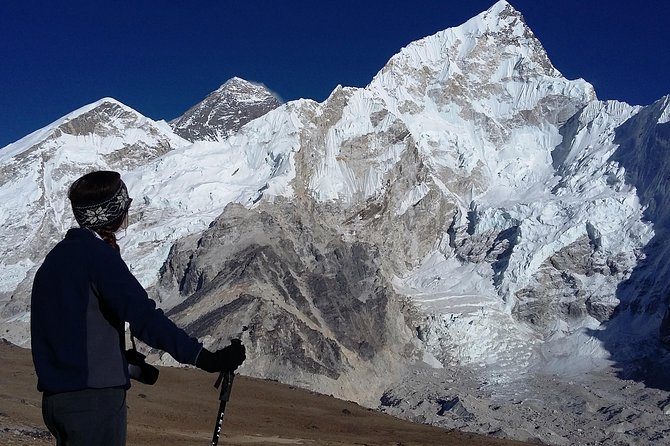
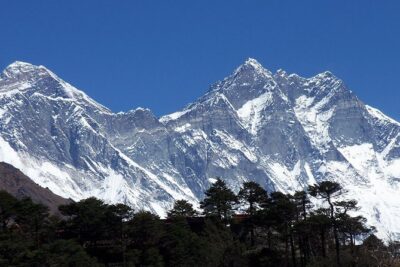
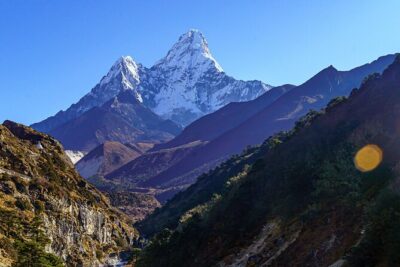
Reaching Everest Base Camp at 5,320 meters is the prize, but the finest moments come along the way: prayer flags above Namche, the quiet approach to Tengboche Monastery, and the first clear sight of the Khumbu peaks. You also climb Kala Patthar at 5,550 meters for the trek’s best close view of Everest.
I like the sensible acclimatization stops, especially the hike to Hotel Everest View from Namche and the Nagarjun Hill climb above Dingboche. I also like the practical package: flights, permits, meals, a licensed guide, sleeping bag, down jacket, and walking pole are included. The drawback is the tight schedule. Altitude and long walking days leave little room for delays, and Lukla flights can be disrupted by weather.
In This Review
- Key points to know before you book
- What the $1,600 price really covers
- Day 1: Lukla to Phakding begins with a flight and a short trail
- Days 2 and 3: Namche Bazaar gives you your first real mountain pause
- Day 4: Tengboche combines mountain views with a major monastery
- Days 5 and 6: Dingboche brings serious altitude and a useful test climb
- Day 7: Lobuche marks the approach to Everest Base Camp
- Day 8: Gorak Shep and Everest Base Camp are the trek’s headline day
- Day 9: Kala Patthar provides the best Everest viewpoint
- Days 10 and 11: The return route is still real trekking
- Day 12: The flight back to Kathmandu
- Lodges, food, equipment, and daily comfort
- Who should choose this 12-day route?
- Booking, cancellation, and practical questions
- Should you book this Everest Base Camp trek?
- FAQ
- How long is the Everest Base Camp trek from Kathmandu?
- What is the highest point on the trek?
- Is previous trekking experience required?
- What happens to Lukla flights during peak seasons?
- How far is Ramechhap Airport from Kathmandu?
- Is transport from Kathmandu to Ramechhap private?
- Are meals included during the trek?
- Is accommodation included?
- Are drinks and hot showers included?
- Is a guide included?
- Is a porter included?
- Can I cancel for a full refund?
Key points to know before you book
- Kala Patthar reaches 5,550 meters: This is higher than Base Camp and gives you the clearest Everest views on the route.
- Two acclimatization days are built in: You spend one day around Namche and another around Dingboche.
- The trek begins with a Lukla flight: In busy spring and autumn seasons, flights may leave from Ramechhap instead of Kathmandu.
- The package includes useful gear: You receive a duffle bag, down jacket, sleeping bag, walking pole, and trekking map.
- Accommodation is in twin-share lodges: Meals are included, but drinks, hot showers, internet, laundry, and battery charging cost extra.
- The walk suits fit beginners: No previous trekking experience is required, but you need moderate physical fitness and a serious approach to altitude.
What the $1,600 price really covers
At $1,600 per person, this is not simply a guided walk. The price includes the Lukla flights, airport transfers, twin-share lodge accommodation, breakfast, lunch, dinner, permits, government fees, a licensed guide, and several pieces of cold-weather and trekking gear.
That package gives you good value if you would otherwise need to arrange each part yourself. The Lukla flight alone is a major logistical piece, and permits, transport, food, lodging, and crew costs add up quickly in the Everest region. A guide also helps with the daily pace, route decisions, and communication at the lodges.
The price does not cover everything. You pay separately for drinks, bottled or boiled water, tea, coffee, hot chocolate, beer, phone calls, internet, laundry, hot showers, and battery charging. Tips for the crew are also extra, as is a porter if you want one. Rescue, helicopter evacuation, insurance, cancellation costs, and medical emergencies are your responsibility.
I would budget beyond the advertised price for those extras and for a strong travel insurance policy that specifically covers high-altitude trekking and evacuation. The tour description does not include a porter, so ask before departure if you want your main bag carried.
More ways to trek to Everest Base Camp:
- Everest Base Camp Trek – 14 Days
★ 5.0 · 1,499 reviews - Everest Base Camp Helicopter Tour landing at Everest View Hotel
★ 5.0 · 668 reviews - Everest Base Camp Trekking
★ 5.0 · 485 reviews
Day 1: Lukla to Phakding begins with a flight and a short trail
Your morning starts early, with a listed meeting time of 5:15 am. The flight to Lukla takes about 40 minutes, followed by a 3 to 4 hour walk to Phakding at 2,652 meters.
The short first walking day is useful. You have time to get used to the trail, your boots, your guide, and the rhythm of walking with a pack. The route is not yet the great high mountain challenge, but it introduces the river valleys, suspension bridges, and hill paths that define the trek.
The early flight is also the first uncertainty. Lukla flights are affected by weather and air traffic, so keep your schedule flexible around this day. During March to May and September to November, flights to Lukla operate from Ramechhap Airport because Kathmandu has heavy air traffic. Ramechhap is a 5 to 6 hour drive from Kathmandu, so you either leave Kathmandu around 1 am on flight day or go to Ramechhap the previous day and spend the night there.
Airport transfers are shared, even though the trekking activity itself is private for your group. That distinction matters if you are looking for a fully private transfer from door to runway.
Days 2 and 3: Namche Bazaar gives you your first real mountain pause
The walk from Phakding to Namche Bazaar takes 6 to 7 hours and reaches 3,440 meters. This is a longer day, with the trail gaining height as you move deeper into the Khumbu region.
Namche is more than a stopping point. It is the main hub of the Everest route and the place where the trek begins to feel properly high and remote. You have an acclimatization day here rather than pushing straight onward, which is one of the route’s strongest features.
The planned hike to Hotel Everest View takes 3 to 4 hours and reaches about 3,900 meters. The point is not simply to collect another viewpoint. You walk higher during the day, then return to sleep lower in Namche, a useful pattern for adjusting to altitude.
The itinerary also lists Khumjung among the route stops. The exact walking time and length of any visit are not specified, so treat it as part of the Namche area rather than a separately guaranteed excursion. The key value of these two days is the slower pace and the chance to see how your body responds before the trail rises much higher.
Day 4: Tengboche combines mountain views with a major monastery
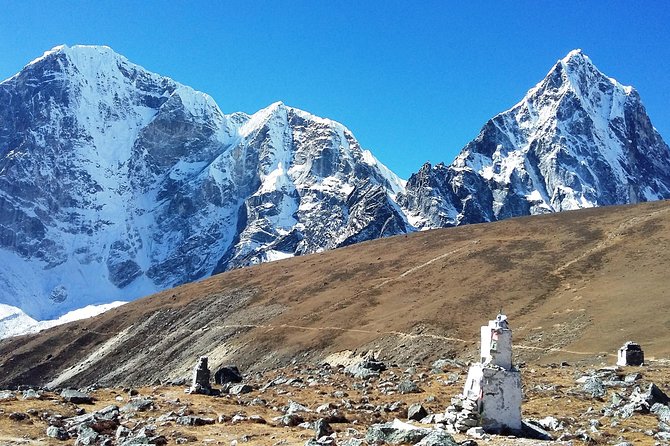
The route from Namche to Tengboche takes 5 to 6 hours and ends at about 3,860 meters. Tengboche Gompa is one of the most meaningful cultural stops on the trek, not just another lodge village.
The monastery is an important religious site in the region, and its setting gives the day a welcome change of pace. After several hours of walking, you can spend time looking at the monastery and the surrounding peaks rather than treating the stop as a quick photo break.
Tengboche is lower than Namche’s stated viewpoint but still high enough to matter. Nights at this elevation can feel cold, and the simple lodge setting may be a shock if you expect hotel comforts. Accommodation is in guest houses or lodges, based on twin sharing, so this is a trekking trip first and a comfort trip second.
More treks starting in Kathmandu:
- Nagarkot Sunrise View and Day Hiking from Kathmandu
★ 5.0 · 471 reviews - Annapurna Circuit Trek with Tilicho Lake
★ 5.0 · 368 reviews - Everest Base Camp Trekking – 13 Day
★ 5.0 · 365 reviews - Everest Base Camp Trek -14 Days
★ 5.0 · 321 reviews
Days 5 and 6: Dingboche brings serious altitude and a useful test climb
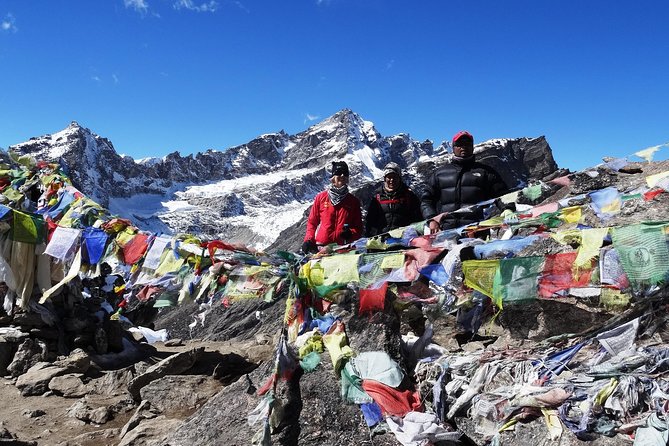
The walk from Tengboche to Dingboche takes 5 to 6 hours and reaches 4,410 meters. The change is clear here. The air is thinner, the pace naturally slows, and an ordinary uphill stretch can feel much harder than it would at home.
Day 6 is another acclimatization day. The planned 4 to 5 hour hike goes to Nagarjun Hill at about 5,100 meters. This is a demanding practice for the higher days ahead, and it gives your guide a chance to see how you handle altitude before the route reaches Lobuche and Gorak Shep.
Do not treat this as a rest day in the usual sense. It is a day of controlled effort, followed by sleep at a lower elevation in Dingboche. You should walk slowly, drink what you can manage, and tell your guide promptly if you feel unwell. The tour is suitable for people with basic fitness, but altitude does not care how fast you can run at sea level.
Day 7: Lobuche marks the approach to Everest Base Camp
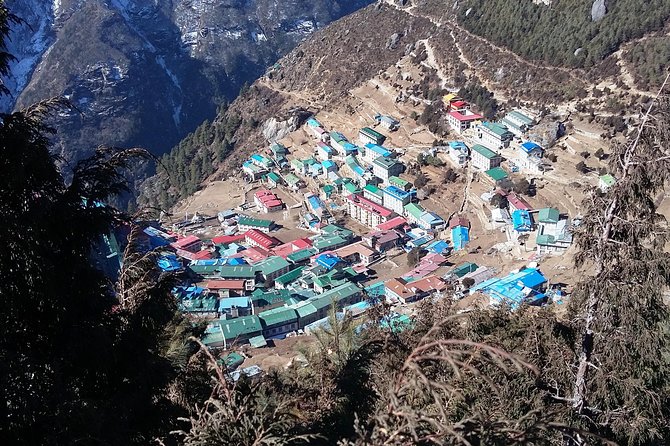
The Dingboche to Lobuche walk takes 4 to 5 hours and reaches 4,910 meters. This is a shorter walking day by the clock, but the altitude makes it physically serious.
Lobuche is the staging point for the great push toward Gorak Shep and Base Camp. You are now high enough that rest, warmth, food, and sleep become central parts of the day. The included sleeping bag and down jacket are useful here, especially for anyone who does not own suitable high-altitude gear.
The route’s schedule leaves little spare time. If you have a delayed flight, a slow response to altitude, or a weather problem, the 12-day plan can become difficult to maintain. Ask the company how it handles missed Lukla flights or an extra night in the mountains before you pay.
Day 8: Gorak Shep and Everest Base Camp are the trek’s headline day
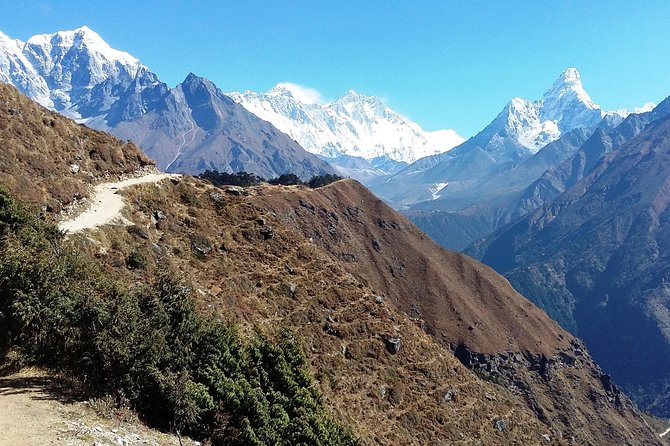
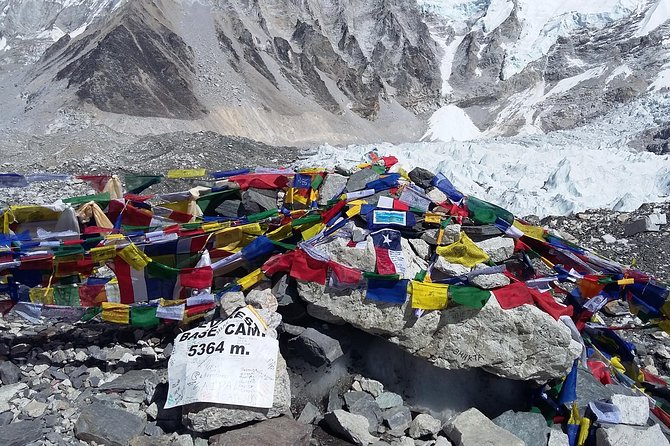
The walk from Lobuche to Gorak Shep and onward to Everest Base Camp takes 7 to 8 hours. Gorak Shep sits at about 5,164 meters, while Base Camp is listed at 5,320 meters.
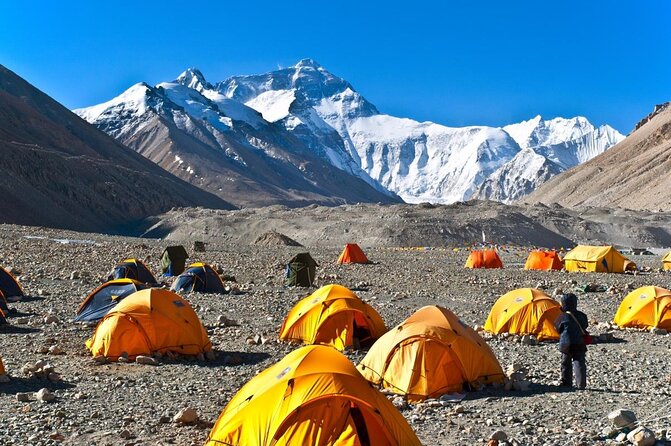
This is a long day at extreme altitude. The walk to Base Camp is not a quick visit by road or cable car. You go there on foot, then return to Gorak Shep to sleep. The Khumbu Glacier is part of the experience, and you reach the place where Everest expeditions begin.
Keep your expectations realistic. Base Camp is not the summit, and the view of Everest itself is not necessarily the best from Base Camp. The real rewards are the scale of the glacier, the ice and rock around you, the expedition setting, and the sense of having reached one of the world’s most famous trekking goals.
Your guide’s role matters on this day. Company service on other Himalayan trips has been praised for helpful guides, good communication, and clear evening briefings about the next day. You should expect your guide to explain the route and pace, but ask directly about the daily plan if anything is unclear.
Day 9: Kala Patthar provides the best Everest viewpoint
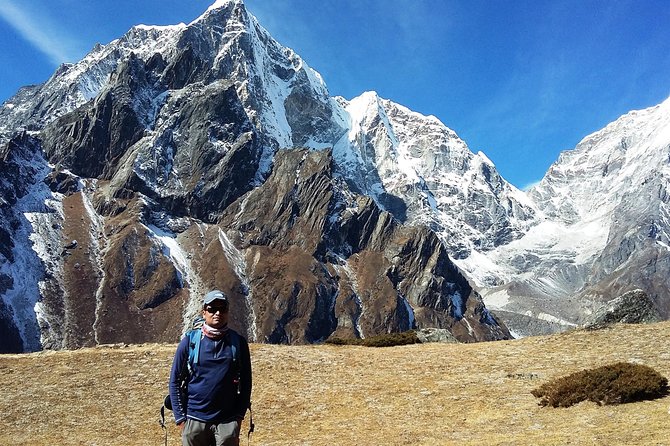
The morning climb from Gorak Shep to Kala Patthar reaches 5,550 meters, making it the highest point on the route. You then descend to Pheriche at 4,371 meters in a 6 to 7 hour day.
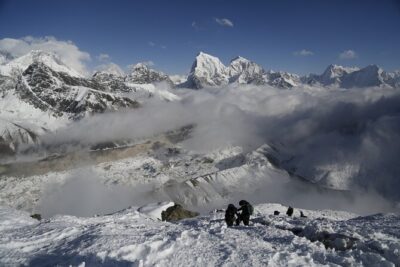
This is the view-focused high point of the trek. Kala Patthar gives you a close view of Mount Everest and a broad panorama of the Khumbu peaks. In practical terms, this is where you are most likely to get the classic Everest sightline, rather than at Base Camp itself.
The climb can be hard because it comes after the long Base Camp day. Take it slowly and dress for cold conditions. The reward is not just the summit-like number on the itinerary. It is the chance to look back across the route you have walked and see the peaks from a higher viewpoint.
The descent to Pheriche is welcome. Going lower helps after several nights above 4,000 meters, though the downhill walking can be tough on tired knees.
Days 10 and 11: The return route is still real trekking
Pheriche to Namche takes 6 to 7 hours. You lose altitude, but you do not get an easy day. Downhill sections, uneven paths, and accumulated fatigue can make the return harder than expected.
The next day, Namche to Lukla, takes another 6 to 7 hours. This is a long final walking day before the flight home. The return route gives you a second look at villages and viewpoints that may have passed in a blur on the way up, but your legs may be more interested in reaching the lodge than admiring every mountain.
One advantage of the planned return is that you are not rushing from Base Camp directly to a flight. You have multiple days to descend. That makes the itinerary more sensible than a compressed schedule, although it still leaves limited protection against delays.
Day 12: The flight back to Kathmandu
The final day is the flight from Lukla to Kathmandu. The package includes the return airfare and airport drop-off according to the itinerary.
This is where your flexible planning matters again. The tour does not promise a backup day, and mountain flights can be delayed. If you have an international departure soon after returning, leave a buffer. If your flight is routed through Ramechhap during the peak seasons, remember that the transfer back to Kathmandu takes several hours.
Kathmandu Valley, Kathmandu Durbar Square, and Kathmandu are listed among the broader stops, but this 12-day schedule is focused on the trek. Do not assume there is a full sightseeing program in Kathmandu unless the company confirms it separately.
Lodges, food, equipment, and daily comfort
The included lodge accommodation is based on twin sharing. This keeps the price reasonable, but it also means you should be comfortable with simple mountain lodging and sharing a room with the person in your booking group.
Breakfast, lunch, and dinner are included during the trek. Drinks are not. Tea, coffee, hot chocolate, boiled water, bottled water, cola, beer, and other beverages all cost extra. The same applies to hot showers, internet, laundry, phone calls, and charging batteries.
The supplied duffle bag, down jacket, sleeping bag, walking pole, and trekking map reduce the amount of specialist equipment you need to buy. Check the fit and condition of rented gear before leaving Kathmandu, especially the sleeping bag and down jacket.
A trekking achievement certificate is included at the end. It is a nice keepsake, but the practical value lies in the guide, permits, flights, meals, and support rather than the paper certificate.
Who should choose this 12-day route?
This trek fits you if you want Everest Base Camp without arranging the flights, permits, lodges, meals, and guide on your own. It also suits a first-time high-altitude trekker who has moderate fitness and wants a fixed plan with two acclimatization days.
You should be ready for 6 to 8 hour walking days, cold nights, basic accommodation, and high-altitude exertion. No previous trekking experience is required, but that does not mean the route is easy. You need to train for sustained walking and take altitude symptoms seriously.
It is less suitable if you want a relaxed holiday, private vehicle access, luxury hotels, or a flexible schedule with several spare days. It may also be a poor fit if you dislike shared airport transfers or do not want to pay extra for drinks, showers, charging, and personal services.
The private format is useful for couples, families, or friends who want only their own group on the activity. Group discounts may make it more attractive for larger parties, though the airport transfer remains on a sharing basis.
Booking, cancellation, and practical questions
Confirmation is provided when you book. The start time is listed as 5:15 am, so plan for an early morning and confirm the exact pickup details before departure.
Cancellation is free up to 24 hours before the experience starts. You need to cancel at least 24 hours ahead for a full refund. Changes or cancellations inside that 24-hour window are not accepted, and the local time at the start point controls the cut-off.
Before booking, ask three practical questions: how the company handles a missed Lukla flight, whether a porter can be added, and what insurance wording it requires for evacuation. These points are not minor at altitude. They can affect both your budget and your ability to finish the trek.
Should you book this Everest Base Camp trek?
I would choose this trip if I wanted a well-supported first Everest Base Camp trek with the major costs bundled into one price. The route includes the right broad structure: Namche acclimatization, a higher day around Dingboche, Base Camp, Kala Patthar, and a gradual return.
The strongest reasons to book are the included flights and permits, the licensed guide, the supplied cold-weather gear, and the company’s emphasis on guide support and daily communication. The biggest cautions are the demanding altitude, simple lodges, extra personal costs, and the lack of obvious spare days for flight delays.
Book it if you can handle the walking, accept basic mountain conditions, and build flexibility around the Lukla flights. If you do, arrive prepared, insure yourself properly, and treat the acclimatization days as essential rather than optional. That approach gives you the best chance of enjoying Everest Base Camp instead of merely surviving the schedule.
FAQ
How long is the Everest Base Camp trek from Kathmandu?
The experience lasts approximately 12 days, including flights between Kathmandu or Ramechhap and Lukla.
What is the highest point on the trek?
Kala Patthar is the highest point, at about 5,550 meters. Everest Base Camp is listed at 5,320 meters.
Is previous trekking experience required?
No. Previous experience is not required, but you should have a moderate level of physical fitness.
What happens to Lukla flights during peak seasons?
From March to May and September to November, flights to Lukla operate from Ramechhap Airport because of heavy air traffic in Kathmandu.
How far is Ramechhap Airport from Kathmandu?
Ramechhap Airport is about a 5 to 6 hour drive from Kathmandu.
Is transport from Kathmandu to Ramechhap private?
No. The transfer from or to Kathmandu is provided on a sharing basis.
Are meals included during the trek?
Yes. Breakfast, lunch, and dinner are included during the trekking portion of the experience.
Is accommodation included?
Yes. Accommodation is provided in guest houses or lodges, based on twin sharing.
Are drinks and hot showers included?
No. Tea, coffee, hot chocolate, boiled or bottled water, soft drinks, beer, hot showers, internet, laundry, phone calls, and battery charging are not included.
Is a guide included?
Yes. The package includes a highly experienced, government-licensed trekking guide.
Is a porter included?
No. A trekking porter is not included, but you can ask the provider about arranging one.
Can I cancel for a full refund?
Yes, if you cancel at least 24 hours before the experience start time. Cancellations or changes made less than 24 hours before the start are not accepted for a refund.
Recently added around Kathmandu
- Private Day Tour in Kathmandu Valley Rim with Bhaktapur Sightseeing★ 5.0 · 3 reviews
- Kathmandu : Swambhunath & Durbar Square Guided Half Day Tour★ 3.3 · 3 reviews
- From Kathmandu / Pokhara / Chitwan: River Rafting – 1 Day★ 4.6 · 3 reviews
- Nepali Cooking training & Cultural Homestay Experience★ 5.0 · 3 reviews
- Private 3-Hour Nagarkot Sunset Tour from Kathmandu★ 3.5 · 3 reviews
- From Kathmandu: Everest Base Camp Landing Helicopter Tour★ 5.0 · 3 reviews
- 4 UNESSCO World heritage sites of Kathmandu-private tour★ 5.0 · 3 reviews
- From Kathmandu Budget: 15 Day Everest Base Camp Trek★ 5.0 · 3 reviews
Everest Base Camp Treks, compared.
Everest Base Camp Helicopter Tour landing at Everest View Hotel
Read our review →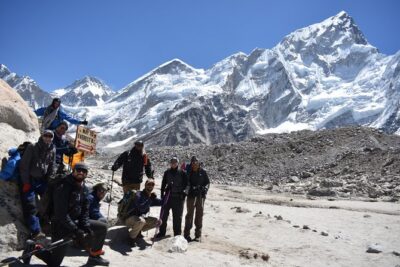
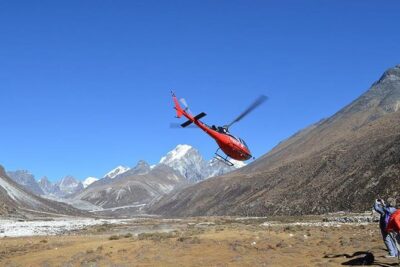
Everest Base Camp Helicopter Tour landing at Hotel Everest View
Read our review →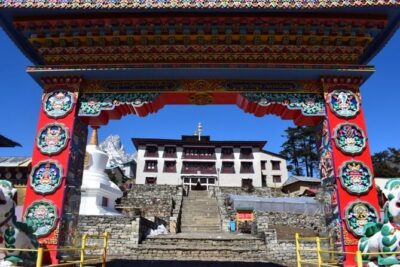
Browse the lists this tour appears in