
Reviewed · EVEREST BASE CAMP TREKS
Everest Base Camp trek 14 days
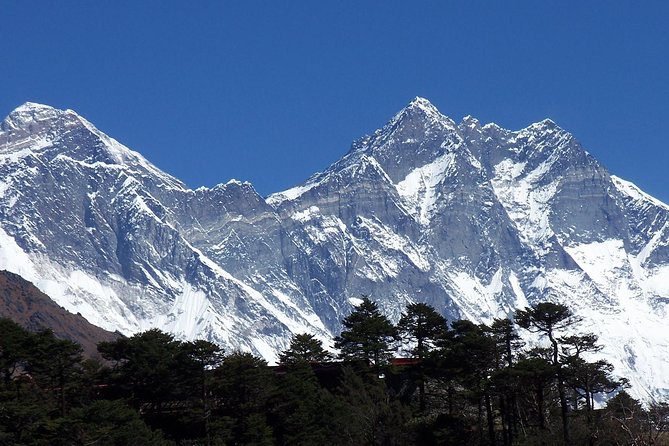
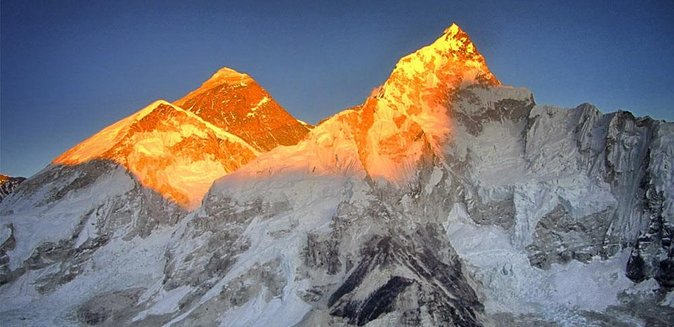
The big draw here is a full Everest Base Camp trek with the hard planning handled for you. You fly from Kathmandu to Lukla, walk through Namche Bazaar and Tengboche, reach Base Camp, and climb Kala Patthar for a high mountain view that includes Everest, Lhotse, Ama Dablam, Makalu, and Cho Oyu. I like that the package includes permits, internal flights, a guide, meals, lodges, and useful cold-weather gear. I also like the built-in acclimatization days, which matter far more than rushing toward the famous sign at Base Camp.
The main consideration is the physical demand. Several days run for five to seven hours, and the route reaches about 5,550 meters at Kala Patthar. The published schedule also has a small wording problem around Dingboche, so I would ask Sunrise Adventure Trek to confirm the exact day-by-day route before paying.
In This Review
- Key points to know before booking
- Why this Everest trek is worth considering
- Day 1 in Kathmandu, a practical start
- Days 2 and 3, from Lukla to Namche Bazaar
- Day 4 at Namche Bazaar, the first rest day
- Days 5 to 7, Tengboche and Dingboche
- Days 8 and 9, Lobuche and Everest Base Camp
- Day 10, Kala Patthar and the long descent
- Days 11 to 13, returning through Namche and Lukla
- Day 14, a small cultural finish
- What the $1,380 price really covers
- Who should book this trek
- FAQ
- Where does the Everest Base Camp trek begin?
- How long does the trek last?
- Is the Kathmandu to Lukla flight included?
- Are meals included?
- Is accommodation included?
- Is trekking equipment provided?
- Are permits and a guide included?
- How many people can join the group?
- Should you book it?
Key points to know before booking
- The route reaches Everest Base Camp and Kala Patthar: You get both the Base Camp walk and the classic high viewpoint above Gorakshep.
- Kathmandu to Lukla flights are included: The package covers the short mountain flight in both directions, subject to the operating schedule.
- Two acclimatization stops are built in: Namche Bazaar and Dingboche provide planned rest days before the highest sections.
- Sleeping bag and down jacket are supplied: This cuts down on costly gear purchases, though you should confirm sizes and condition.
- The group can include up to 18 people: That is small enough for shared support, but not a private trek.
- The package costs $1,380 per person: It offers strong value if you use the included flights, lodges, meals, permits, guide, and equipment.
Why this Everest trek is worth considering
At $1,380 per person, this is not simply a guided walk with a bed at the end of the day. The price covers airport transfers, Kathmandu to Lukla flights, the return flight, lodging, trekking permits, the TIMS card, a guide, daily trekking meals, a sleeping bag, a down jacket, first aid items, a T-shirt, and a completion certificate.
That bundle matters in Nepal. Internal flights, permits, food, and mountain accommodation can quickly turn a low headline price into a much higher final bill. Here, most of the major costs are gathered in one package. You still pay for international flights, Kathmandu meals, entry fees, personal spending, drinks, travel insurance, and tips for the trekking crew, so budget beyond the advertised amount.
I especially like the two planned acclimatization days. Namche Bazaar is scheduled on Day 4, and Dingboche is also given a rest day. These pauses break up the climb and give you time to adjust before moving above 4,000 meters. You should not treat them as wasted days. They are part of what makes a long Himalayan trek more sensible.
The tradeoff is that the package is fairly structured. You are not designing a custom pace or choosing your own lodge each night. A group of up to 18 people can also mean different walking speeds, though a guide should help manage the day. If you want a private itinerary, this may not be the right format.
More ways to trek to Everest Base Camp:
- Everest Base Camp Trek – 14 Days
★ 5.0 · 1,499 reviews - Everest Base Camp Helicopter Tour landing at Everest View Hotel
★ 5.0 · 668 reviews - Everest Base Camp Trekking
★ 5.0 · 485 reviews
Day 1 in Kathmandu, a practical start
Your trip begins in Kathmandu, where airport pickup and departure transport are included. The first night gives you a chance to settle in before the early mountain flight and check that your clothing, boots, documents, and personal supplies are ready.
The city hotel is described as a standard twin-sharing property with breakfast. That keeps the price under control, but do not expect a luxury stay based on the package description. Kathmandu meals outside breakfast are your responsibility, as are personal purchases and bar bills.
This is also the right time to confirm details with the operator. Ask about the precise flight time to Lukla, the name of your guide, the room arrangement, the sleeping bag and down jacket, and how the group will handle different walking speeds. Names connected with Sunrise Adventure Trek include Suresh, Sobit, Ram, and Pasang Sherpa, but you should confirm who is assigned to your departure rather than assume one of them will lead it.
Days 2 and 3, from Lukla to Namche Bazaar
Day 2 starts with a 40 to 45 minute flight from Kathmandu to Lukla. The flight is short, but it begins the walking portion immediately. From Lukla, you trek to Phakding, a three to four hour day at about 2,640 meters.
You receive breakfast, lunch, and dinner on this trekking day. The first stage is useful because it lets you begin walking without starting at a very high altitude. Still, the combination of a flight and a same-day trek means you should arrive ready to move, not expecting a slow city transfer.
On Day 3, you walk from Phakding to Namche Bazaar. The listed duration is five to six hours, with Namche at about 3,440 meters. This is one of the route’s more important transitions. You are gaining height, and the walking becomes a real test of your pace and stamina.
Namche Bazaar is a major stop on the route, and the planned rest day here is one of the trip’s strongest features. You can use it to recover, organize your pack, and follow the guide’s advice about altitude. The schedule provides all three meals on both trekking days and on the acclimatization day.
The Lukla flight is also one practical point to clarify in advance. The supplied information includes the flights, but it does not describe a weather-delay plan. Ask what happens if the flight is postponed and whether extra Kathmandu accommodation or meals would cost more.
Day 4 at Namche Bazaar, the first rest day
Namche is not just a place to sleep between walking days. It is the first planned pause before the higher sections of the route. The itinerary labels this as acclimatization, which is important because the following days take you toward Tengboche and Dingboche.
Your guide’s support is valuable here. The operator includes the guide’s salary, accommodation, meals, and insurance, so you are not expected to arrange those pieces separately. First aid medicine items are included as well, though that is not a substitute for your own prescribed medication or travel insurance.
The route description does not spell out the exact activity for the Namche rest day. You might find that the group takes a short walk, rests at the lodge, or visits nearby viewpoints, but confirm the plan with the guide. The key value is time at altitude without adding another long transfer.
More treks starting in Kathmandu:
- Nagarkot Sunrise View and Day Hiking from Kathmandu
★ 5.0 · 471 reviews - Annapurna Circuit Trek with Tilicho Lake
★ 5.0 · 368 reviews - Everest Base Camp Trekking – 13 Day
★ 5.0 · 365 reviews - Everest Base Camp Trek -14 Days
★ 5.0 · 321 reviews
Days 5 to 7, Tengboche and Dingboche
Day 5 takes you to Tengboche at about 3,860 meters. The walk is listed as six to seven hours, making it one of the longer days before the route gets even higher. This section gives you a gradual move from Namche toward the upper Khumbu.
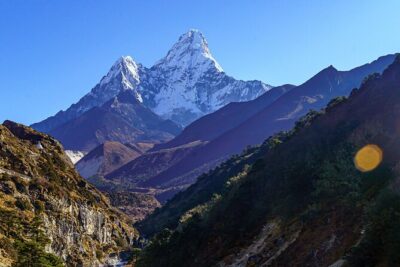
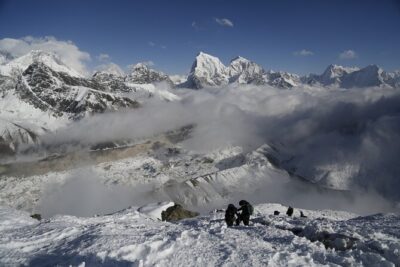
The itinerary specifically highlights views of Ama Dablam, Lhotse, Makalu, Cho Oyu, and Everest during the trek. Mountain weather can affect visibility, so no one can promise a clear panorama, but this route is designed around those major Himalayan peaks. Keep your camera accessible, but do not let photography set your pace.
There is a schedule inconsistency worth addressing. Day 6 is labeled Dingboche acclimatization, while Day 7 says trek to Dingboche from an unspecified starting point. Since Dingboche is listed at about 4,410 meters and the next day goes to Lobuche, the intended order is likely a move to Dingboche followed by an acclimatization day, but the published wording is not fully clear.
Ask the company to send you the corrected version. This is a small issue, but clarity matters on an altitude trek. You want to know exactly where you sleep each night, how long the walking day is, and where the rest day falls.
If Day 6 is indeed an acclimatization day in Dingboche, that is another sensible pause. At this height, a rest day can make the difference between continuing comfortably and struggling on the approach to Lobuche. Day 7 is listed as a five to six hour trek to Dingboche at about 4,410 meters, so confirm whether that description has been placed on the wrong date.
Days 8 and 9, Lobuche and Everest Base Camp
Day 8 takes you to Lobuche at roughly 4,910 meters. The walking time is about five hours. By this point, the air is thinner, the nights are colder, and a steady pace matters more than speed.
The tour supplies a sleeping bag and down jacket if you need them. That is a practical benefit at this stage, since cold-weather gear can be expensive and bulky to buy for one trip. Ask in advance about the available sizes and whether the equipment is issued in Kathmandu or at the trekking start.
Day 9 is the main goal: the walk to Everest Base Camp, followed by a return to Gorakshep at about 5,200 meters. The listing does not give a walking duration for this day, so ask the operator for an estimated start time and total distance. You should expect this to be one of the most demanding days of the route, especially after several consecutive days of walking at high altitude.
Base Camp is a powerful destination, but it is not the highest point on this trip and it is not usually the best place for a broad Everest view. That is why the next morning’s Kala Patthar walk matters so much. At Base Camp, you are standing at the start point for expeditions, while Kala Patthar is intended as the viewpoint day.
Gorakshep is a functional overnight stop before that early high walk. The accommodation is in trekking lodges, not city hotels, and conditions are likely to be basic. The package includes meals, but personal drinks and other purchases remain extra.
Day 10, Kala Patthar and the long descent
The Kala Patthar hike reaches about 5,550 meters and is listed at two and a half hours, followed by a seven hour trek down to Pheriche at about 4,200 meters. This is a big day, but it delivers one of the trip’s clearest rewards.
The route information points to views of Everest and several major peaks, including Ama Dablam and Lhotse. Weather and cloud can change the scene quickly, so the guide’s timing and your patience matter. Keep your clothing flexible, because the morning at the high point may feel very different from the warmer, lower descent.
The seven hour walk down to Pheriche should not be underestimated. Descending is easier on breathing than climbing, but tired knees and feet can make it demanding. Trekking poles, comfortable socks, and a disciplined pace are useful personal choices, though the package does not list them among the included equipment.
This is also the point where your fitness becomes clear. The tour asks for moderate physical fitness, but the actual schedule includes long days, high altitude, and repeated uphill and downhill walking. If you rarely hike, build up with long walks and stair sessions before Nepal.
Days 11 to 13, returning through Namche and Lukla
Day 11 brings you back to Namche Bazaar in about six hours. The lower altitude should feel easier, but the route is still tiring after Base Camp and Kala Patthar. This is a good day to keep your pace conservative and protect your feet.
Day 12 is the trek to Lukla, listed at seven hours. It is the longest stated walking day on the return route. You may feel pleased to be heading back, but do not rush. A steady final day helps you arrive ready for the flight rather than worn out.
Day 13 includes the flight back to Kathmandu, with breakfast and dinner provided. The package covers the flight ticket and transport, but the information does not specify the exact flight time or what happens if the return flight is delayed. Ask about the company’s procedure, especially if you have an international flight soon after the trek.
The return to Kathmandu gives you a final city night before departure. Breakfast and dinner are included that day, but other Kathmandu meals are not. The included airport transfers simplify the final logistics.
Day 14, a small cultural finish
The final day is listed as farewell and departure, with breakfast. The tour also includes one cultural show and farewell dinner, although the schedule does not state precisely which evening this happens.
That event is a pleasant way to close a physically demanding trip. It adds a bit of local culture instead of ending with nothing but a hotel checkout. Confirm the date and location so you can plan your free time and know whether the dinner takes place before or after the return from the mountains.
What the $1,380 price really covers
I see good value here if you need a guided, organized package. The included internal flights are significant, and so are the permits, TIMS card, guide support, trekking lodges, daily meals on the trail, airport transfers, and cold-weather equipment.
You should still price the extras before booking:
- International airfare
- Kathmandu lunches and other non-included meals
- Entrance fees
- Drinks and bar bills
- Personal expenses
- Travel insurance
- Tips for the trekking crew
The group limit is 18 people. That is not a private experience, but it keeps the departure from becoming a huge crowd. Ask whether porters are included, since the cost section clearly covers the guide but does not separately state porter services.
The free cancellation rule allows a full refund if you cancel at least 24 hours before the experience start time. Changes or cancellations inside that window are not accepted for a refund, and cut-off times use local time in Nepal.
Who should book this trek
I would consider this trip if you want Everest Base Camp but do not want to arrange each flight, lodge, permit, meal, and guide separately. It suits people who can handle repeated five to seven hour walking days and who understand that altitude is a serious part of the experience.
It is also a good fit if you want basic trekking accommodation and practical inclusions rather than luxury. The sleeping bag and down jacket make packing easier, and the cultural dinner gives the trip a proper closing note.
I would hesitate if you need a private group, a luxury hotel standard, or a tightly polished itinerary document. The Dingboche wording should be corrected, and the flight-delay policy should be explained before you commit. You should also buy suitable travel insurance, since insurance is not included.
FAQ
Where does the Everest Base Camp trek begin?
The experience begins in Kathmandu, Nepal. Airport pickup and departure transfers in Kathmandu are included.
How long does the trek last?
The scheduled experience lasts 14 days, including arrival, trekking, flights, the Kathmandu stay, farewell arrangements, and departure. The tour summary also gives a broader duration range of 5 to 14 days, so confirm the exact departure format when booking.
Is the Kathmandu to Lukla flight included?
Yes. The package includes the Kathmandu to Lukla flight and the return Lukla to Kathmandu flight. The outbound flight is listed as taking about 40 to 45 minutes.
Are meals included?
Breakfast, lunch, and dinner are included on the trekking days specified in the schedule. Kathmandu meals outside the included breakfasts and listed dinner are extra. Personal drinks and bar bills are also excluded.
Is accommodation included?
Yes. The package includes standard city accommodation on a twin-sharing, breakfast basis and trekking lodge accommodation during the mountain route.
Is trekking equipment provided?
A sleeping bag and down jacket are provided if you need them during the trek. The package also includes first aid medicine items, a T-shirt, and a trip achievement certificate.
Are permits and a guide included?
Yes. Trekking permits, the TIMS card, and guide services are included. The guide’s salary, accommodation, meals, and insurance are covered by the operator.
How many people can join the group?
The maximum group size is 18 people. The tour requires a moderate level of physical fitness.
Should you book it?
I would book this trek if you want a practical, reasonably priced way to reach Everest Base Camp with the major logistics organized. The strongest features are the included Lukla flights, two acclimatization stops, guide support, meals, permits, lodges, sleeping bag, and down jacket.
Before booking, get the Dingboche schedule corrected in writing and ask who will guide your departure. Confirm flight-delay arrangements, porter costs, gear sizes, and the timing of the cultural dinner. If those points are clear, this package offers a sensible route to Base Camp for a fit walker who values support and predictable costs over private, luxury travel.
Recently added around Kathmandu
- Kathmandu : Swambhunath & Durbar Square Guided Half Day Tour★ 3.3 · 3 reviews
- Private Day Tour in Kathmandu Valley Rim with Bhaktapur Sightseeing★ 5.0 · 3 reviews
- From Kathmandu / Pokhara / Chitwan: River Rafting – 1 Day★ 4.6 · 3 reviews
- Nepali Cooking training & Cultural Homestay Experience★ 5.0 · 3 reviews
- Private 3-Hour Nagarkot Sunset Tour from Kathmandu★ 3.5 · 3 reviews
- From Kathmandu: Everest Base Camp Landing Helicopter Tour★ 5.0 · 3 reviews
- 4 UNESSCO World heritage sites of Kathmandu-private tour★ 5.0 · 3 reviews
- From Kathmandu Budget: 15 Day Everest Base Camp Trek★ 5.0 · 3 reviews
Everest Base Camp Treks, compared.
Everest Base Camp Helicopter Tour landing at Everest View Hotel
Read our review →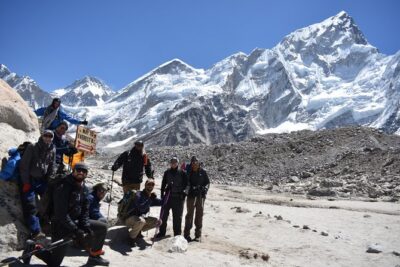
Everest Base Camp Helicopter Tour landing at Hotel Everest View
Read our review →
Browse the lists this tour appears in