
Reviewed · EVEREST BASE CAMP TREKS
Everest Base Camp Trek 15 days | Local Guide | Flexible Itinerary
The big draw here is the classic walk to Everest Base Camp at 5,364 meters, followed by an early climb of Kala Patthar for views of Everest, Lhotse, Nuptse, and Ama Dablam. You travel with a private group, a local English-speaking guide, porters, and two planned acclimatization days, which gives the trip a sensible rhythm rather than a mad race uphill.
I like the practical package: Lukla flights, permits, meals, sleeping bag, down jacket, poles, and porter support are included. I also like the return through Phortse and Mong Danda, a less crowded alternative to simply retracing the main trail. The main drawback is the altitude and the tight schedule. Fifteen days is enough for the standard route, but weather can disrupt flights, and hot showers, charging, snacks, insurance, and extra nights cost more.
In This Review
- Key points to know before booking
- Starting in Kathmandu with the Lukla flight
- Days 3 and 4: Hillary Bridge and Namche acclimatization
- Days 5 and 6: Tengboche and Dingboche
- Day 7: A second acclimatization day in Dingboche
- Days 8 and 9: Lobuche, Gorak Shep, and Everest Base Camp
- Day 10: The early climb to Kala Patthar
- Days 11 and 12: The quieter route through Phortse
- Days 13 to 15: Returning to Lukla and Kathmandu
- What the $1,890 price really covers
- Guide support, food, and comfort on the trail
- Who should book this 15-day route?
- Should you book it?
- FAQ
- Where does the Everest Base Camp trek begin?
- How long is the trek?
- What is the highest point on the itinerary?
- Are flights to Lukla included?
- Is this a private group tour?
- What equipment is provided?
- What costs are not included?
Key points to know before booking
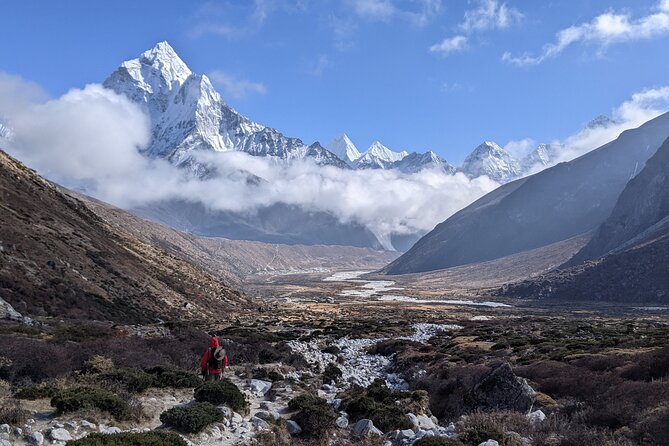
- Everest Base Camp and Kala Patthar: Reach Base Camp at 5,364 meters, then climb to Kala Patthar at 5,545 meters for the trip’s highest viewpoint.
- Two acclimatization days: Spend extra time in Namche Bazaar and Dingboche, with short side walks designed to help your body adjust.
- Private local-guided trek: Only your own group takes part, with an English-speaking, licensed guide and one assistant guide for groups of five or more.
- Porter and gear support: One porter is provided for every two people, carrying up to 20 kilograms total, while sleeping bags, down jackets, and poles are loaned to you.
- Quieter return route: From Pangboche, the itinerary passes through Phortse and Mong Danda before returning to Lukla.
- Weather-sensitive flights: Flights between Kathmandu or Ramechhap and Lukla are included, but poor weather can still change the timetable.
Starting in Kathmandu with the Lukla flight
Your trip begins with airport pickup at Tribhuvan International Airport in Kathmandu. A company representative receives you and transfers you to your hotel, which is a welcome convenience after an international flight and a useful safety net before the mountain portion begins.
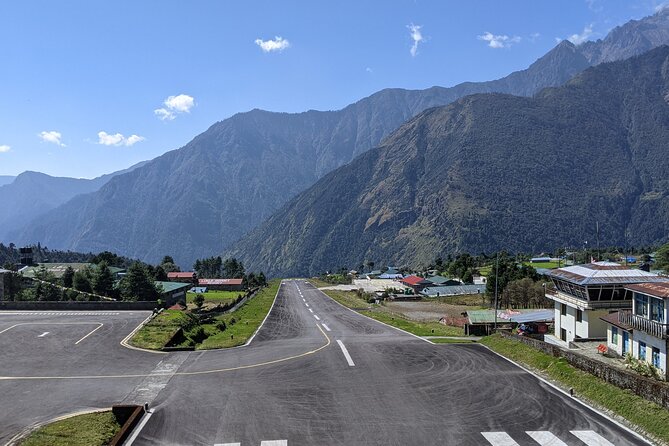
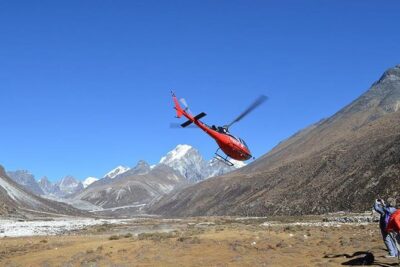
The next morning starts early with the flight to Tenzing-Hillary Airport in Lukla, at 2,810 meters. This short flight is not just transport. It places you directly at the gateway to the Everest region and saves the long road journey from Kathmandu.
There is one practical wrinkle: flights may operate from Kathmandu or Ramechhap, depending on conditions and current airport arrangements. The package includes the flight in either case, but you should keep your schedule flexible. The itinerary depends on good weather, and a delayed flight can affect the walking days.
Your baggage allowance for the domestic flight is 10 kilograms for a main bag and 5 kilograms for hand luggage. Porters carry the larger trekking load once you are on the trail, but packing light still matters. The stated porter allowance is 20 kilograms for two people, or 10 kilograms per person.
More ways to trek to Everest Base Camp:
- Everest Base Camp Trek – 14 Days
★ 5.0 · 1,499 reviews - Everest Base Camp Helicopter Tour landing at Everest View Hotel
★ 5.0 · 668 reviews - Everest Base Camp Trekking
★ 5.0 · 485 reviews
Days 3 and 4: Hillary Bridge and Namche acclimatization
After breakfast in the tea house, you walk for about five hours toward Namche Bazaar. The route includes the Hillary Bridge and follows the Sherpa trail through the lower Everest region. Namche sits at 3,440 meters and serves as the main trading and service center for the trek.
This first substantial walking day can feel harder than the distance suggests. You are gaining altitude, not simply covering miles, and the trail has uphill sections. Your guide is expected to set a pace that supports safe acclimatization rather than pushing you to finish quickly.
Day 4 is a planned rest day in Namche, but rest does not mean lying in bed all morning. The itinerary includes a side excursion toward Hotel Everest View. This lets you walk higher and return to sleep at Namche, a useful approach for altitude adjustment.
The Hotel Everest View stop is listed as an optional paid admission, so bring some local cash for expenses not covered by the package. Namche is also one of the better places on the route to sort out small personal needs before the trail becomes more remote.
Days 5 and 6: Tengboche and Dingboche
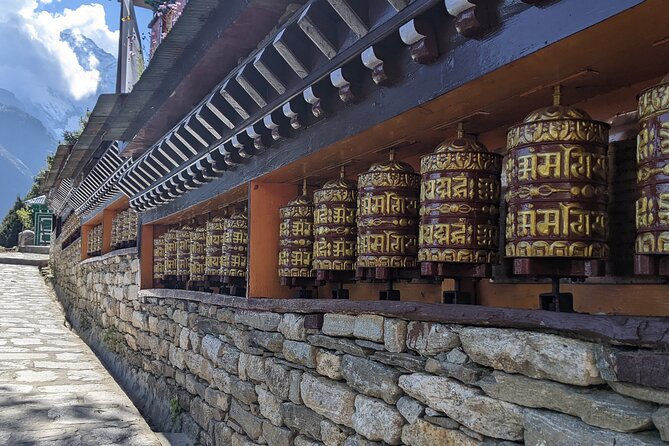
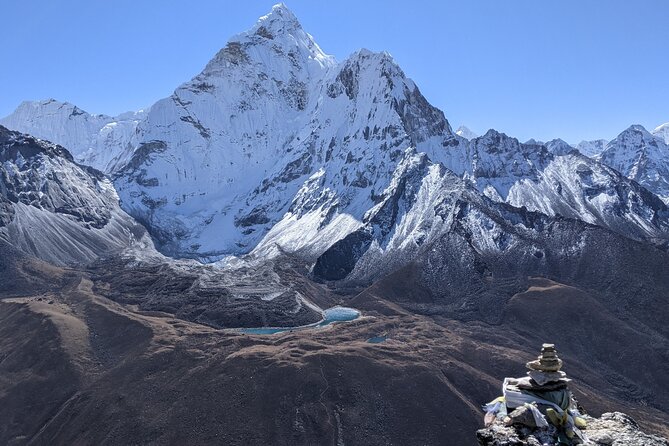
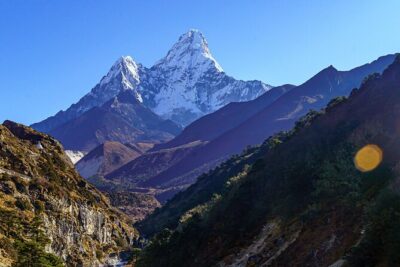
The trail leaves Namche for Tengboche, reached after roughly five hours of walking. Tengboche Gompa is one of the route’s important cultural stops. The monastery setting adds something beyond mountain scenery, and the views toward Ama Dablam and surrounding peaks make this a memorable part of the walk.
From Tengboche, you continue toward Dingboche. The trail follows the Imja Khola and crosses a bridge before reaching Orsho, where the route divides toward Pheriche and Dingboche. The walk takes around four to five hours.
Dingboche sits high enough that the change in air is obvious. Nights can be cold, rooms are basic, and your body may respond with headaches, poor sleep, or reduced appetite. The package includes clean tea house lodging and meals selected from the lodge menu, but it does not include hot showers or battery charging.
That distinction matters. Tea house trekking is more comfortable than carrying camping equipment, yet it is not a hotel-based holiday. You get a bed, meals, and shelter, while extra comforts cost more and may not always be available.
Day 7: A second acclimatization day in Dingboche
The second acclimatization day is one of the strongest features of this plan. You remain in Dingboche and take a side walk to stay active while giving your body more time to adjust before the route climbs higher.
I like this built-in pause because the next stages are demanding. A fast itinerary can get you to Base Camp sooner, but it gives you less room to respond to altitude problems. The guide’s role is important here. You should expect regular attention to your comfort and safety, but you should also speak up quickly if you feel unwell.
This is not a fitness test where you win by hiding symptoms. The stated requirement is a strong level of physical fitness, and that is fair. You need to manage repeated walking days at increasing altitude, with the highest point more than 5,500 meters above sea level.
More treks starting in Kathmandu:
- Nagarkot Sunrise View and Day Hiking from Kathmandu
★ 5.0 · 471 reviews - Annapurna Circuit Trek with Tilicho Lake
★ 5.0 · 368 reviews - Everest Base Camp Trekking – 13 Day
★ 5.0 · 365 reviews - Everest Base Camp Trek -14 Days
★ 5.0 · 321 reviews
Days 8 and 9: Lobuche, Gorak Shep, and Everest Base Camp
After Dingboche, the route heads toward Thukla and then onward through the high valleys. The walk brings increasingly close views of the glaciers and major peaks. The trail feels more exposed and demanding here, with less oxygen and fewer comforts.
Day 9 is the main goal: Everest Base Camp. From Gorak Shep, you walk toward the camp at 5,364 meters. The visit is usually less about standing at the foot of Everest itself and more about reaching the famous expedition starting point, surrounded by glacial terrain and enormous Himalayan peaks.
The package includes the relevant park and local permits, so you do not need to arrange those separately. Meals and tea house lodging are also covered according to the stated plan, including 13 dinners, 14 breakfasts, and 12 lunches during the trek.
Do not expect a relaxed sightseeing stop. At this altitude, every step takes work. You may spend less time at Base Camp than you imagined, especially if the cold, wind, or altitude is strong. The achievement comes from reaching it safely, not from lingering for hours.
Day 10: The early climb to Kala Patthar
The following day starts very early for Kala Patthar, the highest point of the trip at 5,545 meters. The short listed stop of 20 minutes does not describe the whole effort. The climb itself requires time and energy, especially because you start before breakfast or at an unusually early hour to reach the viewpoint at the best time.
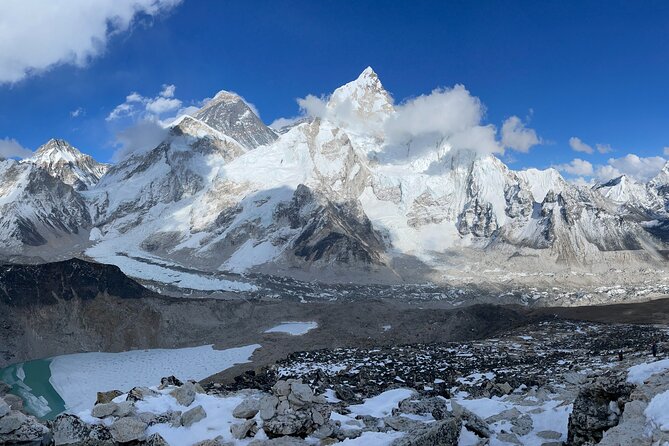
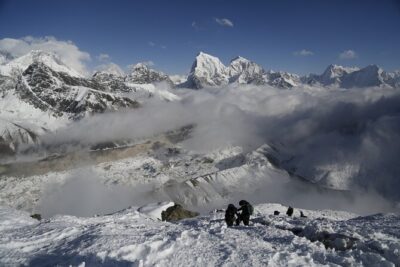
Kala Patthar is the visual high point of the trek. From here, you can look toward Everest, Lhotse, Nuptse, and other major peaks. The viewpoint gives a broader mountain panorama than Base Camp, making it especially important for anyone booking this route for photography and views.
The descent is also part of the challenge. Going downhill at altitude can be tiring, and you still have several trekking days ahead. Good boots, trekking poles, layered clothing, and careful pacing are more useful here than heroic speed.
The tour provides poles, a sleeping bag, and a down jacket for the trek, with those items returned afterward. That reduces the amount of expensive equipment you need to buy, though you remain responsible for suitable footwear and personal clothing.
Days 11 and 12: The quieter route through Phortse
After the high point, the trek descends toward Pangboche and then takes a less crowded route through Phortse. This is a smart change from simply reversing the main trail. You see different angles of Ama Dablam, Thamserku, and Tengboche Monastery while walking through a quieter section of the Everest region.
The next day connects with the route toward Gokyo. You descend to the river coming from Gokyo Lake, reach Phortse Thanga at about 3,680 meters, and then climb toward Mong Danda. The wording of the plan describes this as a less crowded section, and that is one of its most appealing details.
This route is not a free extra trip to Gokyo Lakes. You connect with the Gokyo trail but do not have a dedicated Gokyo visit in this 15-day program. Some company trips described by past clients included Gokyo, Cho La Pass, or Renjo La Pass, but those are different itineraries. Check the exact route before booking if those places are essential to you.
Days 13 to 15: Returning to Lukla and Kathmandu
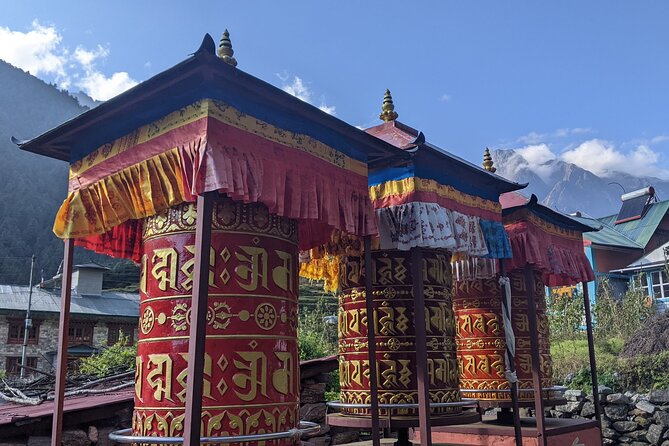
Day 13 follows the trail back through Toktok, Phakding, Ghat, and Cheplung at 2,650 meters, with the final 200-meter climb into Lukla. Your walking portion ends in Lukla, and the evening gives you time to relax after the long return.
The next morning, you take the earliest possible flight back toward Kathmandu. Once you reach the hotel, the rest of the day is free. This buffer is useful after a mountain flight, though weather can still force changes.
On Day 15, a representative transfers you to Tribhuvan International Airport according to your departure schedule. The package also includes a farewell dinner and an achievement certificate, small touches that round out the trip without changing its basic character as a demanding mountain trek.
What the $1,890 price really covers
At $1,890 per person, this is not just a guiding fee. The price includes airport transportation, domestic flights, permits, tea house meals, trekking lodging, a licensed English-speaking guide, porter support, loaned gear, and private transportation where needed.
For two people, the one-porter-per-two-person arrangement is efficient and common for this sort of trek. You should keep your packed weight within the stated allowance, since the porters carry up to 10 kilograms per person under the plan.
The value is strongest if you need to rent cold-weather gear and want the company to handle permits, flights, and local staff. It is less attractive if you already have all equipment and prefer to arrange each part yourself. The private format also matters: your group is not combined with strangers, so the guide can work with your pace and preferences.
Budget separately for international flights, the Nepal visa, travel insurance covering up to 6,000 meters, tips, Kathmandu lunches and dinners, personal snacks and drinks, hot showers, battery charging, and any extra nights. The listed insurance cost is $200 per person, but insurance is not included in the tour price.
Guide support, food, and comfort on the trail
The company promises an experienced, licensed, English-speaking local guide, with an assistant guide for groups of five or more. That local connection is useful on a route where village etiquette, monastery visits, weather, and altitude all affect the day.
The named staff connected with company treks include Raj, Suren, Sonam, Sagar, Jal, Ram, Rabin, Prakash, and others. Your exact guide is not named in the supplied trip details, so ask for that information before departure if the person matters to you.
Food comes from the tea house menu, with an emphasis on hygiene. You receive breakfast, lunch, and dinner during the stated trekking days, but personal snacks and beverages are extra. I would carry a personal supply of familiar snacks, since high-altitude appetite can be unpredictable and menu choices may be limited.
The lodging is described as clean and comfortable, but you should picture simple tea houses rather than private luxury. Hot showers and charging are not included. Carry some cash for those extras, and expect basic conditions once you are well above Namche.
Who should book this 15-day route?
I would choose this trek if you want the standard Everest Base Camp goal but also care about acclimatization and a quieter return. It suits people who want local staff, porter help, included permits, and fewer arrangements to manage on their own.
You should be comfortable with long walking days and high altitude. A strong fitness level is required, and the highest sections can be physically punishing even for fit people. Travel insurance covering trekking up to 6,000 meters is essential, not an optional add-on.
This is not the right choice if you want a soft adventure, a guaranteed flight schedule, or extensive time in Gokyo. It is also not ideal if your dates cannot absorb weather delays. Lukla flights are included, but the sky still makes the final decision.
The cancellation terms are simple: cancel at least 24 hours before the start time for a full refund. Changes or cancellations inside that window are not refundable, and poor weather can lead to a new date or full refund if the experience is canceled.
Should you book it?
I would book this trek if the $1,890 price fits your budget and you want a private, locally supported route with two acclimatization days. The inclusion of flights, porters, gear, permits, meals, and a quieter return gives it solid value.
Before paying, confirm the assigned guide, the Kathmandu or Ramechhap flight arrangement, the tea house standards, and how weather delays are handled. If you accept basic mountain comforts and prepare seriously for altitude, this plan gives you the essential Everest experience without adding the extra complexity of the Gokyo and high-pass routes.
FAQ
Where does the Everest Base Camp trek begin?
The experience begins with pickup at Tribhuvan International Airport in Kathmandu, Nepal.
How long is the trek?
The full experience lasts approximately 15 days, including arrival and departure transfers, flights to and from Lukla, walking days, and acclimatization days.
What is the highest point on the itinerary?
Kala Patthar is the highest point, at 5,545 meters. Everest Base Camp is at 5,364 meters.
Are flights to Lukla included?
Yes. Flights from Kathmandu or Ramechhap to Lukla and the return flight from Lukla are included for all group members and staff.
Is this a private group tour?
Yes. This is a private activity, and only your own group takes part. Groups of five or more receive an assistant guide.
What equipment is provided?
The company provides hiking poles, sleeping bags, and down jackets for use during the trek. These items must be returned after the trip.
What costs are not included?
International travel, the Nepal visa, travel insurance, tips, Kathmandu lunches and dinners, personal snacks and beverages, extra nights, hot showers, and battery charging are not included.
Recently added around Kathmandu
- Kathmandu : Swambhunath & Durbar Square Guided Half Day Tour★ 3.3 · 3 reviews
- Private Day Tour in Kathmandu Valley Rim with Bhaktapur Sightseeing★ 5.0 · 3 reviews
- From Kathmandu / Pokhara / Chitwan: River Rafting – 1 Day★ 4.6 · 3 reviews
- Nepali Cooking training & Cultural Homestay Experience★ 5.0 · 3 reviews
- Private 3-Hour Nagarkot Sunset Tour from Kathmandu★ 3.5 · 3 reviews
- From Kathmandu: Everest Base Camp Landing Helicopter Tour★ 5.0 · 3 reviews
- 4 UNESSCO World heritage sites of Kathmandu-private tour★ 5.0 · 3 reviews
- From Kathmandu Budget: 15 Day Everest Base Camp Trek★ 5.0 · 3 reviews
Everest Base Camp Treks, compared.
Everest Base Camp Helicopter Tour landing at Everest View Hotel
Read our review →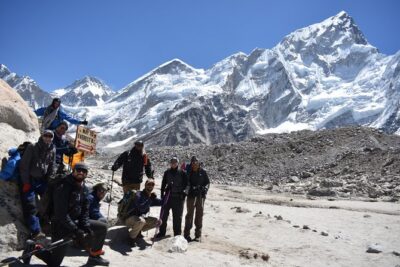
Everest Base Camp Helicopter Tour landing at Hotel Everest View
Read our review →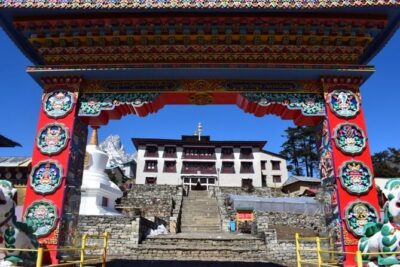
Browse the lists this tour appears in