
Reviewed · EVEREST BASE CAMP TREKS
Everest Base Camp Trek 15 Days
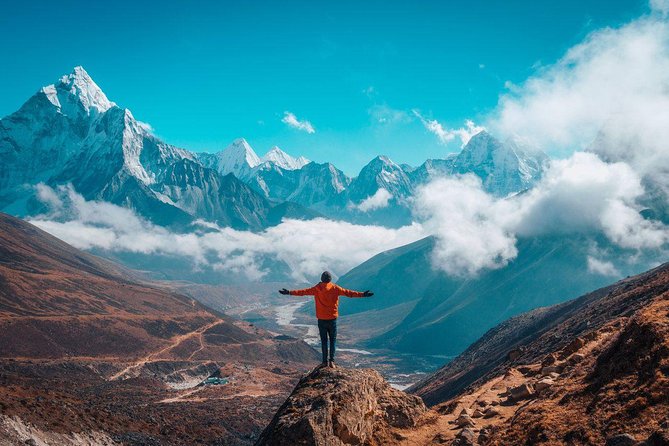
Everest Base Camp is the great Himalayan goal: a 15-day trek to 5,364 meters through Sherpa villages, Buddhist monasteries, pine forests, rhododendrons, and the stark Khumbu glaciers. You get the big mountain views, but also the daily rhythm of walking from one small lodge to the next.
I like two things right away. First, this is a private trip, so your group is not folded into a large tour. Second, the $2,400 price includes breakfast, lunch, dinner, a sleeping bag, a duffel bag, fees, and taxes. The main caution is altitude. The listing calls for moderate fitness, but this remains a demanding high-mountain trek, and the exact day-by-day schedule should be confirmed before you pay.
In This Review
- Key points at a glance
- Why this trek earns its place on a bucket list
- The 15-day shape of the journey
- Sherpa villages and Buddhist culture
- What the lodge nights are really worth
- Guides, porters, and the value of a private group
- Is $2,400 a fair price?
- Fitness, altitude, and preparation
- Who should book this trek?
- Booking details worth checking first
- Should you book the Everest Base Camp Trek?
- FAQ
- Where does the Everest Base Camp Trek start?
- What time does the trek start?
- Where does the activity end?
- How long is the Everest Base Camp Trek?
- How high is Everest Base Camp?
- Is pickup offered?
- Is this a private tour?
- What is included in the price?
- What is not included?
Key points at a glance
- Everest Base Camp at 5,364 meters: The trek reaches the foot of the world’s highest mountain.
- Sherpa culture along the trail: Expect traditional villages, Buddhist customs, old heritage sites, and monasteries.
- Mountain lodges each night: You sleep in clean scenic lodges rather than camping, with Sherpa hospitality part of the experience.
- Meals and gear included: Breakfast, lunch, dinner, a sleeping bag, and a duffel bag are covered.
- Private group format: Only your party takes part, which can make the pace and communication easier to manage.
- Strong guide support: Past departures have included guides such as Lakpa, Pasang, Buddha Tamang, Gumbo, and Tendi.
Why this trek earns its place on a bucket list
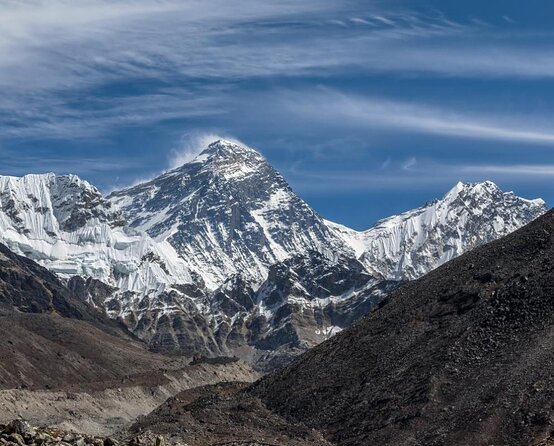
Everest Base Camp works because it is more than a mountain viewpoint. The route combines physical effort, high-altitude scenery, local culture, and a clear goal. You are not simply driven to a lookout, photographed, and sent back down. You walk for days through changing terrain, spending nights in mountain lodges and watching the setting shift from forest to high, barren glacier country.
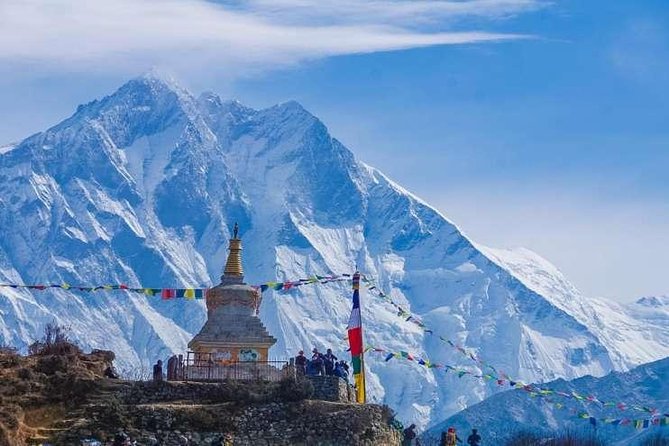
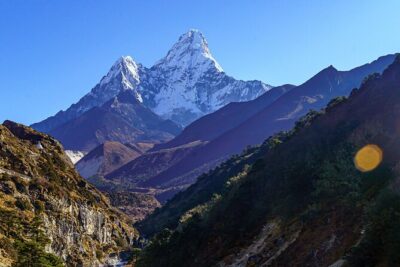
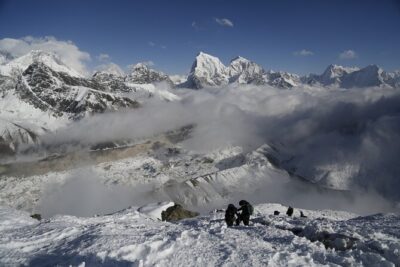
The scenery is the obvious prize. You can expect wide views of high peaks, alpine rhododendrons, pine forests, and the Khumbu icefall glaciers. The route also brings you into traditional Sherpa communities, where Buddhist culture and customs are part of daily life. That balance gives the trek more meaning than a route built only around the final base camp sign.
I also like the human side of the program. Past departures have praised guides including Lakpa, Pasang, Buddha Tamang, Gumbo, and Tendi. The most useful pattern is clear: good guide care matters at altitude. Guides have been credited with watching fitness and acclimatization, helping with logistics, and keeping the group safe and supported when conditions became tiring.
More ways to trek to Everest Base Camp:
- Everest Base Camp Trek – 14 Days
★ 5.0 · 1,499 reviews - Everest Base Camp Helicopter Tour landing at Everest View Hotel
★ 5.0 · 668 reviews - Everest Base Camp Trekking
★ 5.0 · 485 reviews
The 15-day shape of the journey
A full day-by-day itinerary is not provided, so you should ask Sherpa Expedition & Trekking for the precise walking stages, elevation gains, and acclimatization plan before booking. Still, the experience can be understood in several clear phases.
The trip starts in Kathmandu, at Sherpa Expedition & Trekking on Chaksibari Marg, with a stated start time of 6:15 a.m. Pickup is offered, which is useful if you are carrying trekking gear or staying elsewhere in the city. The start point is also near public transportation, though an early pickup may be more practical than trying to find a local ride before sunrise.
The early walking days take you through the lower mountain country, where pine and rhododendron forests soften the trail. These sections are likely to feel more sheltered and familiar than the high route. They also help you settle into the walking routine before the colder, thinner air becomes the main concern.
As you gain height, the character of the trek changes. Forest gives way to more open mountain terrain, and the villages become increasingly tied to the needs of life at altitude. You will have chances to see Sherpa settlements, old heritage sites, and monasteries set against high peaks. These are not side notes. They are what make the route feel like a journey through a living region rather than a march toward a famous name.
The middle part of the trek is where pacing matters most. You will spend nights in clean scenic lodges and eat the included meals along the route. Lodge accommodation is a practical compromise: you avoid carrying camping equipment, but you should not expect hotel comforts. The appeal is warmth, a bed, mountain views, and the chance to share the evening with your own group and local staff.
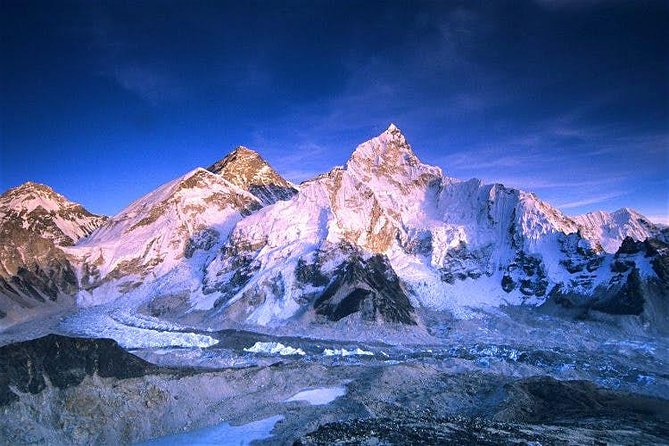
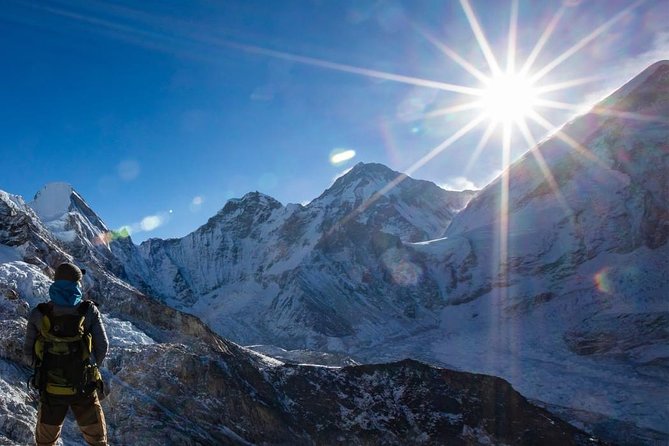
The final approach leads into the barren Khumbu icefall and glacier country. Vegetation becomes sparse, the air feels thinner, and the scale of the peaks becomes harder to take in. This is the most dramatic portion of the route, but also the part where fatigue and altitude can become serious. Your guide’s judgment and your willingness to walk slowly matter more here than speed.
The goal is Everest Base Camp at 5,364 meters. Reaching it is a personal milestone, not just a photo stop. The achievement comes from all the earlier days: the forest tracks, village paths, monasteries, lodge evenings, and steady work of gaining altitude.
The final days return you to the meeting point in Kathmandu, since the activity ends back where it begins. Confirm how transport and the return schedule are handled, because the published information gives the start and end points but not every transfer detail.
Sherpa villages and Buddhist culture
The cultural side of this trek deserves real attention. The route passes through Sherpa villages shaped by mountain travel, trade, farming, and Buddhist practice. You are not visiting a museum display. You are walking through communities that serve as homes as well as stopping places.
The monasteries and old heritage sites add useful context to the mountain views. Prayer, local customs, and Buddhist symbols give the journey a cultural frame. I would make time to pause rather than rushing through each village for the next photograph. At altitude, a slower pace is useful anyway.
Your guide can make this part far more rewarding. Past guide names associated with the company include Pasang, Lakpa, Buddha Tamang, Gumbo, and Tendi, but your assigned guide may be different. Ask who will lead your group and whether the guide will explain local customs, monastery etiquette, and the history of the communities along the route.
What the lodge nights are really worth
The included lodge stays are one of the strongest practical features. After a day on foot, a clean room and a warm place to rest are worth far more than a fancy amenity you never use. The description specifically highlights scenic lodges and Sherpa hospitality, so you can expect the accommodation to be part of the mountain experience rather than a separate luxury layer.
You should still pack with simple expectations. The information does not promise private bathrooms, heating in every room, Wi-Fi, or charging facilities, so ask about those details if they matter to you. The sleeping bag is included, which reduces the amount of bulky equipment you need to bring, while the duffel bag is useful for organizing gear carried during the trek.
Meals are also included: breakfast, lunch, and dinner. That helps control costs on a route where food and supplies must reach remote mountain communities. Alcoholic drinks, soda, and snacks are not included, so budget separately for drinks, treats, and any food you want between meals.
More treks starting in Kathmandu:
- Nagarkot Sunrise View and Day Hiking from Kathmandu
★ 5.0 · 471 reviews - Annapurna Circuit Trek with Tilicho Lake
★ 5.0 · 368 reviews - Everest Base Camp Trekking – 13 Day
★ 5.0 · 365 reviews - Everest Base Camp Trek -14 Days
★ 5.0 · 321 reviews
Guides, porters, and the value of a private group
The guide is not just a person who points toward the trail. On a high-altitude trek, the guide helps with pacing, communication, logistics, and group morale. Past departures have particularly praised Lakpa, Pasang, Buddha Tamang, Gumbo, and Tendi. Specific comments have highlighted careful attention to physical condition and adaptation to altitude, as well as help when people were exhausted.
Porters are also part of the working system behind the trek. Names associated with past groups include Neema, Pasang, and Kumar. You should confirm what luggage allowance applies and how your personal daypack is handled, since the supplied details only confirm that a duffel bag is included.
The private format is a real advantage for people who dislike fixed group dynamics. You are trekking only with your own party, which can make it easier to discuss pace, rest, and comfort. It may also feel more personal when your guide gets to know how you respond to long walking days.
The tradeoff is that a private trek does not make the route easier. Your group still needs to keep a sensible pace, follow guide advice, and accept that high-altitude conditions can affect plans.
Is $2,400 a fair price?
At $2,400 per person, this is not a budget stroll, but the price has useful coverage. You receive all three daily meals, a sleeping bag, a duffel bag, and all fees and taxes. You also receive a private trip with guide and porter support, according to the way the experience is presented.
The value depends on what you would otherwise need to arrange. A trek to Everest Base Camp requires more than a walking route. You need meals, mountain accommodation, local staff, gear support, and a company able to manage a high-altitude program. Having several of those costs folded into one price makes budgeting simpler.
Do not treat $2,400 as your complete Nepal budget. The Nepal visa, travel insurance, guide and porter tips, alcoholic drinks, soda, snacks, and other personal spending are excluded. You should also confirm whether every transport segment, accommodation detail, and permit-related cost is included under the stated fees and taxes.
For me, the price looks most sensible if you value a private group and included gear support. It is less attractive if you already have your own trekking arrangements or want the lowest possible cost.
Fitness, altitude, and preparation
The official requirement is moderate physical fitness. That wording should not make you think the trek is easy. Fifteen days of walking in the Himalayas, ending at 5,364 meters, requires steady preparation and patience.
You should be comfortable walking for long periods and carrying at least your personal daypack. Exact daily distances and elevation gains are not supplied, so ask for them before booking. Also ask how the itinerary handles acclimatization. This is one of the most important details in the entire trip, yet it is not spelled out in the available description.
Your guide should be your first source of advice once you are on the route. Past departures have placed strong value on guides who paid attention to altitude adaptation and physical condition. Listen to that kind of guidance, even if you feel determined to keep going.
Travel insurance is not included. It is listed as your responsibility, and you should treat it as essential for a high-altitude trek. The same applies to tips for your guide and porter. Those costs are excluded, so plan for them before leaving home.
Who should book this trek?
This trip suits you if Everest Base Camp is a major personal goal and you want a supported, private journey rather than an independent trek. It is also a good match if you want cultural encounters, monasteries, village life, and lodge nights alongside the mountain scenery.
You will likely appreciate it most if you enjoy walking at a measured pace and can accept basic mountain accommodation. The trip is not a fit for someone seeking a short sightseeing outing, a resort-style holiday, or a tightly detailed luxury itinerary.
Solo participants can also consider it. The experience is private, so you may join alone or with your own party, but confirm the booking arrangement and any minimum traveler requirement before finalizing.
Booking details worth checking first
Confirmation is received at booking, and free cancellation is available if you cancel at least 24 hours before the experience start time. Cancellations made later are not refunded, and changes inside that 24-hour window are not accepted.
Weather can affect the operation. If poor weather cancels the experience, you are offered another date or a full refund. If the minimum number of participants is not met, you are offered another date or experience, or a full refund.
Before paying, I would ask for four practical details: the exact day-by-day route, the accommodation standard, the transport plan, and the altitude acclimatization schedule. Those answers will tell you more about the trip’s suitability than the headline duration.
Should you book the Everest Base Camp Trek?
Book it if you want the classic Everest Base Camp goal with Sherpa village life, Buddhist culture, lodge accommodation, included meals, and a private group. The guide support and included sleeping bag and duffel bag add real convenience, while the strong praise for guides such as Lakpa, Pasang, and Buddha Tamang is encouraging.
Hold off if you need a fully published itinerary before committing, or if you are not ready for a demanding high-altitude walk. At $2,400, the trip offers solid coverage, but you still need insurance, visa costs, tips, snacks, and personal drinks. Ask the company for the missing route and acclimatization details, then book if the schedule matches your fitness and your definition of comfort.
FAQ
Where does the Everest Base Camp Trek start?
The trek starts at Sherpa Expedition & Trekking, Chaksibari Marg, Kathmandu 44600, Nepal.
What time does the trek start?
The stated start time is 6:15 a.m.
Where does the activity end?
The activity ends back at the meeting point in Kathmandu.
How long is the Everest Base Camp Trek?
The trek lasts approximately 15 days.
How high is Everest Base Camp?
The trek reaches Everest Base Camp at 5,364 meters.
Is pickup offered?
Yes, pickup is offered.
Is this a private tour?
Yes. Only your group participates in the activity.
What is included in the price?
The price includes breakfast, lunch, dinner, a sleeping bag, a duffel bag, and all fees and taxes.
What is not included?
Alcoholic beverages, soda, snacks, the Nepal visa, travel insurance, and tips for the guide and porter are not included.
Recently added around Kathmandu
- Kathmandu : Swambhunath & Durbar Square Guided Half Day Tour★ 3.3 · 3 reviews
- Private Day Tour in Kathmandu Valley Rim with Bhaktapur Sightseeing★ 5.0 · 3 reviews
- Private 3-Hour Nagarkot Sunset Tour from Kathmandu★ 3.5 · 3 reviews
- From Kathmandu / Pokhara / Chitwan: River Rafting – 1 Day★ 4.6 · 3 reviews
- Nepali Cooking training & Cultural Homestay Experience★ 5.0 · 3 reviews
- From Kathmandu: Everest Base Camp Landing Helicopter Tour★ 5.0 · 3 reviews
- 4 UNESSCO World heritage sites of Kathmandu-private tour★ 5.0 · 3 reviews
- From Kathmandu Budget: 15 Day Everest Base Camp Trek★ 5.0 · 3 reviews
Everest Base Camp Treks, compared.
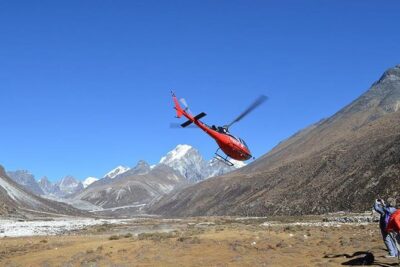
Everest Base Camp Helicopter Tour landing at Everest View Hotel
Read our review →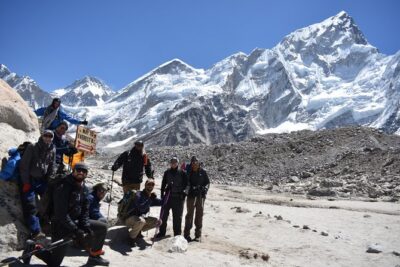
Everest Base Camp Helicopter Tour landing at Hotel Everest View
Read our review →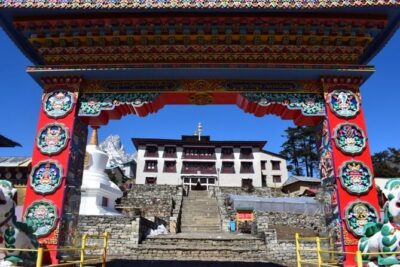
Browse the lists this tour appears in