
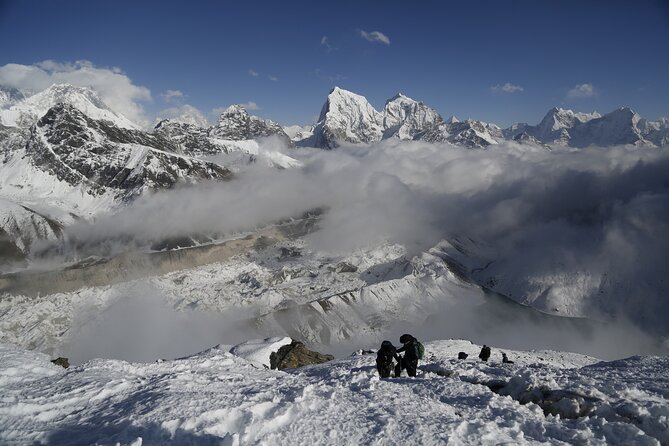
Reviewed · EVEREST BASE CAMP TREKS
Everest Base Camp Trek
Everest Base Camp is not a quick scenic walk. It is a serious high-altitude trek reaching 5,364 meters, with thin air, rough weather, long walking days, and basic tea-house lodging. This 14-day package gives you a private group of up to eight, round-trip flights between Kathmandu and Lukla, and a licensed guide to keep the route organized.
I like the built-in acclimatization day at Namche Bazaar, where you can walk to Everest View Point without giving up a rest day. I also like the practical package design: tea-house nights, Kathmandu hotel stays, airport pickup, permits, and domestic flights are bundled together. The main drawback is that the $999 price does not cover most meals or gratuities, and Lukla flight delays can force you to add one or two spare days.
In This Review
- Key points to know before booking
- What this Everest trek actually offers
- Days 1 and 2: Kathmandu, Thamel, and the flight to Lukla
- Days 2 and 3: Phakding to Namche Bazaar
- Day 4: Namche Bazaar and Everest View Point
- Day 5: Tengboche, the monastery, and Ama Dablam
- Days 6 and 7: Dingboche and the Chukhung area
- Day 8: Lobuche and the Khumbu Glacier
- Day 9: Gorak Shep and Everest Base Camp
- Day 10: Kala Pattar, Pheriche, and Pangboche
- Days 11 and 12: Return to Namche and Lukla
- Days 13 and 14: Returning to Kathmandu
- What the $999 price covers, and what it does not
- Who should book this trek?
- Should you book the Everest Base Camp Trek?
- FAQ
- How long is the Everest Base Camp Trek?
- Where does the tour start?
- Is the Lukla airfare included?
- How many people can join the private tour?
- Is accommodation included?
- Are meals included?
- Do I need travel insurance?
- What happens if the Lukla flight is delayed?
Key points to know before booking
- Lukla flights are included: Round-trip domestic airfare from Kathmandu, including airport tax, is part of the package.
- The private group is small: Only your own party joins the activity, with a maximum of eight people per booking.
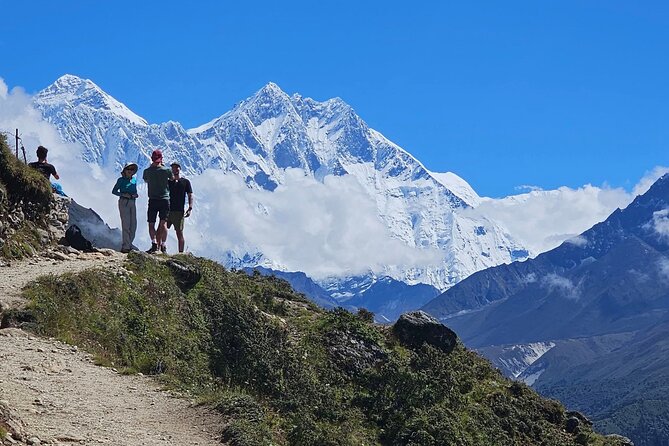
- Namche gets an acclimatization day: The Everest View Point walk gives you a valuable break from gaining altitude.
- The hardest point reaches 5,364 meters: You need strong fitness, medical advice before departure, and insurance covering emergency repatriation.
- Tea houses keep costs manageable: Eleven nights of trekking accommodation are included, though food and drinks are listed separately at about $350 per person.
- Lukla delays affect the schedule: Keep one or two extra days available in Nepal in case flights are delayed or canceled.
What this Everest trek actually offers
This is a classic route to Everest Base Camp, beginning with the short flight from Kathmandu to Lukla and continuing on foot through villages, river valleys, Buddhist sites, and high mountain settlements. You walk with a government-licensed guide, carry your own luggage, and sleep in tea houses along the way.
The private format matters. A maximum of eight people means your walking pace and daily decisions are handled within your own group rather than a large procession. It also gives you a direct point of contact with the guide. The supplied information names Basu as a guide and Bishnu as a key trip contact, though you should confirm exactly who will lead your departure.
The package costs $999 per person. That is a reasonable starting price for a trek that includes Kathmandu accommodation, trekking lodging, airport transfers, permits, guide services, and Lukla airfare. You should budget another $350 for food and drinks, plus $150 for gratuities, bringing the listed trip cost to about $1,499 before travel insurance, gear, and any extra nights caused by flight disruption.
There is one detail worth clearing up before you pay. The package description says three nights in a three-star Kathmandu hotel and ten tea-house nights, while the inclusions list says two Kathmandu nights and eleven tea-house nights. Ask the operator for the final night-by-night lodging plan.
More ways to trek to Everest Base Camp:
- Everest Base Camp Trek – 14 Days
★ 5.0 · 1,499 reviews - Everest Base Camp Helicopter Tour landing at Everest View Hotel
★ 5.0 · 668 reviews - Everest Base Camp Trekking
★ 5.0 · 485 reviews
Days 1 and 2: Kathmandu, Thamel, and the flight to Lukla
Your trip begins with airport pickup at Tribhuvan International Airport in Kathmandu. A private car and a guide from Himalayan Recreation are provided for arrival and departure assistance. Send your flight details in advance so the pickup can be arranged.
The first day includes time in Kathmandu and Thamel. Thamel is the useful base for trekking preparation, with shops where you can buy or rent required gear. The guide can help arrange equipment, which is handy if you do not want to bring every cold-weather item from home. You can also leave extra luggage at the company office or hotel and collect it after the trek.
The second day is shown with a flight to Lukla and several Kathmandu sights, including Swayambhunath, Boudhanath Stupa, and the Garden of Dreams. The schedule also lists Phakding for a long walking day, so the exact order needs confirmation. If the Lukla flight runs as planned, Phakding is the first overnight trekking area in the published route. If the flight is delayed, the Kathmandu sightseeing plan may change.
Swayambhunath, often called the Monkey Temple, gives you a strong first look at Kathmandu’s religious life and city views. Boudhanath Stupa is one of the city’s major Tibetan Buddhist sites, while the Garden of Dreams offers a quieter urban pause. These visits are included without separate admission charges, but the day may feel crowded if all stops are fitted around the flight.
The Lukla flight itself lasts about an hour. This is a small but important part of the trip logistics. The itinerary warns that flights can be delayed or canceled, so do not schedule an important international connection immediately after your return to Kathmandu.
Days 2 and 3: Phakding to Namche Bazaar
From Phakding, the route follows the Dhudh Koshi River toward Namche Bazaar. The itinerary assigns about twelve hours to this section, which signals a demanding day rather than a casual village stroll.
Namche is the main trading and lodging center on the route to Base Camp. It is also where the altitude begins to feel more serious. The walk is not just about distance. You are gaining height, and the pace needs to be controlled. Your guide’s role is especially important here because strong fitness alone does not prevent altitude sickness.
Tea-house lodging is included throughout the trek. These accommodations are practical rather than luxurious. You should expect a simple place to sleep and shared trekking infrastructure, with meals and drinks charged separately under the package terms.
The guide has basic first aid training and is expected to know the closest medical facilities. That is useful support, but it does not replace travel insurance or proper medical planning. The operator requires insurance covering medical expenses and emergency repatriation, and proof must be shown to the tour leader on the first day.
Day 4: Namche Bazaar and Everest View Point
The rest day in Namche is one of the smartest parts of the schedule. You do not simply spend the day indoors. You walk to Everest View Point, listed as a two-hour visit, then return to Namche for another night.
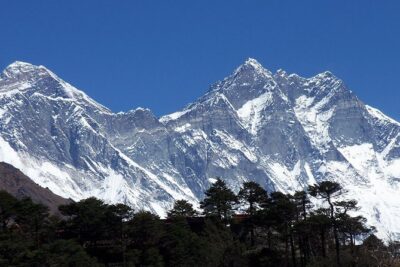
This short outing helps you adjust before the route climbs higher. It also gives you one of the first major mountain-view moments of the trek. You may see Everest among the surrounding peaks, though mountain weather can change quickly.
I like this day because it treats acclimatization as part of the experience, not wasted time. You still get a memorable walk, but your body gets a chance to respond to the altitude before Tengboche and Dingboche.
More treks starting in Kathmandu:
- Nagarkot Sunrise View and Day Hiking from Kathmandu
★ 5.0 · 471 reviews - Annapurna Circuit Trek with Tilicho Lake
★ 5.0 · 368 reviews - Everest Base Camp Trekking – 13 Day
★ 5.0 · 365 reviews - Everest Base Camp Trek -14 Days
★ 5.0 · 321 reviews
Day 5: Tengboche, the monastery, and Ama Dablam
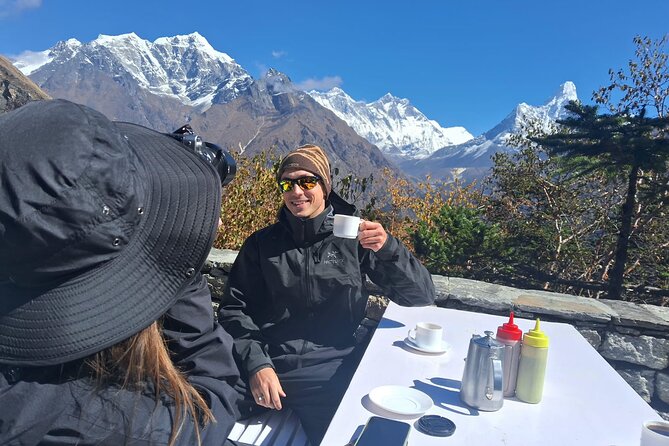
The trail continues to Tengboche, listed as another long walking day. Tengboche is known for its monastery, or Tengboche Gompa, which is included as a sightseeing stop.
The gompa gives the route a cultural center beyond its famous mountain views. You are not just moving from one sleeping place to another. Buddhist practice, prayer spaces, and mountain communities shape the character of the Khumbu region.
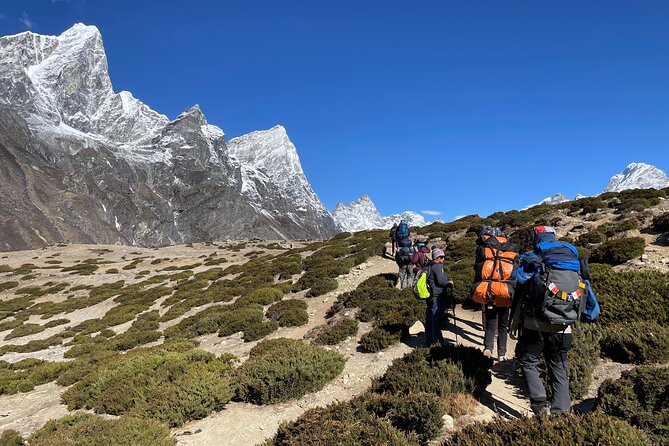
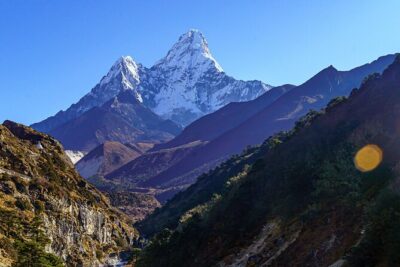
The itinerary also calls out views of Mt. Ama Dablam and Mt. Taboche in Sagarmatha National Park. Ama Dablam is one of the most recognizable peaks in the region, with a sharply formed profile that makes this section especially rewarding for photographers.
The tradeoff is simple: the scenery improves as the comforts thin out. You will be staying in a basic tea house after a long day, and food is not generally included in the $999 base price. Carry snacks you know you will eat, but keep your total luggage under the recommended 10 kilograms.
Days 6 and 7: Dingboche and the Chukhung area
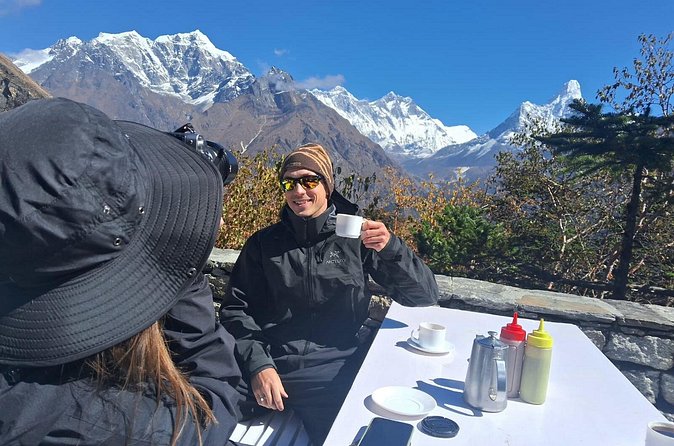
Dingboche is the next major settlement, reached on Day 6 after another roughly twelve-hour itinerary entry. The following day remains in the Dingboche area, with Chukhung listed as a stop and a note pointing toward Island Peak.
This is a useful pause in the upward journey. Dingboche is higher and more exposed than the lower villages, so the schedule gives you time in the area rather than sending you straight onward. The route information does not say that an Island Peak climb is included, so do not treat that reference as an additional summit excursion.
The main point here is altitude management. At this stage, you should watch for headache, unusual tiredness, nausea, or other signs of altitude trouble and tell your guide early. The trip information specifically warns that adverse health effects can occur at high altitude regardless of age, gender, or fitness.
You should speak with your doctor before departure. A strong fitness level is required, but this is not a test of pride. The sensible choice at altitude is to follow the guide’s advice, slow down, or turn back if necessary.
Day 8: Lobuche and the Khumbu Glacier
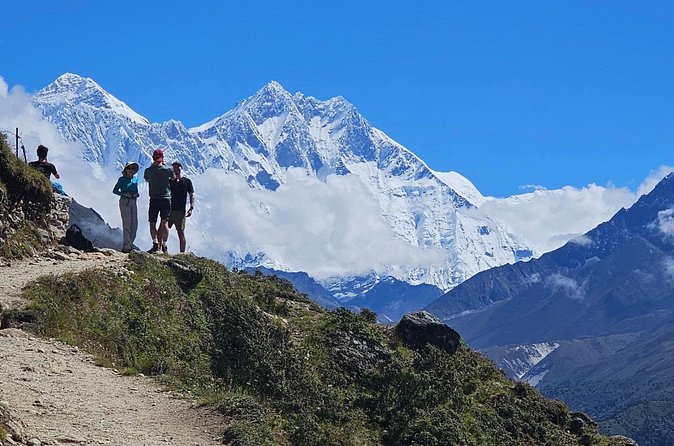
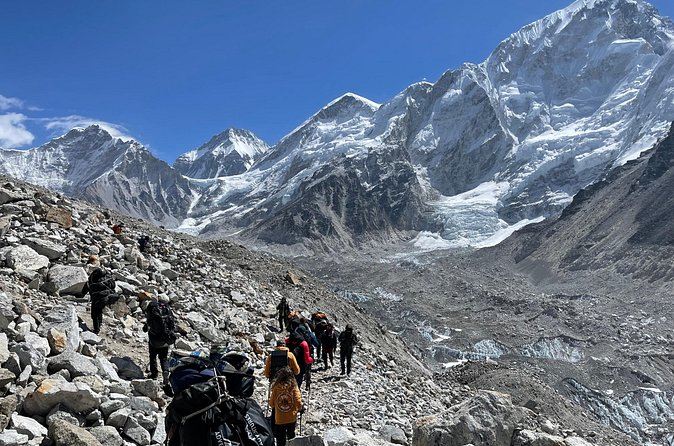
Day 8 takes you to Lobuche, with the Khumbu Glacier listed as a stop. The glacier is one of the route’s most striking high-altitude features, and it signals that Base Camp is close.
This section is less about sightseeing in the usual sense and more about the changing scale of the surroundings. Villages become smaller, walking surfaces more rugged, and the air noticeably thinner. The package describes a remote route through mountain settlements, and this is where that remoteness becomes most apparent.
The itinerary again uses a twelve-hour duration entry. Treat these times carefully, since the schedule may combine walking, stops, and the full day rather than a precise hiking estimate. Your guide will set the practical pace, but you should be ready for long days and limited privacy at tea houses.
Day 9: Gorak Shep and Everest Base Camp
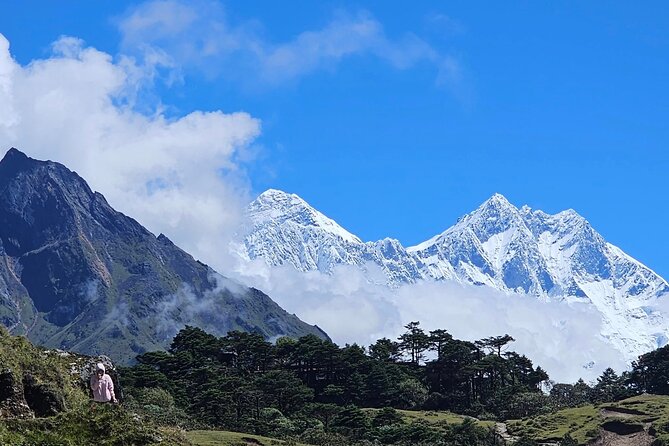
The key day reaches Everest Base Camp, at approximately 5,364 meters above sea level. The schedule places Mt. Everest and Gorak Shep on the same day, with Gorak Shep shown as a twelve-hour stop and Everest listed for three hours.
Gorak Shep is the high settlement used for the Base Camp approach. From there, you continue toward the famous destination at the foot of Everest. The name carries plenty of glamour, but the actual setting is demanding: cold, high, exposed, and subject to rapid weather changes.
Base Camp itself is not the summit of Everest, and the views of the mountain can vary depending on your position and the weather. Still, reaching this point on foot is the central achievement of the trek. You have crossed the Khumbu valley over many days, adjusted to altitude, and reached a place used by major climbing expeditions.
Do not measure success only by a photograph. At this height, turning around when your guide advises it is good judgment. The trip requires insurance that covers emergency evacuation and repatriation for precisely this reason.
Day 10: Kala Pattar, Pheriche, and Pangboche
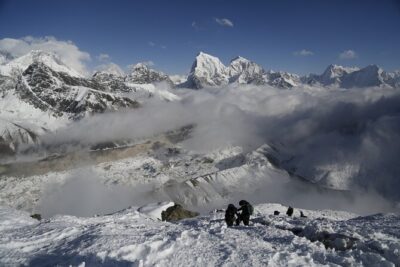
The morning target is Kala Pattar, listed as a one-hour stop. This is one of the trip’s best viewpoints for seeing Everest and the surrounding peaks, though the exact quality of the view depends on weather and visibility.
After Kala Pattar, the route turns back through the Pheriche to Dughlha road and continues to Pangboche. This is a long descent and another demanding day. Going downhill can feel easier on the lungs, but it still works your knees and legs after the high point of the trek.
Pangboche gives you a lower sleeping point after the Base Camp section. The return journey is not simply a repeat of the walk up. You see familiar villages from a different direction, and the lower altitude usually brings some physical relief.
Days 11 and 12: Return to Namche and Lukla
Day 11 brings you back to Namche Bazaar. By now, the town has a different feel. It marks the end of the highest portion of the route and offers a more comfortable pause before the final walk to Lukla.
Day 12 continues to Lukla. The itinerary again assigns about twelve hours to the day, so plan for a full trekking day rather than a short stroll to the airstrip. Your luggage remains your responsibility, and the operator recommends keeping it below 22 pounds, or 10 kilograms.
The private setup is useful during the return. Your group can stay focused on the same flight plan and departure timing, while the guide coordinates the final arrangements. Keep some flexibility, since the next flight depends on weather and aircraft availability.
Days 13 and 14: Returning to Kathmandu
The flight from Lukla returns you to Kathmandu on Day 13, followed by a listed Kathmandu hotel night. The package includes breakfast on Day 13 and airport assistance for departure.
Day 14 is the final Kathmandu day and departure point. The exact number of Kathmandu nights should be clarified because the package information gives both two and three nights in the city.
The return flight is included, but your international flight should allow room for delay. The operator recommends adding one or two spare days in Nepal. That is not a minor suggestion. A delay in Lukla can affect hotel nights, meals, and your flight home.
What the $999 price covers, and what it does not
For the base price, you receive:
- Round-trip Kathmandu to Lukla airfare, including airport tax
- A licensed trekking guide with basic first aid training
- Tea-house accommodation during the trek
- Two or three Kathmandu hotel nights, depending on the confirmed plan
- Airport pickup and drop-off assistance
- Government taxes, VAT, and service charges
- First aid kit and a Himalayan Recreation T-shirt
- Breakfast linked to the included Kathmandu hotel nights
The listed extras are food and drinks at about $350 per person and gratuities at about $150. The description also says dinner is included, while the exclusions say food and drinks are not included unless specified. Ask for a written meal breakdown so you know exactly what the $350 covers.
You also need to account for insurance, personal trekking gear, possible extra hotel nights, and any equipment you rent or buy in Kathmandu. A second-language guide costs an additional $200 per group unless you choose English.
Who should book this trek?
This trip suits you if you want the standard Everest Base Camp route with a private group and a guide, but do not want to arrange every flight, permit, hotel, and tea-house night yourself. The included Lukla airfare is especially useful because that flight is a key link in the route.
It is best for people with strong physical fitness who accept long walking days and basic accommodation. The minimum age is eight, but the altitude and effort mean age alone does not determine suitability. Medical advice is strongly recommended for everyone.
You should hesitate if you need a fixed, weather-proof schedule or comfortable lodging each night. You should also think twice if you cannot carry your own luggage, tolerate high-altitude conditions, or make room for extra days after the trek.
The cancellation terms are simple: cancel at least 24 hours before the start time for a full refund. Changes or cancellations inside that window are not accepted or refunded.
Should you book the Everest Base Camp Trek?
I would choose this package if you value a private group, included logistics, and a guide-led route more than luxury. The itinerary covers the major stops, includes a proper Namche acclimatization day, and adds the important Kala Pattar viewpoint before the descent.
Before booking, get three things confirmed in writing: the exact Kathmandu and tea-house night count, the meal inclusions, and the plan if Lukla flights are delayed. If those terms are clear and you can add one or two spare days, the $999 starting price offers a practical way to tackle one of Nepal’s great treks without arranging the core services yourself.
FAQ
How long is the Everest Base Camp Trek?
The experience lasts approximately 14 days, including Kathmandu, the Lukla flight, the trek to Everest Base Camp, the return to Lukla, and the flight back to Kathmandu.
Where does the tour start?
The meeting point is Tribhuvan International Airport in Kathmandu, Nepal. Airport pickup and drop-off assistance by private car are included.
Is the Lukla airfare included?
Yes. Round-trip domestic airfare between Kathmandu and Lukla is included, along with airport tax.
How many people can join the private tour?
The activity is private to your own group, with a maximum of eight people per booking.
Is accommodation included?
Yes. The package includes tea-house accommodation during the trek and Kathmandu hotel nights. The supplied details differ on the exact count, listing either two or three Kathmandu nights and either ten or eleven tea-house nights, so confirm the final plan.
Are meals included?
Food and drinks are listed as an additional cost of about $350 per person. Breakfast is included with the specified Kathmandu hotel nights, and the package also lists dinner, so you should confirm which meals are covered each day.
Do I need travel insurance?
Yes. You must have insurance covering medical expenses and emergency repatriation, and proof of insurance must be shown to the tour leader on the first day.
What happens if the Lukla flight is delayed?
The operator warns that Lukla flights may be delayed or canceled. You are advised to keep one or two extra days available in Nepal.
Recently added around Kathmandu
- Kathmandu : Swambhunath & Durbar Square Guided Half Day Tour★ 3.3 · 3 reviews
- Private Day Tour in Kathmandu Valley Rim with Bhaktapur Sightseeing★ 5.0 · 3 reviews
- From Kathmandu / Pokhara / Chitwan: River Rafting – 1 Day★ 4.6 · 3 reviews
- Nepali Cooking training & Cultural Homestay Experience★ 5.0 · 3 reviews
- Private 3-Hour Nagarkot Sunset Tour from Kathmandu★ 3.5 · 3 reviews
- From Kathmandu: Everest Base Camp Landing Helicopter Tour★ 5.0 · 3 reviews
- 4 UNESSCO World heritage sites of Kathmandu-private tour★ 5.0 · 3 reviews
- From Kathmandu Budget: 15 Day Everest Base Camp Trek★ 5.0 · 3 reviews
Everest Base Camp Treks, compared.
Everest Base Camp Helicopter Tour landing at Everest View Hotel
Read our review →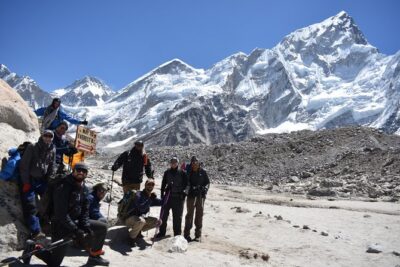
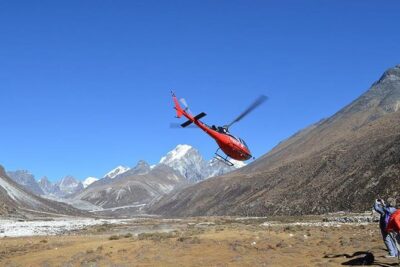
Everest Base Camp Helicopter Tour landing at Hotel Everest View
Read our review →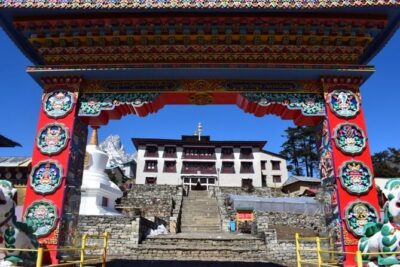
Browse the lists this tour appears in