
Reviewed · EVEREST BASE CAMP TREKS
Everest Base Camp Trek
The real prize here is not simply reaching Everest Base Camp. It is the steady climb through Sherpa villages, rhododendron woods, Buddhist monasteries, glacier country, and high mountain viewpoints. The 14-day plan gives you two useful acclimatization days, one in Namche Bazaar and one in Dingboche, before the hardest walking begins.
I like the personal scale of a group capped at eight people, and I like that airport transfers, internal flights, Kathmandu hotels, meals, and taxes are included. Guides such as Ram, Bishnu, Prakash, and Gore have been praised for calm support, motivation, and practical help on difficult days. The main caution is weather: Lukla flights can be delayed or canceled, and the itinerary leaves little spare time for disruption.
In This Review
- Key points before you book
- What this Everest trek is really like
- Days 1 and 2: Kathmandu to Lukla and Phakding
- Day 3: Crossing bridges into Namche Bazaar
- Day 4: Namche acclimatization and the Everest View Point
- Days 5 and 6: Tengboche, Deboche, and Dingboche
- Day 7: A rest day in Dingboche
- Day 8: Lobuche and the memorials at Dughla
- Day 9: Everest Base Camp and Gorak Shep
- Day 10: Kala Patthar at 5,550 meters
- Days 11 and 12: Returning through Pangboche and Namche
- Day 13: Lukla, Ramechhap, and Kathmandu
- What the $1,300 price includes
- Guide support and the human side of the trek
- Who should book this trek?
- Should you book the Everest Base Camp Trek?
- FAQ
- Where does the Everest Base Camp Trek begin?
- How long does the trek take?
- What is the highest point on the route?
- Are flights to Lukla included?
- Why might I use Ramechhap Airport?
- Are meals included?
- How large is the group?
- What fitness level is required?
Key points before you book
- The route reaches 5,550 meters at Kala Patthar, the highest point of the trek and the best place in this program for an Everest sunrise.
- Two acclimatization days are built in, with an easy day and viewpoint walk around Namche, followed by a rest day in Dingboche.
- Lukla flights are included, but flights may use Ramechhap Airport during the busy season, adding a road transfer from Kathmandu.
- The group limit is eight people, small enough for closer contact with your guide without requiring a private trek.
- The package includes 11 lunches and 11 dinners, along with 13 breakfasts, airport transfers, two Kathmandu hotel nights, and applicable taxes.
- The most praised feature is guide support, with past guests singling out Ram, Amer, Bishnu, Rajesh, Prakash, Tilak, Binode, Sanjay, and Gore for care and encouragement.
What this Everest trek is really like
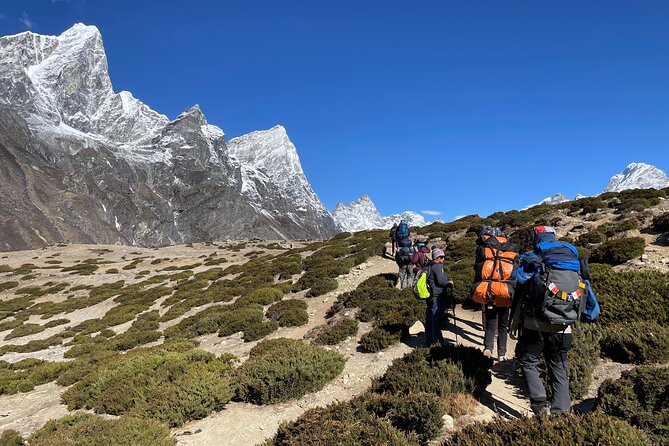
This is a serious Himalayan trek, not a sightseeing trip with a few walks added. You will spend long days on foot, sleep at increasing altitude, and deal with basic mountain conditions. The published guidance calls for a moderate level of physical fitness, but the combination of steep trails, thin air, rocky ground, and six-hour walking days deserves respect.
The route is carefully paced by Himalayan standards. You do not rush from Kathmandu to Base Camp in a few days. Instead, you move through Phakding, Namche Bazaar, Tengboche, Dingboche, Lobuche, and Gorak Shep before reaching the goal. That slower rhythm matters because altitude is the central challenge.
The experience also has a strong human side. You pass through Sherpa communities, visit the Sherpa Museum, see Buddhist monasteries, and walk beside porters and guides who know the route well. It is not just a mountain photo opportunity. The villages and religious sites give the trek its character.
At $1,300, the price is attractive for a 14-day program that includes the Kathmandu to Lukla flights, return flight, meals, two nights in Kathmandu, airport transport, and guide flights. Still, read the inclusions carefully. Personal expenses, drinks, alcohol, and tips are not included, and the information provided does not spell out every detail of trekking accommodation. Ask the company what lodge costs, permits, equipment, and emergency arrangements cover before paying.
More ways to trek to Everest Base Camp:
- Everest Base Camp Trek – 14 Days
★ 5.0 · 1,499 reviews - Everest Base Camp Helicopter Tour landing at Everest View Hotel
★ 5.0 · 668 reviews - Everest Base Camp Trekking
★ 5.0 · 485 reviews
Days 1 and 2: Kathmandu to Lukla and Phakding
Your first day is deliberately easy. A company representative picks you up at the airport and drives you to a hotel near Thamel. There is also a pre-trek meeting and preparation for the following morning.
That night near Thamel is useful rather than glamorous. You can organize your bag, meet team members, and make sure you understand the early flight and walking plan. The package includes two Kathmandu hotel nights on a bed-and-breakfast basis, at Hotel Kailash Kutee or a similar category.
Day two begins with a short flight of about 40 minutes to Lukla, one of the most memorable parts of the approach. The flight offers aerial Himalayan views, but it is also the first major uncertainty of the trek. Weather and local operating conditions can cause delays or cancellations.
During the busy season, flights may operate through Ramechhap instead of Kathmandu because of air traffic at Tribhuvan International Airport. That means a drive from Kathmandu to Ramechhap, followed by the flight to Lukla. The return can follow the same pattern, so do not schedule an important international connection immediately after the trek.
From Lukla, you walk for around three hours toward Phakding. This is a sensible opening day. The trail introduces you to the pace of the trek without sending you straight into a major altitude gain. You spend the night near Phakding and have time to explore the local community.
Day 3: Crossing bridges into Namche Bazaar
The walk from Phakding to Namche Bazaar takes about six hours and marks a clear change in the trek. You follow the western banks of the Dudh Koshi, cross small suspension bridges, and pass through Monjo before continuing toward the main Sherpa center of the Khumbu.
Namche Bazaar sits at about 3,440 meters and is often described as the gateway to the Everest region. It is more than a place to sleep. You will find a lively Sherpa community, shops, lodges, and cultural sights. The approach is demanding because the trail rises sharply toward the town, but reaching Namche gives you a strong sense that the trek has properly begun.
The suspension bridges are part of the fun, though they may feel less amusing if you dislike heights. Keep your pace steady and let faster walkers pass. The goal is not to win the day. It is to arrive in Namche with enough energy for the acclimatization walk.
Day 4: Namche acclimatization and the Everest View Point
The fourth day is one of the most important in the program. You remain in Namche and take a higher walk to help your body adjust. The listed excursion includes an Everest View Point and takes about two hours, with time afterward for the Sherpa Museum.
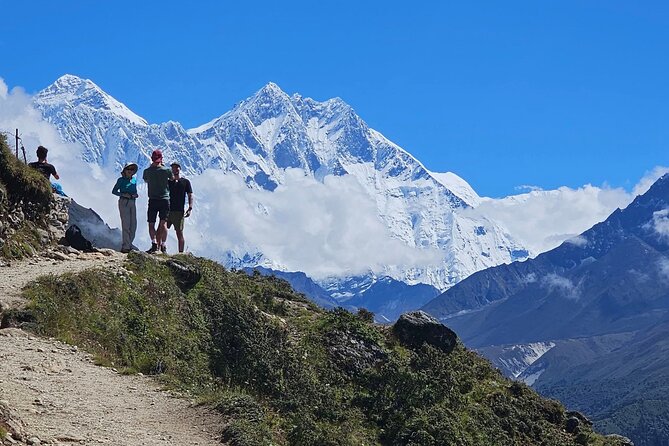
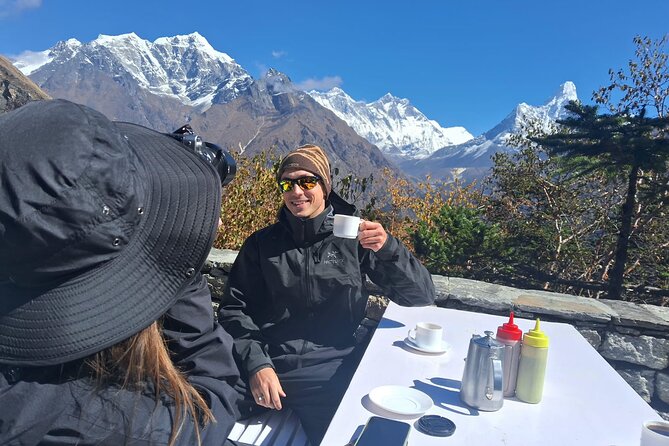
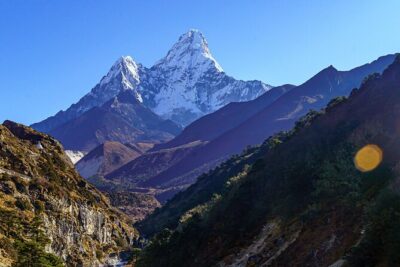
The viewpoint near the highest-placed Hotel Everest View provides broad mountain views, including Everest, Ama Dablam, Lhotse, Nuptse, Thamserku, and Cho Oyu. Conditions can affect visibility, but this is an excellent early chance to see the major peaks without yet walking into the highest part of the route.
The Sherpa Museum adds context to the mountain scenery. It covers Sherpa culture and mountaineering history, giving you a better understanding of the communities that support expeditions in the region. I would treat this day as active rest, not a free day for exhausting side trips.
More treks starting in Kathmandu:
- Nagarkot Sunrise View and Day Hiking from Kathmandu
★ 5.0 · 471 reviews - Annapurna Circuit Trek with Tilicho Lake
★ 5.0 · 368 reviews - Everest Base Camp Trekking – 13 Day
★ 5.0 · 365 reviews - Everest Base Camp Trek -14 Days
★ 5.0 · 321 reviews
Days 5 and 6: Tengboche, Deboche, and Dingboche
Leaving Namche, you follow a high trail above the Dudh Koshi toward Tengboche. The walk takes about five hours and opens up some of the route’s best mountain views. Everest, Nuptse, Lhotse, Thamserku, and Kwangde are among the peaks visible along this section.
Tengboche Monastery is the main cultural stop. Its setting is peaceful, and the visit gives the trek a welcome pause from the physical effort. The monastery is not a quick photo stop. Give yourself time to appreciate the quiet surroundings and the role of Buddhism in daily life here.
Day six continues toward Dingboche, again taking about five hours. The trail passes through rhododendron forests and meadows, then by the Buddhist nunnery at Deboche before reaching the Imja Khola. You will see peaks connected with Island Peak and Amphu Laptsa along the way.
Dingboche sits higher and feels more exposed than the villages below. The change in air is noticeable, which is exactly why the next day is reserved for rest and acclimatization.
Day 7: A rest day in Dingboche
This is a true breathing space in the itinerary. You can rest in Dingboche or take a short walk of about three hours before returning for the night.
The schedule does not force a demanding excursion, which is a strength. You need energy for Lobuche, Gorak Shep, Base Camp, and Kala Patthar. If you feel well, a gentle walk helps you adjust. If you feel tired, rest is the wiser choice.
Pay attention to how you feel at this point. Headaches, unusual fatigue, and difficulty sleeping can occur at altitude. Your guide should help you make sensible decisions, but you also need to speak up early instead of trying to hide symptoms.
Day 8: Lobuche and the memorials at Dughla
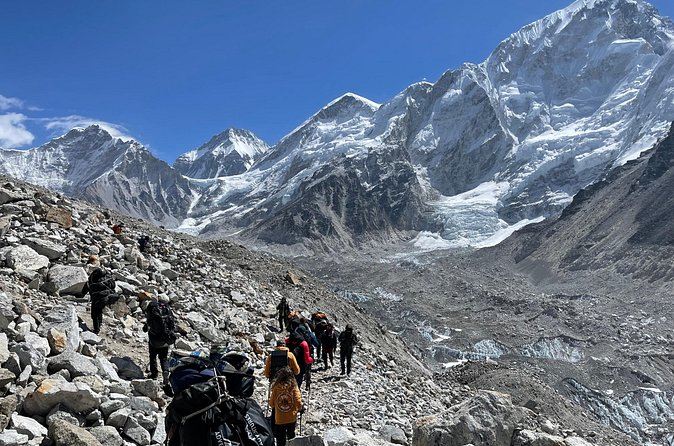
The walk to Lobuche lasts about six hours. You first reach Dughla, then climb a hill filled with memorials to Sherpas who died on Everest expeditions. This is a solemn part of the route and a useful reminder that the mountains are beautiful but not harmless.
From the memorial area, the trail continues with views toward Kala Patthar and Pumori. You then follow the moraine of the Khumbu Glacier. The ground becomes more stony and uneven, and the cold and altitude can make an ordinary walking day feel much harder.
Lobuche is a practical overnight stop before the Base Camp push. Do not expect the scenery to become less impressive simply because you are tired. The glacier, moraines, and high peaks create a stark setting, but your attention may be focused on keeping a steady pace.
Day 9: Everest Base Camp and Gorak Shep
This is the day many people imagine when they book the trek. From Lobuche, you continue toward Gorak Shep, then walk to Everest Base Camp after lunch. The round trip to Base Camp takes about six hours, followed by about three hours for the return and check-in at Gorak Shep.
The trail to Base Camp crosses stony ground, moraines, and streams. You walk beside the Khumbu Glacier and approach the Khumbu Icefall, one of the most recognizable features of the Everest climbing route. Base Camp itself is a major emotional milestone, but the exact view of Everest can be partly blocked from this position.
That point matters. If your main goal is the classic open view of Everest, Kala Patthar the next morning is usually the more important viewpoint in this schedule. Base Camp gives you the expedition setting, glacier, prayer flags, and the feeling of reaching the foot of the climbing route.
Gorak Shep is your high overnight stop. The climb back toward the lodge includes a short incline and a steeper section before the descent. At this altitude, even a modest rise can feel serious. Eat, drink what is available, and follow your guide’s advice about the next morning.
Day 10: Kala Patthar at 5,550 meters
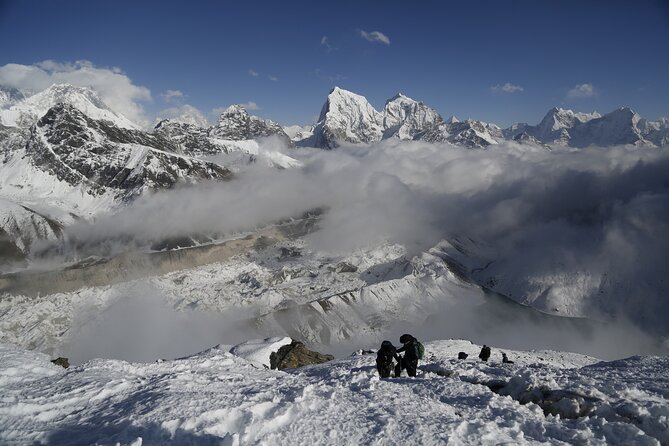
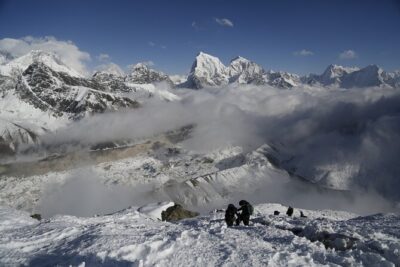
You start early for Kala Patthar, the highest point of the trek at 5,550 meters. The ascent takes about two hours, and the reward is a sunrise view toward Everest and the surrounding peaks.
This is likely the most demanding and most memorable climb of the route. The early start means cold conditions and low energy, but dawn can give the mountains a sharp, changing quality. From the viewpoint, you may see Everest, Pumori, Nuptse, and nearby Himalayan peaks in a much more open arrangement than from Base Camp.
After returning to Gorak Shep for breakfast, you descend toward Pheriche, with about six hours of walking for the day. The downhill direction helps, but the distance still adds up. This is why the acclimatization days and measured pace are so important.
The schedule places the highest point before the long descent, which is sensible. You get the main viewpoint early, then begin losing altitude instead of spending another night at the route’s highest elevations.
Days 11 and 12: Returning through Pangboche and Namche
Day 11 takes you back toward Namche Bazaar in about six hours. Along the way, you can visit Pangboche Monastery, described as the oldest monastery in the area, before continuing down through Tengboche and toward the lower trail.
The return route gives you a different view of places you passed on the way up. Descending through the forest and villages can feel easier, but do not treat it as effortless. Rocky steps and long downhill stretches can be tough on knees and ankles.
Day 12 continues to Lukla and takes about six hours. You walk through greener surroundings, pass Sherpa hamlets, and cross the Hillary Suspension Bridge before reaching the town. Your guide confirms the flight arrangements for the following day.
This is another reason to keep your guide close. Flight planning in the Lukla region depends on weather and available aircraft. The schedule may look fixed on paper, but the final transport details can change.
Day 13: Lukla, Ramechhap, and Kathmandu
The return flight from Lukla takes about 30 minutes. During the busy season, you may fly to Ramechhap rather than Kathmandu, followed by a drive. The provided schedule allows about four hours for the Ramechhap airport portion before onward transport.
The company includes the client and guide flight tickets, but weather can still disrupt the plan. One past trip was affected by canceled Lukla flights, which is a realistic possibility on this route. The company’s cancellation terms state that poor weather can lead to a new date or a full refund if the experience itself is canceled, but once you are in the mountains, practical delays may still affect your personal arrangements.
The final night is a chance to share the experience with the group and return to your Kathmandu accommodation. Keep an extra buffer before your international departure. The official program does not provide much room for an unexpected flight delay.
What the $1,300 price includes
The price makes sense if you value having the main transport and food arrangements handled in advance. Included items are:
- Airport pickup on arrival and transport for final departure
- All listed fees and taxes
- Kathmandu to Lukla and return flights, or Ramechhap to Lukla and return when that routing operates
- The guide’s flight tickets
- Two Kathmandu hotel nights with breakfast
- Thirteen breakfasts, 11 lunches, and 11 dinners
You pay separately for personal expenses, drinks, alcoholic beverages, and tips for the guide and driver. The meal count suggests food is covered for most trekking days, but ask how meals are handled on flight days and in Kathmandu.
The package is strongest for someone who wants a guided structure without paying for a fully private trip. A group limit of eight keeps the operation fairly small. It also gives you access to a guide and porter, which matters on long walking days.
Before booking, ask for a clear list of trekking accommodation, permits, porter arrangements, insurance expectations, and emergency procedures. Those details are not fully stated in the information provided, and they affect the true cost.
Guide support and the human side of the trek
Guide care is the strongest recurring feature in the available feedback. Ram was praised for keeping a nervous trekker calm and offering steady encouragement. Amer, serving as porter, was remembered for practical support. Bishnu, Rajesh, and Prakash were also named as guides or staff who helped make the trek special.
One family trip highlighted Ram’s attention to detail and his ability to keep a young group member entertained with card games. Another account described Gore fixing shoes, sharing personal gear, and making careful decisions during a surprise snowstorm.
You should not assume you will receive one specific guide unless the company confirms it. Still, these examples show what to ask for: a guide who watches the group’s condition, communicates clearly during weather changes, and helps with small practical problems before they become large ones.
Who should book this trek?
I would recommend it to people who want the full classic Everest route in a compact two-week schedule and who accept that the trek will be physically demanding. It suits hikers with moderate fitness who are comfortable walking for five to six hours on several days.
It is also a good match for families or first-time high-altitude trekkers who prefer a guide, porter support, and a small group. The itinerary includes planned rest days, but it is not an easy holiday. Older family members should consider their fitness carefully and discuss the route with the operator.
You should think twice if you have a fixed international flight immediately after Day 13, dislike basic mountain lodging, or need a relaxed pace with several spare days. Lukla and Ramechhap flight changes are part of the practical reality, not a minor footnote.
The cancellation policy allows a full refund if you cancel at least three full days before the start time. Changes or cancellations inside that window are not accepted for a refund, and bad weather or insufficient minimum numbers may lead to a different date, another experience, or a full refund.
Should you book the Everest Base Camp Trek?
Book it if you want the standard Everest Base Camp route with a clear daily plan, two acclimatization days, a group of no more than eight, and major transport costs bundled into one price. The combination of Sherpa villages, Tengboche Monastery, Namche’s museum and viewpoints, Khumbu Glacier, Base Camp, and Kala Patthar gives you the full story of the route.
I would not book it without first confirming trekking accommodation, permits, equipment expectations, and the plan for flight delays. If those details are clear, $1,300 offers solid value for a guided 14-day journey. Go prepared for cold, altitude, long days, and schedule changes, and this trek can deliver the kind of mountain experience that stays with you long after the boots come off.
FAQ
Where does the Everest Base Camp Trek begin?
The trek begins in Kathmandu, Nepal. Airport pickup is provided, and you stay near Thamel before flying toward Lukla.
How long does the trek take?
The program lasts approximately 14 days, including arrival and departure days, the trek to Everest Base Camp, the return to Lukla, and the flight back toward Kathmandu.
What is the highest point on the route?
Kala Patthar is the highest point, at about 5,550 meters. The scheduled climb takes around two hours and is planned for early morning views.
Are flights to Lukla included?
Yes. The package includes client flights between Kathmandu and Lukla, or between Ramechhap and Lukla when that route operates. The guide’s flight tickets are also included.
Why might I use Ramechhap Airport?
During the busy season, flights may operate through Ramechhap because of air traffic at Kathmandu airport. A road transfer from Kathmandu to Ramechhap is then required.
Are meals included?
Yes. The package includes 13 breakfasts, 11 lunches, and 11 dinners. Personal expenses and beverages are not included.
How large is the group?
The maximum group size is eight people.
What fitness level is required?
The activity states that you should have a moderate level of physical fitness. The route includes several five to six-hour walking days and reaches high altitude, so you should be prepared for sustained uphill and downhill walking.
Recently added around Kathmandu
- Kathmandu : Swambhunath & Durbar Square Guided Half Day Tour★ 3.3 · 3 reviews
- Private Day Tour in Kathmandu Valley Rim with Bhaktapur Sightseeing★ 5.0 · 3 reviews
- From Kathmandu / Pokhara / Chitwan: River Rafting – 1 Day★ 4.6 · 3 reviews
- Nepali Cooking training & Cultural Homestay Experience★ 5.0 · 3 reviews
- Private 3-Hour Nagarkot Sunset Tour from Kathmandu★ 3.5 · 3 reviews
- 4 UNESSCO World heritage sites of Kathmandu-private tour★ 5.0 · 3 reviews
- From Kathmandu: Everest Base Camp Landing Helicopter Tour★ 5.0 · 3 reviews
- From Kathmandu Budget: 15 Day Everest Base Camp Trek★ 5.0 · 3 reviews
Everest Base Camp Treks, compared.
Everest Base Camp Helicopter Tour landing at Everest View Hotel
Read our review →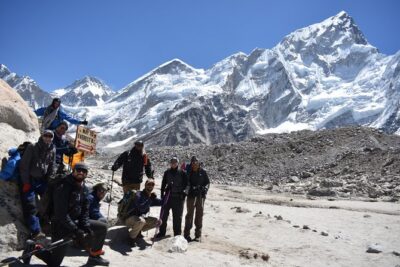
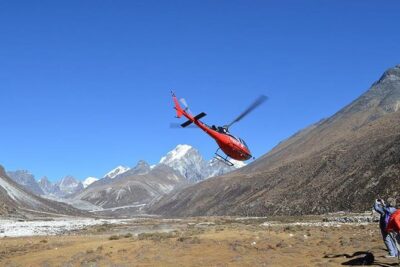
Everest Base Camp Helicopter Tour landing at Hotel Everest View
Read our review →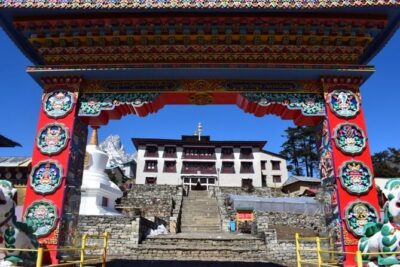
Browse the lists this tour appears in