
Reviewed · EVEREST BASE CAMP TREKS
Everest Base Camp Trek
Everest Base Camp is not a quick mountain outing. It is a 15-day high-altitude trek that carries you from Kathmandu through Sherpa villages, pine forests, monasteries, and the stark upper Khumbu to Base Camp at 5,364 meters. The high point is Kala Patthar, at 5,545 meters, where an early climb brings the best views of Everest.
I like the sensible acclimatization stops in Namche Bazaar and Dingboche, and I like that the price includes the Lukla flights, permits, meals, lodges, a porter, and basic trekking gear. The main concern is the altitude and the fixed, non-refundable booking policy. This is a serious physical trip, not a scenic stroll with a few mountain photos.
In This Review
- Key points to know before booking
- What the 15-day Everest route feels like
- Day 1 in Kathmandu: arrival and briefing
- Days 2 and 3: Lukla, Phakding, and the first suspension bridges
- Day 4 in Namche Bazaar: the first acclimatization day
- Days 5 and 6: Tengboche and Pangboche
- Day 7 in Dingboche: a useful second rest day
- Days 8 and 9: Lobuche, Gorak Shep, and Base Camp
- Day 10: Kala Patthar at sunrise, then the long descent
- Days 11 and 12: back through Namche to Lukla
- Days 13 to 15: Lukla flight, weather buffer, and departure
- What the $1,800 price includes
- The guide, porter, and small-group setup
- Winter conditions and the main drawbacks
- Who should book this trek
- Should you book the Everest Base Camp Trek?
- FAQ
- How long is the Everest Base Camp Trek?
- Where does the trek begin?
- What is the highest point on the trek?
- How high is Everest Base Camp?
- Are meals included?
- Are accommodation costs included?
- Are the Lukla flights included?
- Is a porter provided?
- What trekking equipment is supplied?
- What is not included in the price?
Key points to know before booking
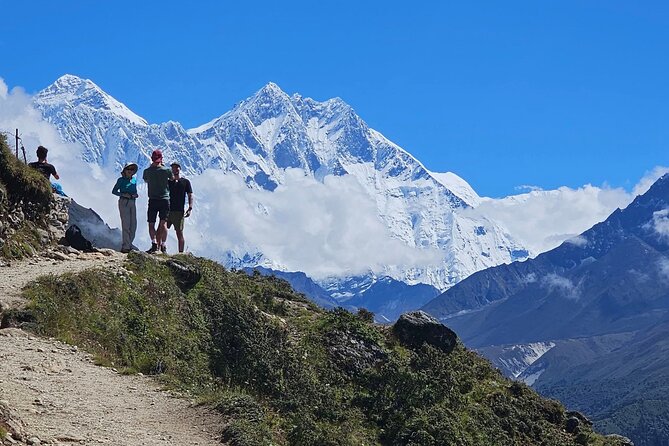
- Kala Patthar reaches 5,545 meters: The sunrise climb is the trip’s highest point and best viewpoint for Everest.
- Two acclimatization days are built in: You spend one day around Namche Bazaar and another in Dingboche.
- The package covers major trekking costs: Meals, lodge accommodation, permits, conservation fees, porter support, gear, ground transport, and domestic flights are included.
- Sherpa culture is part of the route: You pass villages, mani walls, prayer wheels, monasteries, markets, and the Sherpa Museum.
- Lukla flights need flexibility: A full extra day in Kathmandu is held for weather-related delays or cancellations.
- The group is limited to 12 people: That is small enough for a more manageable guided trek.
What the 15-day Everest route feels like
The route is carefully shaped around altitude rather than speed. You begin in Kathmandu, fly to Lukla, and walk upward through Phakding, Namche Bazaar, Tengboche, Dingboche, Lobuche, and Gorak Shep before reaching Everest Base Camp.
The return follows much of the same trail, but the experience changes when you are walking downhill and looking back at peaks you first saw from below. The itinerary includes trekking days of roughly three to seven hours, plus two acclimatization days. That rhythm is useful because the biggest challenge is not simply distance. It is gaining height.
You should expect basic lodge accommodation in the mountains, not hotel comfort. The package includes 11 nights in trekking lodges and three nights in a Kathmandu hotel. Three meals a day are provided during the trek, which makes budgeting simpler and means you do not need to arrange every meal as you go.
More ways to trek to Everest Base Camp:
- Everest Base Camp Trek – 14 Days
★ 5.0 · 1,499 reviews - Everest Base Camp Helicopter Tour landing at Everest View Hotel
★ 5.0 · 668 reviews - Everest Base Camp Trekking
★ 5.0 · 485 reviews
Day 1 in Kathmandu: arrival and briefing
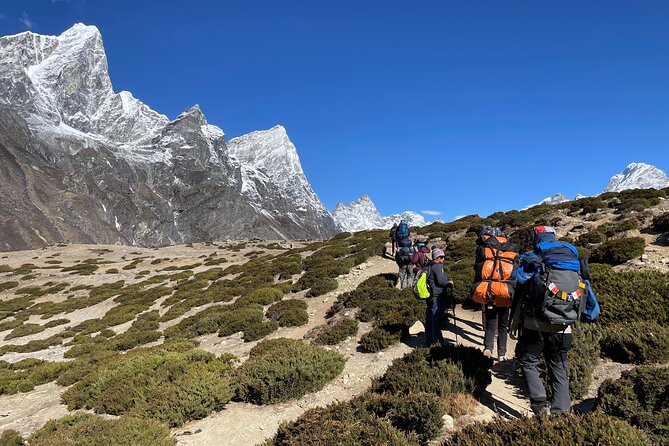
Your trip begins with airport pickup at Tribhuvan International Airport. A representative transfers you to your hotel, where you have time to rest after your international flight.
Later, you meet the guide for a short briefing. This is a useful first evening because the next morning begins early with the flight to Lukla. The Kathmandu hotel nights also give you a place to recover after the trek and before your onward flight.
Days 2 and 3: Lukla, Phakding, and the first suspension bridges
The mountain portion begins with a morning flight from Kathmandu to Lukla. The flight itself offers Himalayan views, then you meet the trekking crew and begin walking toward Phakding.
The first day is relatively easy, with a descent through Sherpa villages. Mani walls and prayer wheels appear along the trail, giving you an immediate sense that this is both a mountain route and a cultural journey. The walk takes about three hours.
On Day 3, you follow the Dudh Koshi River toward Namche Bazaar. The trail crosses suspension bridges decorated with prayer flags and passes through pine forests and traditional villages. You also enter Sagarmatha National Park, the UNESCO World Heritage site that protects this high mountain region.
This is when the trek starts to feel more demanding. The six-hour walking day brings you to Namche, a natural stopping point before the trail rises higher.
Day 4 in Namche Bazaar: the first acclimatization day
Namche Bazaar is more than a place to sleep. It is the liveliest settlement on this route, with a market, local bakeries, and the Sherpa Museum. You get a chance to explore rather than simply pass through with your head down.
The planned short hike can take you toward the Everest View Hotel or Khumjung village. The walk lasts about four hours and gives you panoramic mountain views without moving your overnight altitude.
I like this day because it breaks up the climb and lets you see something of everyday Sherpa life. The drawback is that an acclimatization day is not a day off. You still walk at altitude, and the next stages become harder.
More treks starting in Kathmandu:
- Nagarkot Sunrise View and Day Hiking from Kathmandu
★ 5.0 · 471 reviews - Annapurna Circuit Trek with Tilicho Lake
★ 5.0 · 368 reviews - Everest Base Camp Trekking – 13 Day
★ 5.0 · 365 reviews - Everest Base Camp Trek -14 Days
★ 5.0 · 321 reviews
Days 5 and 6: Tengboche and Pangboche
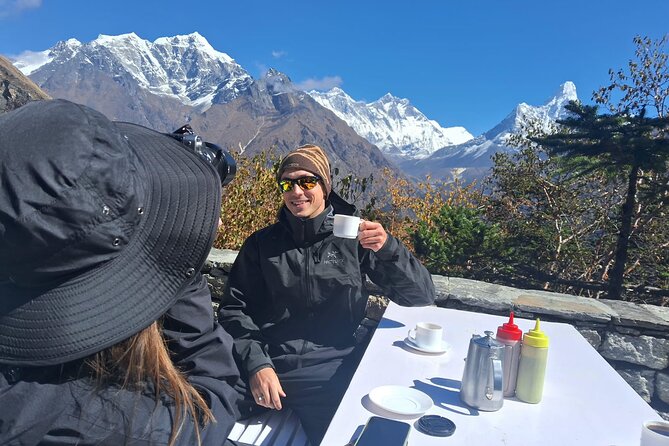
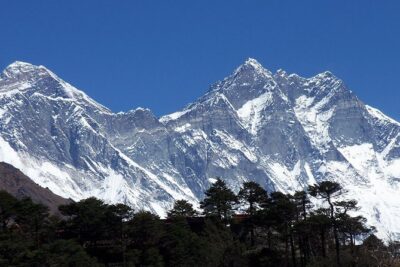
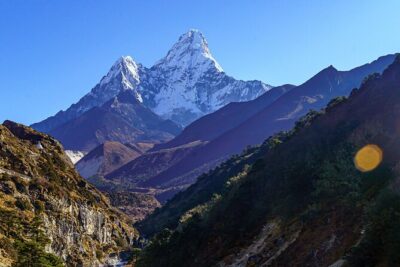
Leaving Namche, the trail gently rises with views of Everest, Lhotse, and Ama Dablam. Forests of rhododendron and pine lead you down toward the Dudh Koshi River, followed by a suspension bridge and the climb to Tengboche.
Tengboche is known for its monastery, which gives the day a strong cultural focus. The six-hour route also offers some of the most memorable mountain views before vegetation becomes thinner and the route turns more exposed.
Day 6 begins with a descent through forest to Debuche. You cross the Imja Khola River and then climb gradually past Pangboche, described in the itinerary as the highest permanent settlement in the region. The views open toward the high peaks, and the six-hour walk ends at Dingboche.
At this point, you will notice the change in the environment. The trees thin out, the air feels colder, and the walking pace naturally slows.
Day 7 in Dingboche: a useful second rest day
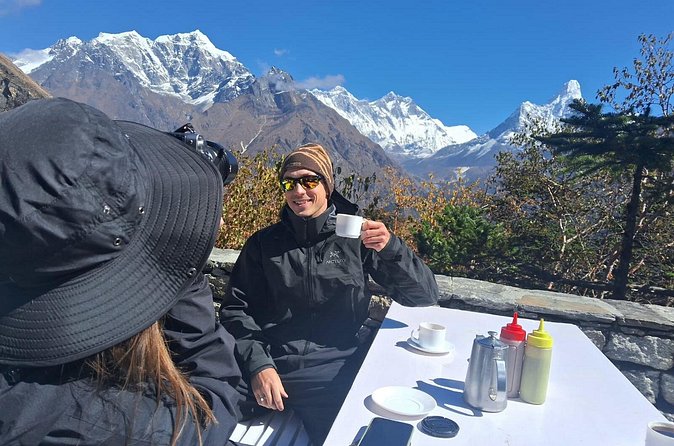
Dingboche gets a second acclimatization day, with a hike to Nagarjun Hill at about 5,100 meters. The route takes around five hours and offers views toward Makalu, Lhotse, and Island Peak.
This is one of the most important days in the plan. You are gaining altitude, but you are not also changing sleeping location. After the hike, you return to Dingboche for lunch and time to rest.
The itinerary calls the fitness requirement moderate, but that should not make you underestimate the trip. Moderate fitness may cover the walking itself, yet altitude can affect people unpredictably. You need to be ready for slow uphill progress, cold conditions, and long days.
Days 8 and 9: Lobuche, Gorak Shep, and Base Camp
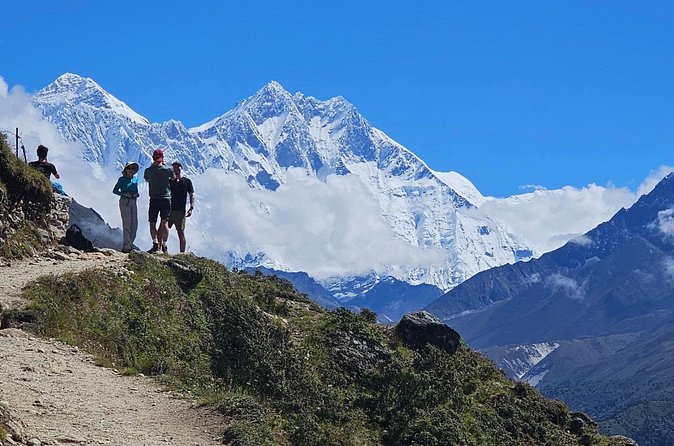
The trail from Dingboche to Lobuche climbs through rocky country with little vegetation. You pass Dughla and then walk up a memorial ridge dedicated to climbers who lost their lives on Everest.
This section carries emotional weight. It is a quiet reminder that the mountain is beautiful but not harmless. The walk takes about five hours, and Lobuche is your base before the push toward Gorak Shep.
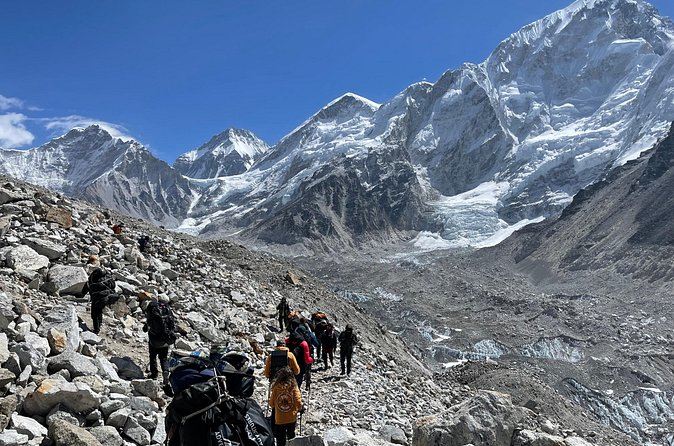
Day 9 begins with a gradual trek to Gorak Shep, the last settlement before Base Camp. After lunch, you cross rocky ground and glacier moraines on the way to Everest Base Camp. The full day is listed at about seven hours.
Base Camp is the symbolic goal, but do not expect the summit view to look exactly like the classic Everest photographs. Kala Patthar is the better viewpoint for Everest itself. Base Camp is still powerful for the setting, the glacier moraines, and the sense that you have reached the staging ground for the world’s highest mountain.
Day 10: Kala Patthar at sunrise, then the long descent
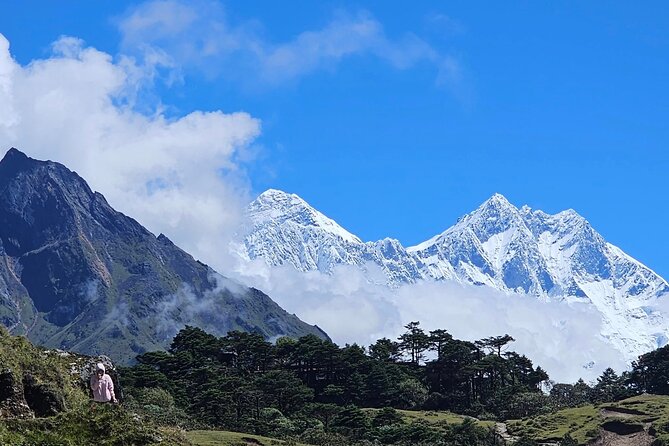
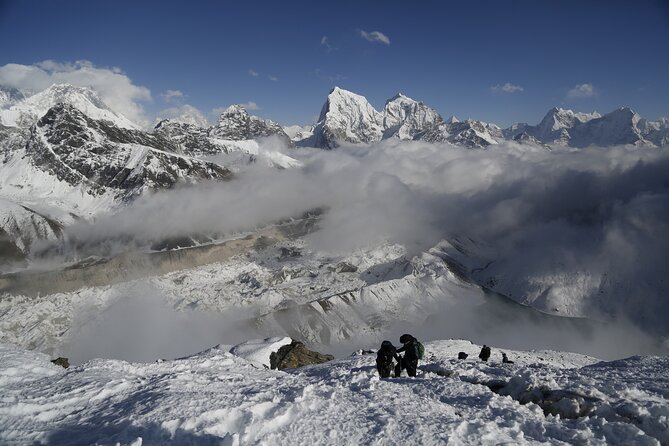
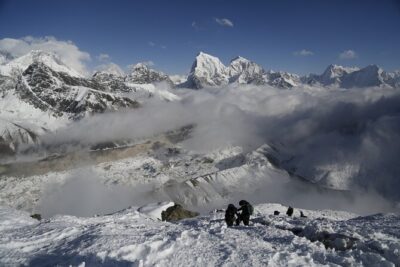
You start early for the climb to Kala Patthar. At 5,545 meters, this is the highest point of the trek and the place to look for sunrise over Everest and the surrounding Himalayan peaks.
The climb is steep, and the thin air makes every step count. You return to Gorak Shep for breakfast, then continue downhill toward Pheriche. The day is listed at about seven hours, so this is not only a viewpoint outing. It is also a demanding transition from the high point of the trip into the return journey.
This is the day that makes good pacing especially important. You need enough energy for the summit of the walk, breakfast, and the descent that follows.
Days 11 and 12: back through Namche to Lukla
The return route follows the familiar trail through Pangboche and Tengboche, but the views can feel different from the opposite direction. You descend through forests, cross suspension bridges, and pass birds and villages along the Dudh Koshi River.
Day 11 ends in Namche Bazaar after about seven hours. It is a long day, yet the lower altitude makes the walking feel more manageable than it did on the way up.
Day 12 is the final trekking day. You continue downhill through pine forests and across high suspension bridges before reaching Lukla. The seven-hour walk gives you time to look back on the route, the villages, and the people who supported the trip.
The return is not merely an administrative finish. It is a chance to notice how far you have come since the short first walk from Lukla to Phakding.
Days 13 to 15: Lukla flight, weather buffer, and departure
After breakfast on Day 13, you take the morning flight from Lukla to Kathmandu. The flight is listed at about 45 minutes, followed by a transfer to your hotel.
Day 14 is held as a buffer. Mountain weather can delay or cancel Lukla flights, so this extra day is a practical safeguard. If you fly as planned, you have free time in Kathmandu.
On Day 15, breakfast is followed by airport transfer for your onward flight. The schedule is useful for international departures because it gives you a full day between the planned return to Kathmandu and the end of the trip. Still, you should treat the buffer as necessary, not optional.
What the $1,800 price includes
At $1,800 per person, the value depends on how many of the included services you would otherwise have to arrange yourself. This is not just a guided walking package. It includes Kathmandu airport transfers and other ground transportation, the Kathmandu to Lukla and return flights, three Kathmandu hotel nights, 11 trekking lodge nights, trekking permits, Sagarmatha Conservation fees, three daily meals during the trek, and a porter shared between two people.
The equipment package includes a sleeping bag, duffel bag, and walking pole. Those items can save you the trouble and cost of renting or transporting some bulky gear.
You still need to pay for your international airfare, Nepal visa, personal travel insurance, and tips for the guide and porter. Those exclusions matter. Insurance is especially important on a high-altitude trip, and you should check that your policy fits your own needs before booking.
The package description lists meal counts separately as 11 lunches, 12 dinners, and 14 breakfasts, while also describing three meals a day during the trek. I would ask the operator to confirm exactly which meals are covered on arrival, departure, and flight days.
The guide, porter, and small-group setup
The trek is guided and limited to a maximum of 12 people. That size should make trail coordination easier than a large commercial group, while still giving you company on long walking days.
A porter is provided for every two trekkers. You should confirm the luggage arrangement and weight limit directly with Adventure Great Himalaya Trek and Expedition, since those details are not specified here.
The winter feedback gives two useful names. Krishna is praised for handling the practical side of a winter trek, allowing one couple to focus on walking, while Babu is named as part of the team that organized another couple’s trip. The information does not say that either person is assigned to every departure, so ask who your guide will be before you travel.
Winter conditions and the main drawbacks
December can bring strikingly clear mountain views, but it can also be extremely cold. One winter account describes the temperatures as severe, while still finding the trip unforgettable. If you choose a cold-season departure, you need to take the cold seriously and confirm what clothing and sleeping gear you must bring.
The larger issue is altitude. The route reaches 5,545 meters, and the itinerary only says that you need moderate physical fitness. You should think carefully about your own health, stamina, and readiness for a demanding trek before paying.
The non-refundable policy is another real concern. You cannot change or cancel the booking for a refund. Combined with the possibility of flight delays, that means you need suitable insurance and flexible international travel arrangements.
Who should book this trek
I would choose this trek if you want a guided route with the major logistics bundled together. It suits someone who values a set plan, does not want to arrange permits and lodge bookings alone, and wants built-in acclimatization days.
It is also a good fit if Sherpa villages, monasteries, prayer wheels, and mountain culture matter as much to you as reaching Base Camp. The route gives you time in Namche Bazaar, Tengboche, Dingboche, and Pangboche rather than reducing the experience to a race toward the famous sign.
I would hesitate if you want a soft adventure, dislike basic lodge accommodation, or need complete control over dates. The trip is long, high, and weather-sensitive. You should also be comfortable with a porter-supported group format and with paying separately for insurance, visa costs, international flights, and tips.
Should you book the Everest Base Camp Trek?
For $1,800, this is a solid package if the included flights, permits, food, lodges, gear, and support match your needs. I especially like the two acclimatization days, the weather buffer in Kathmandu, and the combination of Base Camp with the stronger Everest viewpoint at Kala Patthar.
Book it if you want structure and support on a demanding Himalayan route. Before committing, confirm the exact guide, meal coverage, porter limits, lodge standards, and insurance requirements. If you are prepared for cold, altitude, long walking days, and a strict cancellation policy, this trek offers a clear path to one of Nepal’s great mountain experiences.
FAQ
How long is the Everest Base Camp Trek?
The trek lasts approximately 15 days, including arrival and departure days, trekking days, acclimatization stops, the Lukla flights, and one weather buffer day.
Where does the trek begin?
The experience begins at Tribhuvan International Airport in Kathmandu, Nepal. The listed start time is 7:15 am.
What is the highest point on the trek?
The highest point is Kala Patthar, which reaches approximately 5,545 meters.
How high is Everest Base Camp?
Everest Base Camp is listed at an altitude of 5,364 meters.
Are meals included?
Yes. The package describes breakfast, lunch, and dinner during the trek. The separate meal counts list 11 lunches, 12 dinners, and 14 breakfasts, so you should confirm the exact coverage with the provider.
Are accommodation costs included?
Yes. The package includes three nights in a Kathmandu hotel and 11 nights in trekking lodges.
Are the Lukla flights included?
Yes. The Kathmandu to Lukla flight and the return flight to Kathmandu are included.
Is a porter provided?
Yes. A porter is included for every two trekkers.
What trekking equipment is supplied?
The package includes a sleeping bag, duffel bag, and walking pole.
What is not included in the price?
International airfare, the Nepal visa fee, personal travel insurance, and tips for the guide and porter are not included.
Recently added around Kathmandu
- Kathmandu : Swambhunath & Durbar Square Guided Half Day Tour★ 3.3 · 3 reviews
- Private Day Tour in Kathmandu Valley Rim with Bhaktapur Sightseeing★ 5.0 · 3 reviews
- From Kathmandu / Pokhara / Chitwan: River Rafting – 1 Day★ 4.6 · 3 reviews
- Nepali Cooking training & Cultural Homestay Experience★ 5.0 · 3 reviews
- Private 3-Hour Nagarkot Sunset Tour from Kathmandu★ 3.5 · 3 reviews
- 4 UNESSCO World heritage sites of Kathmandu-private tour★ 5.0 · 3 reviews
- From Kathmandu: Everest Base Camp Landing Helicopter Tour★ 5.0 · 3 reviews
- From Kathmandu Budget: 15 Day Everest Base Camp Trek★ 5.0 · 3 reviews
Everest Base Camp Treks, compared.
Everest Base Camp Helicopter Tour landing at Everest View Hotel
Read our review →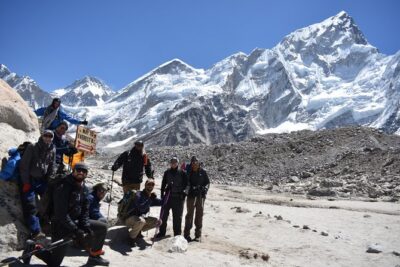
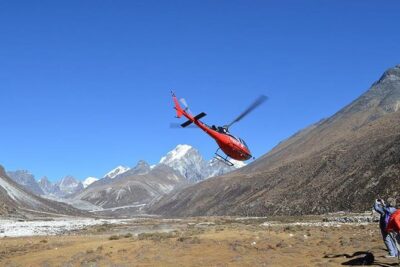
Everest Base Camp Helicopter Tour landing at Hotel Everest View
Read our review →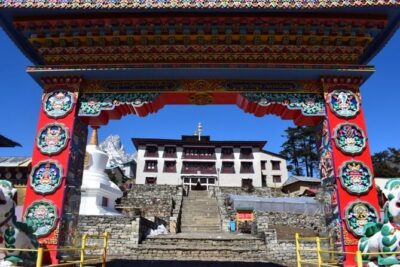
Browse the lists this tour appears in