
Reviewed · EVEREST BASE CAMP TREKS
Everest Base Camp Trek from Kathmandu 12 Days
The payoff here is clear: in 12 days, you walk from Lukla through Sherpa villages, past Buddhist monasteries, and up to Everest Base Camp, with Kala Patthar providing one of the finest mountain viewpoints on the route. The flight from Kathmandu to Lukla gets you quickly into the Khumbu, where the trail does the rest.
I like the private format, since your group can move with its own guide rather than being folded into a large crowd. I also like that round-trip flights, permits, a TIMS card, accommodation, hotel transfers, and a first-aid kit are included, which makes the $1,350 price easier to understand.
The main caution is the pace. This is a serious high-altitude trek with several six- to seven-hour walking days, and the itinerary gives limited spare time if weather, flight delays, or a slow acclimatization schedule affects the plan. You need strong physical fitness, not just enthusiasm.
In This Review
- Key points to know before booking
- What the $1,350 price really covers
- Day 1: Flying from Kathmandu to Lukla and walking to Phakding
- Day 2: Suspension bridges and the first arrival in Namche Bazaar
- Day 3: An active rest day around Namche
- Day 4: Tengboche and its mountain monastery
- Day 5: From Tengboche to Dingboche through Sherpa settlements
- Day 6: A second acclimatization day in Dingboche
- Day 7: The hard approach to Lobuche
- Day 8: Gorakshep and the walk to Everest Base Camp
- Day 9: Sunrise views from Kala Patthar and descent to Pheriche
- Days 10 and 11: Retracing the route through Namche to Lukla
- Day 12: Returning to Kathmandu
- The guide makes the difference
- Who should book this Everest trek?
- Final verdict: a focused trek with good practical value
- FAQ
- How long is the Everest Base Camp trek from Kathmandu?
- Is transportation from Kathmandu included?
- Is this a private tour?
- What accommodation is included?
- Is a guide included?
- Are trekking permits included?
- How fit do I need to be?
Key points to know before booking
- Lukla flights save time: The route begins with a scheduled flight from Kathmandu and ends with the return flight, leaving most of the 12 days for trekking.
- Namche and Dingboche acclimatization days matter: These are active rest days with short hikes or local exploring rather than full days in bed.
- Everest Base Camp is reached on Day 8: You walk from Gorakshep to Base Camp and return to Gorakshep the same day.
- Kala Patthar is the big viewpoint: An early start on Day 9 is designed for dramatic views of Everest and nearby peaks.
- The trip is private: Only your own group participates, with an English-speaking guide and guesthouse accommodation.
- Guides receive strong praise: Milan, Bikram, and Bishnu are named in the tour information, with repeated attention to safety, organization, flexibility, and care.
What the $1,350 price really covers
At $1,350 per person, this trek is priced as a packaged Himalayan trip rather than a simple guided walk. The important inclusions are the Kathmandu to Lukla and Lukla to Kathmandu flights, trekking permit, TIMS card, hotel pickup and drop-off, guesthouse accommodation, an English-speaking guide, and a first-aid kit carried by the guide.
That bundle has real value. The Lukla flights alone are essential to this particular route, and arranging permits and airport transfers separately would add work before the trek even starts. You also have a private trip, so the cost is not simply for a seat in a large shared group.
Still, read the phrase personal expenses carefully. The price does not include your own spending, and the provided information does not list meals, drinks, equipment, insurance, porter service, or emergency evacuation. Ask the operator to spell out those costs before paying. The guesthouse wording also suggests practical mountain lodging, not a hotel holiday.
The supplied details describe a strong service culture. Sagar is praised for organizing trips, while guides named Milan, Bikram, and Bishnu are associated with careful planning, support, and clear knowledge of the route. That matters here. A good guide is not just someone who points toward Everest. You need someone who watches the group, manages the day, and treats acclimatization seriously.
More ways to trek to Everest Base Camp:
- Everest Base Camp Trek – 14 Days
★ 5.0 · 1,499 reviews - Everest Base Camp Helicopter Tour landing at Everest View Hotel
★ 5.0 · 668 reviews - Everest Base Camp Trekking
★ 5.0 · 485 reviews
Day 1: Flying from Kathmandu to Lukla and walking to Phakding
The first day starts with a transfer to Kathmandu’s domestic terminal for the scheduled morning flight to Lukla. The flight is listed at about one hour, including the airport portion in the itinerary, and Lukla is the trailhead for this trek.
After meeting your guide, you begin walking toward Phakding. The hike takes about four hours, but the day is intentionally short compared with what comes later. That is useful. You are moving your body after the flight without trying to prove anything on the first afternoon.
Phakding is less about sightseeing than getting into the rhythm of the trail. You will begin sleeping in guesthouses and walking between villages rather than moving from one city hotel to another. Keep your first evening simple and use it to check your gear, drink water, and settle into the pace set by your guide.
Day 2: Suspension bridges and the first arrival in Namche Bazaar
The walk to Namche Bazaar takes about six hours and follows the Dudh Koshi River through pine forest. Several suspension bridges make the route memorable, while the trail gradually becomes more demanding as you approach the main Sherpa trading center.
Namche is one of the most important stops on the trek. It is not merely an overnight village. It is the place where the route slows down so your body can adjust before you go higher.
The attraction is the setting and the sense of place. Namche is a Sherpa settlement with a strong connection to trekking routes through the Khumbu, and it gives you your first substantial chance to explore local life. The drawback is that the approach can feel long and tiring, especially after the easier first day.
Day 3: An active rest day around Namche
The itinerary keeps you in Namche for a second night, which is essential rather than wasted time. You may take a short hike toward Thame, visit Khunde, or explore Namche itself. The listed activity lasts about five hours, depending on the choice made with your guide.
I like this kind of rest day because it keeps you moving without demanding another full stage of the trek. Sitting still all day is not always the best preparation for the trail ahead. A short outing also gives you time to look around instead of treating Namche as a place to sleep and leave.
This is a good day to ask your guide about the next section, check personal expenses, and make sure you are comfortable with the walking rhythm. Since the trip is private, your group has more room to choose between a local hike and a quieter day in town.
More treks starting in Kathmandu:
- Nagarkot Sunrise View and Day Hiking from Kathmandu
★ 5.0 · 471 reviews - Annapurna Circuit Trek with Tilicho Lake
★ 5.0 · 368 reviews - Everest Base Camp Trekking – 13 Day
★ 5.0 · 365 reviews - Everest Base Camp Trek -14 Days
★ 5.0 · 321 reviews
Day 4: Tengboche and its mountain monastery
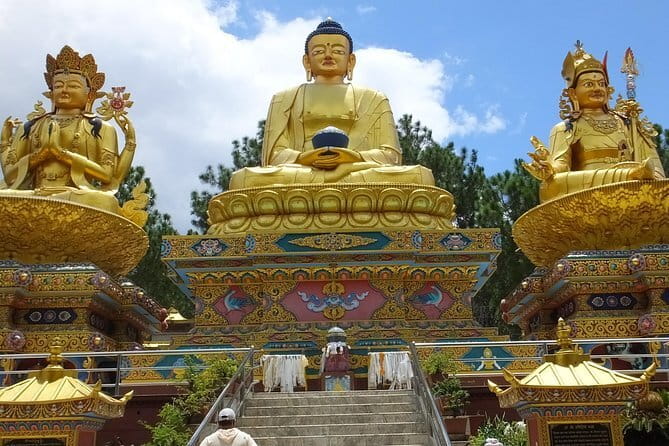
The route to Tengboche takes about six hours. The trail is described as dusty and winding, with some climbing and descending but enough time to stop for photographs. Tengboche is especially important because of its monastery and broad mountain views.
The monastery is one of the cultural highlights of the trek. This is not just a mountain walk with scenery on both sides. Buddhist religious life is part of the Khumbu, and a stop at Tengboche helps you understand the setting through more than peaks and trail distances.
The walk can still feel tiring, especially on a dusty route with repeated turns. Bring patience. The reward comes from the monastery setting and the open views around it, not from a quick, easy stroll.
Day 5: From Tengboche to Dingboche through Sherpa settlements
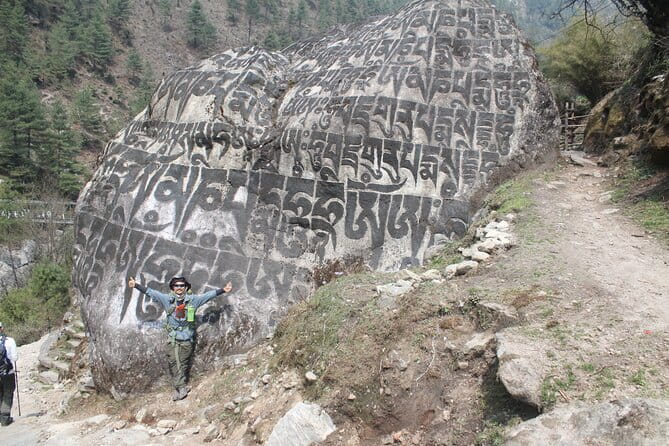
The day begins with a visit to the region’s oldest Buddhist monastery, then continues through alpine woods toward Upper Pangboche. From there, the route passes Shomare and Orsho before reaching Dingboche after about seven hours.
This is one of the longest days in the schedule, and it deserves respect. You are not simply covering distance. The route links several settlements and gives you a close look at how villages are spread through the Khumbu.
Dingboche is another key acclimatization point. The village is high enough that the next rest day becomes important. The practical advice is simple: do not spend Day 5 racing ahead because you feel good in the morning. Save energy for the days near Base Camp.
Day 6: A second acclimatization day in Dingboche
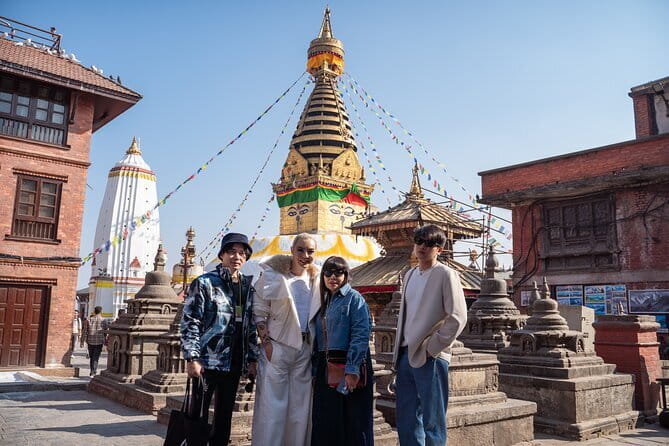
The schedule allows about five hours for visiting Dingboche and nearby villages. The details leave room for your guide to shape the day around your group’s condition, but the purpose is clear: remain active while giving your body time to adjust.
This is one of the strongest parts of the itinerary. The trek does not try to reach Base Camp in one straight push. It gives you a pause in Dingboche before the route becomes more exposed and demanding.
You may prefer a short outing, a look at surrounding villages, or a quieter recovery day. Your guide’s judgment matters here. The repeated praise for Bikram’s safety planning and flexible approach is especially relevant to a day like this, when the right amount of walking depends on how your group feels.
Day 7: The hard approach to Lobuche
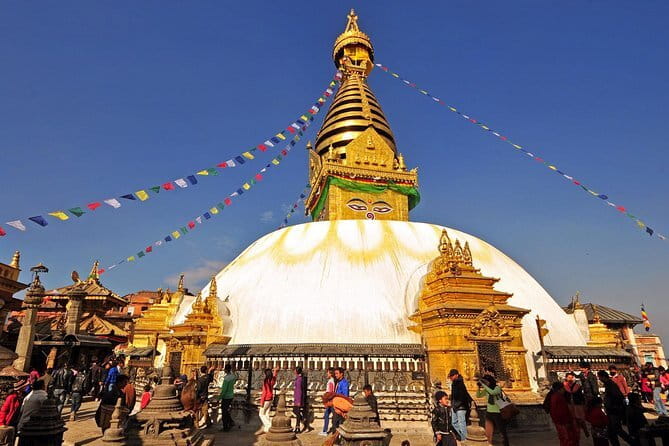
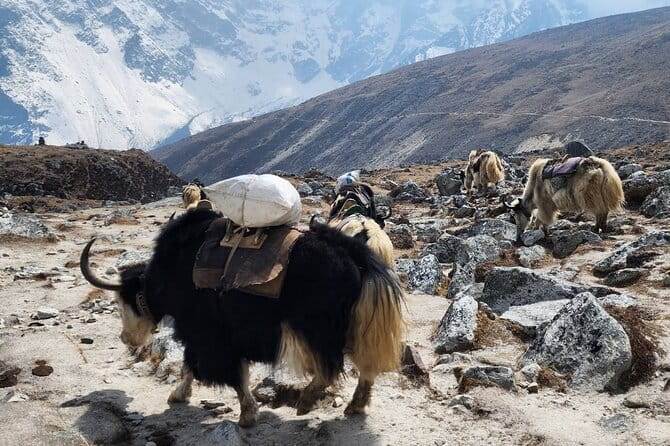
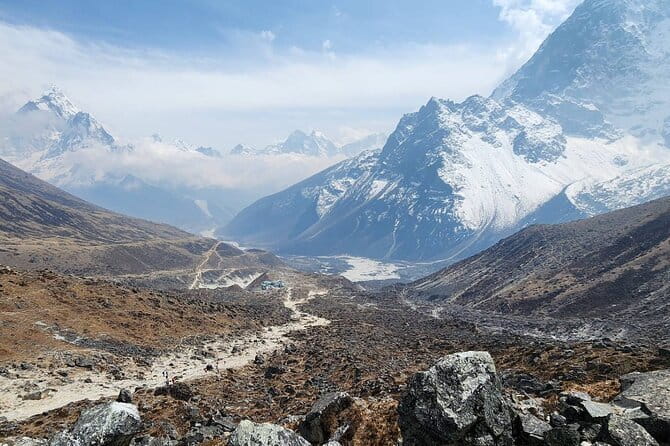
The route from Dingboche to Lobuche takes about seven hours. It follows the Khumbu Khola valley toward Duglha, then continues through a narrowing valley near Dusa. The trail becomes rougher, with large boulders and mountain yaks sharing the route.
This is a demanding stage. The schedule includes rocky ground, a long walking time, and a gradual shift into a more severe mountain setting. The sight of yaks is part of the character of the route, but you also need to give them room and watch your footing.
Lobuche is a practical overnight stop before Gorakshep and Base Camp. Do not expect this to feel like a sightseeing day with easy stops. It is a work day on the trail, and your reward is being positioned for the main goal on the following morning.
Day 8: Gorakshep and the walk to Everest Base Camp
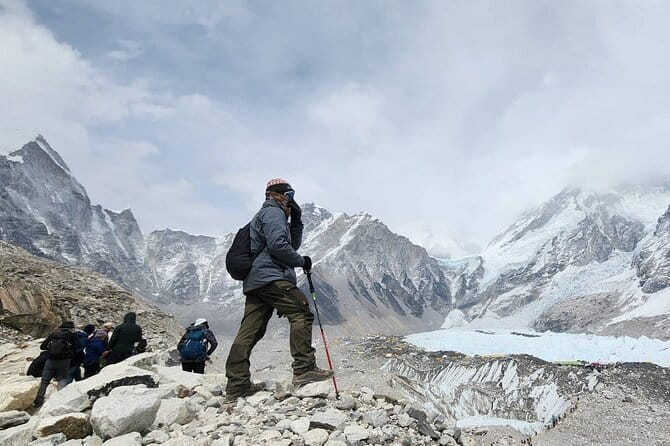
The first section to Gorakshep takes about three hours and follows the side of the Khumbu Glacier. The route passes a pyramid signpost and climbs toward Thangma Riju, where you can see major peaks and the surrounding terrain.
From Gorakshep, you continue to Everest Base Camp, with about two hours listed for the walk. You then return to Gorakshep for the night, adding another two hours. In other words, reaching Base Camp is not the end of the day. You still have to walk back.
This is the emotional center of the trip, but keep your expectations realistic. Everest Base Camp is a mountaineering staging point, not a summit viewpoint. The strongest views of Everest are associated with the route and with Kala Patthar, while Base Camp gives you the satisfaction of reaching the famous destination beside the Khumbu Glacier.
The same-day return to Gorakshep is the main challenge. It will be a long day at high altitude, so follow your guide’s pace. Take the time to enjoy the mountains, but do not turn the Base Camp stop into a race for photographs.
Day 9: Sunrise views from Kala Patthar and descent to Pheriche
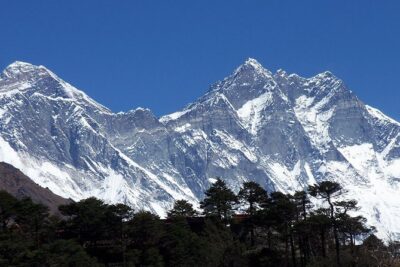
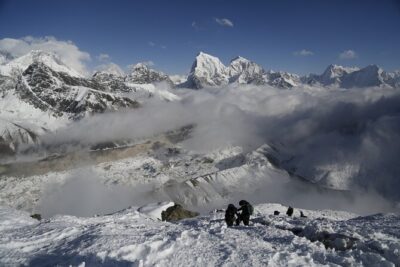
You make an early start for Kala Patthar, described as one of the finest viewpoints on the trek. The listed walking time is about three hours. From the viewpoint, you can observe Everest and other major peaks, including Lhotse, Nuptse, and Makalu in the wider Himalayan panorama.
The early start is worthwhile because mountain light changes quickly. This is the point in the itinerary where the famous Everest views are likely to feel most complete, with the surrounding summits arranged across the horizon rather than seen only from the Base Camp route.
After Kala Patthar, you descend to Gorakshep, rest for a while, and continue down to Pheriche in about four hours. The descent may sound easier, but tired legs and rocky ground can make it awkward. Walk under control and do not let excitement about going downhill make you careless.
Days 10 and 11: Retracing the route through Namche to Lukla
Day 10 follows the route back from Pheriche toward Namche Bazaar. The walk takes about six hours and passes through the broad Khumbu Khola valley, Dughla, and Sherpa villages including Orsho and Pheriche.
The return journey gives you a different view of familiar ground. You may notice village details, bridges, and mountain angles that escaped your attention while heading upward. It is also a relief to be descending, though the path remains long.
On Day 11, the trail drops steeply toward Phakding, with about three hours to that stop and another three hours onward to Lukla. The description rightly warns that the rocky route can be hard on shaky legs. Pine and rhododendron forests return as you approach Lukla, making the final walking day feel more sheltered than the high sections.
Staying overnight in Lukla is sensible because the return flight to Kathmandu is scheduled for the following morning. The itinerary does not pad the schedule with a spare day, so ask the provider how flight disruptions are handled before departure.
Day 12: Returning to Kathmandu
The final day begins with the flight from Lukla to Kathmandu, listed at about 35 minutes in the activity description. After reaching Tribhuvan International Airport, you are transferred back toward Thamel.
This is a simple ending, but it matters. Hotel pickup and drop-off are included, so the trip finishes with ground transport already arranged rather than leaving you to sort out a taxi after the flight.
The return to Thamel also gives you a useful contrast. In less than a day, you move from quiet mountain villages and glacier routes back into Kathmandu’s urban energy. The trek may be finished, but the shift itself is part of the experience.
The guide makes the difference
A private Everest trek depends heavily on the guide. The information for this trip names Milan, Bikram, and Bishnu among the guiding team. Milan is associated with kindness and attentive care, while Bikram is repeatedly described as organized, safety-minded, flexible, and supportive. Bishnu is noted for route knowledge and encouragement.
Those qualities are more useful than theatrical storytelling. You want a guide who can explain Sherpa culture and Buddhist sites, keep the group moving at a sensible pace, and recognize when a planned walking day needs adjustment.
The included first-aid kit is a helpful basic safeguard, but it is not a substitute for your own travel insurance or medical planning. The trip requires passport details and a photo, including a selfie, to issue the trekking permit.
Who should book this Everest trek?
I would choose this trip if you want a private, organized route to Everest Base Camp without arranging flights, permits, transfers, and guesthouses on your own. It suits fit hikers who are comfortable with six- to seven-hour days and who want both mountain views and contact with Sherpa villages.
It is less suited to anyone expecting a relaxed holiday, hotel comfort, or a flexible schedule with many spare days. The guesthouse accommodation is practical, and personal expenses are extra. You also need to be ready for the possibility that the planned timetable may feel tight if conditions change.
The strong recommendation record and five-star rating from 14 submitted reviews point to a reliable operation, especially in guide care and organization. I would still ask for a complete list of exclusions and confirm the flight plan before booking.
Final verdict: a focused trek with good practical value
This is a well-structured 12-day Everest Base Camp route with the right major pauses at Namche and Dingboche, a full Base Camp day, and an early Kala Patthar climb for the best mountain views. The private setup and included logistics add genuine value at $1,350.
Book it if you want an efficient, guided Himalayan trek and are prepared for hard walking. Before committing, confirm what personal expenses include, ask about porter arrangements and meals, and make sure your fitness matches the route. If those details suit you, this trip gives you a direct path from Kathmandu to one of the world’s most famous mountain destinations.
FAQ
How long is the Everest Base Camp trek from Kathmandu?
The trek lasts approximately 12 days, including the flights from Kathmandu to Lukla and back, the walking route to Everest Base Camp, and the return to Kathmandu.
Is transportation from Kathmandu included?
Yes. Hotel pickup and drop-off are included, along with the round-trip flight ticket between Kathmandu and Lukla.
Is this a private tour?
Yes. Only your own group participates in the activity.
What accommodation is included?
Guesthouse accommodation is included during the trek. The provided information does not specify hotel categories or room arrangements.
Is a guide included?
Yes. An English-speaking trekking guide is included. Guides named in the tour information include Milan, Bikram, and Bishnu.
Are trekking permits included?
Yes. The trekking permit and TIMS card are included. You must provide passport details and a photo so the permit can be issued.
How fit do I need to be?
You should have a strong level of physical fitness. The itinerary includes walking days of about six to seven hours, rocky terrain, steep descents, and high-altitude sections.
Recently added around Kathmandu
- Private Day Tour in Kathmandu Valley Rim with Bhaktapur Sightseeing★ 5.0 · 3 reviews
- Kathmandu : Swambhunath & Durbar Square Guided Half Day Tour★ 3.3 · 3 reviews
- From Kathmandu / Pokhara / Chitwan: River Rafting – 1 Day★ 4.6 · 3 reviews
- Nepali Cooking training & Cultural Homestay Experience★ 5.0 · 3 reviews
- Private 3-Hour Nagarkot Sunset Tour from Kathmandu★ 3.5 · 3 reviews
- From Kathmandu: Everest Base Camp Landing Helicopter Tour★ 5.0 · 3 reviews
- 4 UNESSCO World heritage sites of Kathmandu-private tour★ 5.0 · 3 reviews
- From Kathmandu Budget: 15 Day Everest Base Camp Trek★ 5.0 · 3 reviews
Everest Base Camp Treks, compared.
Everest Base Camp Helicopter Tour landing at Everest View Hotel
Read our review →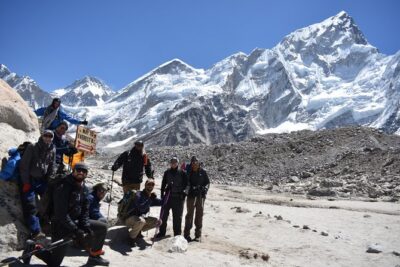
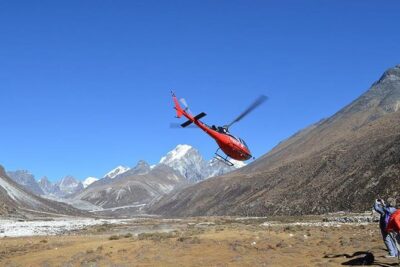
Everest Base Camp Helicopter Tour landing at Hotel Everest View
Read our review →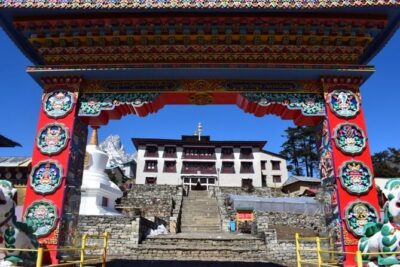
Browse the lists this tour appears in