
Reviewed · EVEREST BASE CAMP TREKS
Everest Base Camp Trek Via Gokyo Lake and Cho La Pass
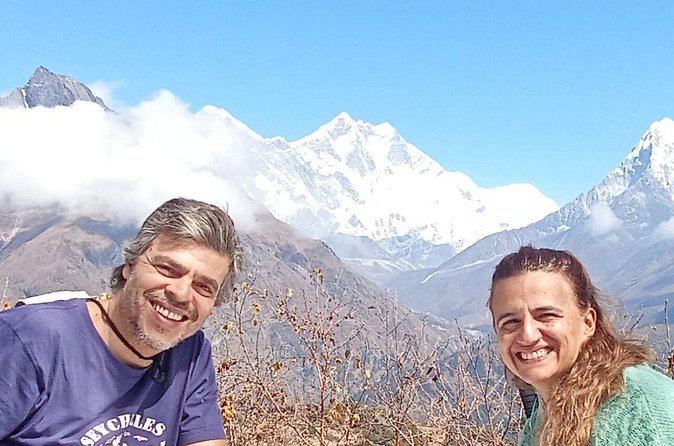
The best thing about this trek is the route itself. You get the famous Everest Base Camp trail, then add the quieter Gokyo Valley and a serious high-altitude crossing over Cho La Pass. That gives you glacier views, Sherpa villages, monasteries, memorials, and the turquoise Gokyo Lakes in one demanding journey.
I like the built-in acclimatization day at Namche Bazaar, and I like that meals, permits, flights, lodging, and a porter are included in the $1,000 price. The main caution is clear: this is not a gentle walk. Cho La Pass, thin air, cold mornings, long days, and possible flight delays make good fitness and flexible plans essential.
In This Review
- Key points before you book
- Why this route is more than a standard Everest trek
- Kathmandu arrival and the Lukla flight
- Namche Bazaar gives you a smart rest day
- Tengboche and the Sherpa side of the trek
- Dingboche, Lobuche, and the thin-air test
- Everest Base Camp and Gorak Shep
- Cho La Pass is the route’s real adventure
- Gokyo Lakes and wide mountain views
- The return to Lukla and Kathmandu
- What the $1,000 price really covers
- Guides, porters, and the human side
- Who should book this trek?
- FAQ
- How long is the Everest Base Camp trek via Gokyo Lake and Cho La Pass?
- What is included in the price?
- Is this a private trek?
- What level of fitness is required?
- Is travel insurance included?
- Are personal trekking clothes and equipment included?
- Are meals in Kathmandu included?
- Are teahouse extras included?
- What happens if poor weather cancels the experience?
- Can I cancel for a full refund?
- Should you book it?
Key points before you book
- Three major Himalayan highlights: Everest Base Camp, Kala Patthar, and the Gokyo Lakes all feature in the same 14-day route.
- Cho La Pass adds real challenge: The crossing comes early in the morning and links Dzongla with the Gokyo Valley.
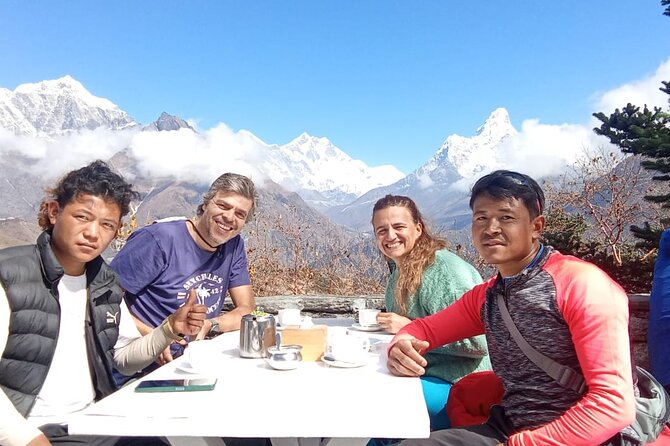
- A useful Namche rest day: You can hike to the Everest View Hotel at 3,880 meters, visit the market, and learn about Sherpa culture.
- Strong package value: Domestic flights, meals, 12 teahouse nights, permits, a guide, porter support, and airport transfers are included.
- Private group format: Only your own group takes part, with an English-speaking guide and a porter shared by two trekkers.
- Plan for extra costs: Gear rental, insurance, showers, Wi-Fi, charging, tips, Nepal visa fees, and Kathmandu meals are not covered.
Why this route is more than a standard Everest trek
Many people come to Nepal with one goal: reach Everest Base Camp. This route gives you that achievement, but it does not simply retrace the usual path. After Base Camp and Kala Patthar, you cross Cho La Pass and enter the Gokyo Valley, where high-altitude lakes and broad mountain views change the feel of the trip.
I like this design because the route has variety. The early days pass through pine forest, suspension bridges, and Sherpa settlements. Higher up, the trees thin out and the trail becomes rocky and exposed. Then the Gokyo section brings a quieter setting, with the third and fourth lakes and views toward Everest, Cho Oyu, and Makalu.
The tradeoff is that the route demands more than the standard Base Camp trek. Cho La is the key test. The crossing starts early, when conditions are likely to be cold, and the itinerary calls it an icy pass. You should view the $1,000 price as good value for a serious trek, not as a low-cost sightseeing holiday.
More ways to trek to Everest Base Camp:
- Everest Base Camp Trek – 14 Days
★ 5.0 · 1,499 reviews - Everest Base Camp Helicopter Tour landing at Everest View Hotel
★ 5.0 · 668 reviews - Everest Base Camp Trekking
★ 5.0 · 485 reviews
Kathmandu arrival and the Lukla flight
Your guide meets you at Tribhuvan International Airport in Kathmandu with a sign showing your name. The first day includes a trek briefing and gear check, which is important here. This is the time to confirm what goes into the provided duffel bag and make sure your boots, jacket, poles, and other personal items are ready.
One night in Kathmandu with breakfast is included. Lunch and dinner in the city are not, so keep some money aside for those meals. The package also covers airport transfers, which makes the arrival and departure days easier, especially if this is your first visit to Nepal.
On Day 2, you take a scenic flight to Lukla and begin walking toward Phakding through Sherpa villages. The flight is more than a simple transfer. It places you at the start of the mountain route and saves the long road journey from Kathmandu.
Still, you should keep your schedule flexible. Bad weather can cancel the experience or force a new date, and flight delays can create extra hotel costs. Those added nights are not included, so travel insurance is mandatory and especially useful for this type of trip.
Namche Bazaar gives you a smart rest day
The trail from Phakding leads toward Namche Bazaar, with suspension bridges and the entrance to Sagarmatha National Park along the way. You get your first possible glimpse of Everest, though mountain views depend on weather and visibility.
Namche is the most useful rest stop on the route. Rather than pushing higher every day, the itinerary gives you a full day here. You can make the optional hike to the Everest View Hotel at 3,880 meters, explore the local market, and visit the Sherpa museum.
That rest day has practical value. It helps you adjust before the trail climbs much higher, while also giving you a chance to understand the communities that support trekking in the Khumbu region. I would use the day for the optional hike, then keep the rest of the afternoon easy.
The private group setup also helps here. You are not being folded into a large crowd, so the guide can pay closer attention to your pace and how you are handling the altitude. The stated porter ratio is one porter for every two trekkers, which limits the load you carry but does not remove the need to pack carefully.
Tengboche and the Sherpa side of the trek
From Namche, the trail reaches Tengboche through pine forest, with views toward Thamserku and Everest. The monastery is the main cultural stop, and it gives the trek a welcome pause from the physical work of walking uphill.
Tengboche is one of the places where the cultural side of the route feels especially important. The monastery is not simply a photo stop. It connects the trail to the Buddhist traditions of the Sherpa communities, while the teahouse system lets you spend nights in the same mountain region rather than returning to a city hotel.
The itinerary lists a long walking day here, so you should expect a full effort. The exact pace will depend on your group, weather, and trail conditions. Keep your daypack light and use the porter arrangement for heavier gear.
More treks starting in Kathmandu:
- Nagarkot Sunrise View and Day Hiking from Kathmandu
★ 5.0 · 471 reviews - Annapurna Circuit Trek with Tilicho Lake
★ 5.0 · 368 reviews - Everest Base Camp Trekking – 13 Day
★ 5.0 · 365 reviews - Everest Base Camp Trek -14 Days
★ 5.0 · 321 reviews
Dingboche, Lobuche, and the thin-air test
After Tengboche, you cross the Imja Khola and pass through Pangboche before reaching Dingboche. This is where the altitude becomes harder to ignore. The schedule allows a shorter walking day, but the higher elevation still makes ordinary climbs feel more tiring.
Dingboche is followed by alpine terrain toward Lobuche. The trail passes memorials dedicated to climbers, a sobering reminder that the high Himalaya is not just a backdrop for holiday photos. From here, the route feels more exposed and serious.
The listed timing for Day 7 is unusually brief, so do not treat that figure as a promise of a five-minute walk. The itinerary describes a gradual ascent to Lobuche, and you should prepare for a normal high-altitude trekking day rather than relying on the printed duration.
At this point, you need to watch your body. The company states that emergency oxygen is available as part of its safety support, but oxygen is not a substitute for careful pacing or travel insurance. A moderate fitness level is required, and the trek is far more comfortable if you have already trained for repeated uphill walking.
Everest Base Camp and Gorak Shep
Day 8 follows the Khumbu Glacier toward Everest Base Camp. From Gorak Shep, you walk to Base Camp, take time for photos, and return to Gorak Shep for the night.
This is the emotional centerpiece for many people. The reward is not a grand building or a single viewpoint. It is the feeling of reaching a place tied to the world’s highest mountain and to major climbing expeditions.
The trail beside the glacier can be rough, and the altitude makes the out-and-back effort tiring. You should keep your expectations sensible. Everest itself may not look like the tallest or most obvious peak from every point on the trail, and the Base Camp area can change with the season. The achievement lies in reaching the site, not in finding a perfect postcard scene.
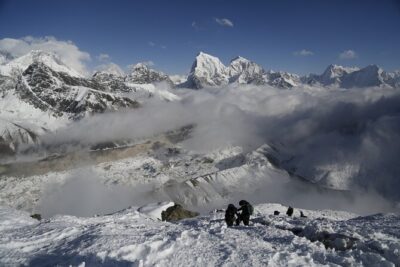
The following morning starts with a sunrise climb to Kala Patthar. This is one of the strongest mountain-view moments in the itinerary, with Everest at the center of the panorama. You then descend to Lobuche and continue toward Dzongla, setting up the Cho La crossing.
Cho La Pass is the route’s real adventure
The passage from Dzongla to Gokyo is the hardest part of the trek. You cross Cho La early in the morning and descend into the Gokyo Valley. The itinerary specifically describes the pass as icy, so proper footwear, warm clothing, and careful footing matter.
This is where the route earns its adventurous reputation. You leave the familiar Base Camp corridor and take a higher, more demanding connection through the mountains. The crossing adds a sense of achievement that you do not get from simply returning along the same trail.
It also adds risk and uncertainty. Conditions can change, and poor weather may affect the schedule. You should be comfortable with a private guide making practical decisions about pace and safety. Ask before departure what happens if Cho La cannot be crossed, since the supplied details do not state an alternate route.
The descent into Gokyo is the payoff. After the exposed pass, the valley and its lakes provide a different mood from the glacier and memorials around Base Camp.
Gokyo Lakes and wide mountain views
Day 11 includes a morning climb for views of Everest, Cho Oyu, and Makalu, followed by visits to the third and fourth Gokyo Lakes. This is a strong reason to choose this itinerary instead of a standard Everest Base Camp route.
The Gokyo Lakes are not just an extra stop added to the end of the trip. They change the rhythm of the trek. You get still water, high ridges, and a quieter valley after the intensity of Base Camp and Cho La.
The morning climb is optional only in the sense that the supplied schedule does not label it compulsory. It will still be a valuable part of the day if you have the energy. At this height, even a short climb can feel substantial, so pace yourself and follow your guide’s advice.
From Gokyo, the route descends through Machhermo, Dole, and Khumjung before returning to Namche Bazaar. The promise of a hot shower and rest at Namche is practical, not trivial. After the hardest high-altitude days, basic comfort feels well earned.
The return to Lukla and Kathmandu
The final trekking day follows the Dudh Koshi River to Lukla. After so many steep sections, a descent beside the river gives you a chance to notice villages and scenery that may have passed in a blur on the way up.
Day 14 brings an early flight back to Kathmandu. The stated flight time is about 35 minutes, followed by free time for rest, shopping, or an optional massage. The trip ends at the original meeting point, though a hotel night or transfer is optional rather than included.
That final detail matters. Build spare time into any international flight plan. The package covers the scheduled domestic flights, but extra hotel nights caused by delays are your responsibility.
What the $1,000 price really covers
At $1,000 per person, the package includes a substantial list of core trekking costs:
- Round-trip Kathmandu to Lukla flights
- One Kathmandu hotel night with breakfast
- Twelve nights in twin-sharing teahouses
- Breakfast, lunch, and dinner during the trek
- A licensed English-speaking guide
- Porter support at a one-to-two ratio
- Sagarmatha National Park and TIMS permits
- Airport transfers
- A trekking duffel bag, which you return after the trip
- Government taxes and trekking service charges
This is good value if you need a package that handles the major logistics. Flights, permits, meals, lodging, staff, and transfers can be awkward to arrange separately, especially on a route that crosses both Base Camp and Cho La.
You still need to budget for international airfare, the Nepal visa on arrival, Kathmandu meals, personal equipment, mandatory insurance, tips, and personal purchases. Teahouse hot showers, Wi-Fi, and battery charging also cost extra. You can rent some trekking equipment in Kathmandu, which helps lower your upfront cost.
Tips are described as optional but expected. Include them in your working budget rather than treating them as an unexpected add-on.
Guides, porters, and the human side
The company provides an English-speaking licensed guide and a porter shared by two people. That arrangement is useful on a route where navigation, pacing, weather, and altitude all matter. You are not expected to carry every item yourself, but you should still keep your daypack manageable.
The company’s guides have included people such as Shisir, who is known for reassuring trekkers during difficult moments and even swapping backpacks when a load became too heavy. That kind of practical kindness matters more than polished speeches on a hard day. Another guide, Udio, has been praised for friendly support on shorter Nepal treks, though you should confirm your assigned guide before booking.
The strongest praise connected with this operator centers on organization, food, encouragement, and the way guides help people through discomfort. Those are exactly the areas I would prioritize on a high-altitude trek. Ask about guide assignment, porter loads, emergency procedures, and what happens if weather affects Lukla flights or the Cho La crossing.
Who should book this trek?
I would choose this route if you want the Everest Base Camp achievement but also care about scenery beyond the main trail. It suits hikers with a moderate fitness level who are ready for long days, cold conditions, altitude, and a demanding pass.
It is a poor fit if you want a relaxed walking holiday, dislike shared teahouse rooms, or need a fixed schedule with no weather risk. The private format gives your group some flexibility, but it cannot control mountain conditions.
Book only with travel insurance and personal gear suited to cold, high-altitude walking. Use the gear check in Kathmandu seriously, and ask questions about Cho La before you leave the city.
FAQ
How long is the Everest Base Camp trek via Gokyo Lake and Cho La Pass?
The trek lasts approximately 14 days, including arrival and departure in Kathmandu, domestic flights, and the walking route.
What is included in the price?
The price includes round-trip Kathmandu to Lukla flights, one Kathmandu hotel night with breakfast, 12 teahouse nights, all trek meals, a licensed English-speaking guide, porter support, permits, airport transfers, a duffel bag, taxes, and trekking service charges.
Is this a private trek?
Yes. Only your own group participates in the activity.
What level of fitness is required?
You should have a moderate level of physical fitness. The route includes high altitude, long walking days, Everest Base Camp, Kala Patthar, and the Cho La Pass crossing.
Is travel insurance included?
No. Travel insurance is mandatory but must be purchased separately.
Are personal trekking clothes and equipment included?
No. Boots, jackets, poles, and other personal gear are not included. Some equipment can be rented in Kathmandu.
Are meals in Kathmandu included?
Breakfast is included with the one Kathmandu hotel night. Lunch and dinner in Kathmandu are not included.
Are teahouse extras included?
No. Hot showers, Wi-Fi, and battery charging at teahouses are personal expenses.
What happens if poor weather cancels the experience?
If poor weather causes cancellation, you will be offered a different date or a full refund. Flight delays may require extra hotel nights, which are not included.
Can I cancel for a full refund?
You can receive a full refund if you cancel at least 24 hours before the experience start time. Cancellations or changes made less than 24 hours before the start time are not accepted for a refund.
Should you book it?
Book this trek if you want the full Khumbu challenge: Everest Base Camp, a Kala Patthar sunrise, the Gokyo Lakes, and Cho La Pass in one well-supported route. The included flights, meals, permits, lodging, guide, porter, and transfers give the $1,000 price strong practical value.
Skip it if you want an easy first trek or a firm timetable. The pass and altitude are serious, and weather can disrupt flights and plans. For a fit, prepared hiker who wants more than the standard Base Camp path, this is an ambitious and rewarding choice.
Recently added around Kathmandu
- Kathmandu : Swambhunath & Durbar Square Guided Half Day Tour★ 3.3 · 3 reviews
- Private Day Tour in Kathmandu Valley Rim with Bhaktapur Sightseeing★ 5.0 · 3 reviews
- From Kathmandu / Pokhara / Chitwan: River Rafting – 1 Day★ 4.6 · 3 reviews
- Nepali Cooking training & Cultural Homestay Experience★ 5.0 · 3 reviews
- Private 3-Hour Nagarkot Sunset Tour from Kathmandu★ 3.5 · 3 reviews
- From Kathmandu: Everest Base Camp Landing Helicopter Tour★ 5.0 · 3 reviews
- 4 UNESSCO World heritage sites of Kathmandu-private tour★ 5.0 · 3 reviews
- From Kathmandu Budget: 15 Day Everest Base Camp Trek★ 5.0 · 3 reviews
Everest Base Camp Treks, compared.
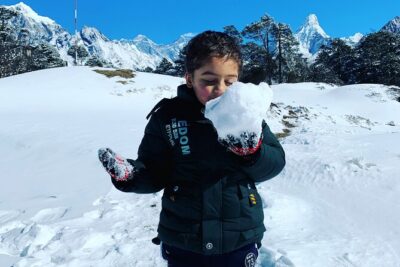
Everest Base Camp Helicopter Tour landing at Everest View Hotel
Read our review →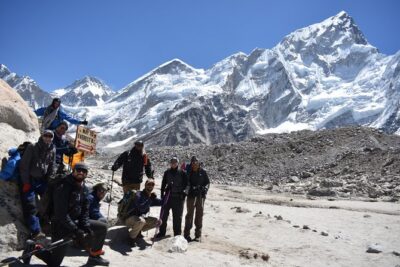
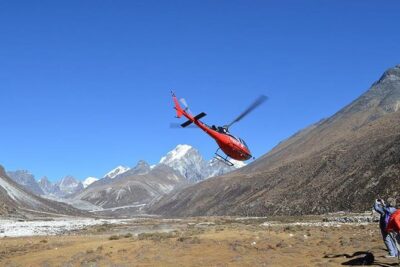
Everest Base Camp Helicopter Tour landing at Hotel Everest View
Read our review →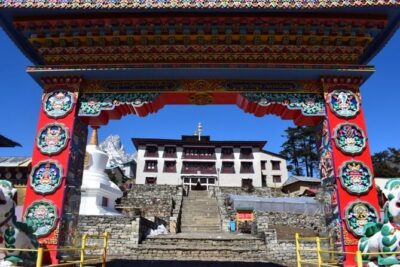
Browse the lists this tour appears in