
Reviewed · EVEREST BASE CAMP TREKS
From Kathmandu: Guided Everest Base Camp Trek
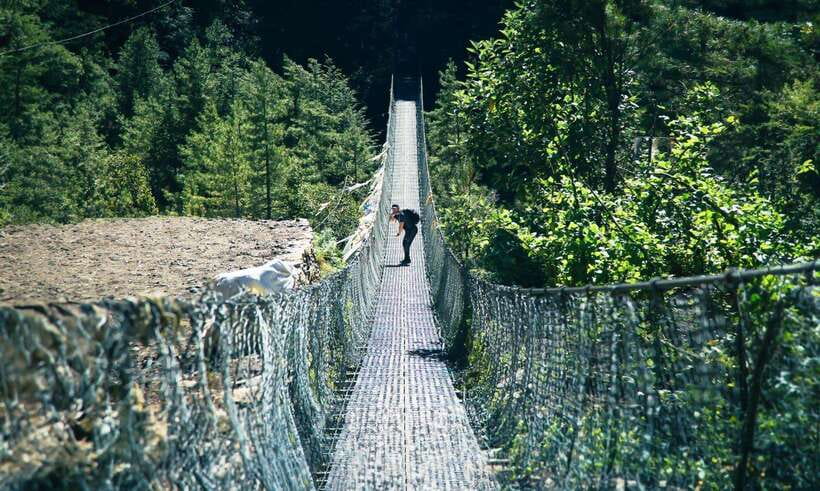
The great prize here is not just reaching Everest Base Camp. It is the slow change from Kathmandu to high Himalayan country, with suspension bridges, Sherpa villages, Buddhist monasteries, and enormous peaks appearing along the way. The final walk to Everest Base Camp at 5,365 meters is the headline, but the route earns its reputation long before you get there.
I like the built-in acclimatization days in Namche Bazaar and Dingboche. I also like the human side of the trip: you spend time around Sherpa communities, visit Tengboche Monastery, and walk through Sagarmatha National Park rather than simply checking off a viewpoint. The main caution is simple: this is a hard high-altitude trek, not a sightseeing holiday, and the price depends on which flight and food options you select.
In This Review
- Key points at a glance
- Why the route feels bigger than one famous destination
- Day 1: Lukla to Phakding starts the walking gently
- Day 2: Namche Bazaar gives the trek its first real lift
- Day 3: Use the Namche acclimatization day well
- Day 4: Tengboche combines mountain views with Buddhist practice
- Day 5: Dingboche marks the start of serious altitude
- Day 6: Dingboche is a rest day, not wasted time
- Day 7: Lobuche brings you into glacial country
- Day 8: Gorak Shep and Everest Base Camp are the main goal
- Day 9: Kala Patthar is higher than Base Camp
- Days 10 and 11: Retrace the route with a different view
- Day 12: Fly back to Kathmandu
- What the $408 price really covers
- The guide can shape the whole experience
- The culture is not a side attraction
- Who should book this trek
- Should you book the Everest Base Camp trek?
- FAQ
- How long is the Everest Base Camp trek?
- How much does the trek cost?
- Are flights from Kathmandu to Lukla included?
- Is an English-speaking guide provided?
- Which guides are associated with this trek?
- What is the highest point on the route?
- Are acclimatization days included?
- Is food included?
- Is travel insurance included?
- Can I cancel the booking?
Key points at a glance
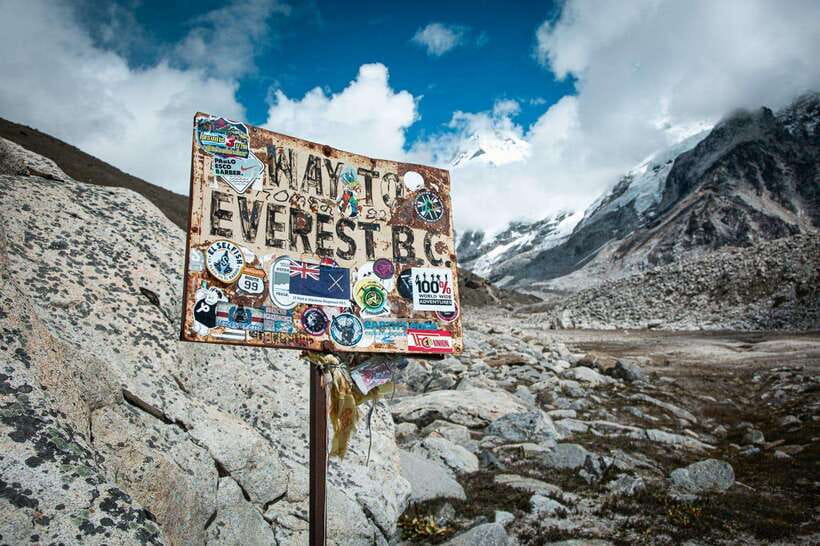
- Reach Everest Base Camp on day eight: The route takes you from Gorak Shep to the foot of the Khumbu Icefall and surrounding glaciers.
- Use two acclimatization days wisely: Namche Bazaar and Dingboche give your body time to adjust before the highest section.
- Meet experienced local guides: Saran, Prayas, and trip organizer Rajesh are specifically named as helpful points of contact.
- See more than mountain peaks: Tengboche Monastery, Sherpa villages, local dress, museums, and Buddhist prayer practices add cultural depth.
- Expect a demanding finish: Kala Patthar reaches 5,545 meters, higher than Everest Base Camp itself.
- Check the package carefully: The listed price is $408 per person, but flights and full-board food may depend on the option selected.
Why the route feels bigger than one famous destination
Everest Base Camp is a powerful goal, but the route works because it builds toward that goal in stages. You begin with a flight to Lukla and a relatively low first walking day. By the time you reach Namche Bazaar, the path has already shifted from green lower valleys to a much harsher mountain setting.
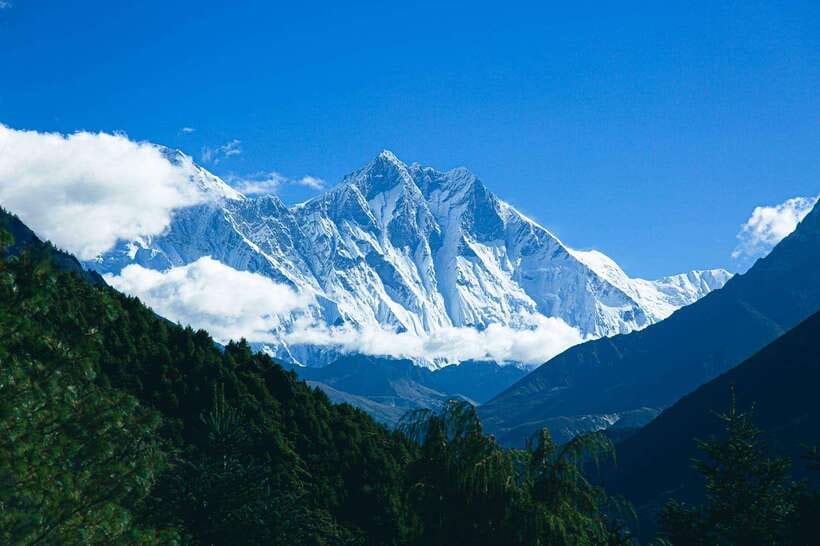
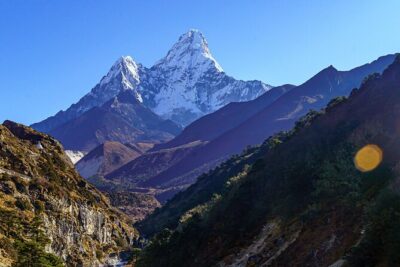
You will see Mount Everest, Lhotse, Nuptse, Ama Dablam, and other Himalayan peaks. The scenery changes from rhododendron forest and village paths to rocky trails, glacial moraines, and high open ground. That variety keeps the trek interesting, even on days when your legs would prefer a rest.
I also like that the cultural stops are part of the route rather than an added extra. Sherpa life, Buddhist monasteries, local museums, prayer ceremonies, and traditional dress give the mountains a human setting. You are not just walking through a famous area. You are moving through a region with its own faith, architecture, and mountain traditions.
More ways to trek to Everest Base Camp:
- Everest Base Camp Trek – 14 Days
★ 5.0 · 1,499 reviews - Everest Base Camp Helicopter Tour landing at Everest View Hotel
★ 5.0 · 668 reviews - Everest Base Camp Trekking
★ 5.0 · 485 reviews
Day 1: Lukla to Phakding starts the walking gently
The first day begins with a flight from Kathmandu to Lukla, followed by a trek to Phakding at about 2,610 meters. The flight is included if you choose the relevant option, so check the exact package before booking.
This is a useful first day because the walking route is short compared with the high-altitude stages ahead. You get your first feel for the trail, meet the guide in action, and settle into the rhythm of walking and stopping. Phakding is your first overnight point in the Khumbu region.
Do not mistake the lower elevation for an easy holiday. You still need to carry your personal gear, follow uneven mountain paths, and prepare for a long series of walking days. The first stage is best treated as a calm start, not a chance to push hard.
Day 2: Namche Bazaar gives the trek its first real lift
The route climbs from Phakding to Namche Bazaar at about 3,440 meters. Namche is widely known as the gateway to the Everest region, and it is one of the most memorable stops on this trip.
You can expect a market town surrounded by mountain views, with places to look at local crafts and get a closer sense of Sherpa life. The setting is dramatic, but Namche is also practical. It is where you begin to understand that altitude, rather than distance alone, will control your progress.
The climb to Namche is one of the first demanding sections. Take it slowly and listen closely to your guide. The whole point of the next day is to let your body adjust.
Day 3: Use the Namche acclimatization day well
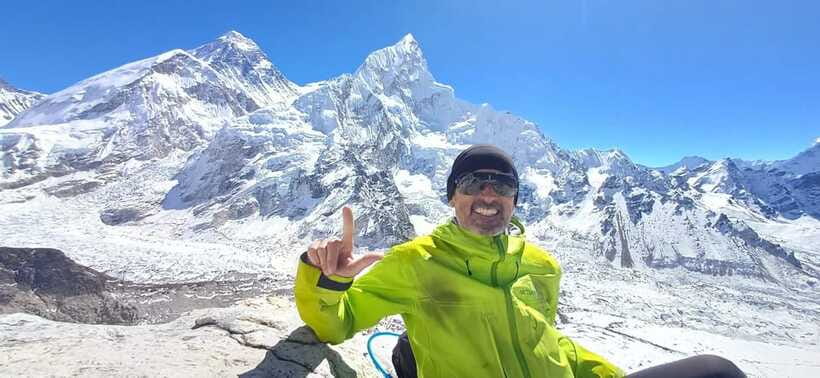
The third day is set aside for acclimatization at 3,440 meters. That might look like a pause in an ambitious schedule, but it is one of the most valuable parts of the plan.
You can use this day to explore the town, take in the surrounding views, visit local cultural sites, and walk at a controlled pace. The supplied information does not specify a fixed activity for this day, so your exact plan may depend on your guide and group.
I like this pause because it prevents the trip from becoming a race uphill. Altitude can affect people differently, and one traveler who completed the trek as a solo woman received close health checks from the guide and additional support after becoming ill later in the route. That does not remove the risks of altitude, but it shows why a responsive guide matters.
More treks starting in Kathmandu:
- Nagarkot Sunrise View and Day Hiking from Kathmandu
★ 5.0 · 471 reviews - Annapurna Circuit Trek with Tilicho Lake
★ 5.0 · 368 reviews - Everest Base Camp Trekking – 13 Day
★ 5.0 · 365 reviews - Everest Base Camp Trek -14 Days
★ 5.0 · 321 reviews
Day 4: Tengboche combines mountain views with Buddhist practice
You continue to Tyangboche, also written as Tengboche, at roughly 3,800 meters. The stop is known for its ancient Buddhist monastery and wide views toward the Everest range.
This is one of the route’s strongest cultural moments. You may witness daily rituals and prayer ceremonies, depending on timing, and gain a better sense of how Buddhism shapes life in the Khumbu. The monastery is not simply a photo stop. It gives the high mountain route a spiritual center.
Tengboche also gives you an excellent setting for mountain views, including the celebrated profile of Ama Dablam and other major peaks. Keep your camera ready, but give yourself time to look without it. The weather can change quickly in the mountains, and clear views are worth enjoying when they appear.
Day 5: Dingboche marks the start of serious altitude
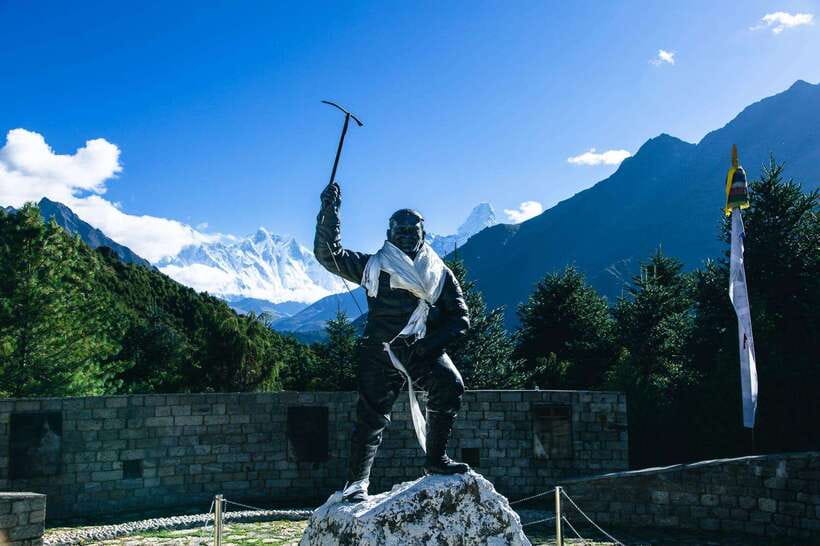
The trail climbs to Dingboche at about 4,400 meters. This is a major step upward, and you should expect the altitude to make the walking feel harder even if the distance seems manageable.
Dingboche is a settlement used as another base for acclimatization. The route gives you a full rest day here, which is vital before the final push toward Lobuche, Gorak Shep, and Base Camp.
At this height, small choices matter. Walk at the guide’s pace, drink as advised, and do not treat tiredness as a personal failure. The aim is steady progress. Racing ahead on a lower section can make the later days much worse.
Day 6: Dingboche is a rest day, not wasted time
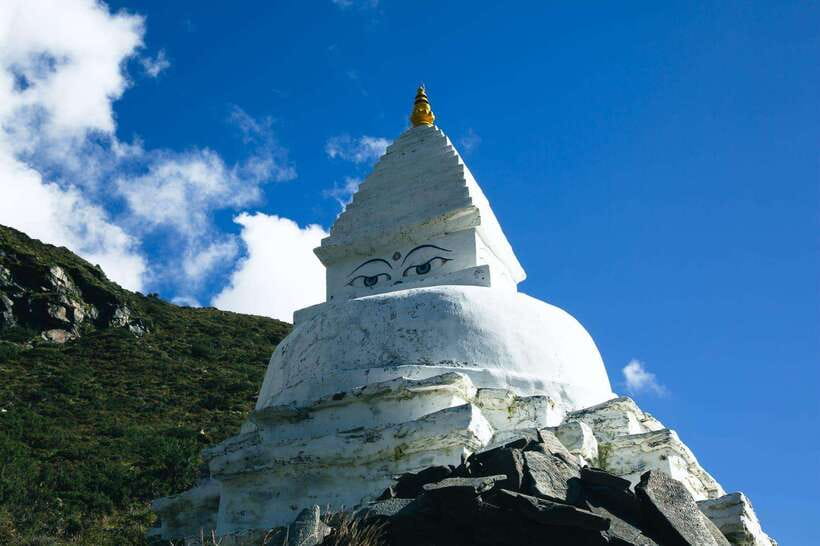
The second acclimatization day takes place in Dingboche at about 4,400 meters. You will not be covering new ground on the main route, but this day helps prepare you for the highest overnight stops.
Use the time to rest, organize your pack, and ask the guide about the next stages. If you are feeling unwell, this is the right point to speak up rather than hoping the problem disappears higher up.
The trek has a tight schedule, so the rest day cannot guarantee that everyone will adjust perfectly. Still, the inclusion of both Namche and Dingboche makes the plan more sensible than a nonstop ascent.
Day 7: Lobuche brings you into glacial country
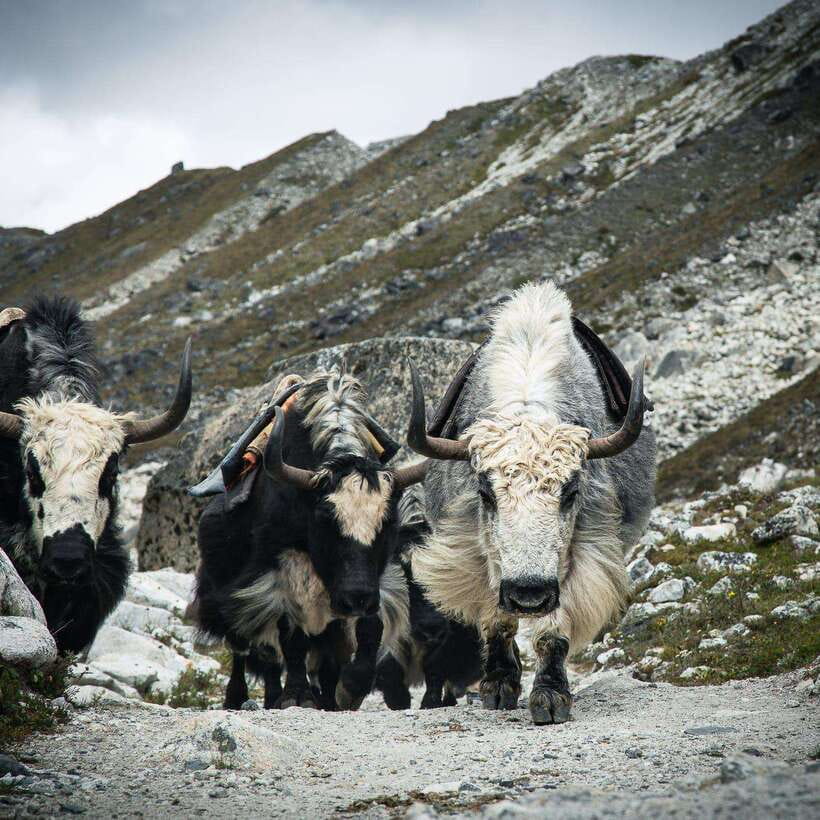
The walk to Lobuche reaches about 4,900 meters. At this point, the scenery becomes more rugged, with rocky ground, high mountain slopes, and the sort of open terrain that makes the route feel far removed from the lower valleys.
The stage is demanding because of both altitude and terrain. You may cross uneven trails and move through areas shaped by glaciers and moraines. The reward is a growing sense that Everest Base Camp is close, although the hardest walking is still ahead.
Lobuche is a practical overnight stop before Gorak Shep. Do not expect comfort to be the main attraction at this height. The value is its position on the route and the chance to rest before the Base Camp walk.
Day 8: Gorak Shep and Everest Base Camp are the main goal
You trek to Gorak Shep at about 5,150 meters, the final settlement before Base Camp, and then continue to Everest Base Camp at approximately 5,365 meters. This is the day most people picture when they book the trek.
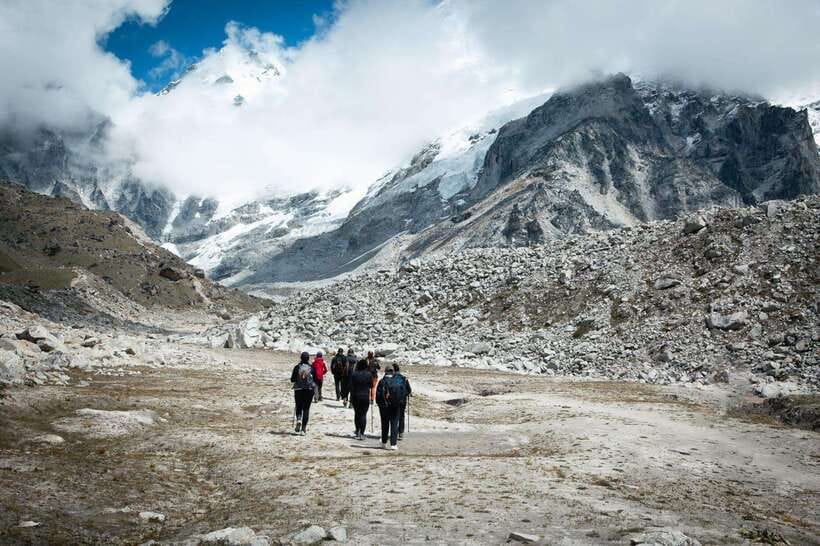
The route can feel tough at this altitude. You are walking on rocky ground, with the Khumbu Icefall and nearby glaciers providing the stark setting. Reaching Base Camp gives you a real sense of accomplishment, even though Mount Everest itself is not necessarily best viewed from the Base Camp site.
Your guide is especially useful here. Saran has been singled out for patient support, carrying a heavy pack for a tired participant, checking physical condition, taking photographs, and helping create videos. Prayas is also noted for helpful support and good English. Those details matter on a route where encouragement and practical judgment can be as important as route-finding.
Day 9: Kala Patthar is higher than Base Camp
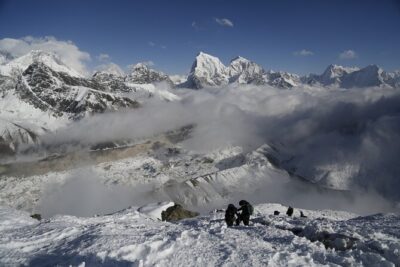
The next morning includes a hike to Kala Patthar at about 5,545 meters, followed by a trek to Pheriche at about 4,200 meters. Kala Patthar is higher than Everest Base Camp and is included for its close views of Everest and the surrounding peaks.
The sunrise timing is not stated in the schedule, but Kala Patthar is commonly valued for early views, so confirm the exact plan with your guide. Expect cold conditions and a demanding climb after the previous day’s effort.
The descent to Pheriche is welcome, but do not assume downhill means effortless. Rocky descents can be hard on tired knees, and the long day combines a high point with a substantial drop in elevation. Pheriche gives you a much-needed lower overnight stop.
Days 10 and 11: Retrace the route with a different view
Day 10 takes you back to Namche Bazaar at 3,440 meters. Day 11 continues to Lukla at about 2,800 meters, where you prepare for the flight to Kathmandu.
Walking the same trail in reverse is not a flaw. The direction changes your views, and the descent lets you notice details you may have missed while concentrating on the uphill work. It is also a chance to reflect on how quickly the surroundings change as you lose altitude.
The final walking day can still be demanding. One participant became ill near the end and received medical assistance plus a porter for the last day. You should see that as a useful reminder to discuss your condition early. The agency’s ability to arrange extra help was important in that case, but you should not count on every problem being solved without delay.
Day 12: Fly back to Kathmandu
The final day is the return flight from Lukla to Kathmandu. Round-trip domestic flights are included if you choose the flight option, so confirm this before paying.
The flight closes the loop quickly after nearly two weeks on foot. You move from high mountain trails back to Nepal’s capital in a single day, which can feel abrupt but is also part of the appeal of this route.
Hotel pickup and drop-off are included, along with welcome and farewell coffee. Those are small touches, but they make the arrival and return days easier, especially when you are tired or carrying trekking gear.
What the $408 price really covers
At $408 per person, this appears attractive for a guided 12-day Everest Base Camp package, but you need to examine the selected option carefully. The package includes accommodation during the trek, a guide, guide accommodation and food, the Sagarmatha National Park permit, a trekking map, and a first-aid kit.
Food and drinks are included if you choose the full-board option. Round-trip Kathmandu to Lukla flights are included if you select the flight option. Those conditions are important, because a low headline price can change once you add essential parts of the trip.
The value is strongest if your chosen package includes the flights and full-board meals. You are also paying for local organization, an English-speaking guide, permits, lodging, and support in a route where good coordination matters. Nepal visa fees and travel insurance are not included, so budget for both separately.
Before booking, ask Info Nepal Tours and Treks to confirm exactly what the $408 option contains. Ask about the flight selection, meal plan, accommodation, porter support, and what happens if weather or health problems affect the schedule. The available information confirms a guide and guide support, but does not state that a personal porter is included for every participant.
The guide can shape the whole experience
This trek has received its strongest praise for personal care and organization. Saran is described as patient, funny, attentive, and willing to help when the route becomes physically punishing. Prayas is praised for helpful support and clear English.
Rajesh handles pre-trip communication and helps explain what you need before departure. One solo participant valued the detailed advice provided through WhatsApp in the weeks before the trek. That kind of contact is useful when you are unsure what clothing, equipment, or documents to prepare.
The stated tour language is English, and small groups are available. If you are not fully comfortable speaking English, the direct experience of a Japanese participant suggests that daily communication with Saran can still work well. Still, tell the agency about your language needs before booking.
The culture is not a side attraction
The Khumbu route offers more than views of famous peaks. You can meet Sherpa communities, see local dress, visit museums, enter monasteries, and observe Buddhist prayer practices. Namche Bazaar is a useful place to look at crafts and learn more about the people who live in this demanding region.
Tengboche is the major spiritual stop, while the wider route gives you repeated contact with villages and local customs. If festivals or special ceremonies coincide with your dates, you may encounter additional activity, but no festival dates are promised.
Sagarmatha National Park is also part of the experience. It is a UNESCO World Heritage site with Himalayan wildlife including snow leopards, musk deer, and Himalayan tahrs. Seeing these animals is not guaranteed, but the protected setting adds meaning to the walk.
Who should book this trek
I would recommend it to fit hikers who want a guided route with a clear schedule, built-in acclimatization days, and strong local support. It suits people who care about both mountain scenery and Sherpa culture, rather than only the Base Camp photograph.
It is also a reasonable choice for a solo participant who prefers joining a guided trip instead of arranging every detail alone. The small-group option and the reported pre-trip communication with Rajesh are helpful here.
I would not choose it if you want a relaxed holiday, guaranteed comfort, or a low-effort way to see Everest. The high points reach 5,545 meters, the terrain includes steep and rocky sections, and the schedule allows little room for illness. Travel insurance is essential, and the absence of insurance from the package means you must arrange it yourself.
Cancellation is flexible up to 24 hours before departure for a full refund, and you can reserve now and pay later. Starting times depend on availability, so check the dates and exact package before committing.
Should you book the Everest Base Camp trek?
Book this trek if you want the classic Everest route with two planned acclimatization days, an English-speaking local guide, cultural stops, and a price that may offer good value when flights and full-board meals are included. The strongest reason to choose it is the reported level of personal support from guides such as Saran and Prayas, backed by Rajesh’s pre-trip planning.
Pause before booking if you are uncertain about high-altitude exertion or if the $408 package does not include the services you need. Confirm flights, meals, porter arrangements, accommodation, and emergency procedures in writing. For a prepared hiker who wants a supported route to Base Camp, this is a serious adventure with a clear structure and a strong human element.
FAQ
How long is the Everest Base Camp trek?
The experience lasts 12 days, including the flights from Kathmandu to Lukla and the return flight from Lukla to Kathmandu.
How much does the trek cost?
The stated price is $408 per person. Check the selected option carefully because round-trip flights and full-board food are included only when the relevant options are selected.
Are flights from Kathmandu to Lukla included?
Round-trip domestic flights are included if you choose the flight option. Confirm the exact inclusion before booking.
Is an English-speaking guide provided?
Yes. The activity includes a live English-speaking guide. Small groups are available.
Which guides are associated with this trek?
Saran and Prayas are named as guides who provide on-route support. Rajesh handles trip communication and planning before departure.
What is the highest point on the route?
Kala Patthar is the highest listed point at about 5,545 meters. Everest Base Camp is listed at about 5,365 meters.
Are acclimatization days included?
Yes. There is an acclimatization day in Namche Bazaar on day three and a rest day in Dingboche on day six.
Is food included?
Food and drinks are included if you select the full-board option. Confirm whether your chosen package includes this plan.
Is travel insurance included?
No. Travel insurance is not included, and the Nepal visa fee is also excluded.
Can I cancel the booking?
You can cancel up to 24 hours in advance for a full refund. The activity also allows you to reserve now and pay later.
Recently added around Kathmandu
- Kathmandu : Swambhunath & Durbar Square Guided Half Day Tour★ 3.3 · 3 reviews
- Private Day Tour in Kathmandu Valley Rim with Bhaktapur Sightseeing★ 5.0 · 3 reviews
- From Kathmandu / Pokhara / Chitwan: River Rafting – 1 Day★ 4.6 · 3 reviews
- Nepali Cooking training & Cultural Homestay Experience★ 5.0 · 3 reviews
- Private 3-Hour Nagarkot Sunset Tour from Kathmandu★ 3.5 · 3 reviews
- From Kathmandu: Everest Base Camp Landing Helicopter Tour★ 5.0 · 3 reviews
- 4 UNESSCO World heritage sites of Kathmandu-private tour★ 5.0 · 3 reviews
- From Kathmandu Budget: 15 Day Everest Base Camp Trek★ 5.0 · 3 reviews
Everest Base Camp Treks, compared.
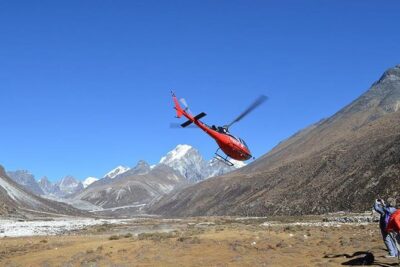
Everest Base Camp Helicopter Tour landing at Everest View Hotel
Read our review →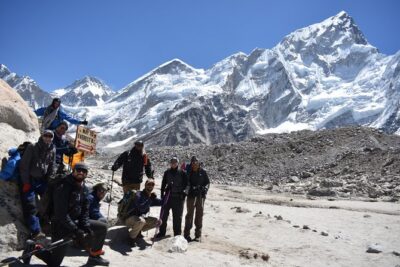
Everest Base Camp Helicopter Tour landing at Hotel Everest View
Read our review →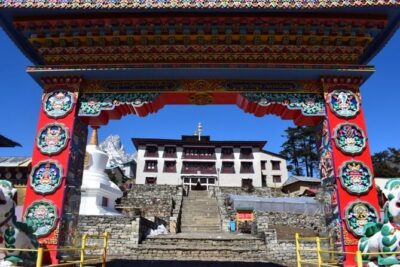
Browse the lists this tour appears in