
Reviewed · LANGTANG VALLEY TREKS
Kathmandu: 7 Day Langtang Valley Trek
The finest part of this seven-day trek is the steady approach to Kyanjin Gompa, where the valley narrows, the peaks seem close enough to touch, and the route feels far removed from Kathmandu. I like the mix of forest paths, suspension bridges, Buddhist culture, and mountain villages. I also like that a private guide leads the way, rather than placing you in a fixed group with hikers moving at a different pace.
The main caution is effort. This is not a gentle village walk. You will climb hundreds of steps, spend a night at 3,870 meters, and face long mountain days. A firsthand account describes stretches of roughly 15 kilometers, eight hours, and as much as 1,200 meters of ascent in a day, so you need reasonable fitness and a sensible attitude toward altitude.
In This Review
- Key points to know before you book
- What the $450 price covers
- Day 1: Kathmandu to Syabrubesi at 1,550 meters
- Day 2: Syabrubesi to Lama Hotel at 2,380 meters
- Day 3: Lama Hotel to Langtang Village at 3,430 meters
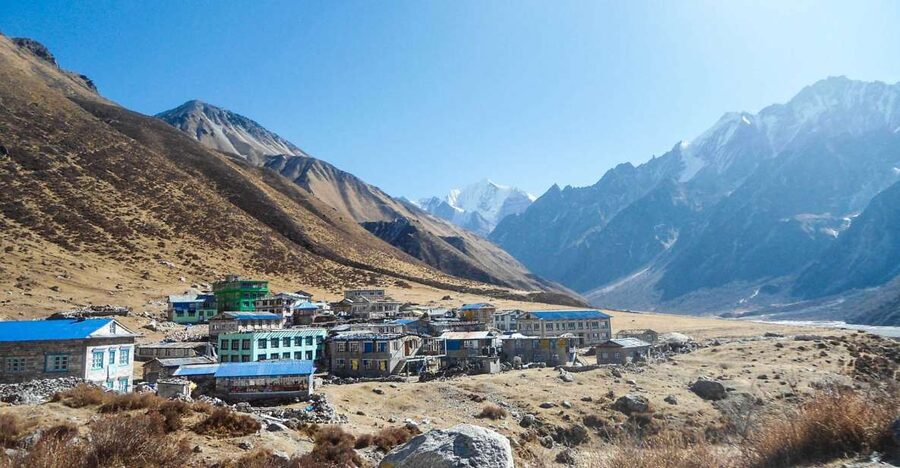
- Day 4: Langtang Village to Kyanjin Gompa at 3,870 meters
- Day 5: Acclimatization around Kyanjin Gompa
- Day 6: Kyanjin Gompa back to Lama Hotel
- Day 7: Lama Hotel to Syabrubesi, then Kathmandu
- Forest paths, suspension bridges, and mountain villages
- How hard is the seven-day Langtang trek?
- The guide and private-group format
- Teahouses, food, and what to pack
- Who should book this trek?
- Final verdict: a powerful trek with details to verify
- FAQ
- How long is the Langtang Valley Trek from Kathmandu?
- What is the highest overnight point?
- Is an acclimatization day included?
- Are meals included in the price?
- Is accommodation included?
- What identification do I need?
- Who should not take this trek?
Key points to know before you book
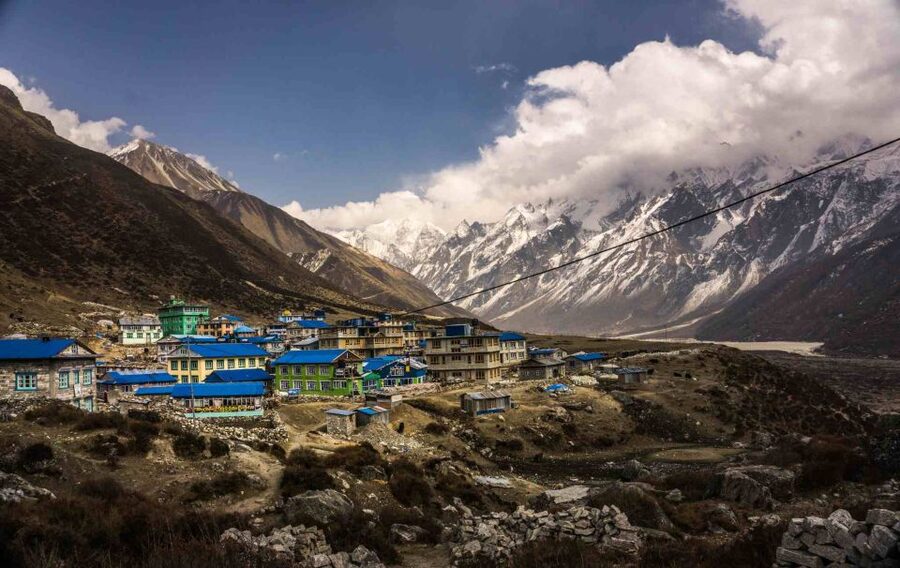
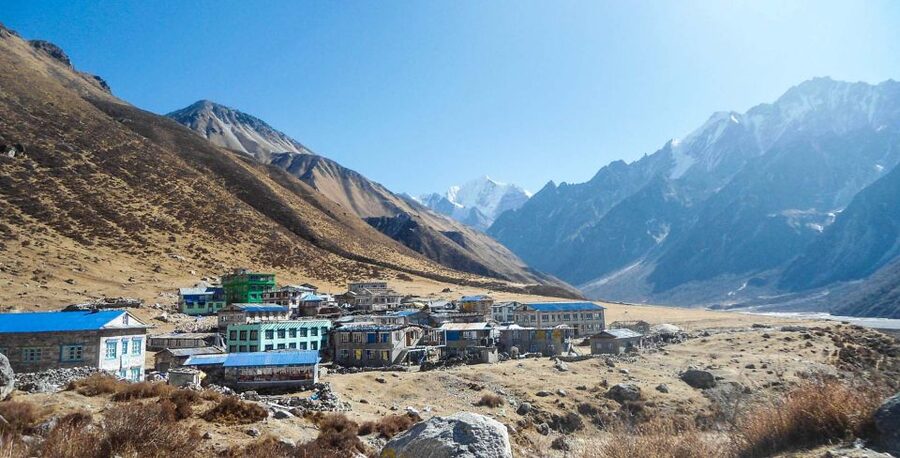
- Kyanjin Gompa at 3,870 meters: The high point of the route brings mountain panoramas, a Buddhist monastery, yak pastures, and optional walks toward Kyanjin Ri or Tserko Ri.
- A private English-speaking guide: Your guide handles the route and can assist throughout the trek, with no unfamiliar group setting the pace.
- Tamang and Sherpa culture: Village stays bring you closer to the communities that have shaped life in the Langtang Valley.
- Teahouse accommodation: Lodging is simple and practical, not a mountain resort. Conditions may vary from one lodge to another.
- Meals cost extra: Budget about NPR 2,500 per person per day for food, in addition to the $450 tour price.
- A demanding return journey: The route backtracks from Kyanjin Gompa to Lama Hotel, then continues to Syabrubesi before the drive to Kathmandu.
What the $450 price covers
At $450 per person, this trek offers a useful package for anyone who wants the main arrangements handled. The price includes pickup and drop-off, transport between Kathmandu and the trailhead, Langtang National Park permits, a TIMS card, teahouse lodging, an experienced licensed guide, a basic first aid kit, and usually one or two nights of hotel accommodation in Kathmandu before and after the trek.
Porter service is listed as an option to hire, so check the exact arrangement before paying. Do not assume that a porter is included in the headline price.
The food bill is separate. At roughly NPR 2,500 per person per day, meals add a noticeable amount over a week, though the exact total depends on what you order. You should also ask what the Kathmandu hotel nights include, since the description says they are usually provided rather than giving a fixed number.
I see the price as reasonable if you value a private guide, permits, transport, and prearranged lodging. It is less attractive if you are comfortable arranging those pieces yourself in Nepal. The cost is also only part of the decision: good guiding and dependable transport matter more once you are walking several hours a day at altitude.
More Langtang valley treks:
- Langtang Valley Trek
★ 5.0 · 140 reviews - Langtang Valley Trek
★ 5.0 · 50 reviews - Private 8 – Day Langtang Trekking
★ 5.0 · 29 reviews
Day 1: Kathmandu to Syabrubesi at 1,550 meters
The first day is spent on the road. You leave Kathmandu by vehicle and travel through rural scenery, villages, and mountain country toward Syabrubesi, the usual starting point for the Langtang Valley route.
This transfer gives you a first look at the change from Nepal’s capital to the quieter hill communities north of the city. It is also a long travel day in spirit, even though the main physical trekking has not started. Keep essentials close at hand, including your passport or ID copy, water, medications, and warm clothing.
Syabrubesi is at about 1,550 meters, so it provides a fairly low starting point before the route climbs higher. You spend the night in the village and should use the evening to prepare your pack for the morning. Since oversize luggage is not allowed, bring a compact trekking bag and leave bulky items behind in Kathmandu if that arrangement is available through your accommodation.
Day 2: Syabrubesi to Lama Hotel at 2,380 meters
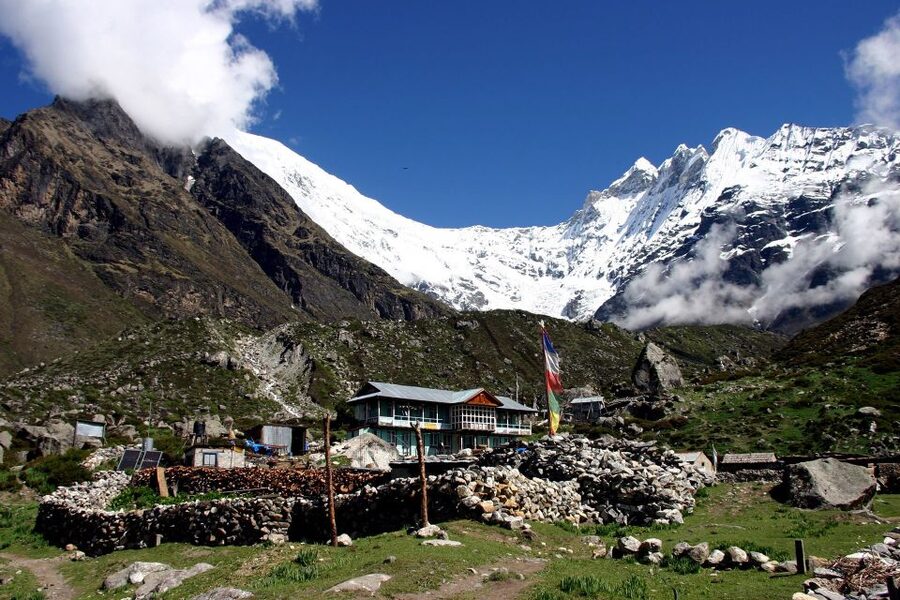
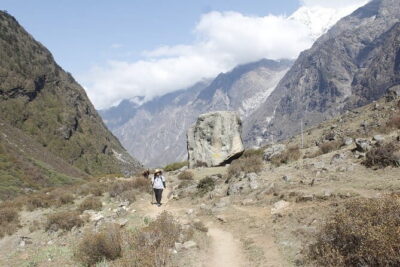
Now the walking begins. The path follows the Langtang River through lush forest, crosses suspension bridges, and moves steadily uphill to Lama Hotel.
This section is attractive because the route feels enclosed by trees rather than dominated by open high-altitude views. Rhododendron and oak become part of the setting, and the sound of the river helps break up the steady work of climbing.
Lama Hotel is a simple overnight stop surrounded by greenery. Do not expect a polished hotel atmosphere. Teahouses are chosen for location and practicality, and the standard can vary. One serious concern raised about this trip is that poor accommodation choices can affect the quality of the experience, so it is worth asking your guide or operator how lodging is selected.
The day is a good test of your walking rhythm. Start slowly, keep your steps even, and do not race the guide. The Langtang route rewards patience more than speed.
Day 3: Lama Hotel to Langtang Village at 3,430 meters
The third day brings a larger gain in altitude as you continue through rhododendron and oak forest toward Langtang Village. The trees gradually give way to more open views, and the mountains begin to feel like the main subject rather than a distant background.
Langtang Village is also an important cultural stop. The route passes through the home region of Tamang communities, and you can expect a stronger sense of local identity in the architecture, monasteries, and daily life around the lodges.
At 3,430 meters, this is the point where altitude deserves serious attention. Walk at a pace that lets you speak in short sentences without gasping, drink regularly, and tell your guide promptly if you feel unwell. A private guide is especially useful here because the group can respond to your condition instead of following a fixed pace.
The mountain views become more rewarding on this day, but do not let the scenery make you push too hard. The goal is to arrive in good shape for the higher night at Kyanjin Gompa.
More treks starting in Kathmandu:
- Everest Base Camp Trek – 14 Days
★ 5.0 · 1,499 reviews - Everest Base Camp Trekking
★ 5.0 · 485 reviews - Nagarkot Sunrise View and Day Hiking from Kathmandu
★ 5.0 · 471 reviews - Annapurna Circuit Trek with Tilicho Lake
★ 5.0 · 368 reviews
Day 4: Langtang Village to Kyanjin Gompa at 3,870 meters
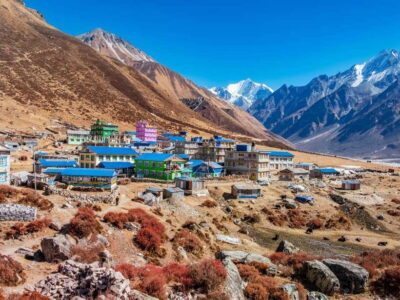
This is the route’s central day. You continue through higher country, passing yak pastures and glacial streams as you head toward Kyanjin Gompa.
The surroundings change again. The forest is less dominant, the valley opens toward snow-covered summits, and the walking feels more exposed and alpine. The destination is not simply a place to sleep. Kyanjin Gompa is a setting for mountain views, Buddhist culture, and a slower afternoon after the climb.
You can visit the local Buddhist monastery and look across toward Langtang Lirung and other high peaks. The exact clarity of the views will depend on weather, but the route is designed around this striking high valley.
The climb is manageable for a fit person who allows time, but the altitude makes every rise feel harder. You should not judge the day by distance alone. At nearly 3,900 meters, a short uphill section can require more effort than a longer walk at home.
Day 5: Acclimatization around Kyanjin Gompa
The extra day at Kyanjin Gompa is one of the best features of the schedule. Rather than climbing high and immediately descending, you have time to adjust to the altitude and enjoy the valley without carrying your full trekking burden.
You can take a shorter walk toward Kyanjin Ri, attempt the more demanding Tserko Ri, or visit the local cheese factory. These options give the day some flexibility. If you feel strong and conditions are good, a higher walk can bring wide views of the surrounding peaks. If your head hurts or your legs are tired, staying near the lodge and taking an easier day is the sensible choice.
This is also the day when the private format makes practical sense. You can discuss how far to walk with your guide and avoid the pressure of matching a large group. The guide can help with the route and keep an eye on how you are handling the altitude.
Do not treat acclimatization as a spare day that must be filled with the hardest available climb. Rest, food, and sleep are part of the plan. The aim is to make the descent safely and enjoyably, not to collect the most strenuous side trip.
Day 6: Kyanjin Gompa back to Lama Hotel
The return to Lama Hotel retraces the route through the valley. You will recognize the yak pastures, streams, forest, and village sections, but the change in direction gives the scenery a different feel.
Going downhill is not automatically easy. Long descents can be hard on knees, ankles, and tired feet, especially after the higher day at Kyanjin Gompa. Trekking poles may help, though the supplied information does not confirm that they are provided, so bring or arrange your own if you use them.
Lama Hotel offers a quieter night before the final walk and drive. This is a good point to check your belongings, dry clothes if needed, and confirm the next day’s transport plan with your guide.
Day 7: Lama Hotel to Syabrubesi, then Kathmandu
The last trekking section takes you from Lama Hotel to Syabrubesi. You finish the route on foot, then board a vehicle for the return to Kathmandu.
This final day requires careful timing. You are combining a morning trek with a road transfer, so ask in advance when the vehicle is expected and how much flexibility exists if the walk takes longer. One bad experience with this trip involved the schedule being shortened because of a flight connection, so do not leave your international departure too close to the trek’s scheduled return.
The drive back marks a sharp change from high mountain paths to city traffic and Kathmandu’s busy streets. You may be tired, dusty, and ready for a hot shower, but the contrast is part of the trip’s character. The trek ends in Kathmandu rather than at the trailhead.
Forest paths, suspension bridges, and mountain villages
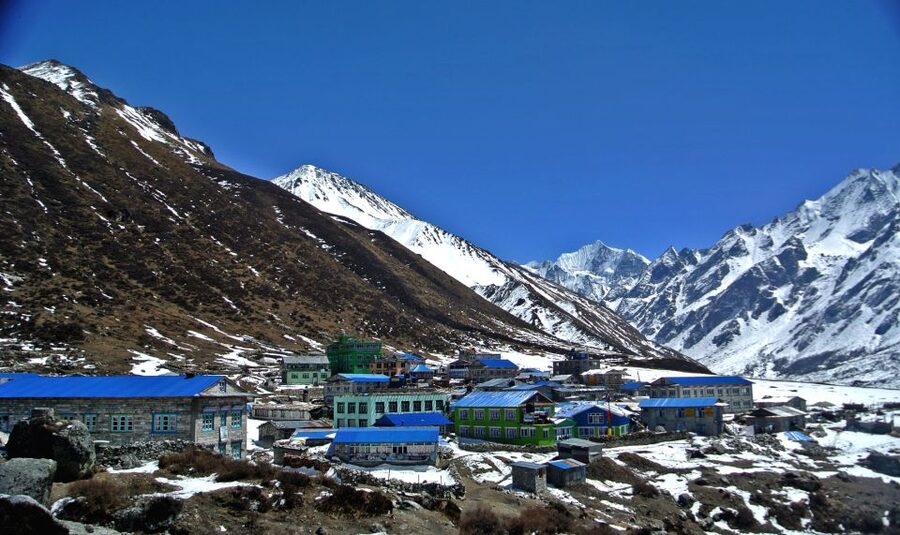
The Langtang Valley route works because it offers variety without requiring a much longer expedition. You begin with river crossings and thick forest, then pass through Tamang settlements before reaching open high country and glacial streams.
The cultural side is important. The route gives you contact with Tamang communities and mentions Sherpa hospitality as part of the experience. You should approach village life with respect, ask before taking photographs, and remember that teahouses are working homes and businesses, not staged attractions.
The mountain views also arrive in stages. On the lower section, the forest limits long views. Higher up, the valley opens and the snow-covered peaks become more prominent. That gradual change makes the walking feel purposeful.
How hard is the seven-day Langtang trek?
This is a physically demanding trek, not a sightseeing tour with occasional walks. You will climb hundreds of steps, gain more than 2,000 meters from Syabrubesi to Kyanjin Gompa, and spend time above 3,000 meters.
The supplied trip details identify the trek as unsuitable for pregnant women, wheelchair users, people with mobility impairments, and people with back problems. Those restrictions make sense given the steep paths, uneven ground, steps, and teahouse conditions.
You should also be comfortable with long days on foot. A reported day of about 15 kilometers, eight hours, and 1,200 meters of ascent gives you a useful sense of the upper end of the effort. That figure may not describe every day, but it is a good warning against treating the route as easy.
You do not need to be an elite mountaineer. You do need to train for sustained uphill walking, carry only what you need, and accept that the guide may set a slower pace for safety. Tell the guide about altitude symptoms rather than trying to hide them.
The guide and private-group format
The tour uses a licensed, experienced English-speaking guide and operates as a private group. This is a strong arrangement for a route where fitness, altitude response, and walking speed can vary widely.
A private trip also gives you more room to pause for photographs, adjust the day’s pace, or take a quieter acclimatization day. You are not waiting for a large group at every bend, and nobody has to feel guilty for walking more slowly.
The quality of the guide matters greatly. One particularly positive account describes a guide who handled the practical details and became a trusted companion during the week. That is the best-case version of this format, but you should still confirm the guide’s name and qualifications before departure.
The feedback is not uniformly positive. Another account describes poor communication before the trip, disappointing lodge choices, and a guide who offered little support. That is not a minor complaint on a trek. Ask clear questions about lodging, meals, porter costs, walking times, and the return schedule before you commit.
Teahouses, food, and what to pack
Teahouse lodging keeps the trek practical and helps you stay in or near the villages along the route. It also means you should expect basic rooms and changing standards. Pack with simplicity in mind: warm layers, sturdy walking shoes or boots, rain protection, personal medication, and a small wash kit.
You need a passport-sized photo and your passport or ID card, with a copy accepted. Keep those documents dry and accessible because permits and identification are part of the arrangements.
Meals are not included. Budget around NPR 2,500 per person per day, and confirm whether that estimate covers all meals or only a typical allowance. Bring enough personal snacks for energy, but do not bring oversize luggage.
Drones are not allowed on this experience. You should also avoid packing as if you were moving house. A smaller bag is easier on suspension bridges, steps, lodge rooms, and the vehicle transfer.
Who should book this trek?
I would recommend this trip to a reasonably fit hiker who wants a compact Himalayan route with guide support, village lodging, and a built-in acclimatization day. It suits you especially well if you prefer a private group and want permits, transport, and lodging organized before you arrive.
It is also a good choice if mountain scenery is your main goal but you want cultural contact along the way. The Tamang villages, Buddhist monastery, yak pastures, and cheese factory give the route more texture than a simple climb to a viewpoint.
I would hesitate if you need predictable hotel standards, dislike long road transfers, or have a tight flight schedule after the trek. I would also think twice if you are not ready for eight-hour walking days and substantial climbing.
The rating is 4.2 from three bookings, which suggests a generally positive but not flawless record. The strongest praise centers on the dramatic peaks, the sense of achievement, and excellent personal guiding. The sharp criticism concerns communication, lodge quality, scheduling, and value. Those are practical issues you can address by getting the details in writing before departure.
Final verdict: a powerful trek with details to verify
This seven-day Langtang Valley Trek gives you a lot in a short period: forest, rivers, Tamang and Sherpa communities, high mountain scenery, Kyanjin Gompa, and a useful acclimatization day. I like the private guide format and the way the route reaches its most dramatic setting without requiring a much longer trip.
I would book it if you are fit, comfortable with simple teahouses, and willing to pay extra for meals. Before booking, confirm the porter arrangement, the exact Kathmandu hotel nights, the standard of each lodge, the guide’s name, and the return timing.
If those points are clear, this can be a rewarding introduction to trekking in Nepal. If the operator cannot answer them plainly, choose a different arrangement or leave more time around your flights.
FAQ
How long is the Langtang Valley Trek from Kathmandu?
The trek lasts seven days, including transport from Kathmandu to Syabrubesi, the walking days, and the return drive to Kathmandu.
What is the highest overnight point?
You spend the night at Kyanjin Gompa, which is at approximately 3,870 meters.
Is an acclimatization day included?
Yes. Day five is set aside for acclimatization at Kyanjin Gompa, with optional walks toward Kyanjin Ri or Tserko Ri and a possible visit to the local cheese factory.
Are meals included in the price?
No. Meals are available for purchase, with an estimated cost of about NPR 2,500 per person per day.
Is accommodation included?
Yes. Teahouse accommodation during the trek is included. One or two nights of hotel accommodation in Kathmandu are usually included before and after the trek.
What identification do I need?
Bring a passport-sized photo and your passport or ID card. A copy of the passport or ID card is accepted.
Who should not take this trek?
The trek is not suitable for pregnant women, wheelchair users, people with mobility impairments, or people with back problems. You should also be prepared for hundreds of steps and long days of uphill walking.
More 7-Day Experiences in Kathmandu
- 7 days Nepal Motorcycle tour
★ 5.0 · 12 reviews - Kathmandu to Langtang Valley 7-Day Trek
★ 5.0 · 11 reviews - 7 Day Kathmandu Pokhara Tour
★ 4.5 · 5 reviews - Langtang Trek from Kathmandu 7 Days
★ 5.0 · 5 reviews
Recently added around Kathmandu
- Kathmandu : Swambhunath & Durbar Square Guided Half Day Tour★ 3.3 · 3 reviews
- Private Day Tour in Kathmandu Valley Rim with Bhaktapur Sightseeing★ 5.0 · 3 reviews
- From Kathmandu / Pokhara / Chitwan: River Rafting – 1 Day★ 4.6 · 3 reviews
- Nepali Cooking training & Cultural Homestay Experience★ 5.0 · 3 reviews
- Private 3-Hour Nagarkot Sunset Tour from Kathmandu★ 3.5 · 3 reviews
- From Kathmandu: Everest Base Camp Landing Helicopter Tour★ 5.0 · 3 reviews
- 4 UNESSCO World heritage sites of Kathmandu-private tour★ 5.0 · 3 reviews
- From Kathmandu Budget: 15 Day Everest Base Camp Trek★ 5.0 · 3 reviews
Langtang Valley Treks, compared.
Browse the lists this tour appears in