
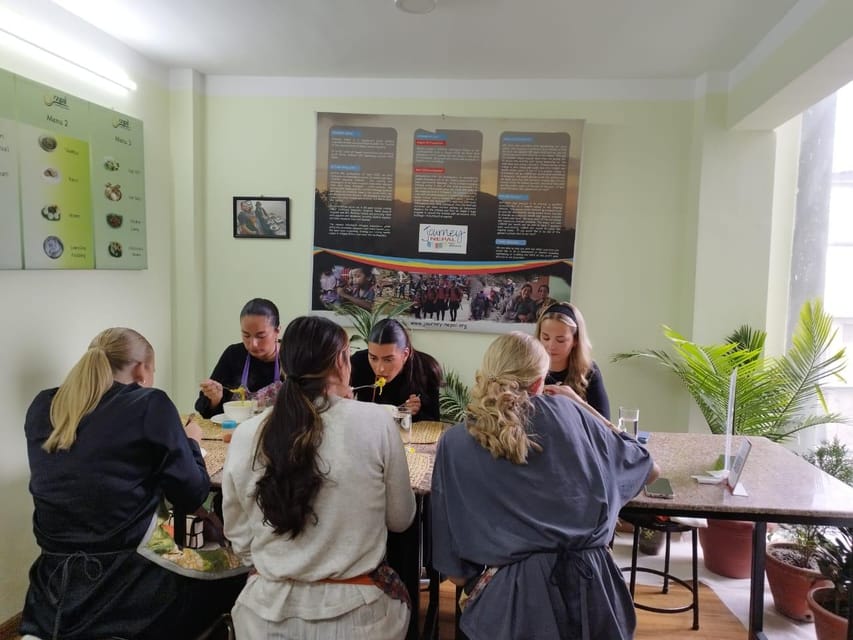
Reviewed · KATHMANDU FOOD TOURS
Kathmandu: Momo Making Class with a Local Chef
Momos are Nepal’s favorite little parcels of comfort, and this one-hour cooking class lets you learn the whole process instead of simply ordering a plate in Thamel. At Nepal Cooking School, a local English-speaking chef guides you from flour and water to filled, folded, cooked dumplings.
I like the hands-on format, since you do the mixing, filling, shaping, and cooking yourself. I also like the small group limit of eight, which should give you room to follow the demonstration and ask questions. The main drawback is the short running time: one hour is enough for a focused introduction, but not a slow, detailed culinary workshop.
In This Review
- Key points about the Thamel momo class
- Why making momos is worth an hour in Kathmandu
- Finding Nepal Cooking School in Thamel
- Meeting the chef and starting with the dough
- Building a meat or vegetable filling
- Folding each momo by hand
- Cooking the dumplings and eating your work
- What the one-hour schedule means for you
- Value, inclusions, and what you need to bring
- Who should book this momo-making class?
- Should you book the Thamel class?
- FAQ
- How long does the momo-making class last?
- Where does the class meet?
- Is transportation included?
- Is the class taught in English?
- How many people can join the class?
- What will I make during the class?
- What should I bring?
Key points about the Thamel momo class
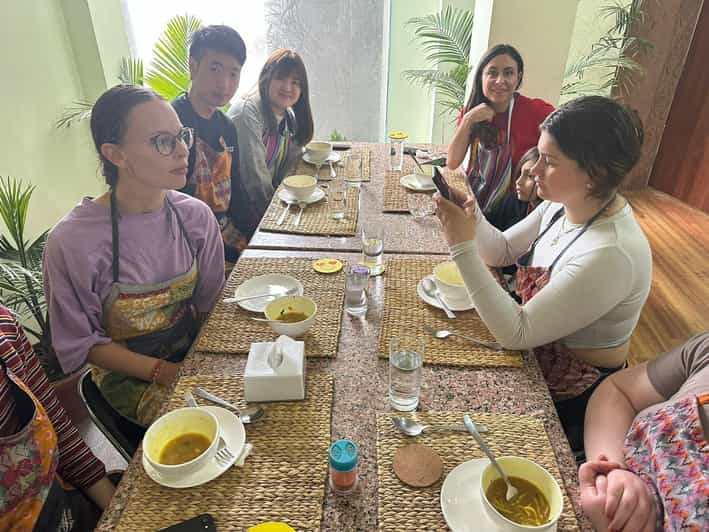
- Make the entire dumpling: Prepare the dough, filling, folds, and cooking rather than watching a demonstration only.
- Work with familiar Nepalese ingredients: Use flour, water, vegetables, meat if you choose a nonvegetarian filling, spices, and seasonings.
- Eat what you prepare: The class ends with a meal featuring your momos, often with dipping sauces or side dishes.
- Small English-speaking group: The class is limited to eight participants and taught in English.
- Easy Thamel meeting point: Find Nepal Cooking School on Paknjaol Marg, opposite Ganesh Temple, on the third floor of the building with Delicious Pizza.
- Plan for a practical kitchen session: Wear comfortable clothes that can get dirty, and check the ingredient instruction before arriving.
Why making momos is worth an hour in Kathmandu
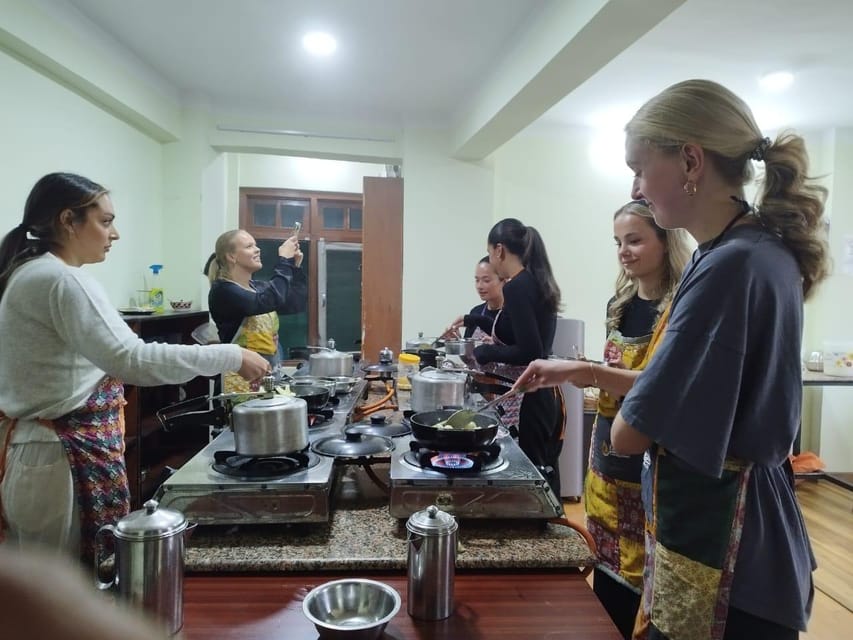
A plate of momos is easy to find in Kathmandu. Learning to make them gives you something more useful: a better sense of what goes into one of Nepal’s most common and beloved foods.
Momos are dumplings associated with Tibet, Nepal, and the Himalayan regions. Their appeal is simple. A soft wrapper holds a seasoned filling, and the finished dumpling is usually eaten with a sauce or accompaniment. The charm lies in the small decisions: how firm to make the dough, how much filling to use, and how to close the edge without letting everything spill out.
I like classes that explain food through action. Here, you do not need prior cooking experience to take part. The work is divided into clear stages, and each one leads naturally to the next. By the end, you have handled the ingredients, shaped the dumplings, and tasted the result.
That said, you should set your expectations properly. This is a short class, not a full afternoon in a professional kitchen. You are getting a compact introduction to momo preparation, followed by a meal. For many people, that is exactly the right size during a busy Kathmandu visit.
More Kathmandu food walks:
- Kathmandu: Local Women-Led Nepali Cooking & Momo Class
★ 4.9 · 360 reviews - Kathmandu: Local Lead Nepali Cooking & Momo-Making Class
★ 5.0 · 212 reviews - Walking Street Food Tour in Kathmandu
★ 5.0 · 111 reviews
Finding Nepal Cooking School in Thamel
The meeting point is Nepal Cooking School on Paknjaol Marg, opposite the Ganesh Temple. The school is on the third floor of the building that houses Delicious Pizza.
This is a useful location if you are staying in or exploring Thamel. The experience does not include transportation, so you need to make your own way to the school. Give yourself enough time to locate the building and climb to the correct floor, especially if you are unfamiliar with the area.
The meeting instructions are specific, but the landmark matters. Look for the Ganesh Temple and the Delicious Pizza building rather than relying only on the school name. If you are using a map or asking for directions, having Paknjaol Marg written down should help.
There is no sightseeing stop built into this activity. Thamel is the setting, not part of the lesson. That keeps the class focused, but you will need to plan your own time before or after cooking.
Meeting the chef and starting with the dough
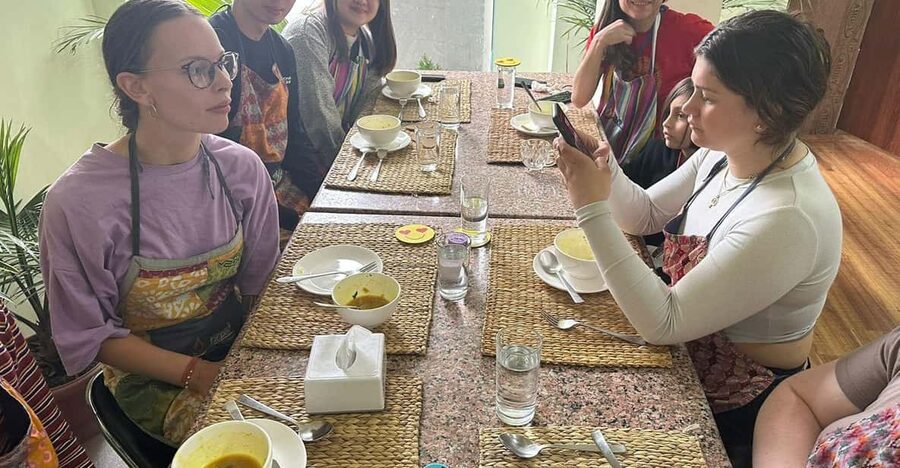
The class begins with an English-speaking chef or instructor. No individual chef name is provided, so you should expect instruction from the local cooking school rather than a named personality-led session.
The first practical task is the dough. You work with flour and water, mixing and preparing the wrapper that will hold the filling. This stage may look basic, but it sets the texture of the finished momo. A wrapper that is too thick can overpower the filling, while one that is too thin may be difficult to fold or cook.
I appreciate that you are not handed ready-made wrappers. Preparing the dough gives you the foundation of the dish and lets you see how ordinary ingredients become something special through technique.
The class is designed for active participation. You should expect to use your hands, not simply stand beside the chef. Comfortable clothes are a good idea, and the instructions specifically advise wearing clothes that can get dirty.
The short time limit makes the chef’s guidance important. You will likely move from one stage to another without a long pause. If you want to remember the method for cooking momos later, pay attention at the dough stage and ask questions while the group is working.
Building a meat or vegetable filling
Once the dough is underway, you prepare the filling. The ingredients can include ground meat if you are making a nonvegetarian version, along with vegetables, spices, and seasonings.
The supplied information does not specify a fixed menu or a choice of particular vegetables. That means you should not expect a detailed list of regional variations before class unless you confirm it directly. The clear point is that you will work with ingredients commonly used in momo preparation.
This part is valuable because filling affects both taste and shape. You need enough mixture to make a satisfying dumpling, but not so much that the wrapper will not close. Seasoning also matters. Since momos are often served with dipping sauce, the filling may work alongside that sauce rather than carry every flavor by itself.
Vegetarians should confirm the available filling when booking or before the class. The activity information refers to meat if you are not vegetarian, which suggests that a vegetarian approach is part of the setup, but it does not provide a separate menu or guarantee details about ingredients.
The same advice applies to allergies and dietary restrictions. No allergy policy is stated, so ask the provider before you arrive. The class is small, which may make questions easier, but you should not rely on that for special dietary arrangements.
More workshops and classes in Kathmandu:
- Half day cooking class in Thamel kathmandu
★ 5.0 · 607 reviews - Knife (Khukuri) Making Workshop- Forge of the Gurkhas
★ 5.0 · 143 reviews - Local Women Lead Nepali Cooking Class
★ 5.0 · 125 reviews - The best Private Nepali Cooking Class in Kathmandu
★ 5.0 · 83 reviews
Folding each momo by hand
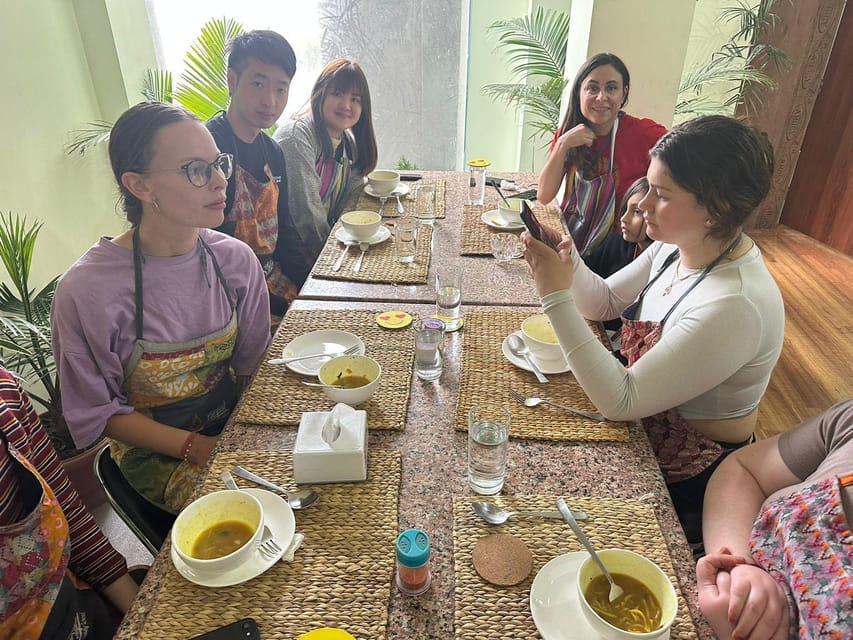
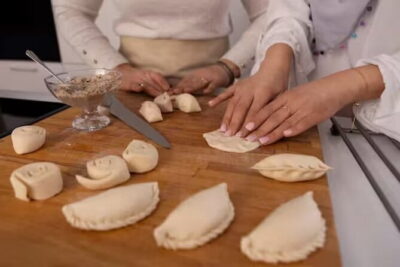
The folding stage is where the class becomes a real skill lesson. You place the filling inside the dough and shape the wrapper into a closed dumpling.
Momo folds can look simple when an experienced cook does them quickly. For a first attempt, the process takes more care. You need to avoid overfilling, seal the edges, and create a shape that can withstand cooking. The chef’s help is especially useful here, and one published participant specifically praised the cook for explaining a lot and being helpful throughout the session.
That detail matters more than a long list of features. A cooking class succeeds when the instructor can slow down at the right moment and correct small mistakes without taking over. In a group limited to eight, you should have a better chance to see the folding method and get direct assistance than in a large demonstration.
Do not worry about making every momo look identical. The purpose is to learn the movement and understand the structure. Your first dumplings may be uneven. They can still taste good, and you will remember the method better because your hands did the work.
Cooking the dumplings and eating your work
After the momos are shaped, you cook them. The exact cooking method is not specified, so the chef will provide the instructions used in the class. The important part is that you take part in this final stage rather than leaving the dumplings for someone else to finish.
Then you eat the momos you made. The meal may include dipping sauces or sides, giving you a chance to see how the dumplings are served as well as how they are prepared.
This closing meal is a strong part of the value. You are not paying only for a demonstration or a recipe. The activity includes the ingredients, instruction, and an opportunity to taste your own finished food. The meal also gives you a direct check on the work you did earlier. You can notice how the dough, filling, seasoning, and cooking came together.
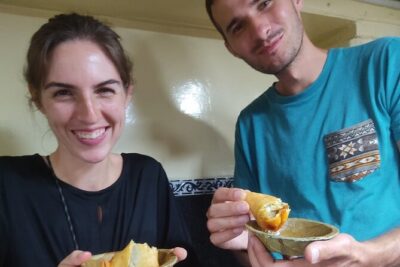
One published participant from Germany, Tizia, gave the class a five-star rating and singled out the helpful explanations, the enjoyment of making the momos, and the good taste of the finished food. That matches what I would want from a short cooking session: clear guidance, active work, and a result worth eating.
What the one-hour schedule means for you
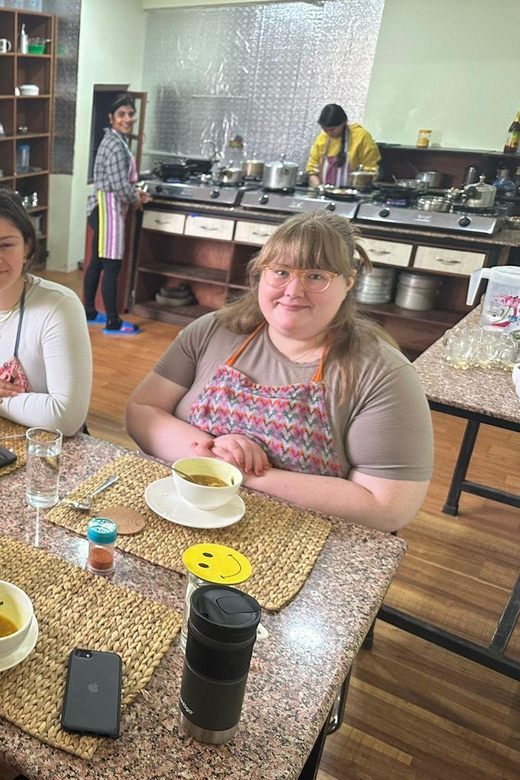
One hour is a compact format. It works well if you want a food activity between sightseeing plans, or if you prefer a short class over a long culinary program.
You will need to stay engaged from the start. There is not much time for wandering conversation, long breaks, or repeated practice. The class covers several steps, so the chef will need to keep things moving.
The short schedule is also a benefit. Kathmandu can fill a day quickly with temples, markets, and transport delays. A one-hour class gives you a local food experience without taking over your afternoon. You can pair it with time in Thamel before or after the lesson.
The group size helps balance the pace. With no more than eight participants, the session remains small enough for practical work. It is still a group class, so the exact amount of personal attention can vary, but the limit is reassuring for anyone who wants more than a seat at the back of a demonstration.
The class is conducted in English. That makes the instructions accessible to English-speaking visitors, though no other teaching language is listed.
Value, inclusions, and what you need to bring
The price is not provided here, so I cannot judge the exact cost against other Kathmandu cooking schools. I would assess the value by looking at what is included: one hour of teaching, an experienced chef or instructor, the ingredients used for the momos, and the chance to eat what you prepare.
For a short class, those inclusions matter. You are receiving an activity and a meal, not just a recipe card. The hands-on format also gives it more value than a standard food tasting if you want a skill you can try again at home.
Transportation is not included. Personal expenses are also your responsibility. Since the school is in Thamel, this is easiest for people already staying nearby or planning to visit the district.
There is one confusing detail worth checking. The practical information says to bring ingredients, while the inclusions say ingredients for momo preparation are provided. Before you set out, confirm whether you need to bring anything beyond yourself. At minimum, arrive in comfortable clothing that can get dirty.
The booking terms are flexible. You can cancel up to 24 hours in advance for a full refund, and you can reserve now and pay later. Starting times depend on availability, so check the schedule against your Kathmandu plans.
Who should book this momo-making class?
I would recommend it to first-time visitors who want a direct introduction to Nepalese food without committing half a day. It also suits solo visitors and couples who prefer an activity with a clear task, since you will be working with other participants rather than only listening to a guide.
Families may enjoy the hands-on work, provided everyone is comfortable in a cooking setting and the clothing requirement is understood. The group limit of eight keeps the activity from feeling like a large production.
Vegetarians should ask about the filling before booking. The class refers to meat for nonvegetarian preparation, but the available information does not spell out the vegetarian recipe. Anyone with allergies should also contact the provider first.
I would choose a longer class if your main goal is serious culinary training. One hour gives you the basic sequence, but not much room for repeated practice or a wide range of momo styles. If your goal is to make, eat, and remember one classic Nepalese dish during a Kathmandu stay, the format makes sense.
Should you book the Thamel class?
Book this experience if you want to learn by doing, eat a simple meal afterward, and keep the activity to one hour. The strongest reasons are the full process from dough to cooked momo, the small group of up to eight, and the helpful English instruction.
Skip it if you want a long cooking workshop, a named celebrity chef, or a detailed menu of regional dishes. Also confirm the ingredient requirement and ask about meat, vegetarian, or allergy needs before paying.
For most visitors who enjoy food and want more than another restaurant meal, this is a practical Thamel activity with a clear payoff: you leave having made momos with your own hands, and you get to eat them too.
FAQ
How long does the momo-making class last?
The class lasts one hour, including the cooking activity and food tasting.
Where does the class meet?
It meets at Nepal Cooking School on Paknjaol Marg, opposite the Ganesh Temple. The school is on the third floor of the building with Delicious Pizza.
Is transportation included?
No. Transportation to and from the class location is not included.
Is the class taught in English?
Yes. The listed instructor language is English.
How many people can join the class?
The class is a small-group activity limited to eight participants.
What will I make during the class?
You will prepare the dough, make the filling, shape the momos, cook them, and eat the dumplings you made. Ingredients may include flour, water, ground meat if you choose a nonvegetarian filling, vegetables, spices, and seasonings.
What should I bring?
Bring comfortable clothes that can get dirty. The practical information also says to bring ingredients, but ingredients are listed as included, so confirm this point with the provider before attending.
Recently added around Kathmandu
- Kathmandu : Swambhunath & Durbar Square Guided Half Day Tour★ 3.3 · 3 reviews
- Private Day Tour in Kathmandu Valley Rim with Bhaktapur Sightseeing★ 5.0 · 3 reviews
- From Kathmandu / Pokhara / Chitwan: River Rafting – 1 Day★ 4.6 · 3 reviews
- Nepali Cooking training & Cultural Homestay Experience★ 5.0 · 3 reviews
- Private 3-Hour Nagarkot Sunset Tour from Kathmandu★ 3.5 · 3 reviews
- From Kathmandu: Everest Base Camp Landing Helicopter Tour★ 5.0 · 3 reviews
- 4 UNESSCO World heritage sites of Kathmandu-private tour★ 5.0 · 3 reviews
- From Kathmandu Budget: 15 Day Everest Base Camp Trek★ 5.0 · 3 reviews
Kathmandu Food Tours, compared.
Secret Food Tour – Food Bites and Sights Kathmandu 14+ Testings
Read our review →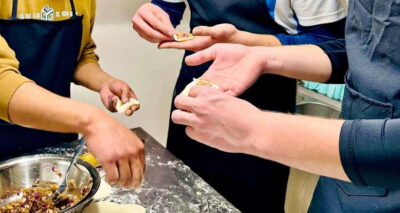
Browse the lists this tour appears in