
Reviewed · BOUDHANATH STUPA TOURS
Sacred Pashupatinath: Aarati,Cremation Rites & Boudha Stupa
Pashupatinath’s riverbank cremation ghats and evening Aarati ceremony give this Kathmandu outing its emotional force. At Boudhanath, you get a calmer hour of prayer wheels, monasteries, rooftop cafés, and pilgrims circling the great white stupa. I like the sharp contrast between Buddhist quiet and Hindu ceremony, and I like having a local guide explain what you are seeing instead of guessing. The main consideration is that cremation rites can feel intense, and non-Hindus cannot enter Pashupatinath’s central shrine.
The price is $11 per person, but entrance tickets cost extra: NPR 1,000 at Pashupatinath and NPR 400 at Boudhanath. Transport may also be extra unless you select hotel pickup, so check the option carefully before booking.
In This Review
- Key points at a glance
- Two sacred centers, one compact Kathmandu outing
- Boudhanath Stupa and the meaning of the kora
- What makes Pashupatinath so powerful
- The Aarati ceremony at the Bagmati River
- Why the guide matters here
- Timing, transport, and the real price
- What to bring and what to leave behind
- Who will get the most from this tour
- Cancellation and booking flexibility
- Should you book Sacred Pashupatinath?
- FAQ
- How long does the Pashupatinath and Boudhanath tour last?
- How much are the entrance fees?
- Is hotel pickup included?
- Can non-Hindus enter Pashupatinath Temple?
- Will I see Hindu cremation ceremonies?
- Is the Aarati ceremony included?
- Which languages are available?
- What should I bring?
Key points at a glance
- Walk the Boudhanath kora: Circle one of the world’s largest stupas, turning prayer wheels and watching daily Tibetan Buddhist practice.
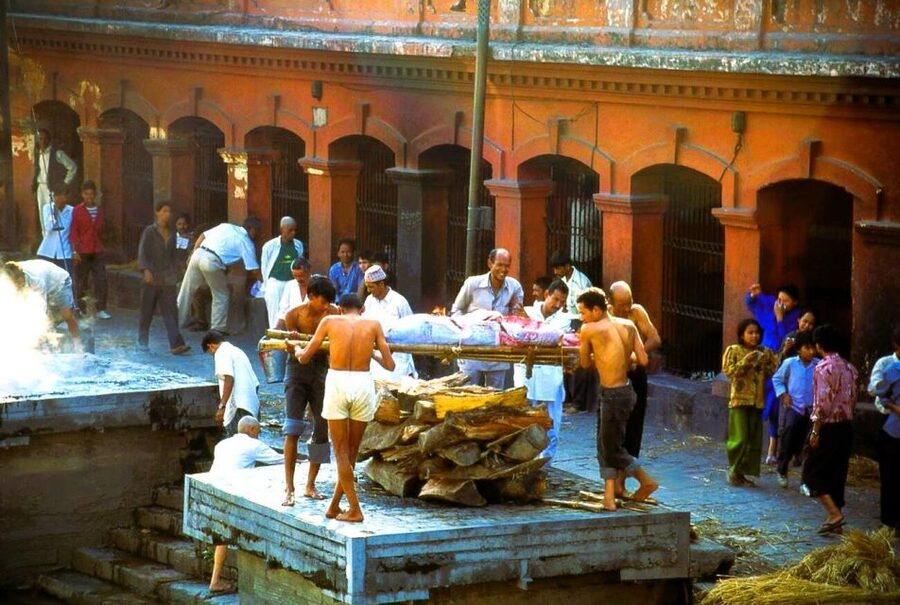
- See Hindu rites at the Bagmati River: Your guide explains the public cremation ceremonies with the respect this setting requires.
- Stay for the Aarati: Bells, chants, conch shells, lamps, and fire create the most powerful part of the visit.
- Meet guides such as Razz, Pranav, Karma, or Anish: Guide quality is central here, since the symbols and rituals are not always easy to understand alone.
- Browse Boudhanath’s local shops: Find singing bowls, religious art, prayer items, and Thangka paintings, but expect some sales pitches.
- Choose private or small-group touring: This makes it easier to ask questions and find a good viewing position during the ceremony.
Two sacred centers, one compact Kathmandu outing
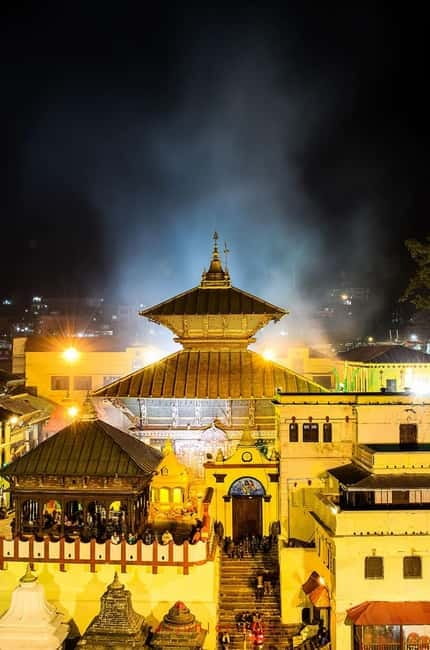
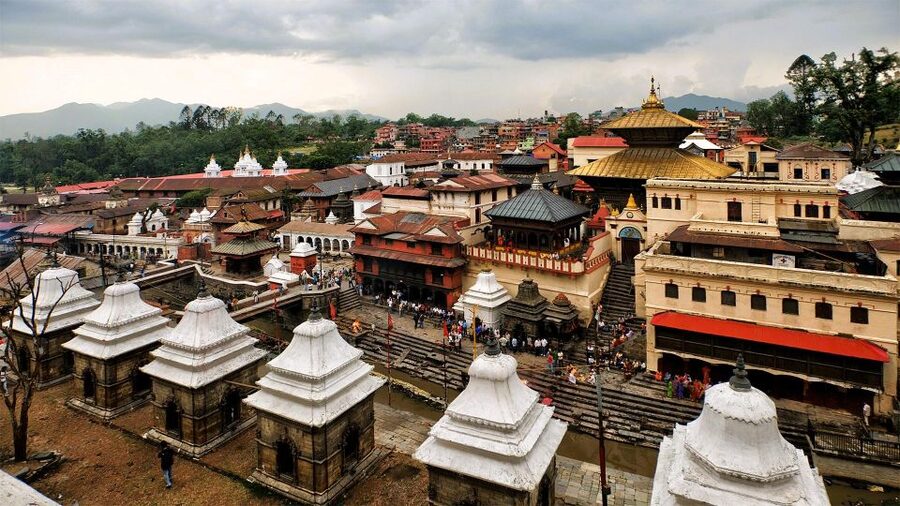
This experience links two UNESCO World Heritage sites that show very different sides of Kathmandu’s spiritual life. Boudhanath is centered on the slow, repeated act of walking around a stupa. Pashupatinath is louder and more raw, with temple bells, cremation fires, holy men, river ghats, and the evening Aarati.
That contrast is the reason I find the pairing so effective. You do not spend the whole day looking at similar monuments. Instead, you move from Buddhist contemplation to Hindu worship, with local life unfolding around both.
The advertised duration is two to five hours. Each main stop is listed at about one hour, but the total time depends on your start time, transportation, shopping, free time, and how long you stay for Aarati. Check the available departure time, especially if the ceremony is the main reason you are booking.
More visits to Pashupatinath:
- Kathmandu Spiritual Sites: Bodhnath & Pashupatinath Tour
★ 5.0 · 185 reviews - Kathmandu: Pashupatinath Temple Evening Aarati Tour
★ 5.0 · 36 reviews - Kathmandu: Pashupatinath Temple Aarti Night Tour
★ 4.8 · 29 reviews
Boudhanath Stupa and the meaning of the kora
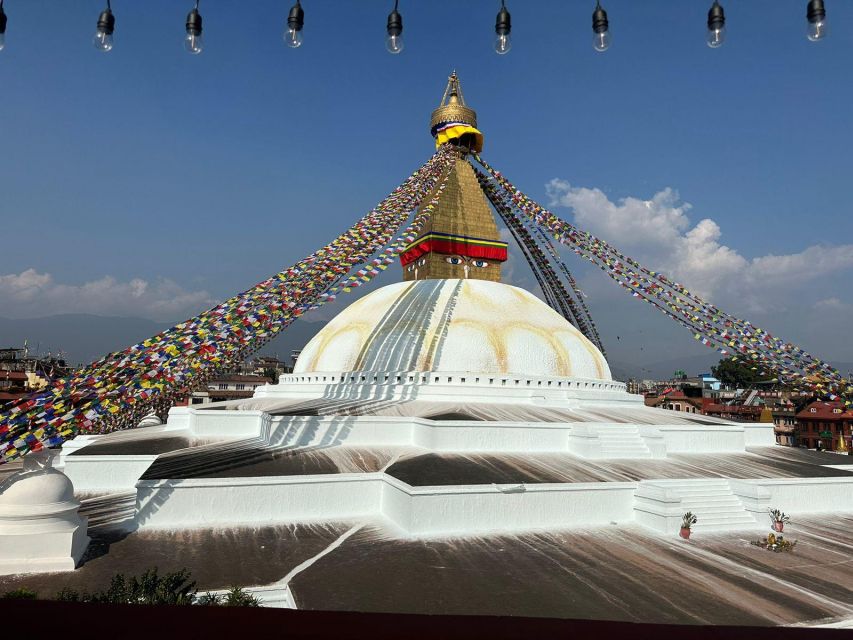
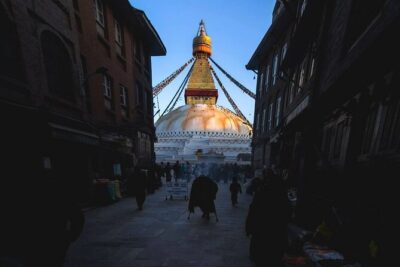
Boudhanath is the gentler opening stop. Its huge white dome and gold-topped spire are easy to spot as you approach, and the open area around it gives you room to observe before you begin walking.
Your guide can explain the symbols on the stupa and the purpose of the surrounding monasteries. This matters because Boudhanath is not just a photogenic monument. It is a working religious center, and the daily rhythm is part of the experience.
The traditional walk around the stupa is called a kora. You will see people moving clockwise, often turning prayer wheels as they go. You can join the circuit at your own pace, pause for photographs, or simply watch from the edge. There is no need to hurry. The value of a guide here is not speed, but context.
Allow time to look into monastery courtyards and nearby shops. You might find religious objects, singing bowls, painted Buddhist art, and other items connected with local practice. One visitor also watched artists working on Dalai Lama Thangka paintings, a useful reminder that Boudhanath is a place of living craft as well as worship.
A rooftop café can be a pleasant pause. Sit with tea, look across the stupa, and let the scene settle. The surrounding shopping area can be persistent, though sellers generally accept a clear no. If you want a quiet visit, keep your browsing time short and return to the stupa’s outer path.
What makes Pashupatinath so powerful
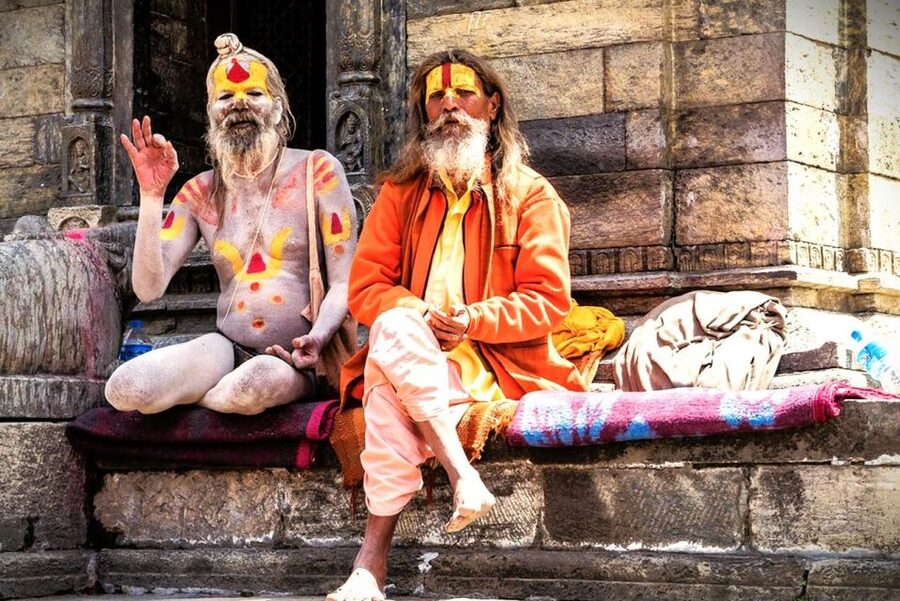
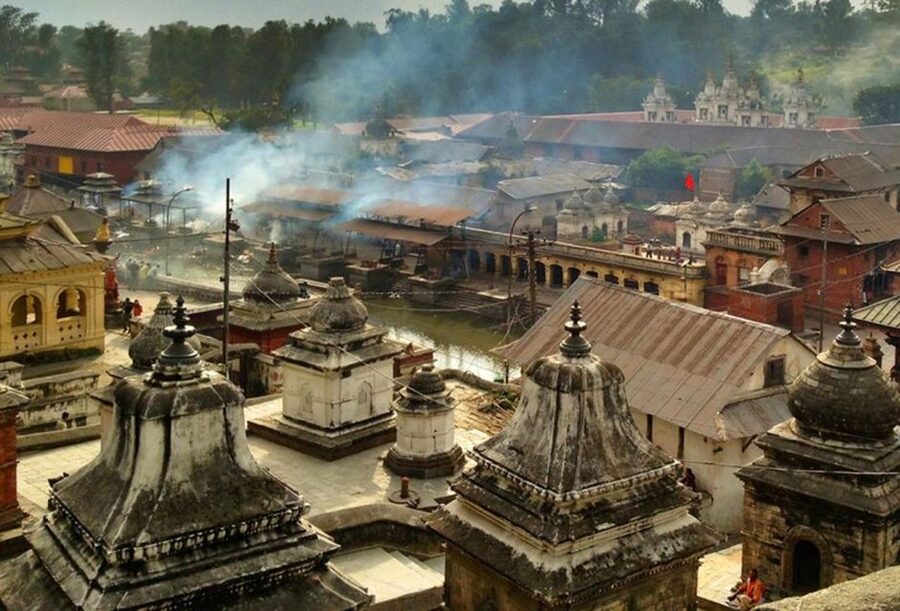
Pashupatinath Temple is dedicated to Lord Shiva in his form as Pashupati, the protector of animals. The complex sits beside the sacred Bagmati River and includes shrines, statues, temple buildings, ghats, and areas used for public Hindu ceremonies.
The main sanctum is closed to non-Hindus. You can still explore the outer complex with your guide, who will point out the architecture and explain the role of the different spaces. This restriction is important to understand before you arrive. You are not buying access to every part of the temple, but the exterior complex and riverbank offer plenty to see.
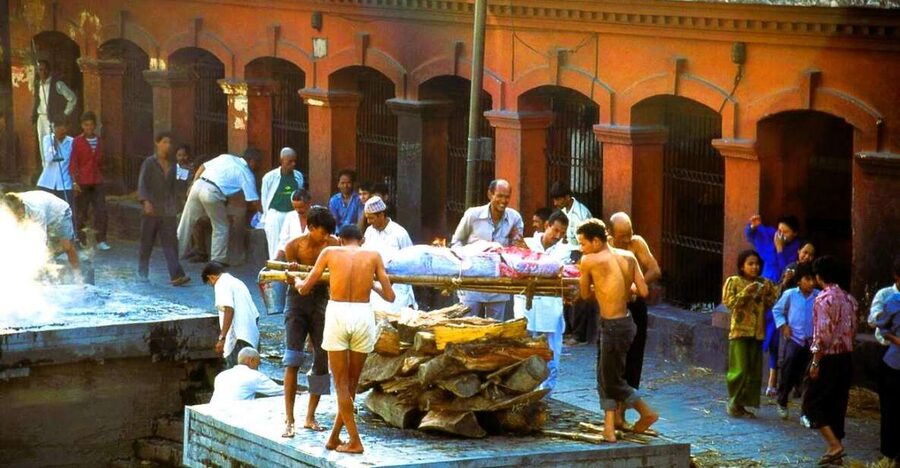
The atmosphere changes quickly from quiet observation to serious reflection. Cremation ceremonies take place along the river, and you may see funeral rites in progress. This is not staged for visitors. Families are carrying out an important religious duty, so your conduct matters more than your camera.
Your guide should explain the meaning of the fire, the river, and the steps of the ceremony without turning a private family moment into a spectacle. Guides including Razz, Pranav, Karma, Anish, and Sudhir received particular praise for clear explanations, strong English, and respectful handling of sensitive subjects. Guide quality is especially important here.
You may find the cremation ghats emotionally difficult. One visitor described the experience as moving, while another found the Aarati ceremony hard to watch because it felt dark and emotional. That reaction is entirely reasonable. You do not need to stand close, take photographs, or remain longer than feels right.
The Aarati ceremony at the Bagmati River
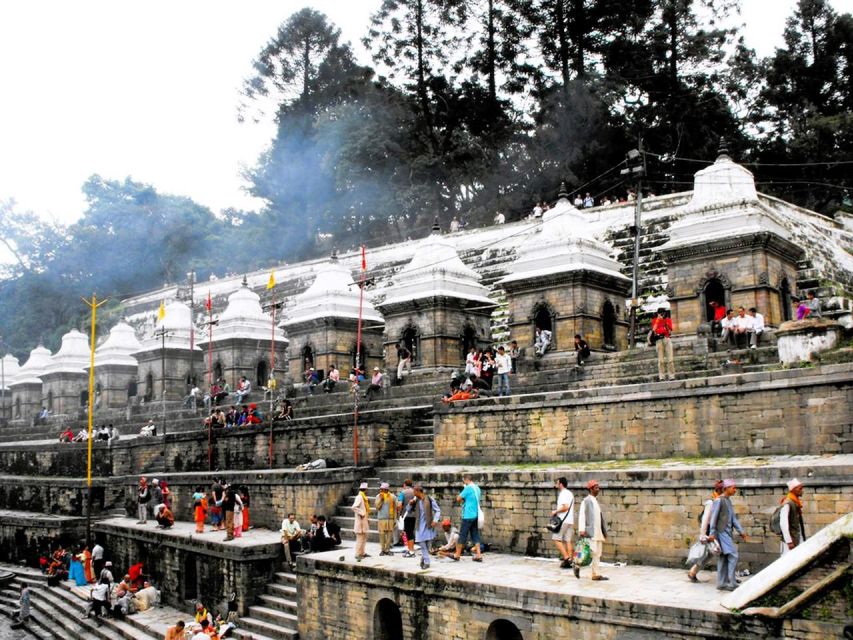
The evening Aarati is the main event for many people. As daylight fades, the riverfront fills with sound and movement. Chants, bells, conch shells, lamps, and fire create a ceremony that feels both public and deeply personal.
Your guide will help you understand what is happening and, if possible, position you where you can see the ritual clearly. That practical help makes a difference. The ceremony can be difficult to follow from the edge of a crowd, especially if you do not know which actions to watch.
Aarati is not a theatrical performance put on for tourists. It is a devotional ceremony, and you should treat it as such. Keep your voice low, follow your guide’s instructions, and ask before taking photographs. The setting combines religious worship with nearby cremation rites, so it can carry several emotions at once.
I would choose this tour for the explanation as much as for the ceremony itself. Without context, you may notice only fire and music. With a good guide, you can better understand how the ritual fits into the spiritual life of Pashupatinath.
More time around Boudhanath stupa:
- PashupatiNath and BoudhaNath – Private/Small Group
★ 5.0 · 18 reviews - Private Half-Day Tour of Boudhanath and Pashupatinath Temples in Kathmandu
★ 4.5 · 9 reviews - Bhaktapur Durbar Square and Boudhanath Stupa
★ 5.0 · 7 reviews - Half Day Boudhanath Stupa Tour in Kathmandu
★ 5.0 · 5 reviews
Why the guide matters here
The listed guide languages are English, Chinese, Hindi, and Russian. Private and small-group formats are available, which is useful at both sites. A smaller group gives you more room to ask questions and makes it easier to stay with your guide in busy areas.
Several guides are named in the experience details. Razz is praised for explaining the temple and cremation rites clearly. Pranav is described as polite, friendly, and especially good at explaining each step of Aarati. Karma is noted for answering questions and offering useful cultural background. Anish and Sudhir are also mentioned as friendly guides who added historical and spiritual context.
You may not receive a particular guide, so do not book solely for one name. Instead, use those names as a clue about what a good guide can add. You want someone who explains without rushing, respects the families at the ghats, and helps you understand Buddhist and Hindu customs without reducing them to simple photo stops.
A guide can also help with small practical matters. At Boudhanath, that may mean identifying the right direction for the kora or explaining monastery activity. At Pashupatinath, it may mean finding the ticket counter, showing you the outer complex, and helping you understand where the ceremony can be viewed.
Timing, transport, and the real price
The advertised cost is $11 per person, which is a low guiding fee for two major religious sites. But the price does not include admission. Add NPR 1,000 for Pashupatinath and NPR 400 for Boudhanath, for a total of NPR 1,400 in entrance charges.
Food, drinks, shopping, and personal expenses are also separate. If you buy a singing bowl, religious artwork, or another item near Boudhanath, that comes out of your own budget.
Transportation needs careful attention. Some options include hotel pickup and drop-off, while the meeting instructions say you can meet the guide at the Pashupatinath ticket counter and arrange your own transport. A paid pickup option may be available at a reasonable additional rate.
The listed return points are Kathmandu and Thamel. If you are staying in central Kathmandu, confirm whether hotel pickup is included in your selected option or whether you must reach Pashupatinath yourself. This is the one detail most likely to affect the tour’s value.
At the low base price, the experience is good value if you are comfortable arranging transport and paying the entry fees separately. Pickup becomes more useful if you are unfamiliar with Kathmandu or want one person to manage the route from your hotel through the ceremony and back.
What to bring and what to leave behind
Bring your passport or an accepted copy. Large bags and luggage are not allowed, so travel light. Drones, alcohol, drugs, and nudity are prohibited.
The experience is not suitable for children under 12 or for people with respiratory issues. The latter restriction matters because the temple and cremation area can expose you to smoke and other irritants.
Wear clothing suitable for religious sites and behave quietly around the ghats. The supplied information does not set out a detailed dress code, but modest, respectful clothing is the sensible choice. Keep your belongings simple, and do not treat the cremation area like an ordinary sightseeing stop.
Who will get the most from this tour
I would recommend this experience to you if you want cultural explanation rather than a quick taxi visit. It suits first-time visitors to Kathmandu who want to see two major spiritual sites in a short outing, especially if you are curious about the connection between worship, death, and daily life.
It is also a good fit for photographers who want strong visual subjects, provided you are willing to put respect before pictures. The prayer wheels, flags, white dome, golden spire, river ghats, lamps, and painted religious art offer plenty to observe, but not everything should be photographed.
You should think twice if you are uncomfortable around death, smoke, crowds, or emotionally serious ceremonies. Pashupatinath is not polished or distant from ordinary life. That is its strength, but it can also make the visit demanding.
The tour is less suitable if you want a long, leisurely visit to either site. The basic schedule gives about an hour at Boudhanath and an hour at Pashupatinath, with the total duration changing according to the option you select. Ask about extra free time if you want to browse, sit at a café, or stay longer at Aarati.
Cancellation and booking flexibility
You can cancel up to 24 hours in advance for a full refund. The reserve-now, pay-later option lets you hold a place without paying immediately, which helps if your Kathmandu schedule may change.
Check the selected option for four things before confirming: hotel pickup, guide coverage at Boudhanath, transport costs, and the exact starting time. The activity may run as a private tour or in a small group, and the difference can affect how much personal attention you receive.
Should you book Sacred Pashupatinath?
Book it if you want a compact but serious look at Kathmandu’s religious life, with a guide to explain what you are seeing. The combination of the Boudhanath kora, Pashupatinath’s riverbank rites, and the Aarati ceremony gives you far more variety than a standard temple visit.
I would choose the hotel pickup option if available, and I would confirm the entrance fees before setting out. Go with an open mind, keep your camera secondary, and be ready for the cremation rites to affect you.
Skip it if you are seeking a light sightseeing morning or if you know that cremation ceremonies will be too upsetting. For everyone else, the $11 guiding price, plus the clearly stated entrance fees, makes this a strong value for two of Kathmandu’s most important sacred places.
FAQ
How long does the Pashupatinath and Boudhanath tour last?
The activity lasts between two and five hours. Starting times and the final duration depend on availability, transportation, free time, and the selected option.
How much are the entrance fees?
Entrance fees are not included. The stated charges are NPR 1,000 at Pashupatinath Temple and NPR 400 at Boudhanath Stupa.
Is hotel pickup included?
Pickup is included only if it is specified in the option you choose. You can also meet the guide at the Pashupatinath Temple ticket counter and arrange your own transportation.
Can non-Hindus enter Pashupatinath Temple?
Non-Hindus cannot enter the main sanctum. You can explore the outer complex and riverbank areas with the guide.
Will I see Hindu cremation ceremonies?
The experience includes witnessing Hindu cremation rituals at Pashupatinath, with explanations from the guide. These rites are real religious ceremonies and may feel emotionally intense.
Is the Aarati ceremony included?
The guide takes you to Pashupatinath for the Aarati ceremony. The ceremony includes chants, bells, conch shells, lamps, and fire.
Which languages are available?
Guides are available in English, Chinese, Hindi, and Russian.
What should I bring?
Bring your passport or a copy of your passport or ID. Do not bring luggage or large bags, drones, alcohol, or drugs.
Recently added around Kathmandu
- Kathmandu : Swambhunath & Durbar Square Guided Half Day Tour★ 3.3 · 3 reviews
- Private Day Tour in Kathmandu Valley Rim with Bhaktapur Sightseeing★ 5.0 · 3 reviews
- From Kathmandu / Pokhara / Chitwan: River Rafting – 1 Day★ 4.6 · 3 reviews
- Nepali Cooking training & Cultural Homestay Experience★ 5.0 · 3 reviews
- Private 3-Hour Nagarkot Sunset Tour from Kathmandu★ 3.5 · 3 reviews
- From Kathmandu: Everest Base Camp Landing Helicopter Tour★ 5.0 · 3 reviews
- 4 UNESSCO World heritage sites of Kathmandu-private tour★ 5.0 · 3 reviews
- From Kathmandu Budget: 15 Day Everest Base Camp Trek★ 5.0 · 3 reviews
Boudhanath Stupa Tours, compared.
PashupatiNath and BoudhaNath – Private/Small Group
Read our review →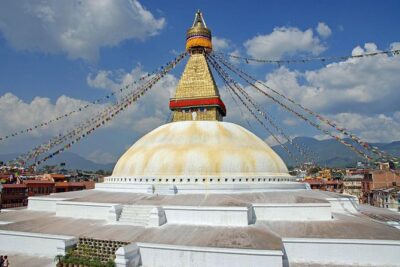
Private Half-Day Tour of Boudhanath and Pashupatinath Temples in Kathmandu
Read our review →
Kopan Monastery, Swayambhu and Boudha Nath Stupa Tour
Read our review →
Browse the lists this tour appears in